China: a box full of surprises
There are destinations we imagine for years. Before we even arrive we already know what to expect, we have seen hundreds of photographs, videos and travel accounts, we already have a formed idea of the landscapes, the food and the people. And then there is China, which manages to surprise us precisely because we arrive without truly knowing what awaits us.
Few countries have surprised me as much as China. It was, without a doubt, the biggest box of surprises of all the trips I have ever taken, and perhaps that is what made it so special. Over 15 days in China (the full itinerary is coming soon), I travelled through some of its most iconic cities, but I quickly realised I was only discovering a tiny part of a gigantic country.
Unlike other Asian destinations, China is one of those rare countries where Google literally does not work. It's true that you can find a few travel itineraries and videos on YouTube, but it remains a country shrouded in mystery and far less present on social media than other Asian destinations. When I landed in Shanghai, I quickly realised I had no idea what was in store for me.
A question of scale
The first thing China does is completely dismantle our notion of “big”. We Portuguese are used to a country where a city of 200,000 inhabitants is already considered important, where Lisbon and Porto completely dominate the national scene. In China, that scale simply stops making sense.
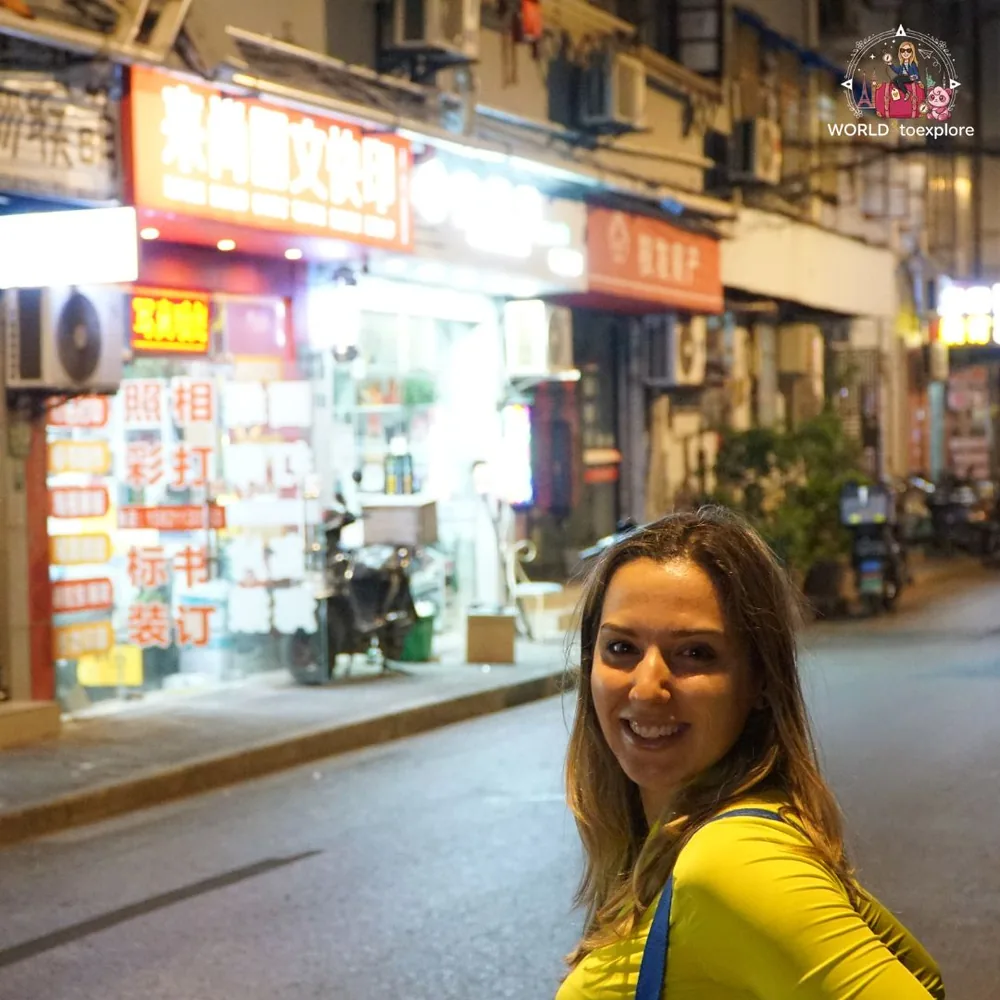
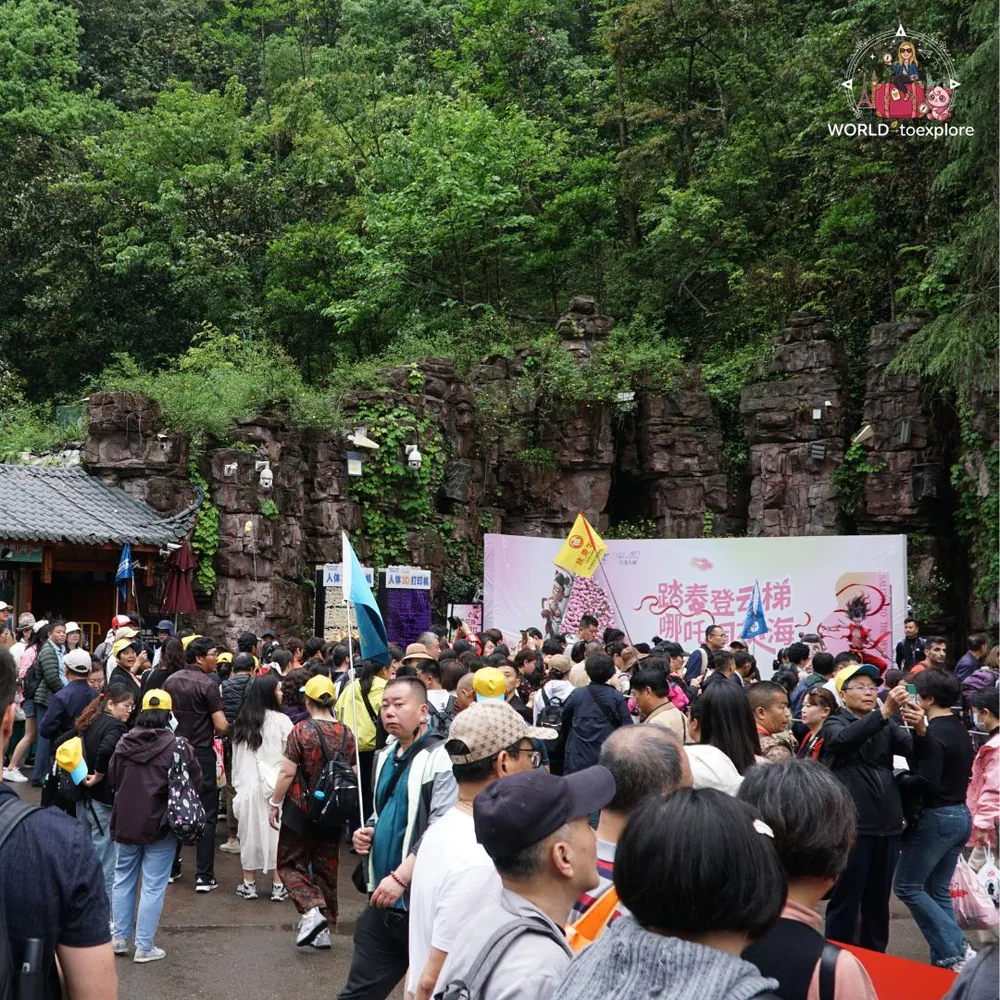
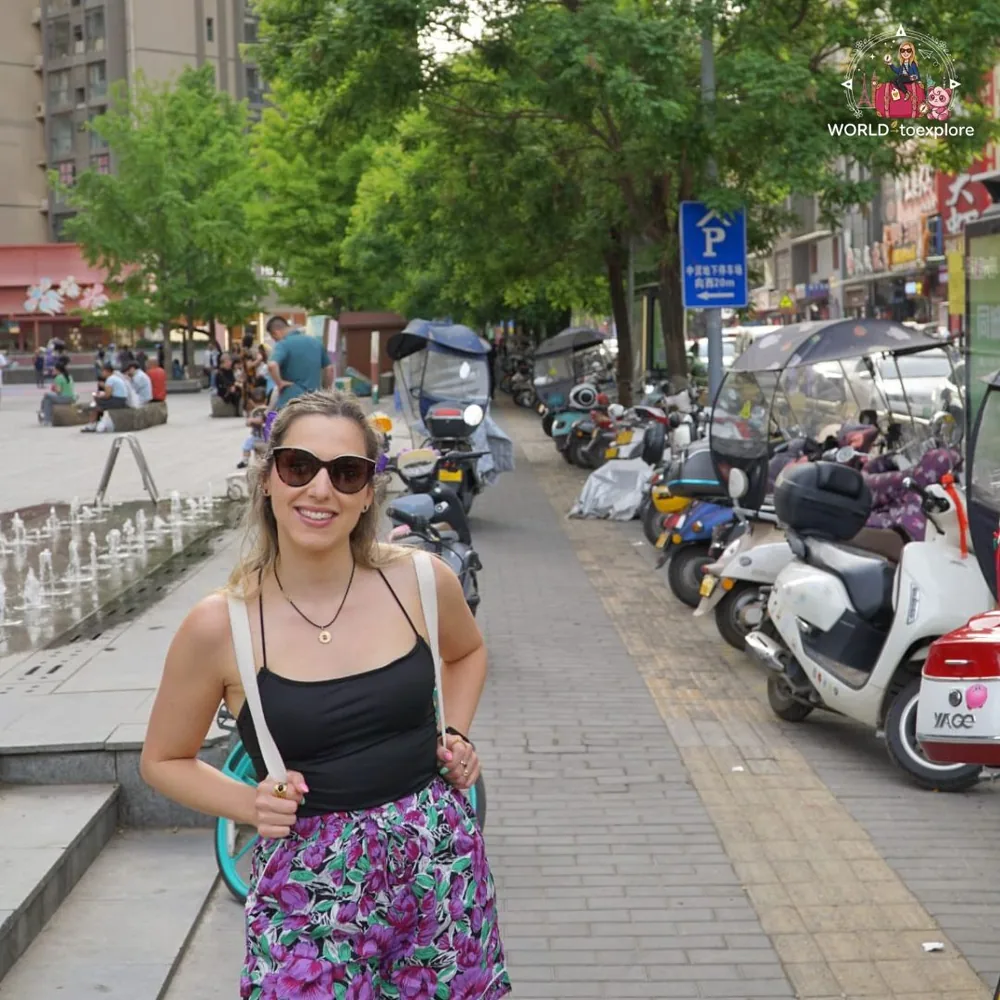
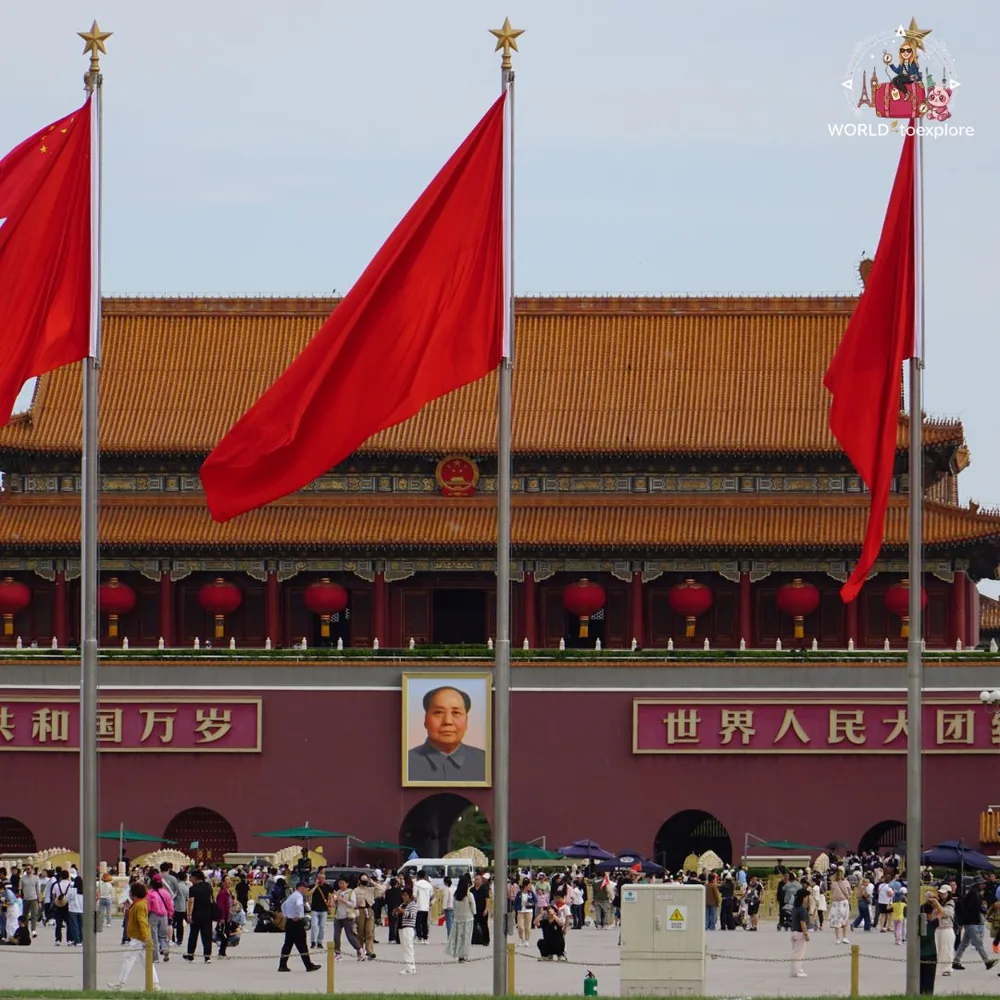
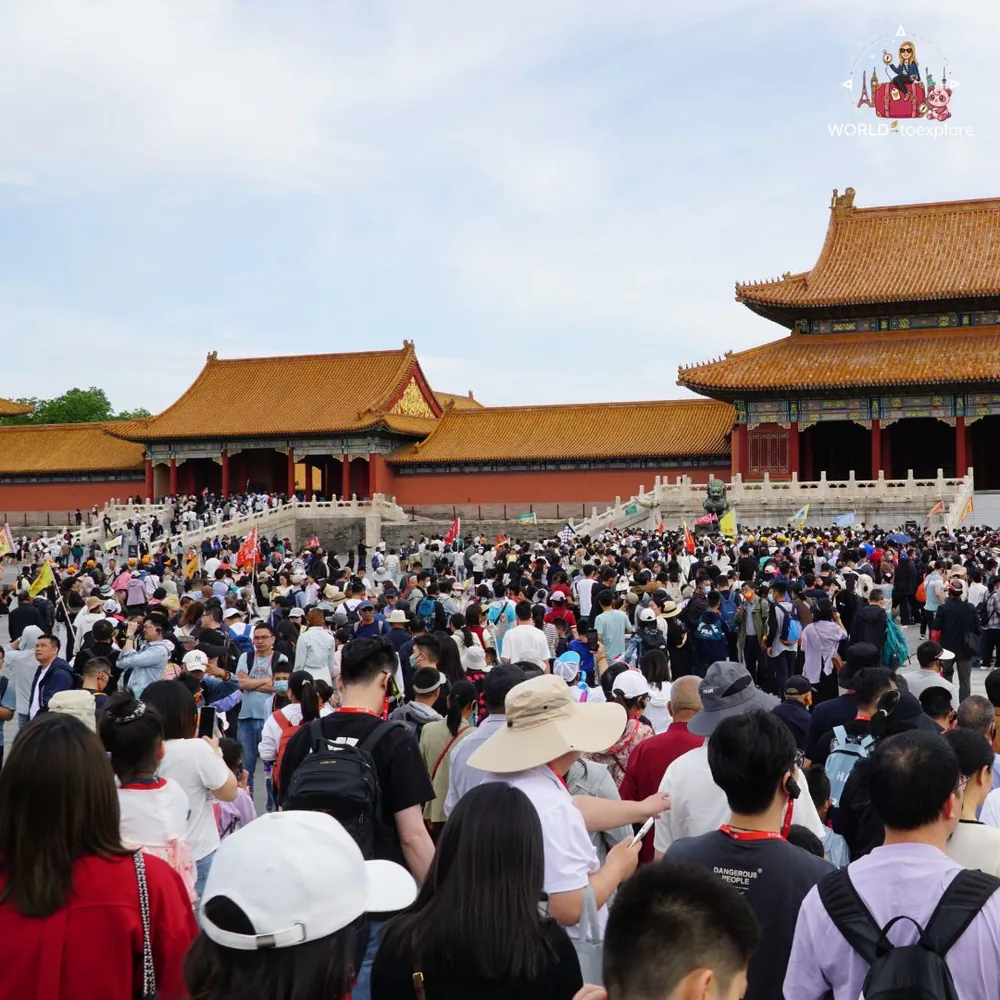
The cities seem endless: skyscrapers as far as the eye can see, dozens of metro lines, millions upon millions of inhabitants. What impressed me most was realising that there are cities considered “small” in China with far more inhabitants than the whole of Portugal. Everything is bigger: the train stations are enormous, the airports feel like cities of their own, the avenues have dozens of lanes and there are people and noise everywhere. It is a country that, like it or not, makes us feel quite small.
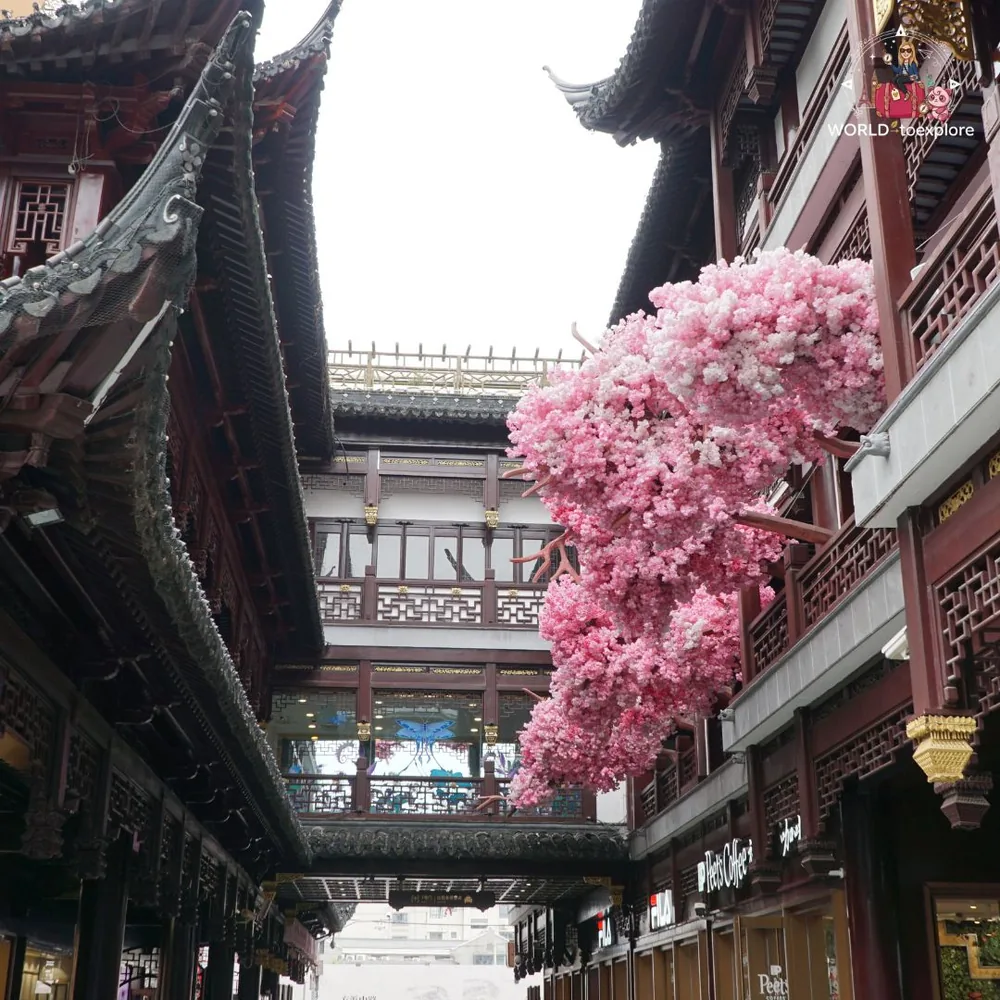

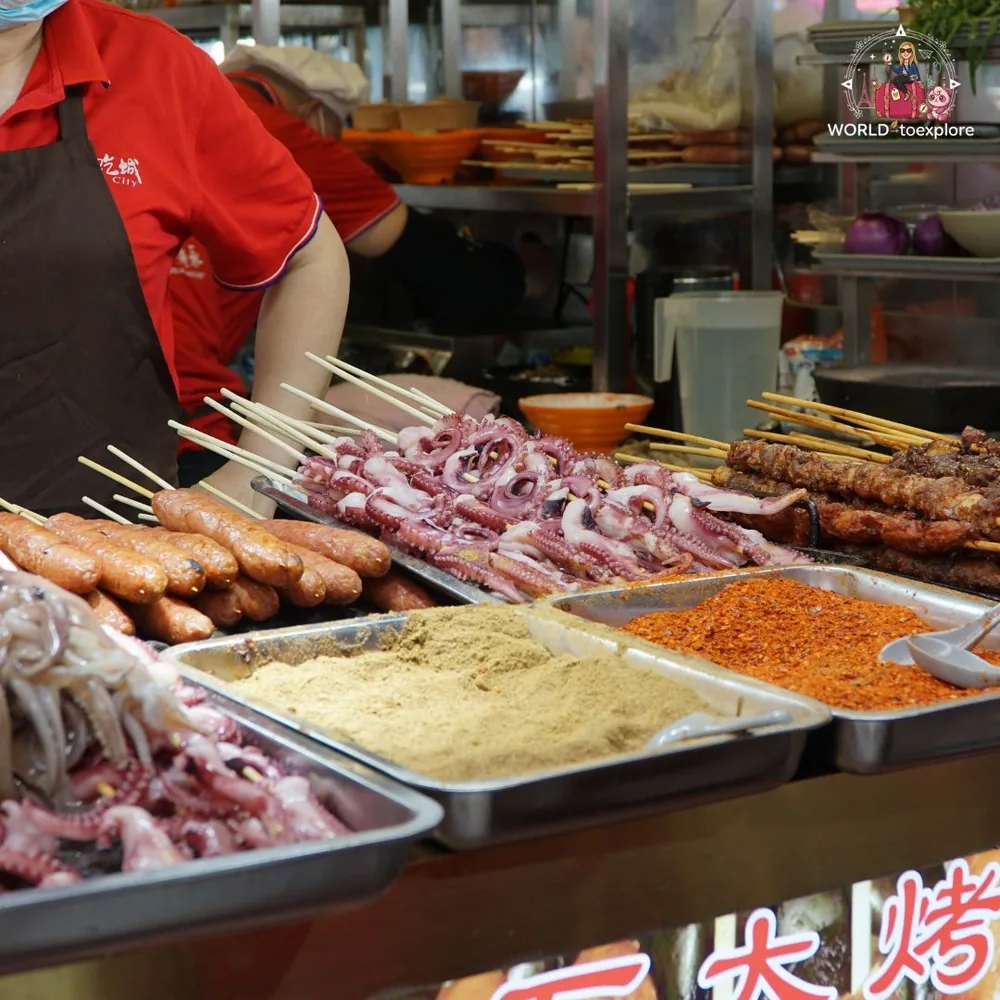
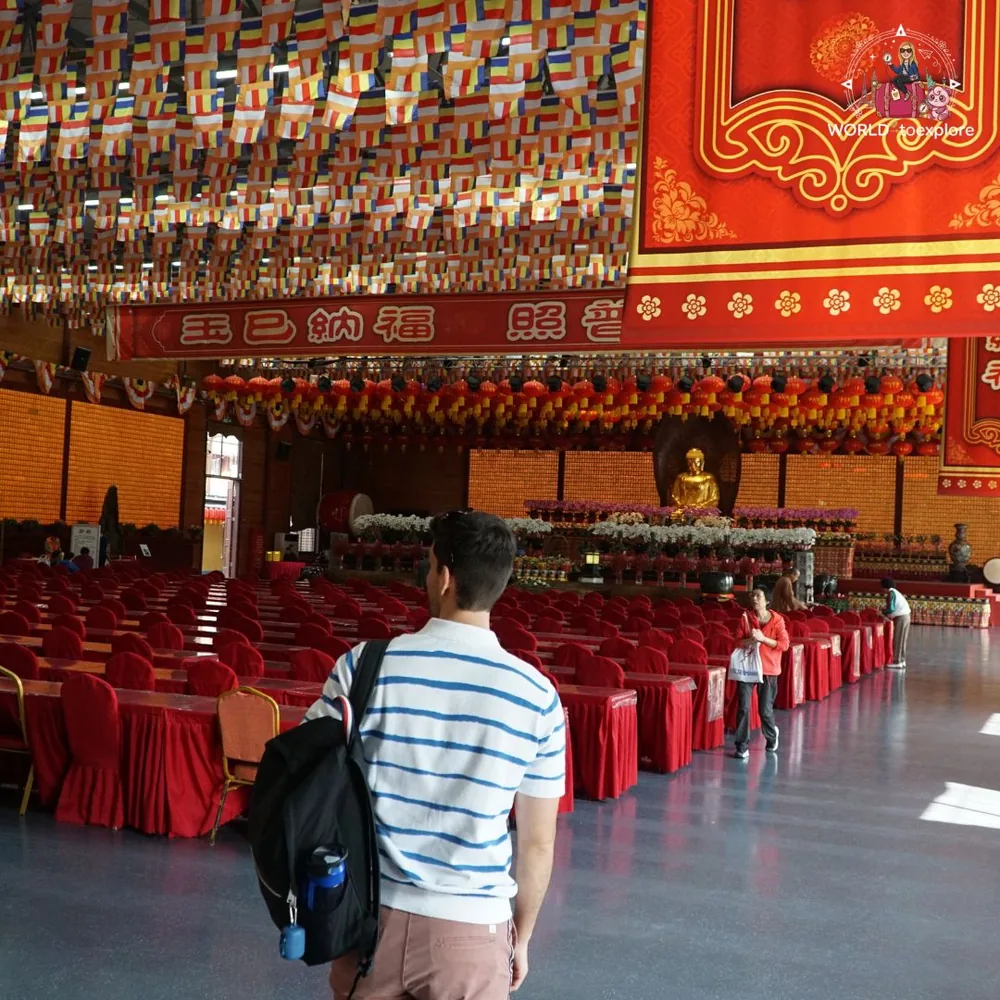
From Shanghai to the Avatar mountains
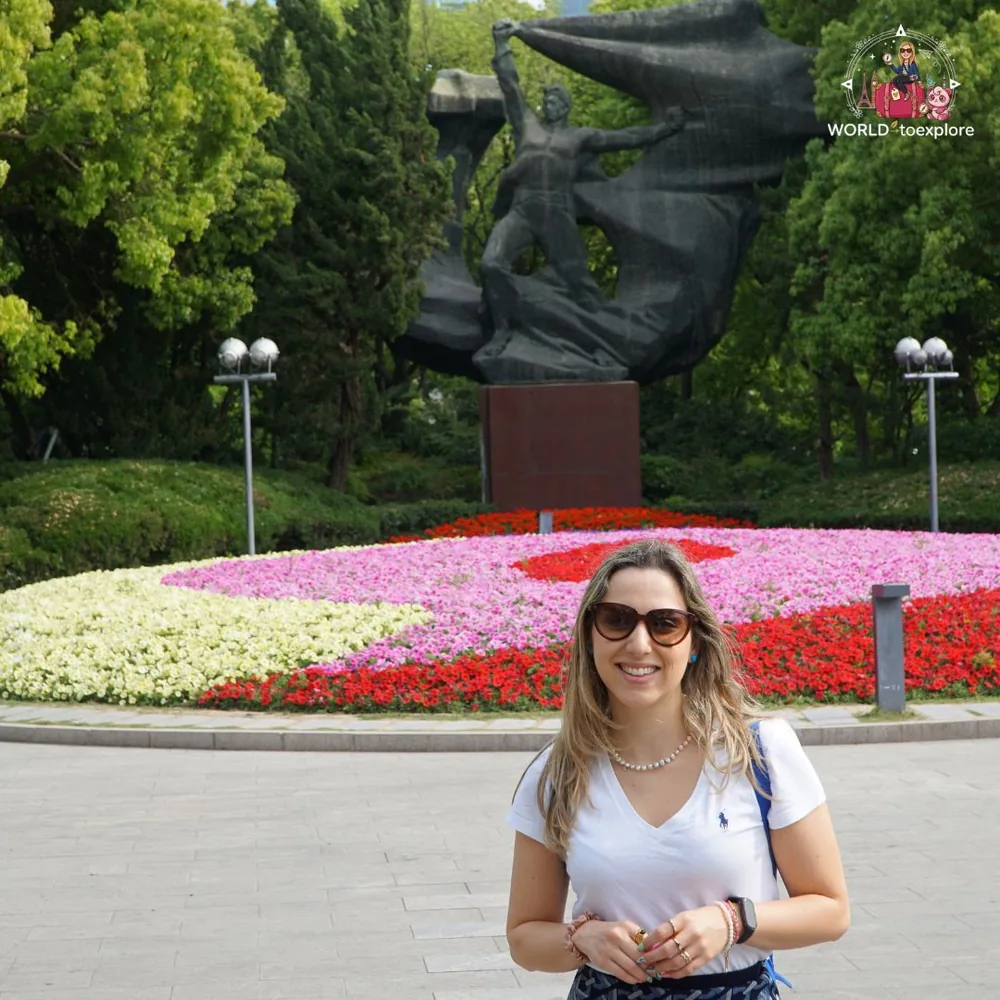
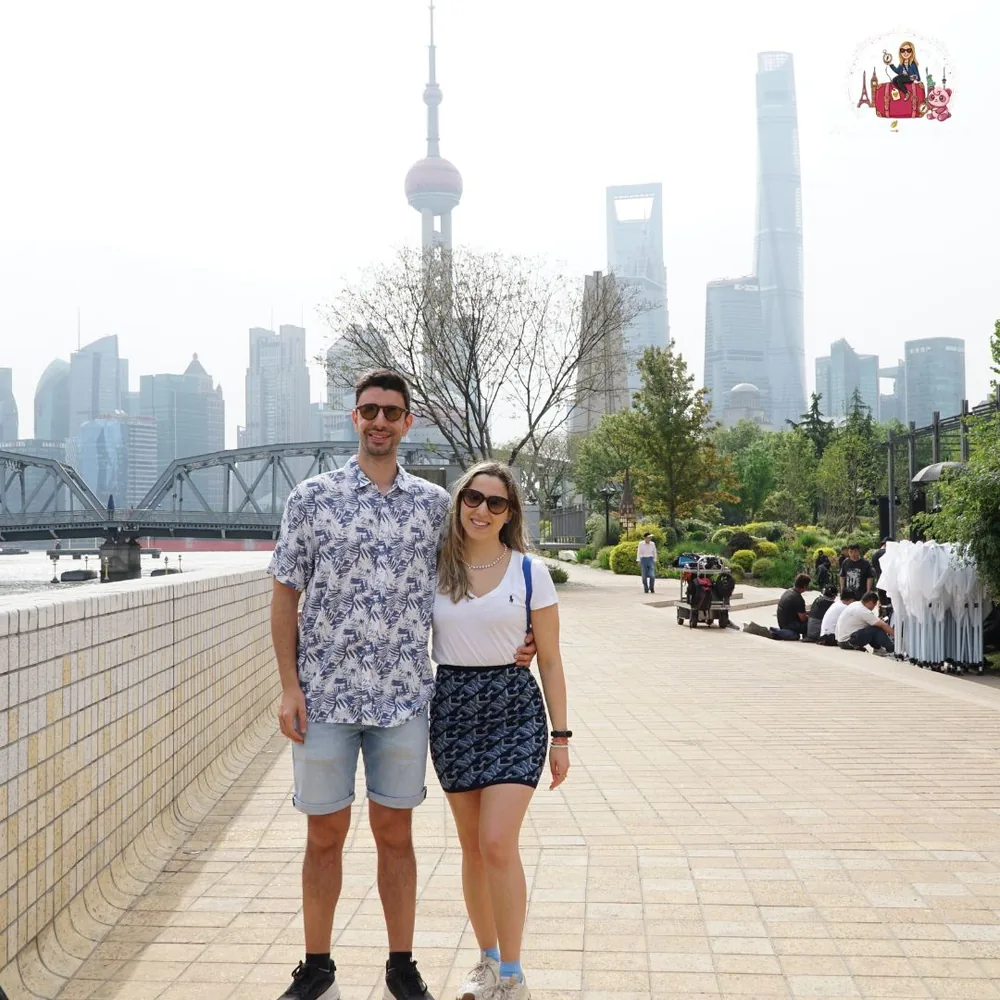
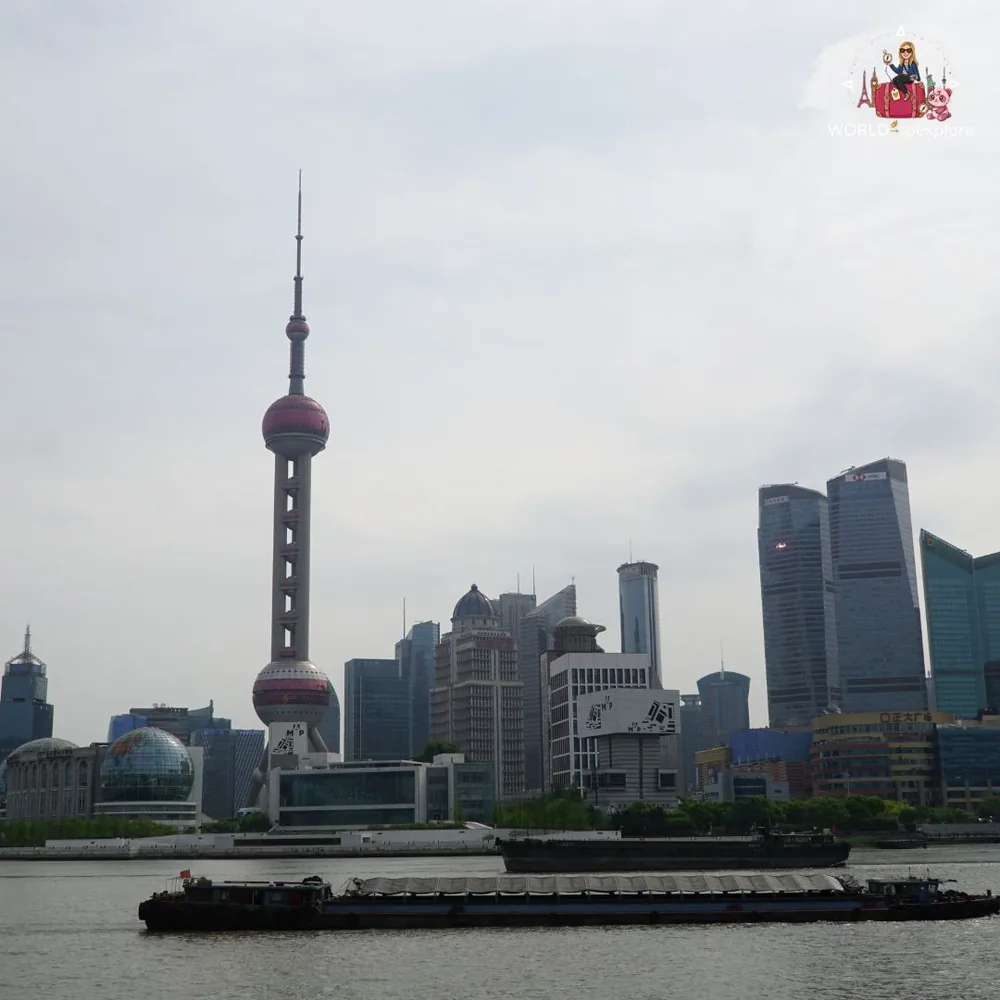
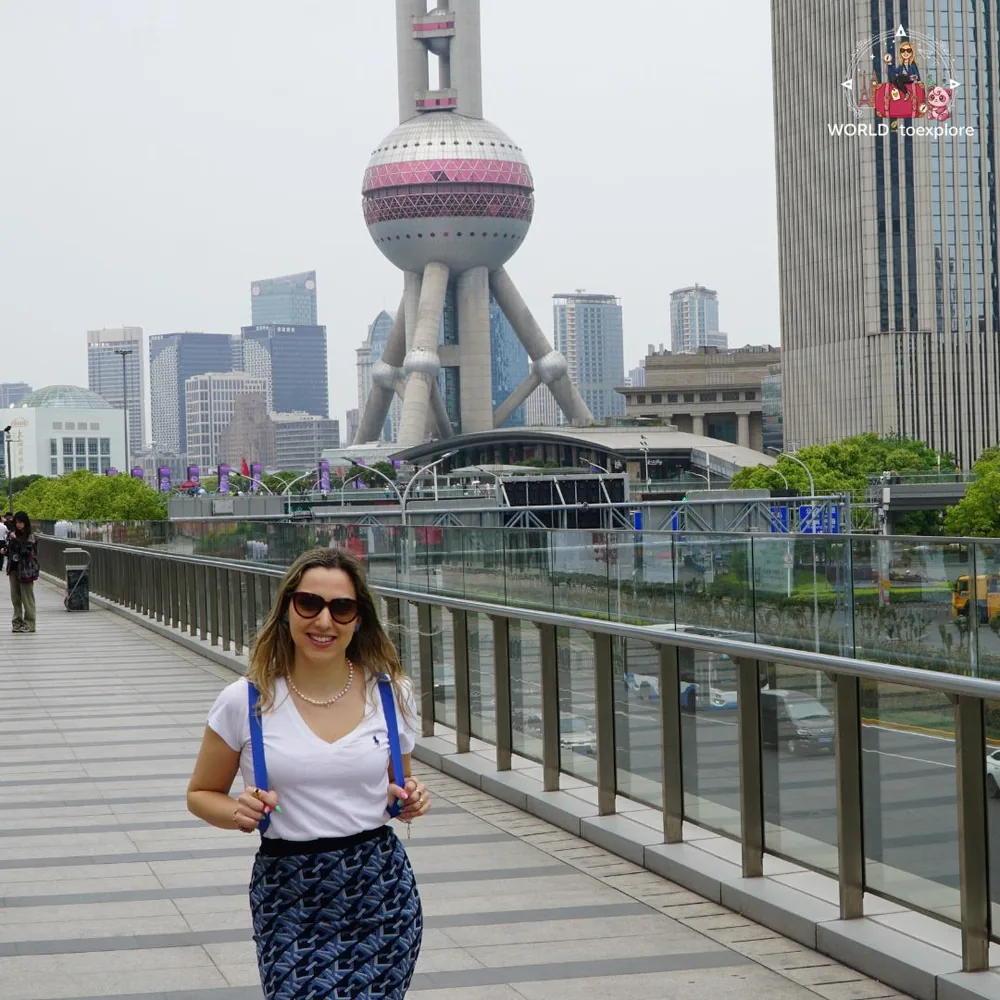
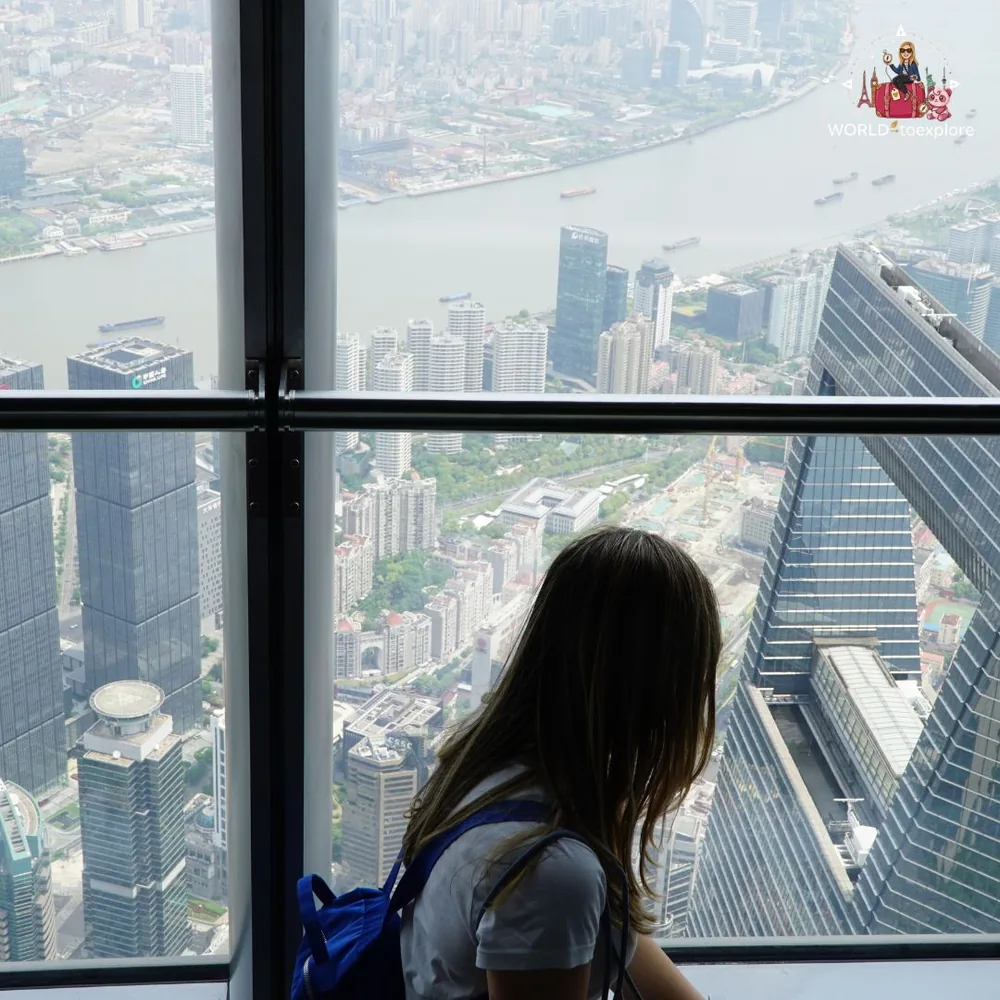
The adventure began in Shanghai, probably one of the most modern cities in the world. It was also here that I went up the Shanghai Tower, one of the tallest buildings in the world, from which you get a stunning view over a city that seems to have no end. From up there, it was impossible not to be struck by the sheer size of Shanghai and to realise that China's scale is completely different from what we are used to. But Shanghai was just the appetiser.
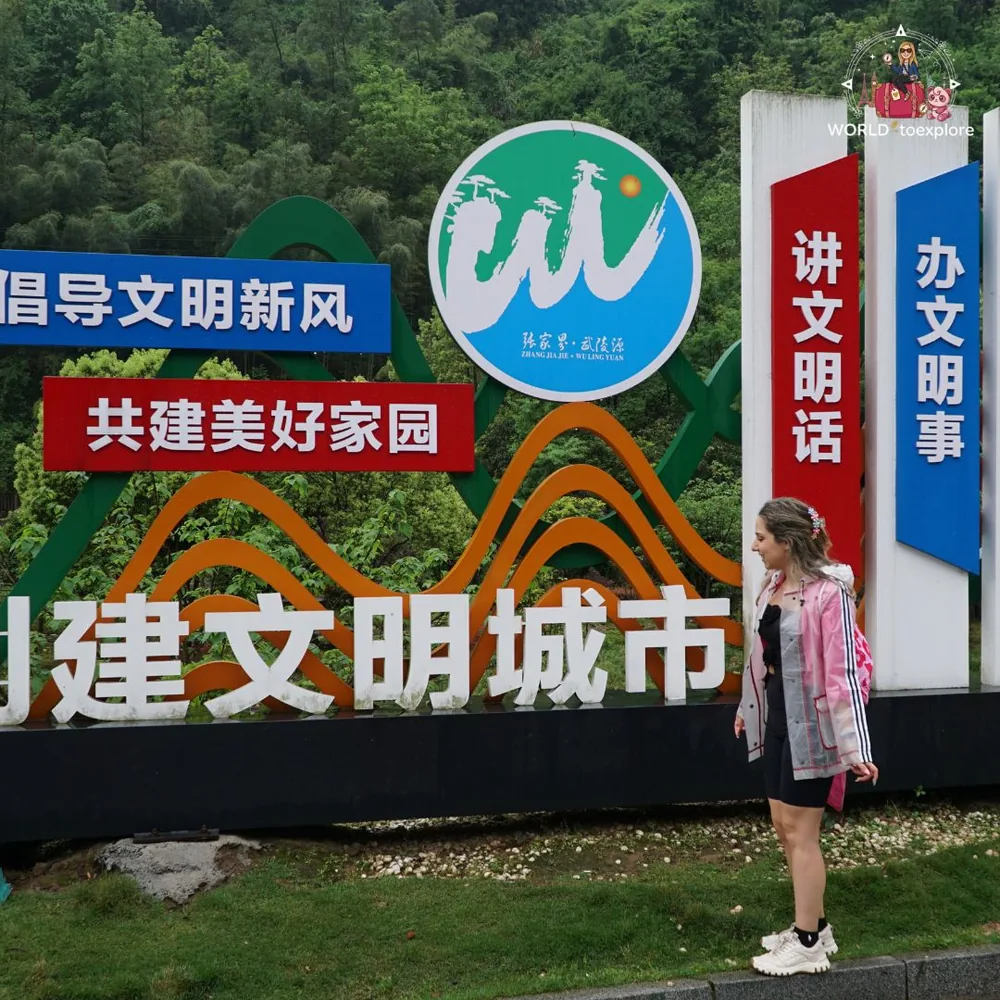
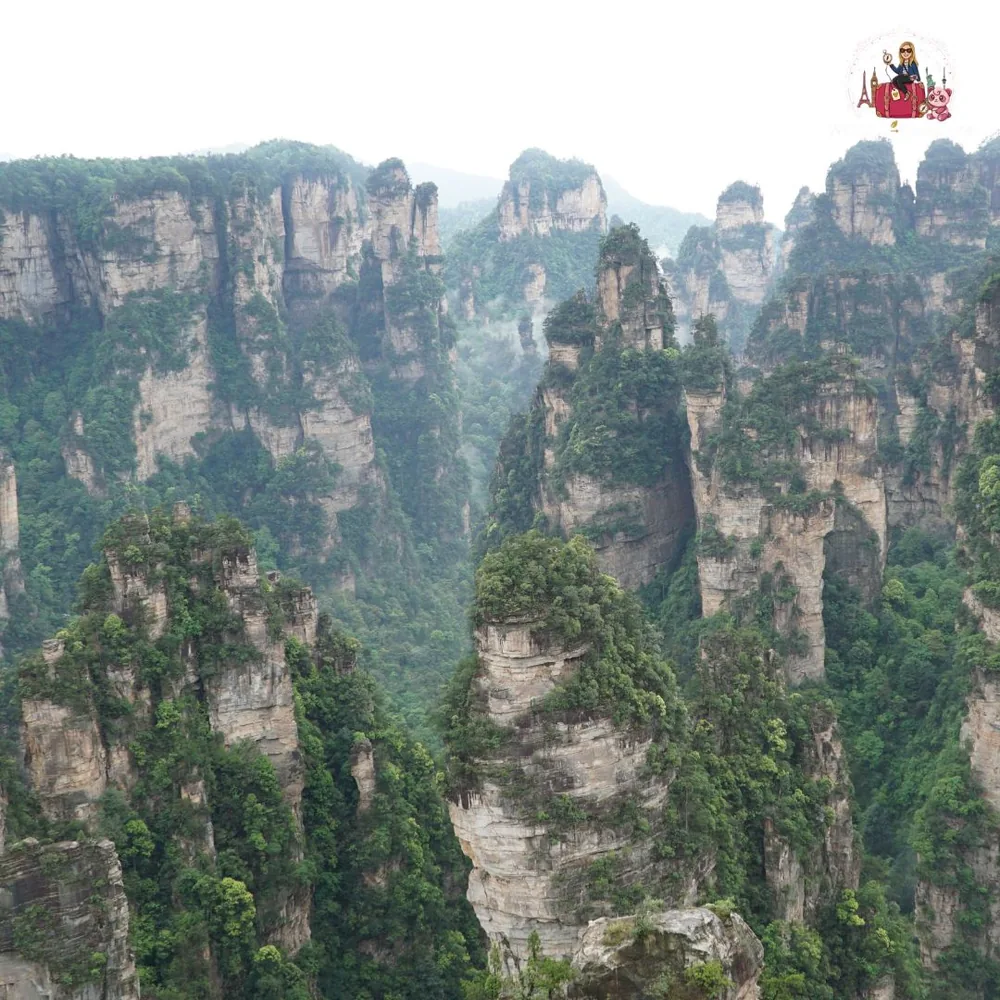
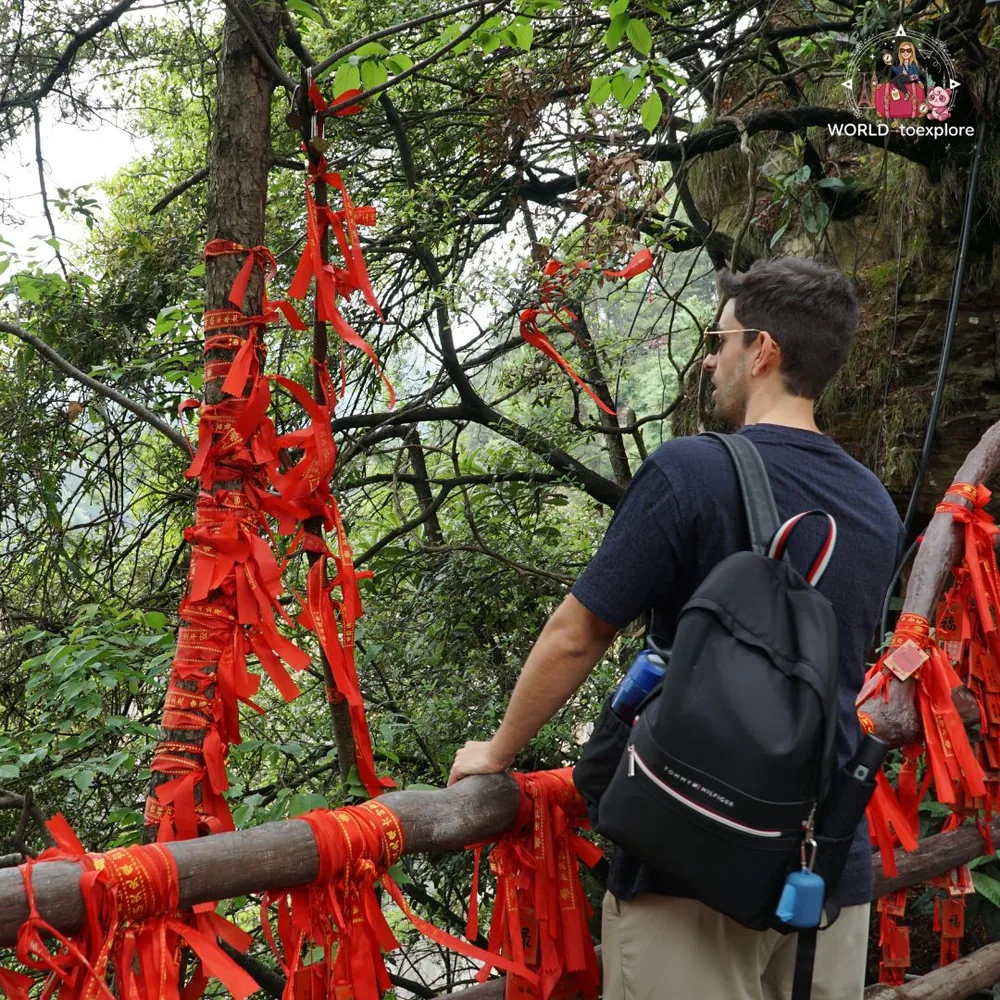
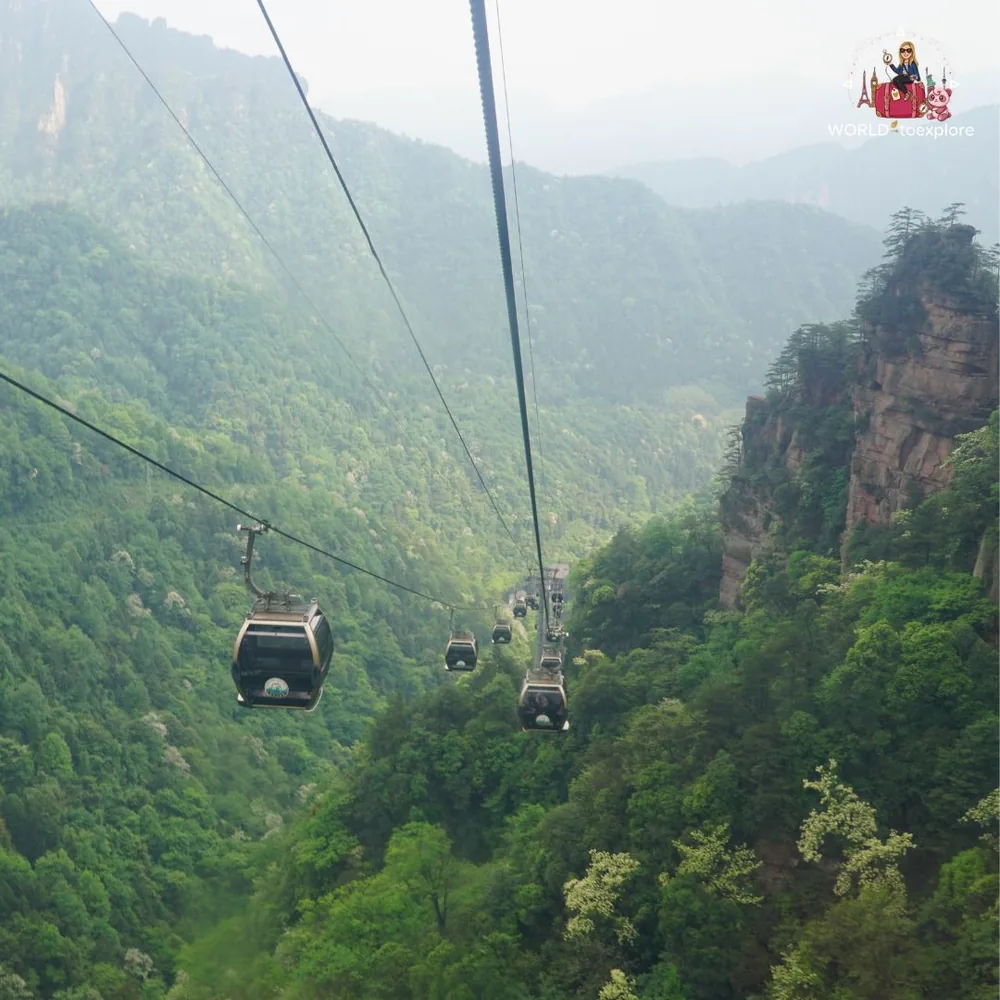
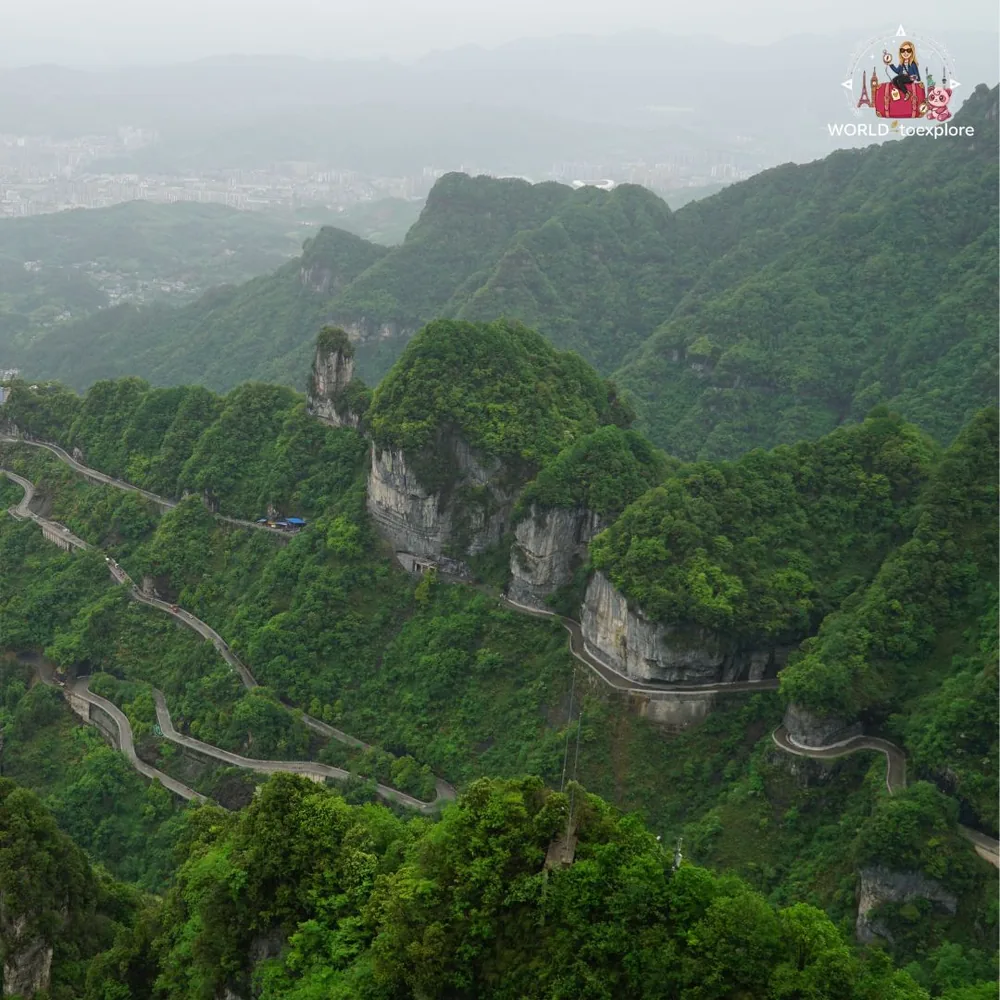
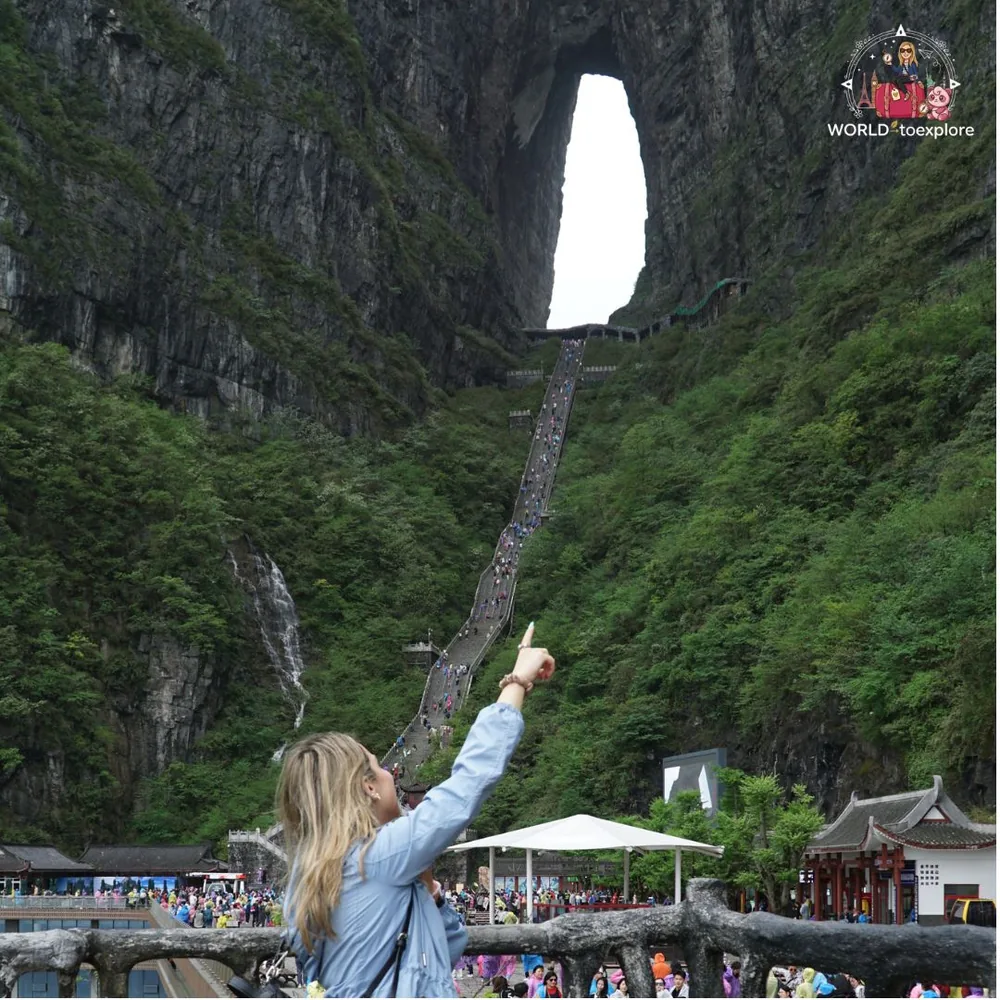
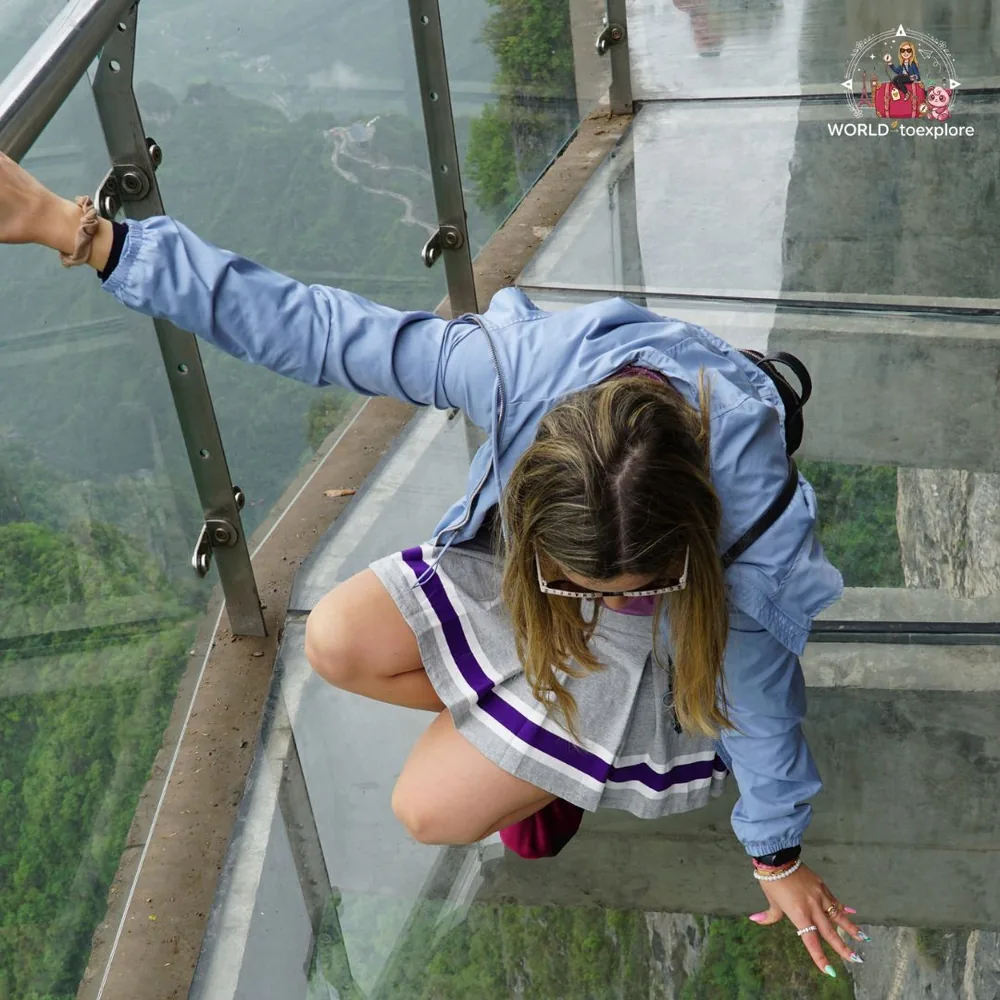
The next destination, Zhangjiajie, looks like it came straight out of a fantasy film, and that's no coincidence: it was here that James Cameron found inspiration for the floating mountains in the film Avatar. Seeing those rock formations emerging from the mist is an experience that is hard to describe. The photographs are beautiful, but they come nowhere near conveying the true scale of that scenery. We also took the chance to visit Tianmen Mountain, known for its impressive natural arch carved into the rock, the famous “Heaven's Gate”. Between cable cars, hanging walkways and viewpoints over the mountains, it was one of the highlights of our time in Zhangjiajie.
Warriors and pandas
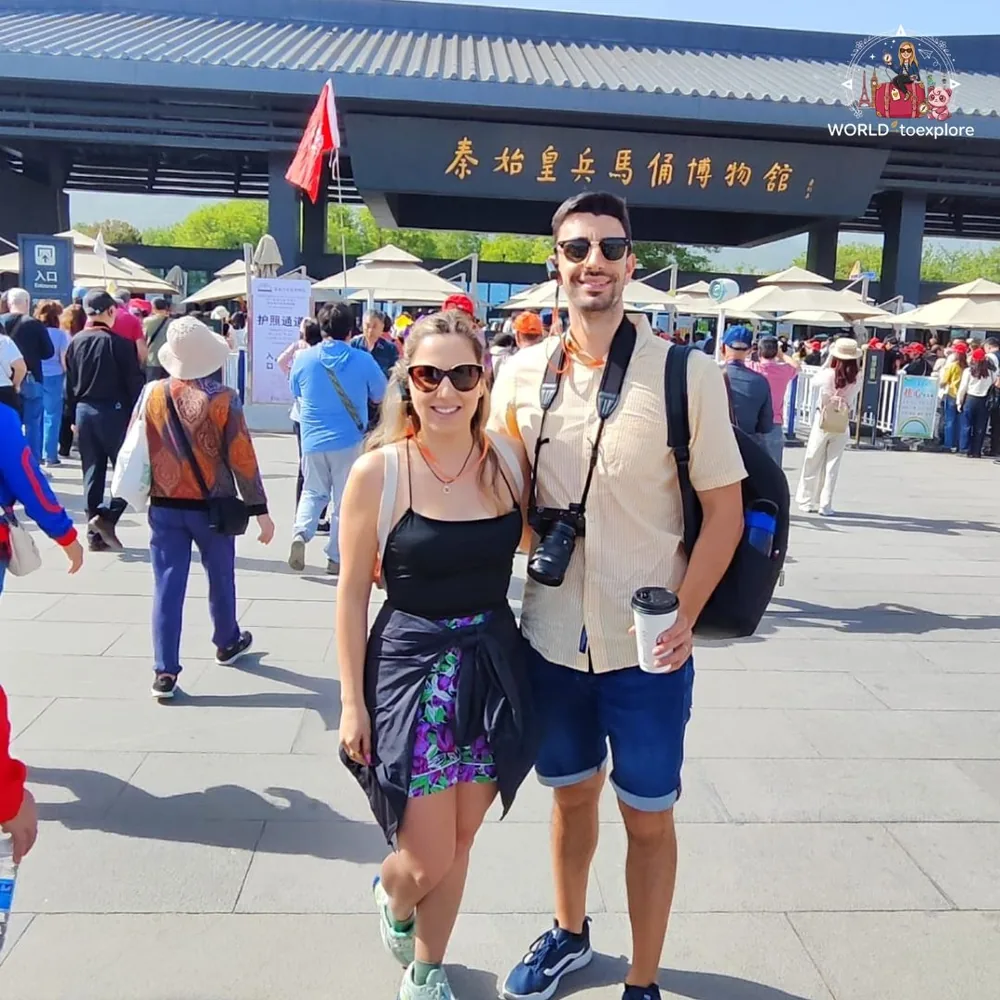
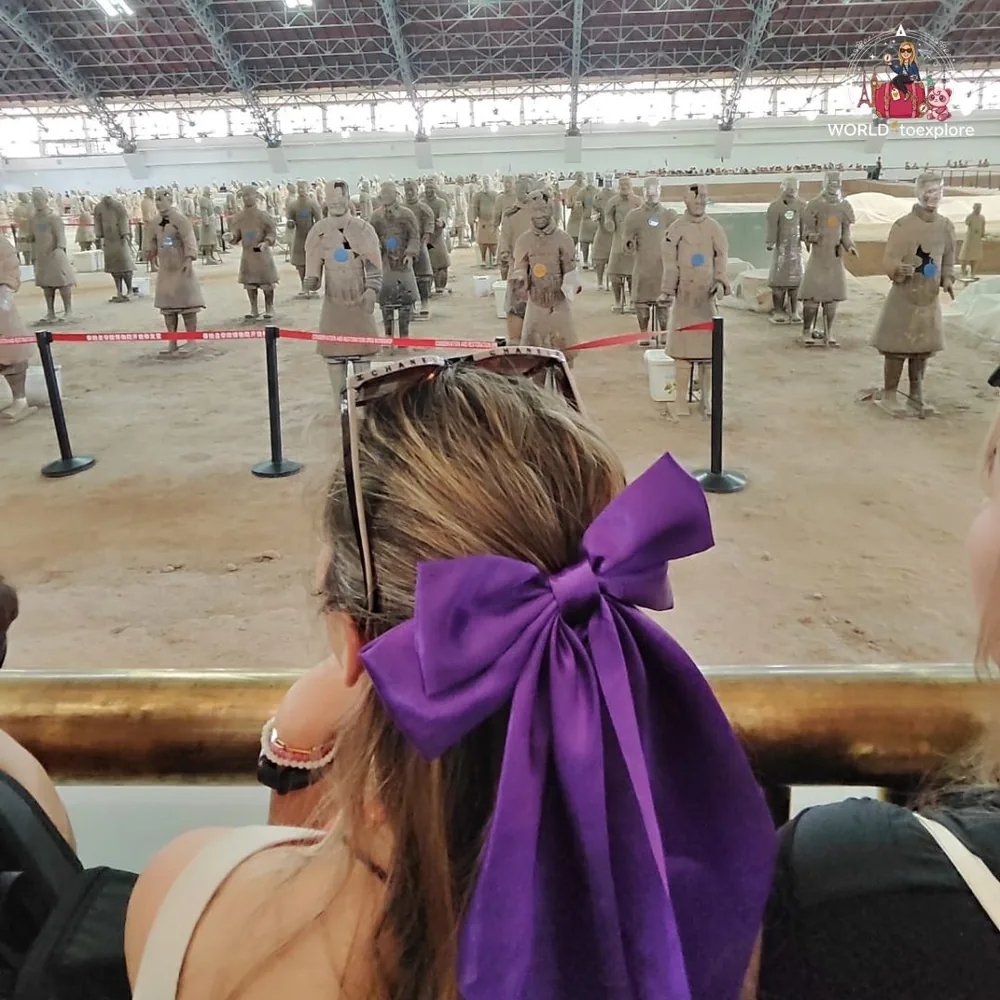
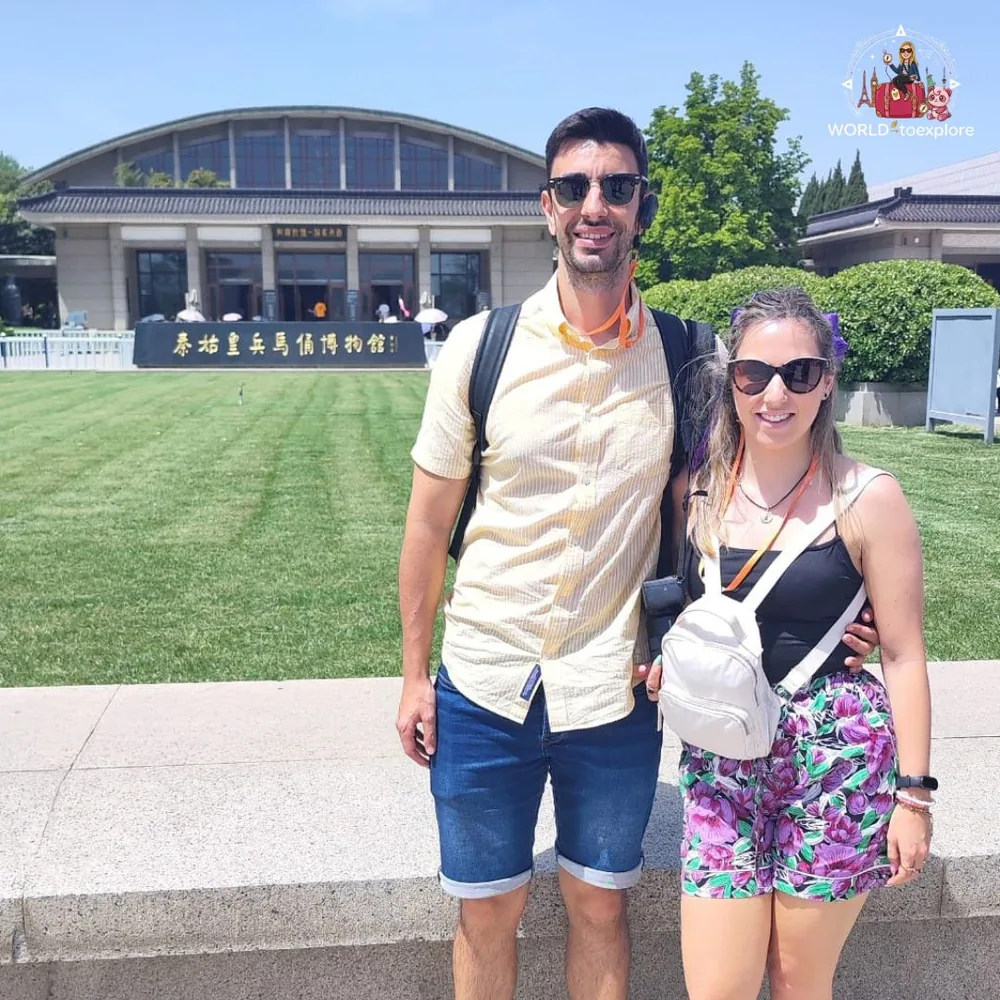
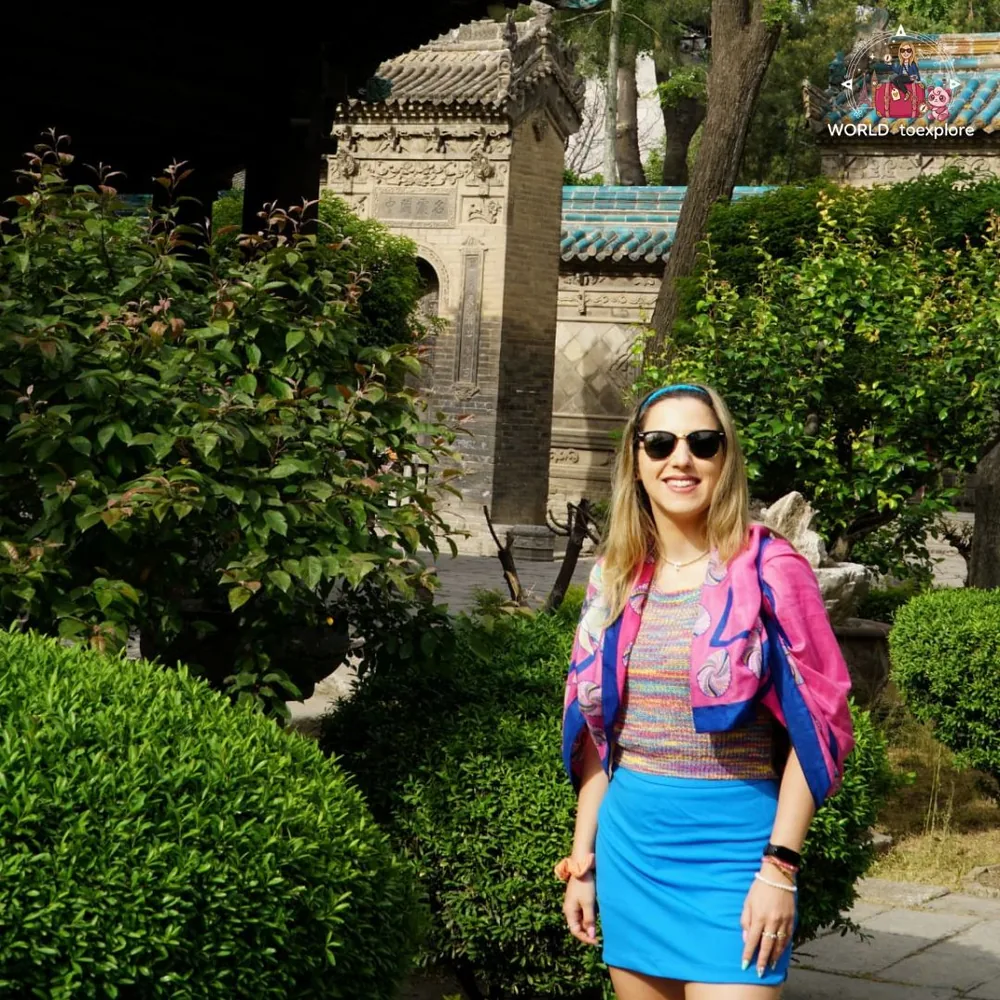
Then came Xi'an, included in the itinerary for one very specific reason: to see one of the greatest archaeological treasures on the planet, the Terracotta Army. It's impossible not to be impressed when you enter the pavilion where thousands of warriors have stood in formation for more than two thousand years, each with a different face and expression. It is a monumental work and one of those attractions that, on its own, already justifies the trip.
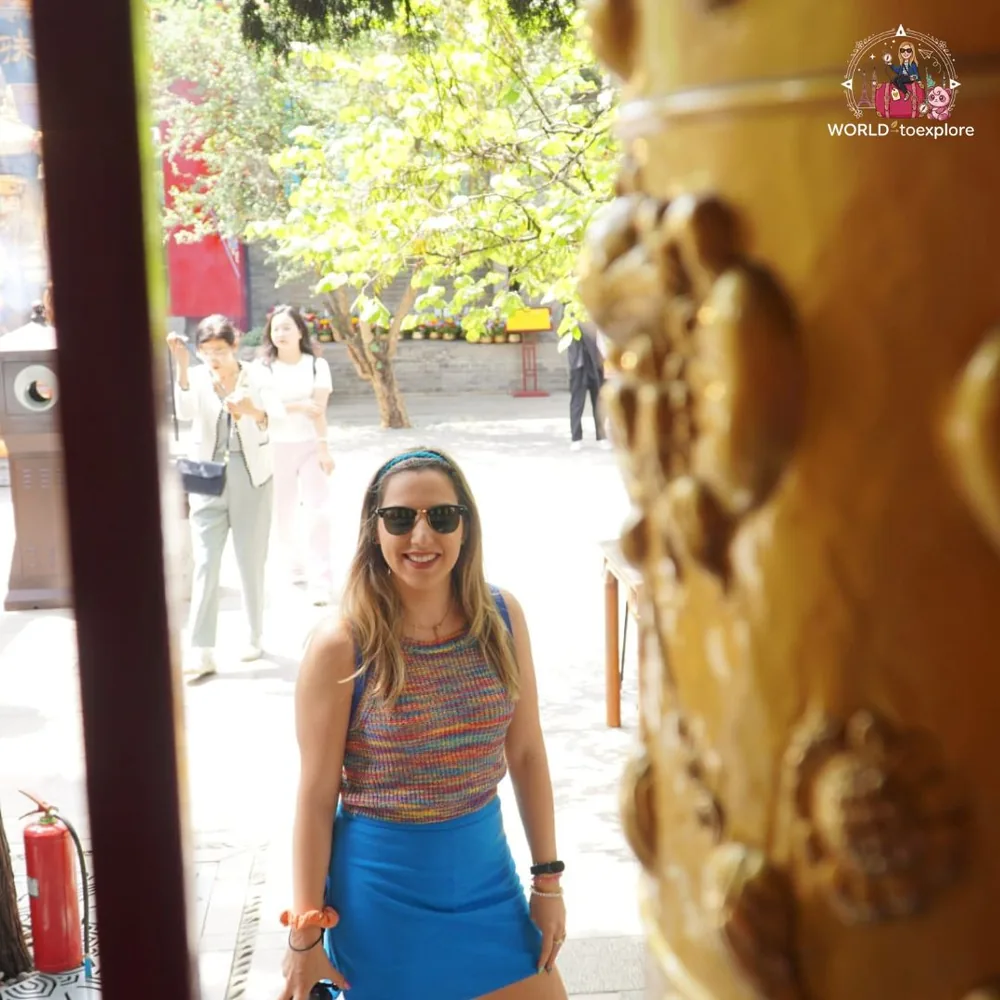
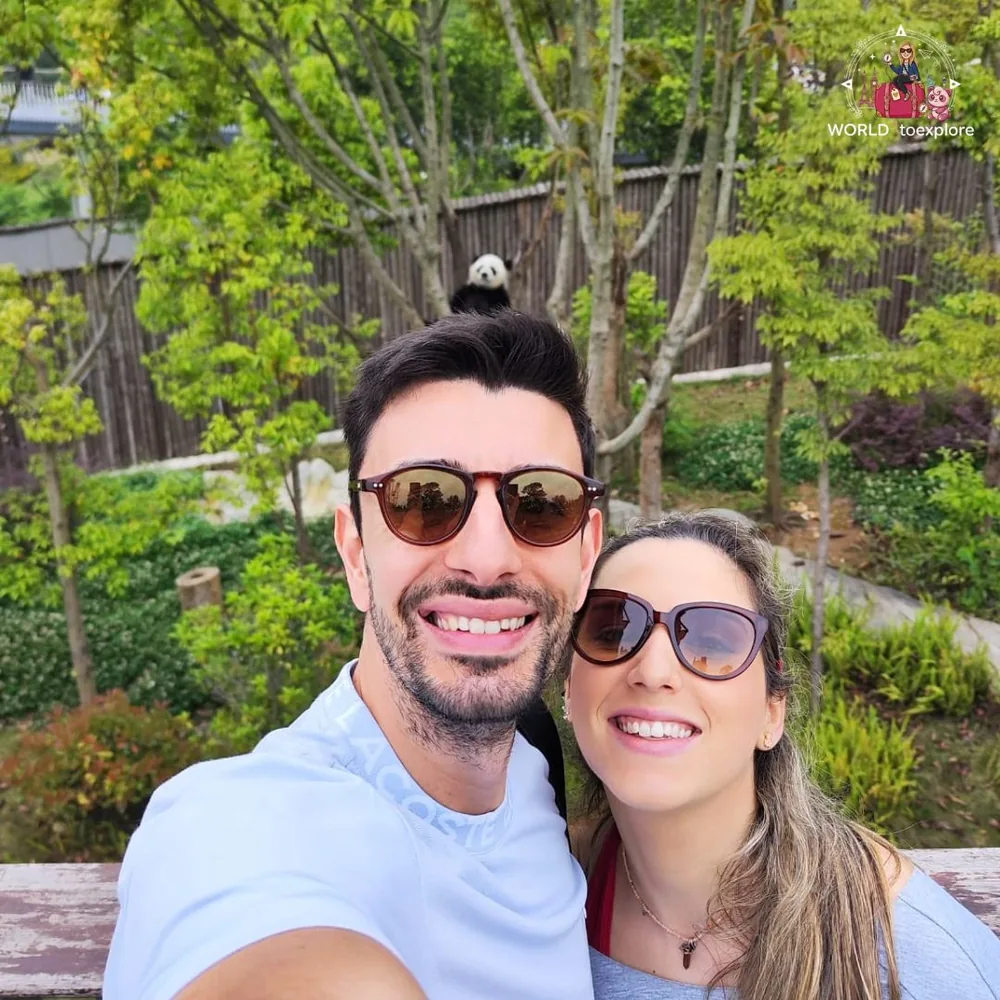
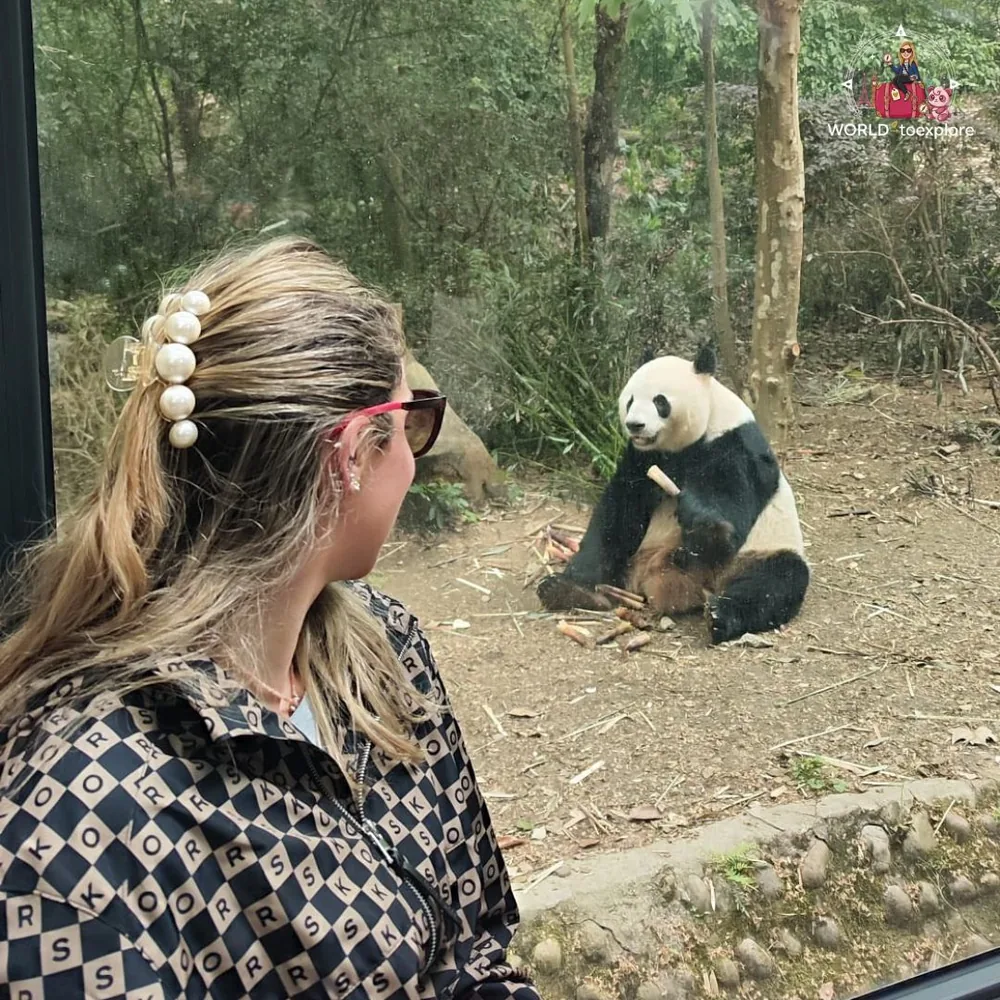
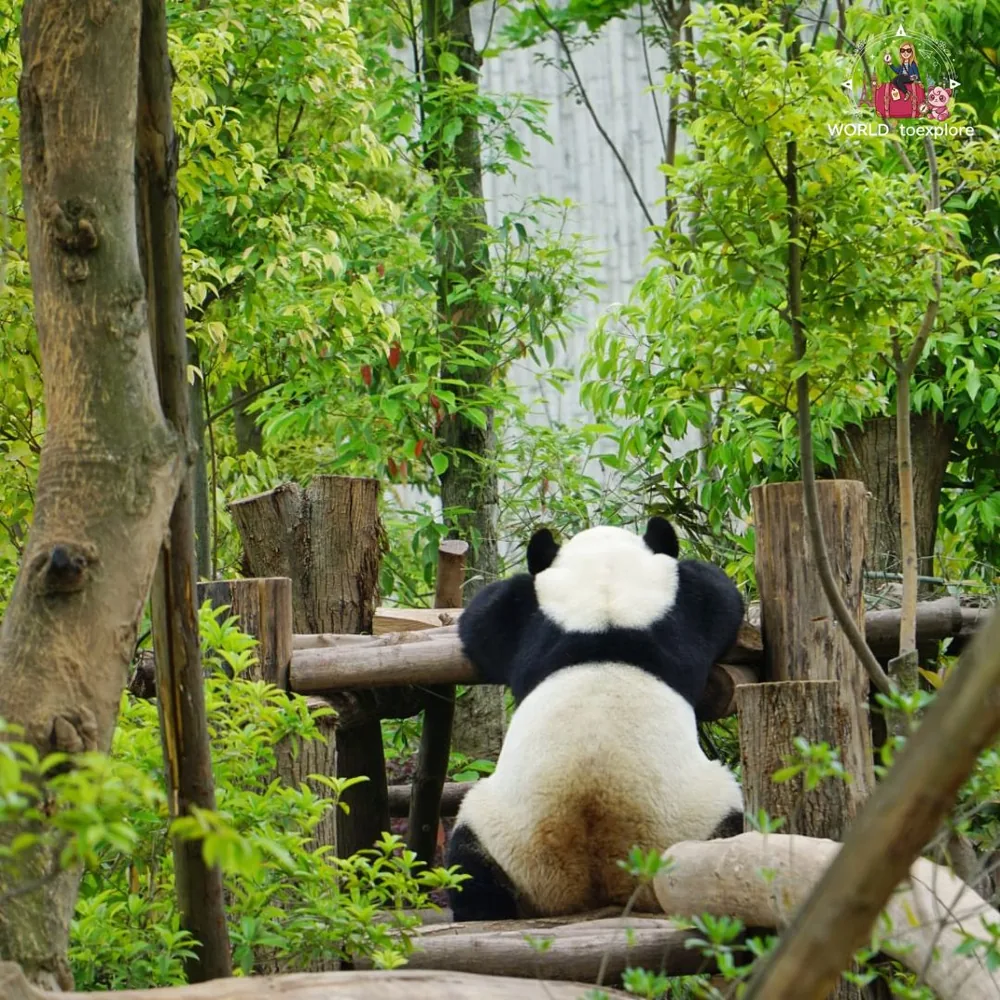
From Xi'an we went on to Chengdu, which showed us a much calmer side of China. It is the land of the pandas, and visiting the conservation centre for these animals was one of the most beautiful moments of the whole trip. There is something special about watching pandas so close up: clumsy, calm and able to spend hours eating bamboo. It's impossible to leave without a smile on your face.
Guilin: a different side of China
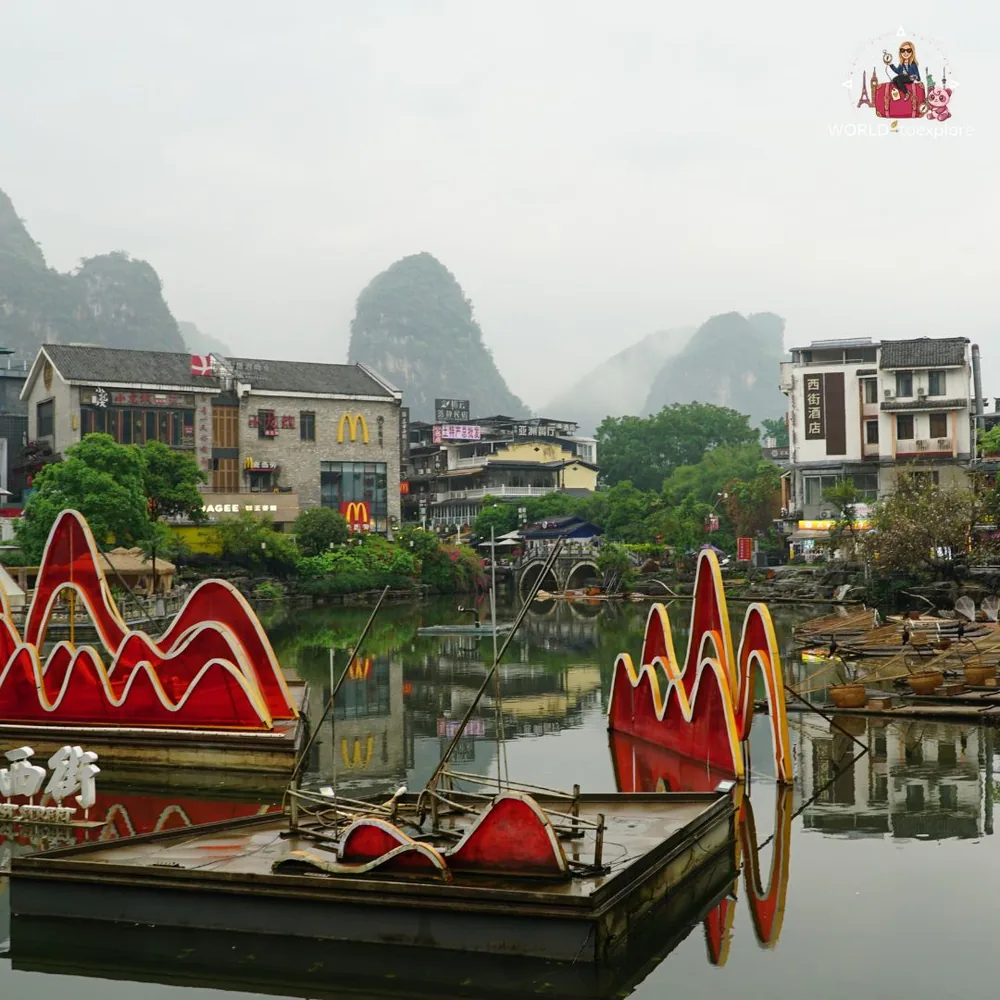
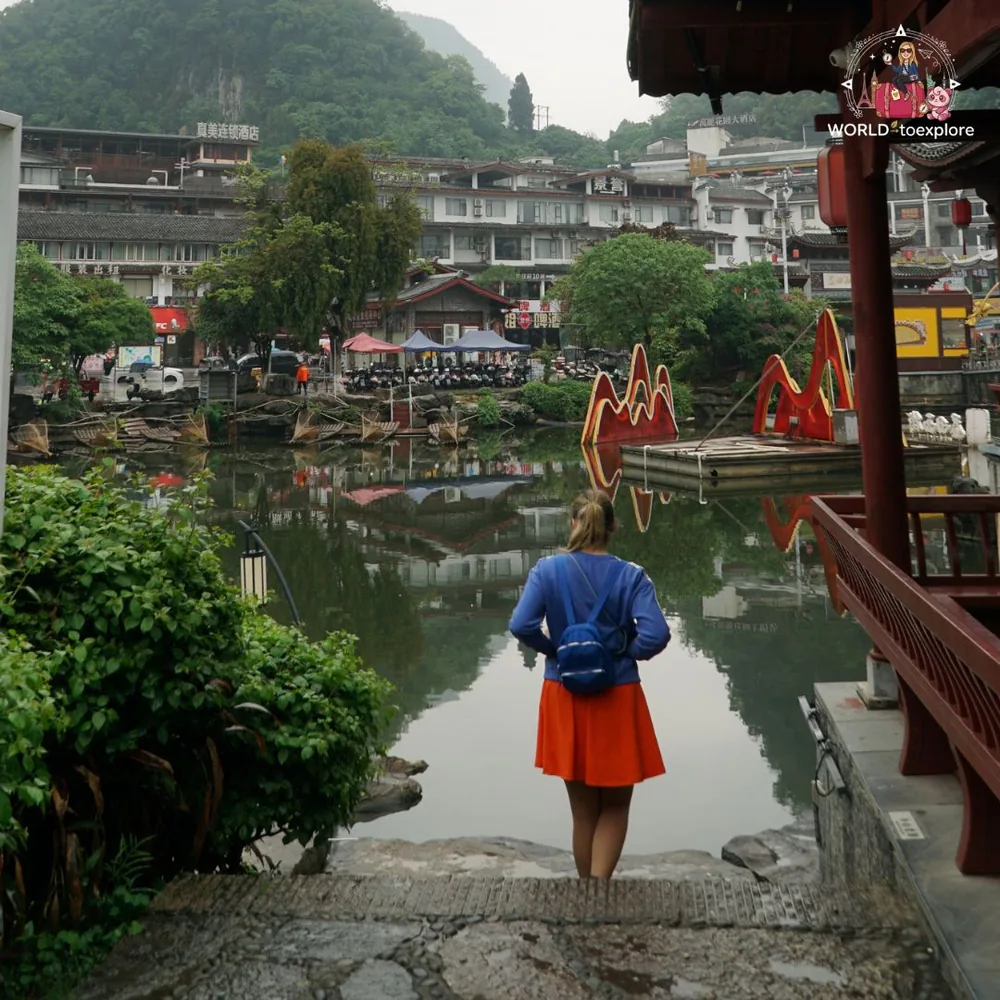
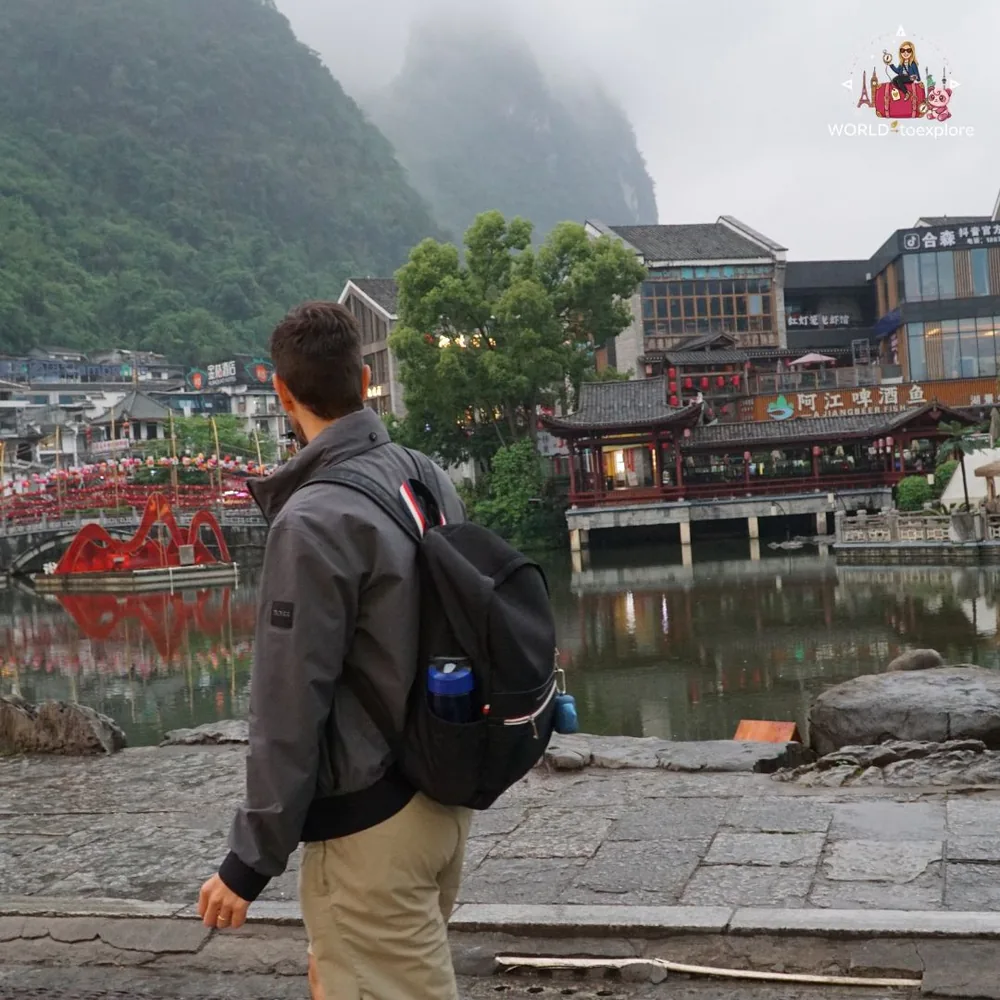
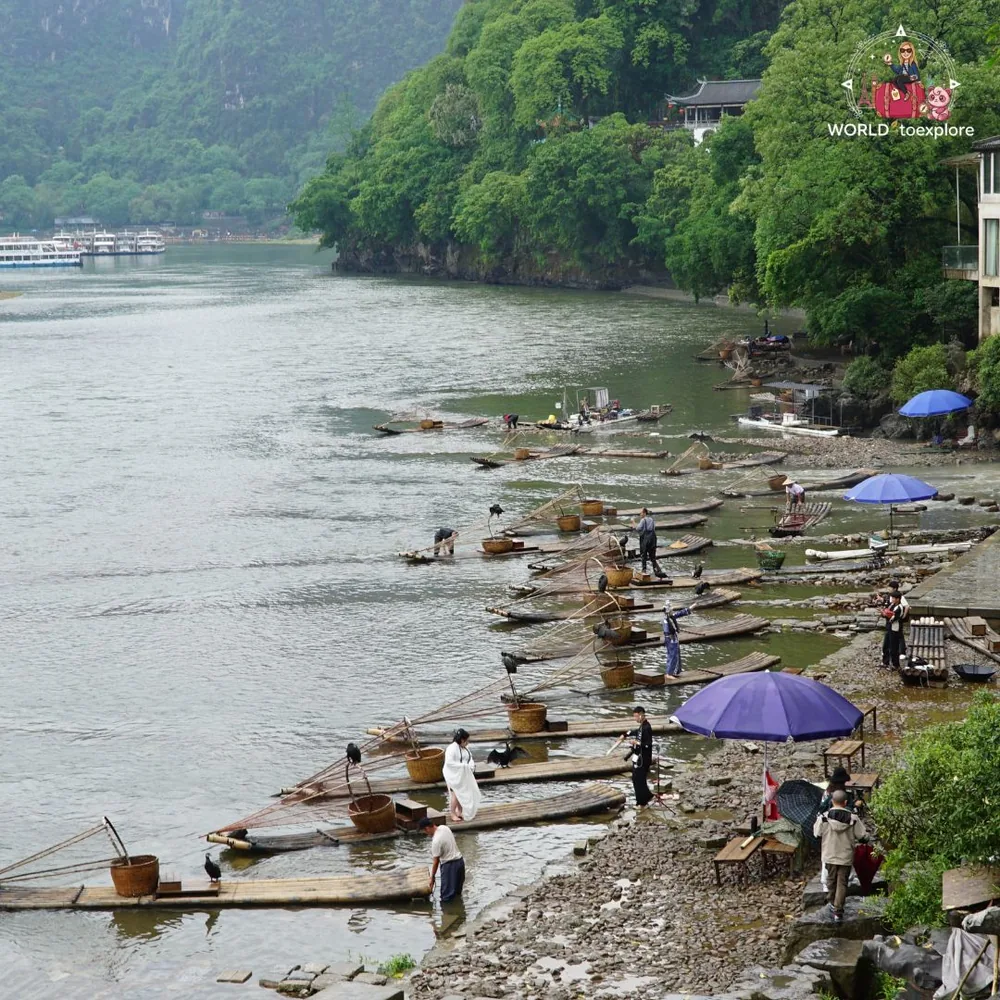
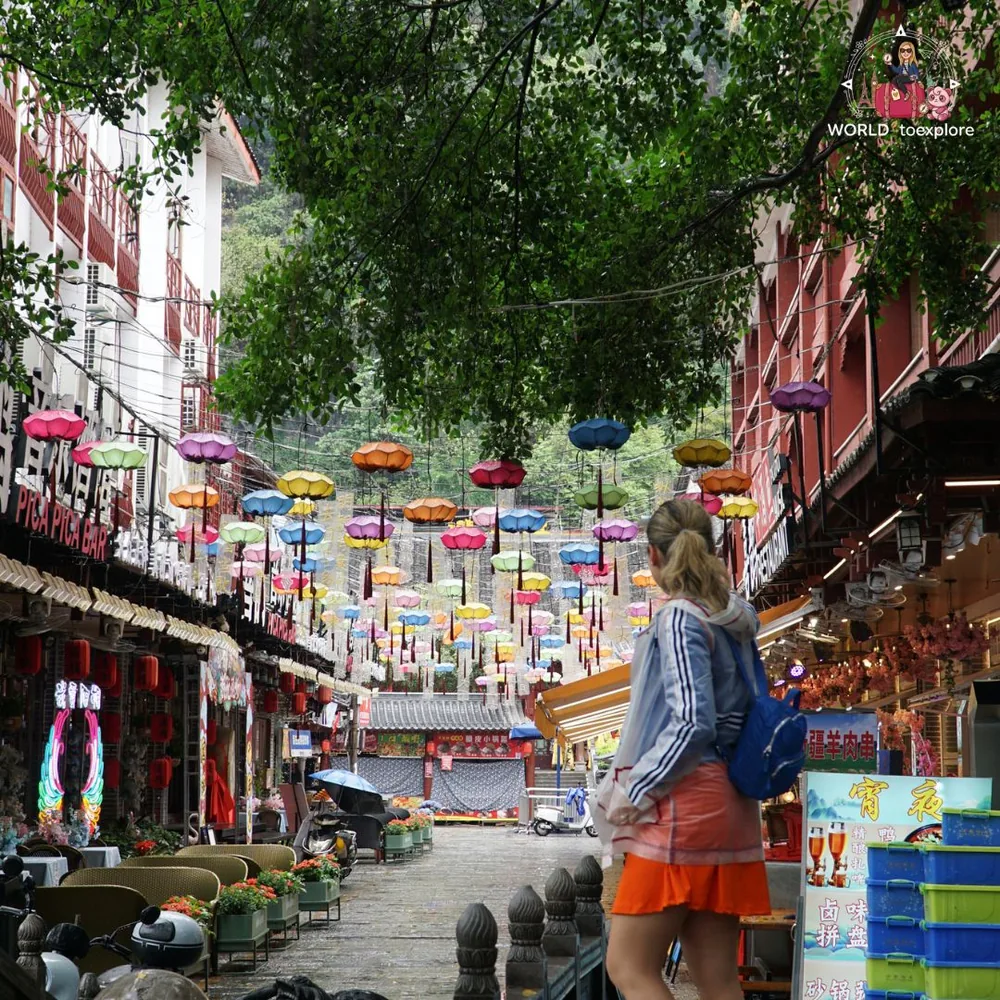
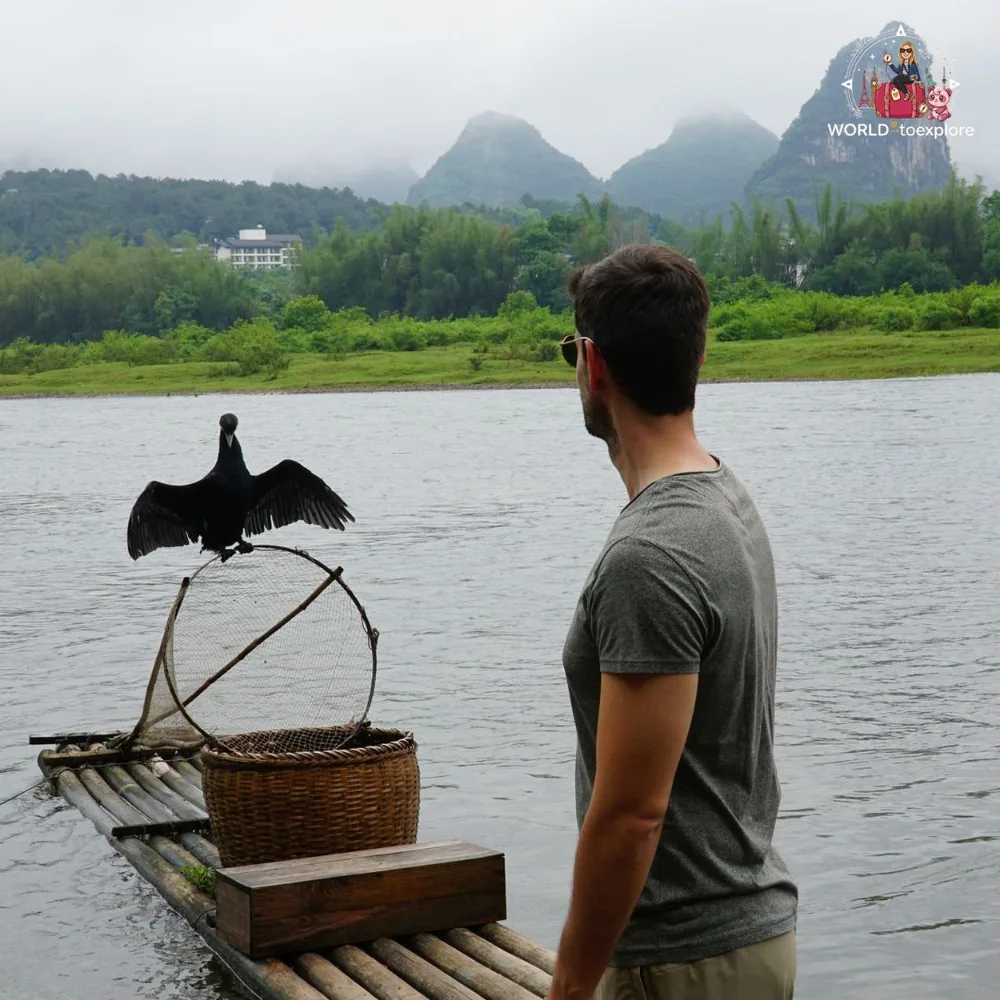
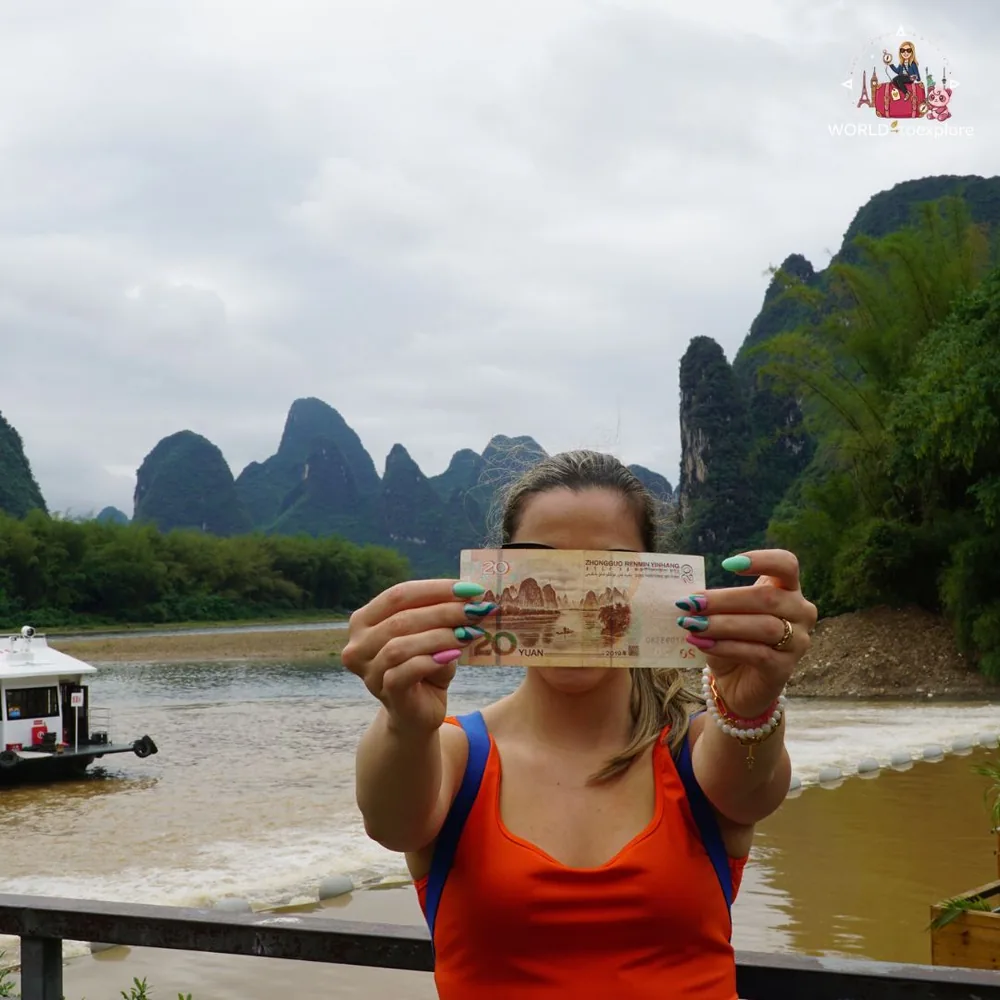
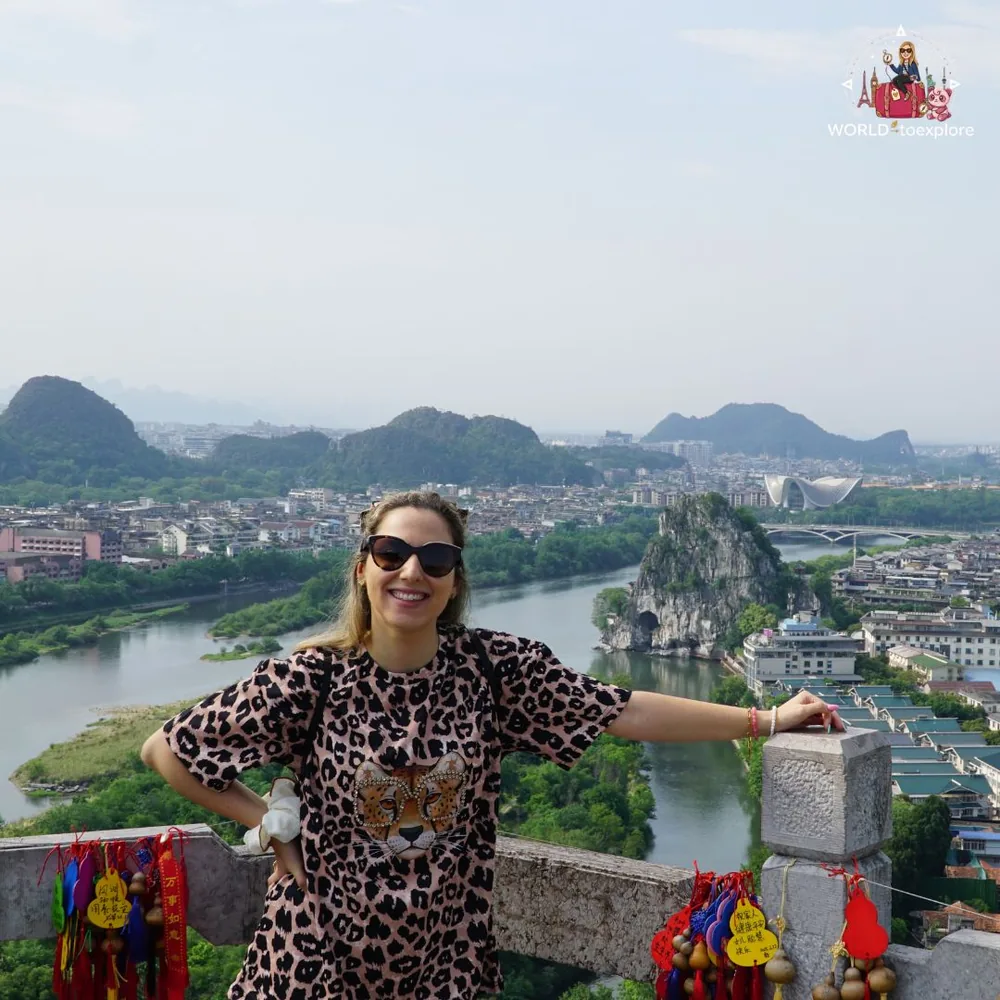
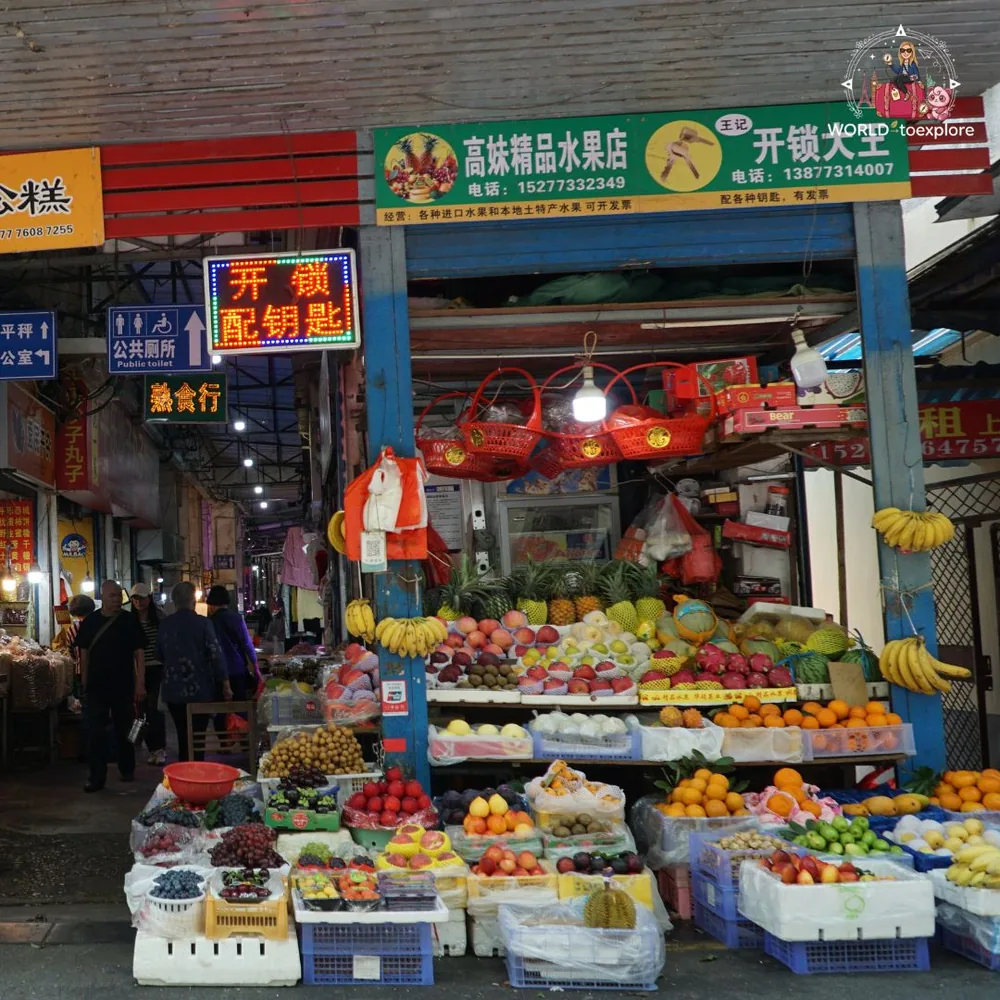
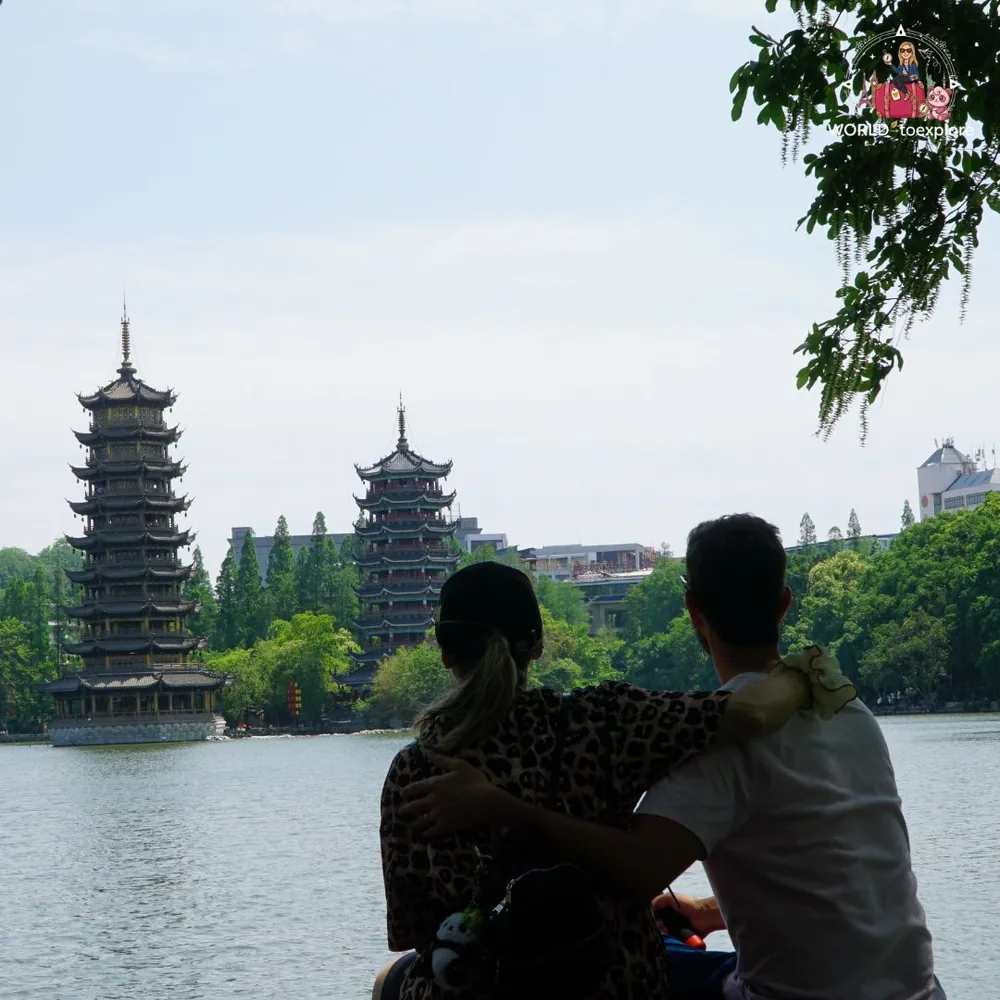
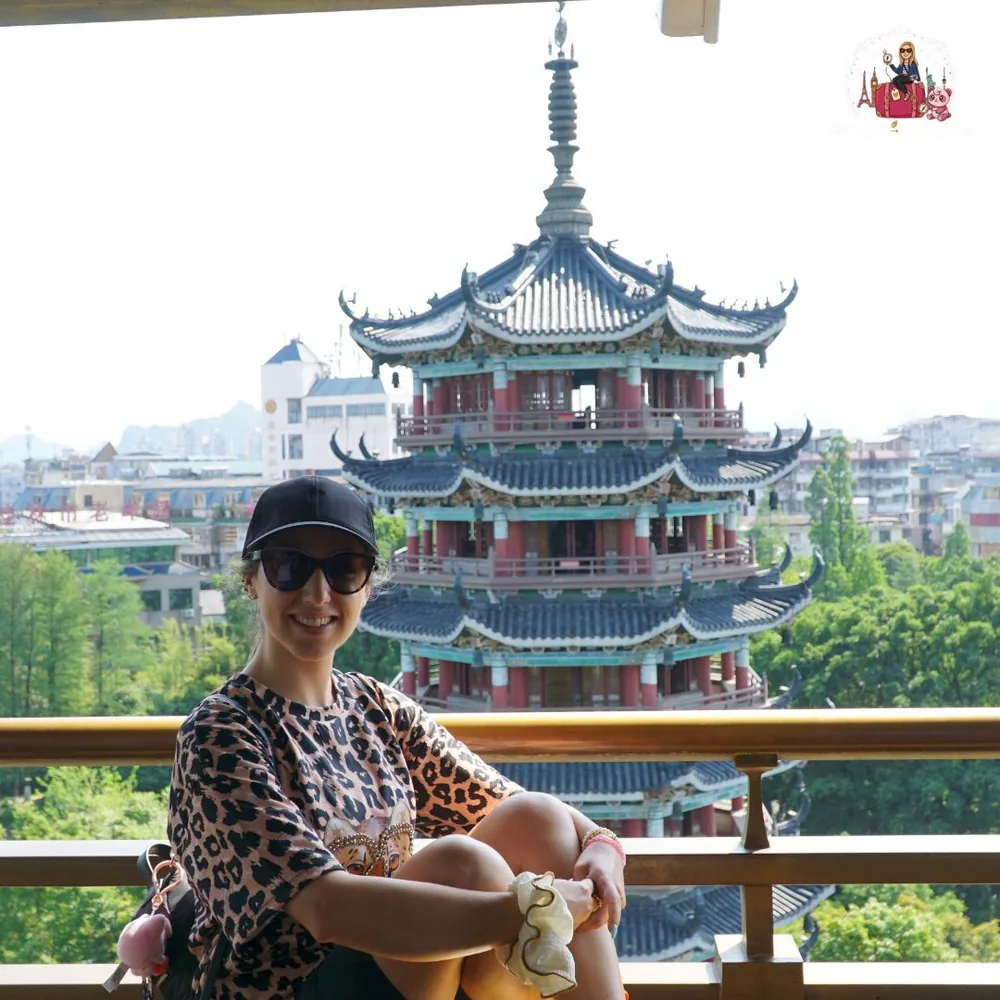
Guilin, for its part, decided to welcome us with almost two hours of torrential rain, the kind of rain so intense that it's not even worth opening an umbrella. Fortunately, the rain didn't last long and let us discover a region completely different from the rest of the trip. The karst mountains, the rivers and the vegetation reminded me, at several moments, of Vietnam. The landscape was dominated by green peaks that seemed to rise out of nowhere, creating an almost unreal setting.
It was also here that the pace of the trip slowed down. After giant cities, skyscrapers and constant crowds, Guilin showed us a calmer side of China. Strolling along the river, admiring those rock formations and simply appreciating the scenery was a change of pace that felt really good.
It's curious how a single country can offer such different scenery. In just a few days we went from futuristic metropolises to mountains that look like they came out of a traditional Chinese painting. And that diversity ended up being one of the biggest surprises of the whole trip.
The Great Wall and the rest of the world
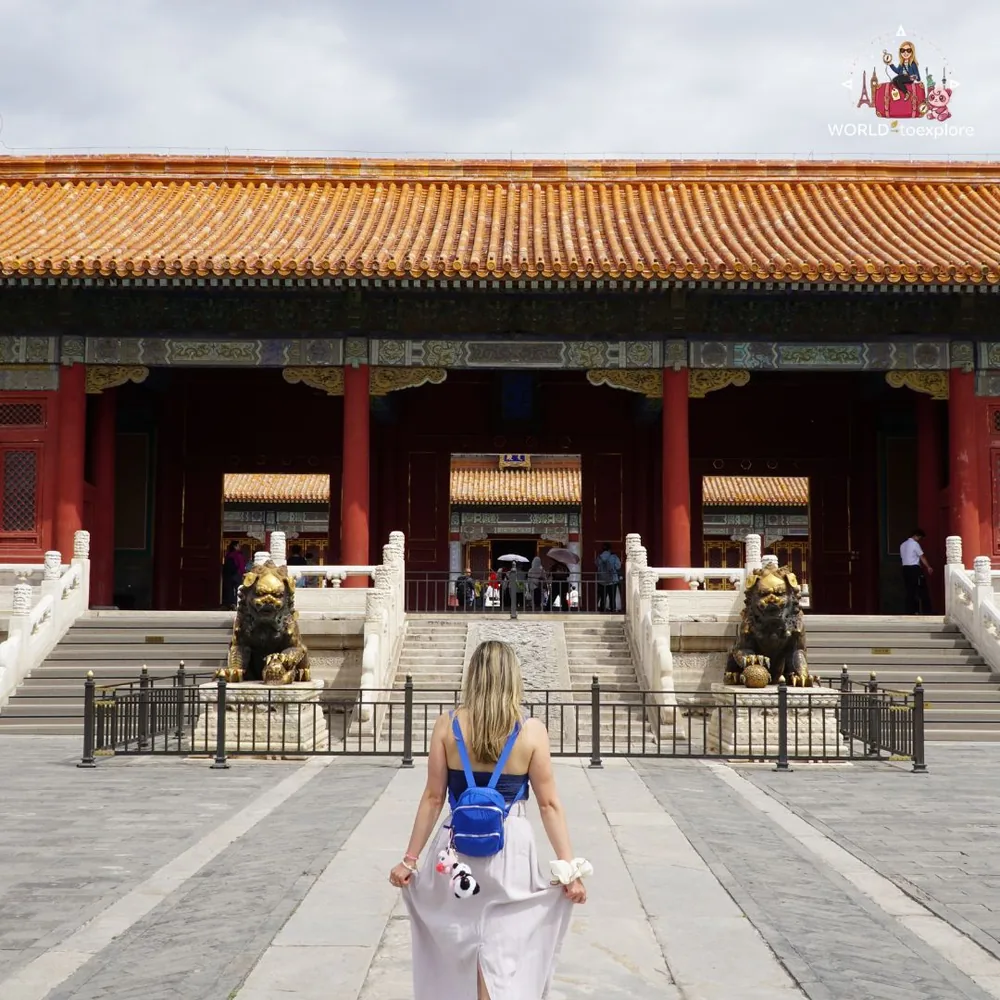
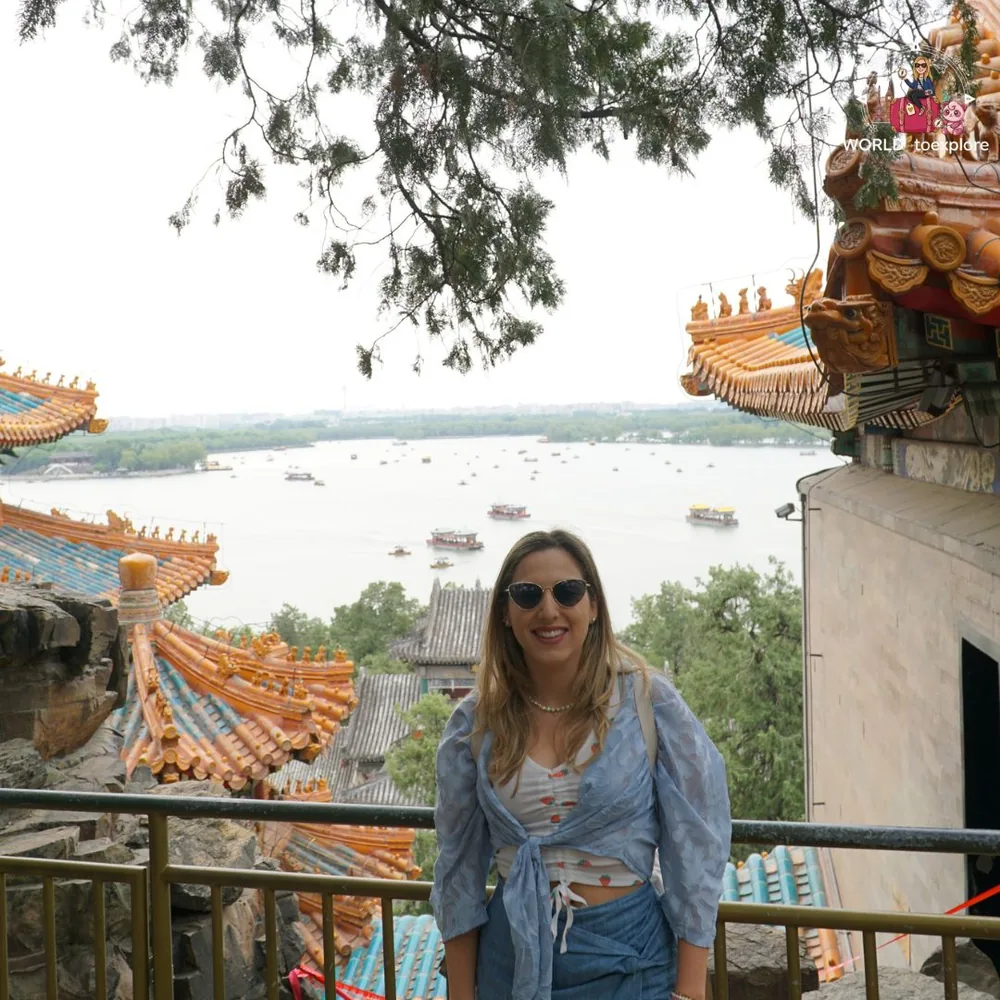
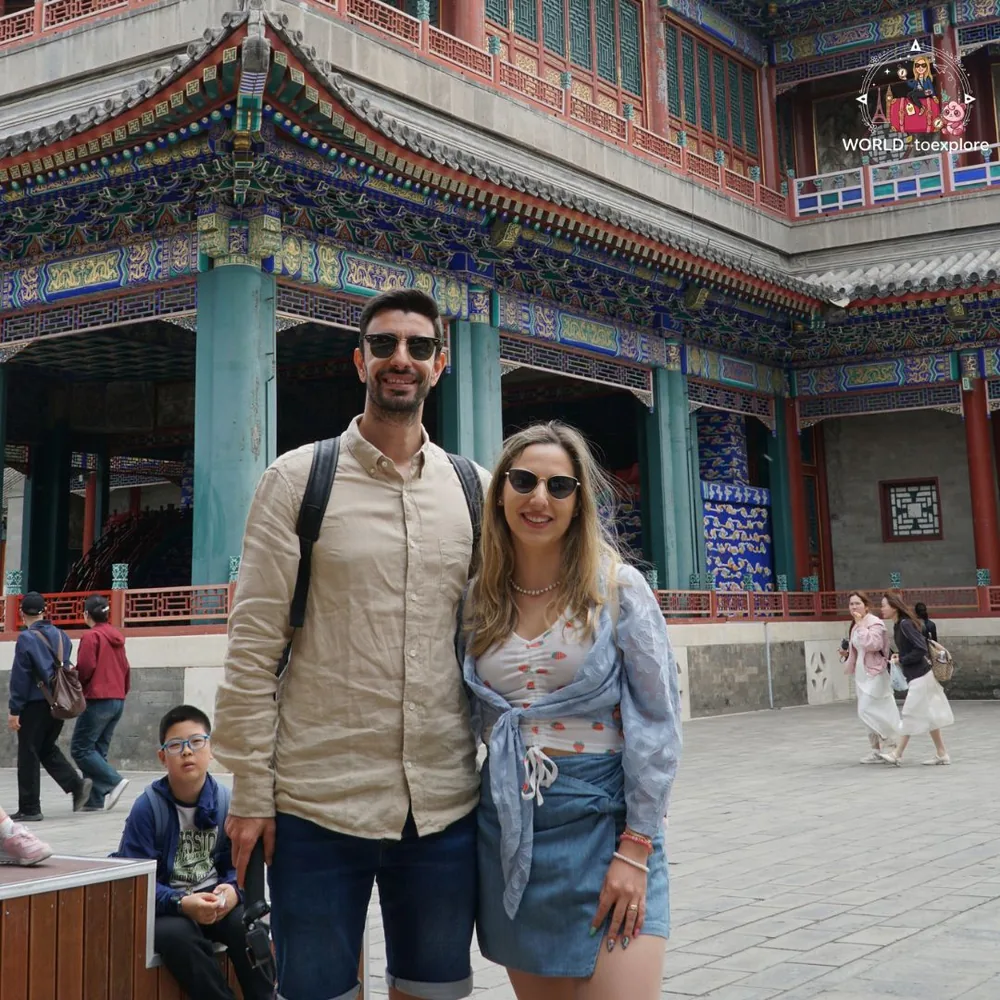
We ended the trip in Beijing and, on the very day we arrived, something completely unexpected happened: while we were in China, Europe was facing a huge power blackout that affected several countries. It was strange to follow it all from a distance and realise that a whole continent was struggling while we carried on with our lives as normal on the other side of the world.
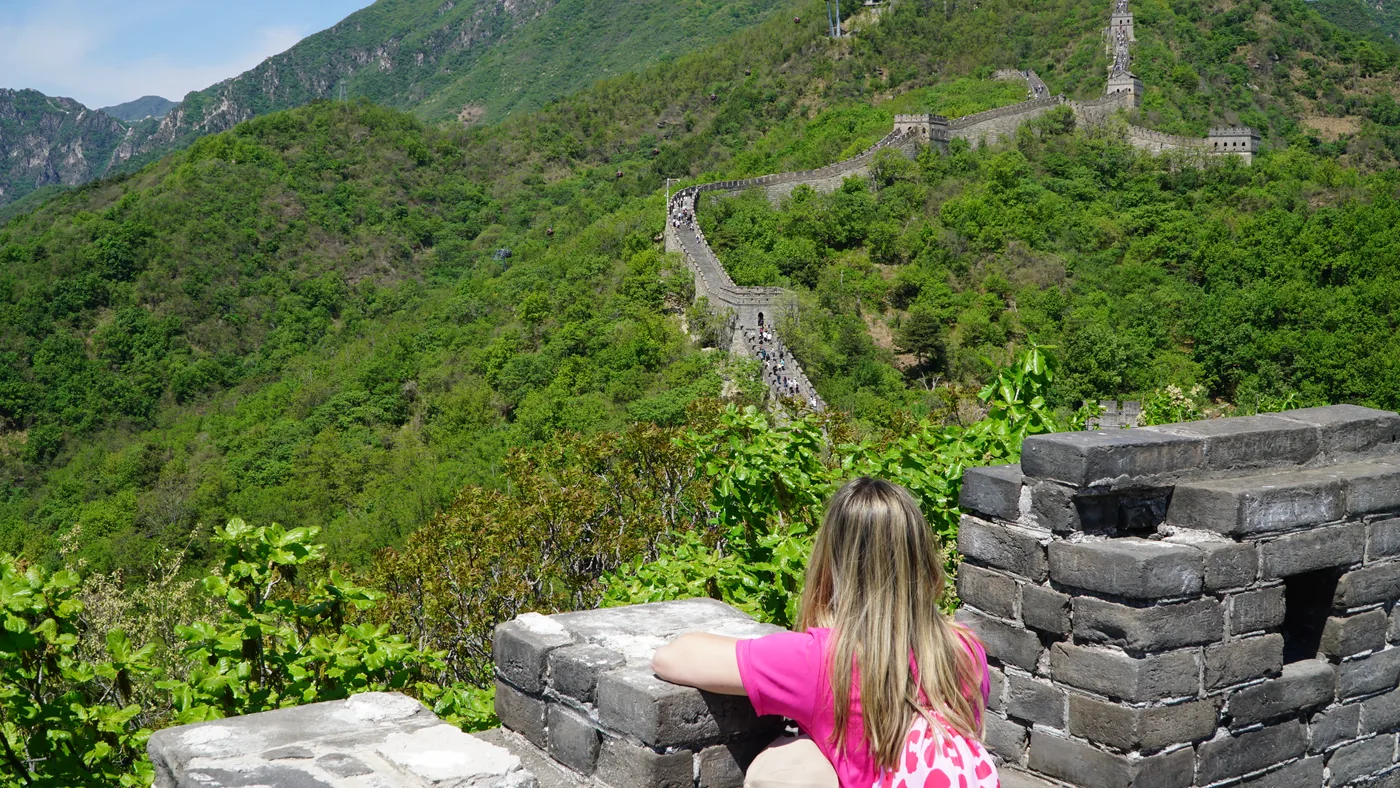
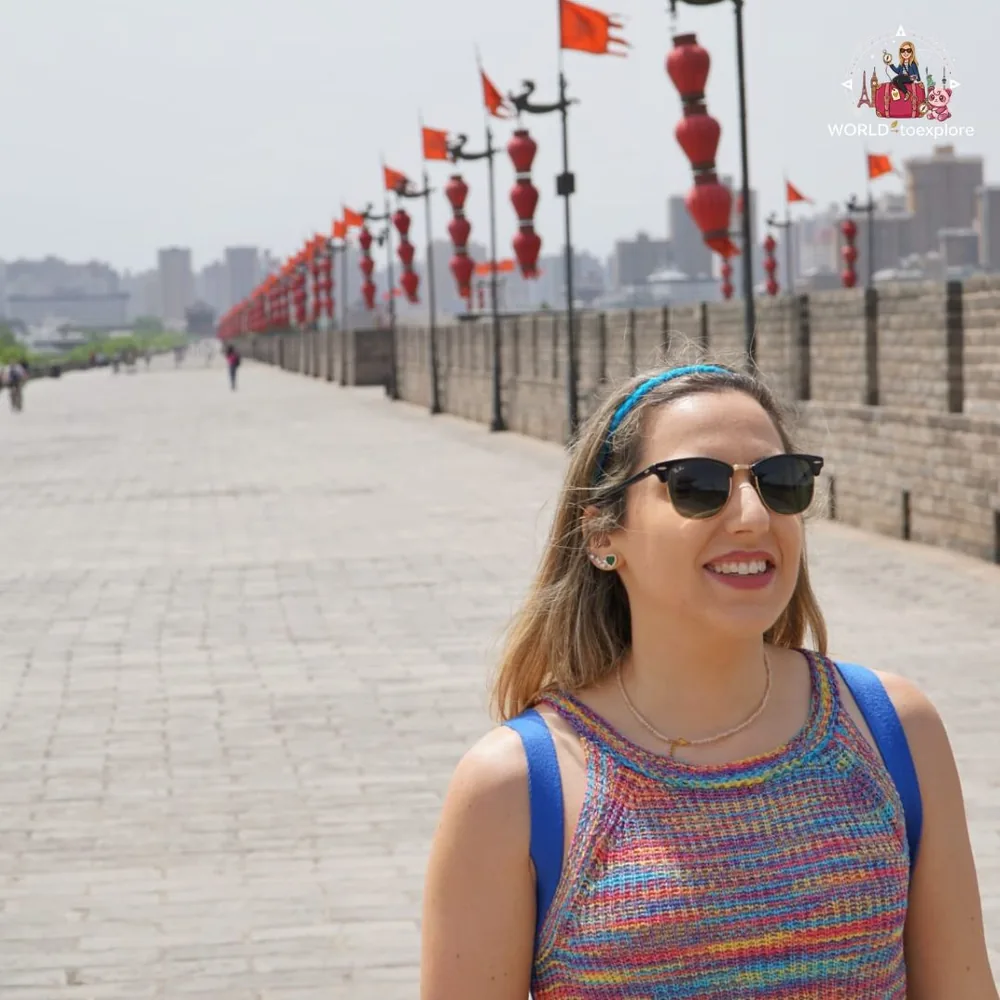
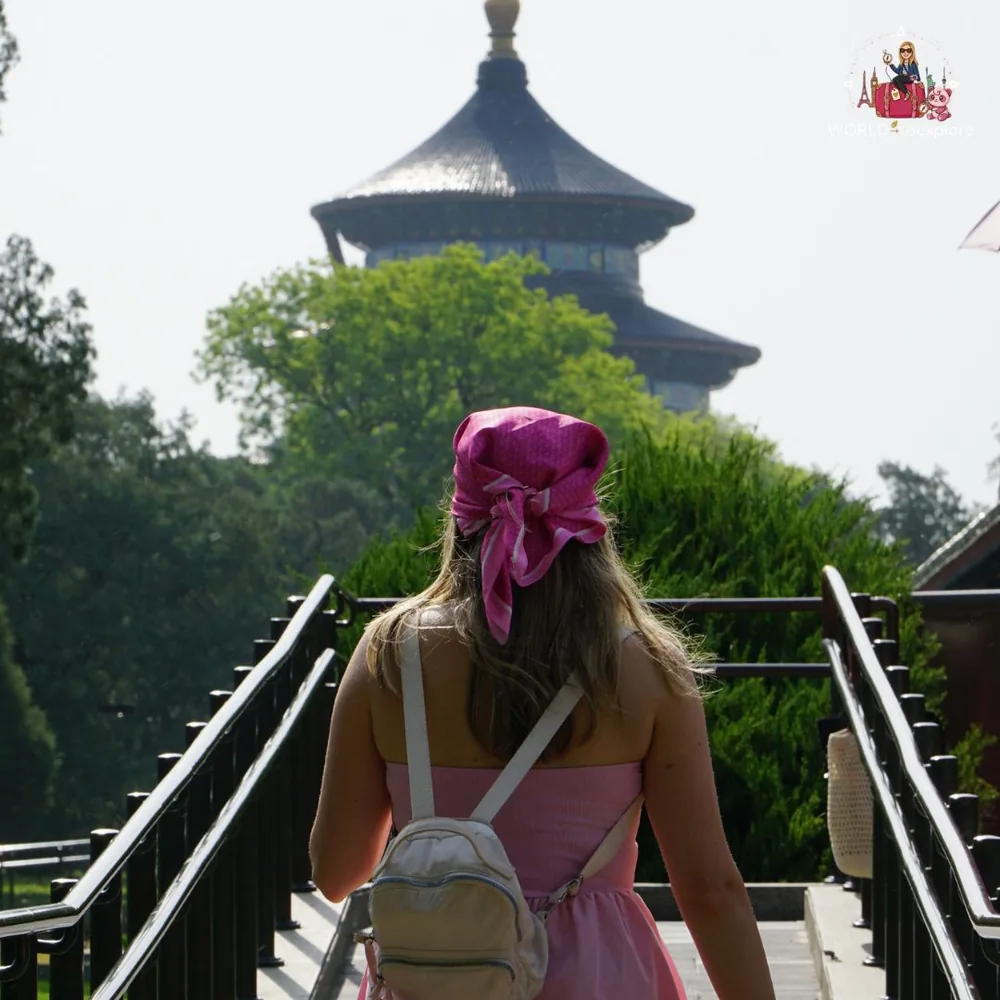
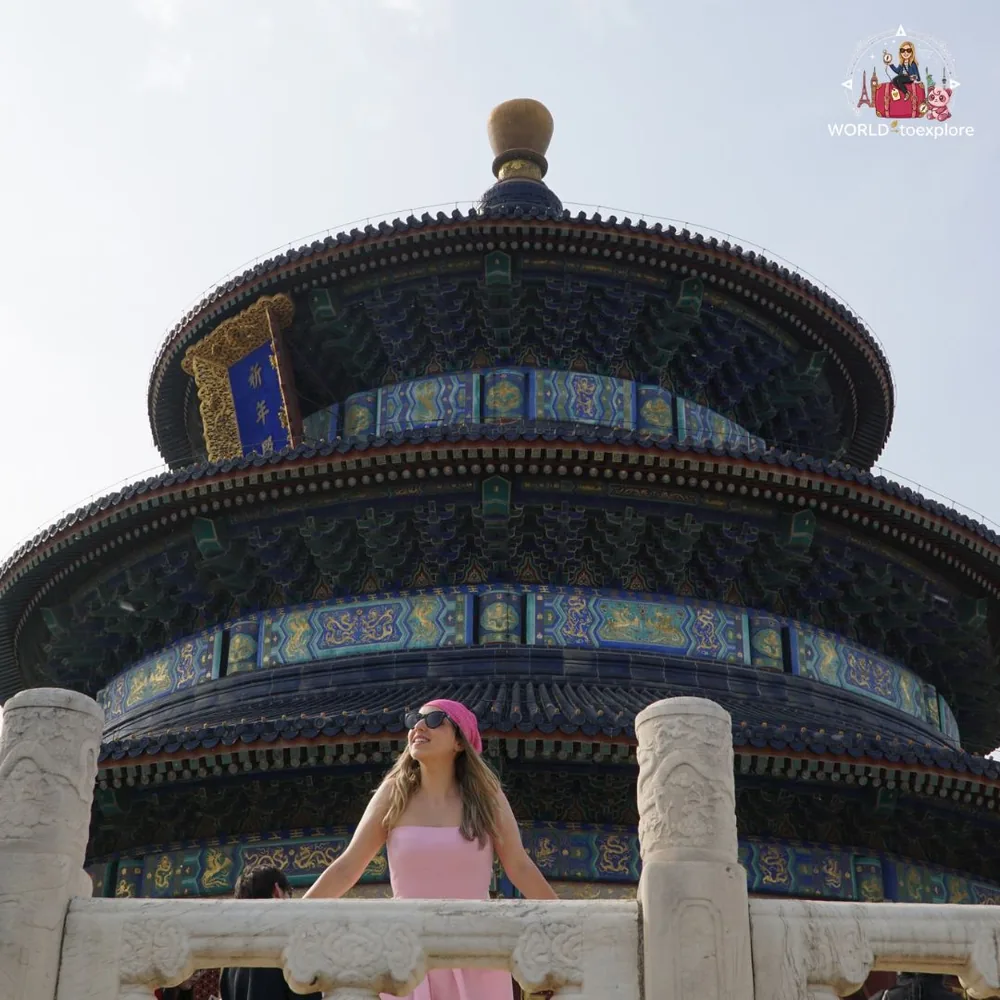
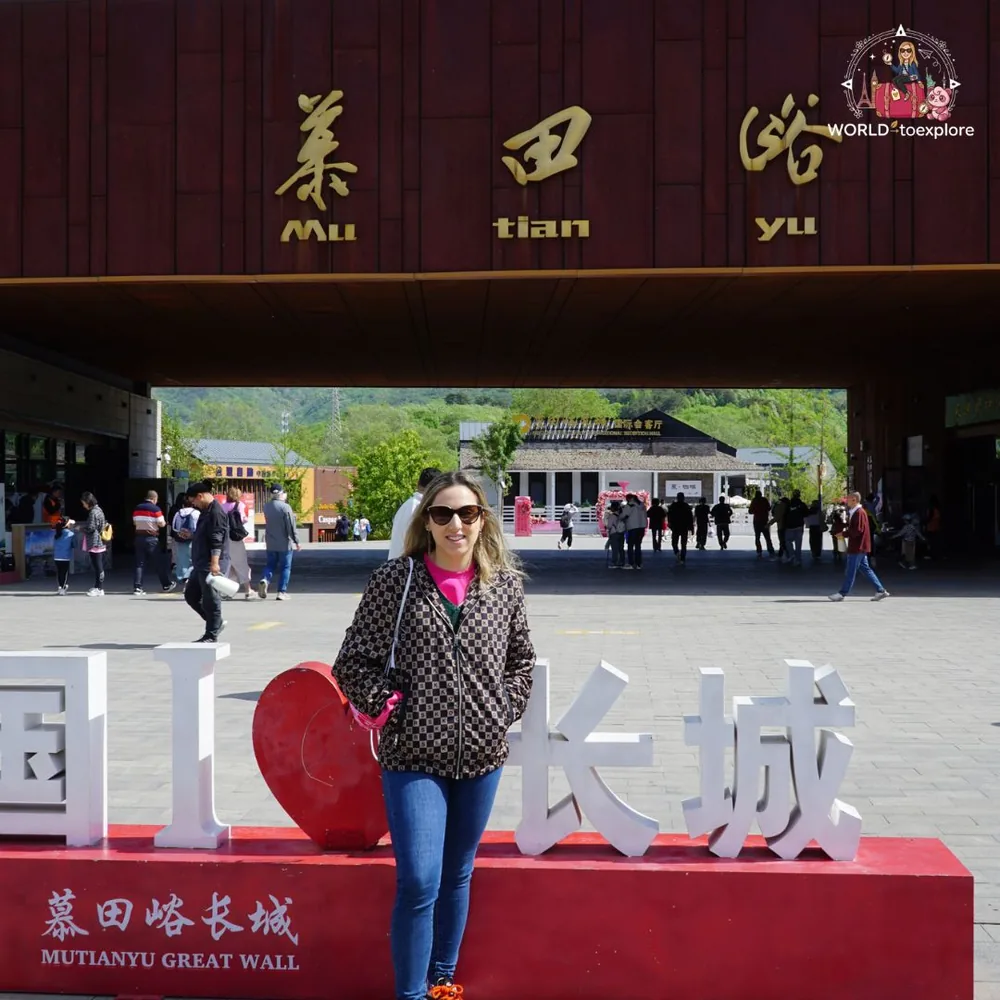
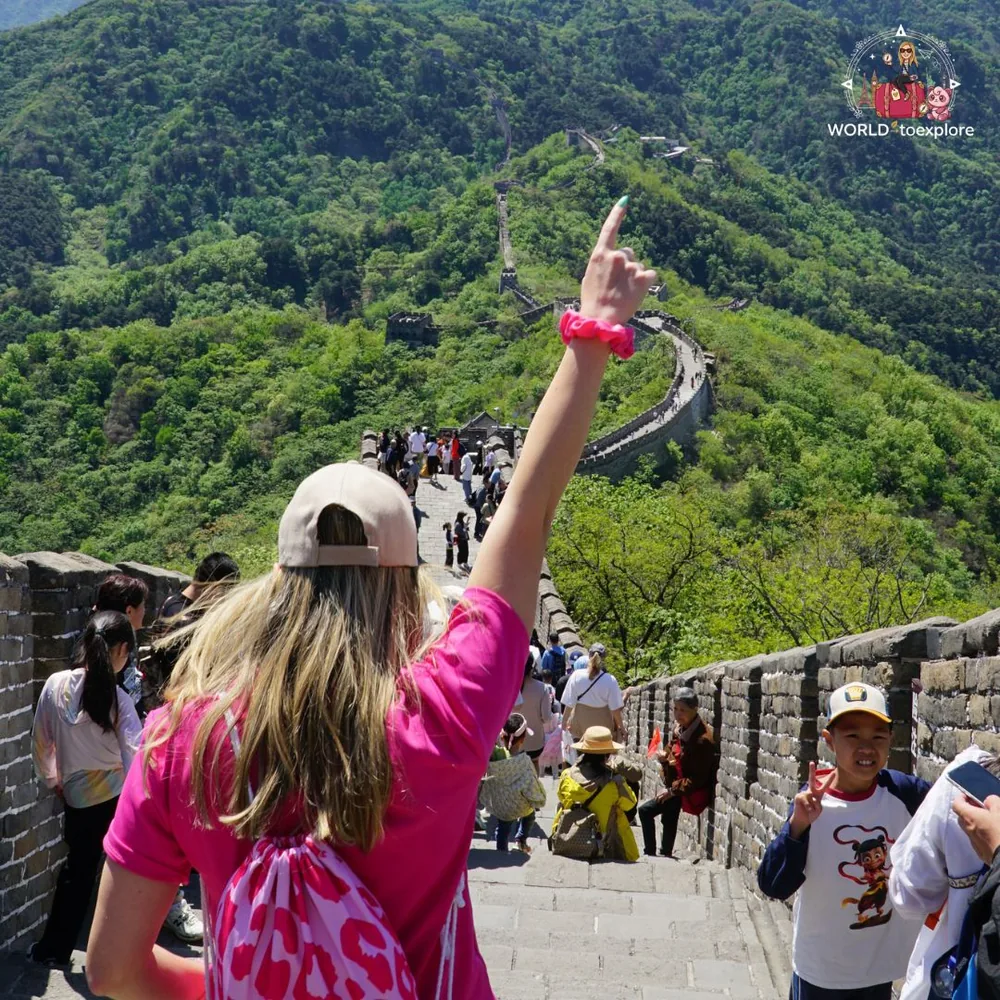
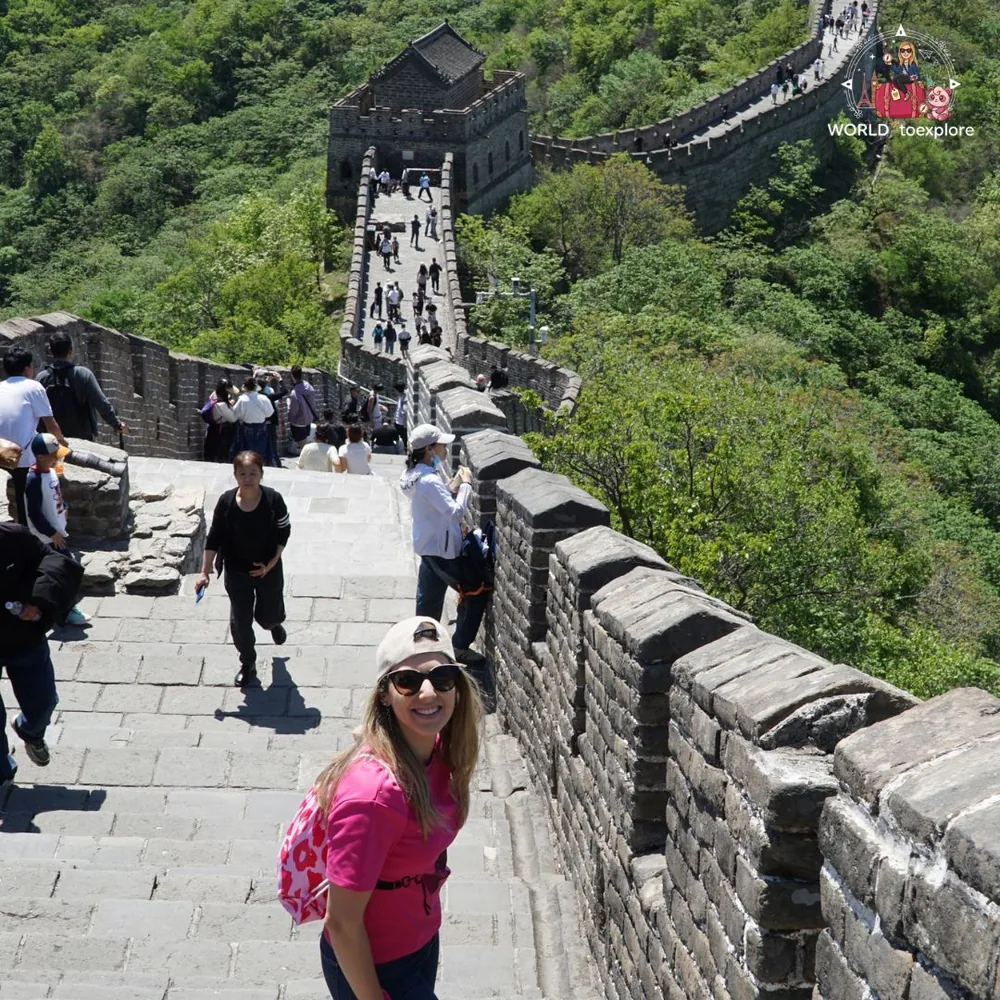
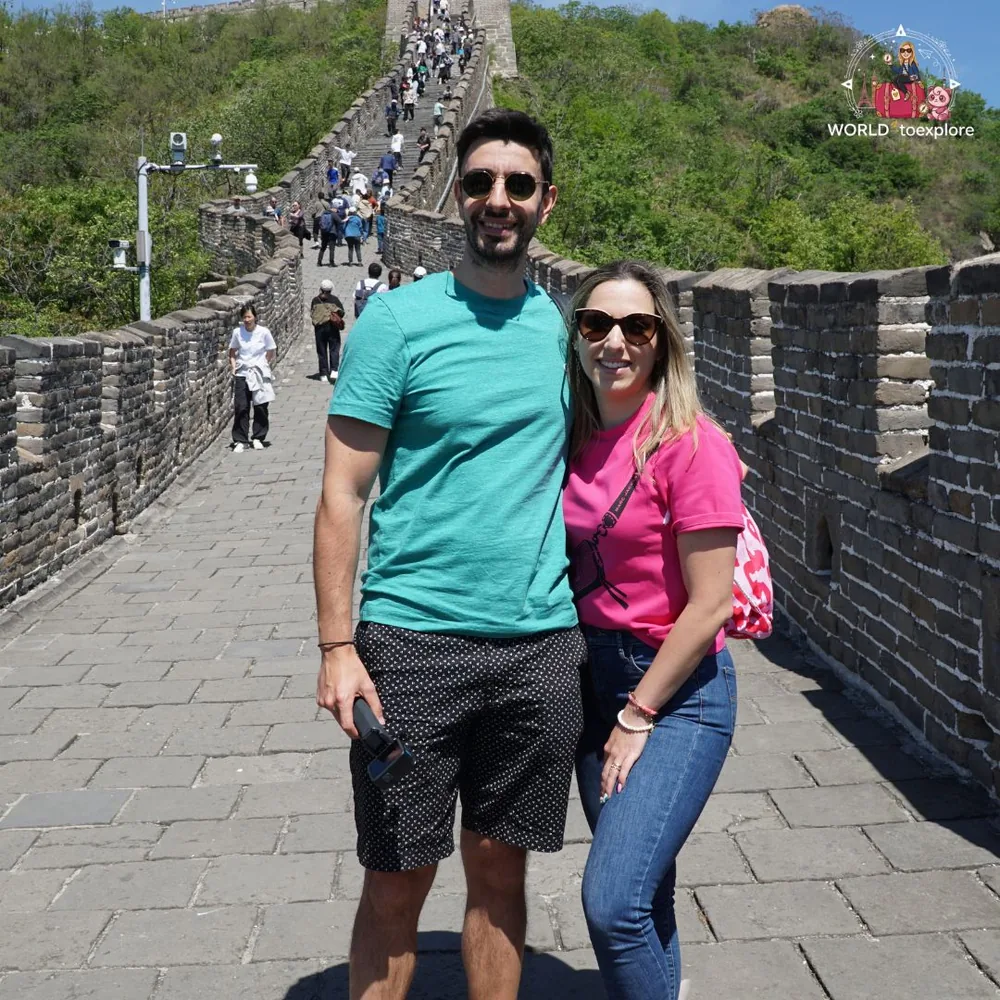
In Beijing we visited one of the seven wonders of the World: the Great Wall of China. It's impossible not to be impressed by the scale of that structure. No matter how many photographs or videos we've already seen, nothing prepares us for its true scale.
It's hard to imagine the human effort, the engineering and the determination needed to build something of this scale so many centuries ago. It's one of those places that makes us stop, look around and simply appreciate the grandeur of one of humanity's greatest achievements.
What stays with you isn't just the monuments
But, honestly, what marked me most in China wasn't just the monuments. It was daily life. It was watching how the country works.
If I had to describe China in one word, one of them would be “noise”. A lot of noise. Everyone seems to be constantly listening to videos on their phone without headphones: TikTok videos, music, calls on speaker... all at the same time, on the metro, in restaurants, in queues, in parks, pretty much everywhere.
Another thing that immediately stands out is the almost inseparable relationship with the phone, which is used to pay, order food, show documents, call transport, translate, communicate and do absolutely everything. People walk along staring at the screen, go into the bathroom with their phone in hand, wait for the lift staring at their phone and eat staring at their phone. The feeling you get is that the phone is truly part of each person's life.
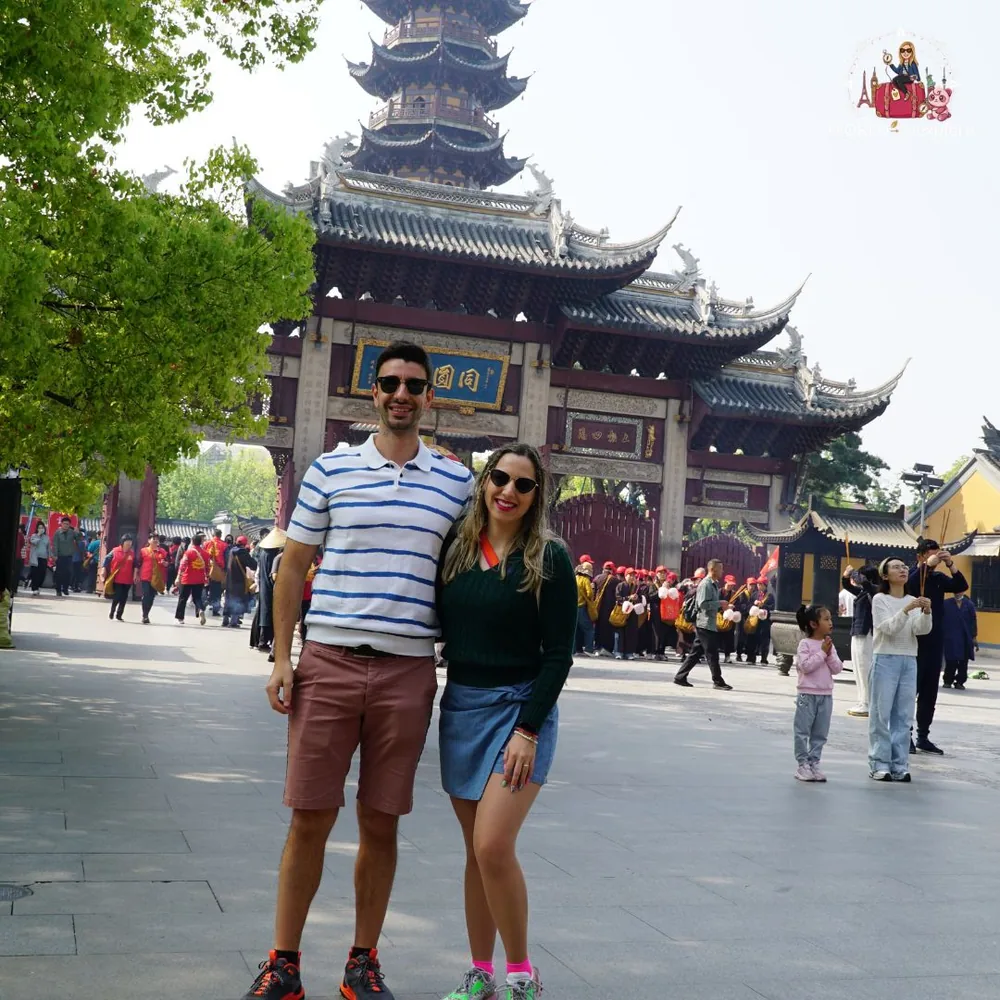
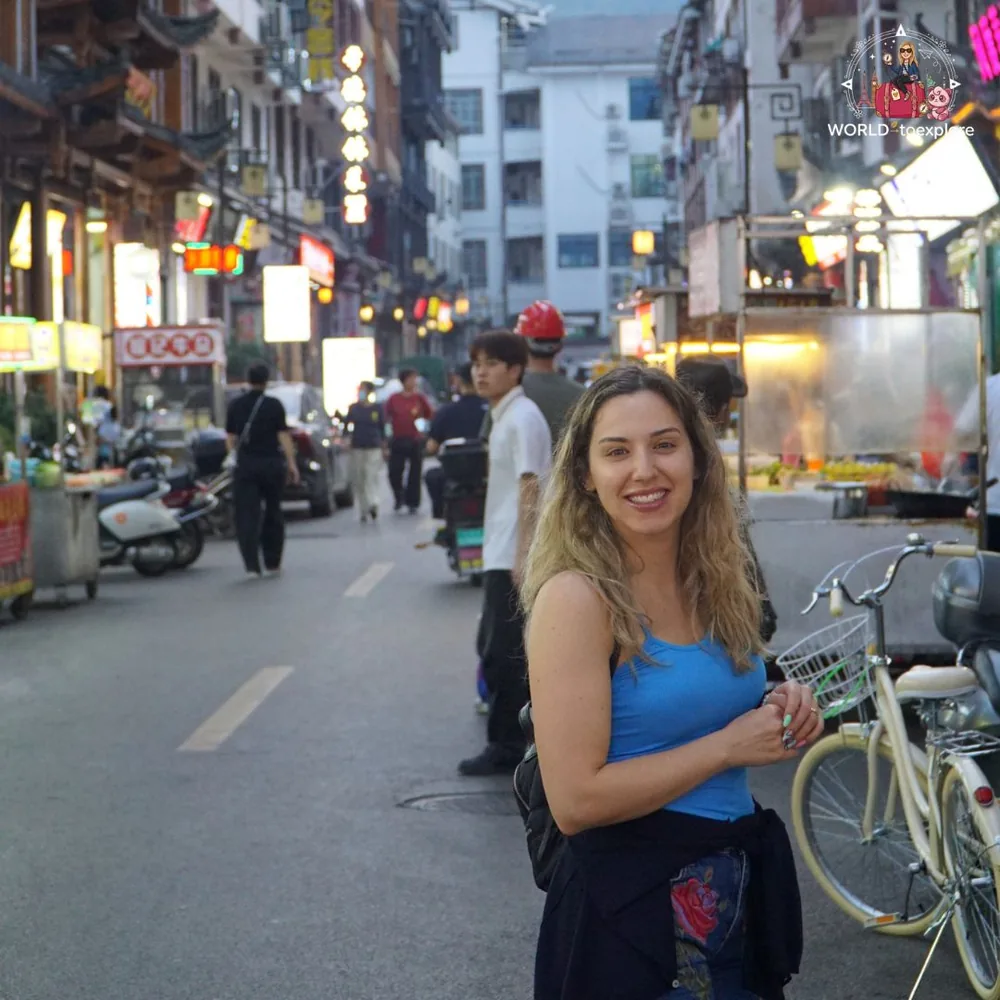
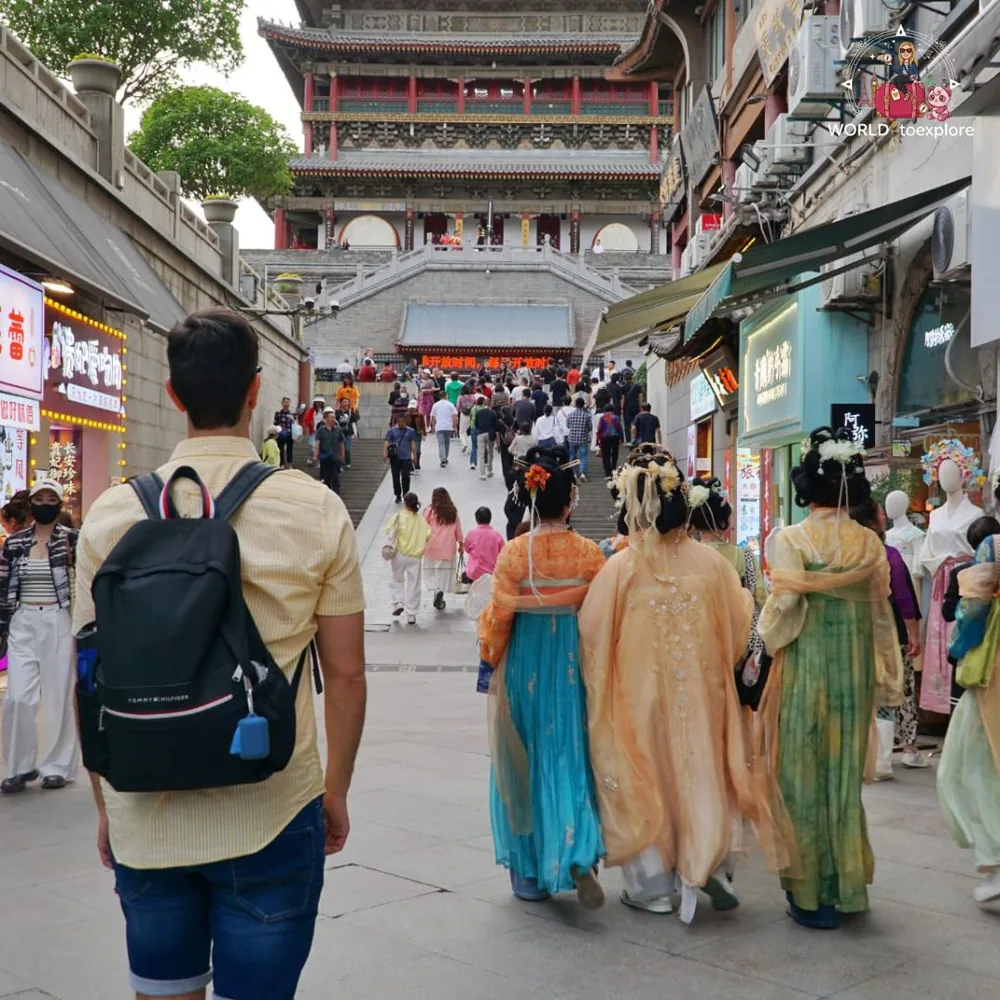
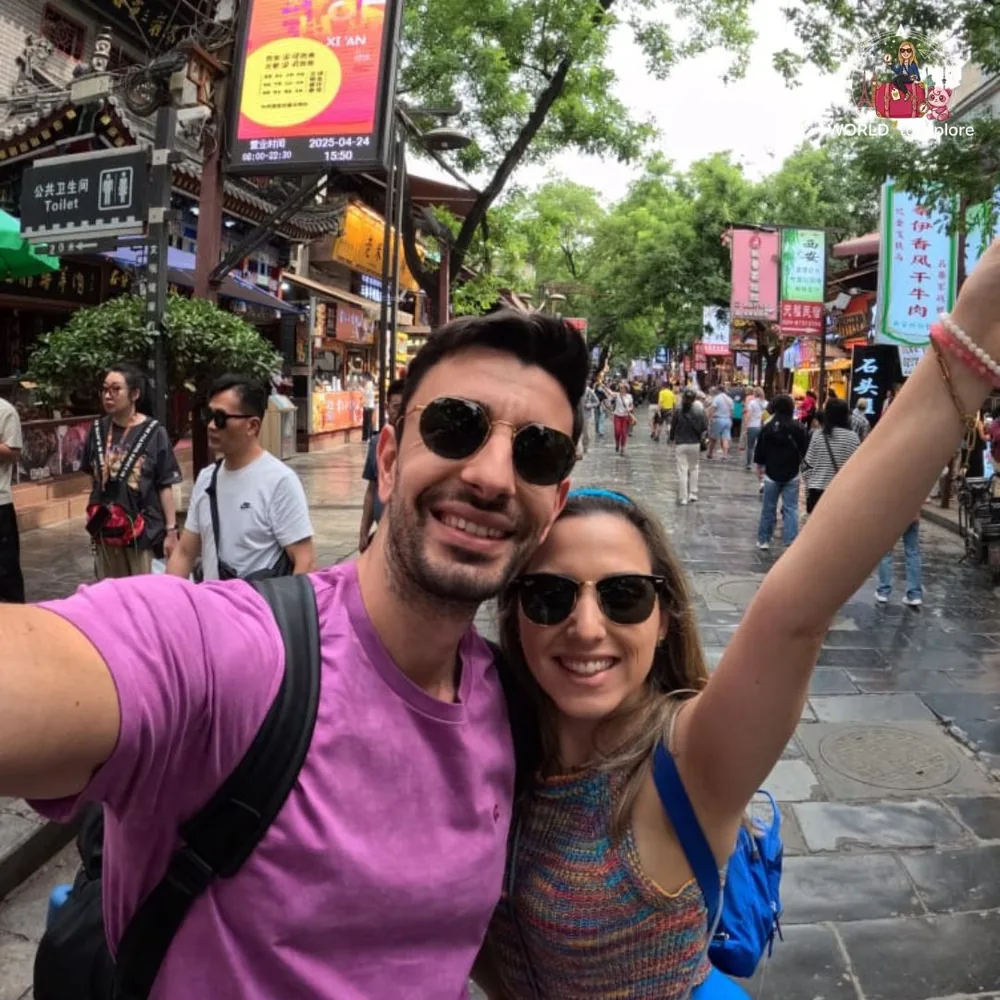
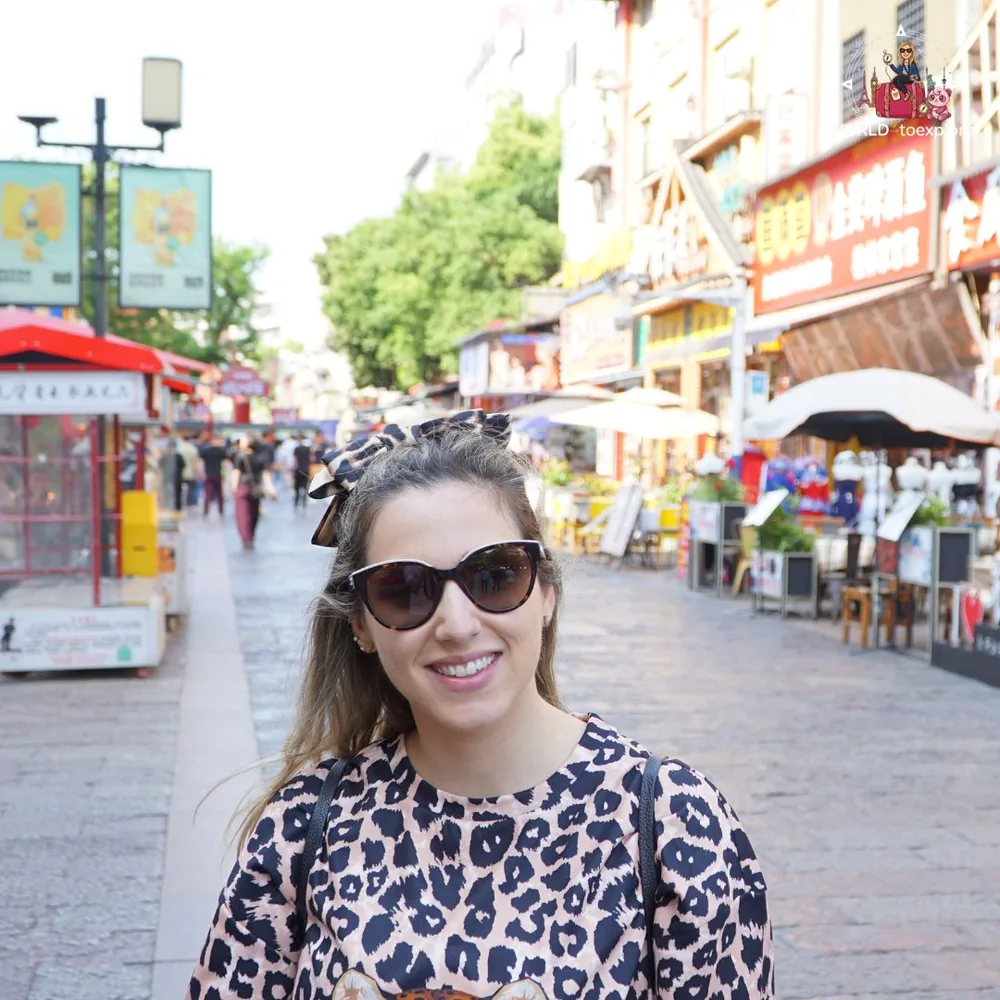
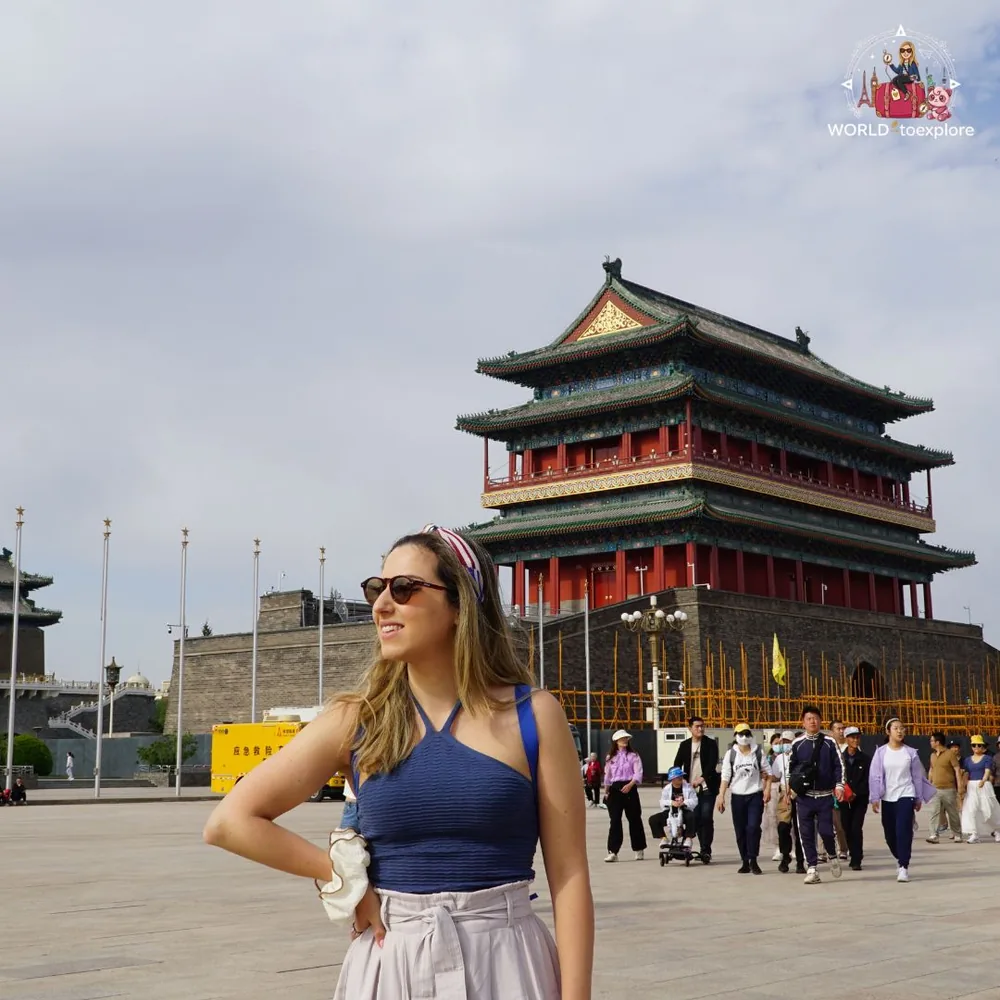
And then there was us. In China it was impossible to go unnoticed. Being Western still sparks a lot of curiosity, especially outside the more touristy areas. Throughout the trip, several people asked to take photographs with us. Some approached shyly, others simply smiled and asked for a selfie. For a few days I felt almost like a celebrity, which was as fun as it was unexpected. At first it feels odd, then it becomes part of the trip. And the truth is that, often, we were as curious about them as they were about us.
Perhaps that is precisely what makes travelling so interesting: it's not just about getting to know new places, it's about getting to know new ways of living, new routines, new cultures and new perspectives.
China wasn't just another country crossed off the map. It was a constant culture shock, a country that forced me out of my comfort zone every single day, a destination that surprised me far more than I expected. Not everything was perfect: there were language barriers, difficulties with some apps, cultural differences, a missed flight and moments when we felt completely lost. But that is also what travelling is. It's about knowing how to adapt, accepting that not everything works the same way and realising that the world is much bigger than what we are used to.
When I think of China, I don't just think of the Great Wall, the mountains of Zhangjiajie or the terracotta warriors. I think of the incredible scale of the cities, the contrast between tradition and modernity, the pandas, the torrential rain in Guilin, the unexpected selfies, the constant noise and the feeling of being somewhere completely different from anything I had ever known. That is exactly how I will keep this country in my memory: as an enormous box of surprises that, page after page and city after city, never stopped surprising me.
But this is only the first page, the first chapter of my journey through China. A country so big and so diverse doesn't fit into a single article, let alone a single trip. In the next chapters I'll take you with me through each of the cities I visited, sharing the places that made the biggest impression on me, the stories, the curiosities and everything that made this one of the most surprising trips I have ever experienced. And one thing is certain: I left China sure that there is still so much to discover and with a huge desire to return. 🩷