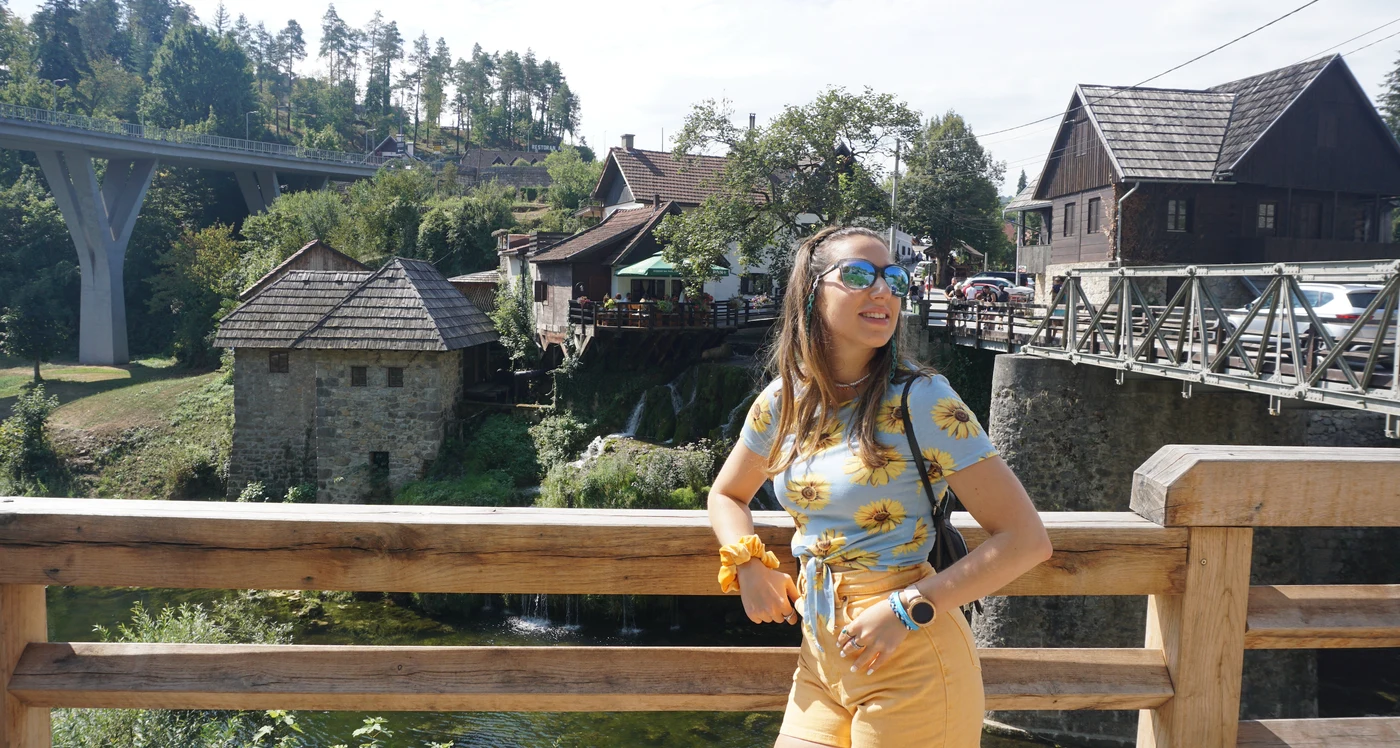
A quick escape to Rastoke, the Croatian village of waterfalls
On the drive from Zagreb to the Plitvice Lakes, we stopped in Rastoke to get to know this small Croatian village. We didn't have much time to explore and ended up staying only around two hours. Even so, it was long enough to take the place in without rushing and to see that this stop is well worth making when you are travelling through this part of Croatia.
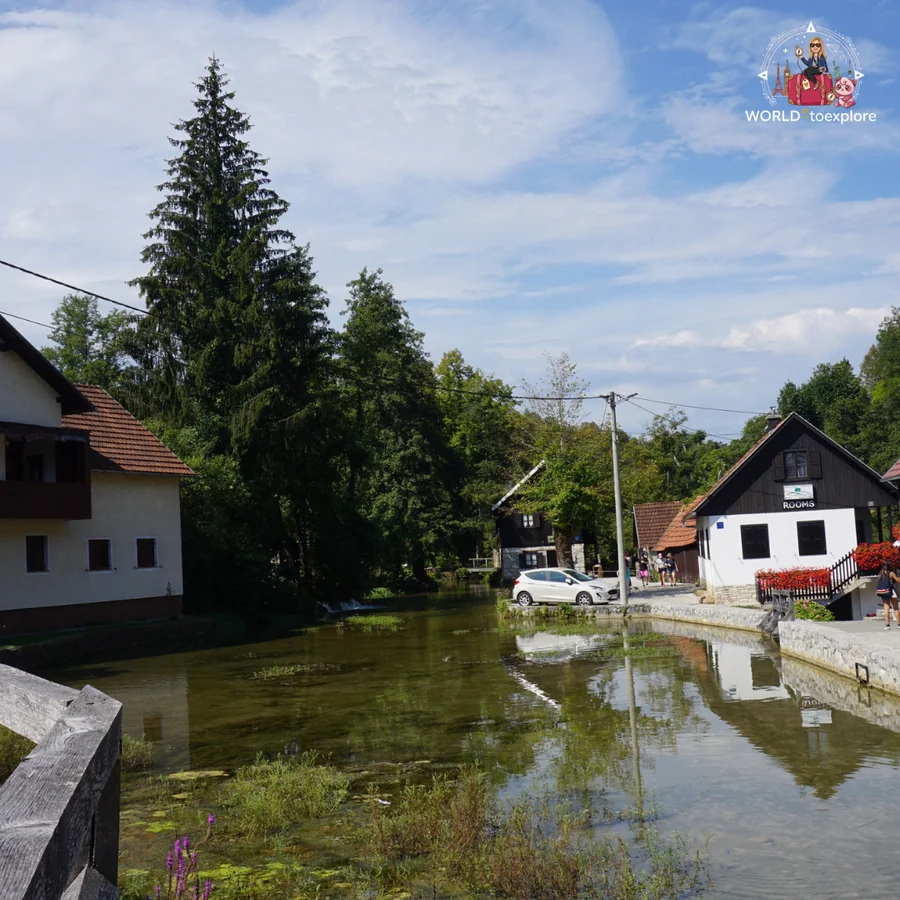
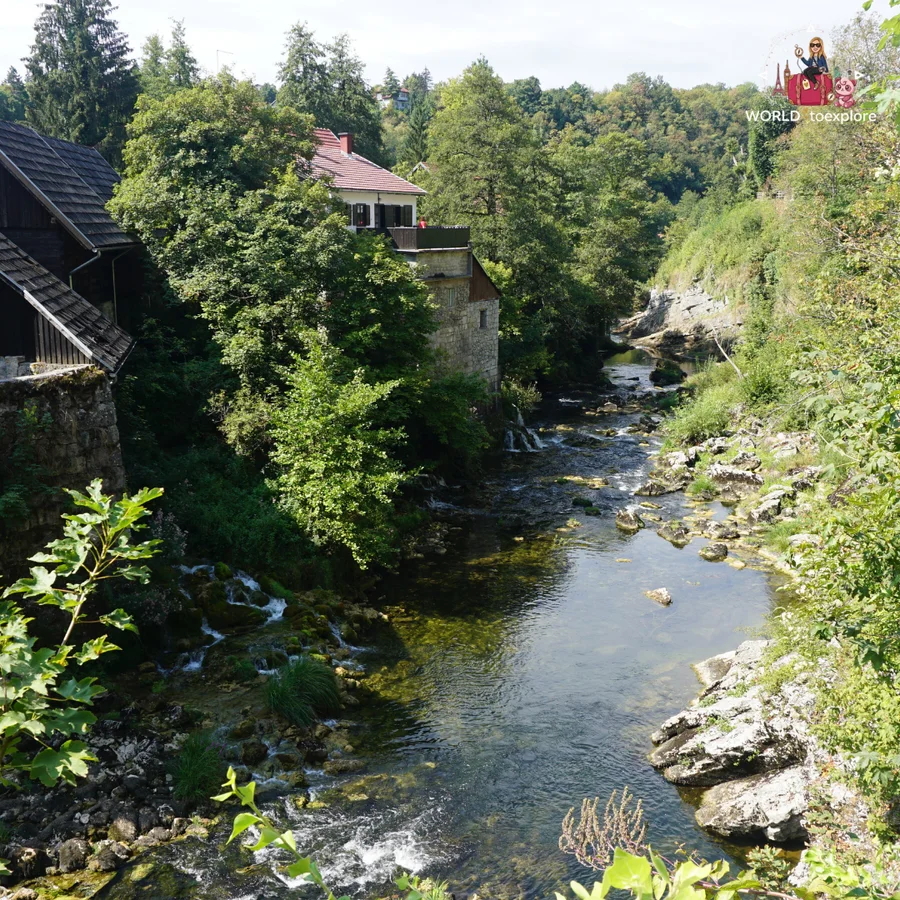
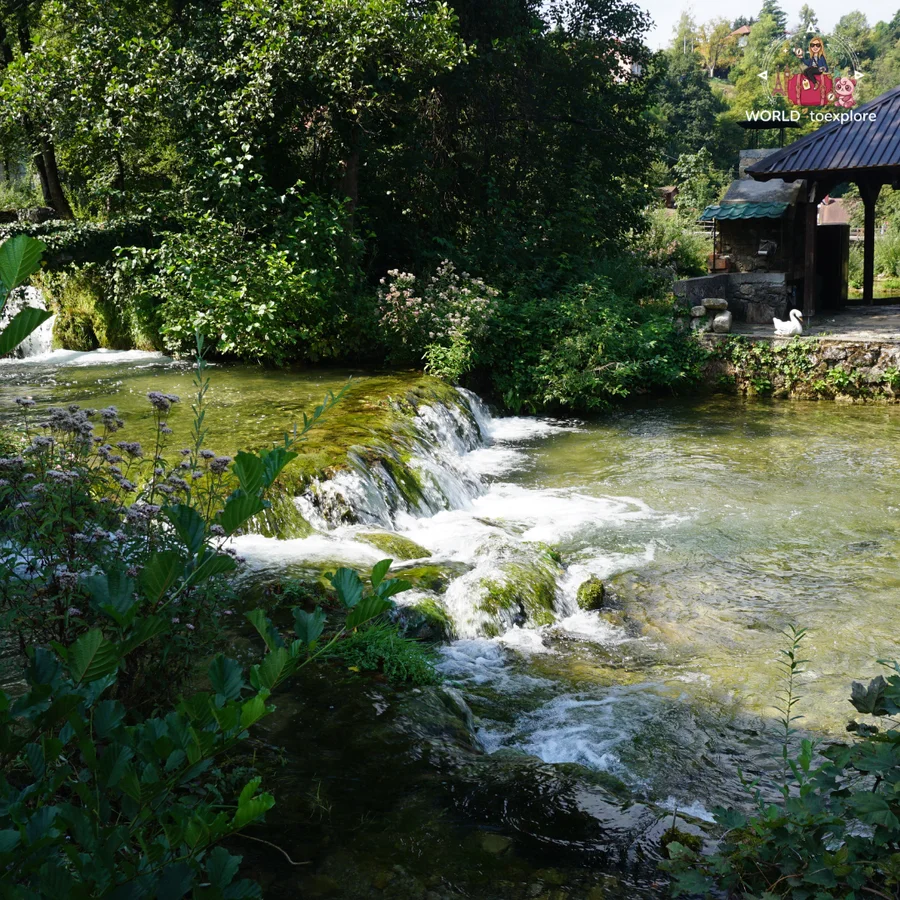
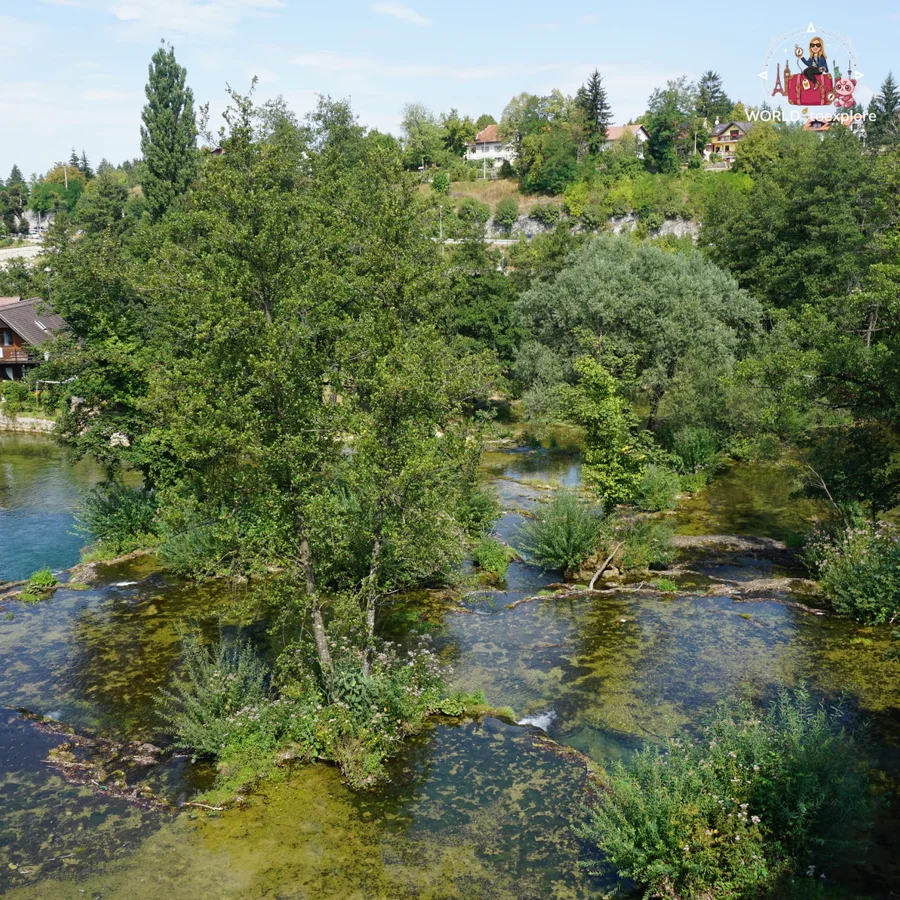
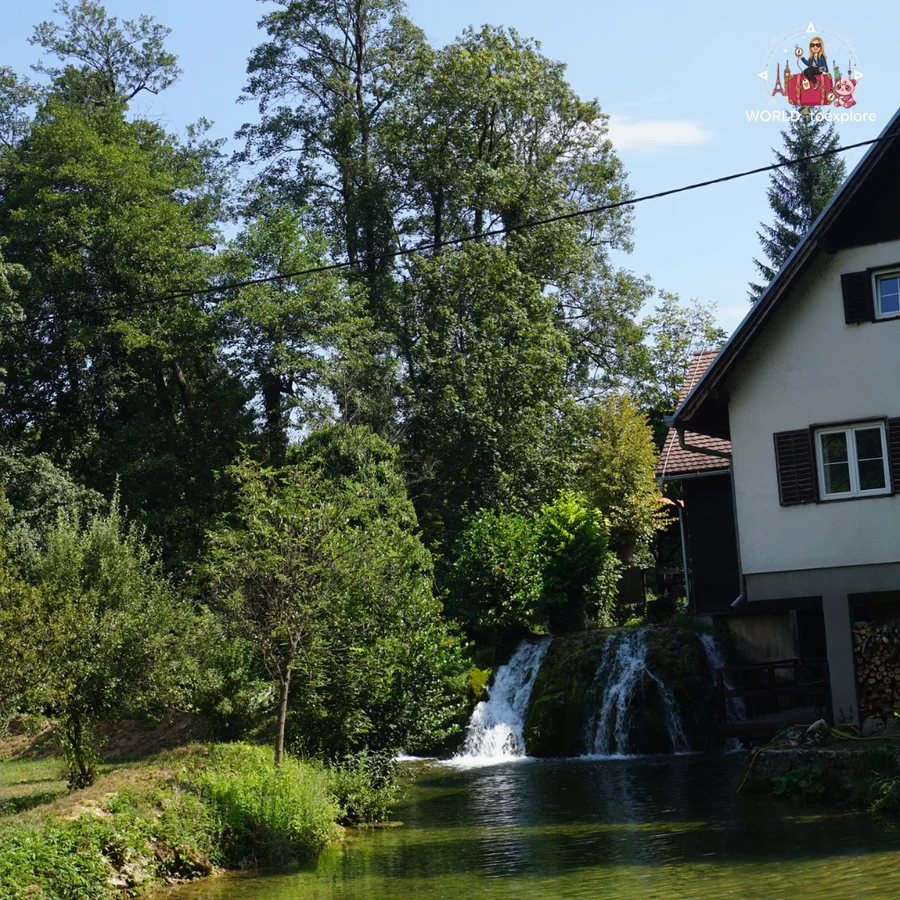
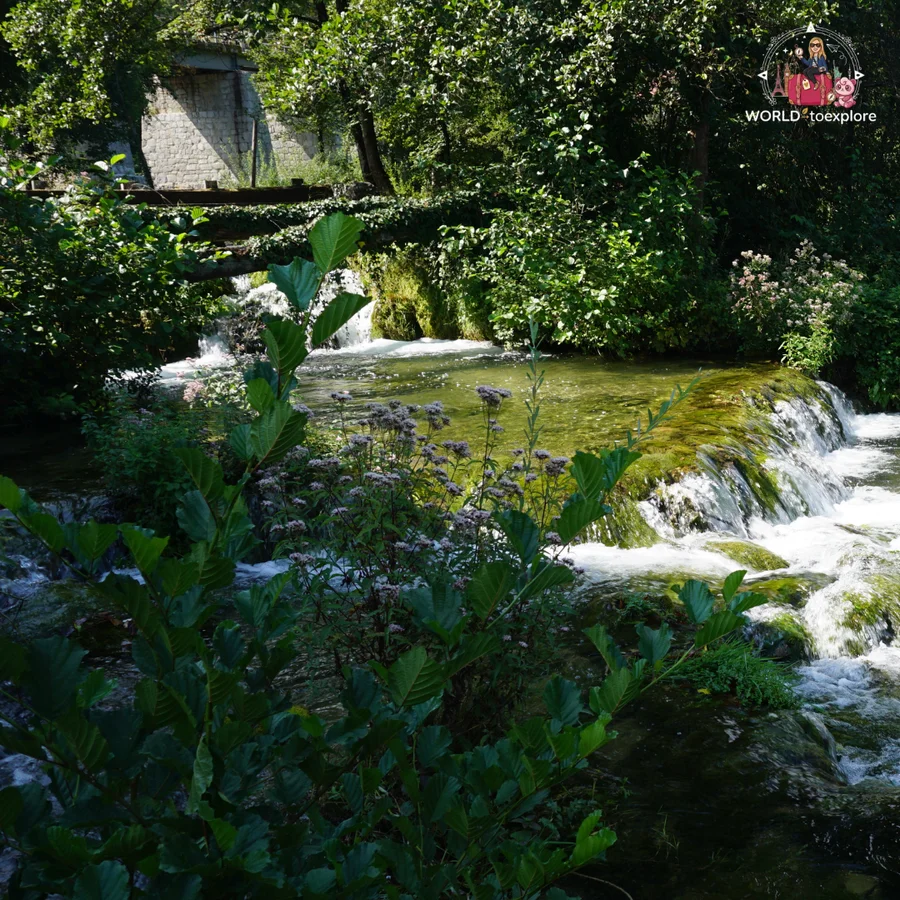
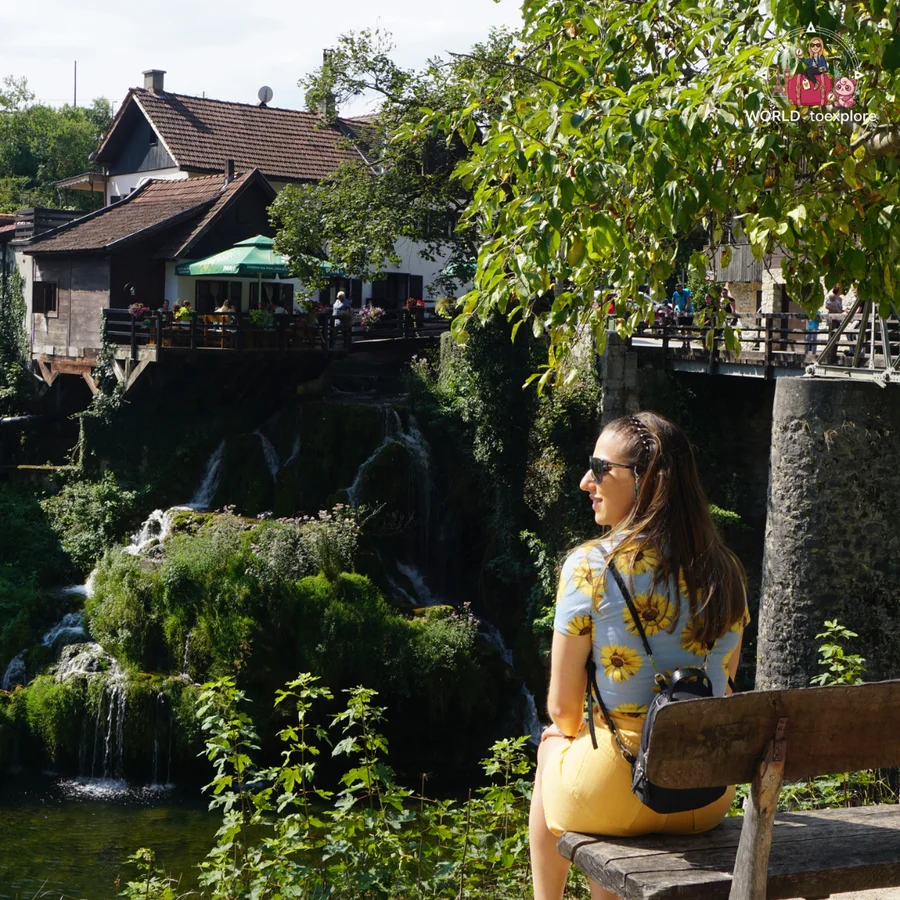
This is a village where water is present in almost every corner. The Slunjčica river runs through it and, before joining the Korana, forms several waterfalls and smaller falls that are part of the landscape. Along the way you come across old wooden houses, water mills and bridges that give the village a very special charm.
A stop between Zagreb and Plitvice
Rastoke sits next to the town of Slunj, in central Croatia, and is a very easy stop to fit into a trip between Zagreb and the Plitvice Lakes, one of the country's best-known national parks. By car it is about 1.30h from Zagreb and just 30 minutes from Rastoke to the entrance of the lakes.
That location was precisely one of the reasons we included Rastoke in our itinerary. After flying from Portugal to Zagreb, with a stopover in Madrid, we spent the first day getting to know the Croatian capital. Early the next morning we picked up the car and set off on our road trip through Croatia, heading for Plitvice. Along the way we took the chance to stop in Rastoke and see a little of the village before carrying on. It was also a way of making the journey less tiring, stretching our legs and getting some fresh air.
A little of Rastoke's history
Although it is known today mainly for its waterfalls and its scenery, Rastoke has a history closely tied to water. The village began to develop at least in the 17th century, and the first written references to Rastoke date from that period. From early on, the inhabitants used the power of the Slunjčica river to build mills, which were mainly used to grind cereals.
The mills went on to become very important in the life of the village and in the economy of the region. The power of the water was used not only to grind cereals but also for other work, such as treating cloth and washing clothes. Over the years, Rastoke grew around the rivers and the mills, and many of the houses were built along the banks, giving the village the picturesque look it still has today.
The mills are still part of Rastoke's identity, but they gradually lost the importance they once had in everyday life. Some of them are still very well preserved and can be seen as you walk through the village, along with the traditional houses and the small bridges that cross the streams. And it is precisely that mix of nature and history that makes Rastoke so special. The waterfalls and the rivers are part of the setting, but the old mills, the wooden houses and the bridges also show us the story of the village and how important water has always been in the lives of those who lived here.
What to see in Rastoke
Rastoke deserves to be taken slowly, simply wandering around and stopping at whatever catches your eye. There are waterfalls, mills, traditional houses and several bridges spread along the route. Everywhere you go there is a deep sense of calm, with the sound of falling water behind it.
- Where to park: Parking in the centre is paid and limited. If you can't find a space, there are other options about 500 metres away, where you can leave the car and walk the rest of the way.
- Price: Part of the walk through Rastoke is free. For the circular route through the Vodene Tajne area, next to the waterfalls, the ticket costs 5,00€.
- How long to set aside: 2 to 3 hours are enough to see the village.
- Recommendations: Bring comfortable shoes, especially if you want to walk the paths along the water.
Rastoke waterfalls
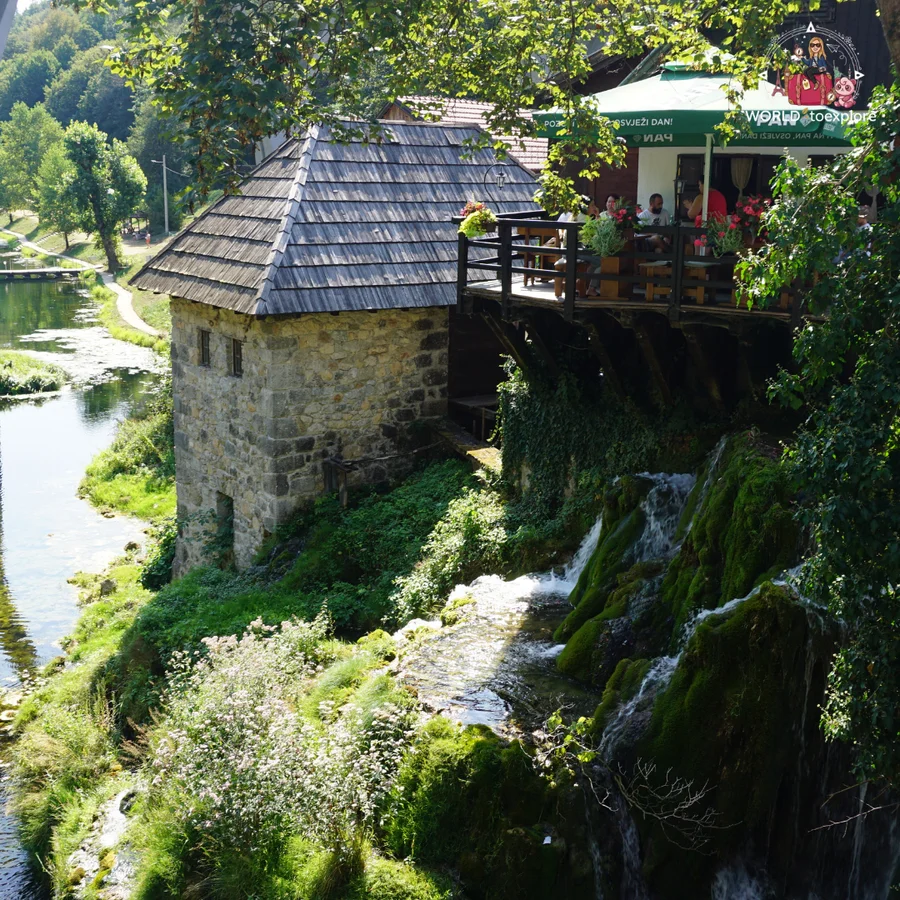
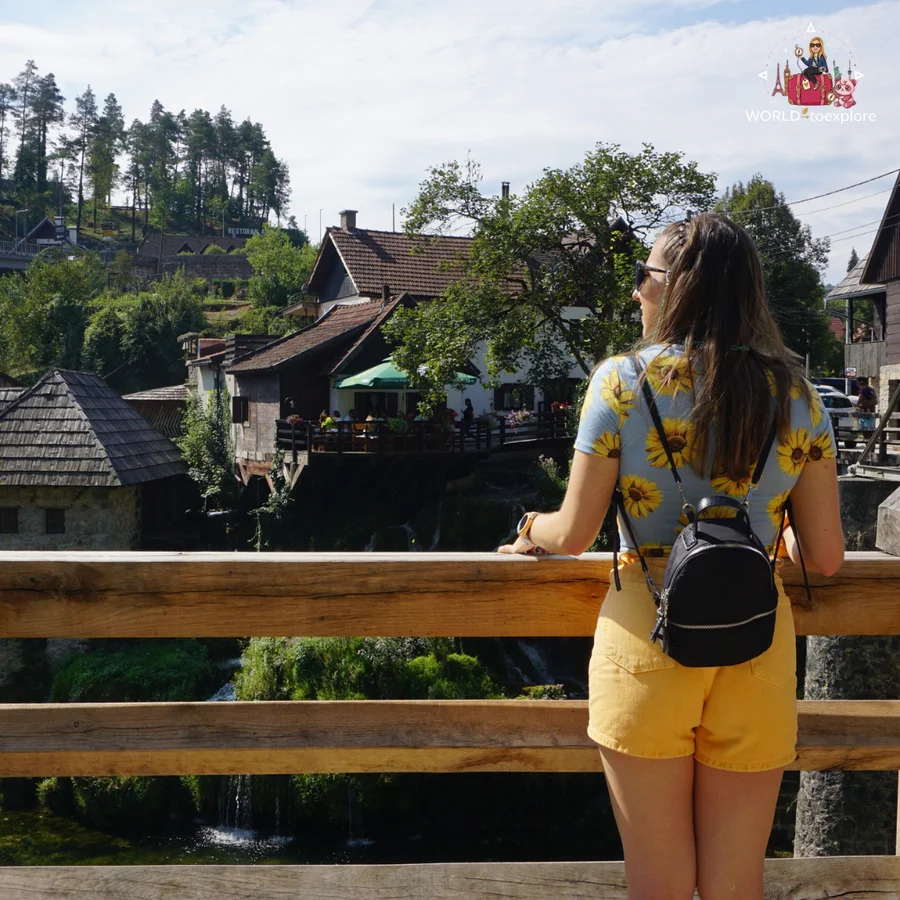
The waterfalls are without doubt one of Rastoke's main attractions and the thing that stands out most as soon as you start walking through the village. Water is everywhere, forming falls and currents that run between the houses, the mills and the greenery. There isn't really one main waterfall, but rather several falls scattered around the village that you discover as you walk and explore.
Water mills
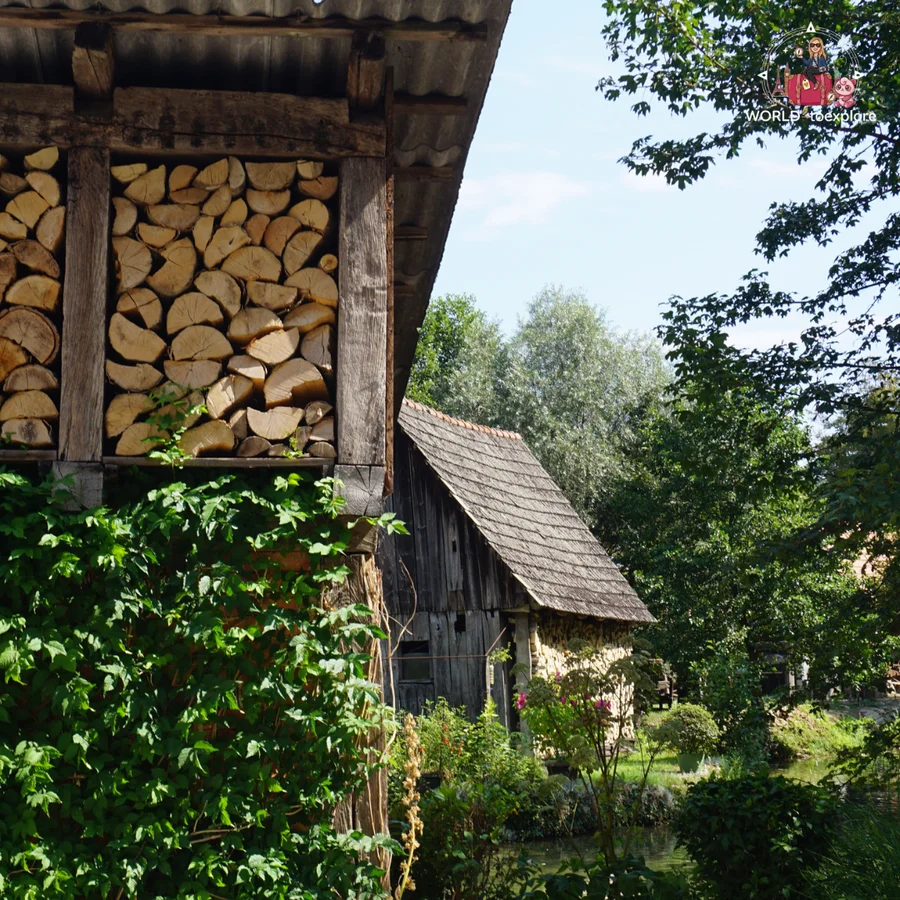
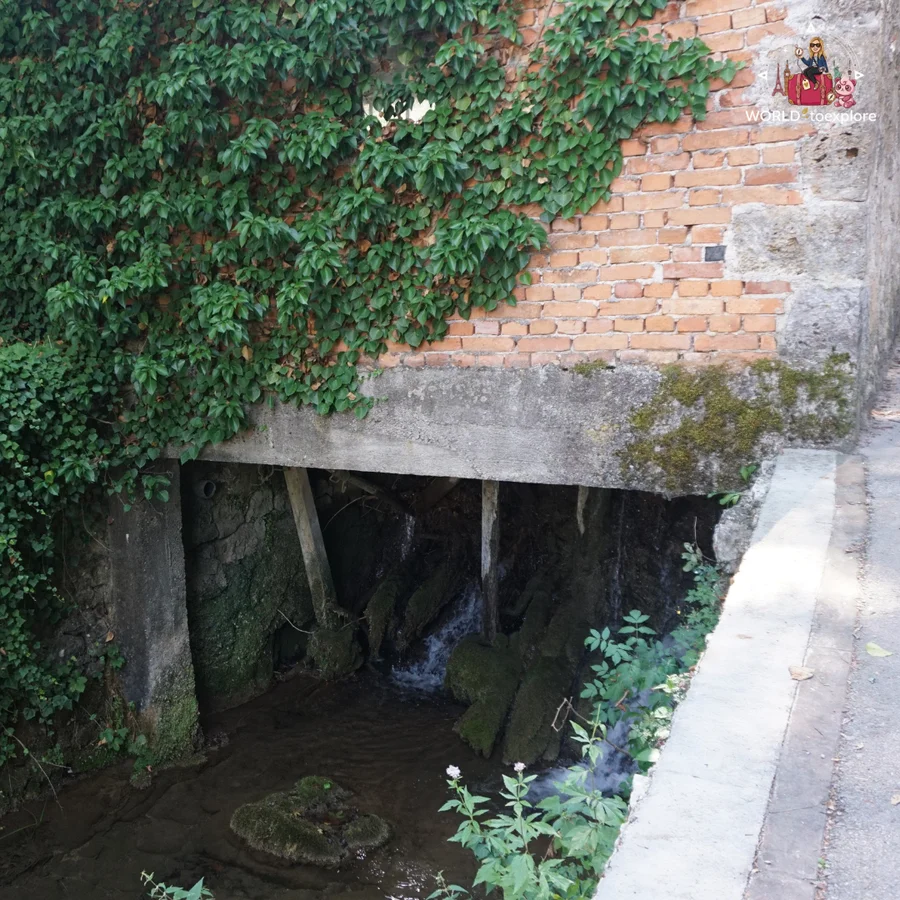
The mills appear along the water as you make your way through the village. Some still keep their wooden structure, standing right beside the waterfalls. Several of these mills were passed down from generation to generation and, even today, they help you picture what daily life was like for the people of Rastoke.
Traditional houses
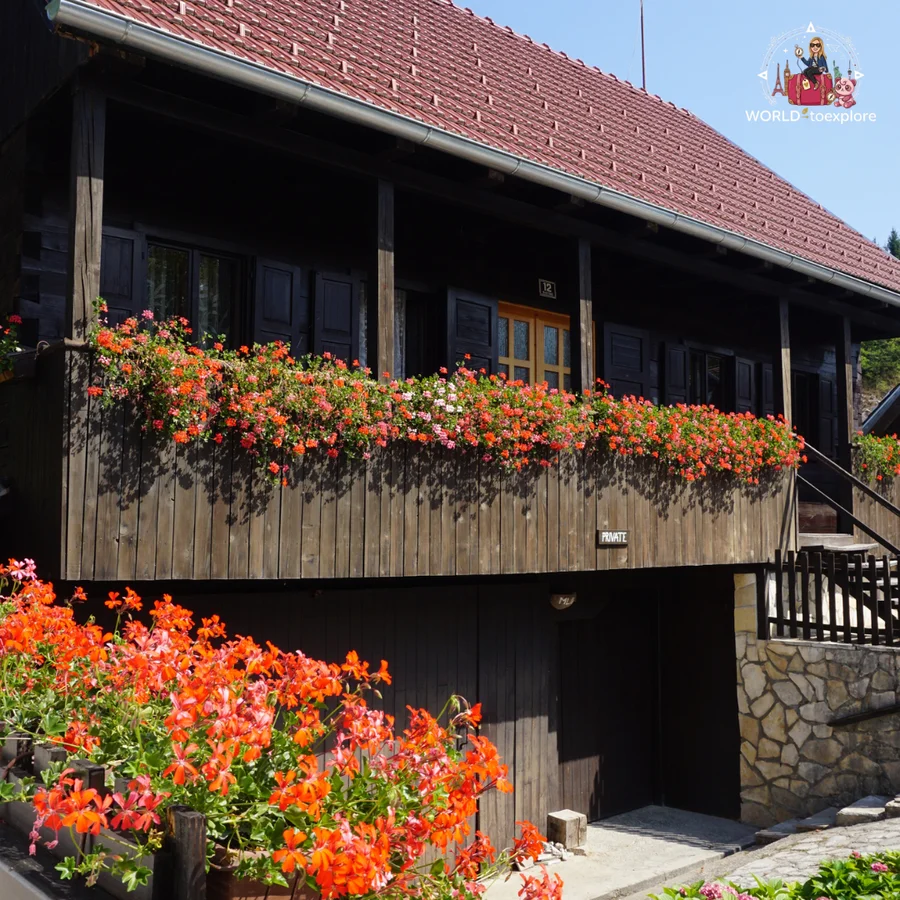
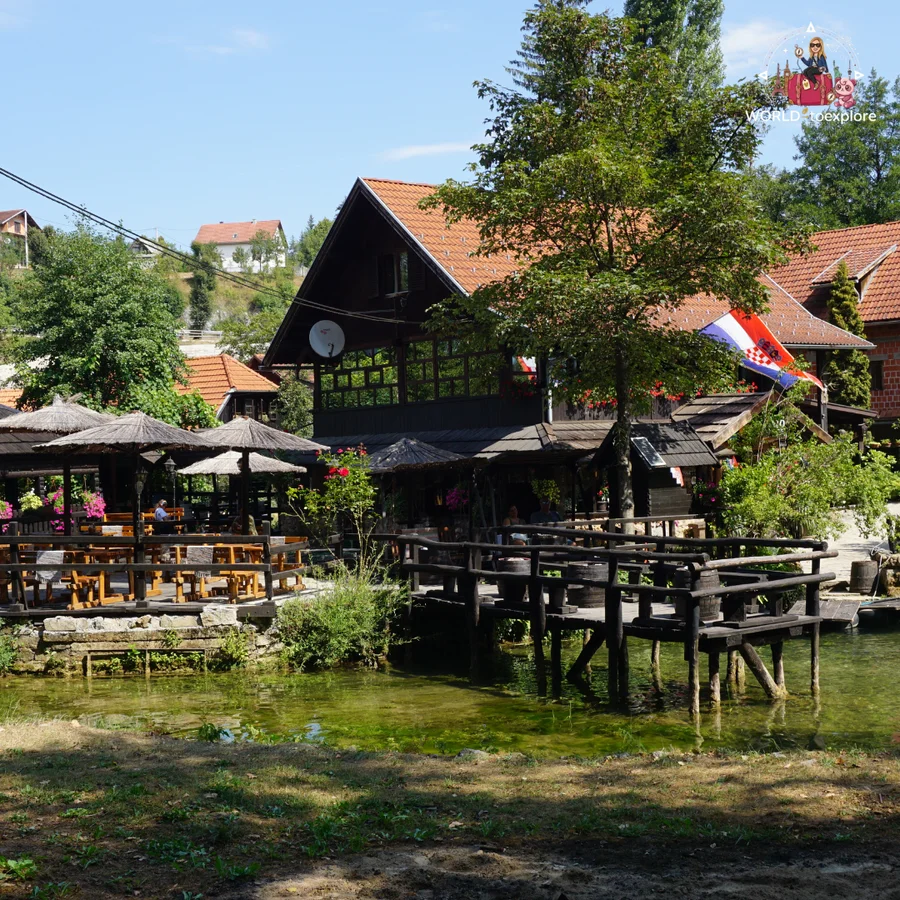
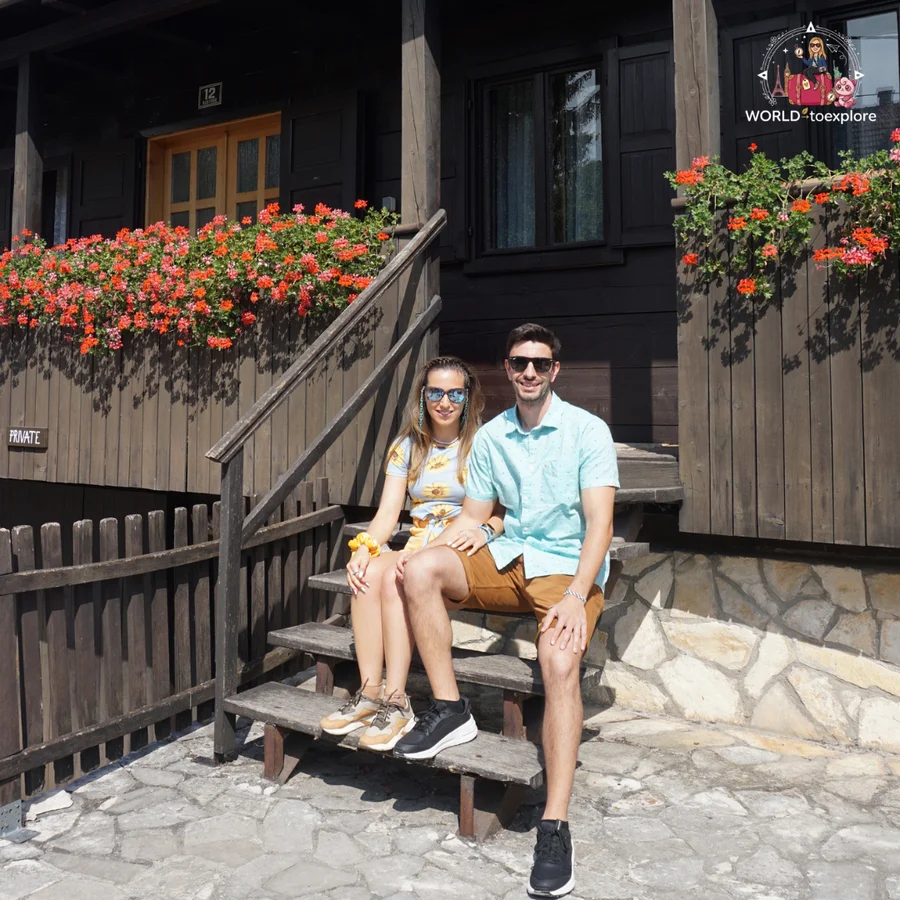
The traditional houses also appear between the waterfalls and the mills, and many of them are built entirely of wood, with a very simple look. Some sit right on the water, which makes the scene even more idyllic. As you walk around Rastoke, it is easy to see how these houses were built in harmony with their surroundings.
Bridges and paths along the water
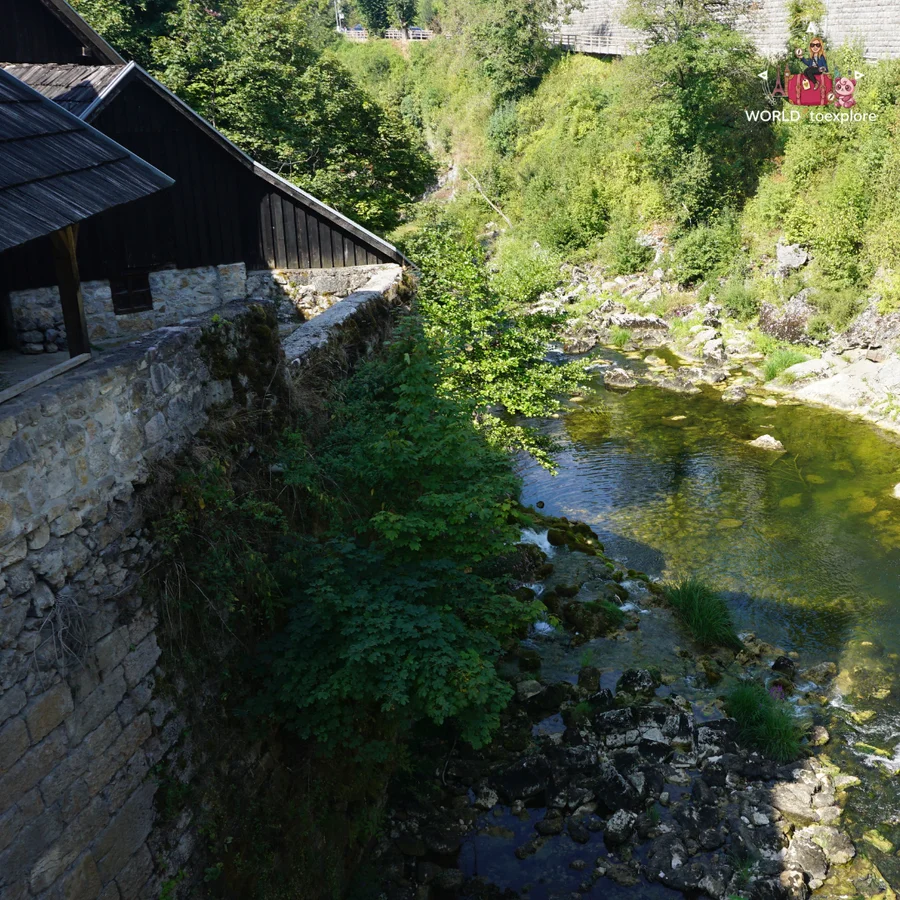
The bridges and the paths along the water are part of the walk and let you see the waterfalls, the mills and the houses from different angles. Crossing the bridges from one side to the other is the best way to get into the spirit of the place. This whole landscape is born from the meeting of the Slunjčica and the Korana. Without those two rivers there would be no waterfalls, no mills and no village.
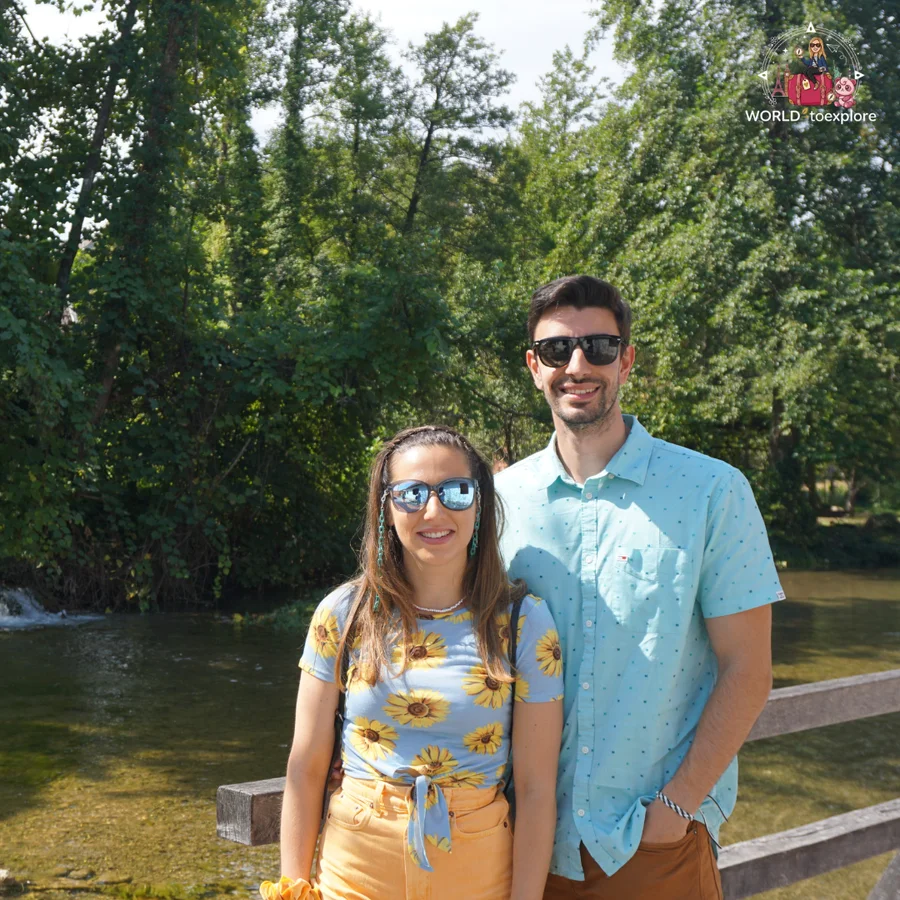
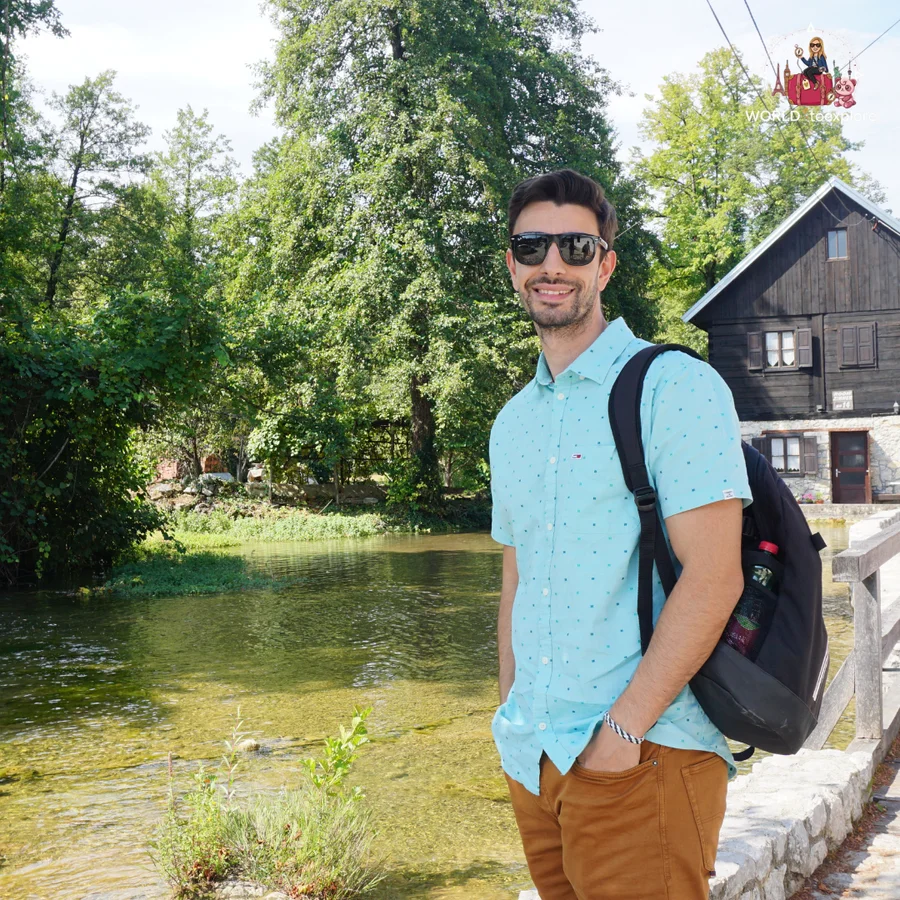
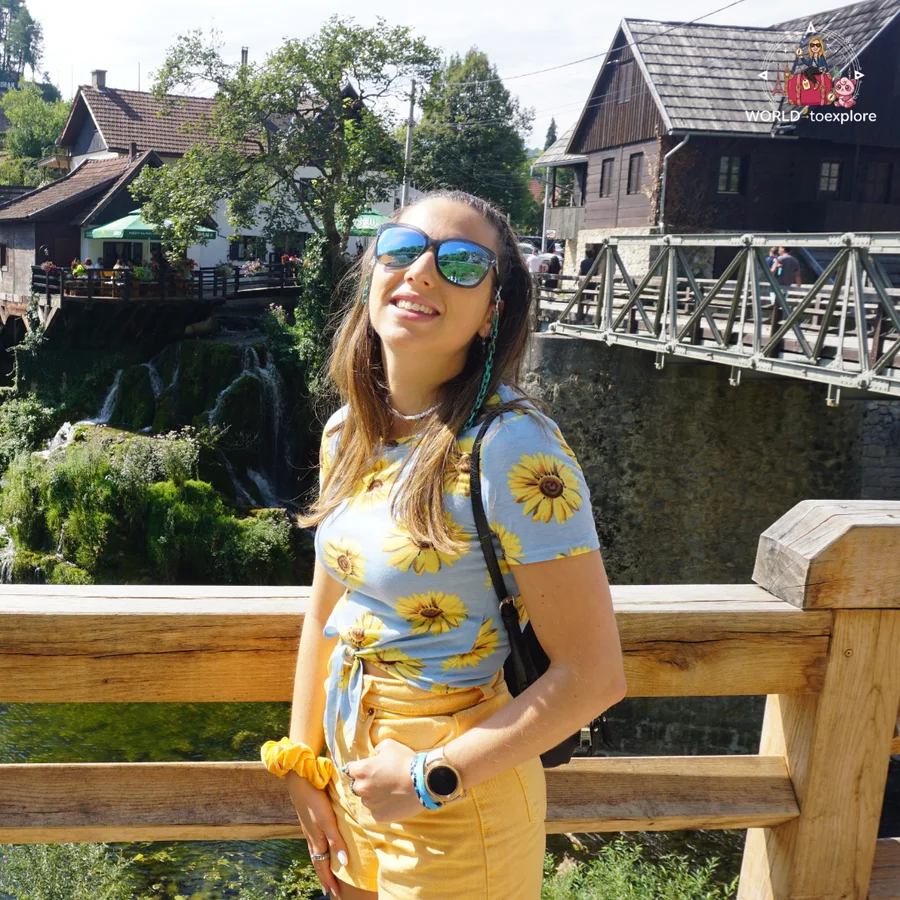
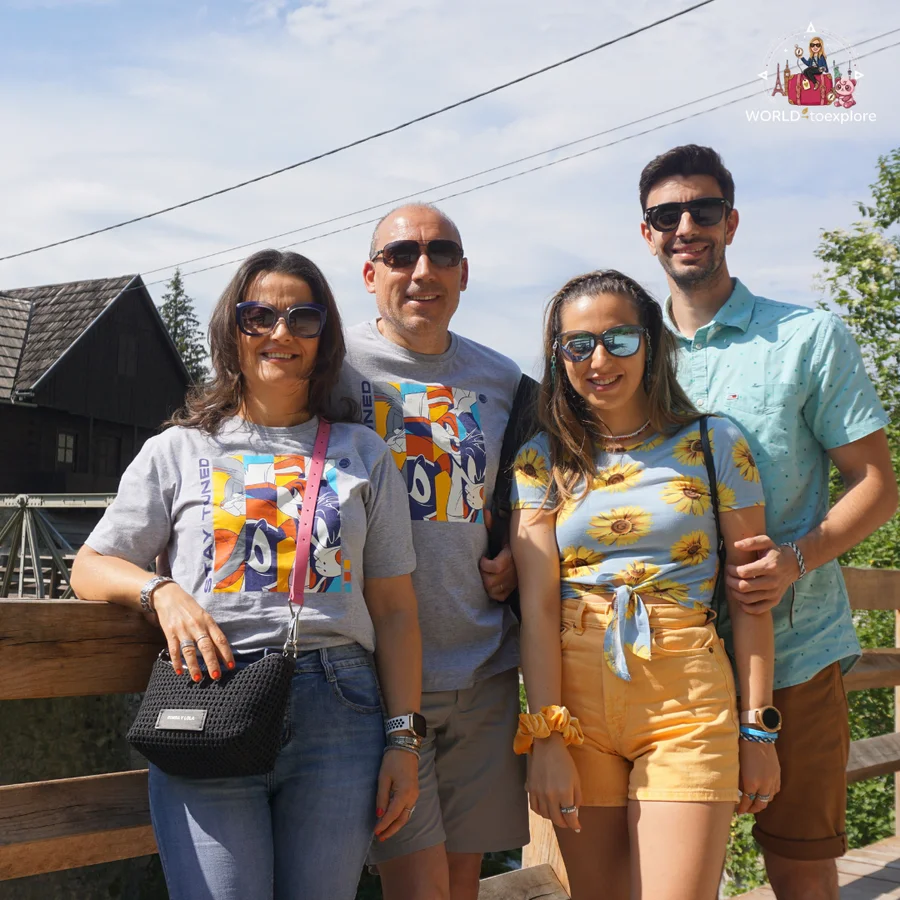
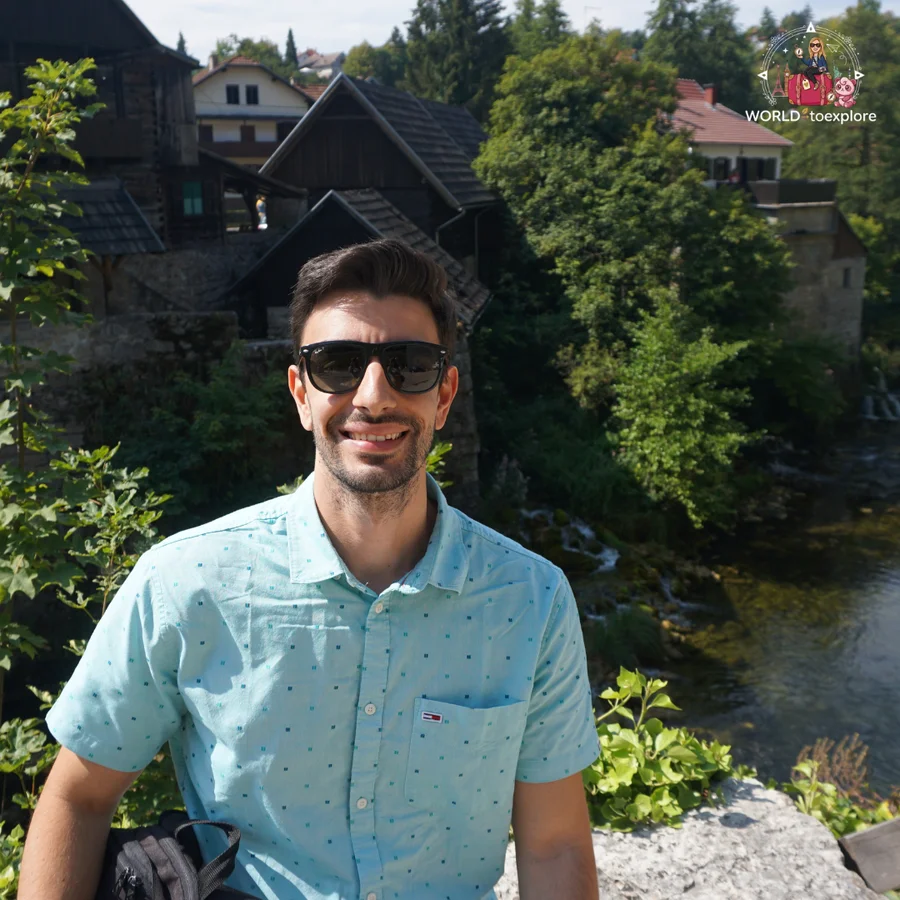
After getting to know Rastoke, we came away feeling that stopping here along the way had been a great choice. In about two hours we managed to walk around the village, see the waterfalls, the mills and the traditional houses, and enjoy a little of the calm of the place before getting back on the road.
If you are doing this drive, I really think it is worth setting aside two or three hours for Rastoke. That is enough to walk around the village at your own pace, without having to change your itinerary much, and still take a pleasant break before carrying on to the Plitvice Lakes. For us, it was one of those short stops that made complete sense and that won us over. 🩷
You can see all the blog posts about Croatia here.