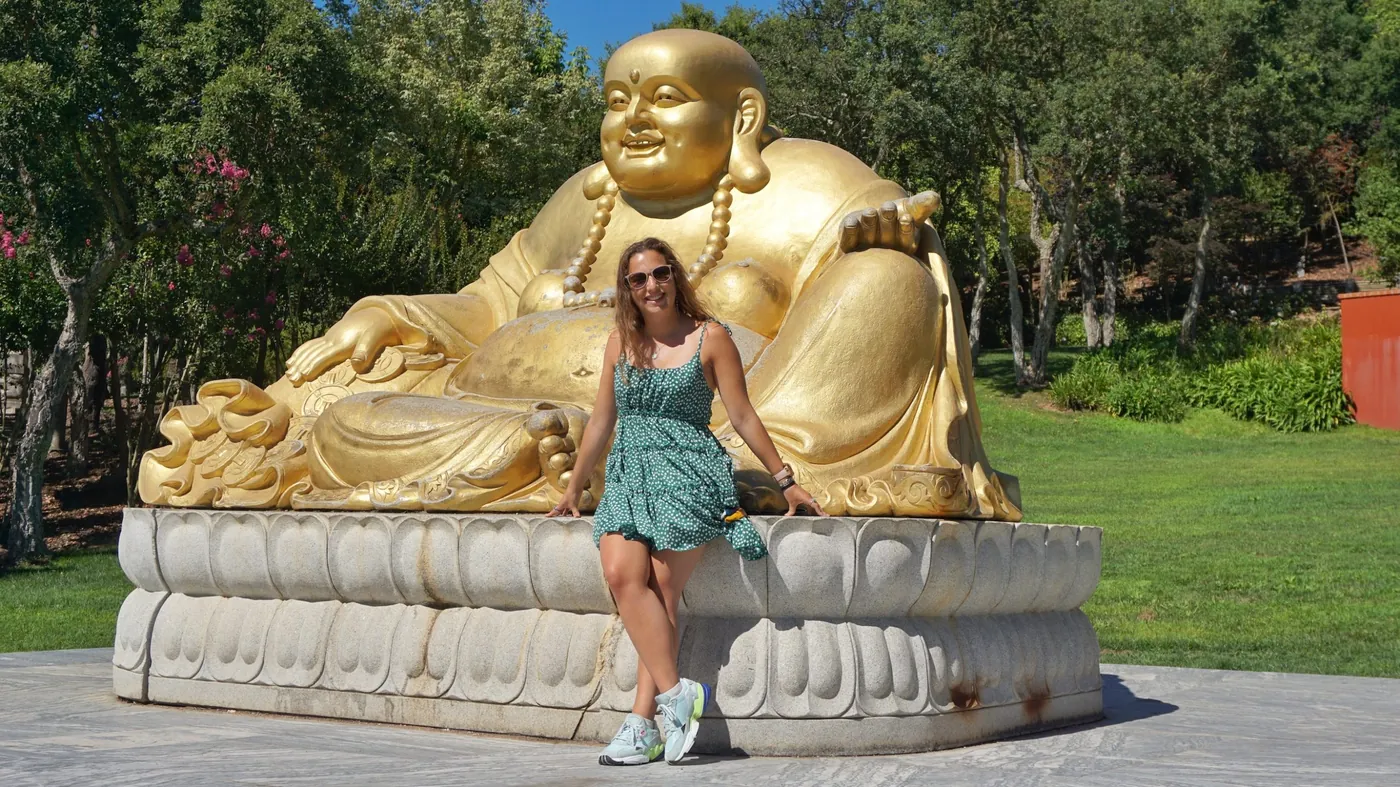
Bacalhôa Buddha Eden, the Buddha garden
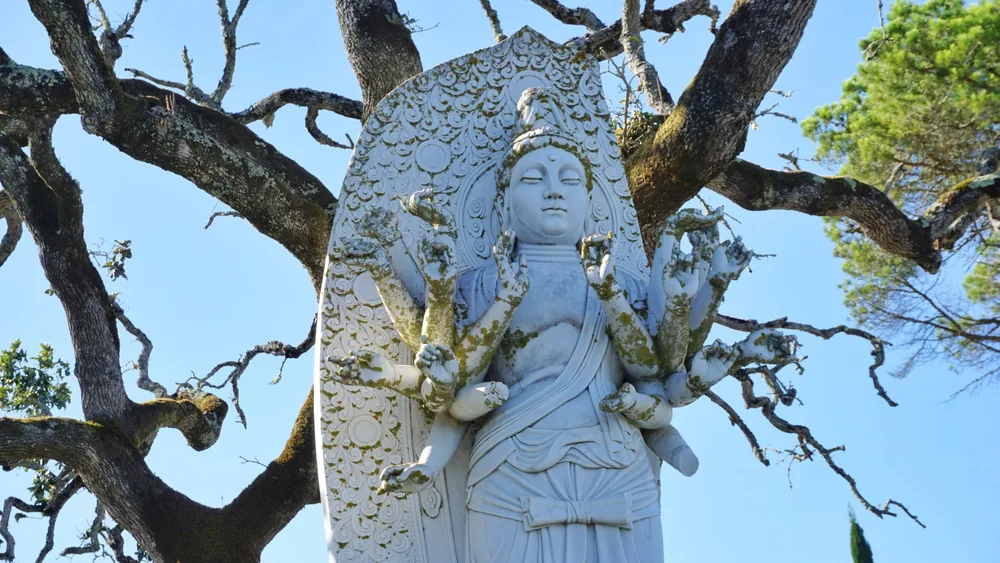
Bacalhôa Buddha Eden is a 35-hectare park created by José Berardo located in Bombarral. This garden is a place that transmits peace and tranquility, while providing us with a trip to oriental culture. The idea of its construction arose in response to the destruction of the Afghan Buddhas of Bamyan, in what was one of the greatest acts of human and cultural barbarity.
📍 Localization
This garden of the Buddhas is located in Bombarral, a Portuguese village in the district of Leiria that is less than an hour's drive from Lisbon 🚗 and almost two and a half hours from Porto. The garden is included in Quinta dos Loridos land, a winery specialized in the production of high quality wines, with only 35 of the 100 hectares dedicated exclusively to the park.

History
With approximately 35 hectares of area, Bacalhôa Buddha Eden is a park that transmits lots of peace and tranquility that was conceived and designed by José Berardo. It’s also known as garden of peace, garden of the buddhas, garden of Eden, garden Buddha Eden or even Bombarral garden. The truth is that this garden is considered the largest oriental garden in Europe.
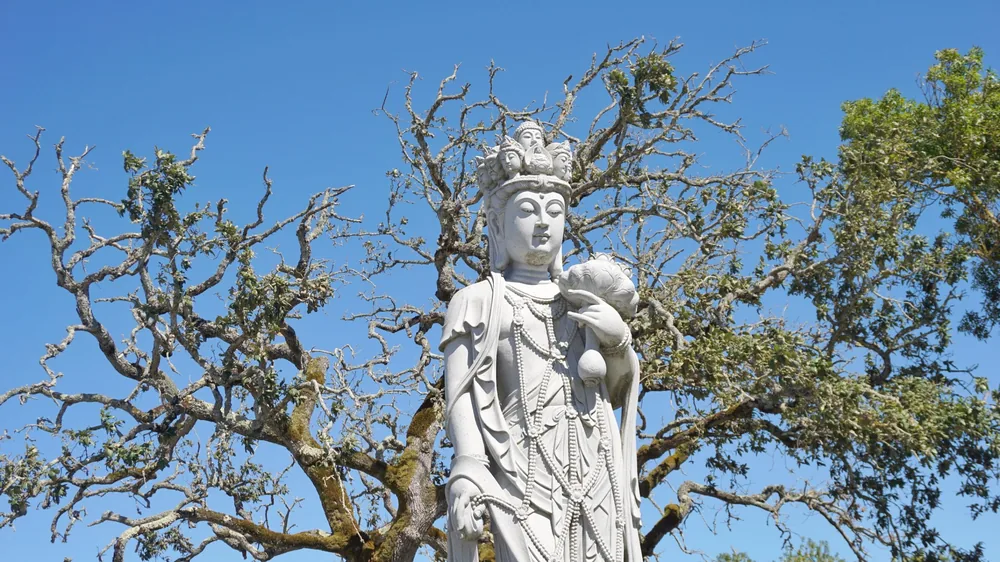
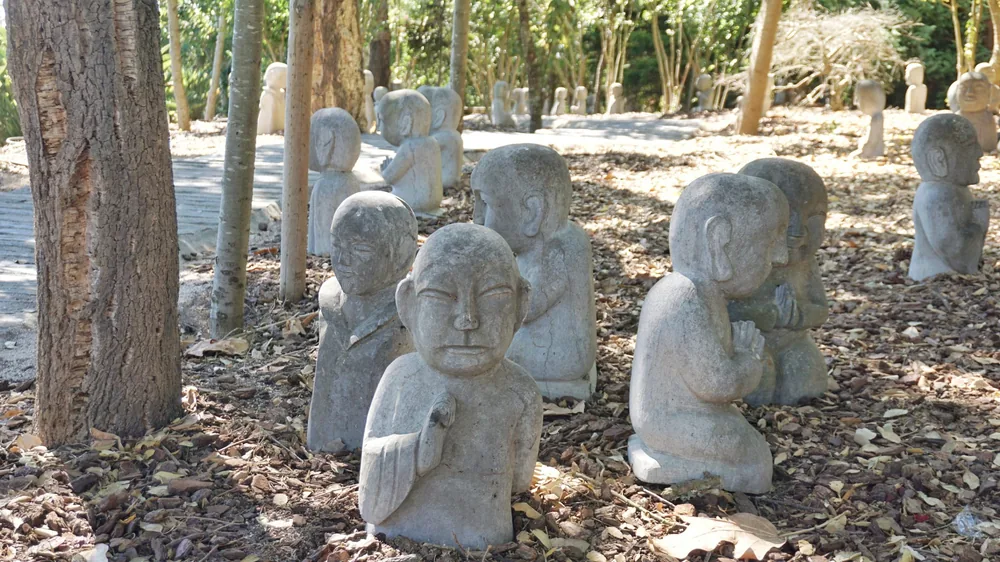
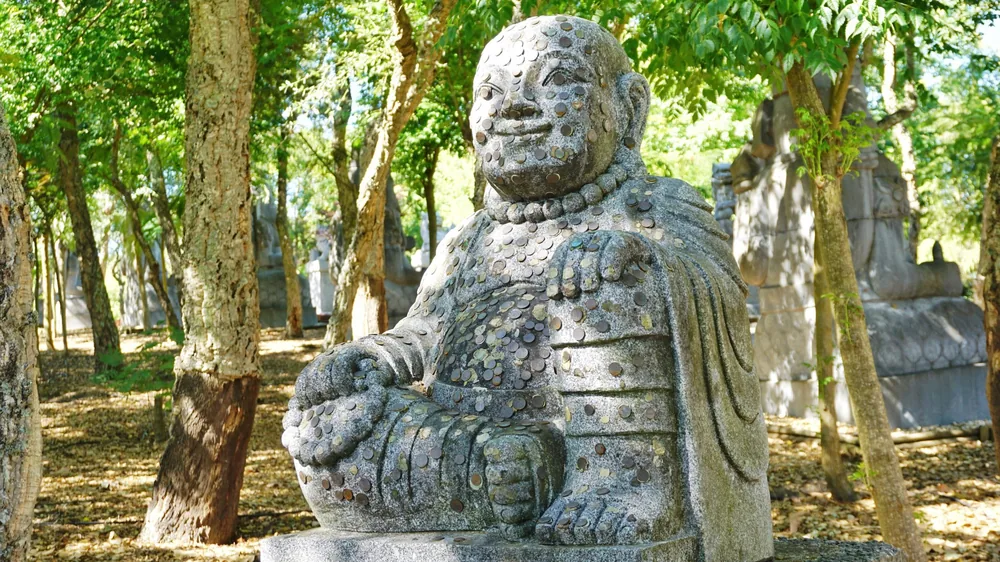
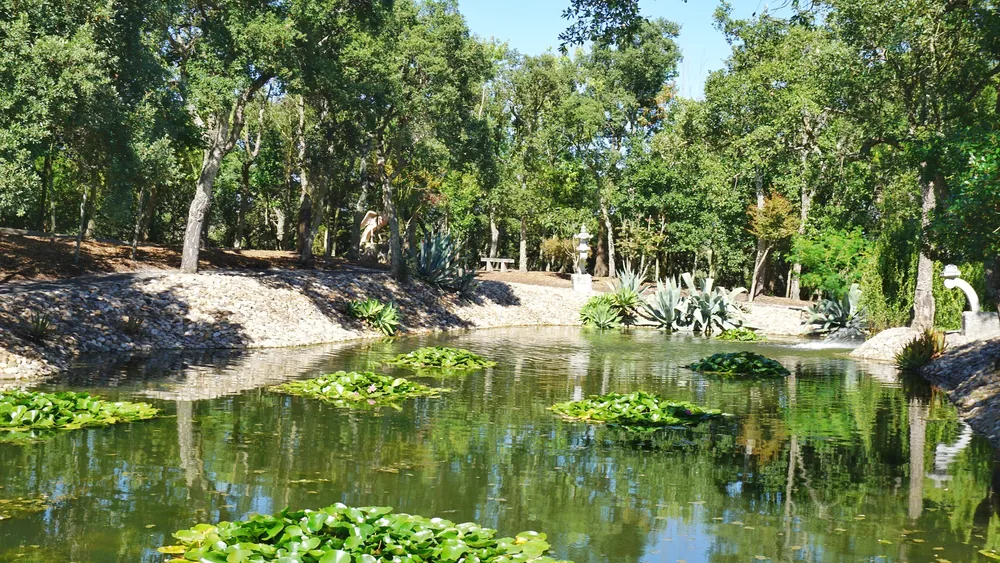
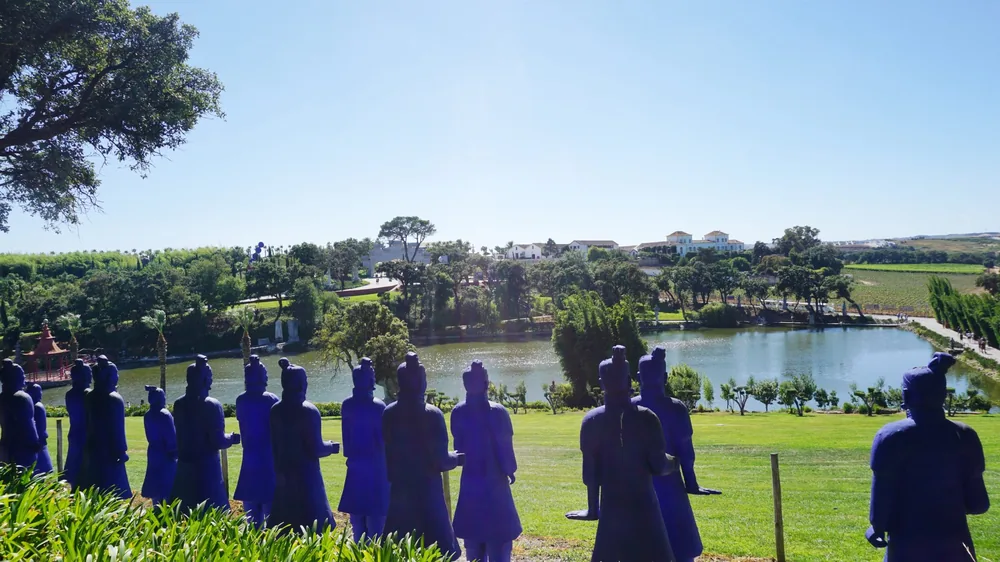
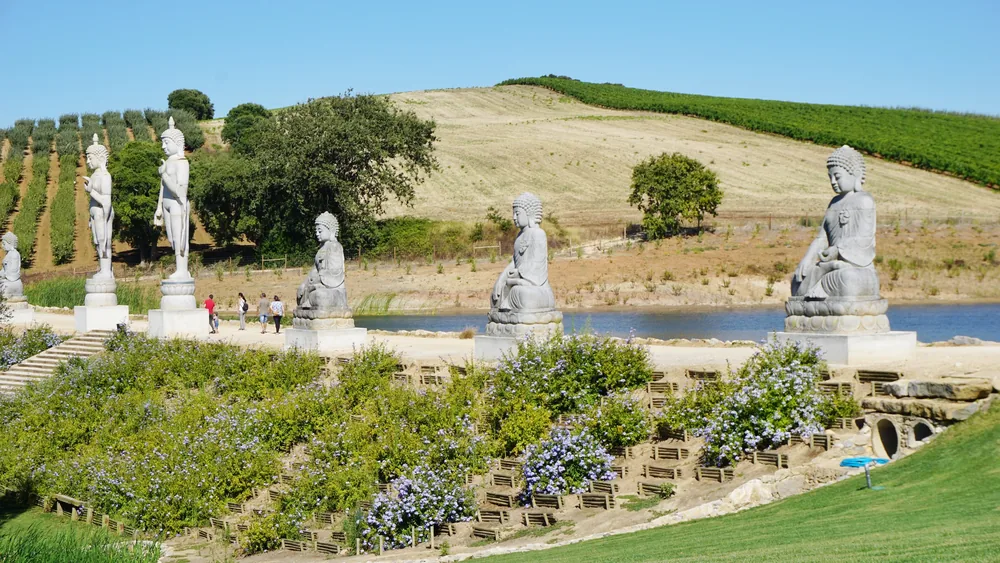
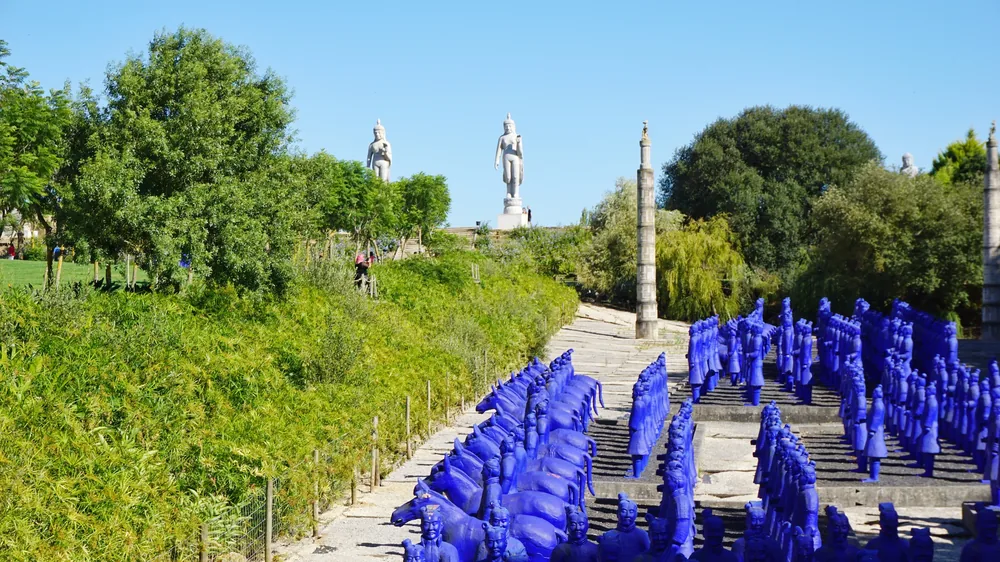
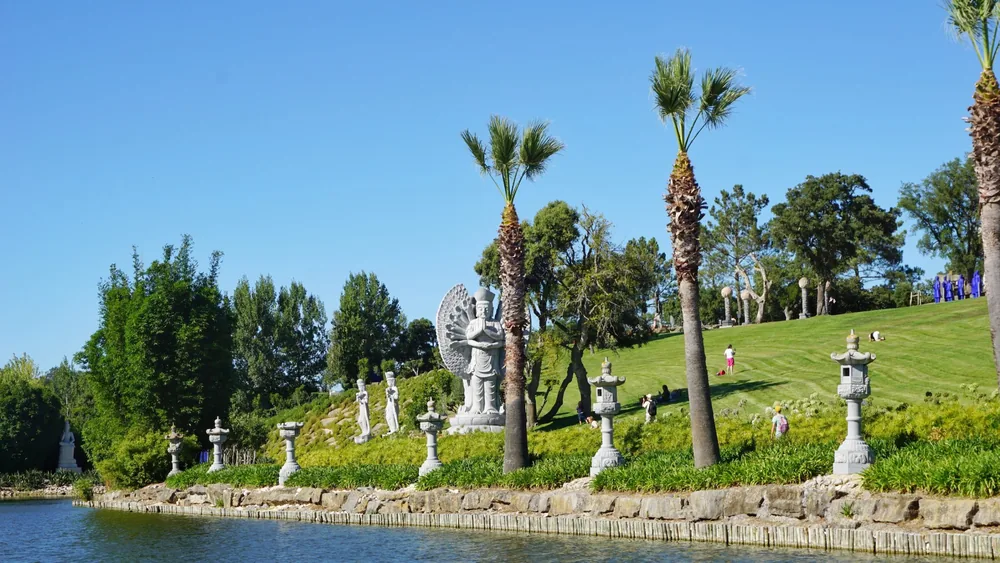
Bacalhôa's history begins in 1989 when José Berardo decided to buy the land where the park is currently located. Years later, in 1998, he decided to invest in the planting of vineyards egas and the modernization of wineries. Nowadays, Bacalhôa has several wineries and farms: Douro, Dão, Bairrada, Lisbon, Alentejo and Azeitão. Bacalhôa Buddha Eden park emerged as a protest after the destruction of some colossal Buddhas that were carved into the rocks of the Bamyan valley in central Afghanistan in 2001. It was in that same year that Berardo started building this park, which is occupied by dozens of Buddhas, several pagodas, earthquake statues and several other sculptures that were carefully placed between the vegetation 💐 and the artificial lakes. It’s estimated that more than 6 thousand tons of marble and granite were used to build the various sculptures in the park.
Schedules and Prices
The ticket to visit the gardens has a price of 5€ per person and the admission is free for kids under 12 years old. In addition there is also a train that goes around all the most important points of the garden which costs 4€. The garden is open daily and only closes on Christmas and New Year's Day. The schedule depends on the season. During the winter time 🌧️ is from 9.30h to 17.30h and the summer time ☀️ from 10.30h am to 18.30h.
My experience
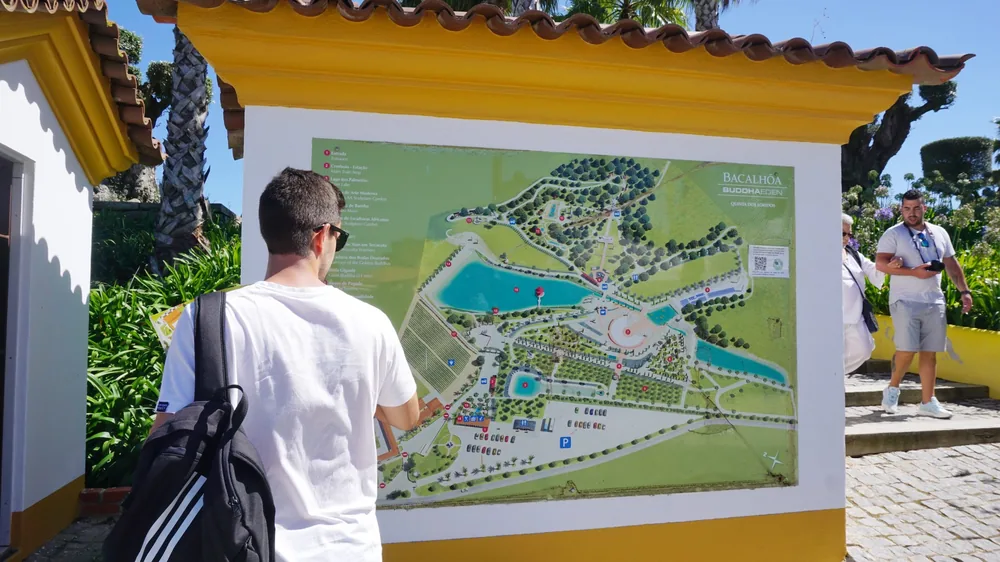
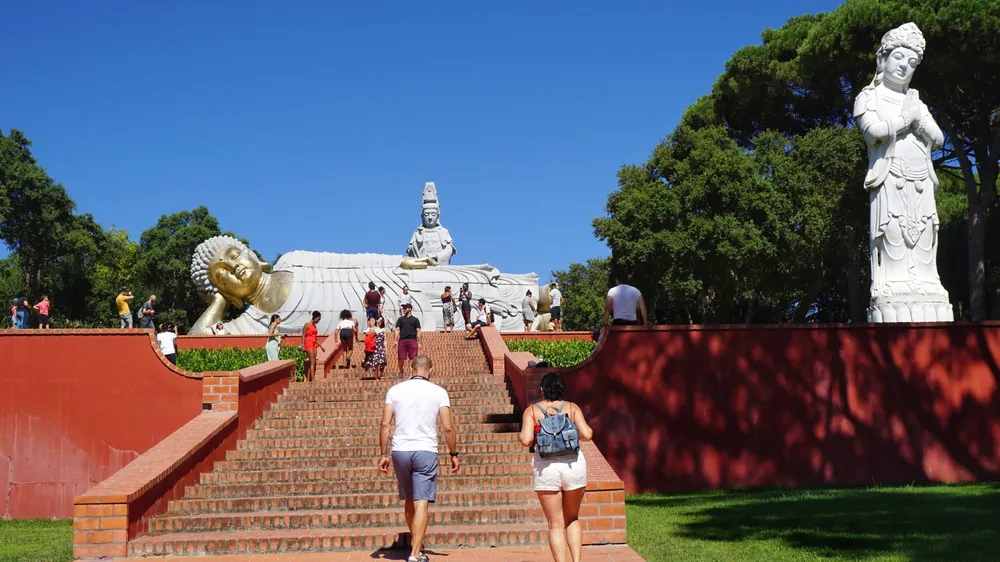
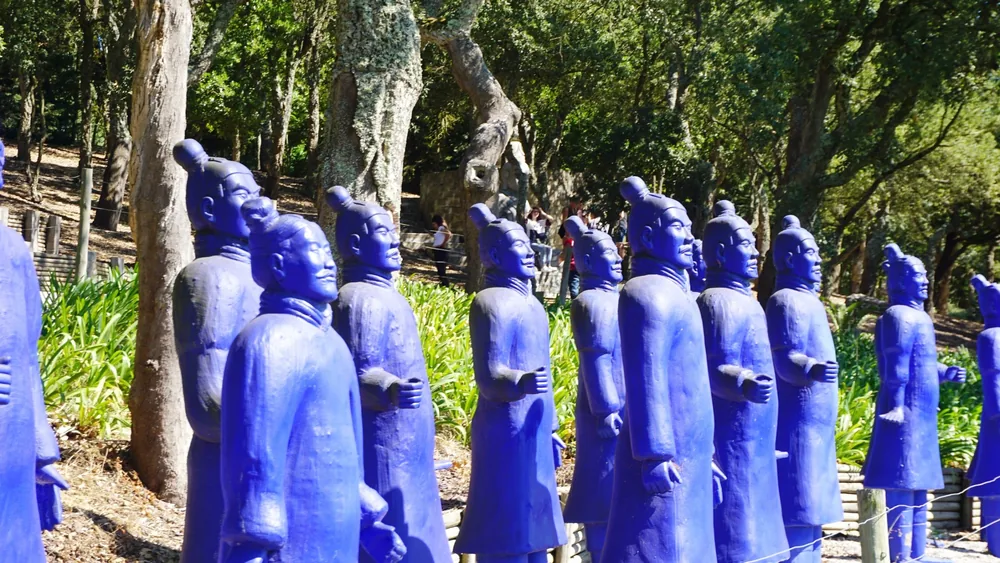
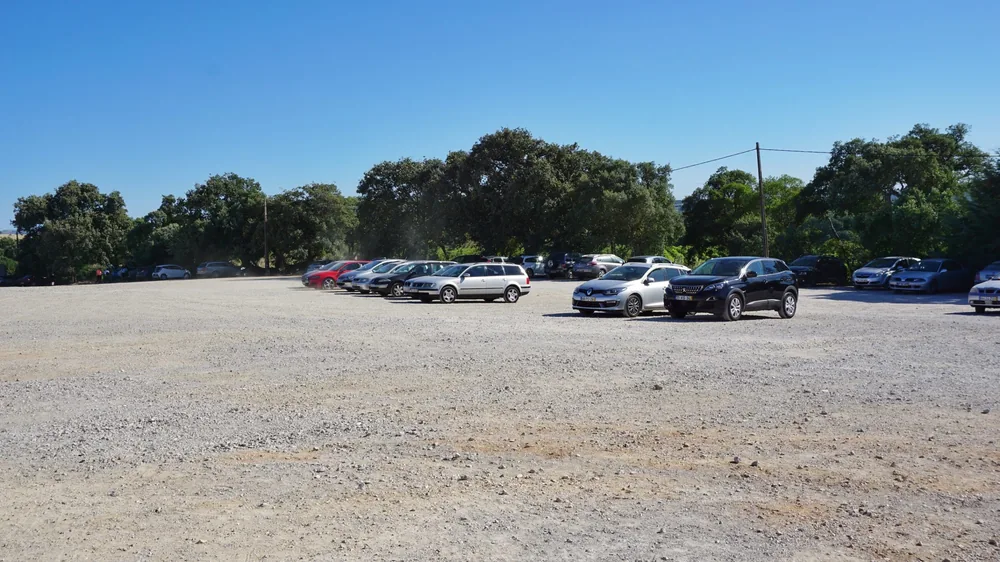
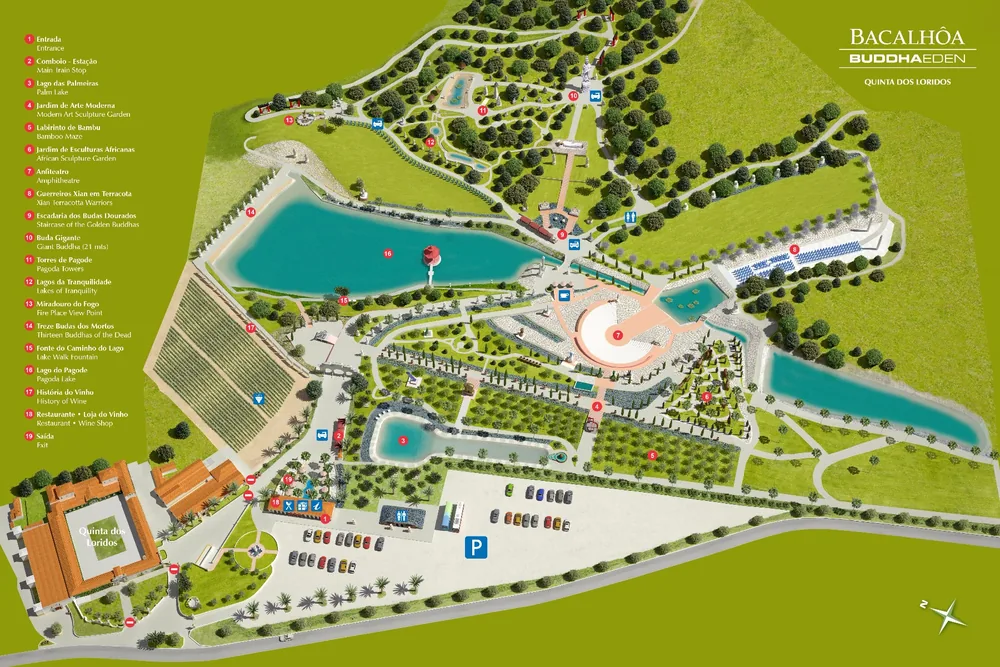
In the Summer of 2020, taking into consideration the situation of COVID-19 around the world, I changed my travel plans and went to Alentejo for a week. On the last day, when I was coming to Porto we decided to stop at this park. When we passed the gates of the park we saw that the car park 🅿️ had several cars but as it was quite large there were lots of empty spaces. After parking we went straight to the ticket office to buy the tickets and we entered the park at around 16.00h. We immediately analyzed the map that the ticket lady had given us and we planned an itinerary to get through all the main points of the park. The central staircase is really the focal point of the garden where all the golden buddhas welcome the visitors. Walking around the garden is really amazing and you just want to take pictures 📸 to every detail. I would say that in addition to the main staircase, my favorite points were the army of Xian terracotta warriors, the lakes of tranquility and the garden of African sculptures.
We were in the park practically until closing time and the two and a half hours we were there were very necessary to visit the entire garden 🌳. We even took a quick break to drink a cold drink because although it was a very windy day the sun was quite hot and we needed to cool off. I would say that visiting this park in bad weather isn’t recommended because it is all outdoors.
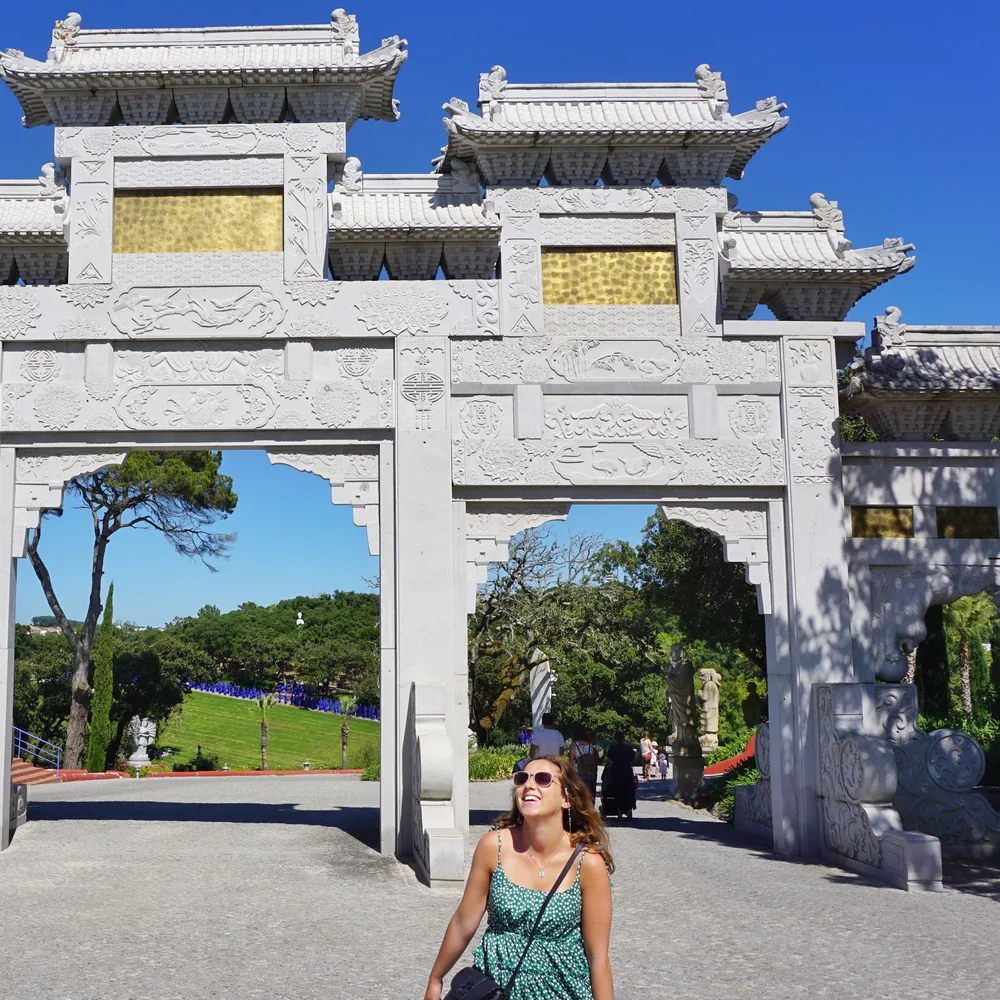
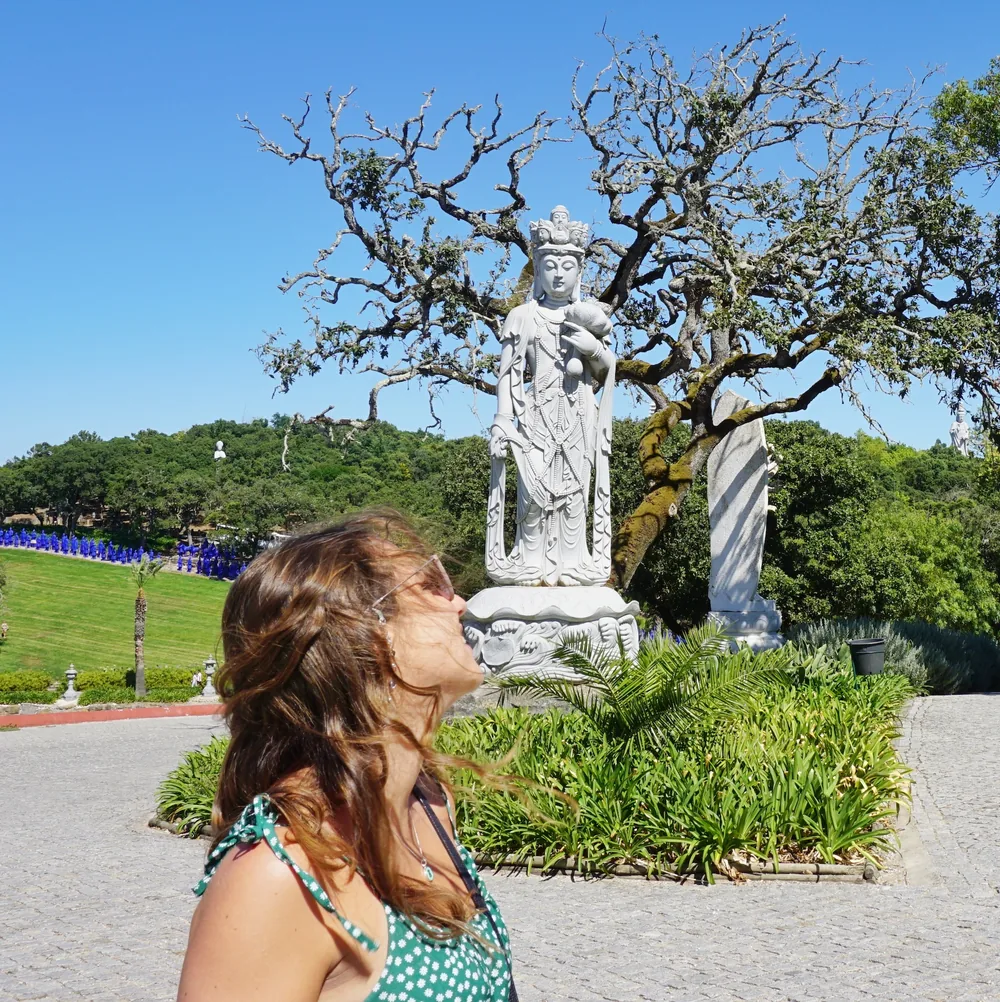
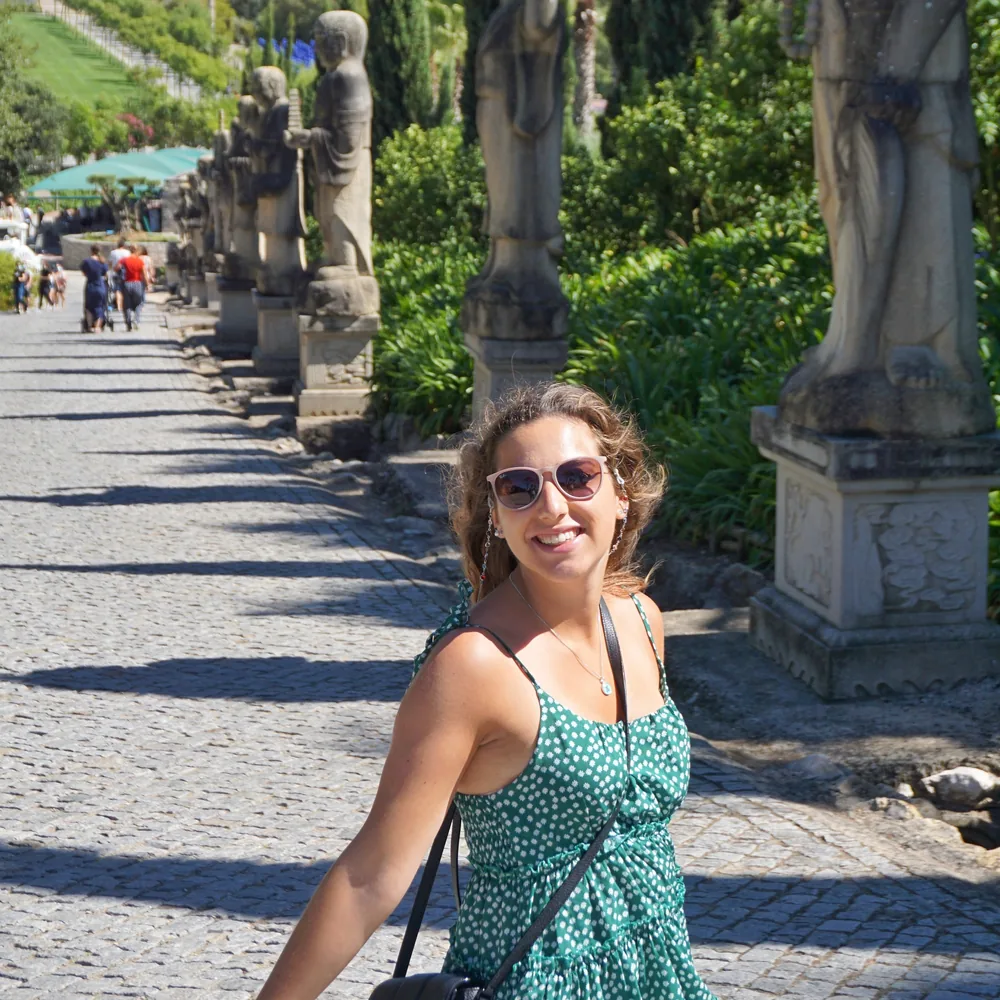
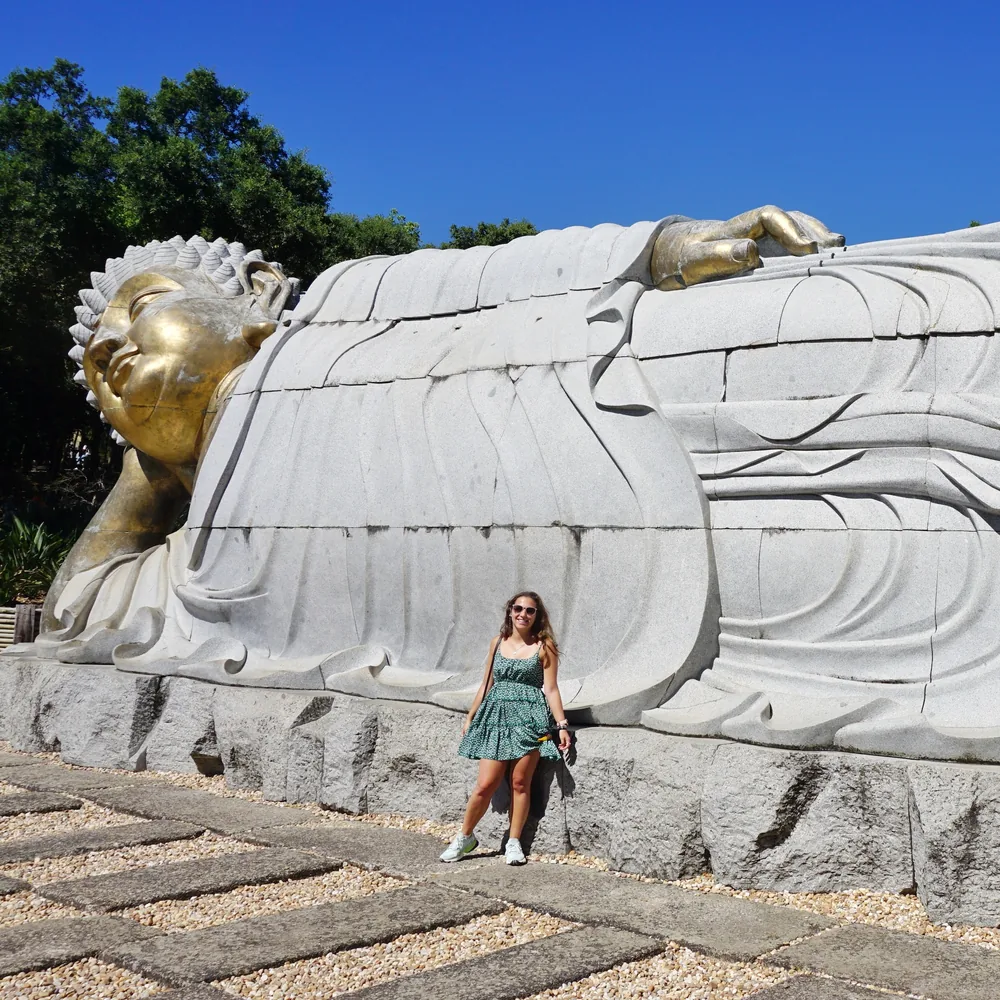
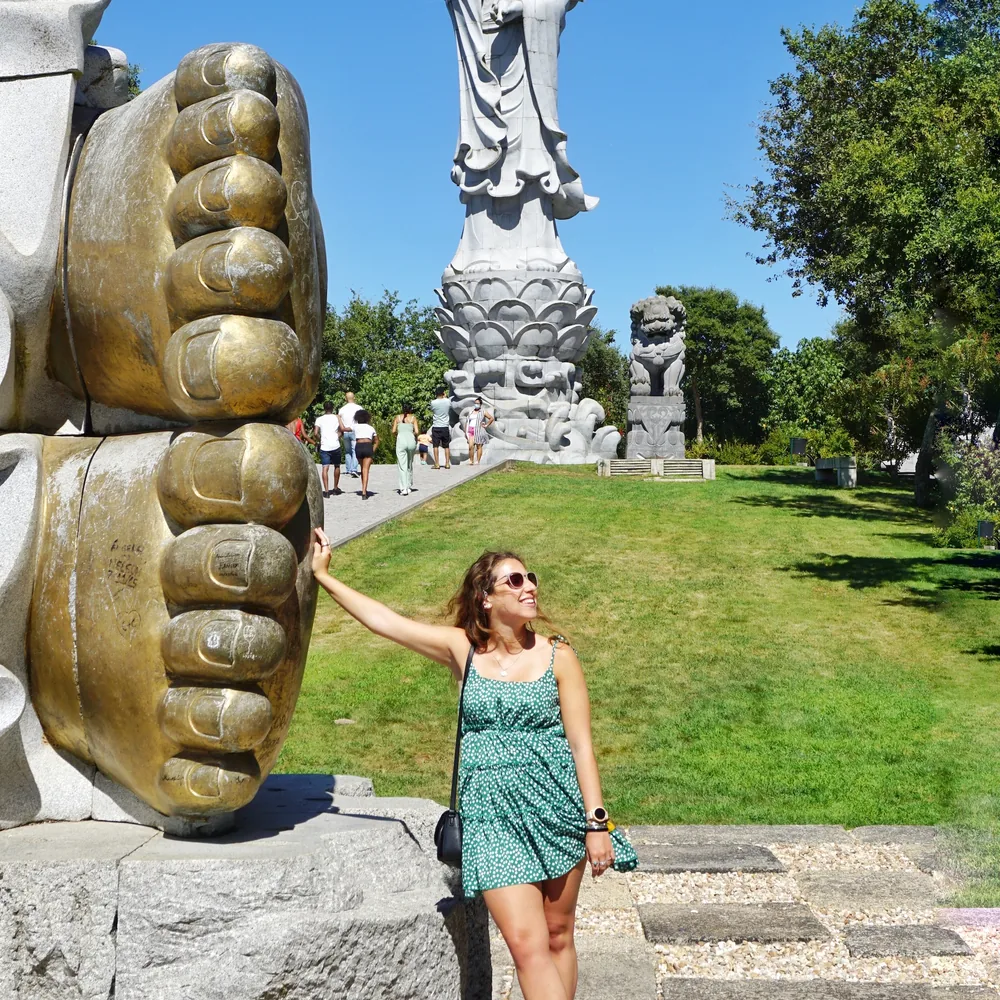
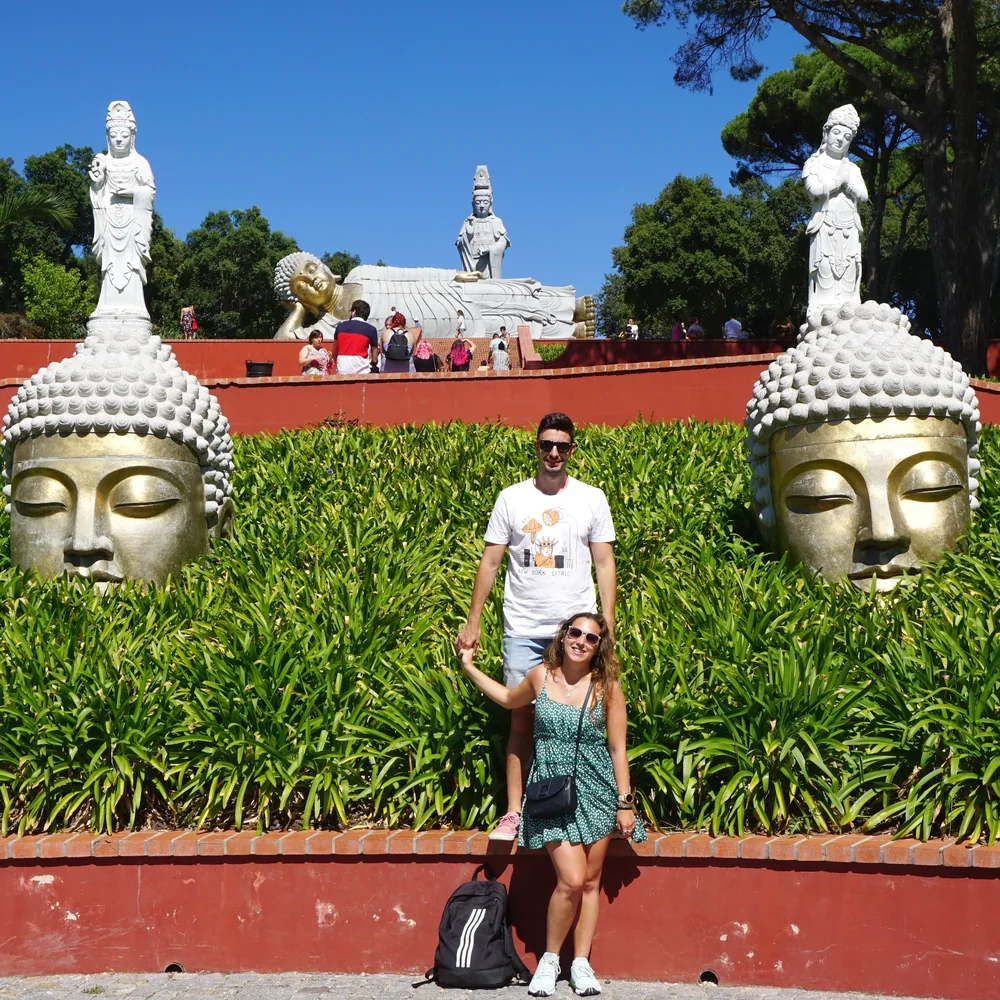
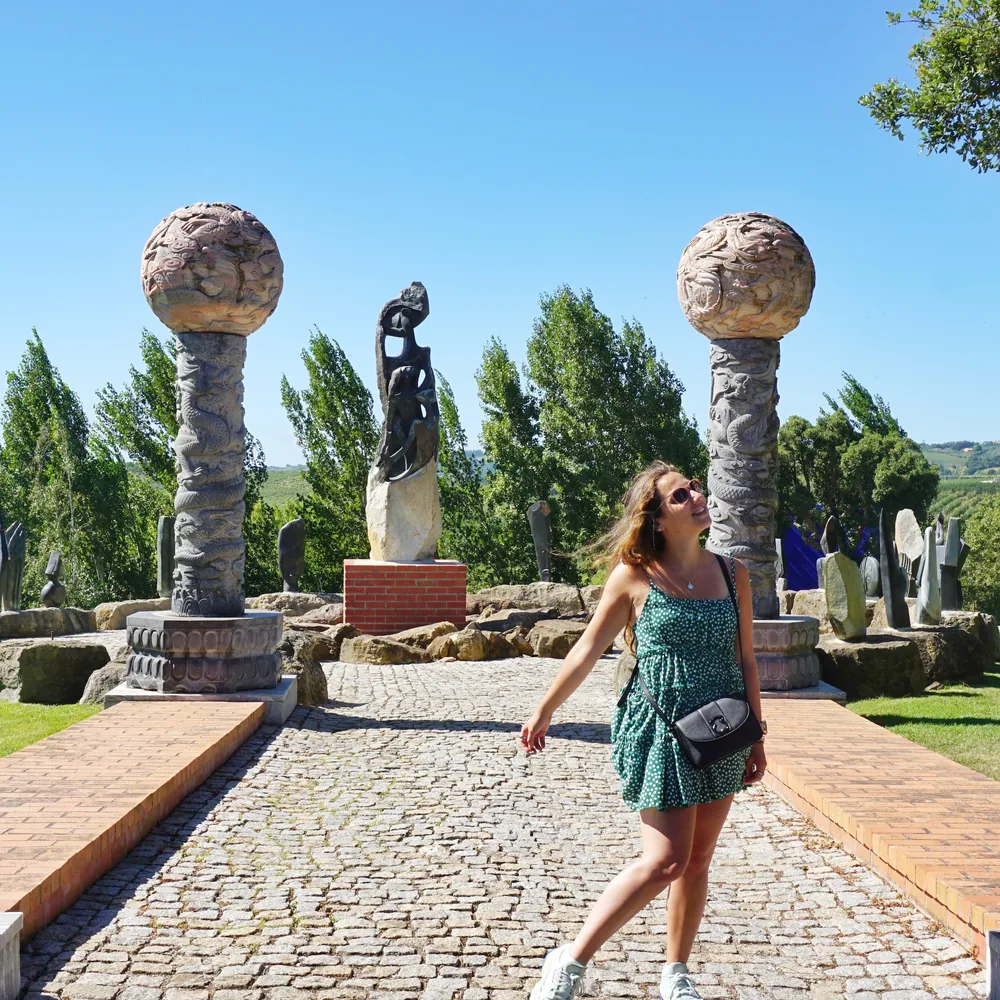
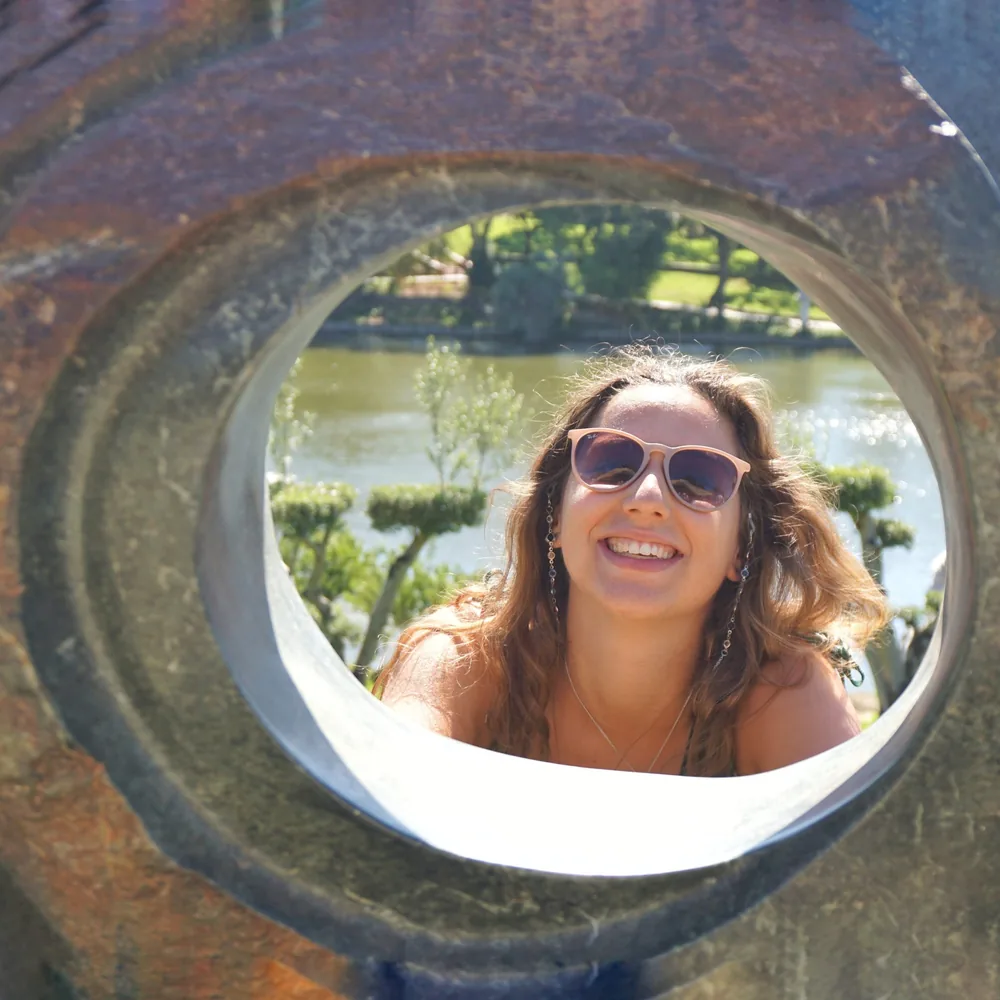
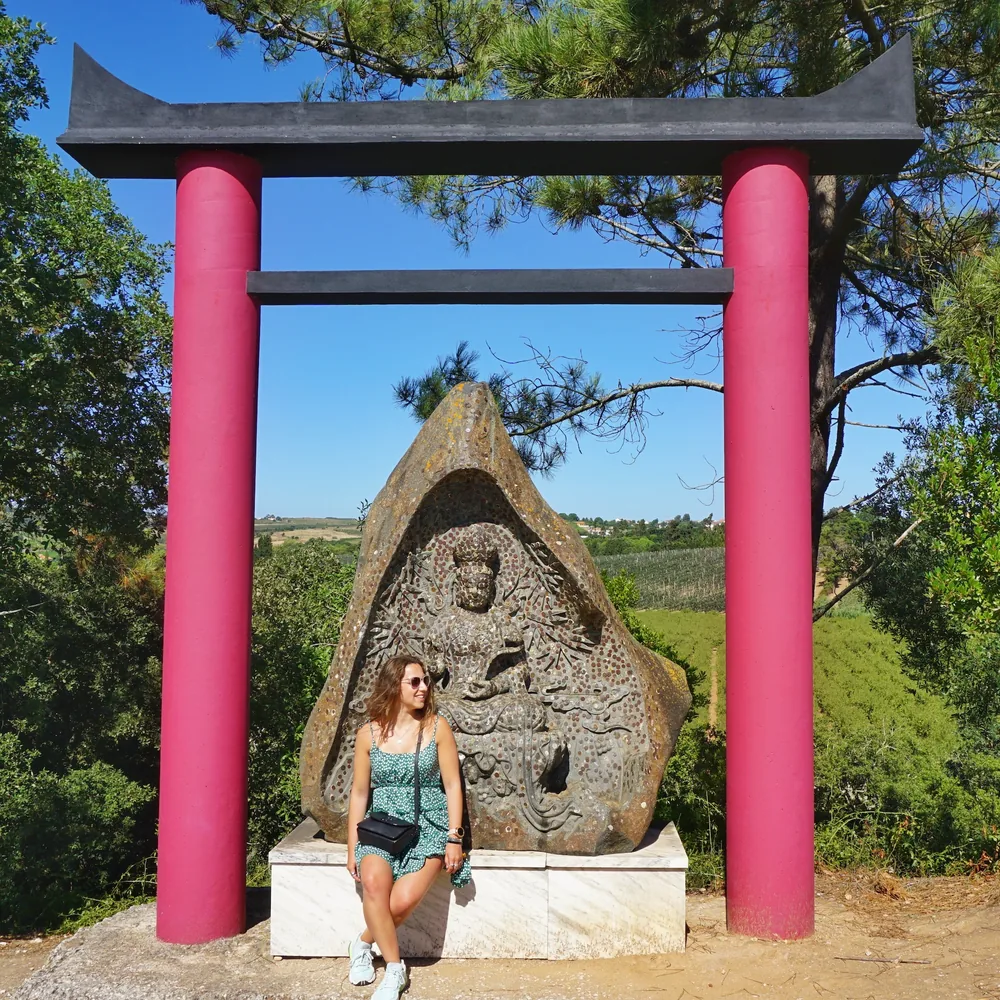
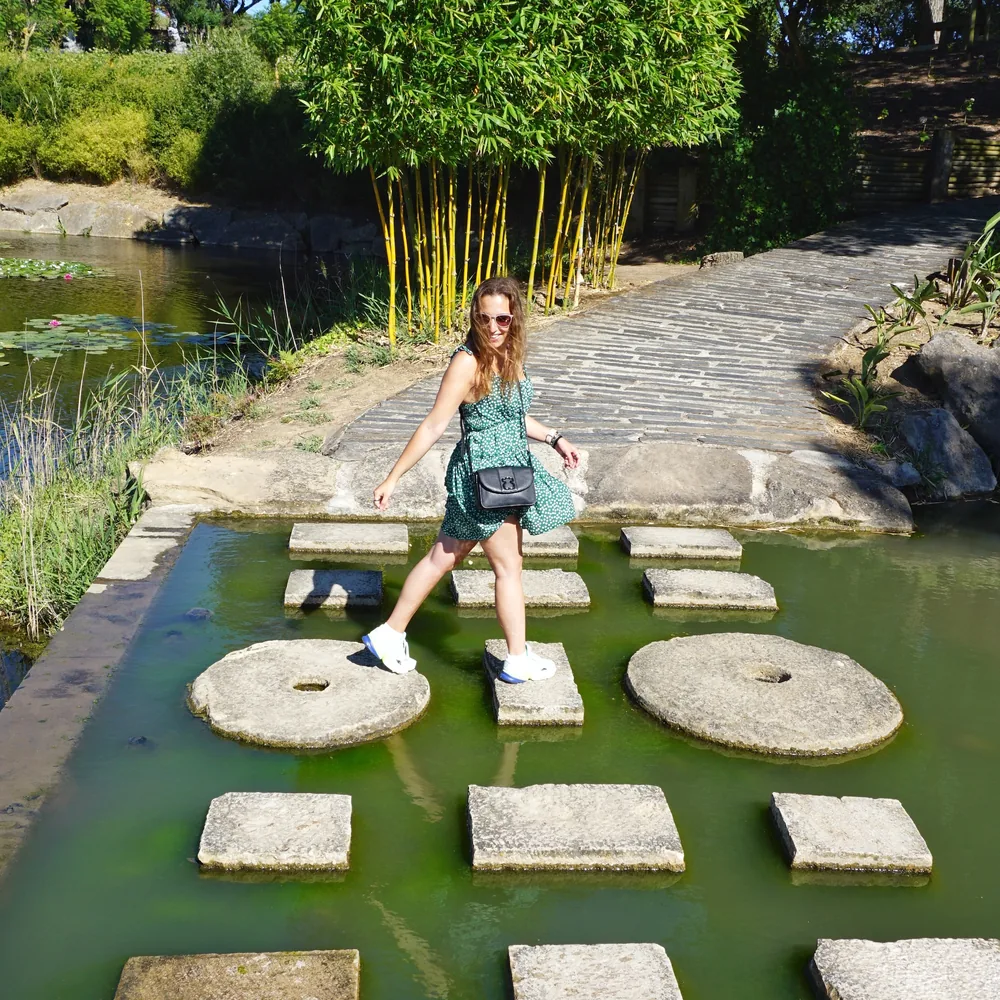
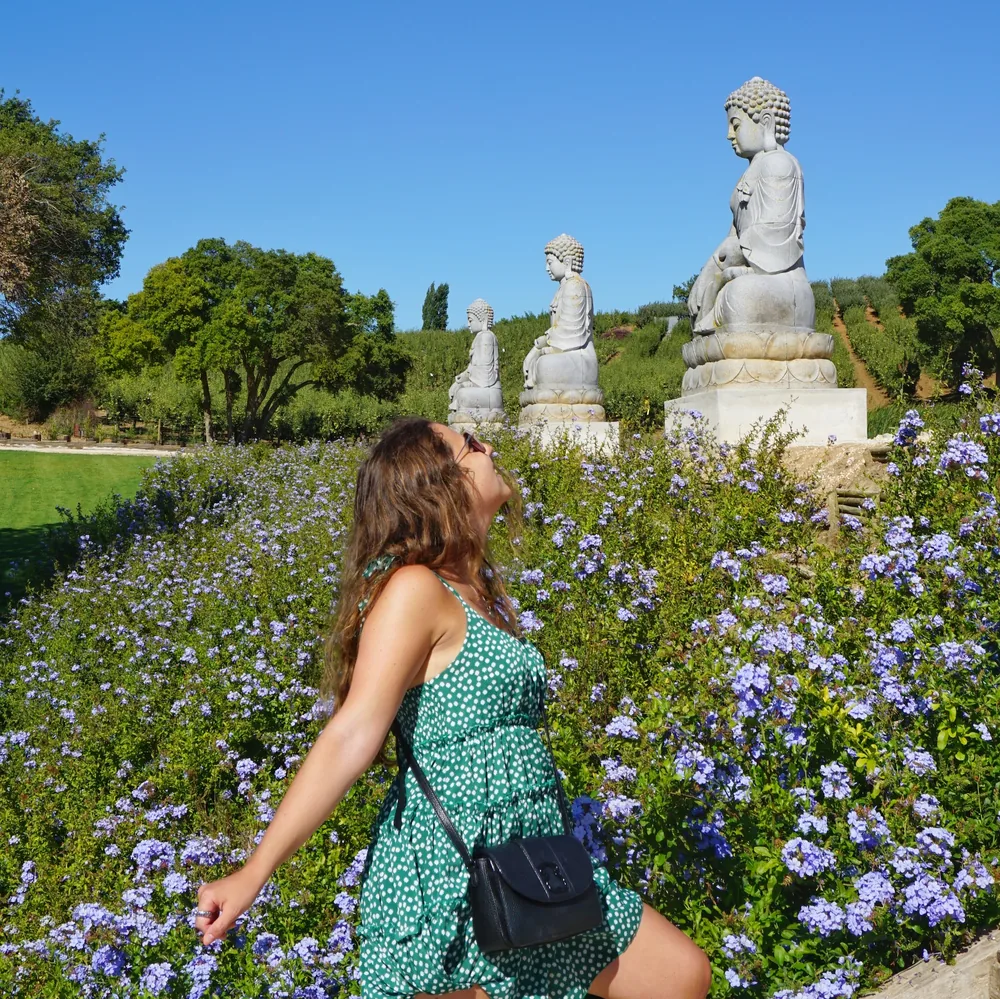
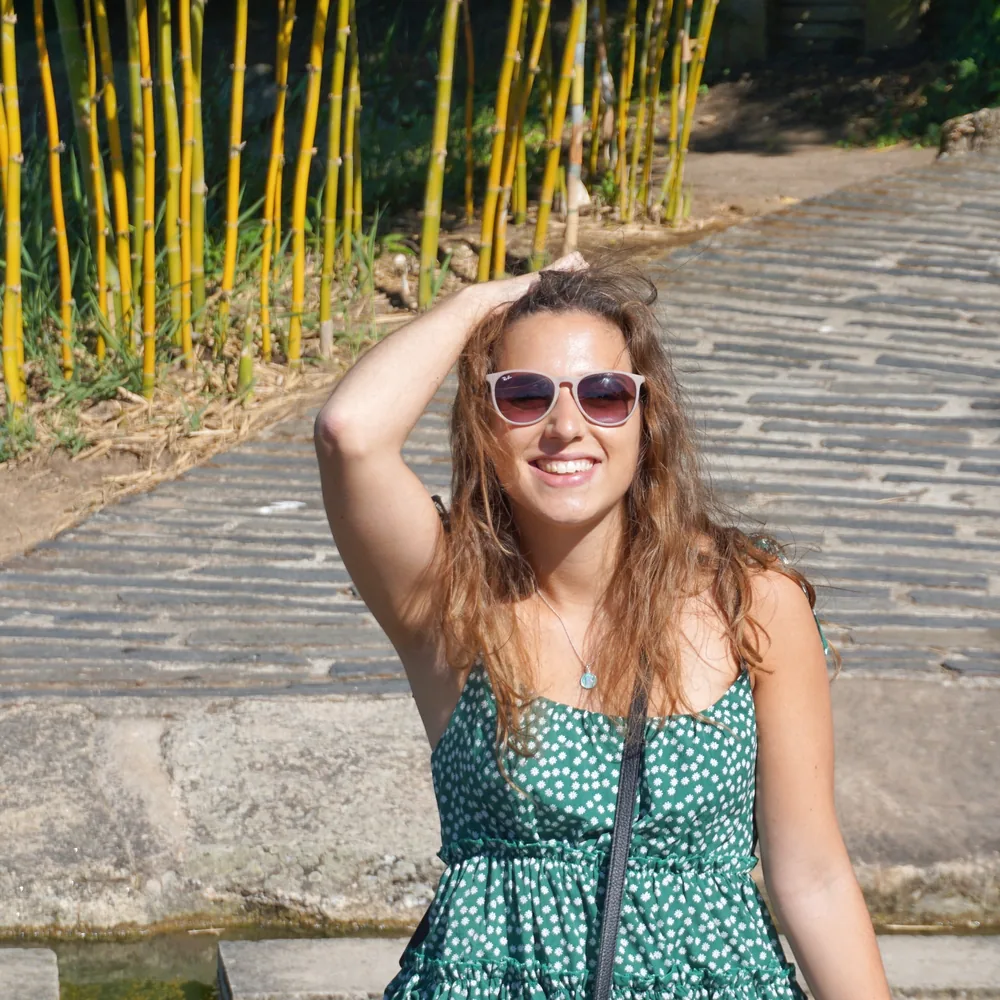
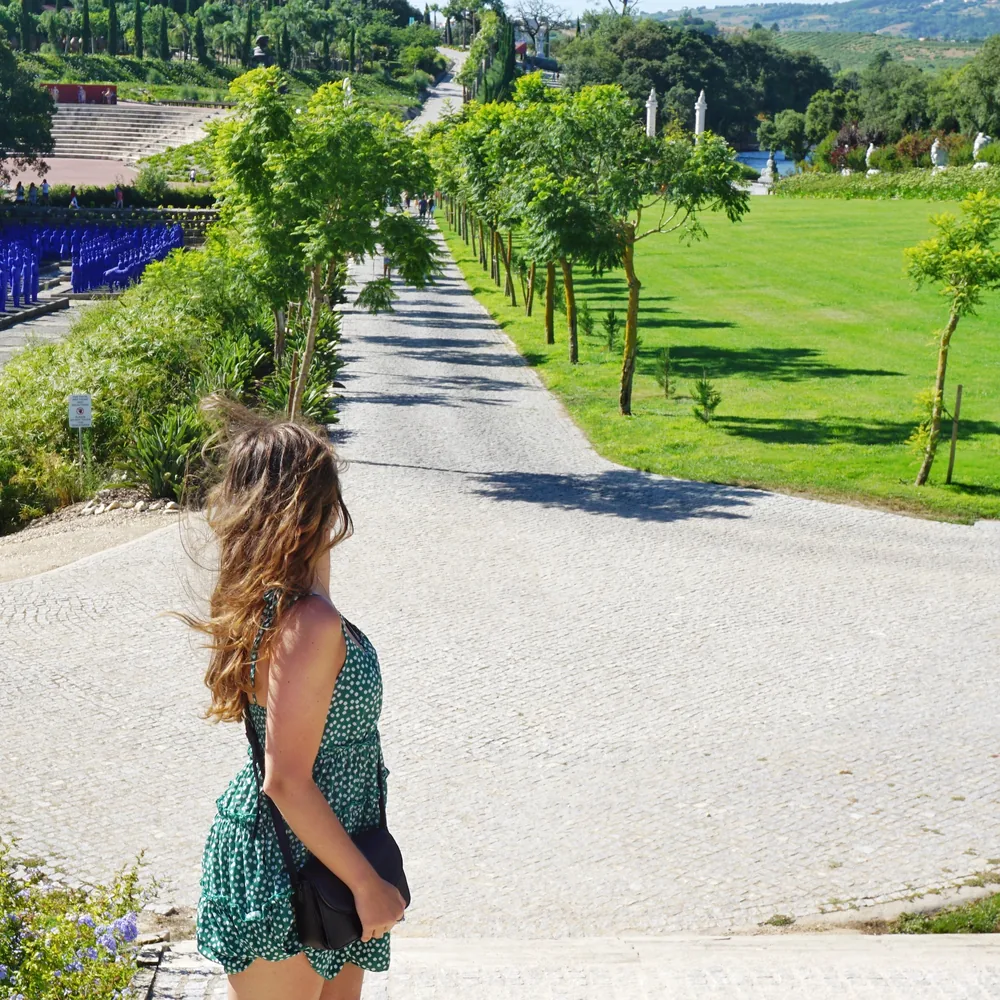
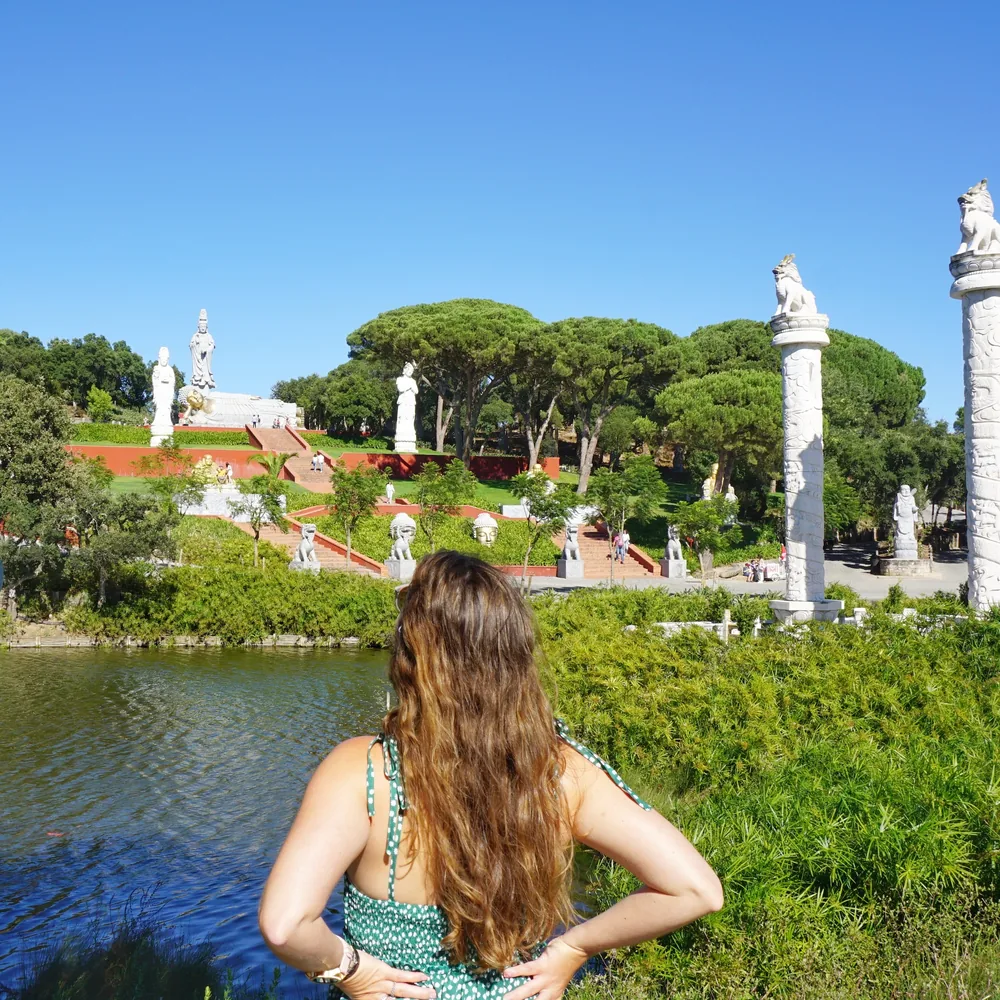
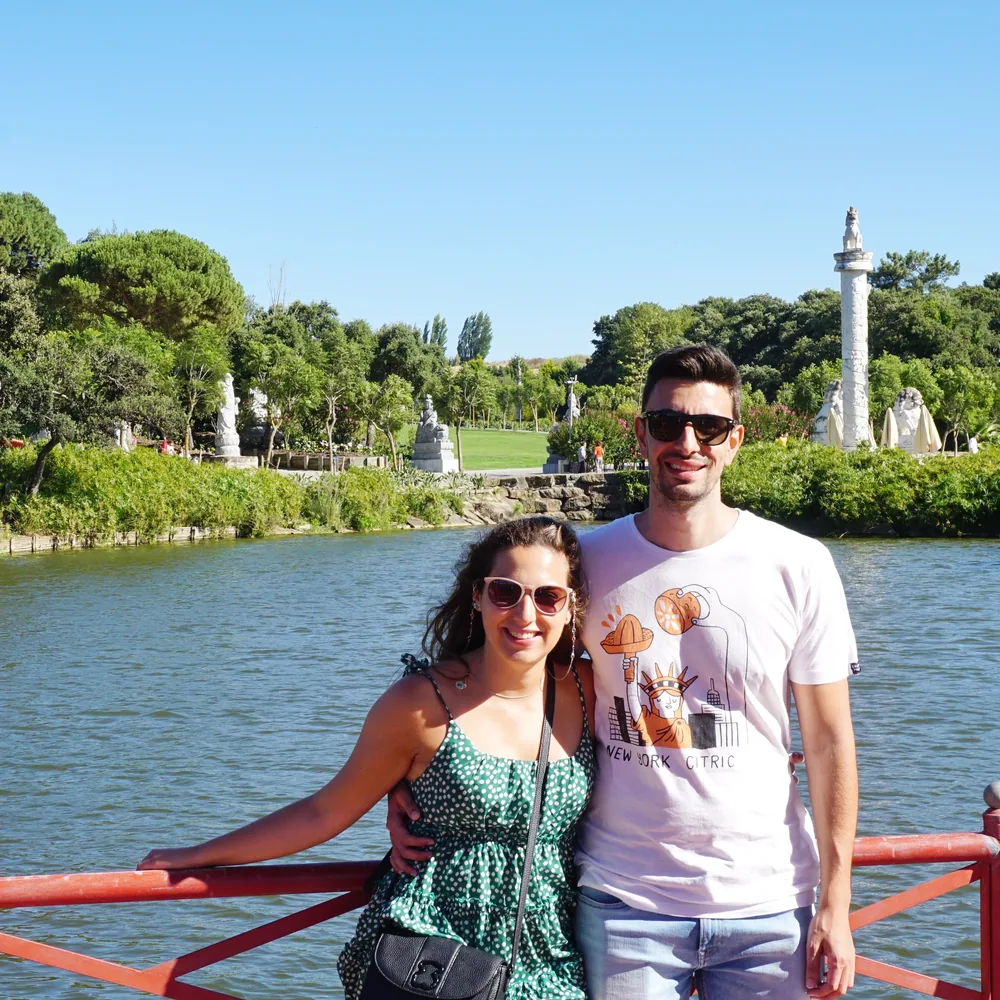
I consider this Jardim dos Buddas to be a magical place that transmits happiness and peace to its visitors. One of Berardo's main goals when he built it was to pass a message of reconciliation and not to represent any religious tendency, ethnicity, nationality, social or cultural condition. The main objective was to follow the path contrary to the destruction of human beings and to disseminate the culture of peace. I really think it was successful 💚.
If you like the content please follow the blog Instagram page in order to be the first to know about the new blog posts! Thank you and safe travels!
You Might Also Like
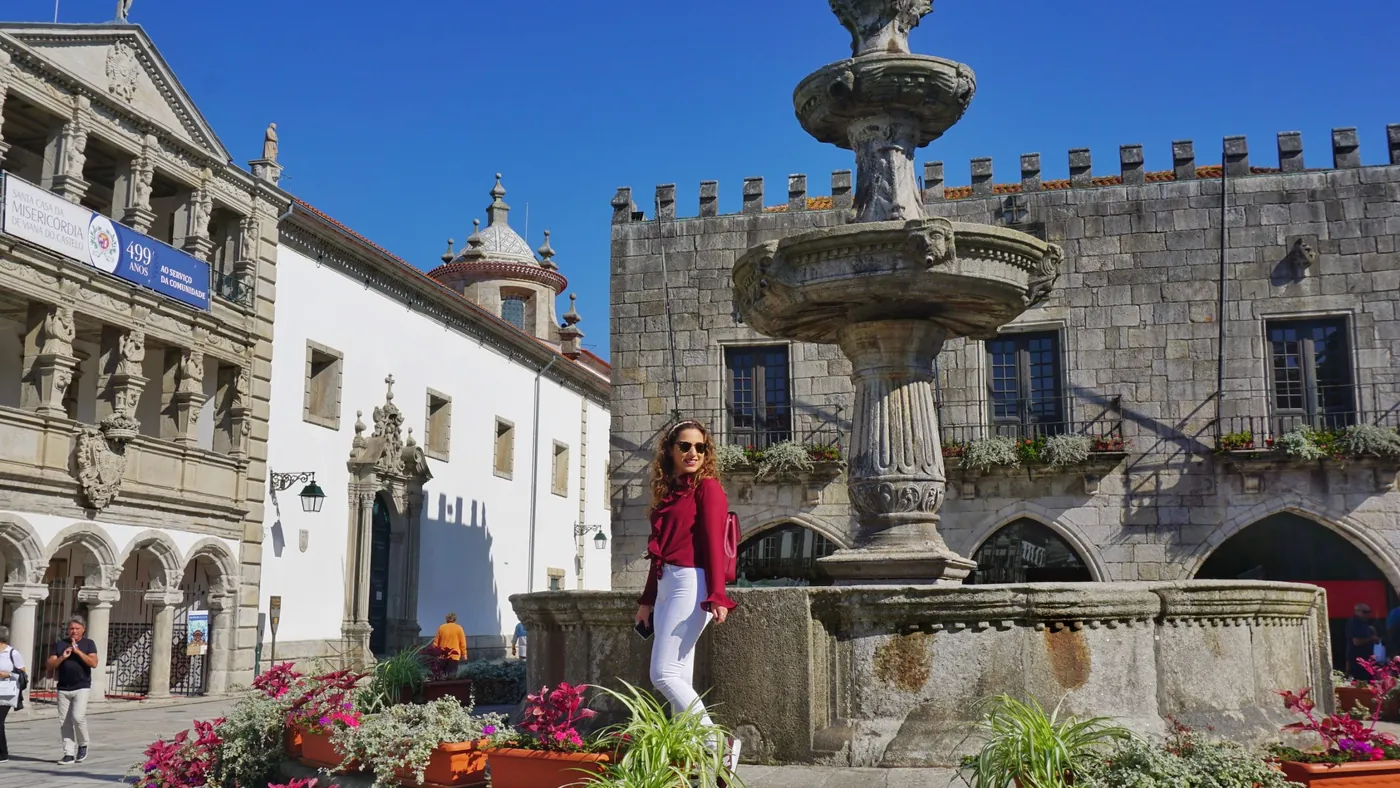
5 attractions in Viana do Castelo
Five of the prettiest spots in this traditional Minho city, from a hilltop sanctuary to the famous Berliners and the legend behind its name.
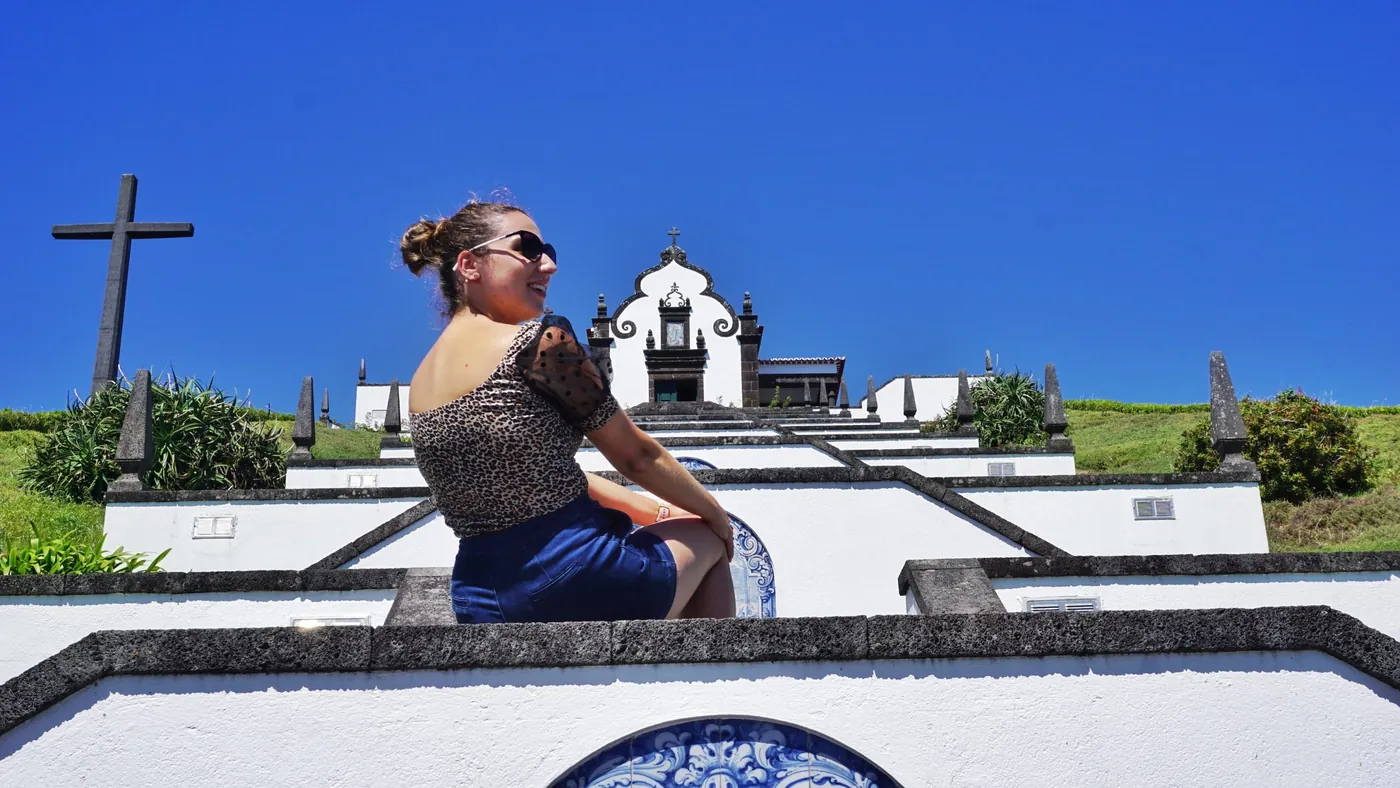
6 places to visit in Vila Franca do Campo
Six spots worth your time in this former Azorean capital, from the islet and viewpoints to those unforgettable Morgado cheesecakes.
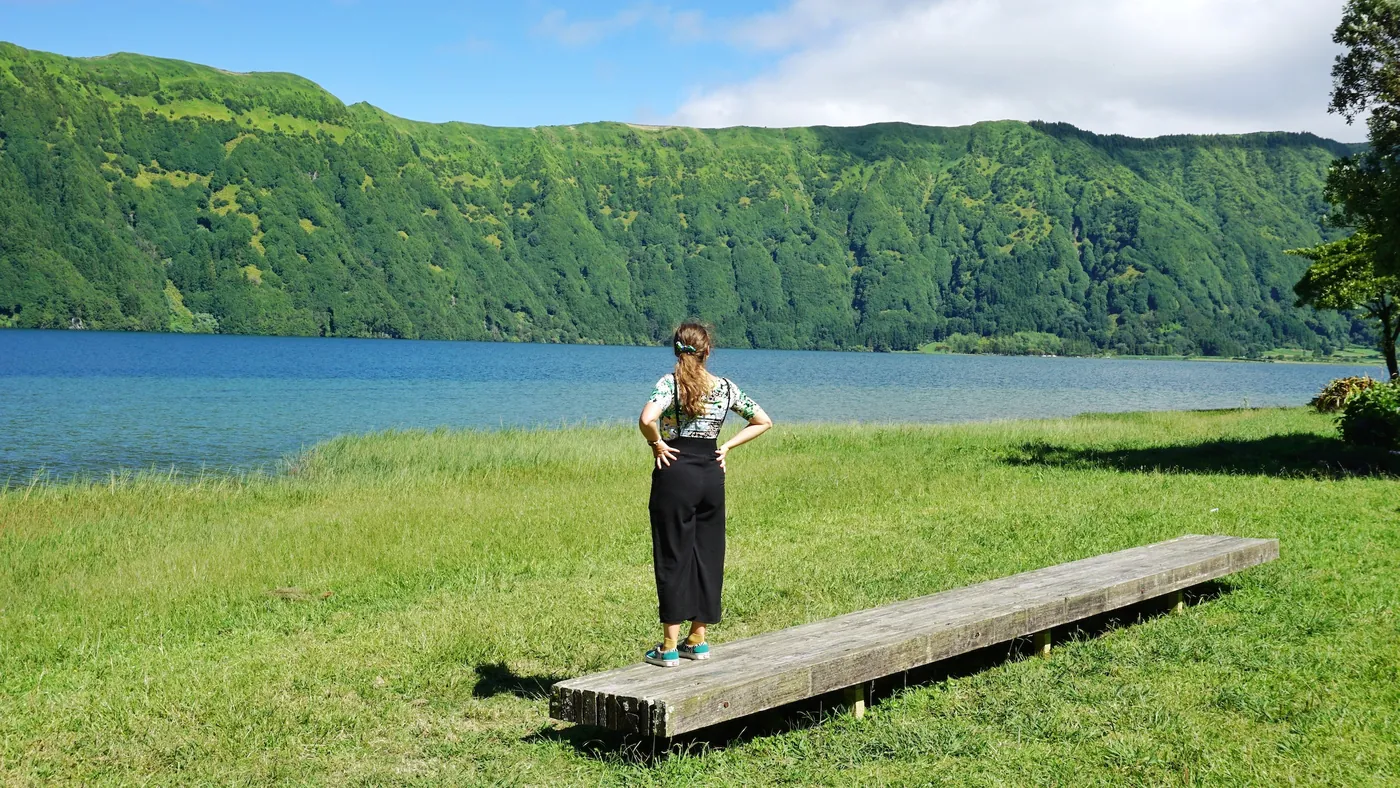
8-day itinerary in Azores
My eight-day São Miguel itinerary, day by day, with the trick I used to catch the three main lagoons without a hint of fog.