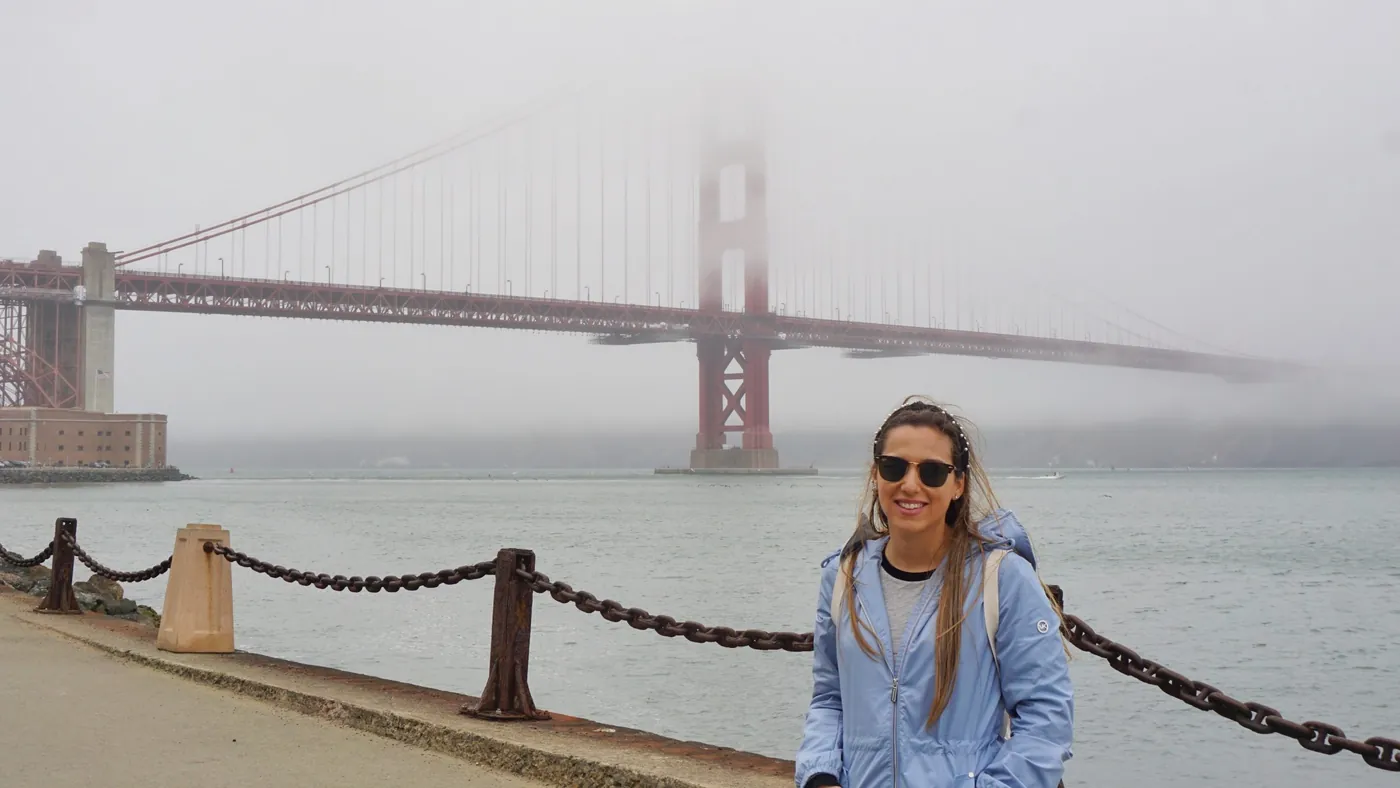
8 attractions in Presidio Park
The Presidio Park is the largest park in San Francisco, covering over 6 square kilometers of land. It is managed by the Golden Gate Bridge organization due to its privileged location right next to this iconic and famous city attraction.
This park is a historical and naturally stunning place in San Francisco. Situated in an area that was once a military base, the park offers a unique blend of natural landscapes, hiking and biking trails, picnic areas, and panoramic views of the entire city. With a rich history, the Presidio also houses historical sites that are worth a quick visit for those exploring the city. It's an urban refuge for visitors looking to delve into the nature and history of San Francisco.
The Presidio Park has a rich and diverse history dating back to the Spanish colonial period. The area served as an important Spanish military outpost in the late 18th century and later as a Mexican military presidio. With the annexation of California by the United States, the site became a crucial military base for the defense of the West Coast. As history progressed, the Presidio continued to evolve, and its military function eventually diminished. In 1994, it was officially decommissioned as a military base, allowing the park to become a conservation area, providing future generations with the opportunity to appreciate the natural beauty and rich history of the region.
The following map shows 8 of the main attractions that can be visited in the Presidio Park.
1. Crissy Field
Crissy Field is a public recreational area on the northern shore of San Francisco Bay, where the former United States Army airfield was located. Today, it primarily consists of a landscaped area, restored marshlands, and beaches. Part of the Presidio of San Francisco region surrounding the Golden Gate Bridge, it was closed around 1974 due to hazardous material dumping. The National Park Service assumed control of the area in 1991 and, in collaboration with the Golden Gate National Parks Conservancy, worked on its restoration until it was opened to the public in 2001. While most of the buildings have been preserved as they were in the 1920s, some have been converted into offices, shops, and residences. Crissy Field, named after General Dana H. Crissy, who served as the Coast Artillery Commander at the Presidio in the early 1900s, is now a popular destination for both tourists and residents due to its location and panoramic views of the city.
The Golden Gate Bridge Beach is located right next to Crissy Field, and even though the Pacific Ocean water is indeed quite cold (enough to host sea lions), being summer, the area is likely to be crowded with locals and tourists looking to take a dip and relax a bit from the city's hustle and bustle.
2. Torpedo Wharf
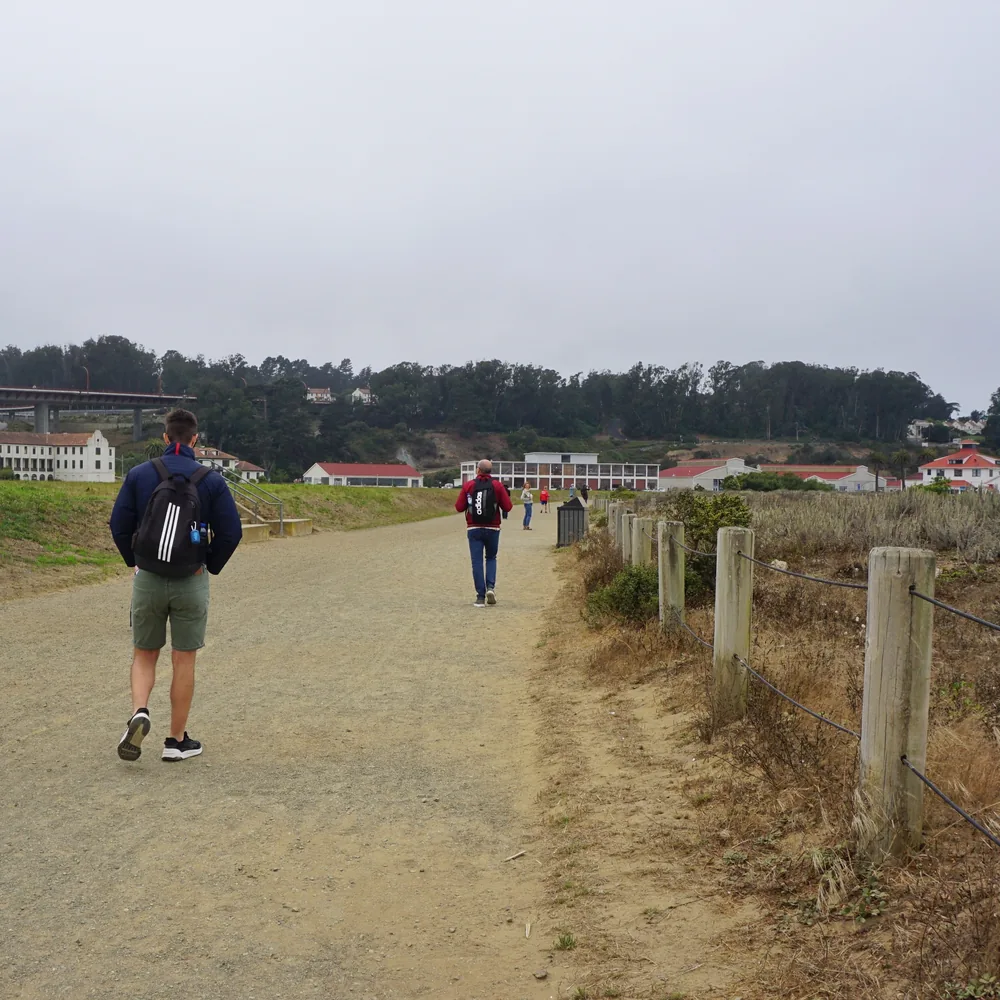
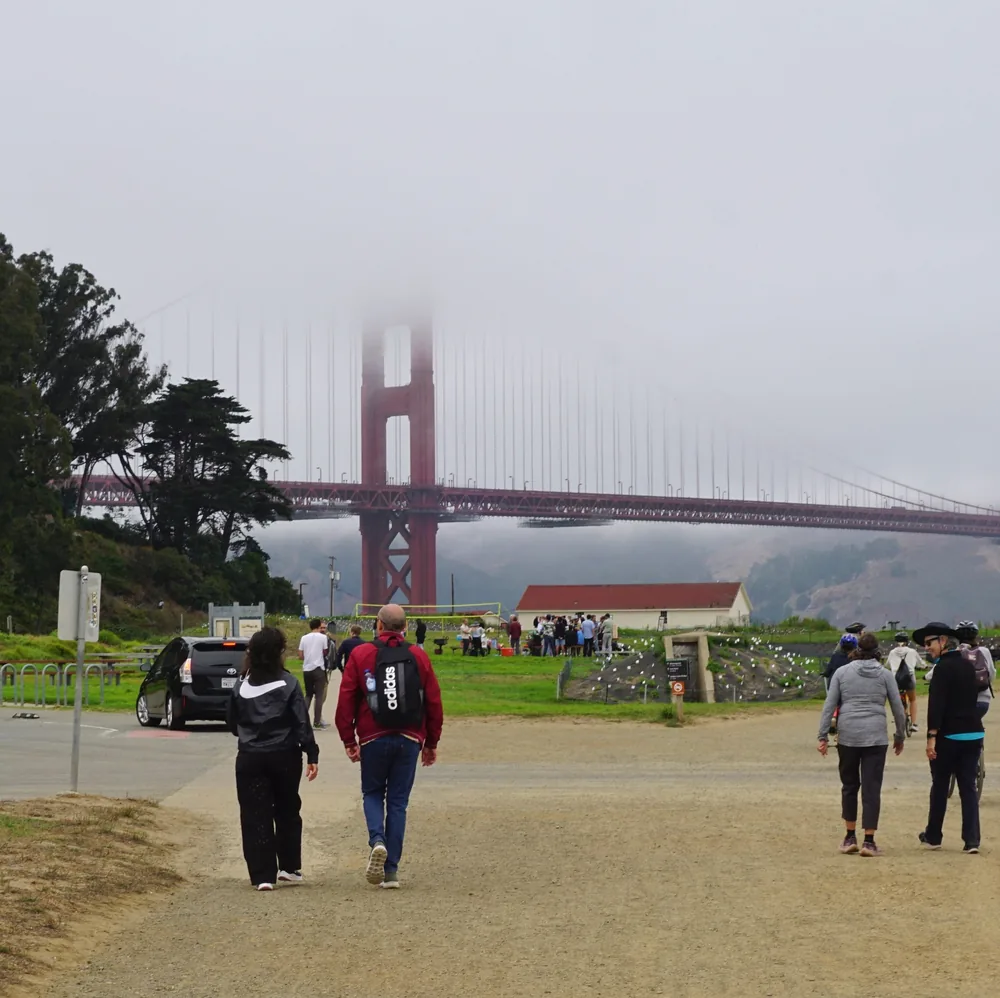
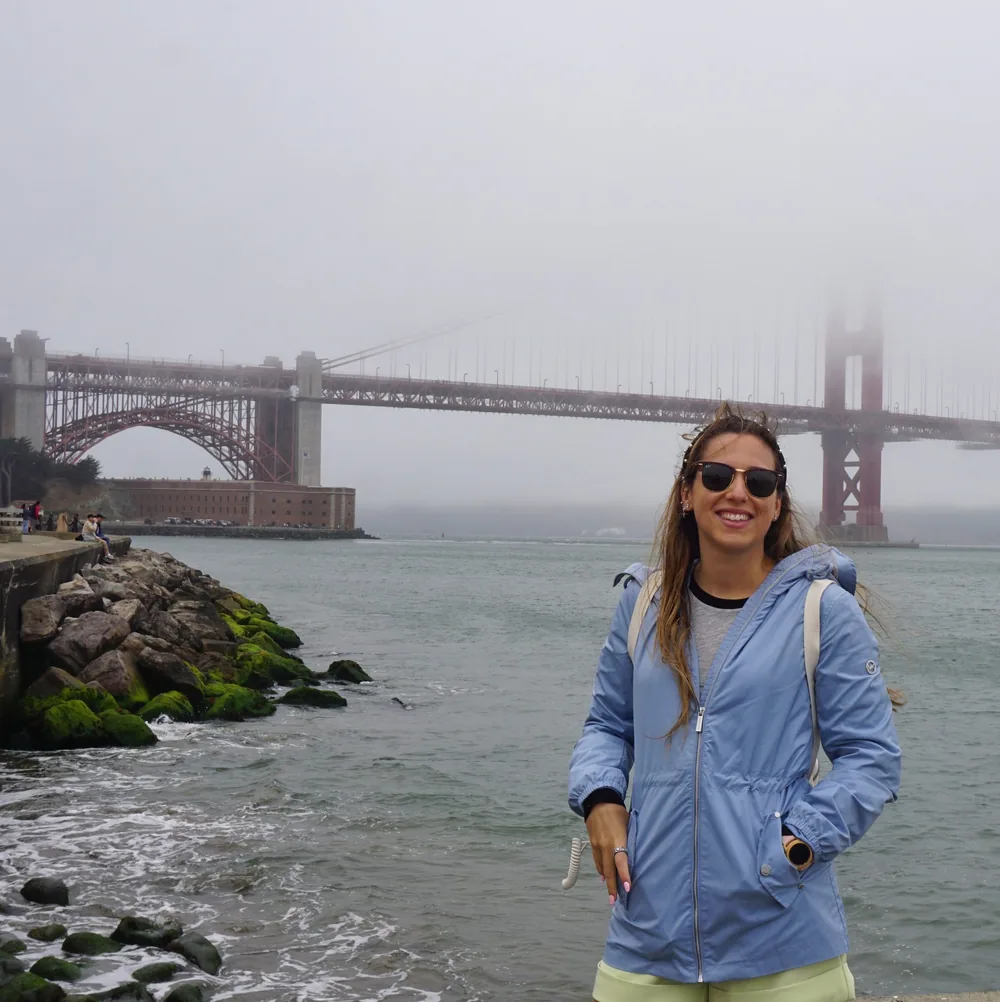
The Torpedo Wharf is a stone pier established in 1854 and now serves as a popular tourist destination located in the Presidio Park of San Francisco. Over the years, this pier has been rebuilt multiple times at various points and acquired its current name when, around 1907-1909, the United States Army decided to construct a submarine mine depot. This area was used to plant some underwater mines to serve as a defense technique for the port of San Francisco. The current pier, dating from 1941, is now used for much more leisurely activities. Locals often visit the area primarily for fishing or to search for red crabs among the rocks, a species typical to San Francisco Bay. It is a particularly windy spot due to its location, but it's also one of the best places to capture photographs and appreciate the beauty of the Golden Gate Bridge.
3. Golden Gate Viewpoint
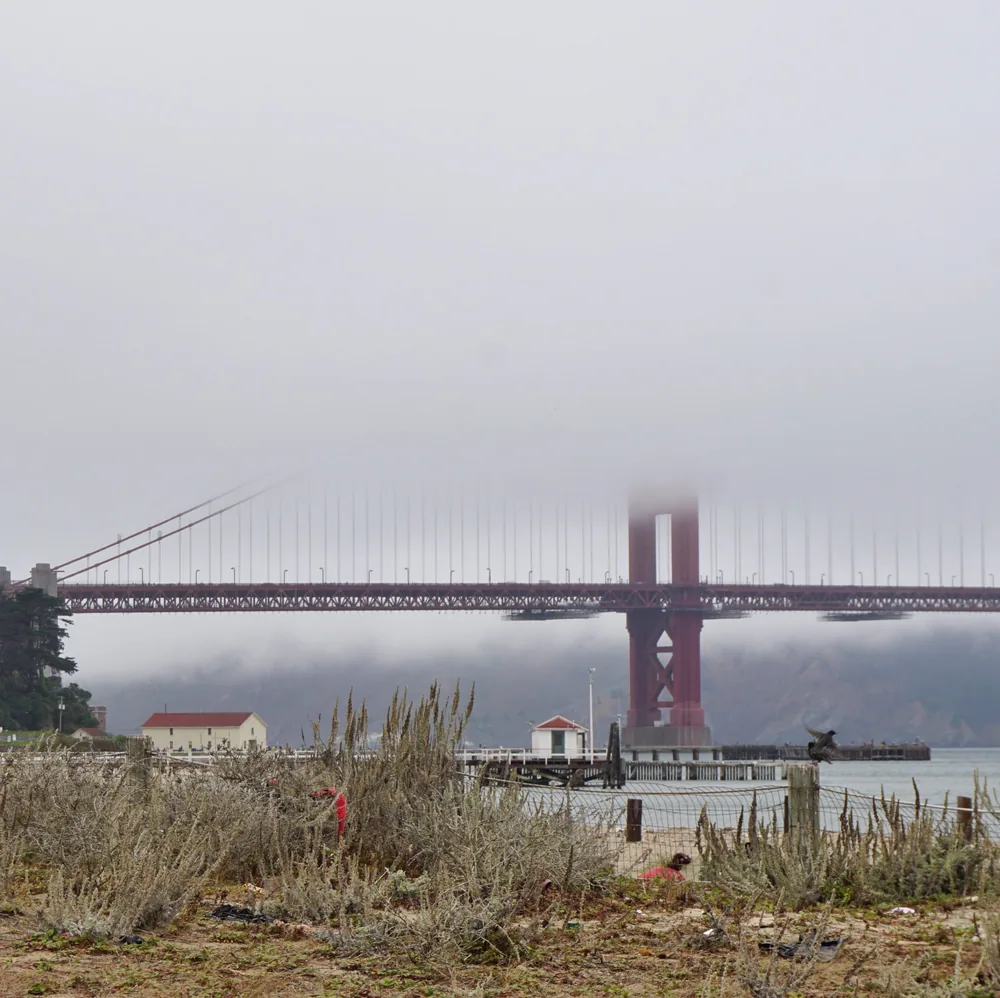
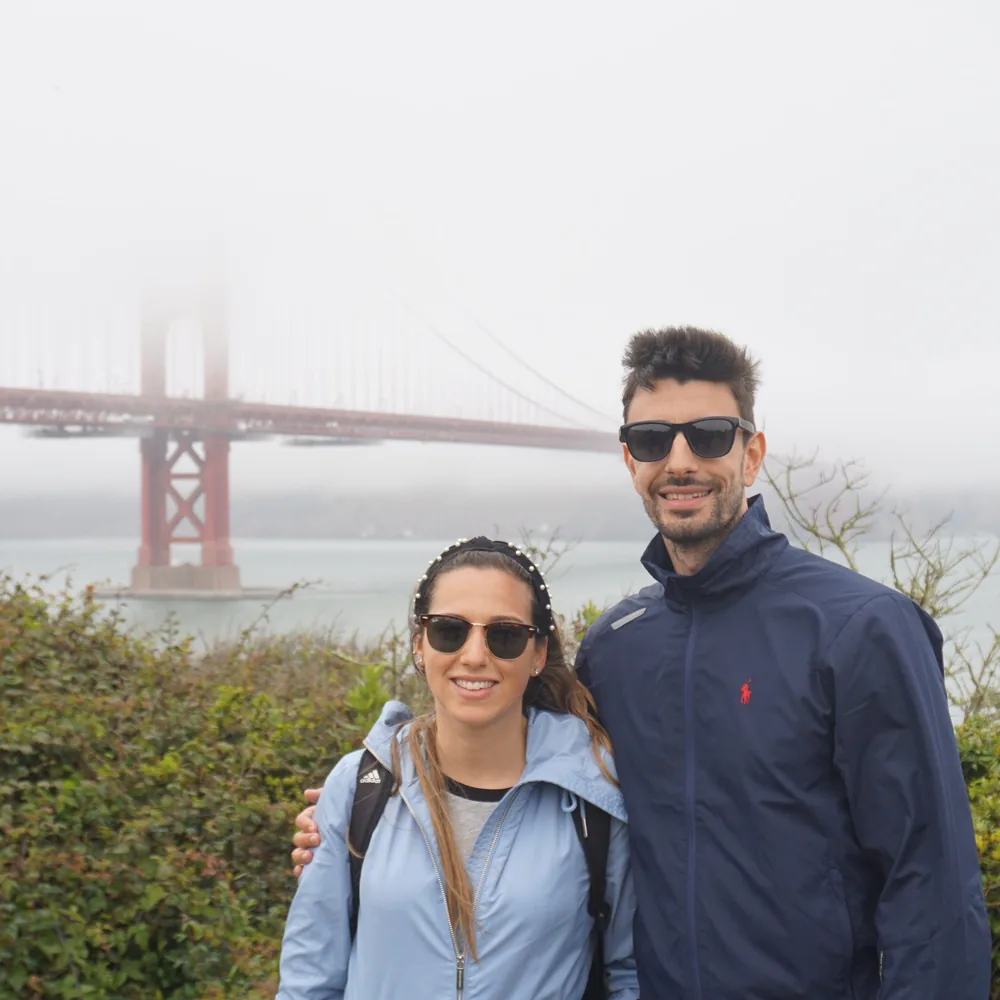
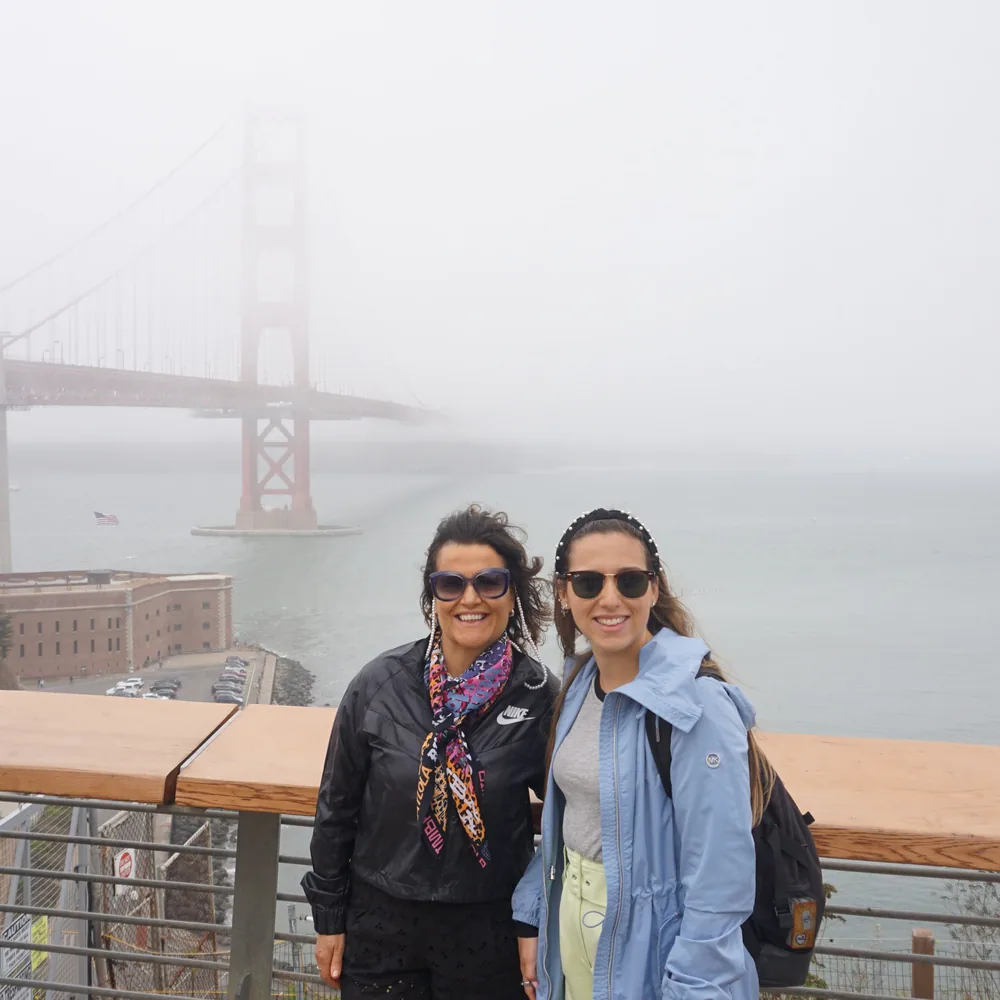
Located about halfway along the route for those coming or going from the Torpedo Wharf area, on the uphill slope, the Golden Gate Viewpoint is a lookout with panoramic and unobstructed views of the entire San Francisco Bay area and, especially, its main attraction, the Golden Gate Bridge. This bridge viewpoint essentially consists of a slightly wider section of the path where you can stop and enjoy the horizon. As it is a very small place with only a small garden bench for resting, there usually aren't many people there.
4. Golden Gate Bridge Welcome Center
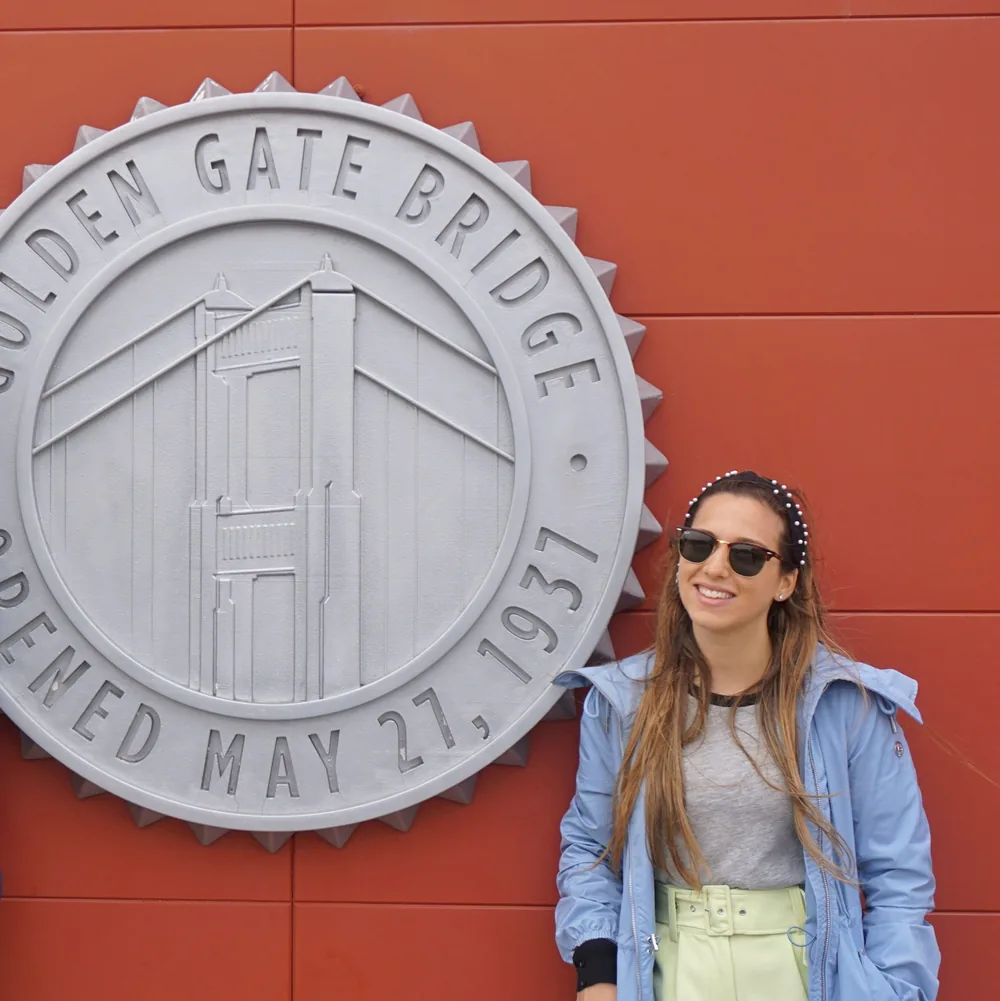
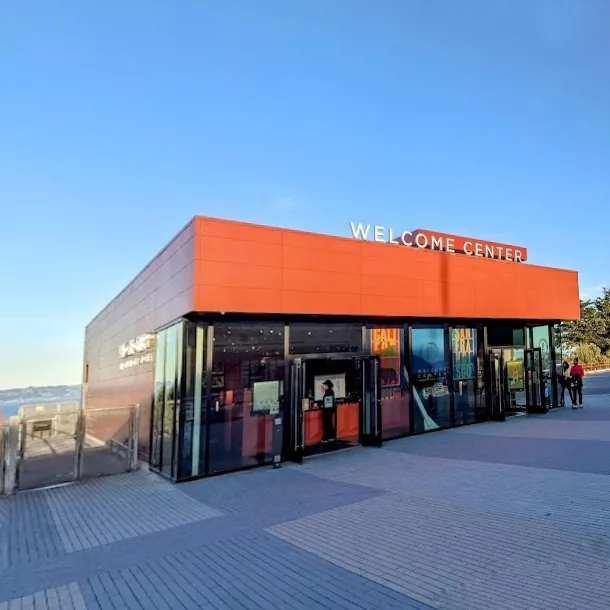
It's an interactive space entirely dedicated to telling the story of the bridge and is a place where visitors can see authentic relics on display, such as helmets and other materials/machines used in the construction of the bridge in the 1930s. In addition, there are also explanatory videos and it also has a structure over 3.5 meters high that served as a “test tower” used to evaluate the bridge's design. This welcome center also offers a souvenir shop, and all profits go to help preserve the park.
5. Joseph Strauss Statue
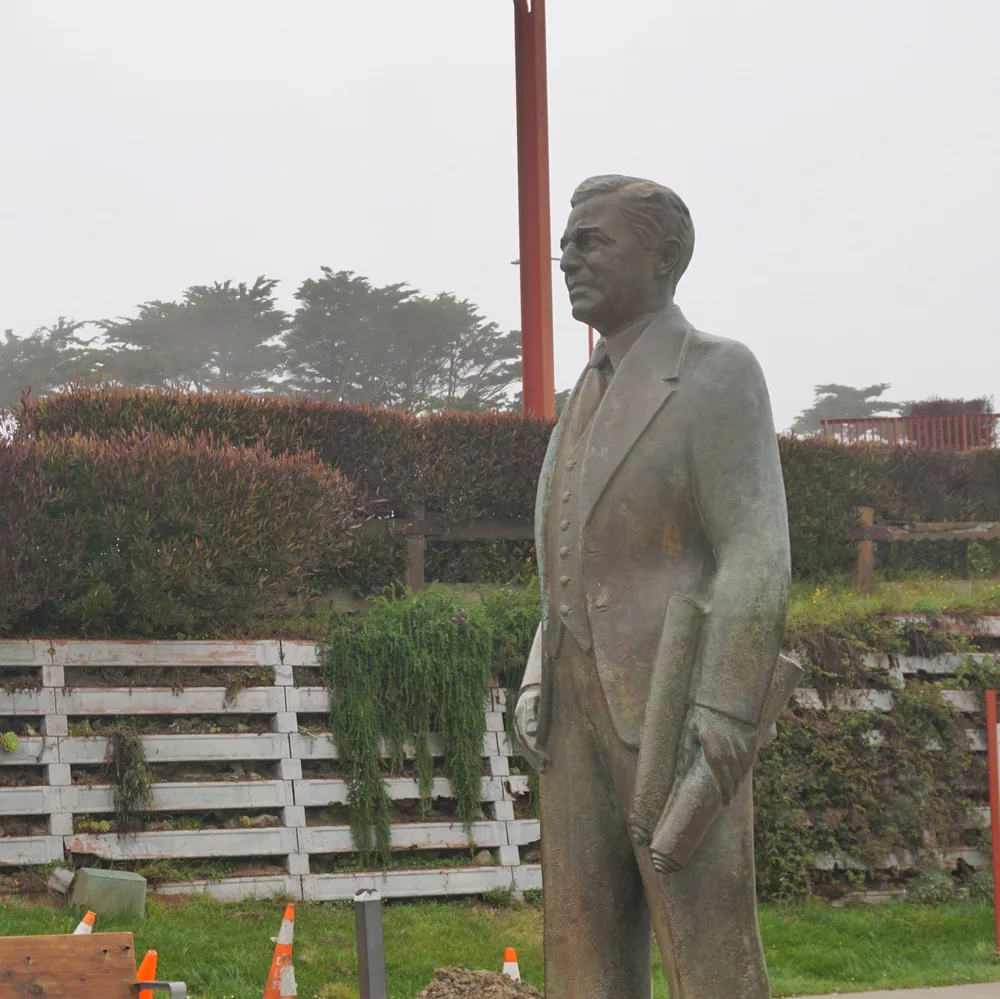
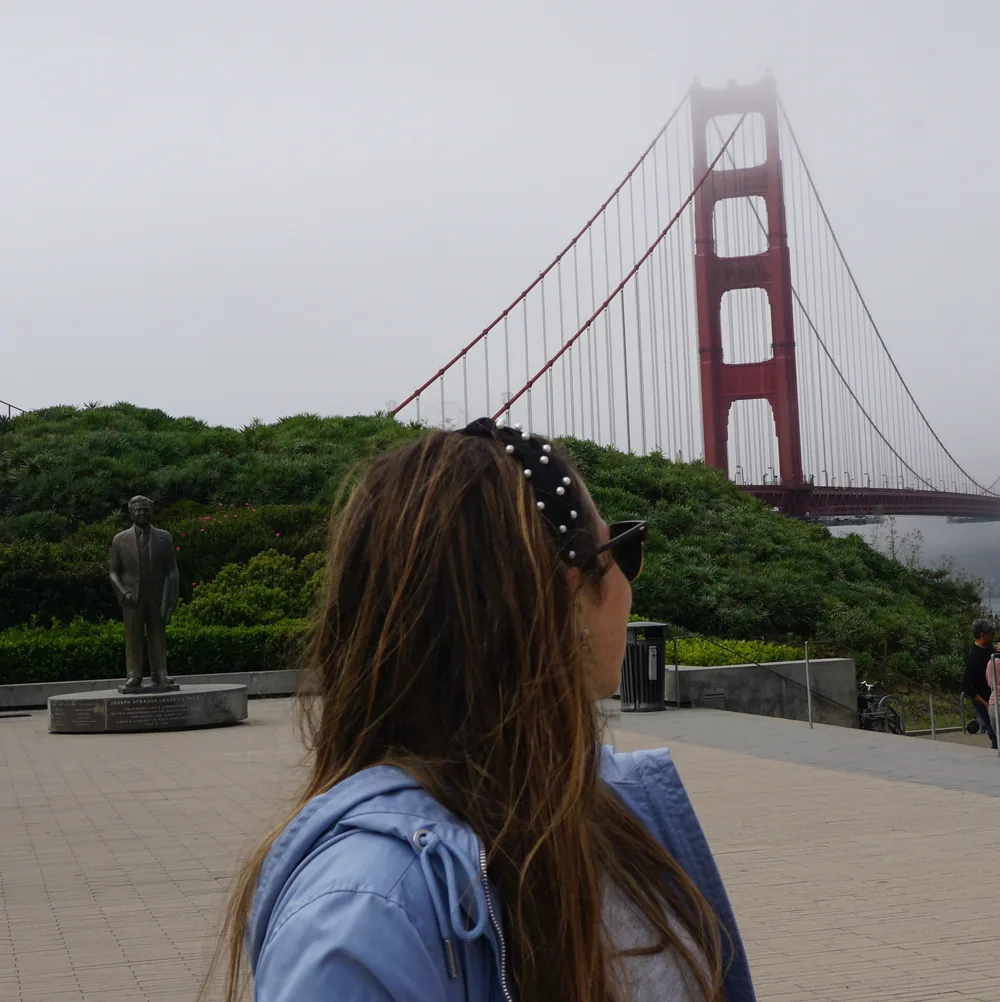
The statue of Joseph Strauss is located in one of the visitor plazas right next to the Golden Gate Bridge Welcome Center. It features a human figure on an art deco-style concrete pedestal. Depicted in the statue is Joseph Baermann Strauss (1870-1938), an American structural civil engineer who revolutionized the design of bascule bridges and was responsible for the construction of the Golden Gate Bridge. He was posthumously honored when his widow, Annette Strauss, unveiled this two-meter statue, which was only placed in its current location in 2012 after some redevelopment work in the bridge's visitor area.
6. Welcome Stairs
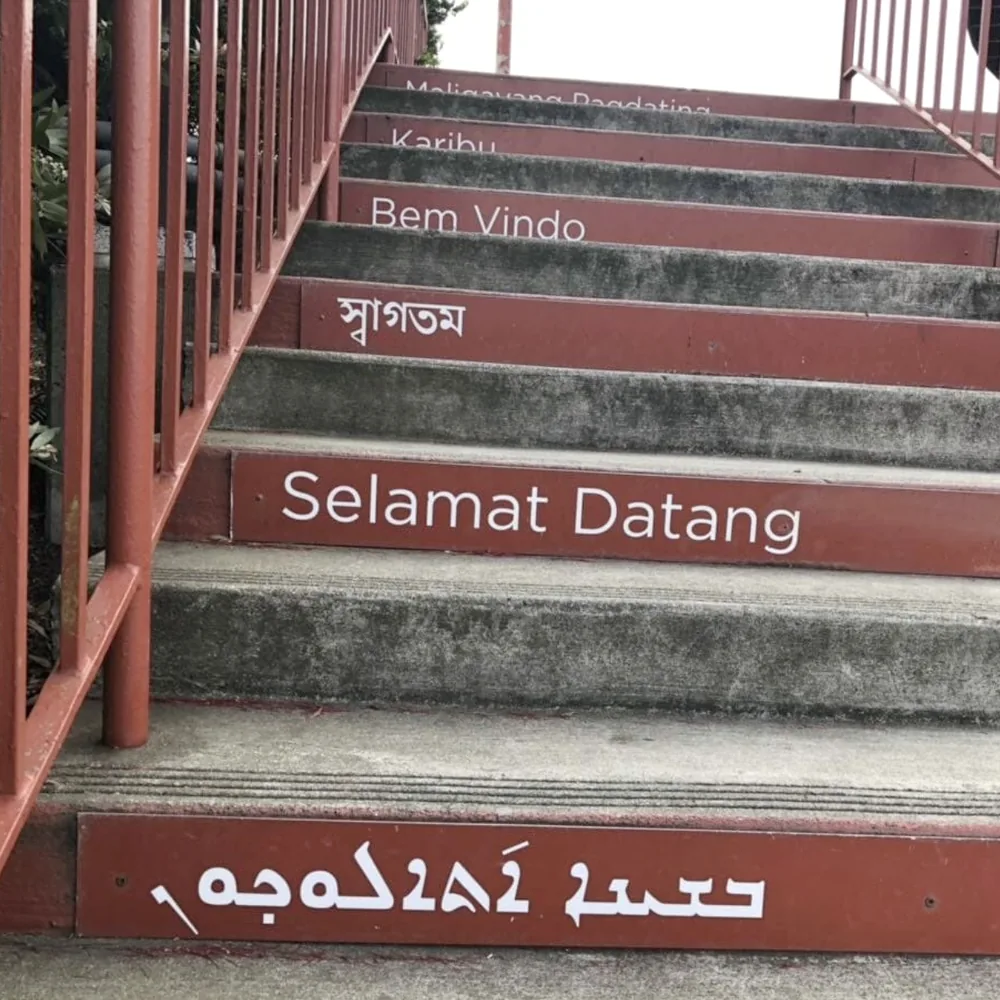
The Welcome Stairs are essentially a staircase area in red and white that connects the visitor plaza where the statue of Joseph Strauss is located to a café area right next to the bridge's visitor center (the Round House Café). These stairs are a focal point mainly because of their location right next to the Golden Gate Bridge and the fact that they have the word “Bem-vindo” (in Portuguese) written on their steps in the languages of the most frequent tourists in the city, including Portuguese due to the significant number of Brazilian visitors.
7. Golden Gate Postcard Viewpoint
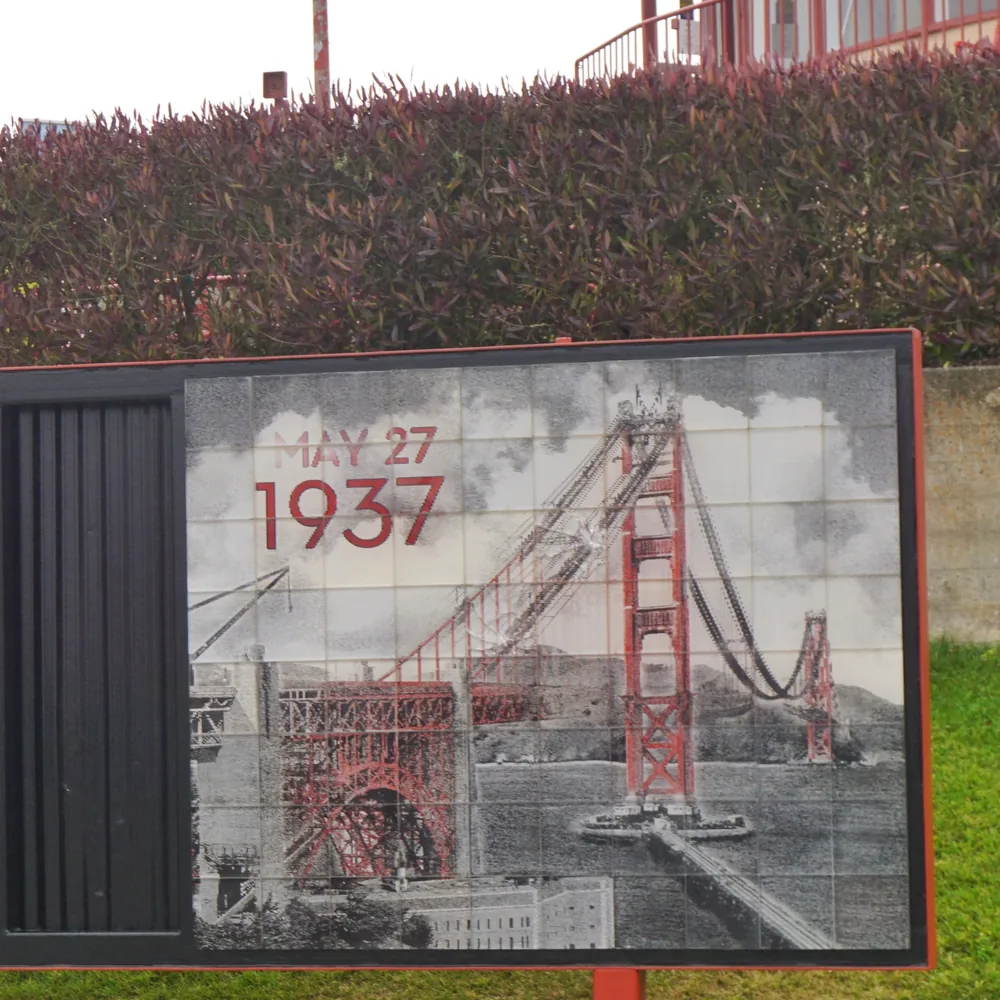
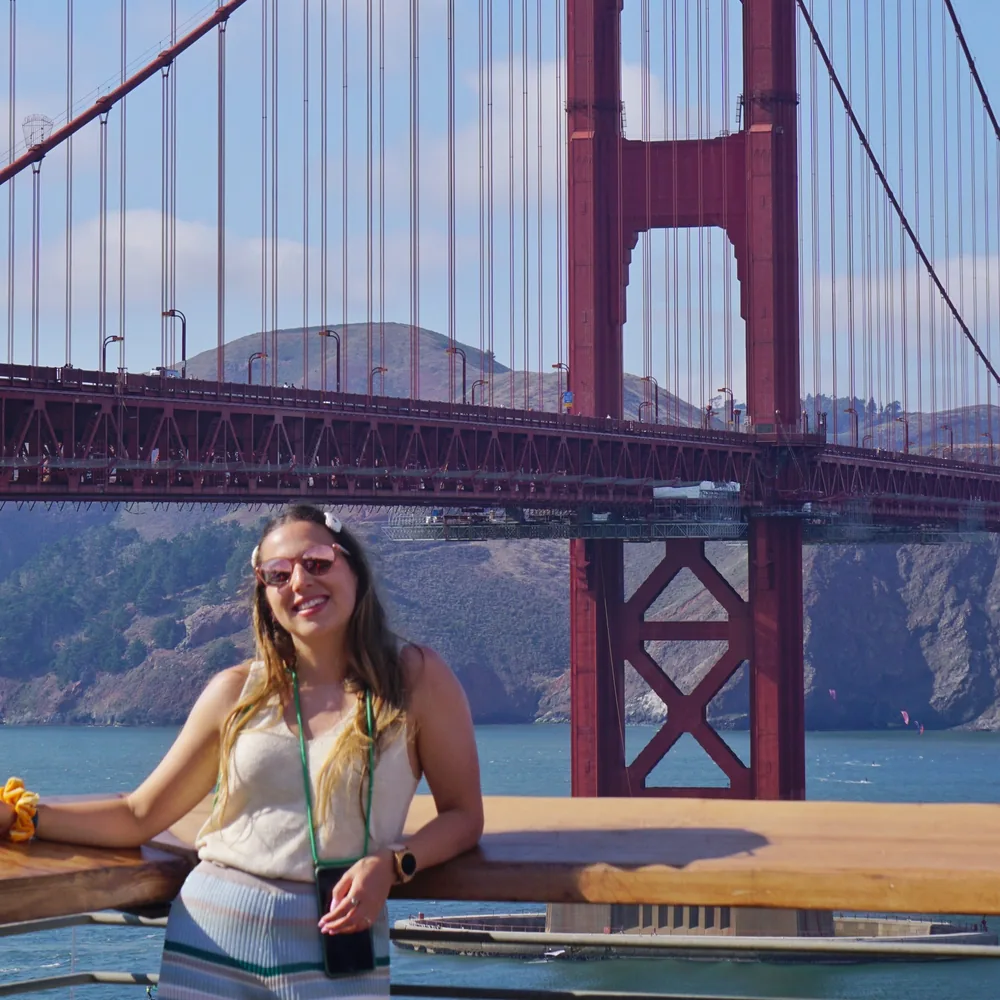
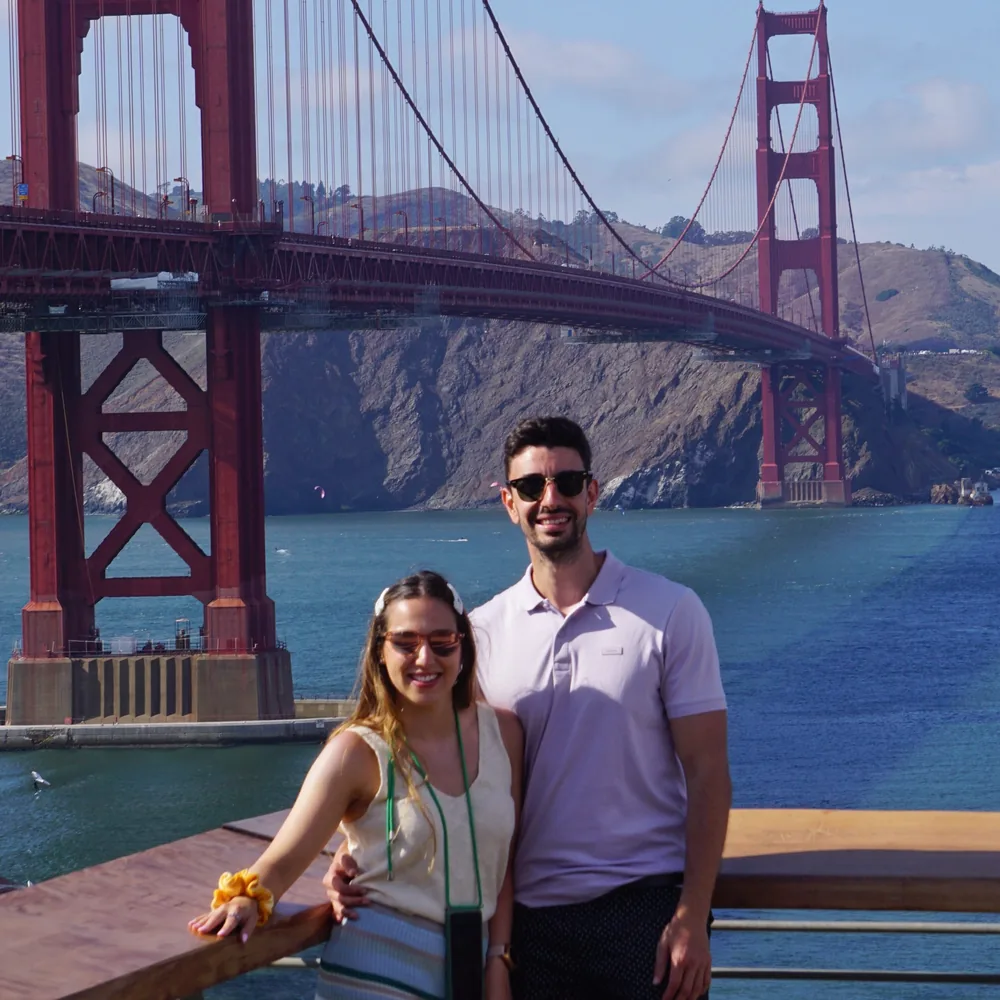
It is the best viewpoint to capture the essence of the Golden Gate Bridge due to its proximity and perfect angles. From here, you can take pictures of the bridge and, on days with almost clear skies, you can also capture the region of Sausalito on the other side of the bay. The Sausalito area developed only after serving as a shipyard during World War II and is now a picturesque but less-visited area for tourists from San Francisco due to the challenging access. The Golden Gate Postcard Viewpoint is located next to a pedestrian and bicycle path and has a spacious area where you can sit, read some information, and enjoy the views.
8. Golden Gate Bridge
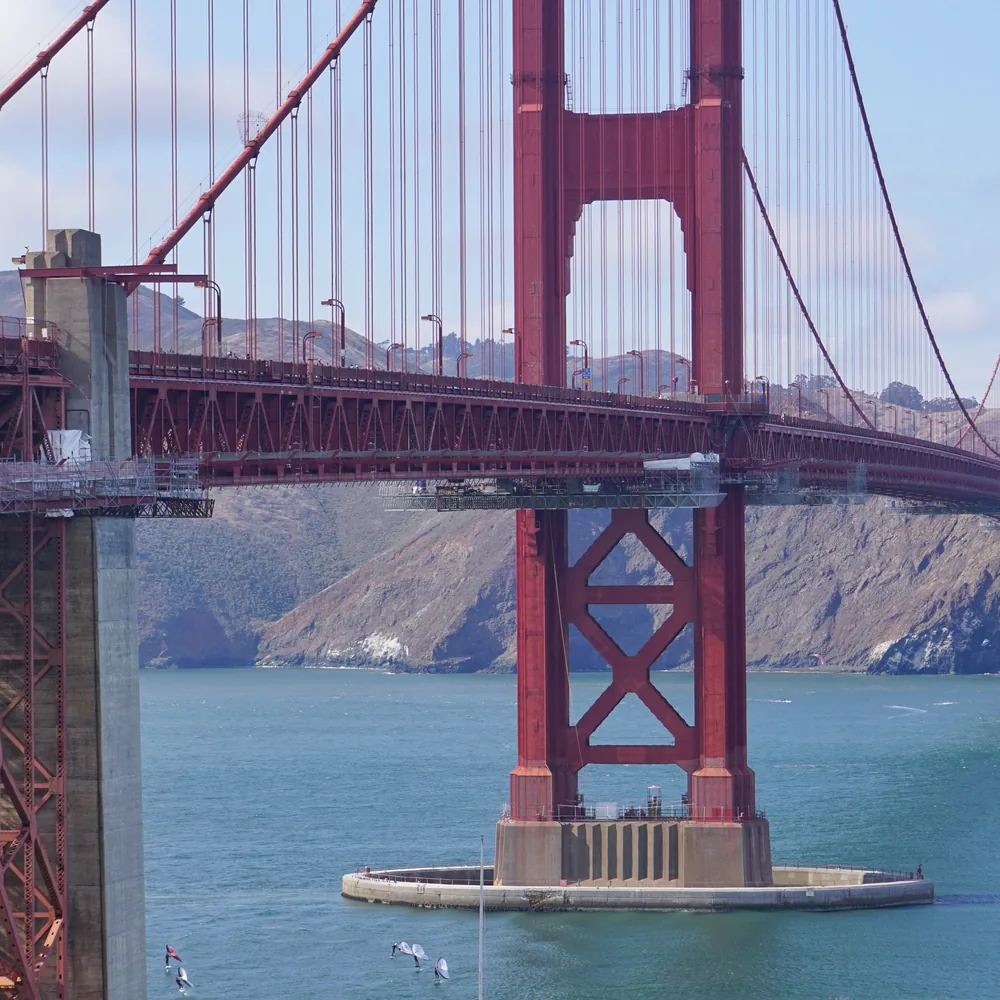
The Golden Gate Bridge is an iconic attraction in San Francisco, connecting the city to Sausalito across the Golden Gate Strait. It's one of the world's most famous and tallest bridges, with almost 3 kilometers in length and a height of 227 meters. Construction began in 1933 and faced challenges due to its ambitious design and adverse weather conditions. Before its construction, crossing the bay was done by ferry. Today, the Golden Gate Bridge is a globally recognized symbol and a landmark of the United States. Click here to read more about this attraction, that is one of the most important of San Francisco.
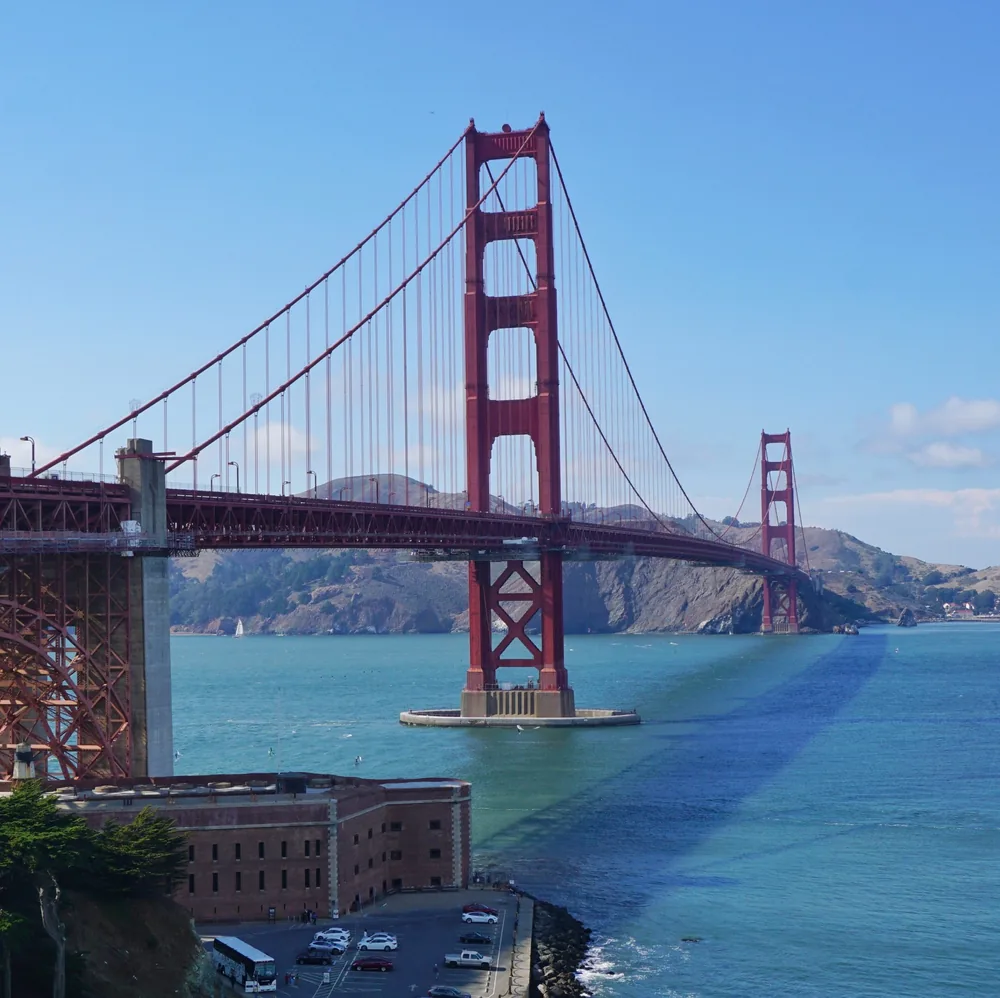
The Presidio Park is a true treasure of San Francisco, being a highly popular place for both locals and visitors to enjoy nature and unwind from the typical city hustle and bustle.
Don't forget to keep following all the new blog posts on Instagram. Additionally, you can check out all the posts about San Francisco here. 🩷
You Might Also Like
1-Day Itinerary in Sacramento
Twenty stops for one day in California's capital, from the grand State Capitol to the Gold Rush charm of Old Sacramento beside the river.
5 Attractions to Visit in the Castro
Rainbow flags, Harvey Milk's camera store and the origins of the pride flag: five stops that make San Francisco's Castro unmissable.
6 attractions in San Francisco's Chinatown
Six highlights of the oldest Chinatown in the United States, from a fortune cookie factory to a hidden temple and a pagoda-topped tower.