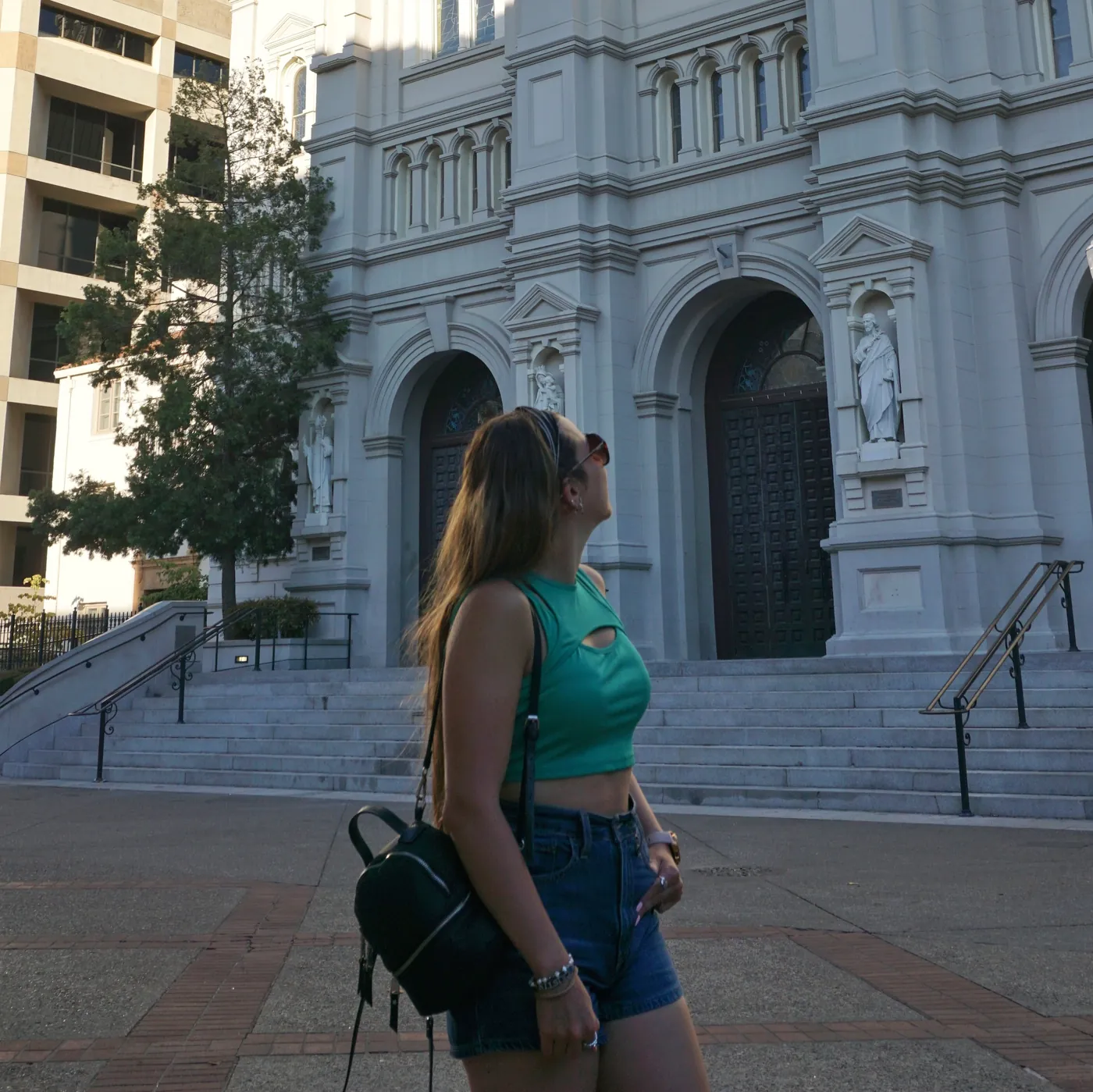
Visiting Sacramento, California's capital
Sacramento has been the capital of the state of California since 1854, replacing Monterey, a coastal city between Los Angeles and San Francisco that is usually visited by those travelling the Big Sur region. During the Gold Rush, from 1848 onwards, Sacramento ended up becoming one of the most important American cities, with significant economic growth that made it the fastest-growing city in California.
The city is known by several interesting and rather peculiar nicknames, such as River City, Camellia Capital of the World, City of Trees and Big Tomato. This is essentially due to the fact that it has more than 30 square kilometres of farmland. Curiously, Sacramento has more trees than any other city in the world, with the sole exception of Paris.
Location
The city of Sacramento is located in central California, at the confluence of the Sacramento and American rivers, roughly halfway between San Francisco Bay and Lake Tahoe (about a 2-hour drive). Although culturally and touristically it is not at all the best-known city, it is the state capital and has a strategic geographic position, which makes it a very convenient access point to several regions, such as the coastal areas, the Sierra Nevada mountains and the surrounding wine regions. It is mainly thanks to its location that it plays an important role as a cultural, political and economic centre of the state.
History
The history of the city of Sacramento has deep roots linked to the Gold Rush period in the United States, dating essentially back to the mid-19th century. The discovery of gold in 1848 at Sutter's Mill triggered a huge migration to the region, transforming Sacramento into an important hub for miners, traders and adventurers seeking better living conditions but also fortune. With the growing population, Sacramento established itself as a commercial and transport centre, especially with the arrival of the railway in the mid-19th century, becoming a crucial point for the transport of goods and passengers between the west and the east of the United States.
During the second half of the 19th century, the city of Sacramento faced several challenges, including catastrophic floods due to its location close to the rivers. However, these events did not stop its growth, and the city went through periods of reconstruction and modernisation. Over the years, the city expanded exponentially, keeping its historical legacy while developing into a diverse and dynamic metropolis up to the present day.
Attractions to visit
In my opinion you don't need more than 1 day to visit the city of Sacramento, since most of the attractions can be visited on a short walk. I have an article entirely dedicated to all the main attractions of the city that you can check out here.
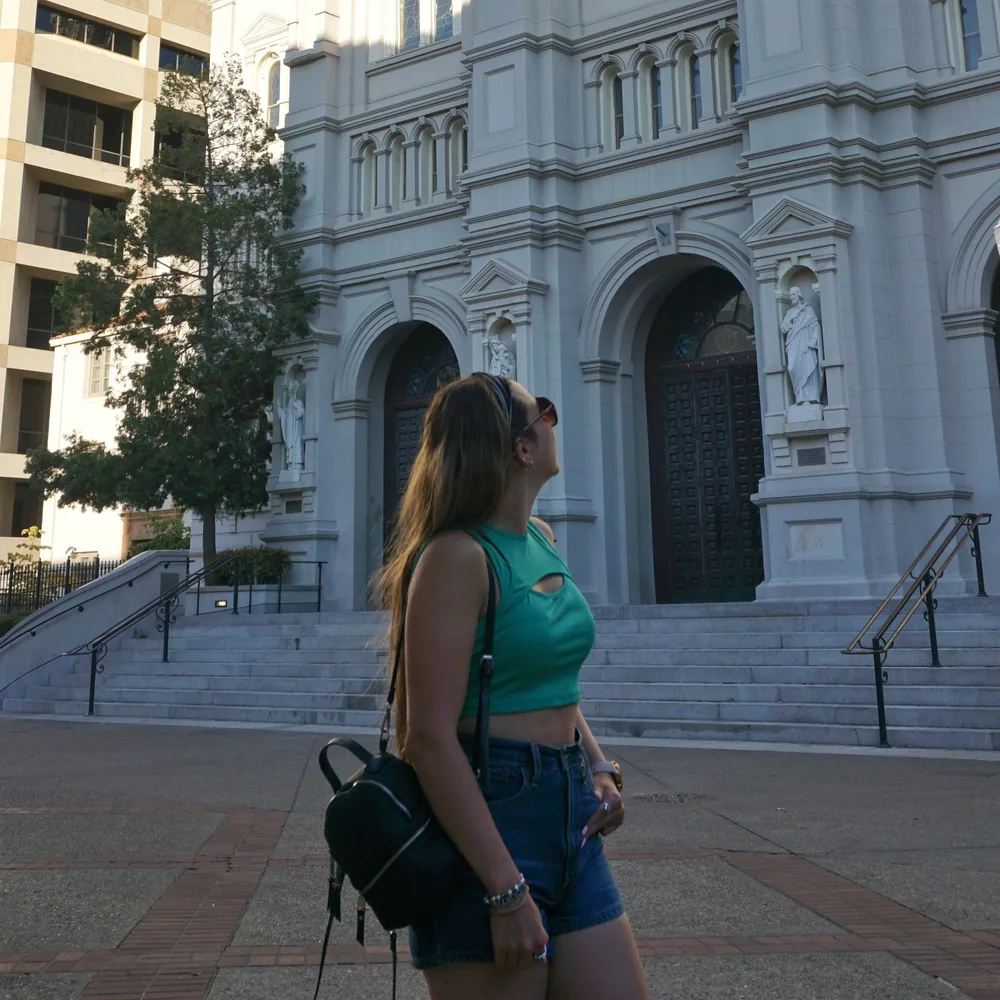
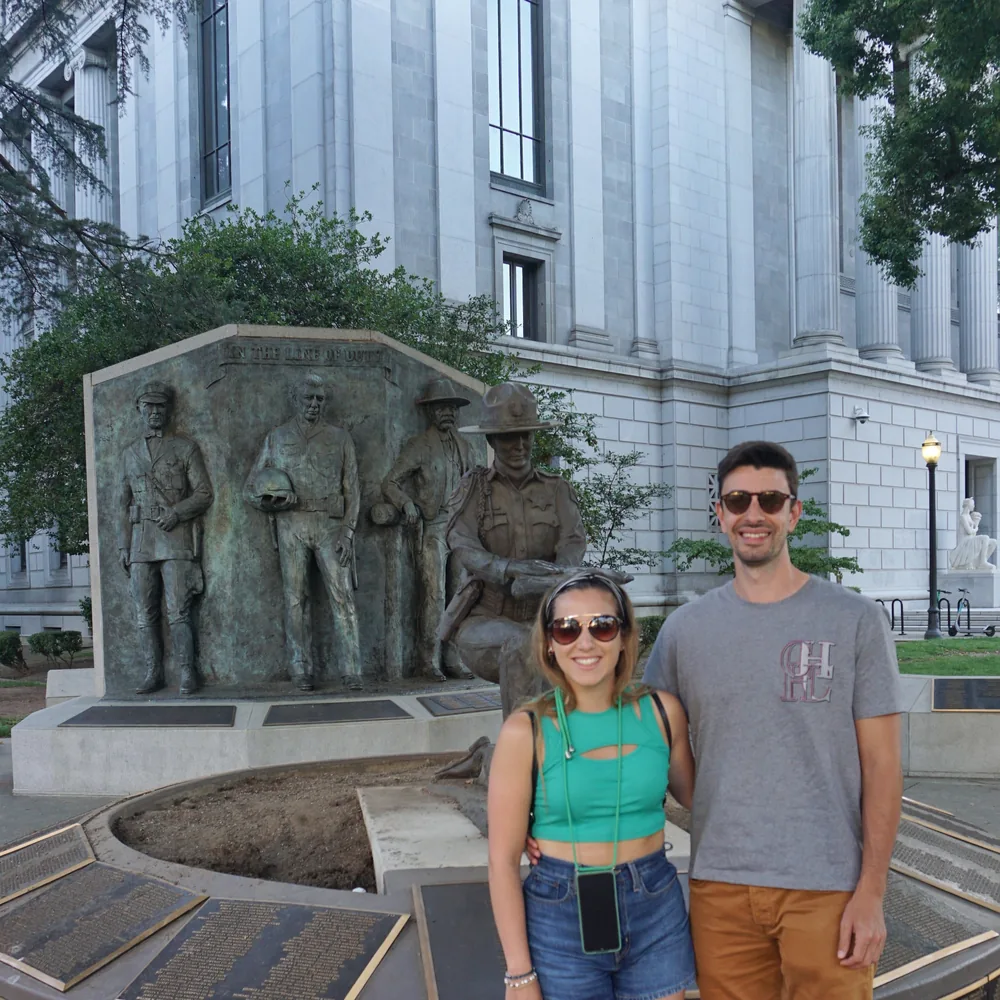
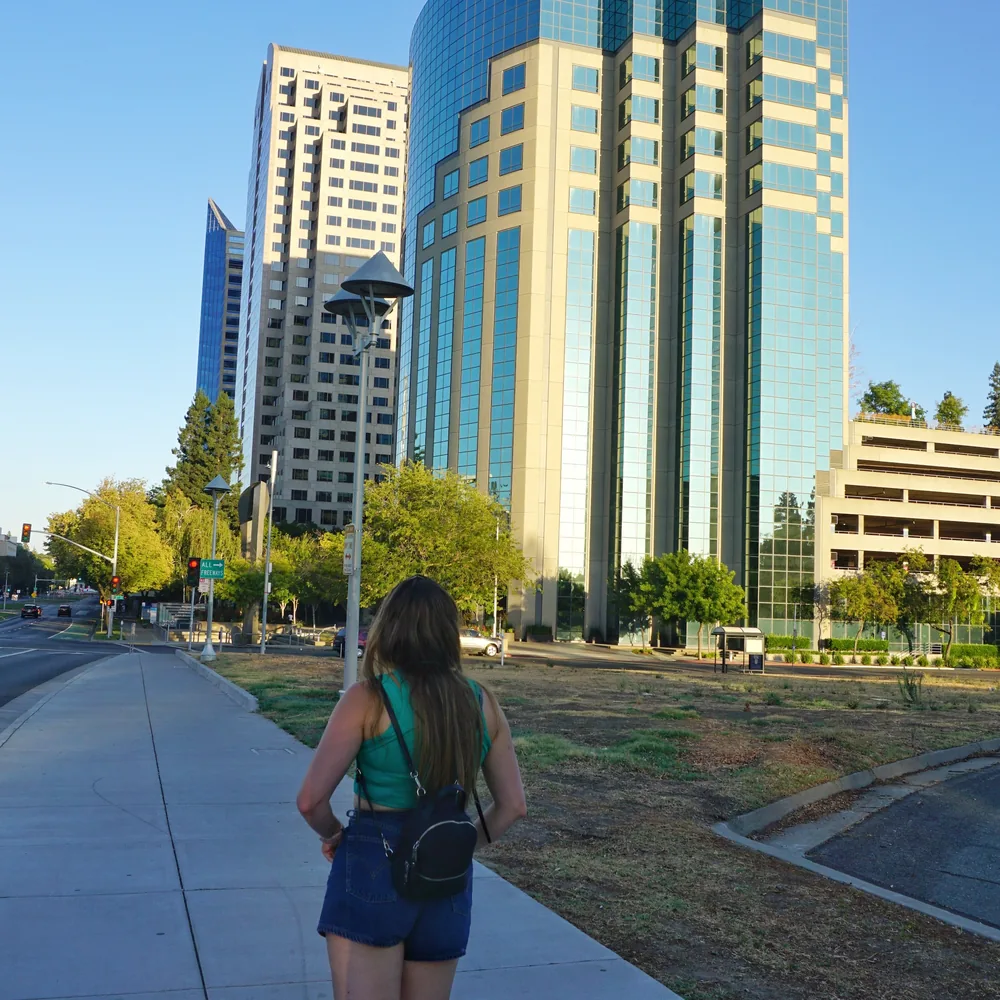
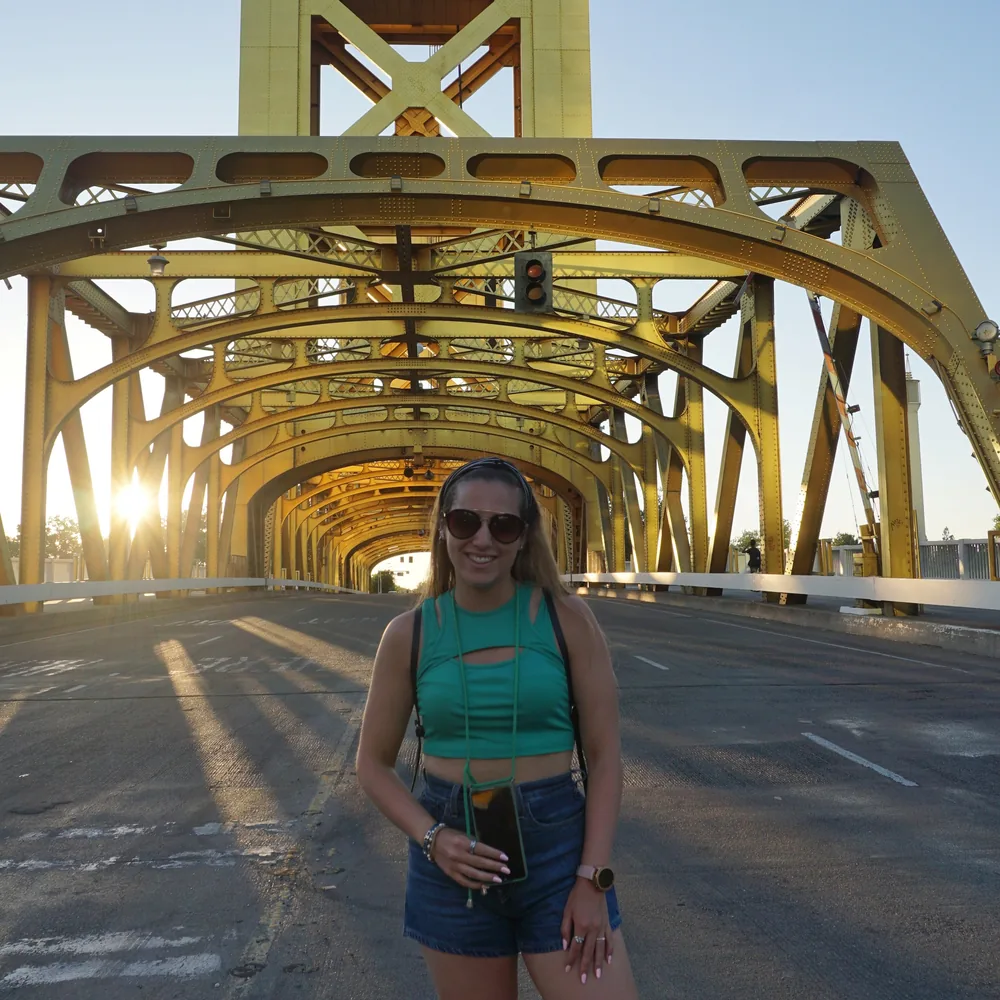

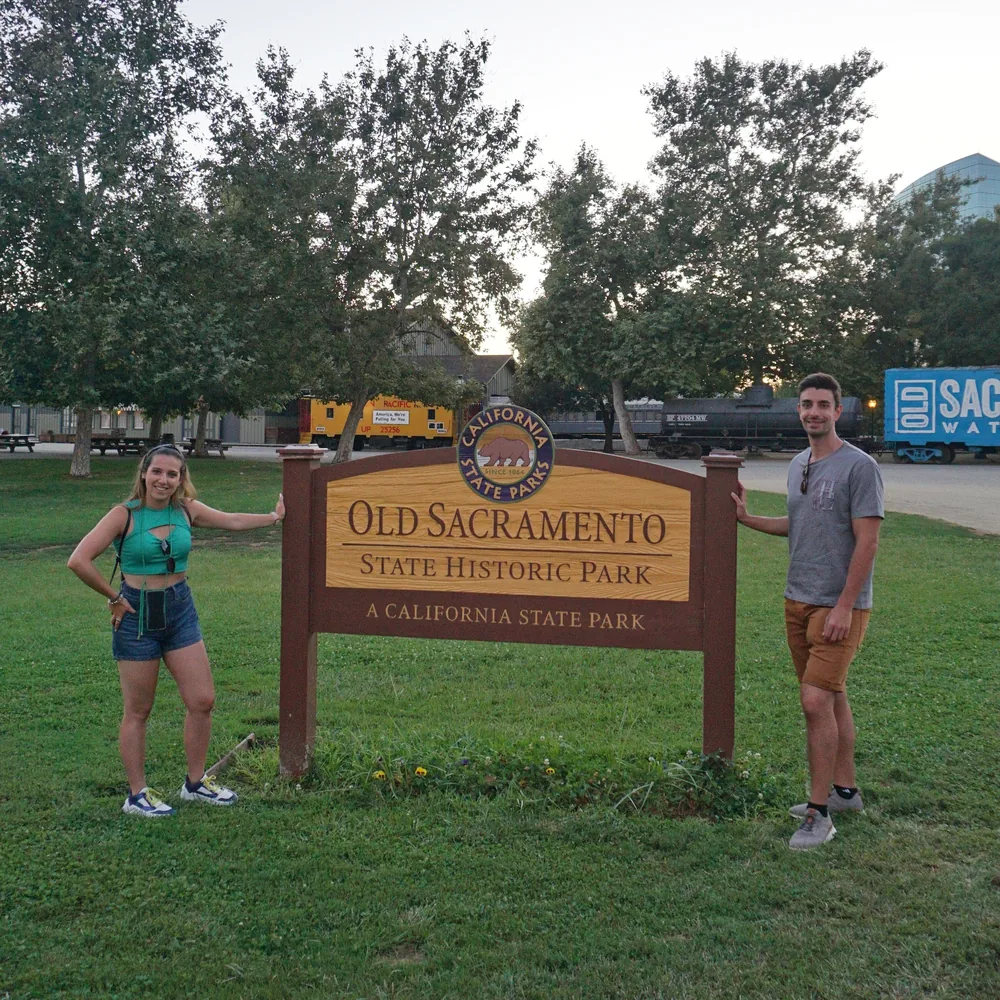
Sacramento is a very peculiar city where there is a huge contrast between the skyscrapers of the financial district and the historic houses of the Old Town area, which has a strong Spanish influence in its architecture. If you can fit it into your travel itinerary, don't miss a quick stop in Sacramento - as I mentioned, 1 day is enough to visit the main attractions but also to get a good sense of the essence of the city.
To read all the articles about the United States, click here. Also, be sure to follow the blog's Instagram, where I usually share every new article. Thank you for following all the work and happy travels! 🩷
You Might Also Like

1-Day Itinerary in Sacramento
Twenty stops for one day in California's capital, from the grand State Capitol to the Gold Rush charm of Old Sacramento beside the river.

5 Attractions to Visit in the Castro
Rainbow flags, Harvey Milk's camera store and the origins of the pride flag: five stops that make San Francisco's Castro unmissable.
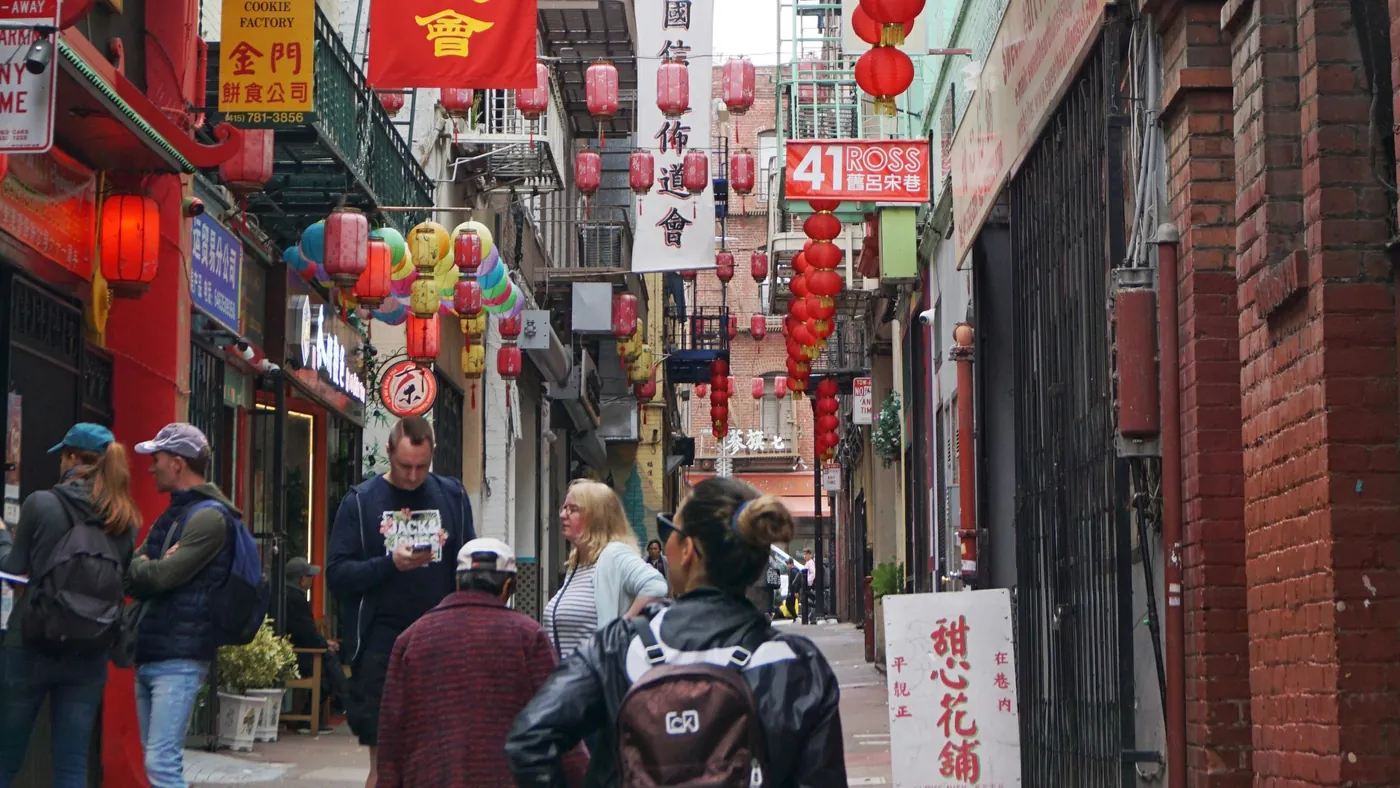
6 attractions in San Francisco's Chinatown
Six highlights of the oldest Chinatown in the United States, from a fortune cookie factory to a hidden temple and a pagoda-topped tower.