New Zealand: 15 days at the end of the world
This article was not sponsored and all opinions are genuine. It contains one affiliate link, which means I may receive a small commission if you book through it, at no extra cost to you.
Australia had been my first taste of Oceania. And just when I thought I'd already done an endless journey, New Zealand came along to prove it could be even worse. This was the second Oceania country I visited and, before we'd even landed, the trip was already an adventure in itself: hours and hours of flying, layovers on three different continents and a long haul to the other side of the planet. Fortunately, the reward quickly made us forget all the time spent in airports and on planes.
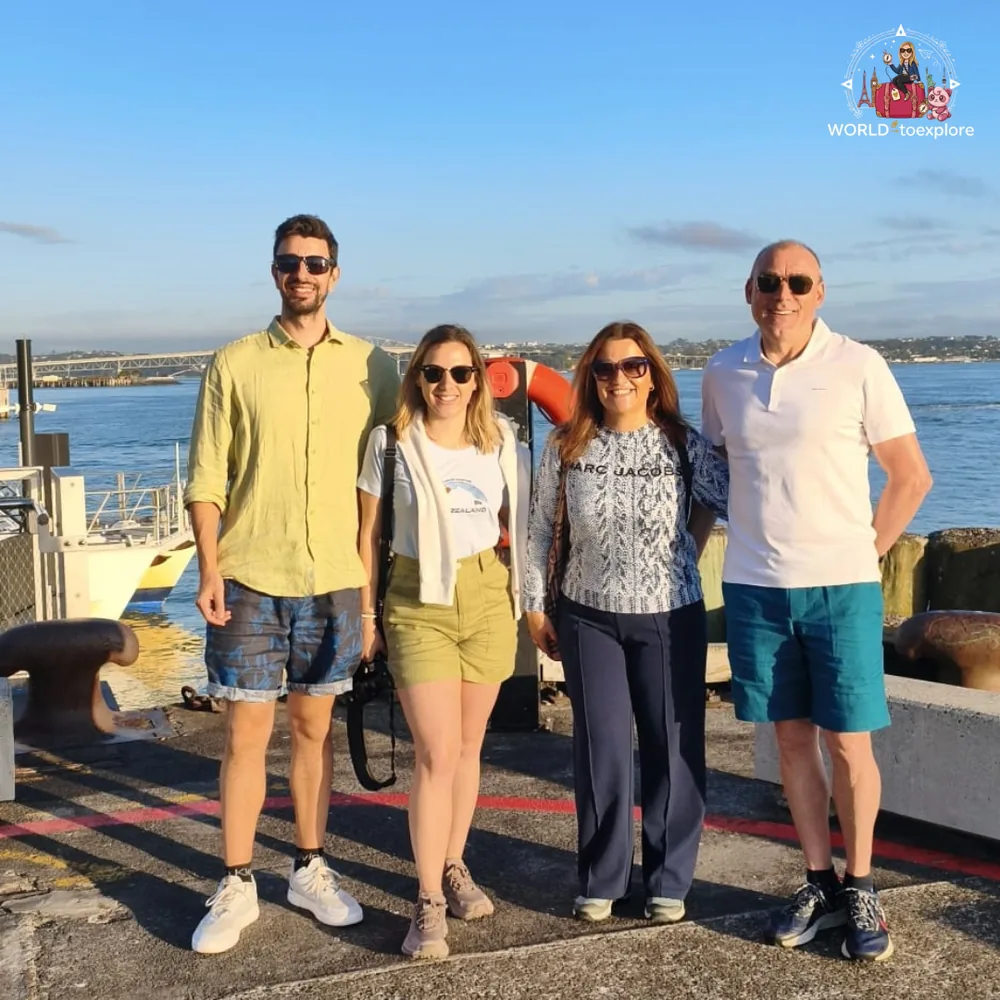
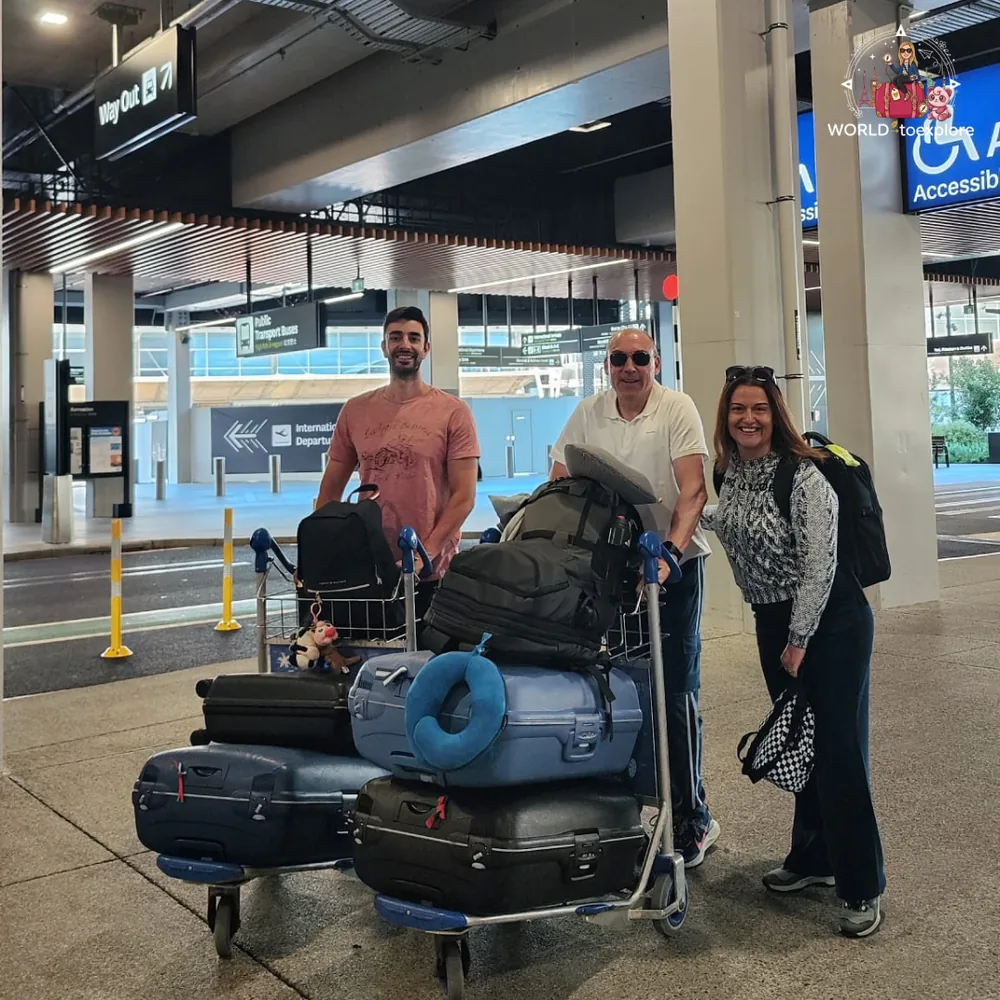
This time I travelled with family — my husband, André, and my parents. Luckily, we're all on the same page when it comes to travelling: make the most of every minute. Wake up early, cover the miles and discover new places. After all, for sleeping... I can do that at home.
The adventure began before landing
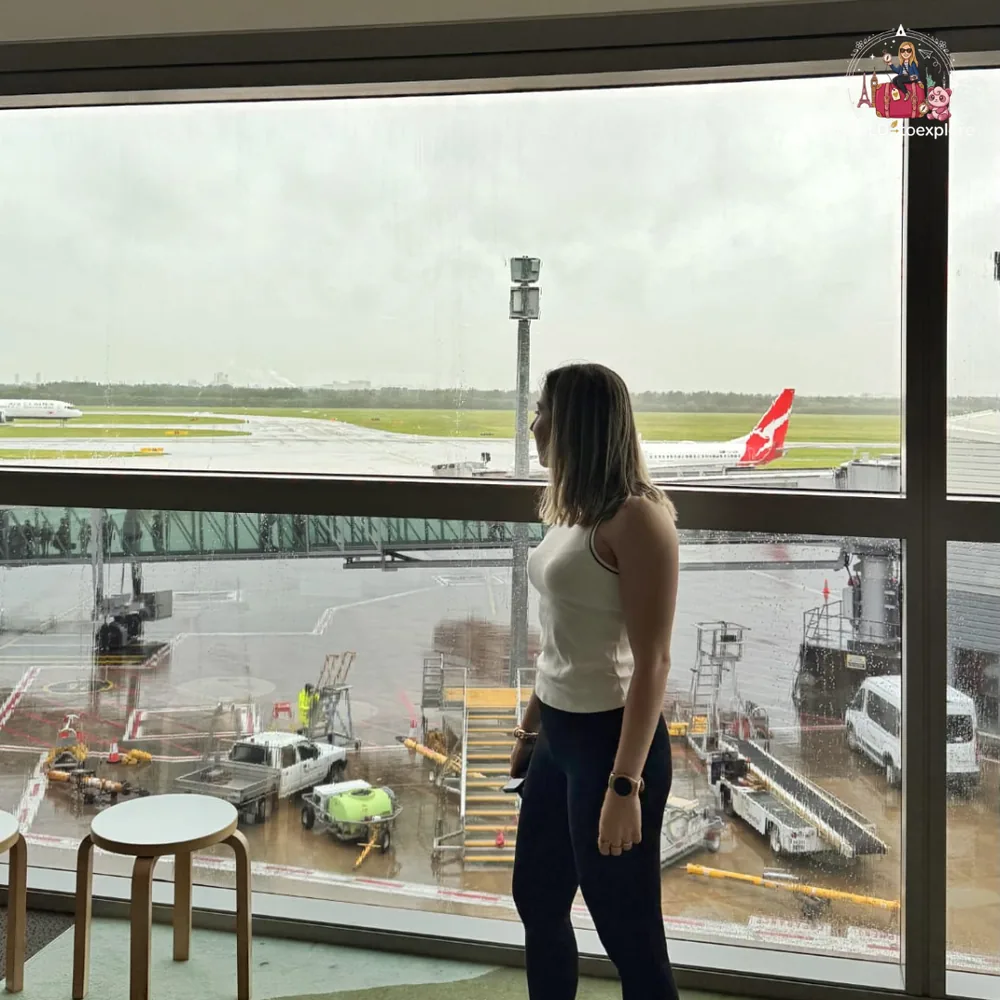
Before I talk about New Zealand itself, I have to do justice to the odyssey it took to get there. In total, we took four flights just to set foot on New Zealand soil:
- Porto → Istanbul (Turkish Airlines)
- Istanbul → Kuala Lumpur (Turkish Airlines, the longest of them all)
- Kuala Lumpur → Brisbane (Malaysia Airlines), where we had a longer layover — practically a whole day in Australia before carrying on
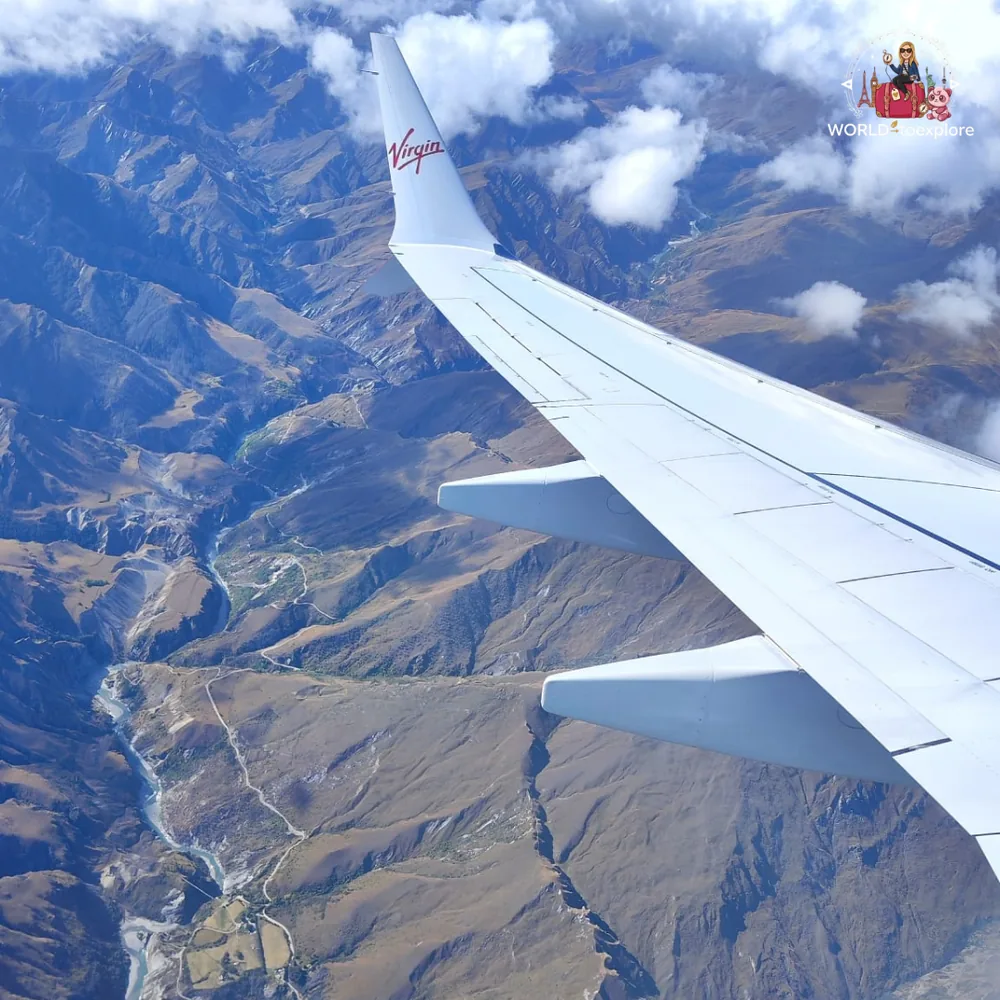
- Brisbane → Queenstown (Virgin Australia), the final hop to New Zealand
All in all, between flights and layovers, we spent almost two days travelling before landing in Queenstown, New Zealand. It's the kind of trip that makes you realise just how far from home you are. If I could choose one superpower for the next adventure, it would be, without a doubt, teleportation! Goodbye immigration queues, goodbye endless hours sitting on a plane and goodbye to the failed attempts to sleep in a position that seems to defy every law of anatomy. One click and I'd already be on the other side of the world.
New Zealand
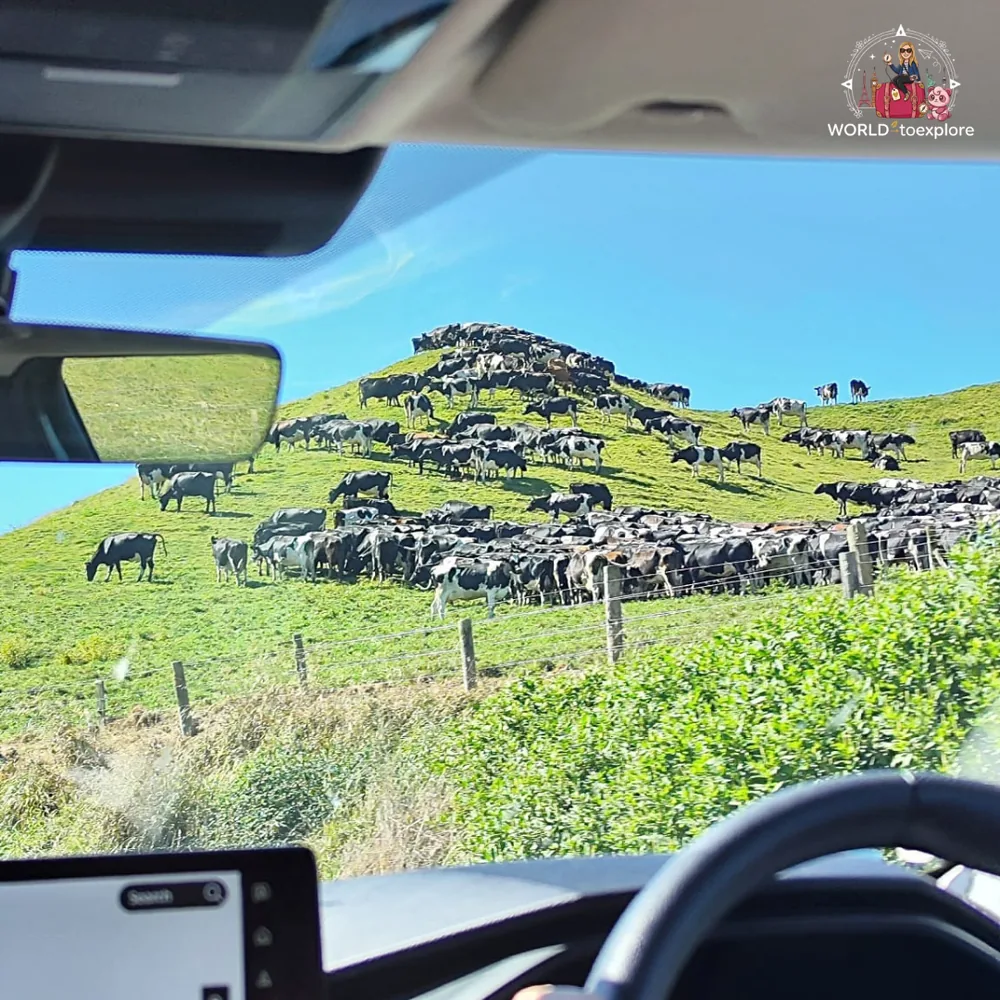
New Zealand, or Aotearoa, as the Māori call it ("the Land of the Long White Cloud"), is one of the most isolated countries in the world. It sits in the south-west Pacific, about two thousand kilometres from Australia, which already explains why the flights feel endless. The country is made up of two main islands, the North Island and the South Island, home to just over five million people. In return, around 23 million sheep live there — which means there are roughly four sheep for every person. But what really sets New Zealand apart isn't the numbers: it's the landscapes. Between mountains, lakes, glaciers, fjords and green hills as far as the eye can see, there are moments when it feels like you're inside a fantasy film. In fact, it was right here that many of the scenes from The Lord of the Rings and The Hobbit were filmed.
The capital is Wellington, but Auckland is the country's largest city and the main gateway for most travellers. We chose to do the route in reverse: we landed in Queenstown, on the South Island, and ended the trip in Auckland, from where we flew back to Portugal. Along the way, we drove around 2,600 kilometres, crossing some of the most impressive landscapes I've ever seen.
General information
- Currency: New Zealand dollar (NZD), roughly €1 = 2 NZD
- Time difference: +13h relative to Portugal (in March, due to their daylight saving time)
- Dialling code: +64
- Official languages: English and Māori
- Driving: On the left-hand side of the road
- Climate: Reversed seasons — autumn begins in March
- Biosecurity: Very strict customs control (you can't bring in fresh food, plants, seeds, honey or any animal product — I confess I chose not to risk it and didn't even bring a single biscuit)
And now, the New Zealand itinerary
In total, it was 15 days crossing the South Island and the North Island from end to end, always by rental car, except for the ferry crossing between the two islands. In this article I'll give a summary of what we did each day, highlighting the main attractions we visited. If you're planning a similar trip, I recommend DiscoverCars to compare prices and choose the best car for your itinerary.
Day 1: Arriving in Queenstown
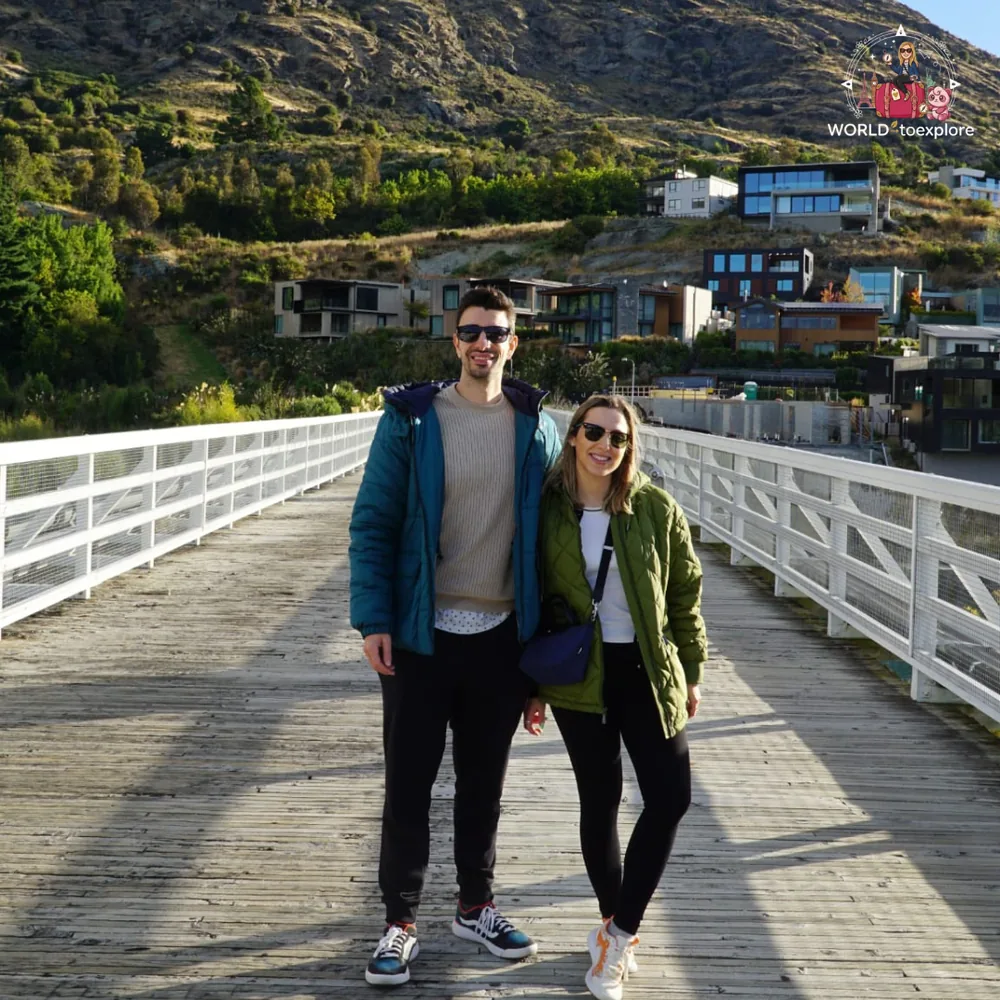
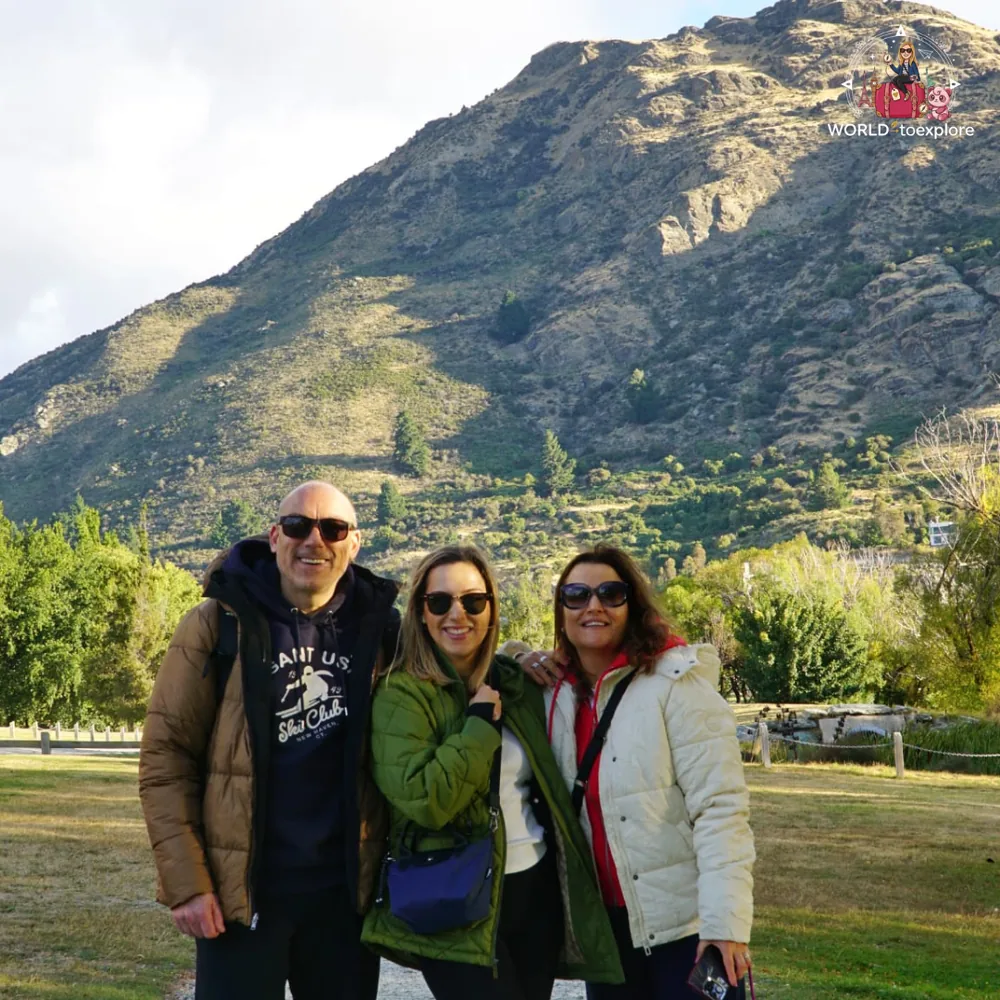
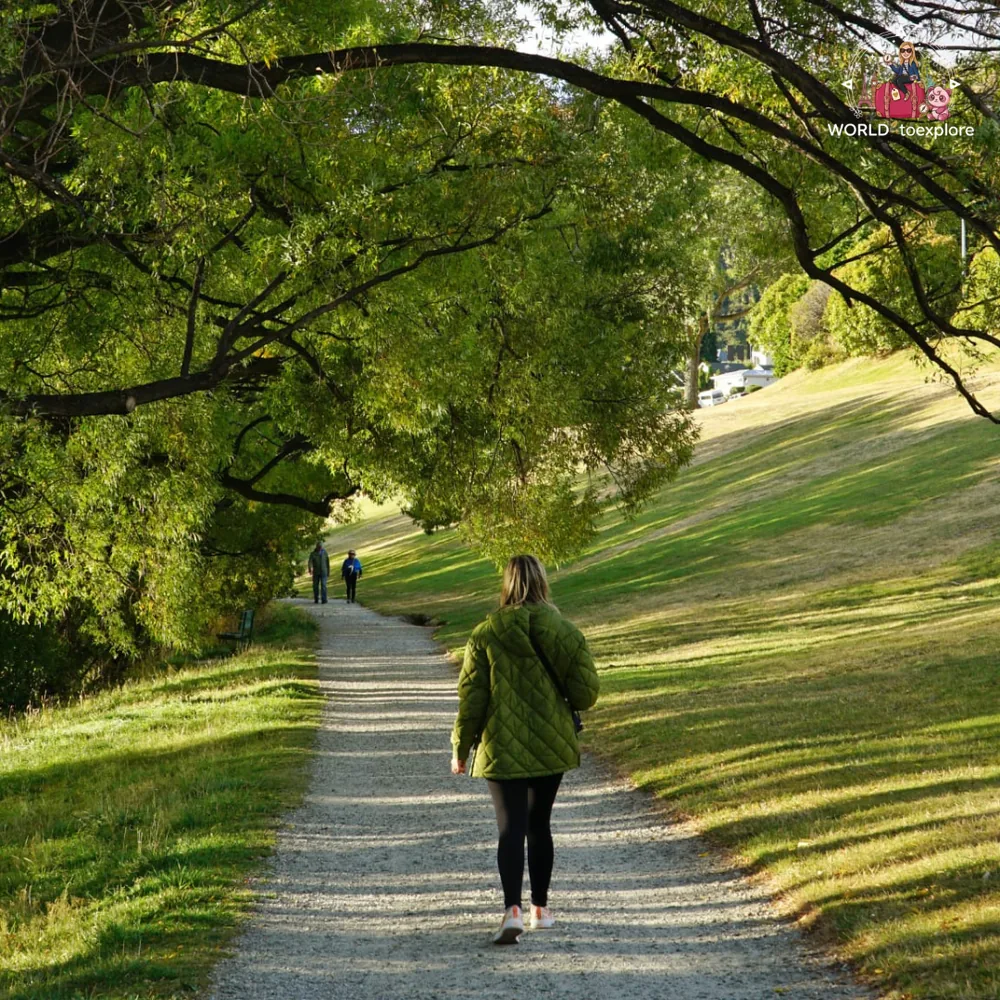
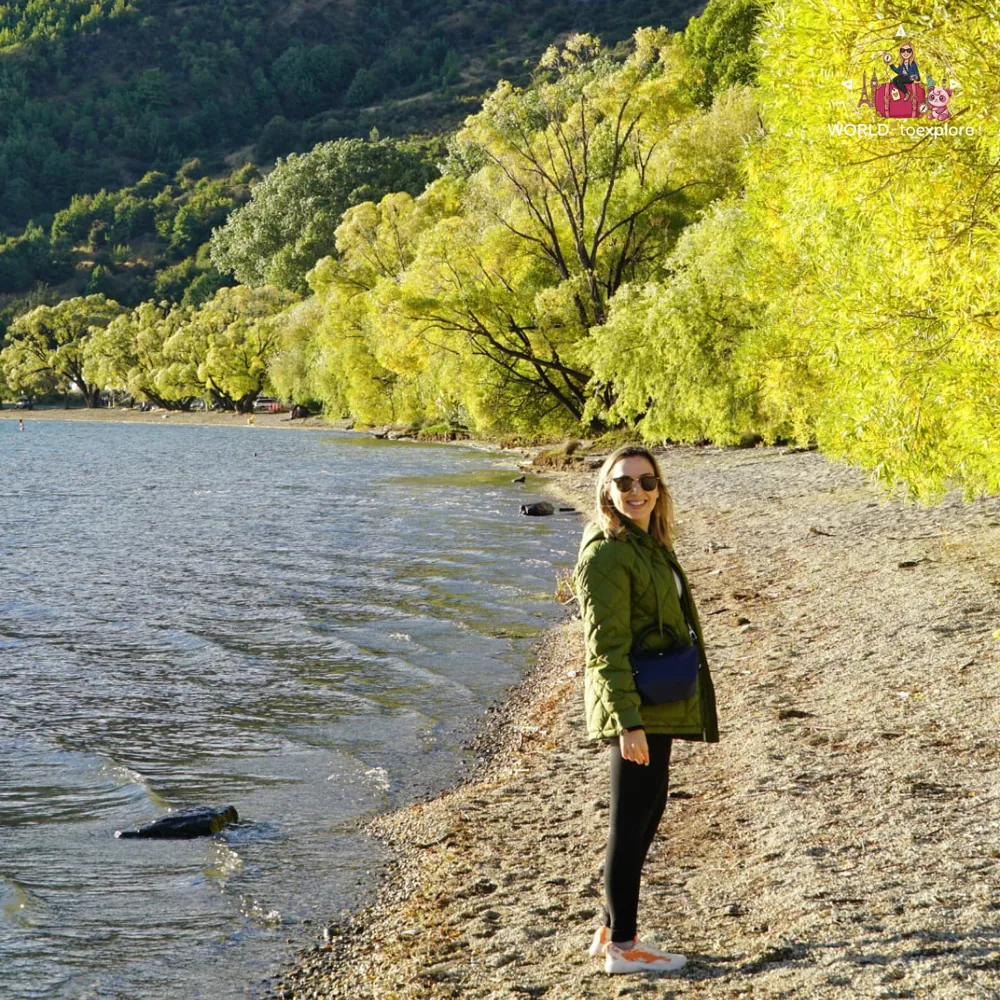
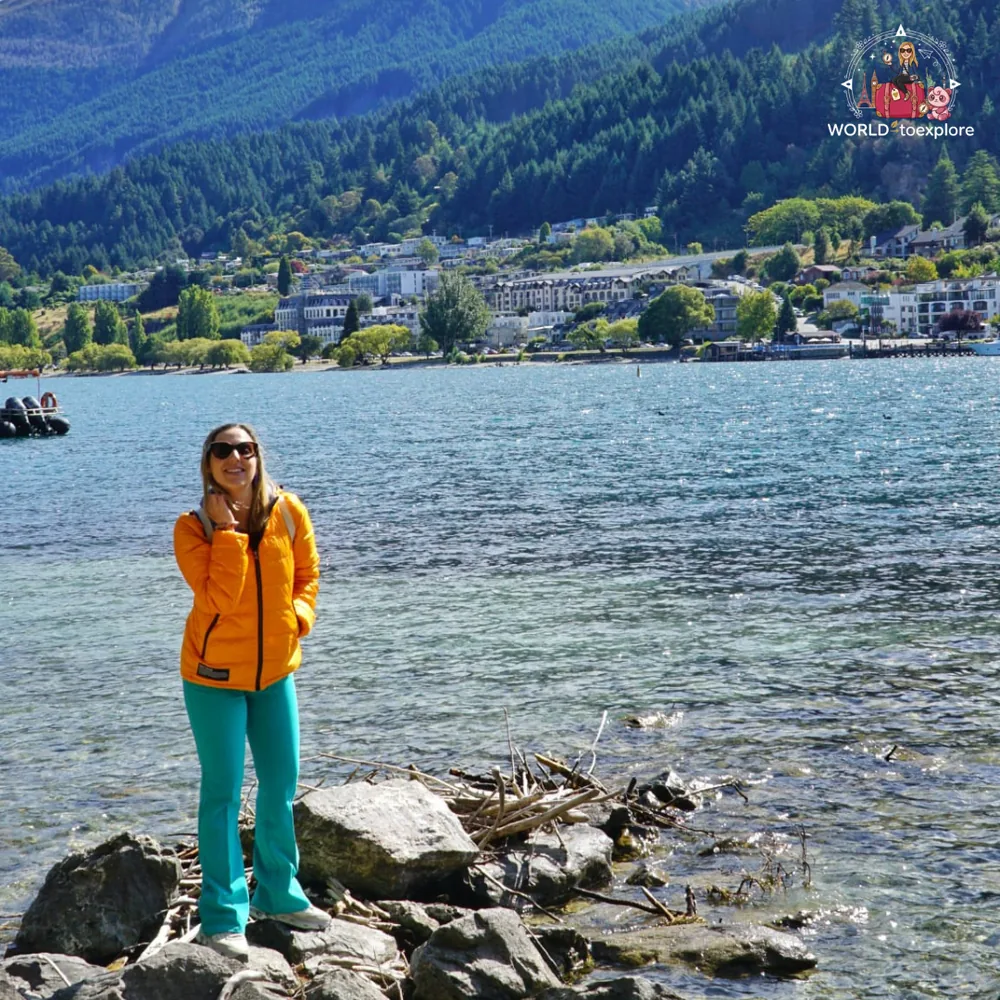
After all those flights, we finally landed in Queenstown in the mid-afternoon, with that strange feeling of no longer quite knowing what day of the week it was. As it was already late and the jet lag was starting to kick in, we deliberately kept the rest of the day quiet. We ended the afternoon with a stroll along Frankton Beach, on the shores of Lake Wakatipu, where we stretched our legs and admired the mountains surrounding Queenstown. Then we had dinner at a Vietnamese restaurant before heading back to our accommodation to rest. It was a calm start, but enough to realise that Queenstown promised to be one of the big highlights of the trip in the days that followed — starting with the arrival itself. Landing in Queenstown is an experience in its own right: the plane weaves through the mountains, flies over lakes and descends slowly, surrounded by snow-capped peaks, offering one of the most stunning landscapes you can see before you've even set foot on the ground.
Day 2: Discovering the heart of Queenstown
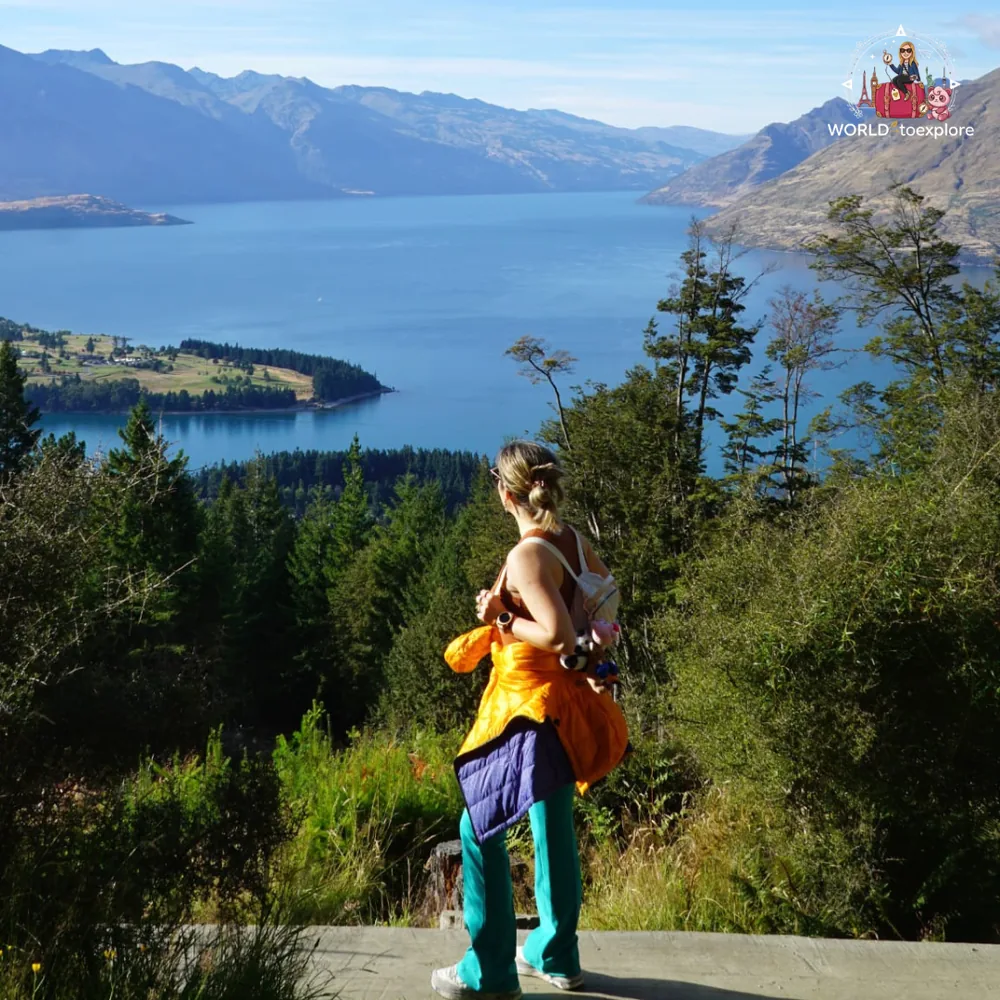
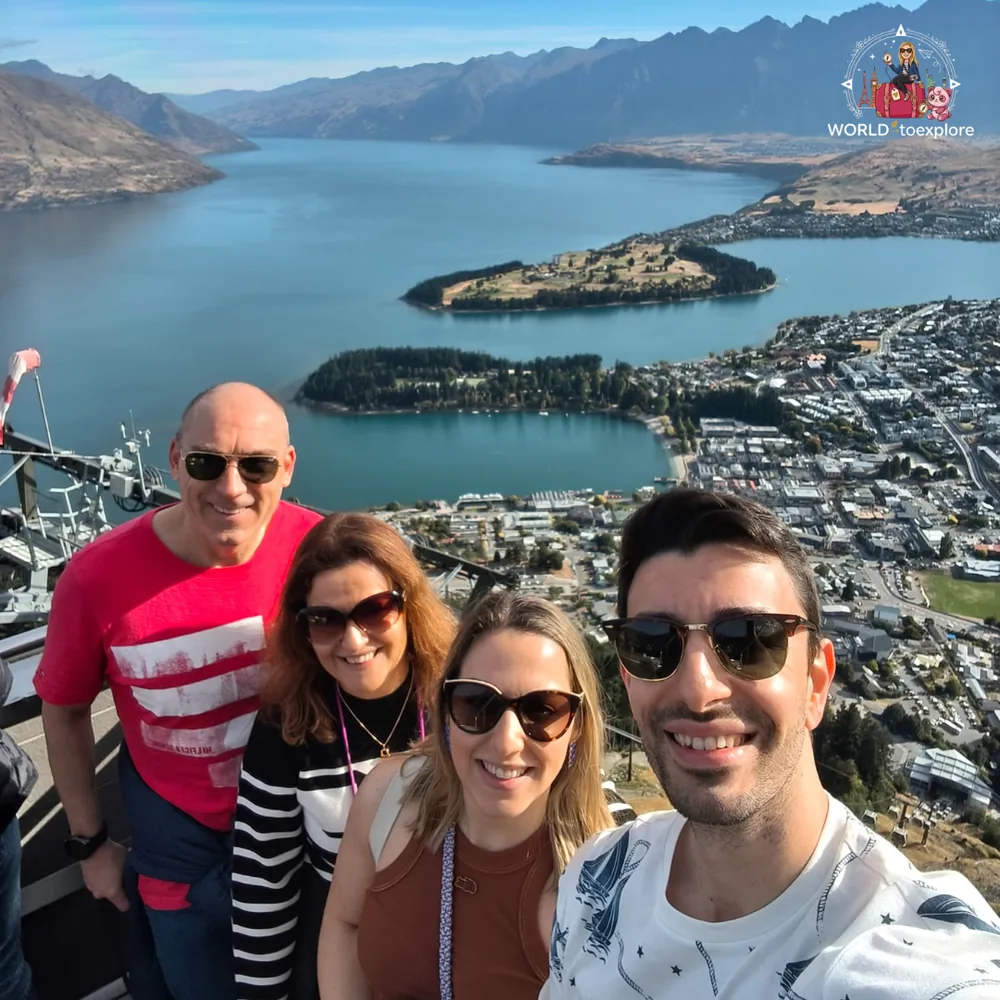
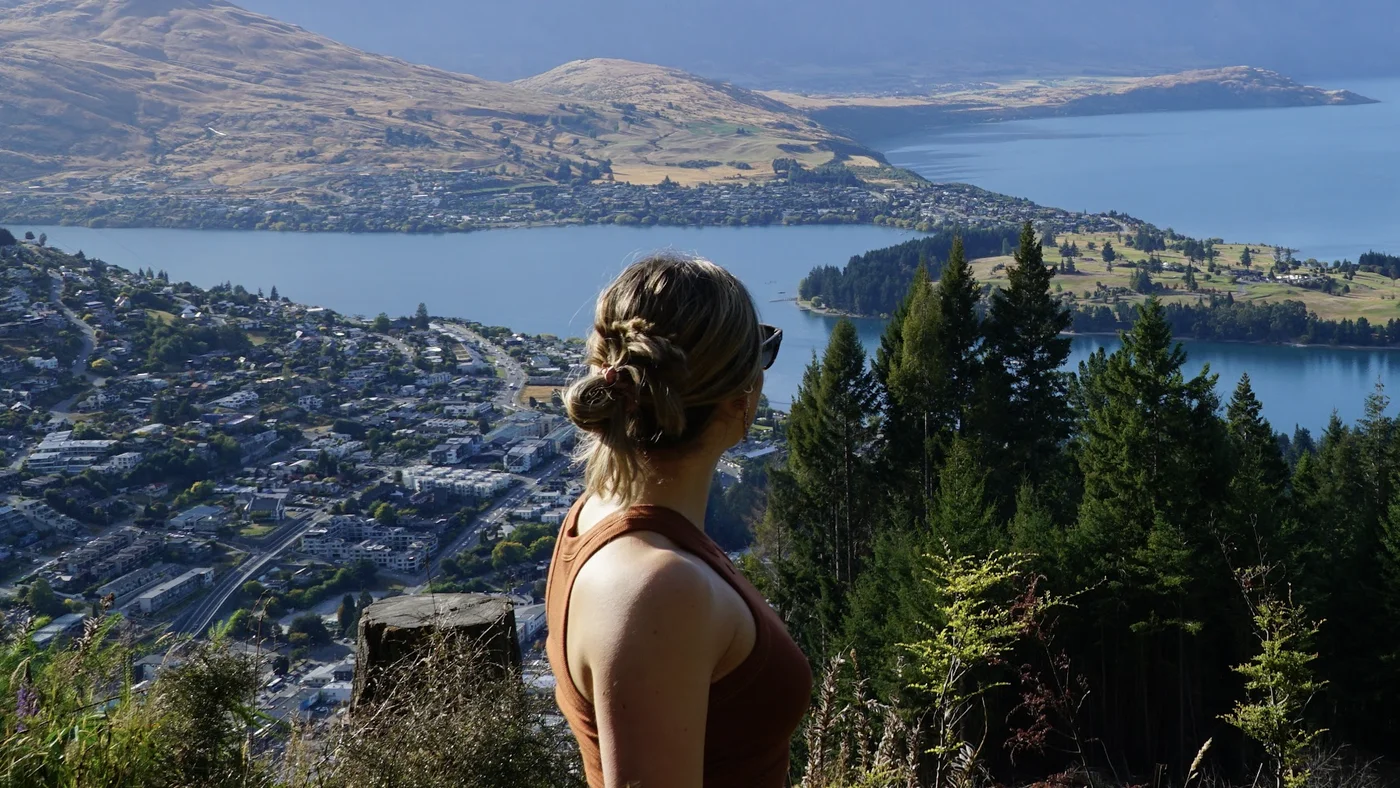
This was our first full day in New Zealand — and it was a full one indeed. We started with breakfast at a French bakery (yes, right in the middle of Queenstown), which was incredible. There was just one detail: it had no tables, it was takeaway only. So there we went, eating standing up, leaning against a street bench, in improvised picnic mode. Then we headed into the city centre by Uber (our hotel was near the airport, about 7 km from the central area). The morning started off pretty chilly, but as soon as we began the walk up the Tiki Trail to Bob's Peak, we quickly warmed up. By the time we reached the top, all four of us were coatless and sweating. Walking up was really tough. I'm not sure if it was still the jet lag, but the trail is uneven, with loose stones and quite a bit of incline, and it doesn't forgive anyone whose body is still in travel-zombie mode. But it was well worth it: the view from up there over Lake Wakatipu and the Remarkables region is one of those panoramas that instantly make you forget your burning legs and trembling calves.
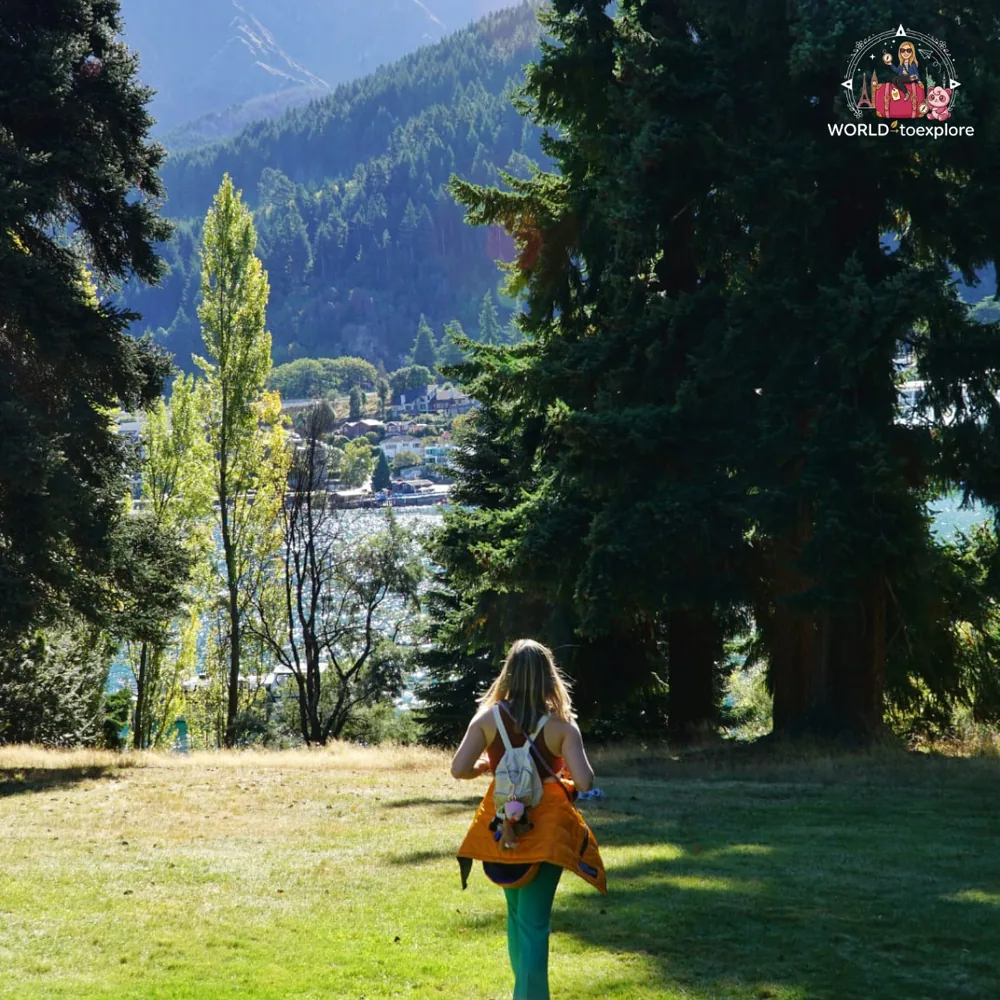
But the real highlight of the day was the Luge carts at the top of the mountain. We went in pairs and ended up turning it into a sort of race, which made the experience even more fun. Although it's a relatively pricey activity, it's really worth it, because it's something different and memorable. After all that adrenaline, we went to the iconic Fergburger to refuel (the queue is so long it stretches to the end of the street). We spent the afternoon strolling calmly around the city centre, along the lake and through the Queenstown Gardens, soaking up the relaxed atmosphere you feel throughout the city. We wrapped up the day by picking up the rental car that would be with us for practically every kilometre of the rest of the trip.

Day 3: Heading to Te Anau and Milford Sound
We left Queenstown early, intending to stop at the Devil's Staircase Lookout Point before reaching Te Anau. We ended up not making that stop, since everything was dark and the sun hadn't even risen. In Te Anau we went for a walk around the town centre and, without meaning to, we left the keys inside the car... and in plain sight, on top of that. The conclusion? New Zealand is a very safe country. 😅
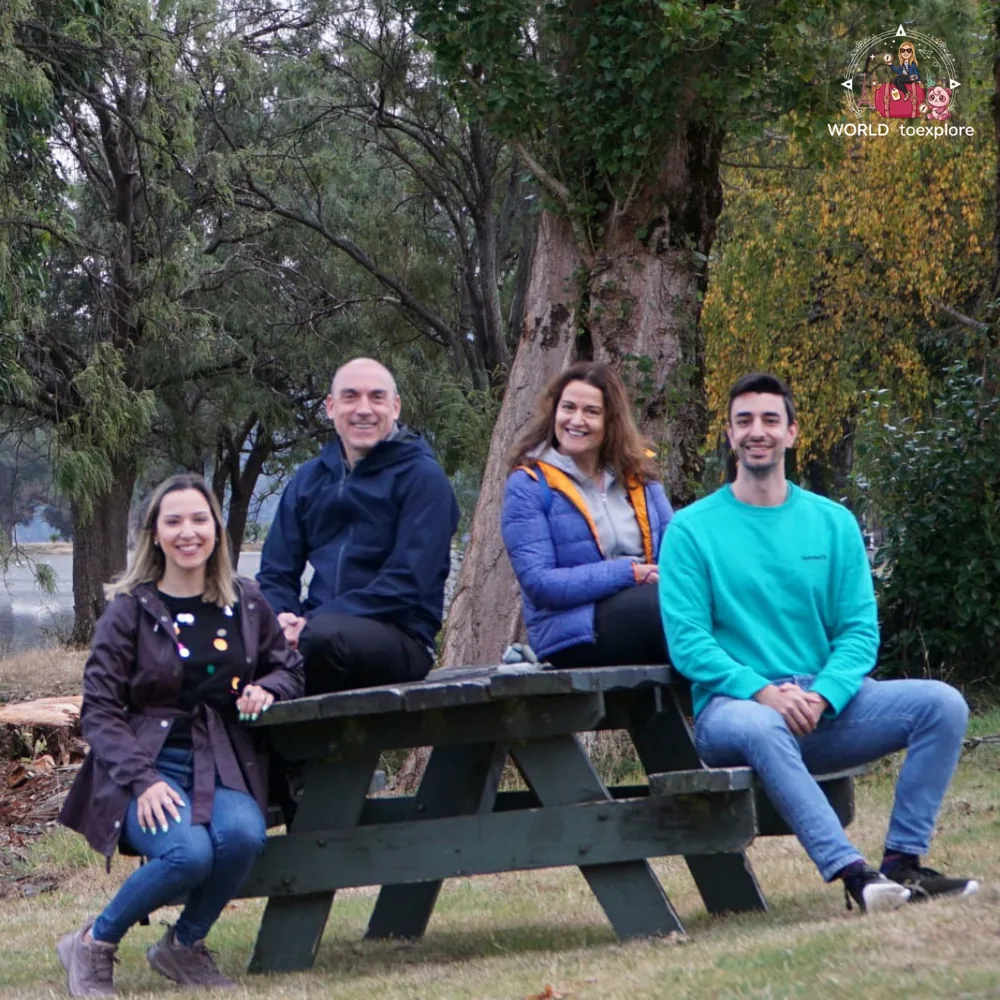
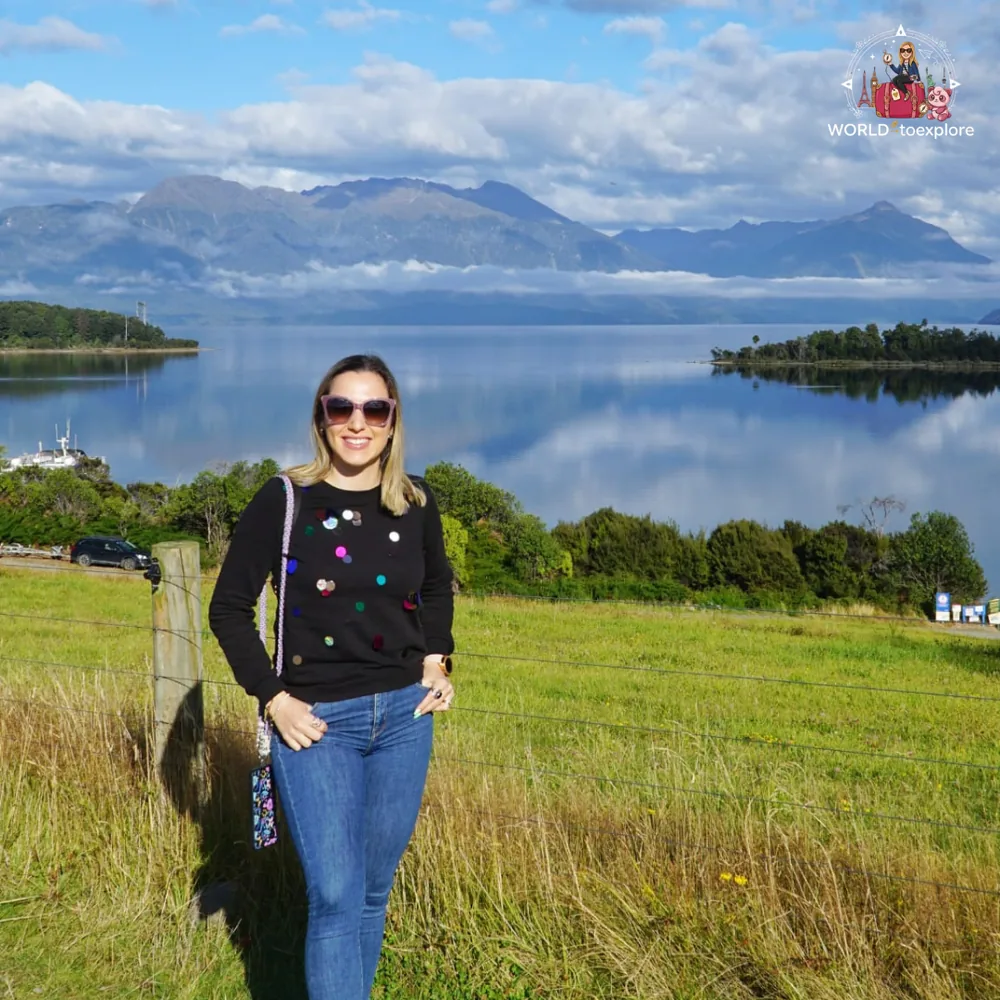
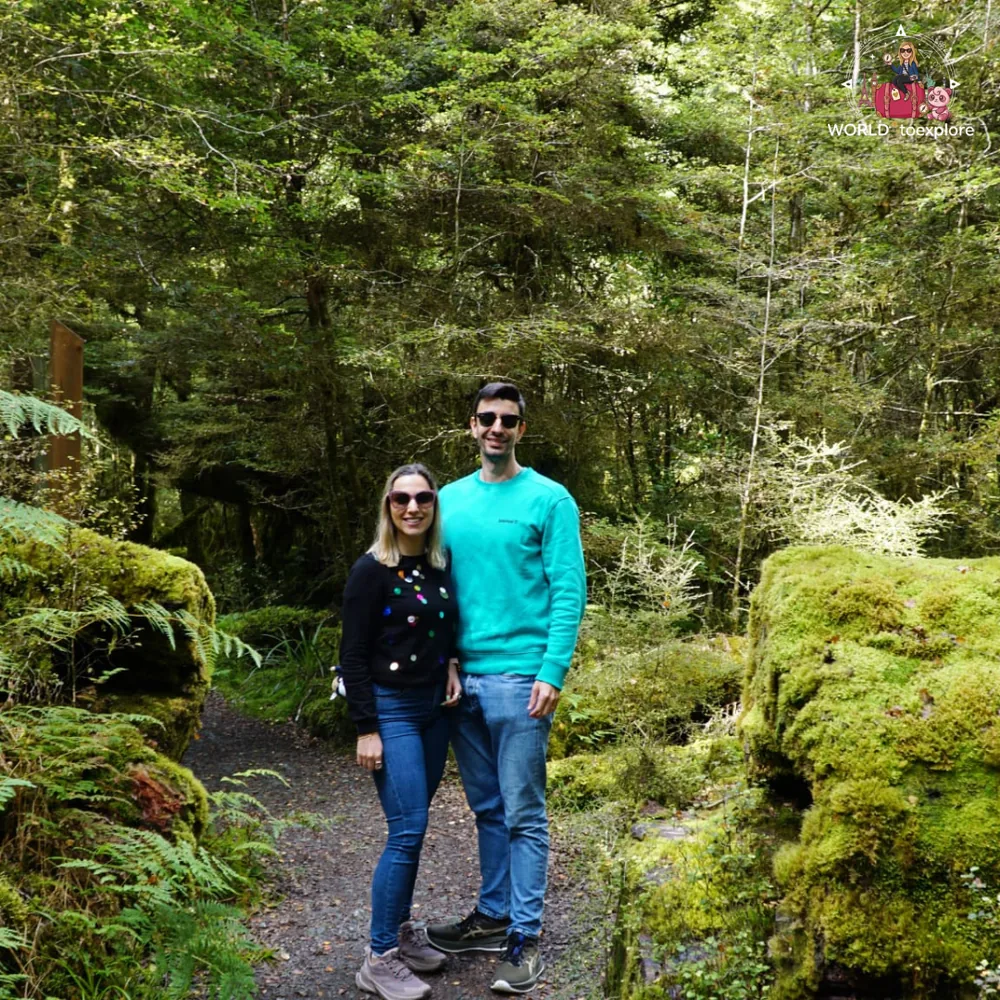
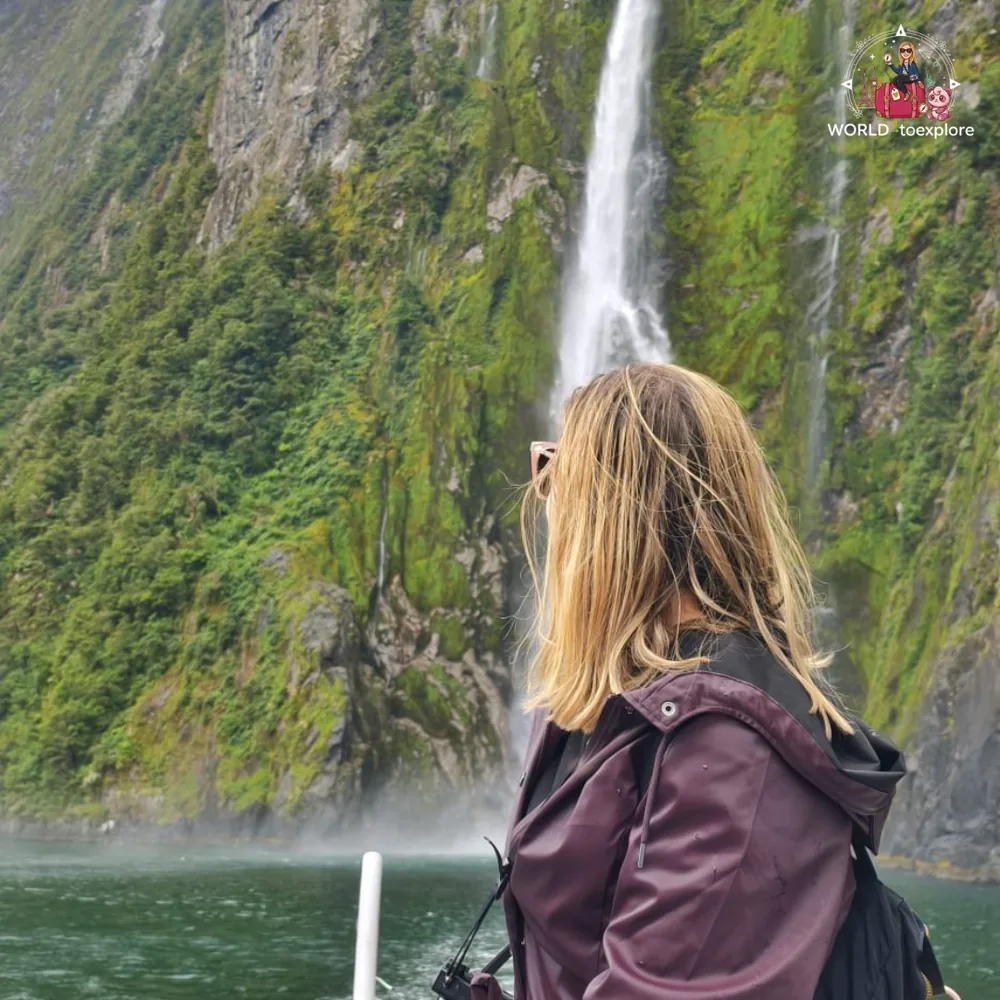
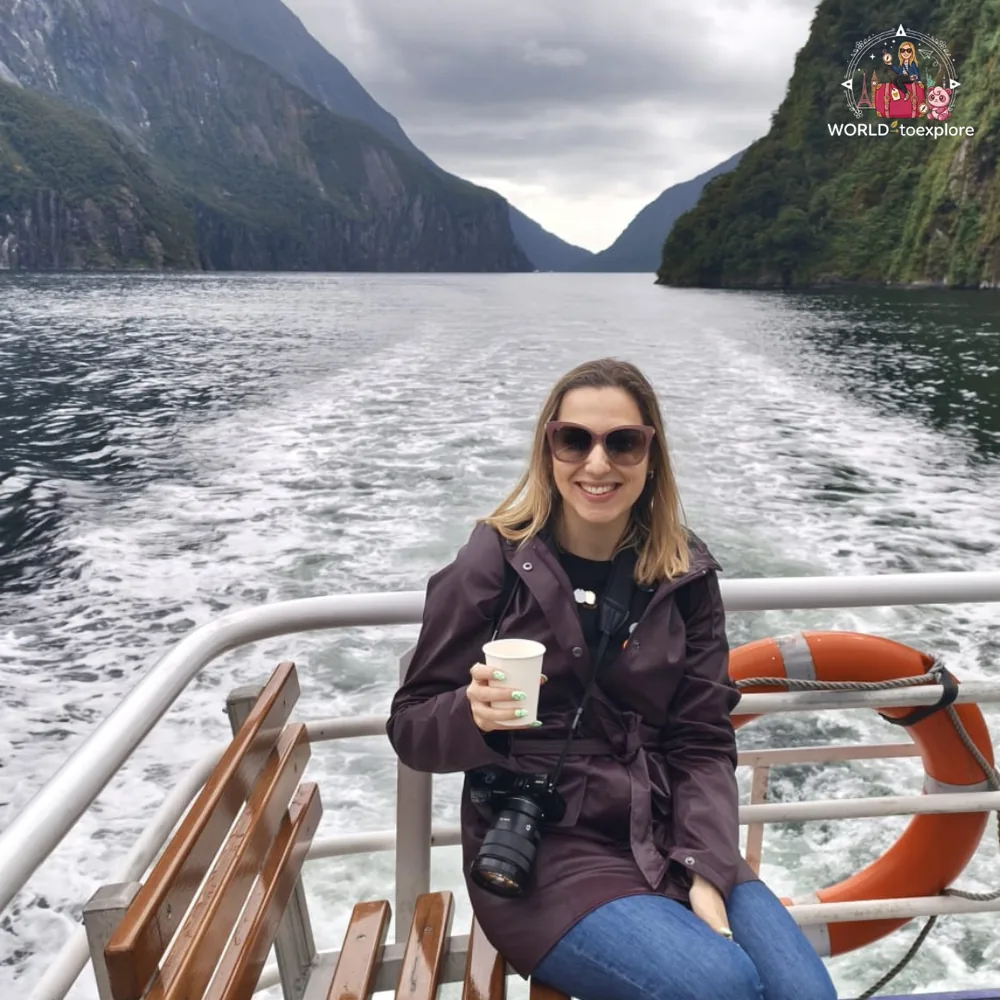
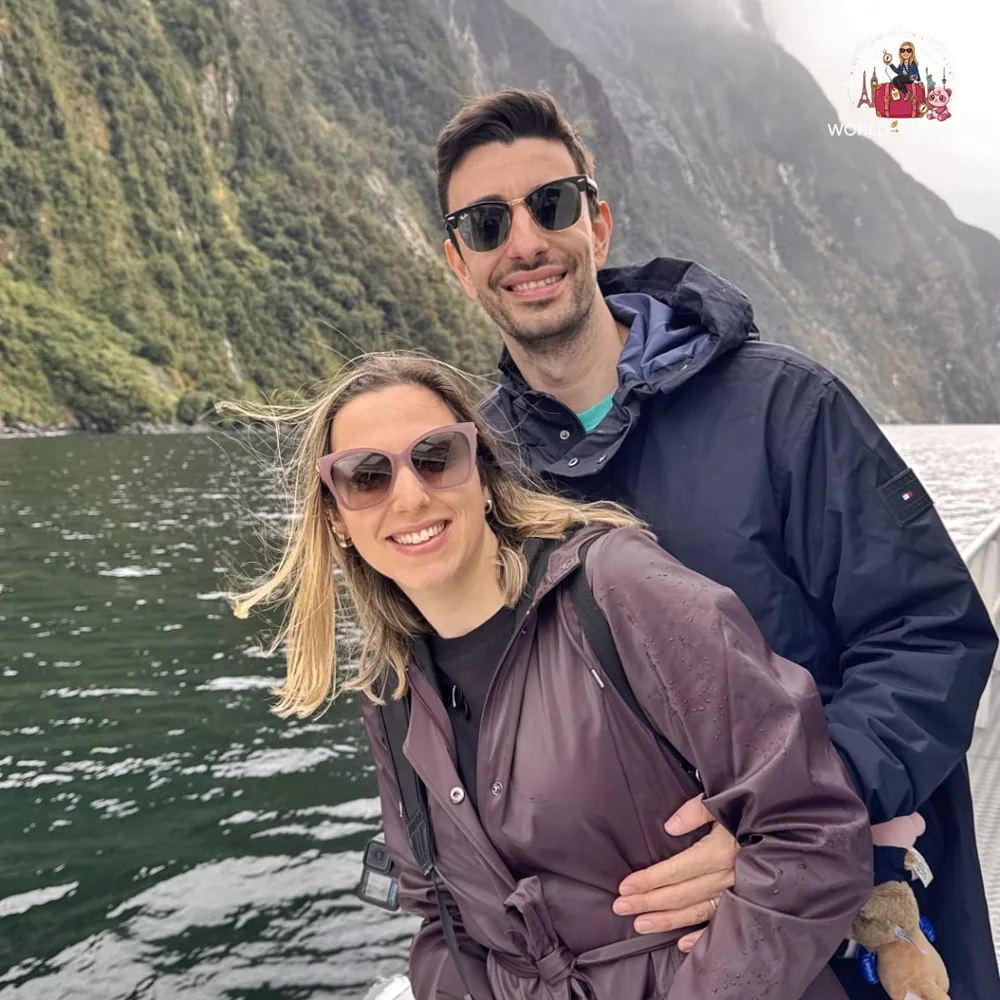
From there, we carried on to Milford Sound, one of the most beautiful roads we've ever driven, with several stops along the way for photos and panoramic views over mountains, forests and glacial valleys. Milford Sound was simply incredible. One of those places that seem unreal, with mountains plunging straight into the water and waterfalls peeking through the mist. There is, however, one rather annoying detail: the sandflies. There are thousands of them, they appear out of nowhere the moment you stop the car, and for someone who hates insects like me they were almost unbearable. To make it worse, the bites lasted almost a month. Even so, it was all worth it. We did the cruise through the fjord, which makes up for any sandfly, complete with seals peeking out of the water. We headed back to Te Anau for dinner and to rest, without a single insect in sight this time, thankfully.
Day 4: From Te Anau to Wanaka
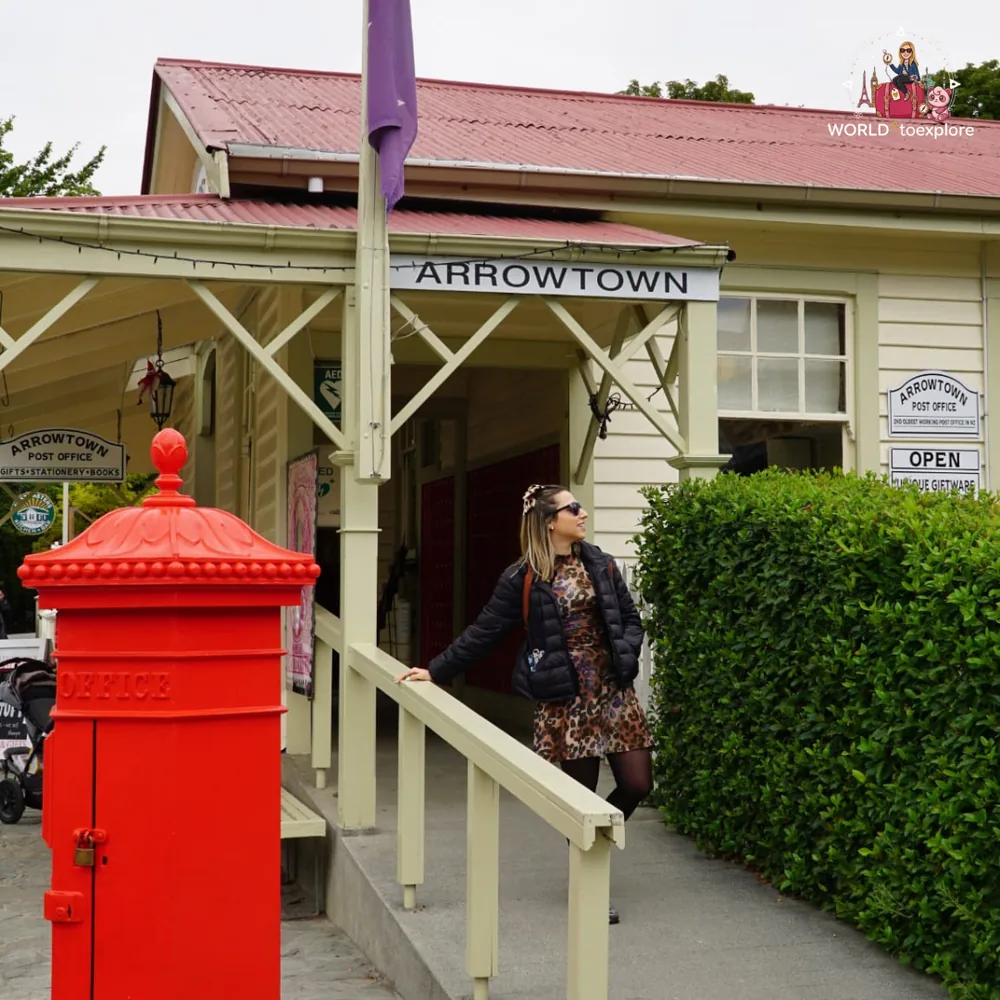
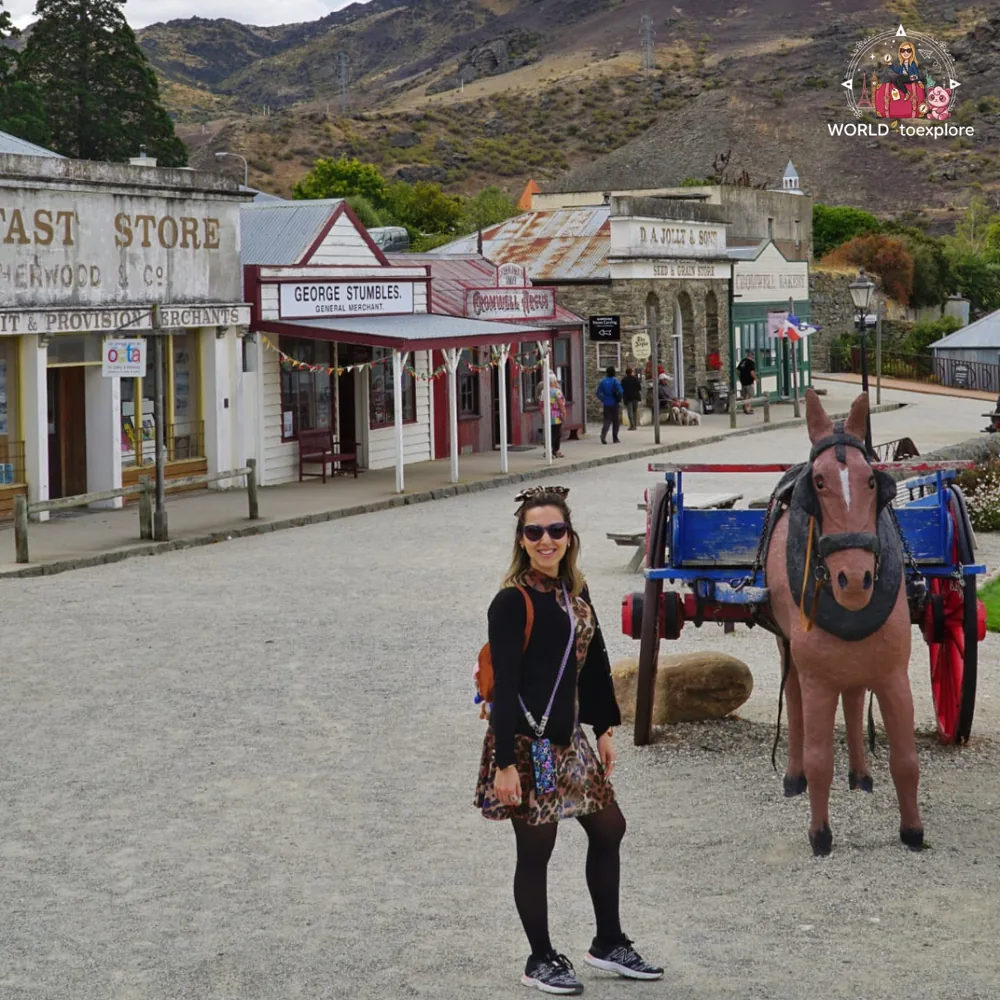
A day on the road with several stops along the way — the kind where you spend more time getting in and out of the car than actually driving. We passed by Lake Hayes, the picturesque Arrowtown, the Kawarau Gorge (one of the country's main bungee jumping spots) and Cromwell, before reaching Wanaka.
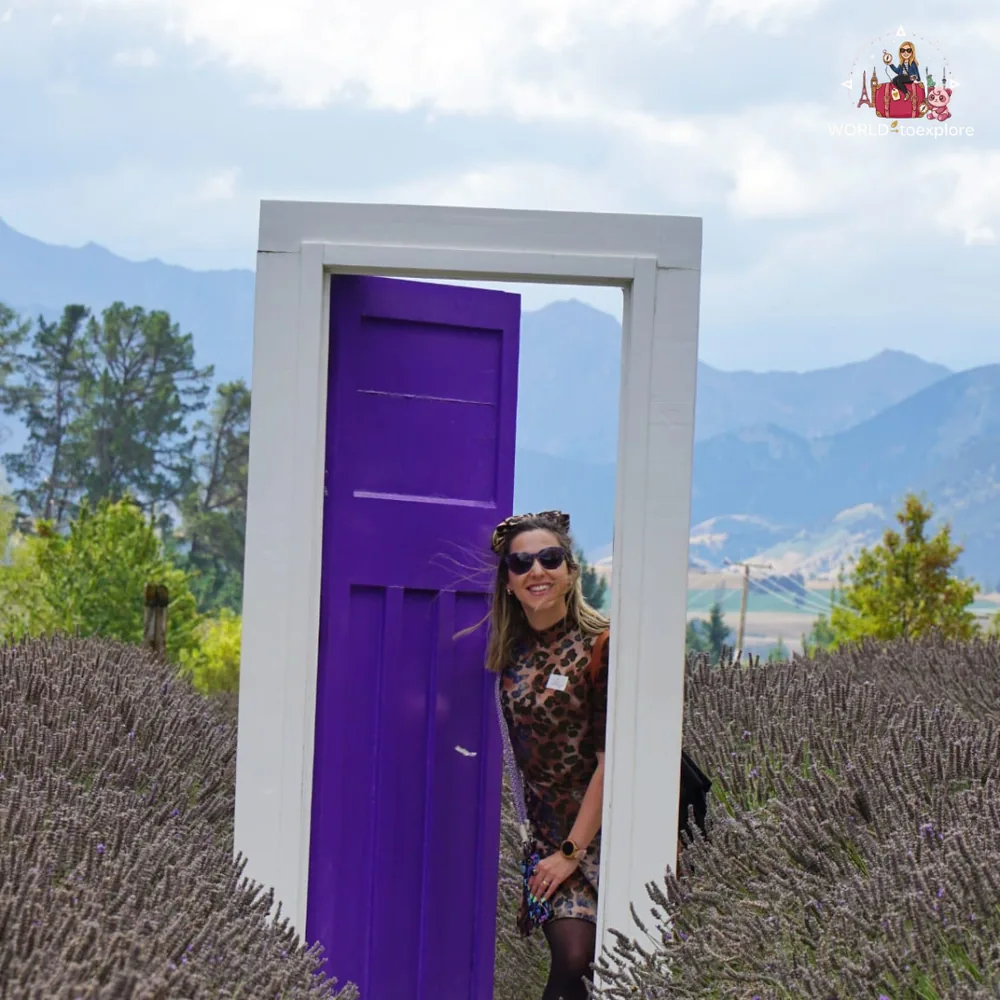
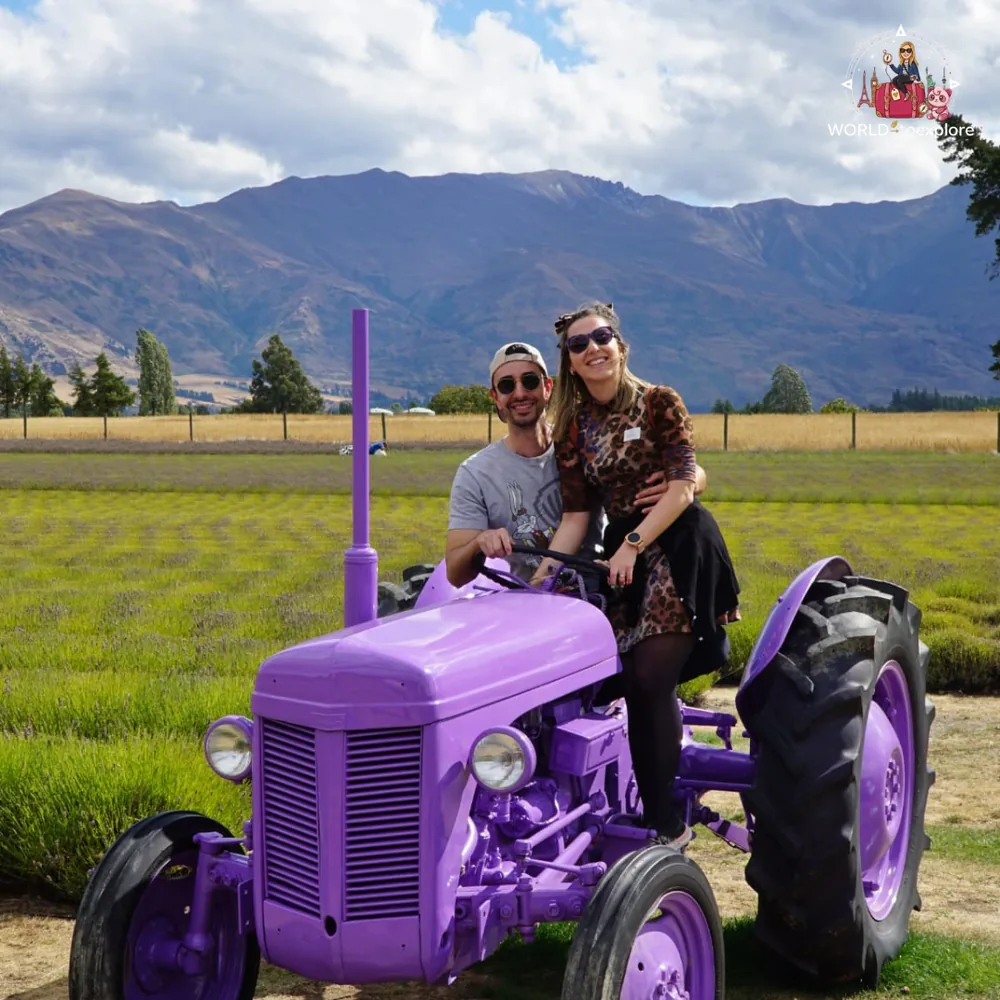
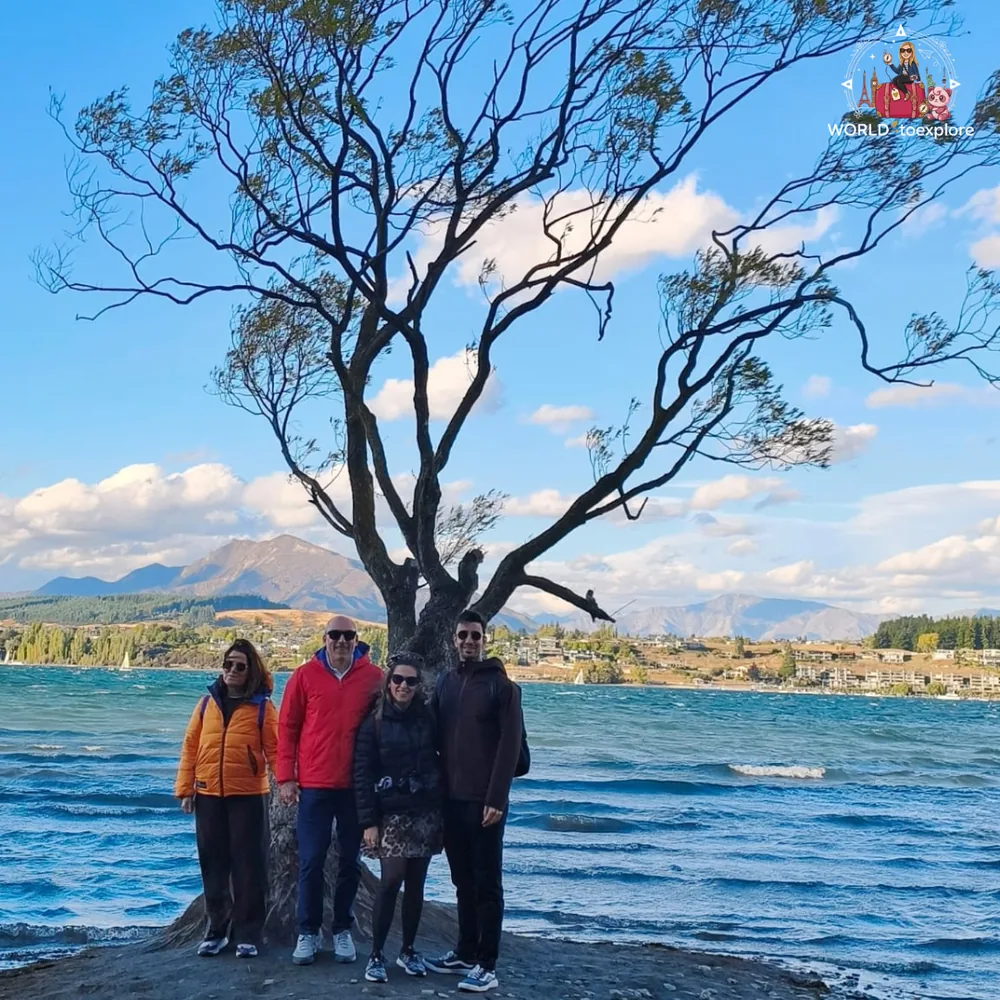
And here's one of the most memorable moments of the trip: the Wanaka Lavender Farm. There were loads of bees — and when I say loads, I mean loads, to the point where just looking at the lavender fields was a little unsettling. Even so, the photos we took turned out simply incredible, with the purple fields stretching out of sight and the mountains in the background. We ended the day with a walk along the lake in Wanaka, including the famous "That Wanaka Tree", that lone tree standing in the water that we'd already seen in a thousand photos before seeing it in person. The wind was something hard to describe.

Day 5: From Wanaka to Lake Tekapo
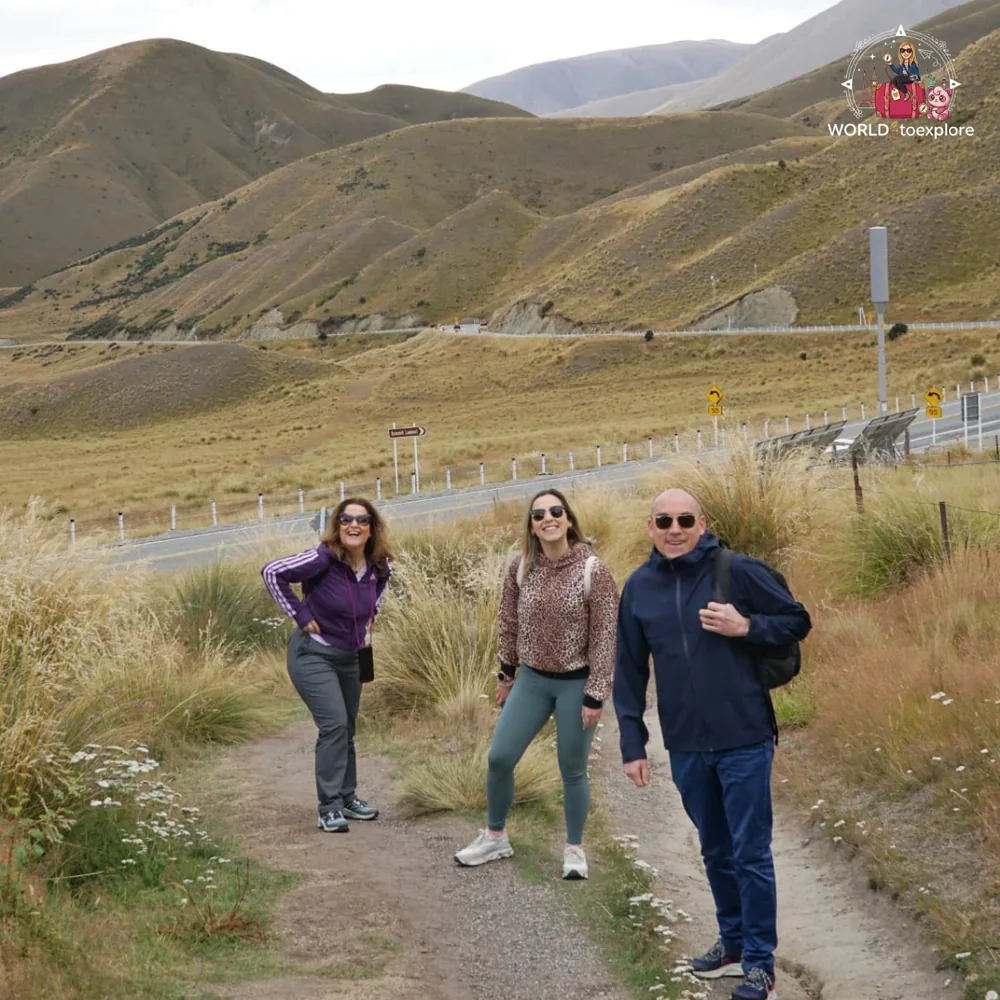
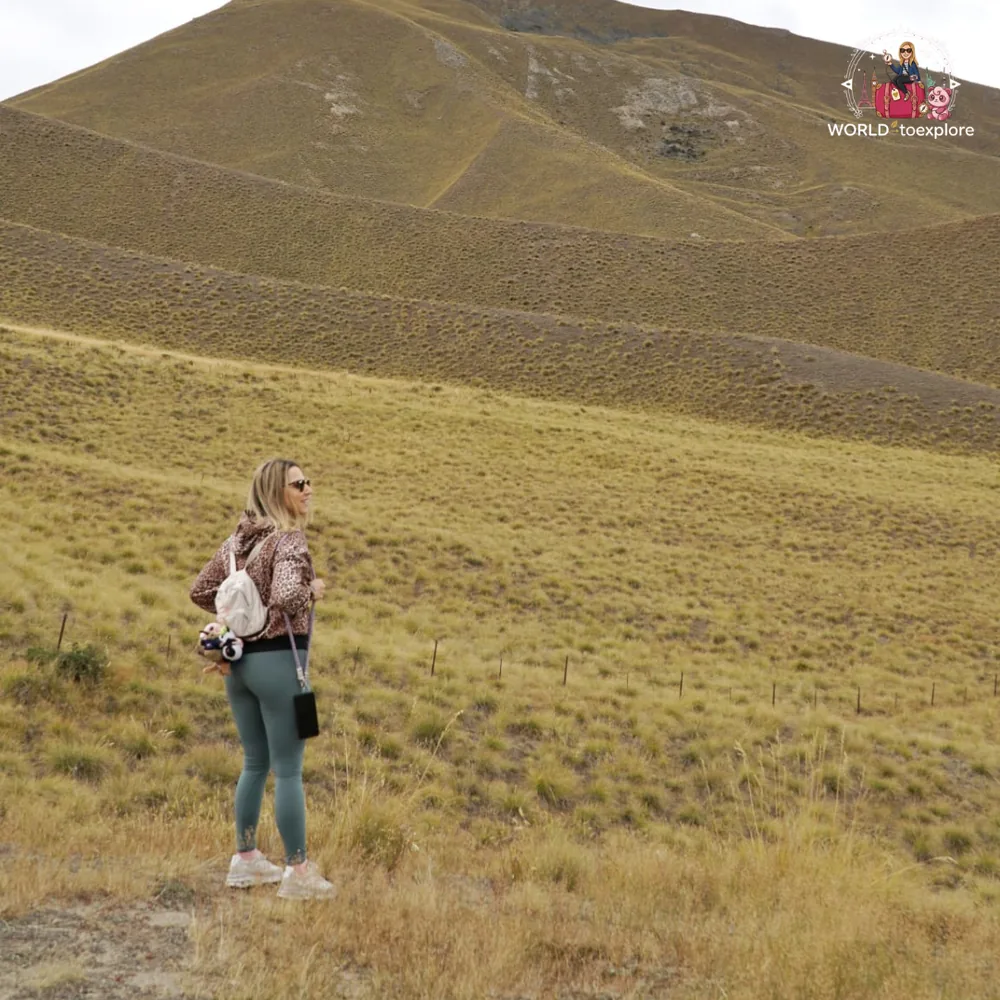
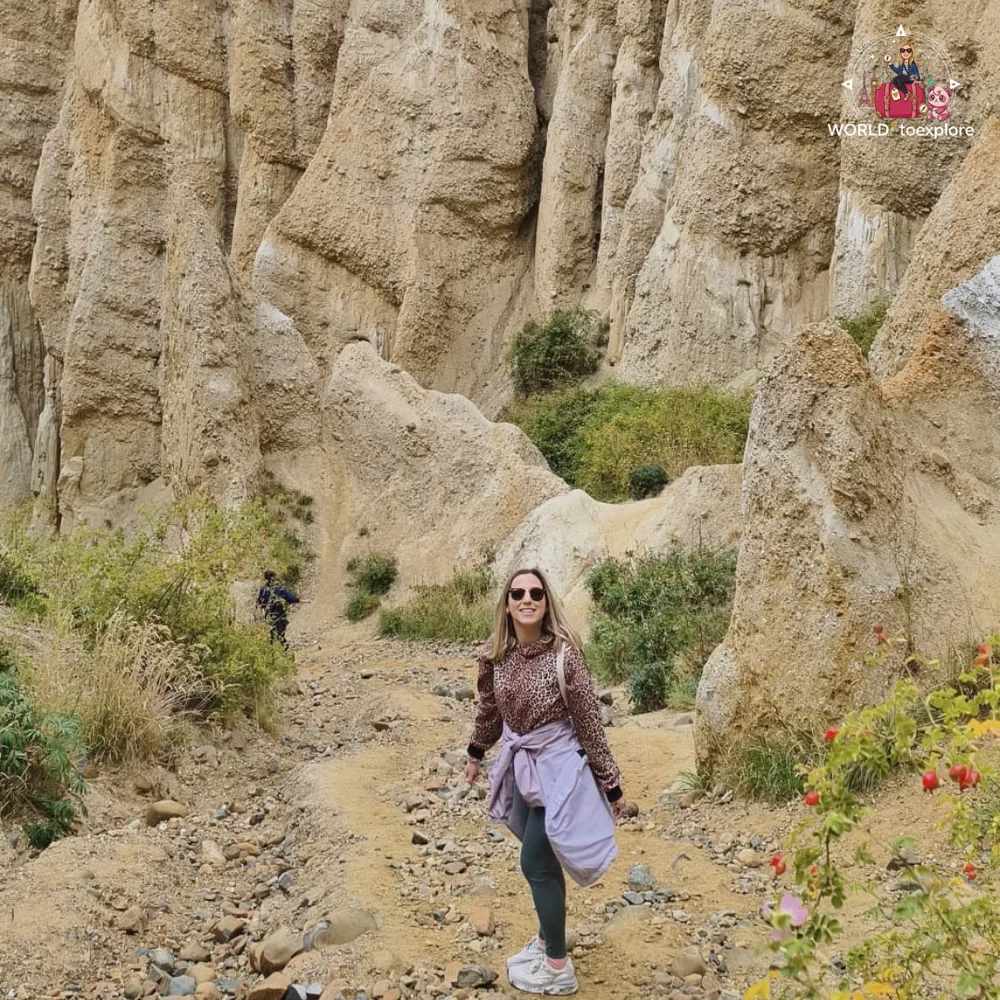
Another day on the road full of unforgettable landscapes and must-see stops. We started by crossing the Lindis Pass, with its golden hills that look like they've come out of a painting, and continued to the Clay Cliffs, where the impressive rock formations resemble genuine natural sculptures. We got there via a dirt road in the middle of nowhere, which makes the surprise even greater when you finally have them in front of you.
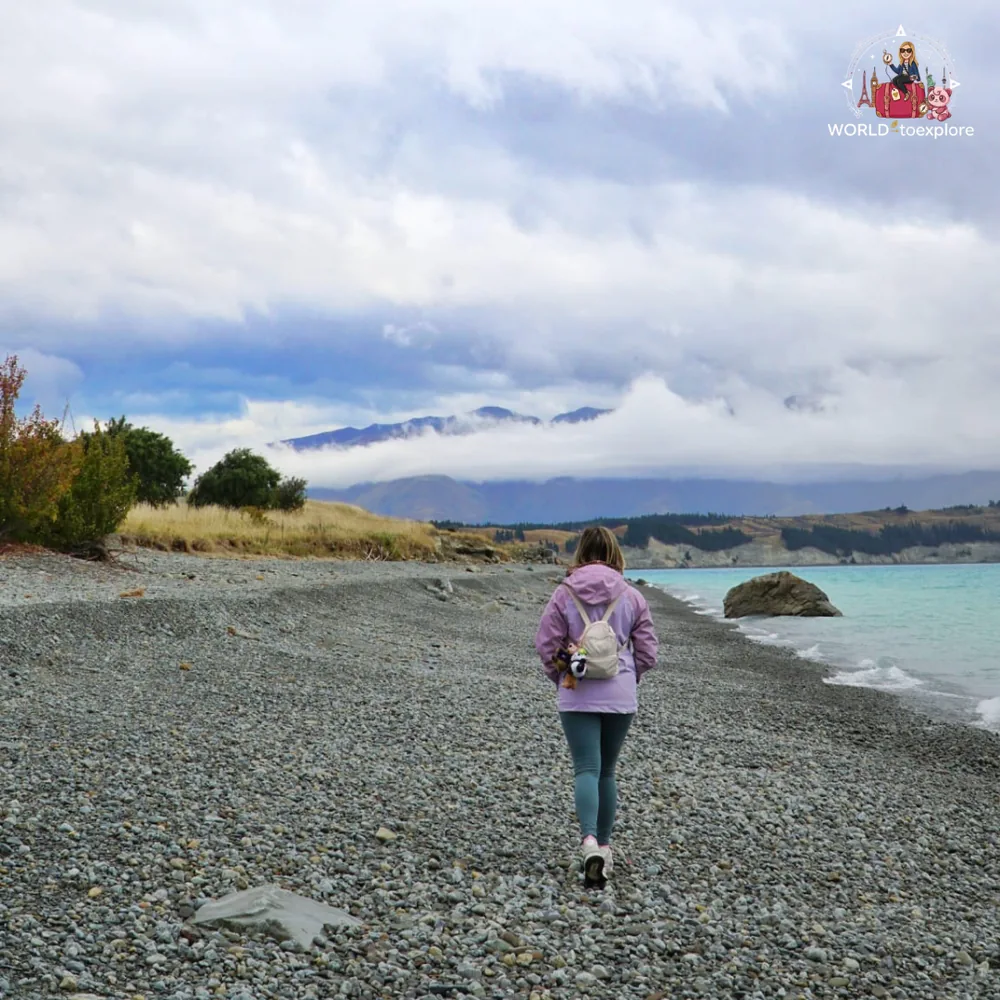
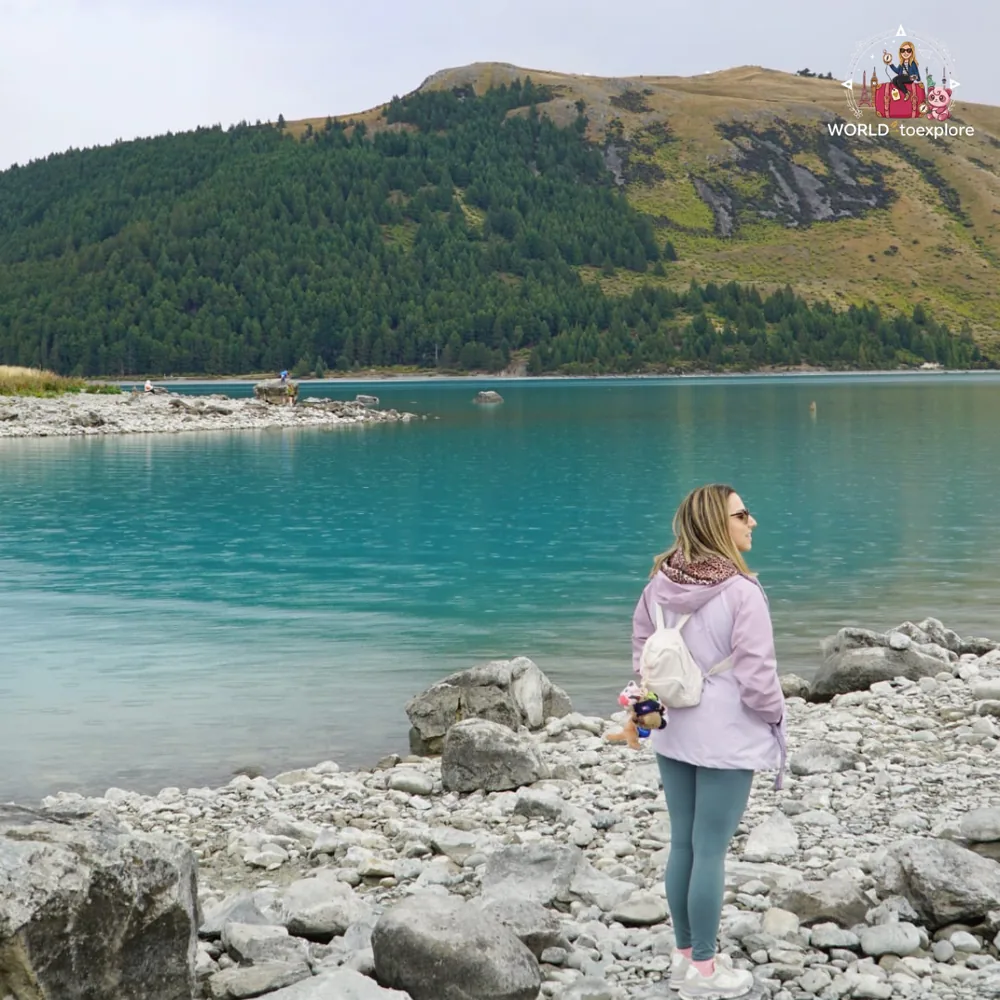
Along the way we also got our first views of Lake Pukaki, with its milky blue almost impossible to describe and Mount Cook standing out on the horizon — a spoiler of the adventure that awaited us the next day. Before ending the day, we stopped at the iconic Church of the Good Shepherd, a small stone chapel built on the lakeshore, as simple as it is charming. We reached Lake Tekapo in the late afternoon, where we spent the night.
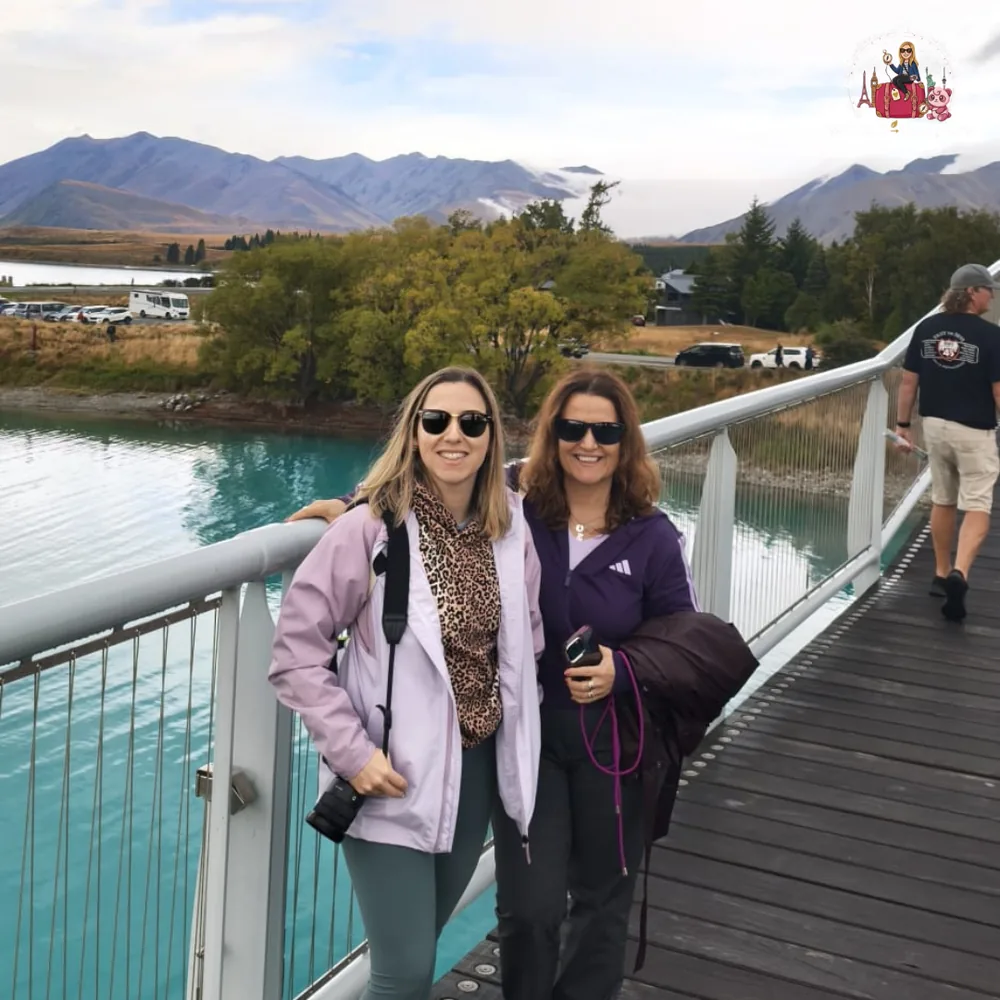
Day 6: Mount Cook and Tasman Glacier Lake
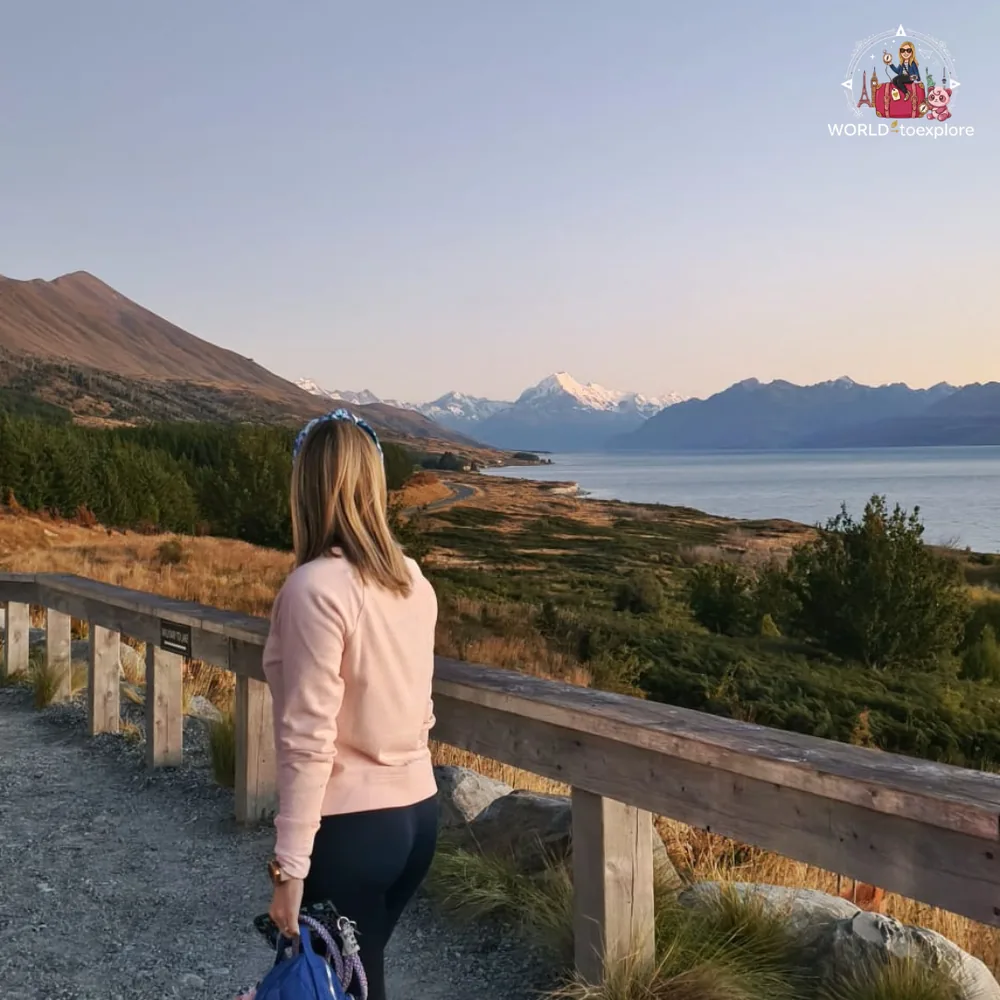
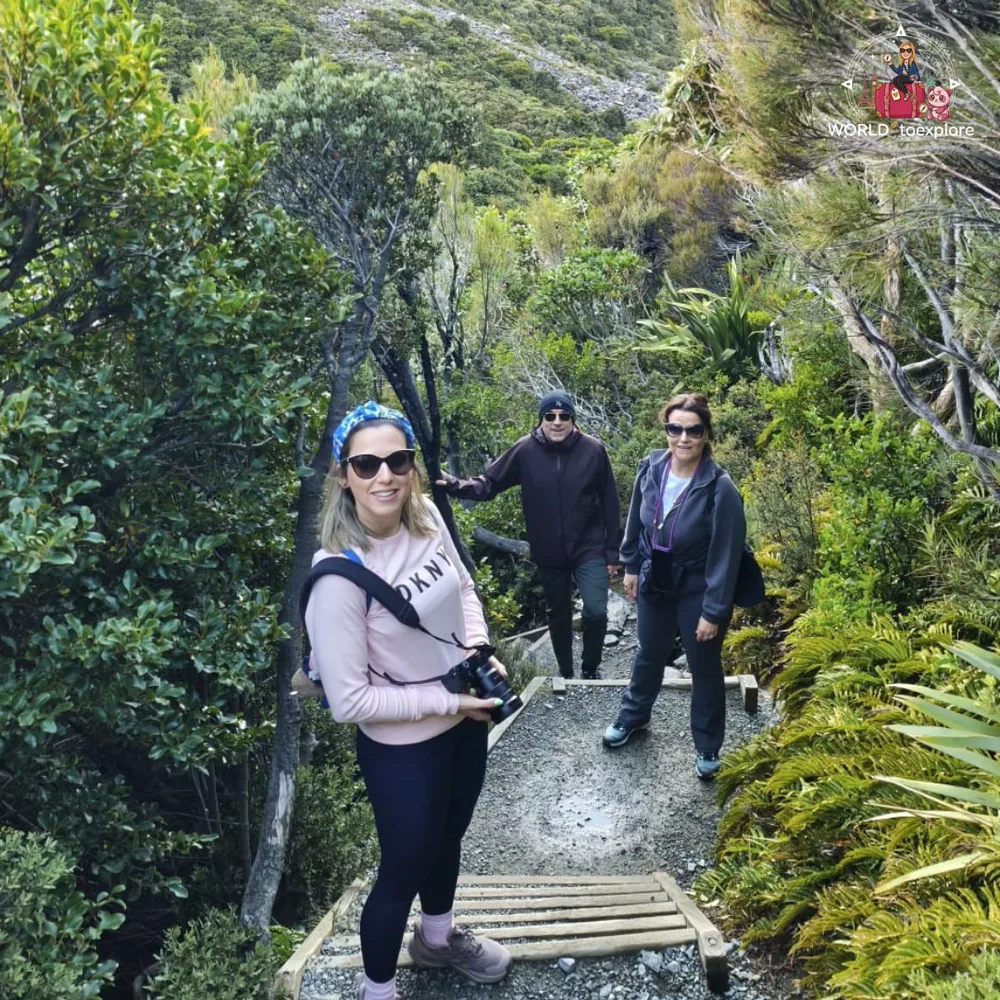
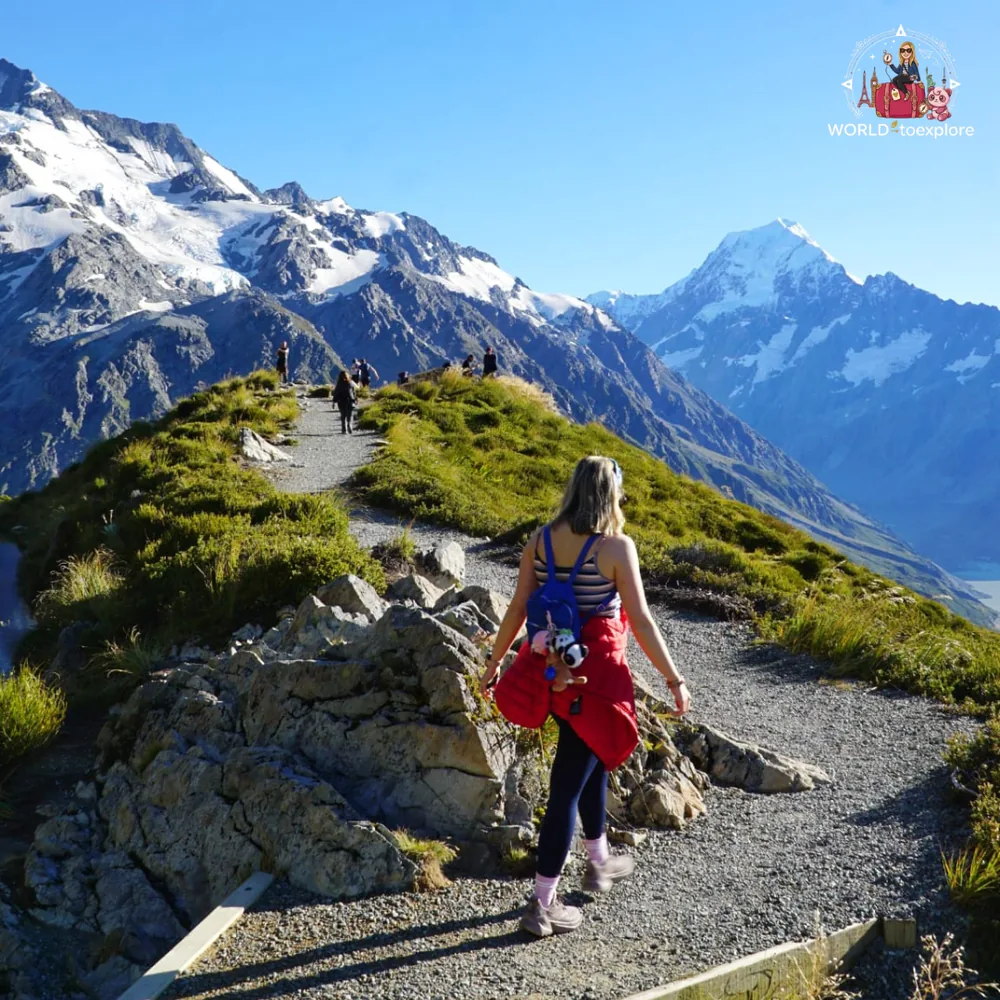
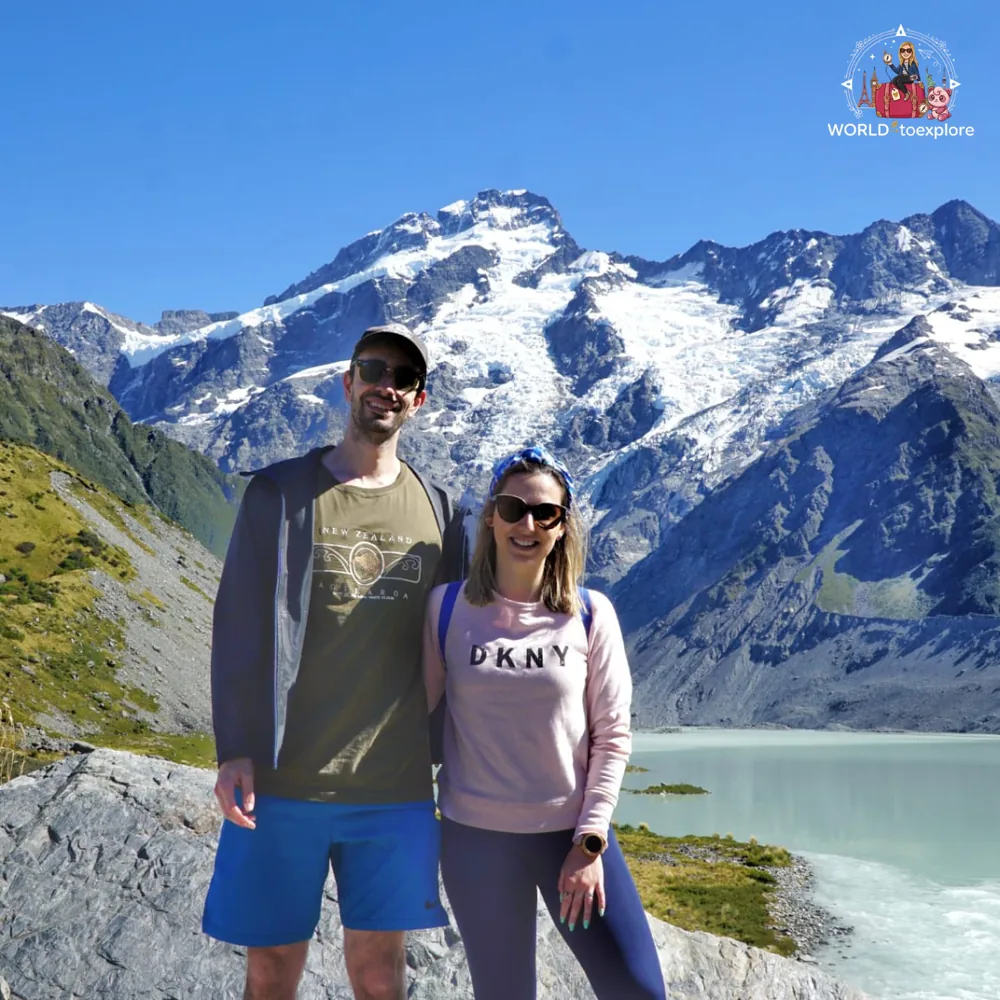
If I had to choose just one day from this whole trip, it would be this one. The weather couldn't have helped more: a sunny day, with completely clear skies, something rare in this part of New Zealand, and it made all the difference in being able to appreciate the surrounding landscapes. We started the morning with the Sealy Tarns Track, a fairly demanding climb (5.5 km round trip, 2,200 steps and 600 metres of elevation), but amply rewarded by the views of Mount Cook. Then we headed to the Hooker Valley Track. We ended up doing only about half of the route, but it was enough to cross the first suspension bridge and see up close the turquoise-blue colour of this glacial river's waters.
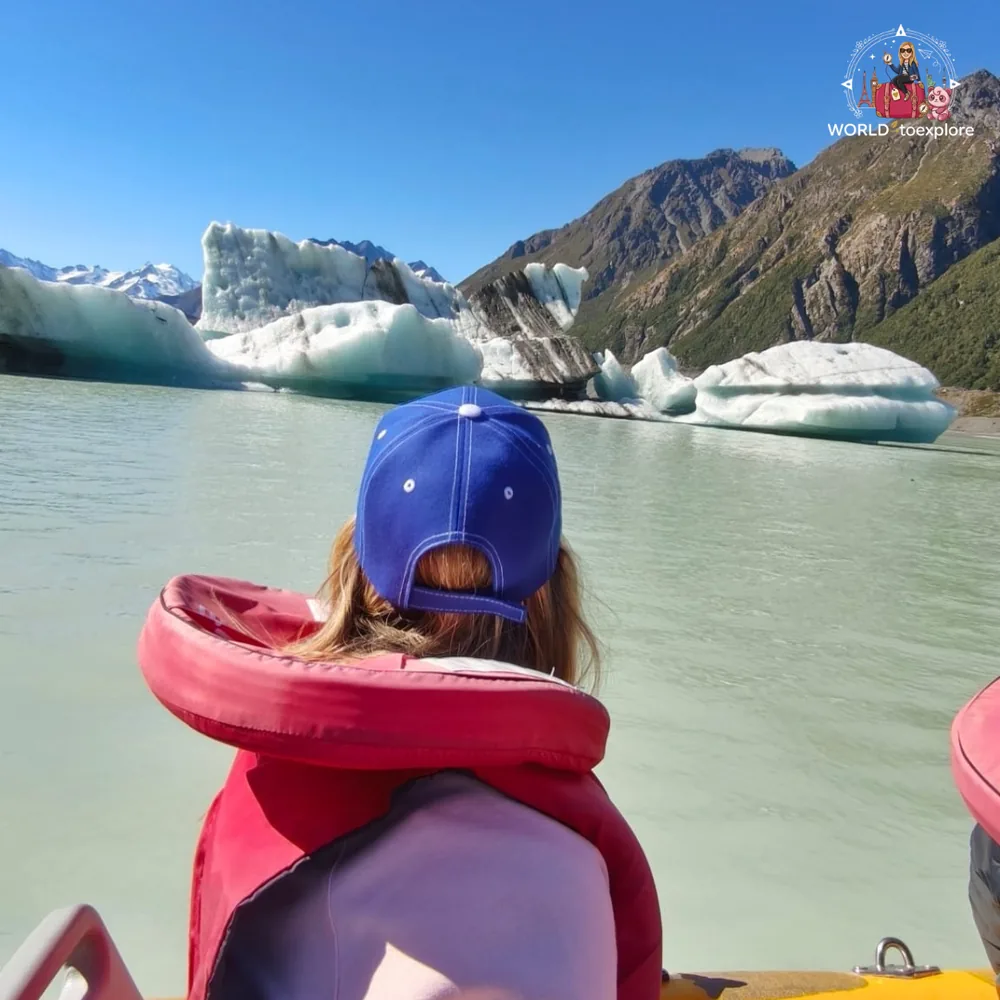
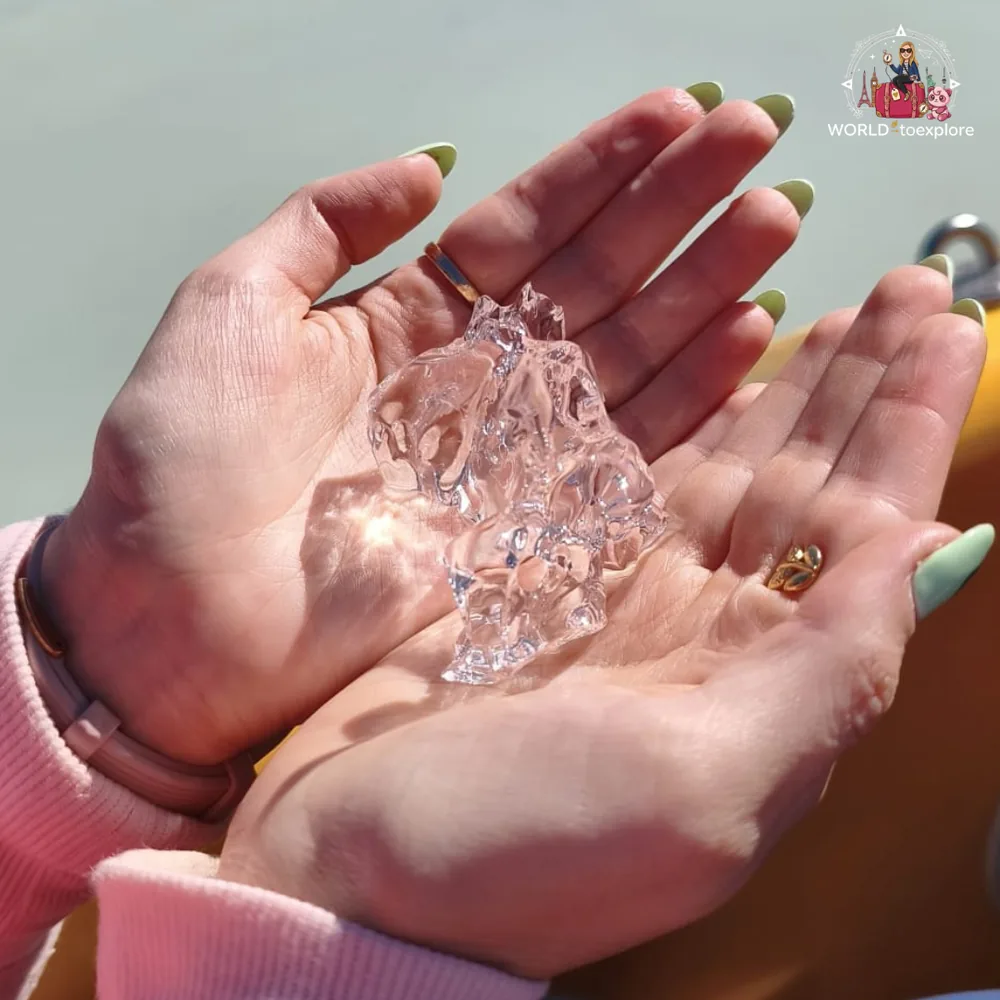
In the afternoon, we experienced one of the most striking moments of the whole trip: the boat trip on Tasman Glacier Lake, a lake formed by the melting of the glacier, where enormous blocks of ice float on the surface. We were lucky enough to watch one of those icebergs "flip" right in front of us — we were some very excited witnesses to the whole thing. The guide even let us hold a piece of glacier ice! I can confirm the ice really is cold. 😄 It was an experience completely different from anything we'd done before.
Day 7: Heading to Christchurch
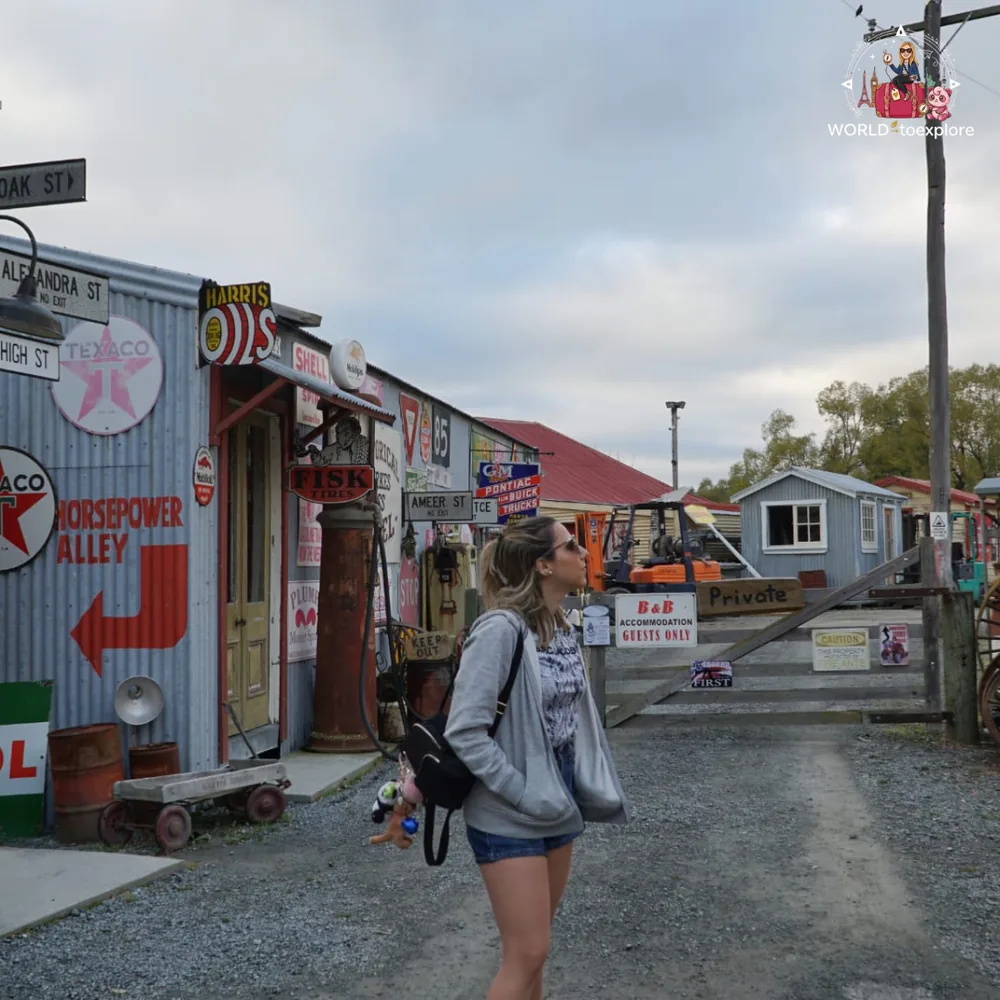
We left the Lake Tekapo region with stops in Fairlie and Geraldine, two small towns typical of New Zealand's interior, perfect for stretching our legs and grabbing something to eat. Along the way, we also stopped at an outlet on the outskirts of Christchurch to make the most of some discounts, before heading into the city and exploring it during the afternoon.
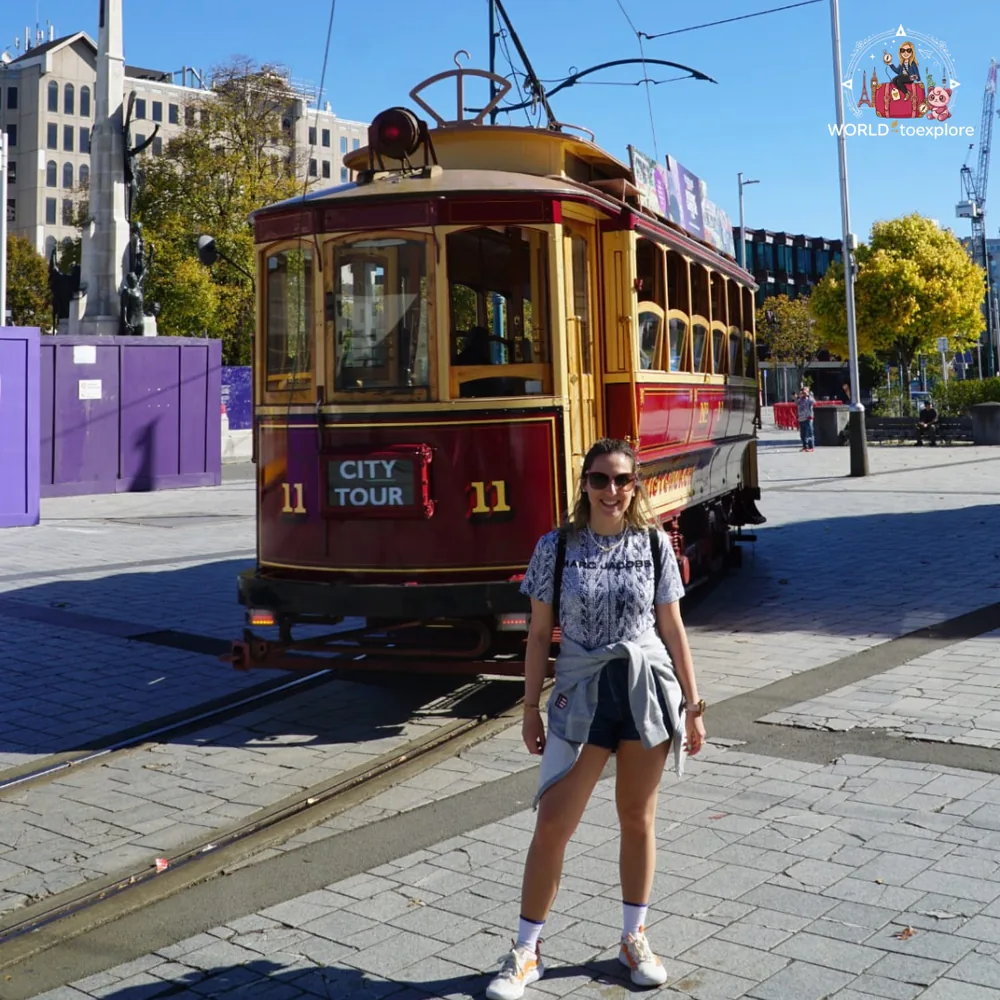
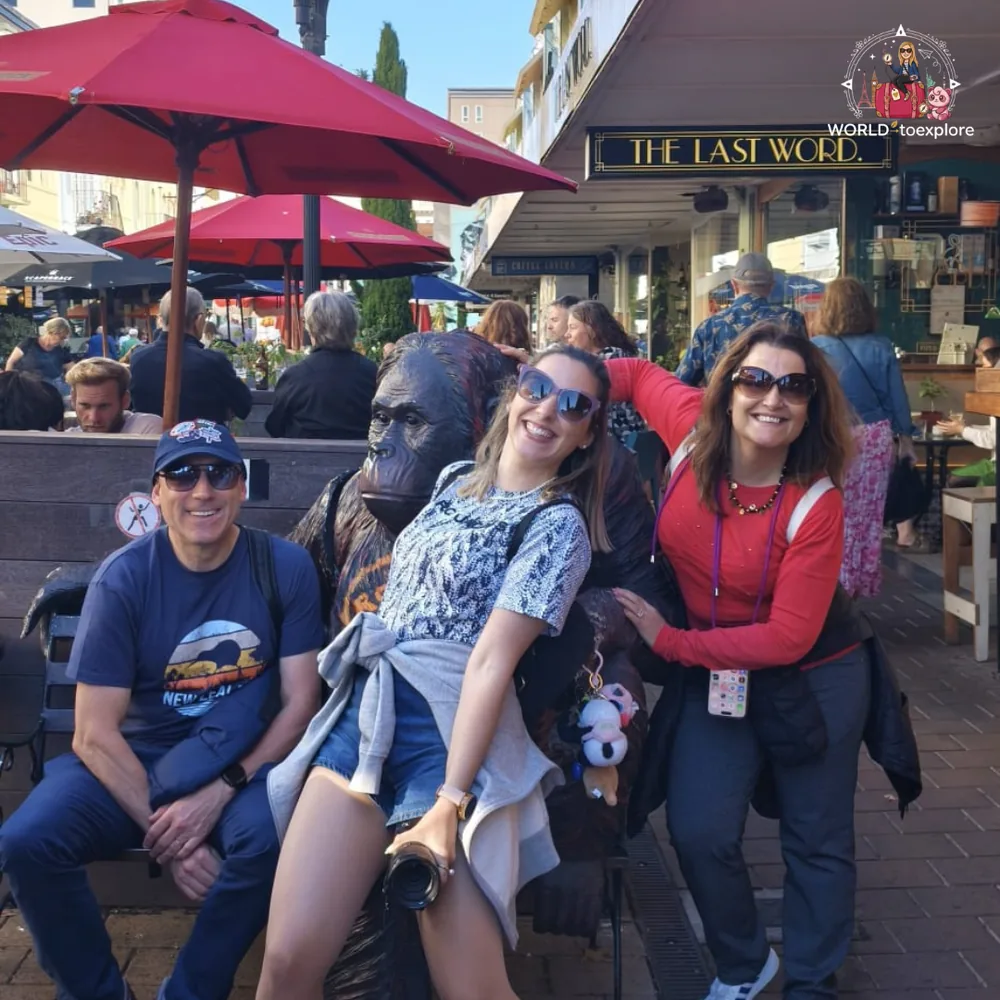
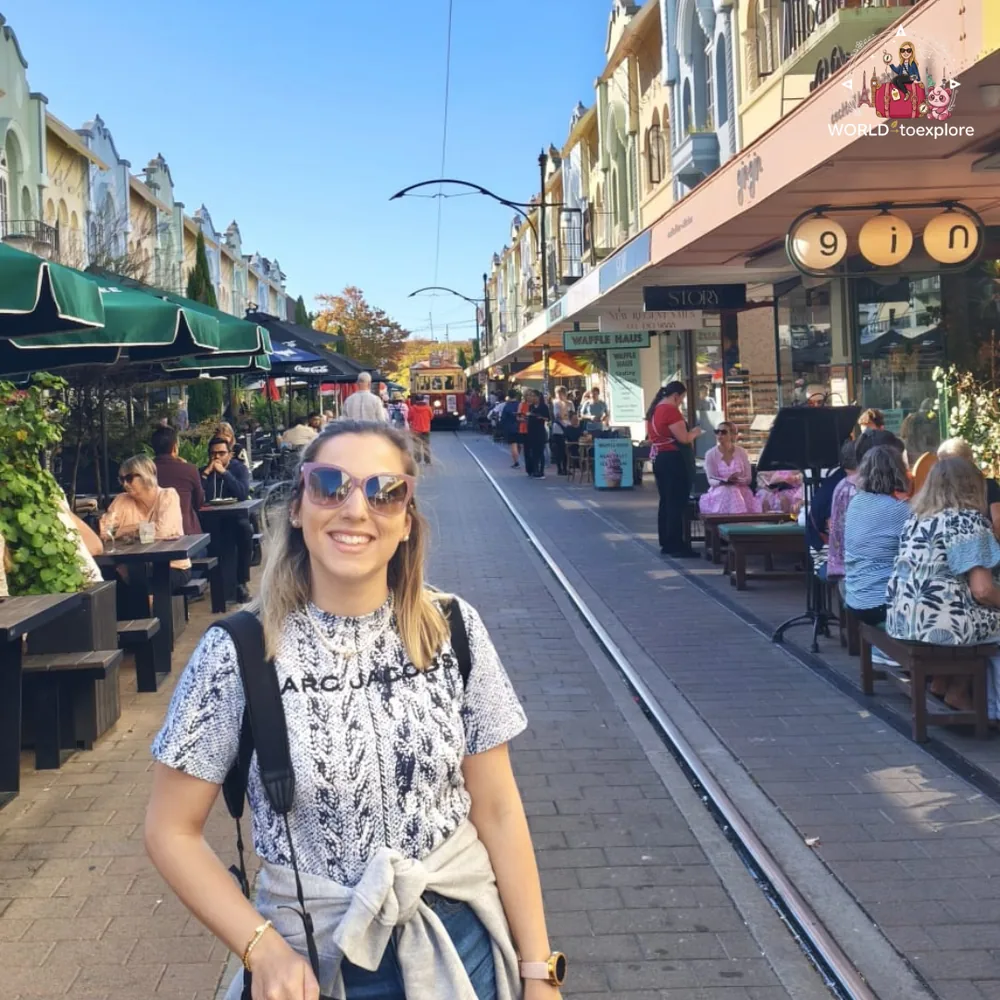
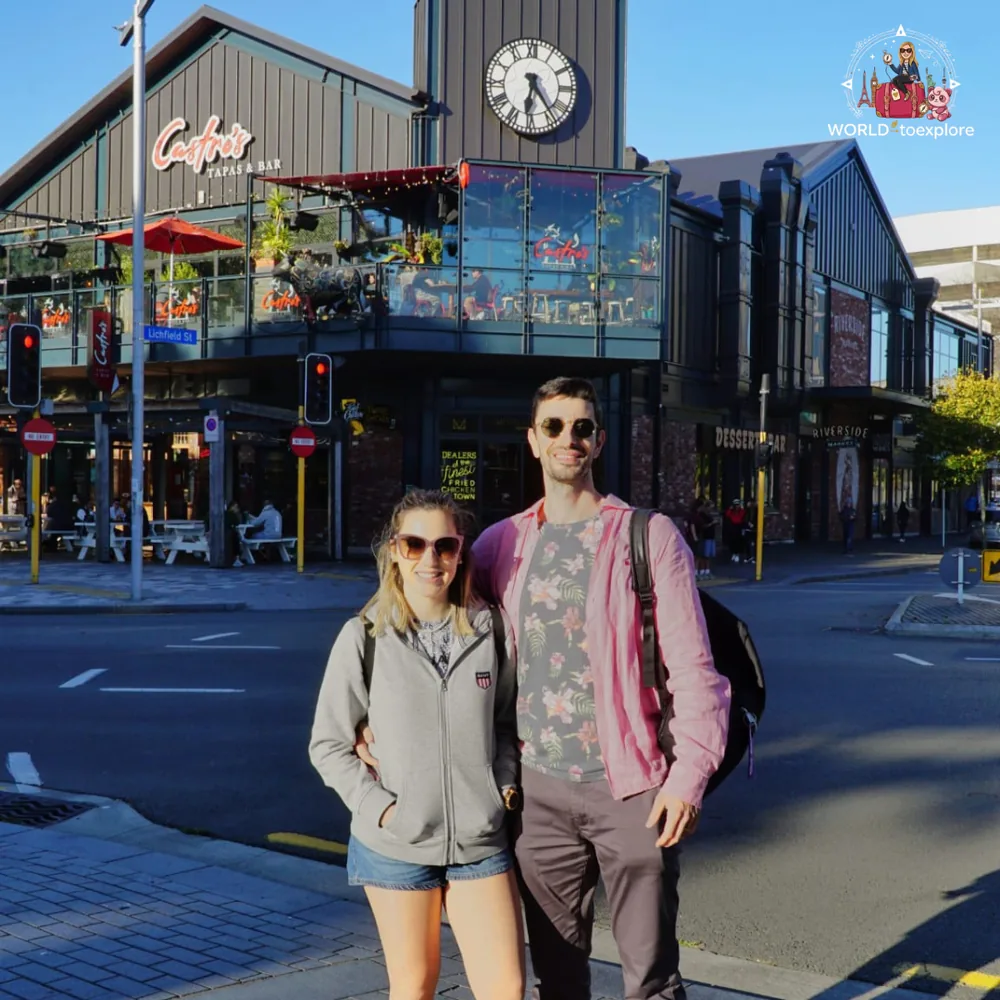
Christchurch is a city deeply marked by the sequence of earthquakes in 2010 and 2011, which completely transformed its historic centre. Cathedral Square is perhaps the best example of this: the old cathedral is still awaiting restoration, having been under works for several years now. At the same time, the city has reinvented itself, with places like the Cardboard Cathedral, built as a temporary solution and which ended up becoming one of its symbols. As we explored the city centre, we came across the historic trams several times — one of Christchurch's main symbols (I even bought a fridge magnet with a tram on it). We ended the day with a peaceful punt ride along the Avon River and dinner at the Amazonita restaurant, which was a simply delicious experience.
Day 8: Christchurch Botanic Gardens and on to Kaikōura
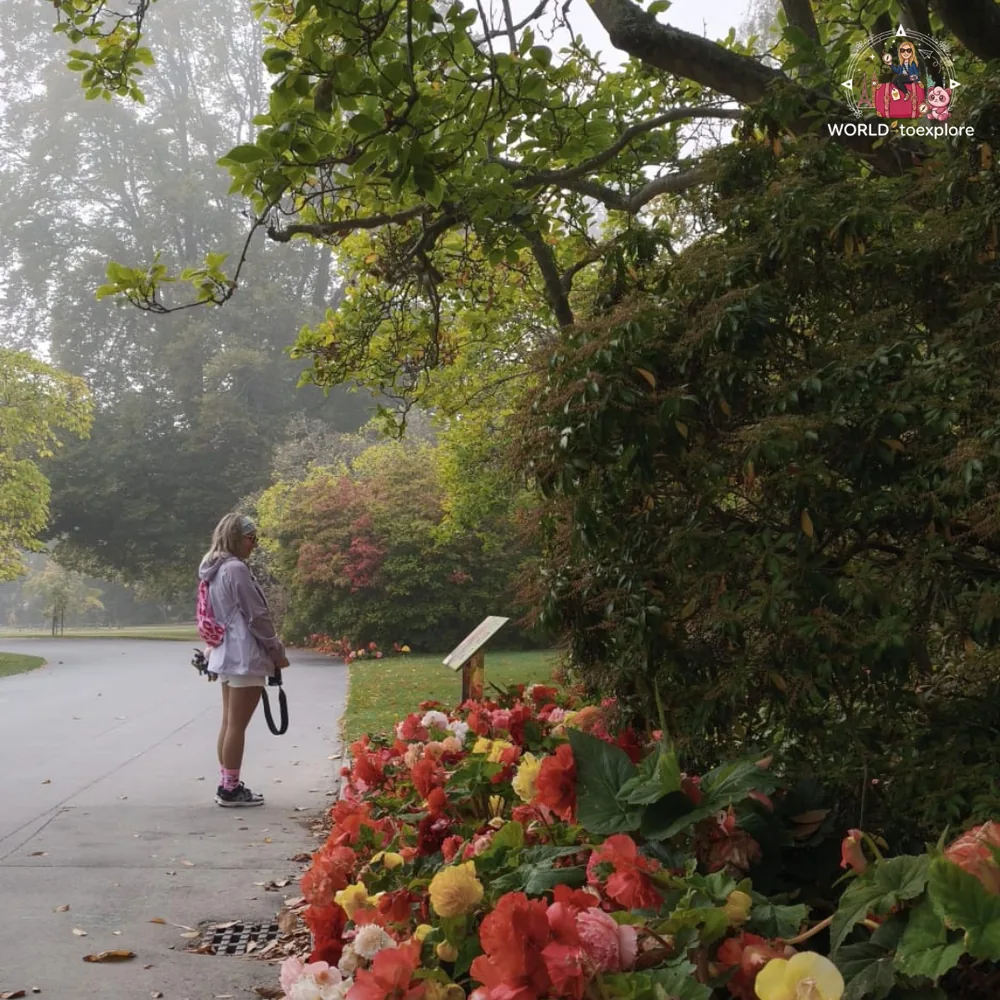
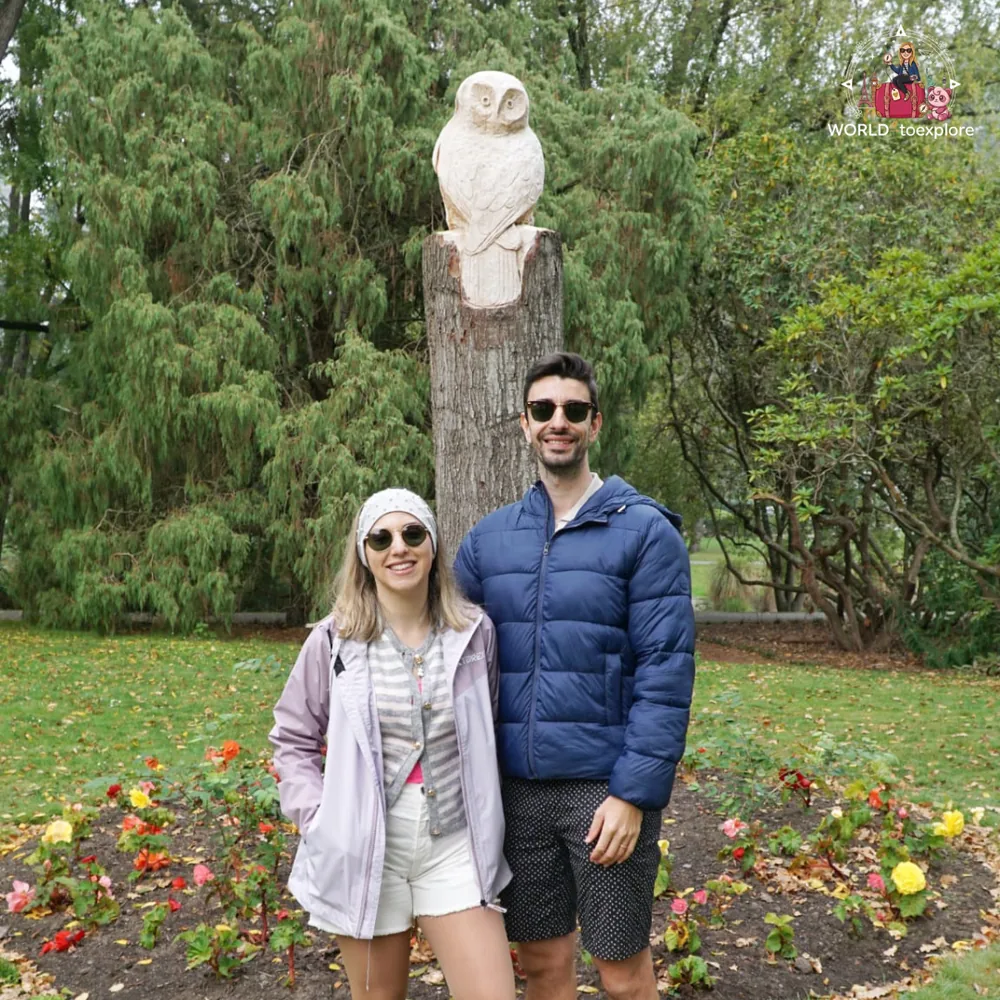
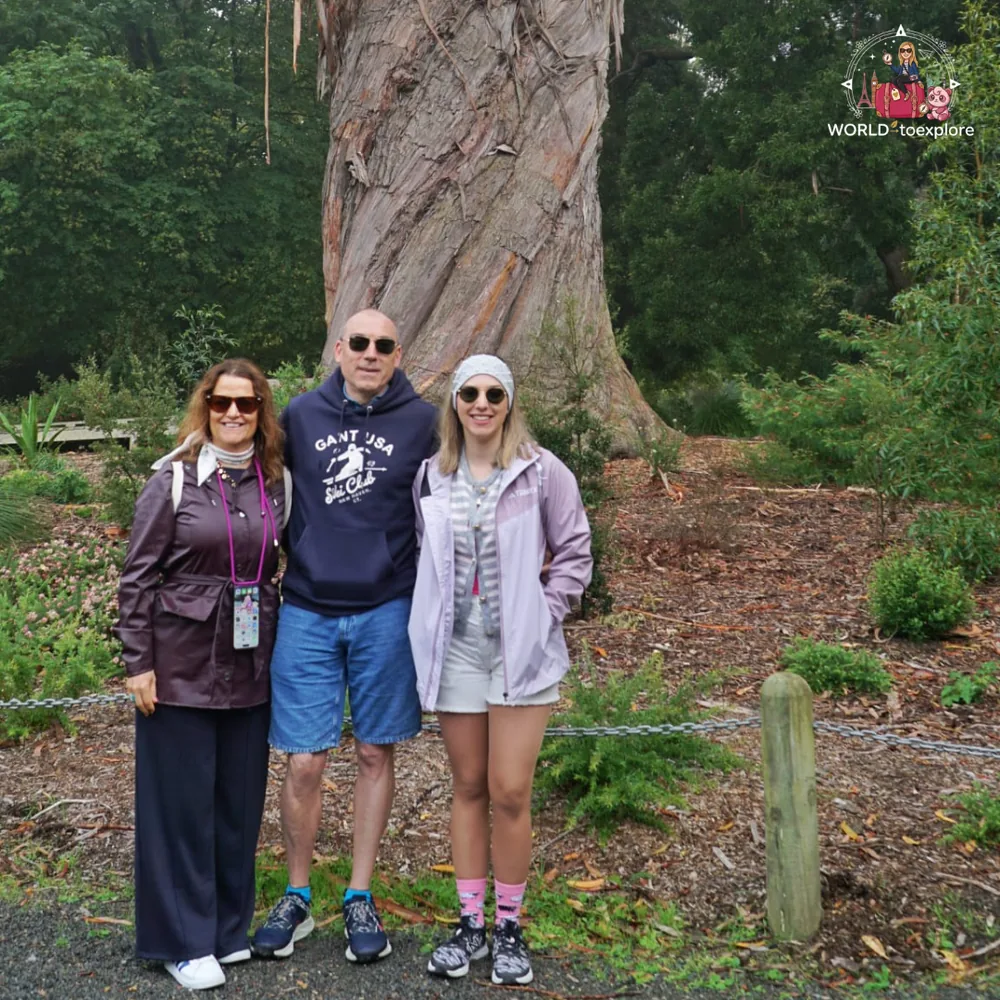
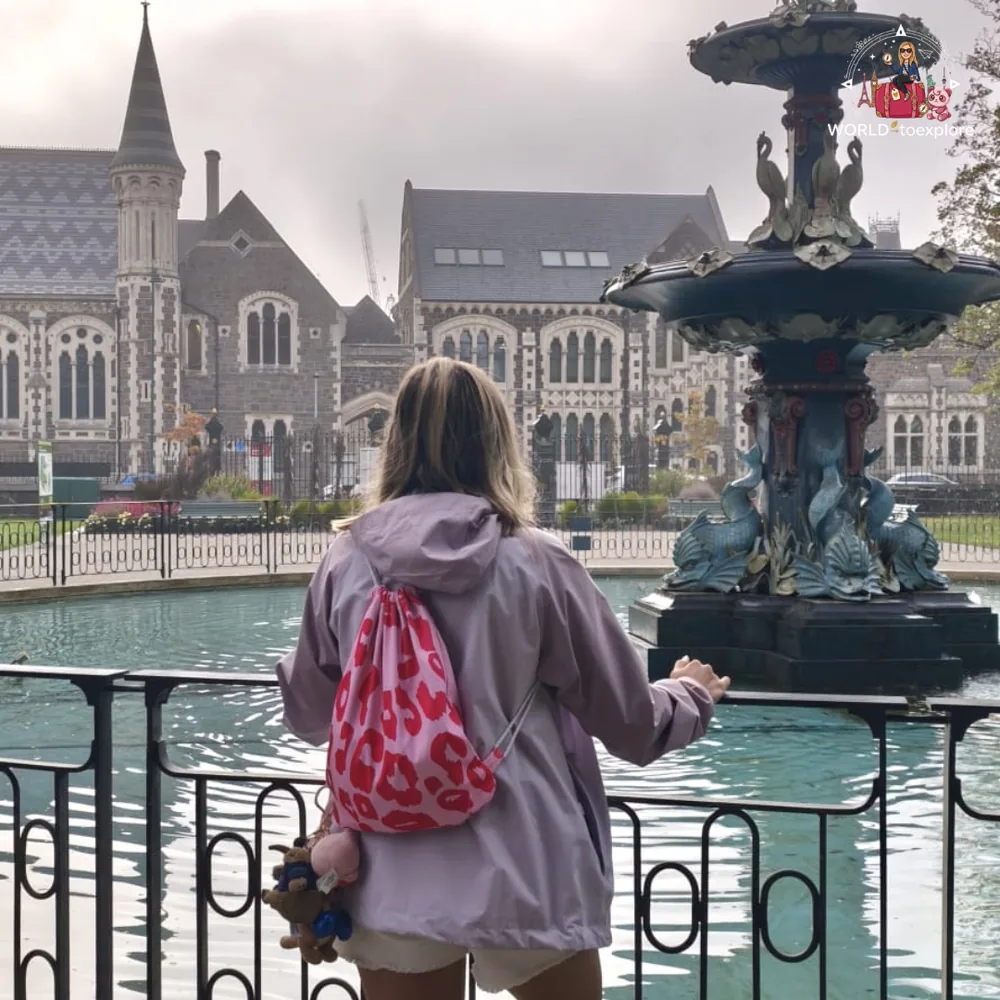
Before leaving Christchurch, we used the morning to visit the last attraction still on our list: the Botanic Gardens, a huge and very well-kept space, ideal for a quiet morning stroll before getting back on the road.
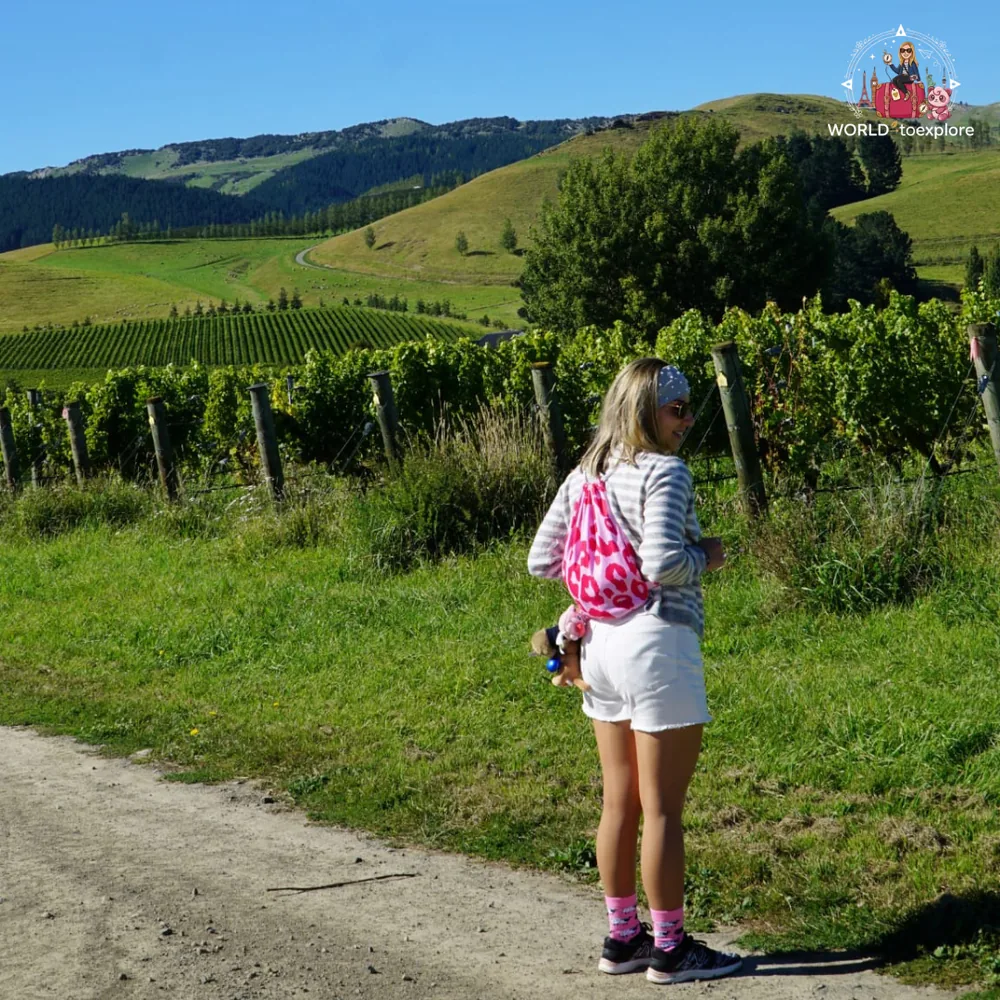
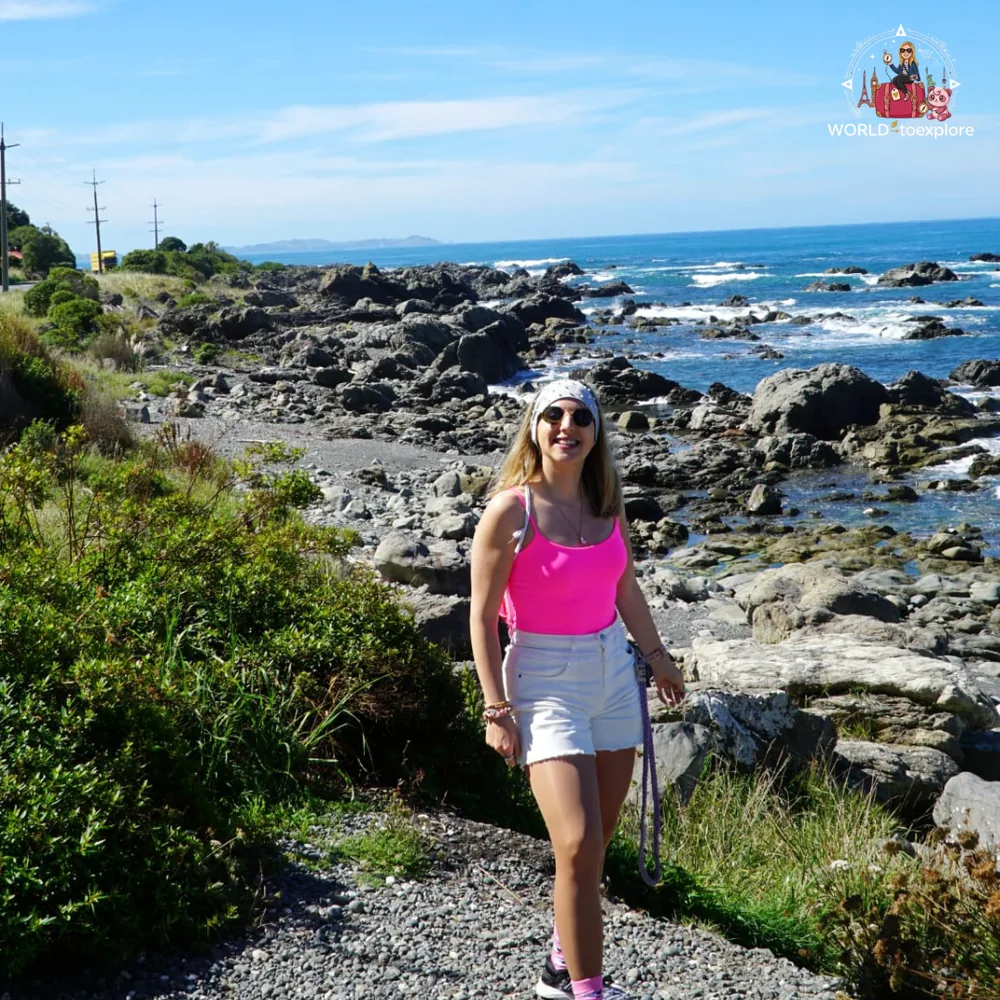
We then headed towards Kaikōura, a coastal town known for its incredible marine life. Along the way, we stopped to watch the seals, which were completely indifferent to our presence. Once in Kaikōura, we ended the day with a walk along the Kaikōura Peninsula, where the ocean views blend with the snow-capped mountains in the distance, creating a landscape that's really beautiful to take in.
Day 9: From Kaikōura to Wellington by ferry
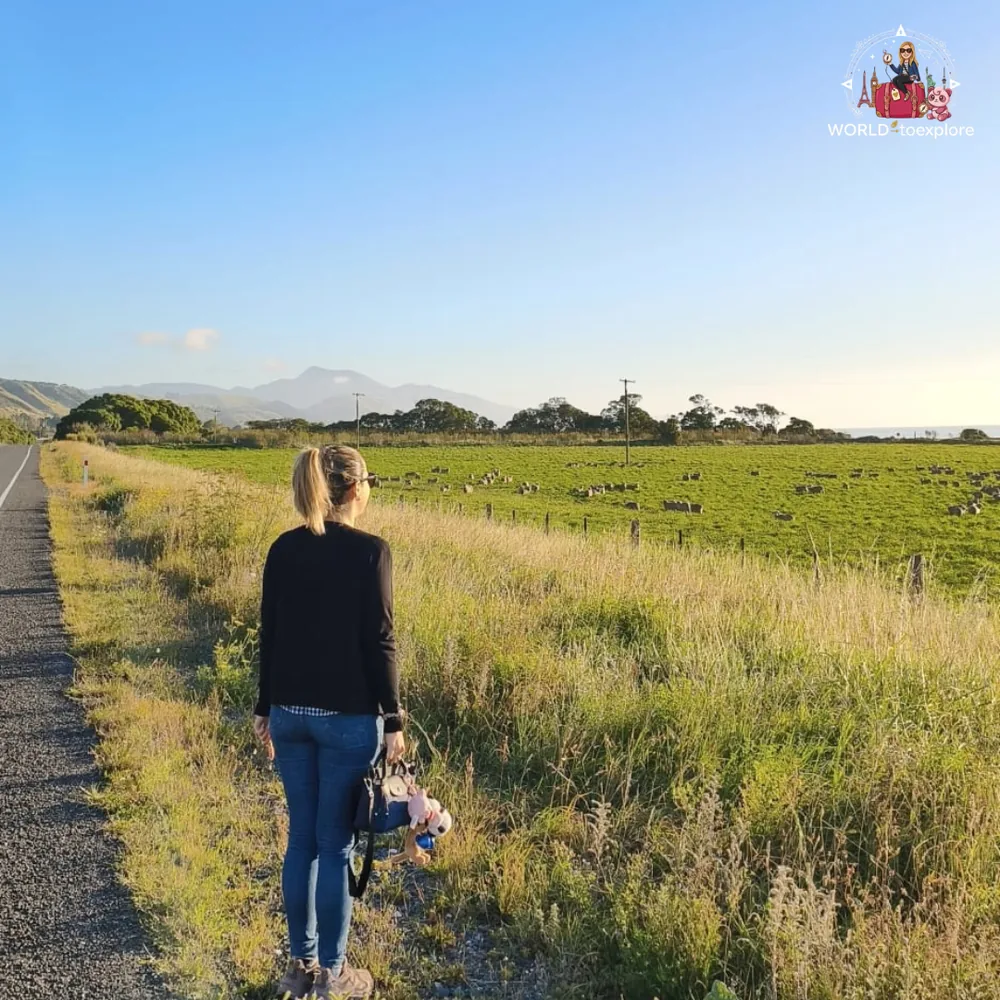
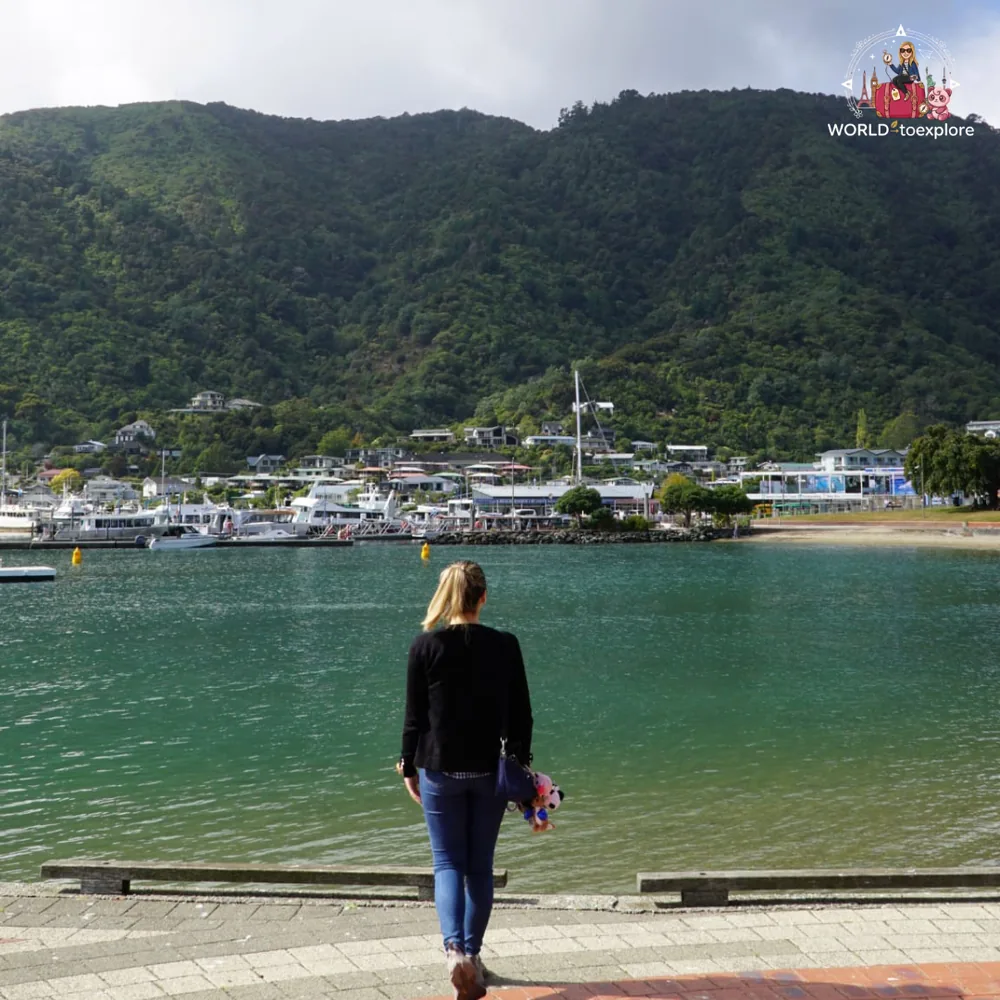
We left Kaikōura in the morning and headed calmly towards Picton, using the journey to admire, one last time, the landscapes of the South Island. After checking out of the hotel, we had breakfast at the Kaikōura Bakery, where we also bought lunch, which we later ate at a picnic table by Picton harbour while waiting for the ferry boarding time.
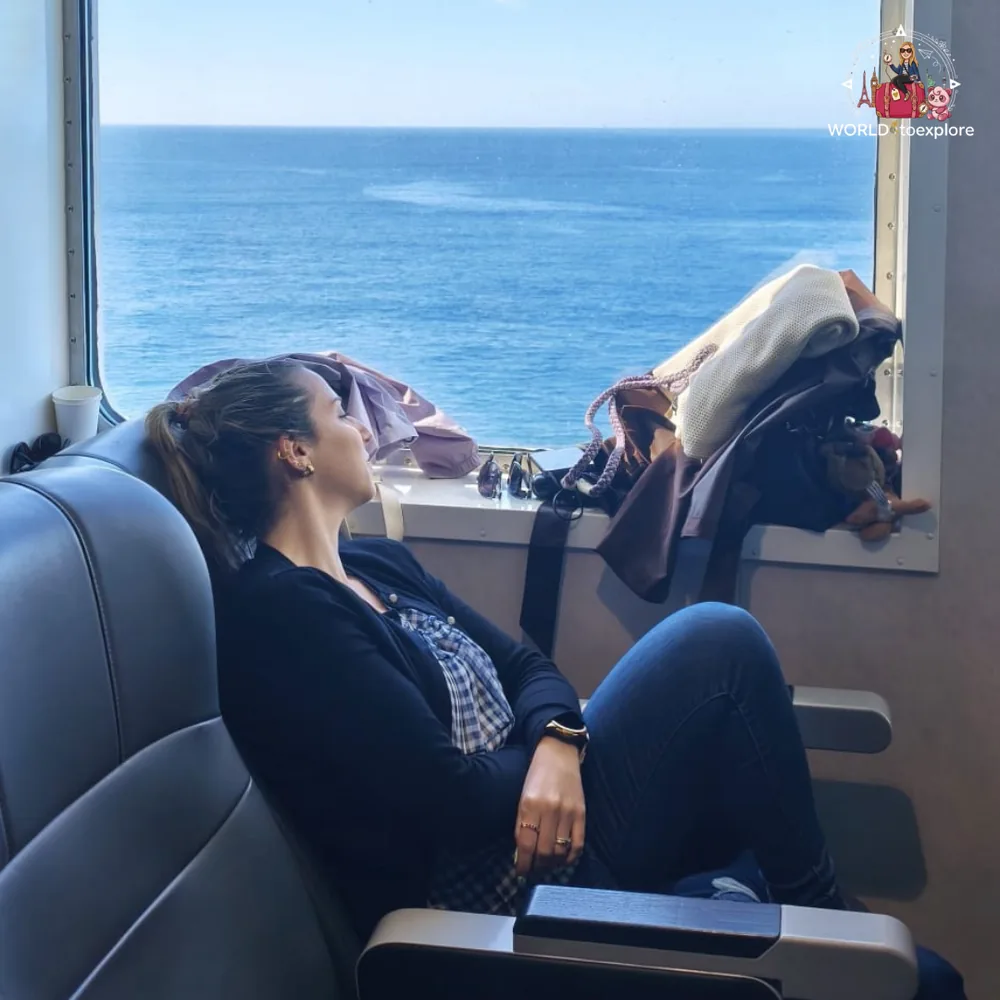
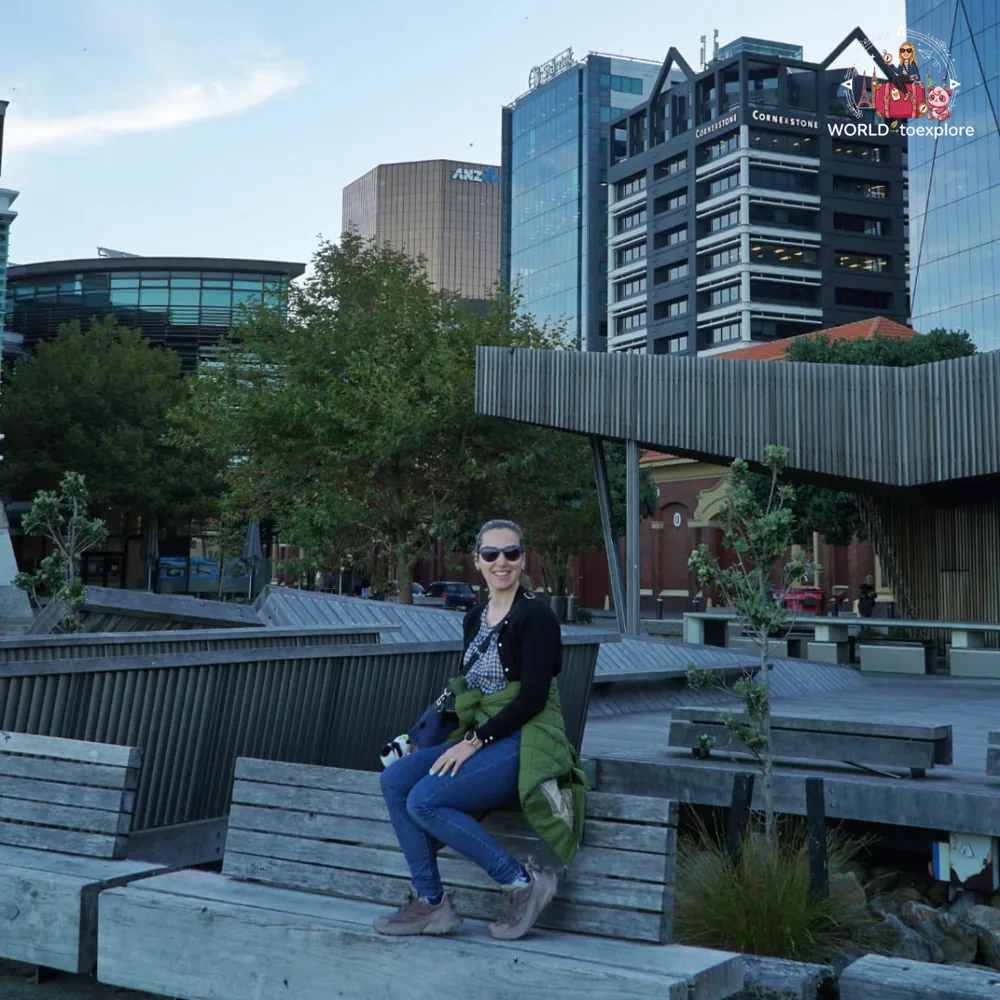
In the early afternoon, we made the Cook Strait crossing by ferry, linking the South Island to the North Island. It was a peaceful trip, which we used to rest a little before reaching Wellington. When we arrived, there wasn't much time left to explore the city, so we limited ourselves to a short walk around the centre before going to dinner and resting up for the next day.

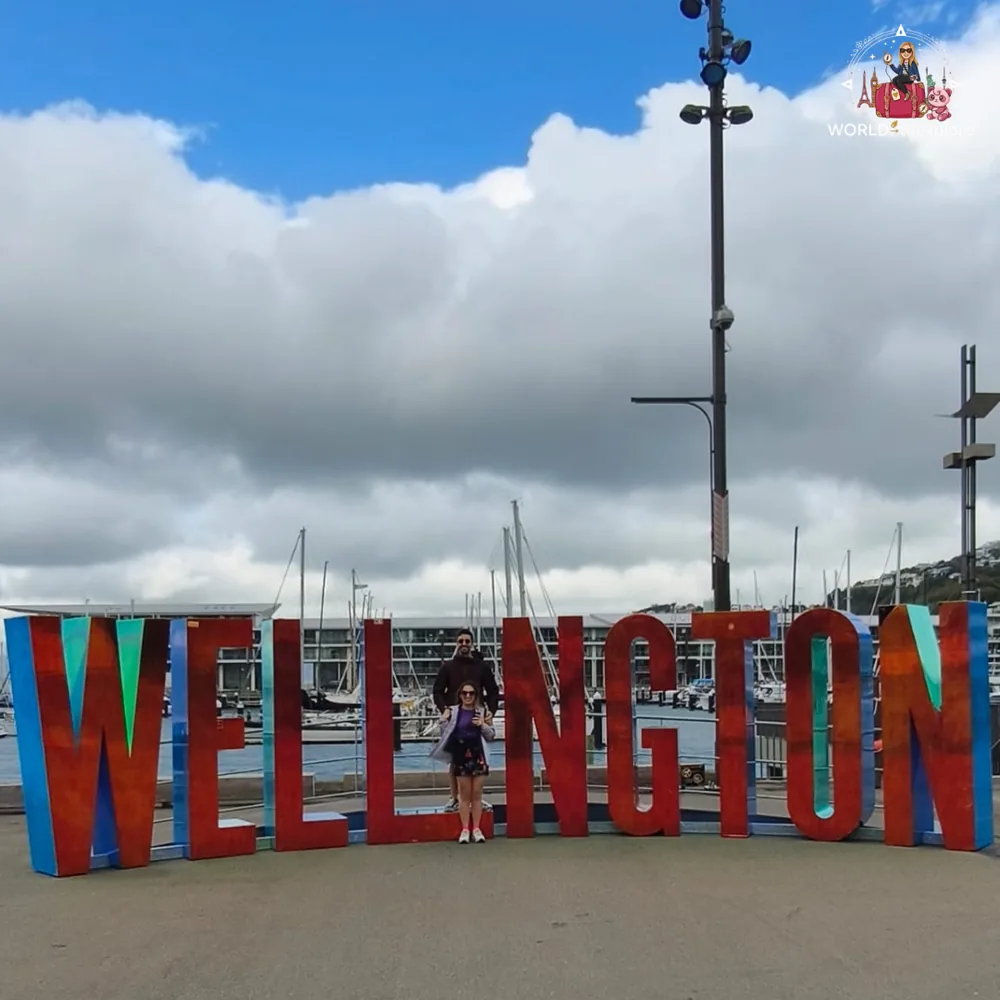
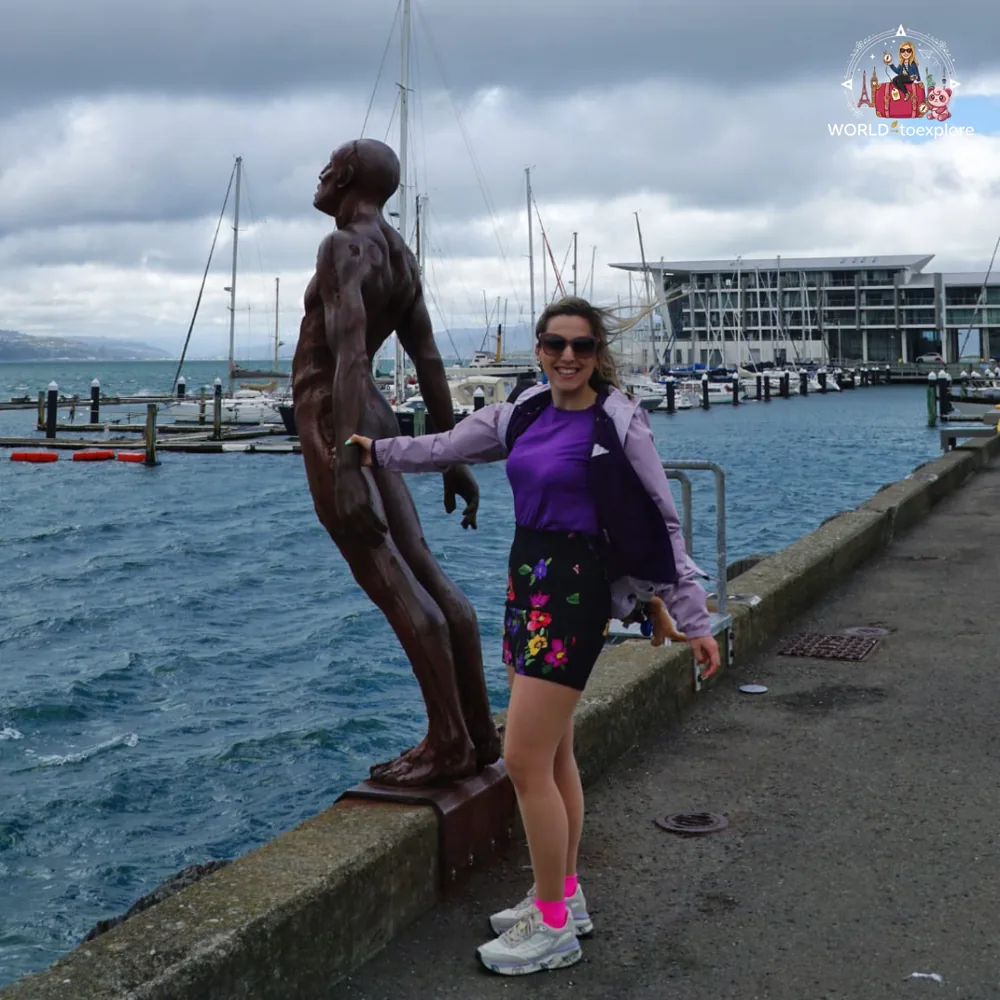
Day 10: A day in Windy Wellington
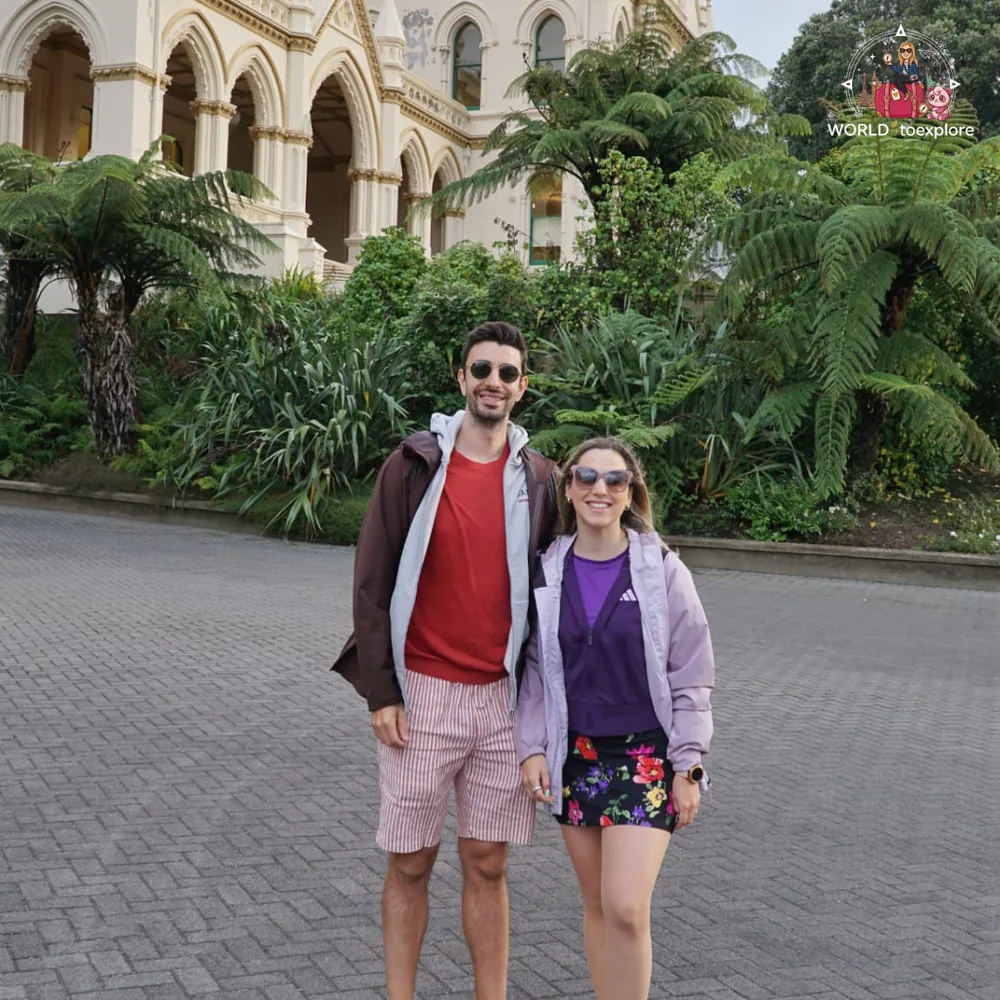
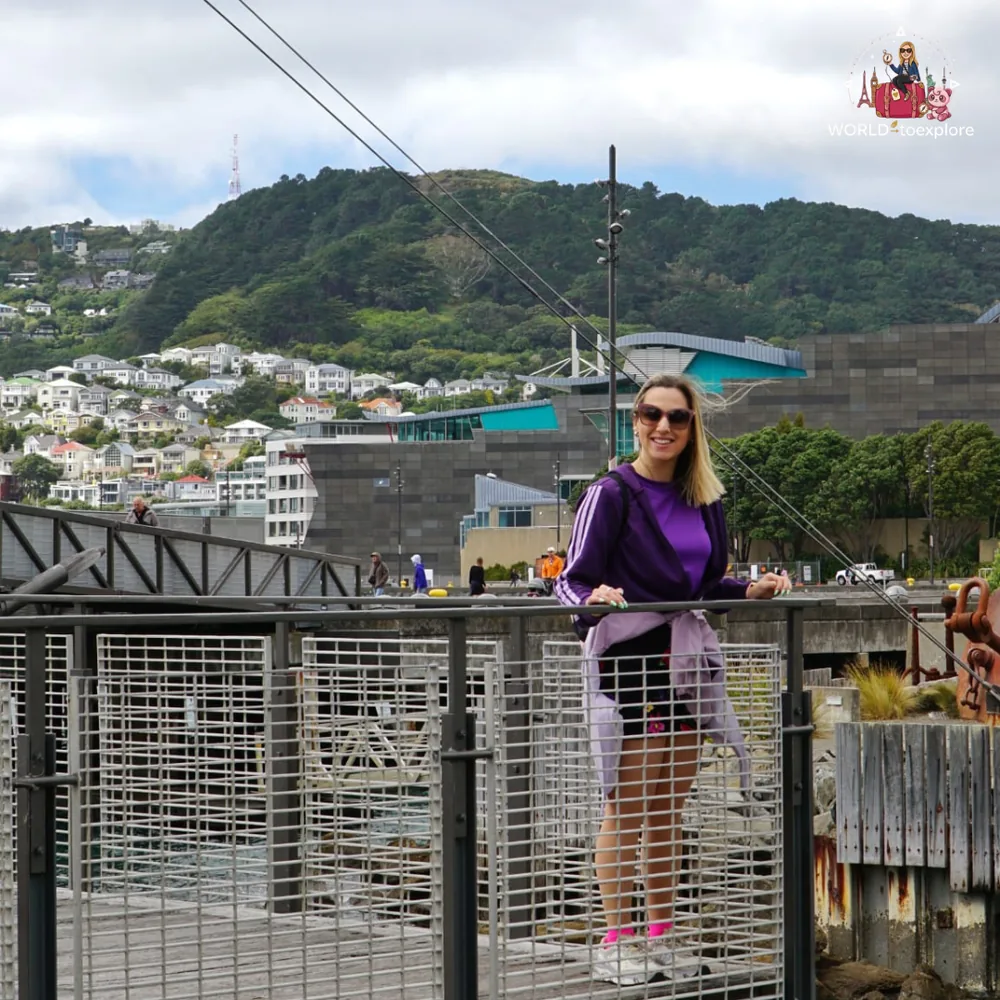
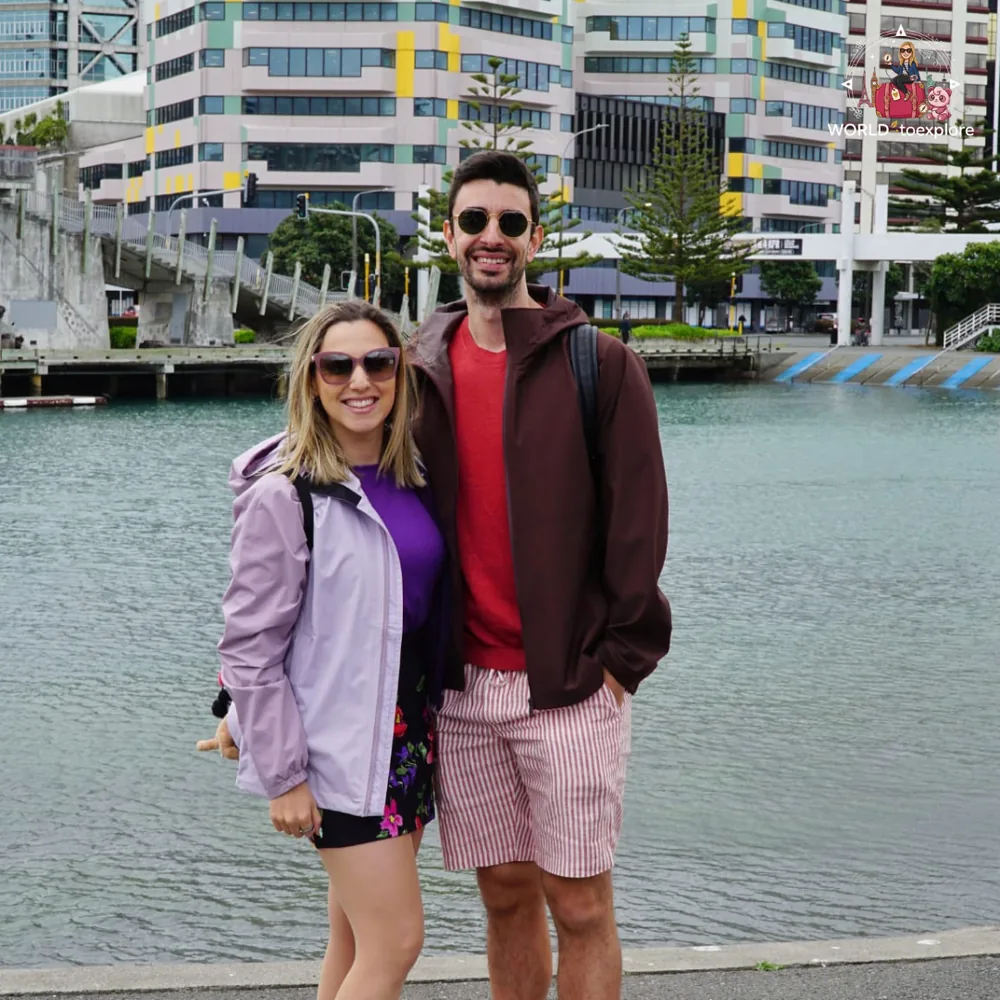
We dedicated the whole day to exploring Wellington, the capital of New Zealand. Despite being a relatively small city, there's a lot to see and do, and everything invites you to discover it on foot. We started by visiting the Parliament area, where the iconic Beehive building stands out — the seat of the New Zealand Government and one of the city's most recognisable landmarks, thanks to its shape that resembles a beehive.
From there we headed to the famous Cable Car, one of Wellington's symbols, which took us up to the top of a hill where the Botanic Gardens are. We took the chance to wander along its trails and lookouts before heading back to the city centre. We ended the day with a walk along the waterfront and a visit to Cuba Street, one of the liveliest and most characterful areas of Wellington, known for its laid-back atmosphere.

Day 11: From Wellington to Taupō
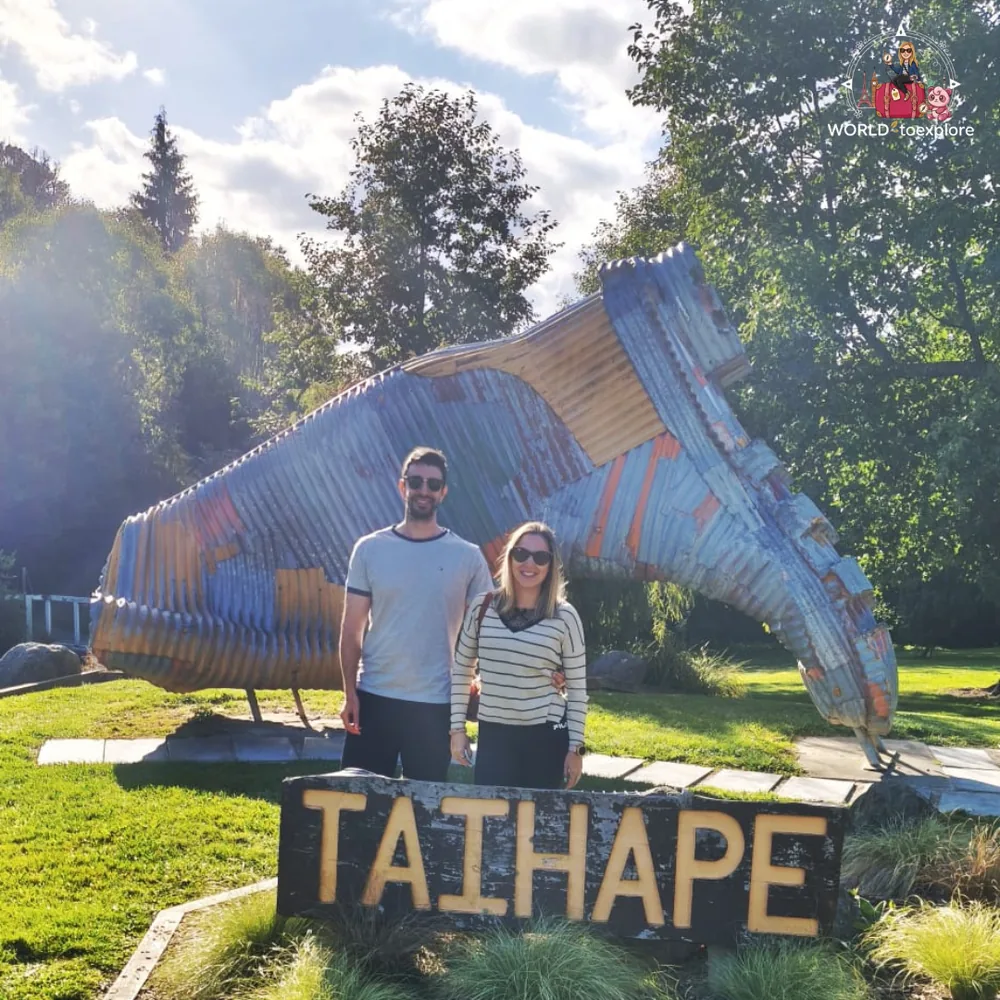
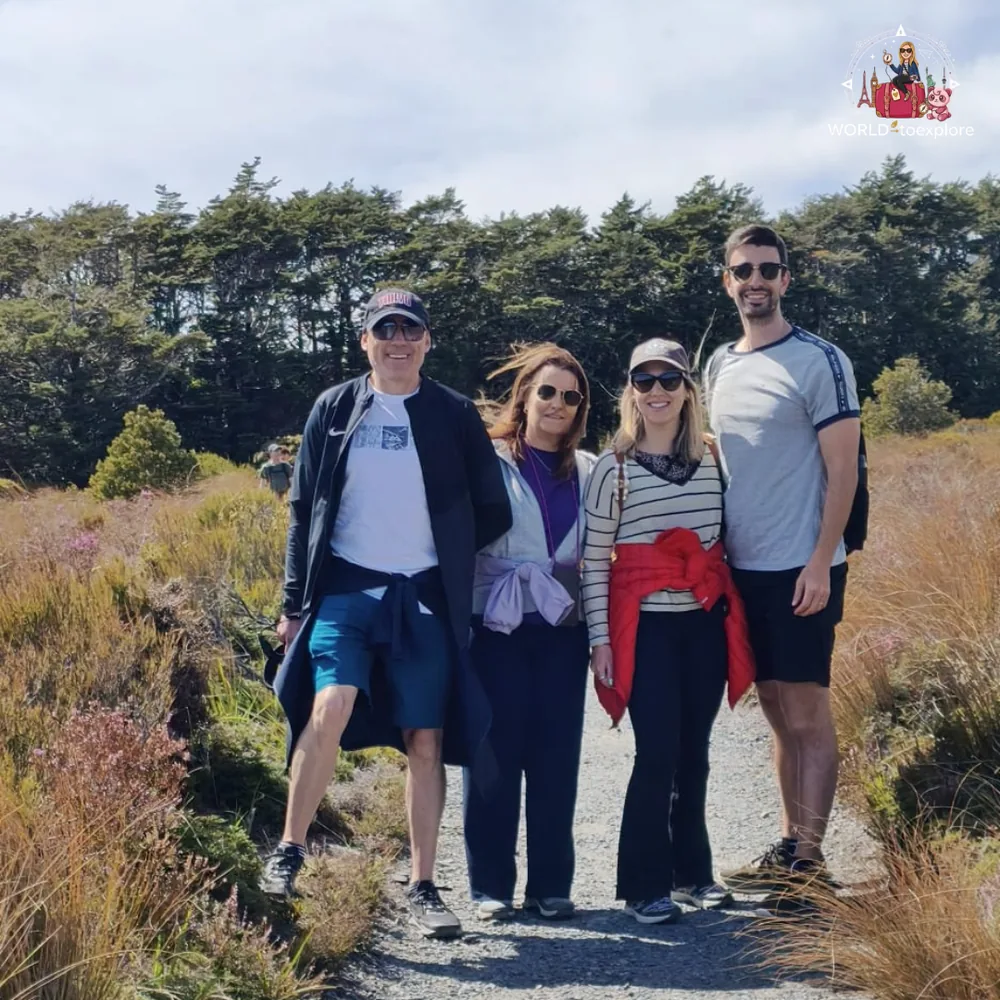
We left Wellington heading for Taupō, crossing some of the most impressive landscapes of the North Island. The main stop of the day was Tongariro National Park, a volcanic area listed as a UNESCO World Heritage Site, where the still-active volcanoes completely dominate the landscape.
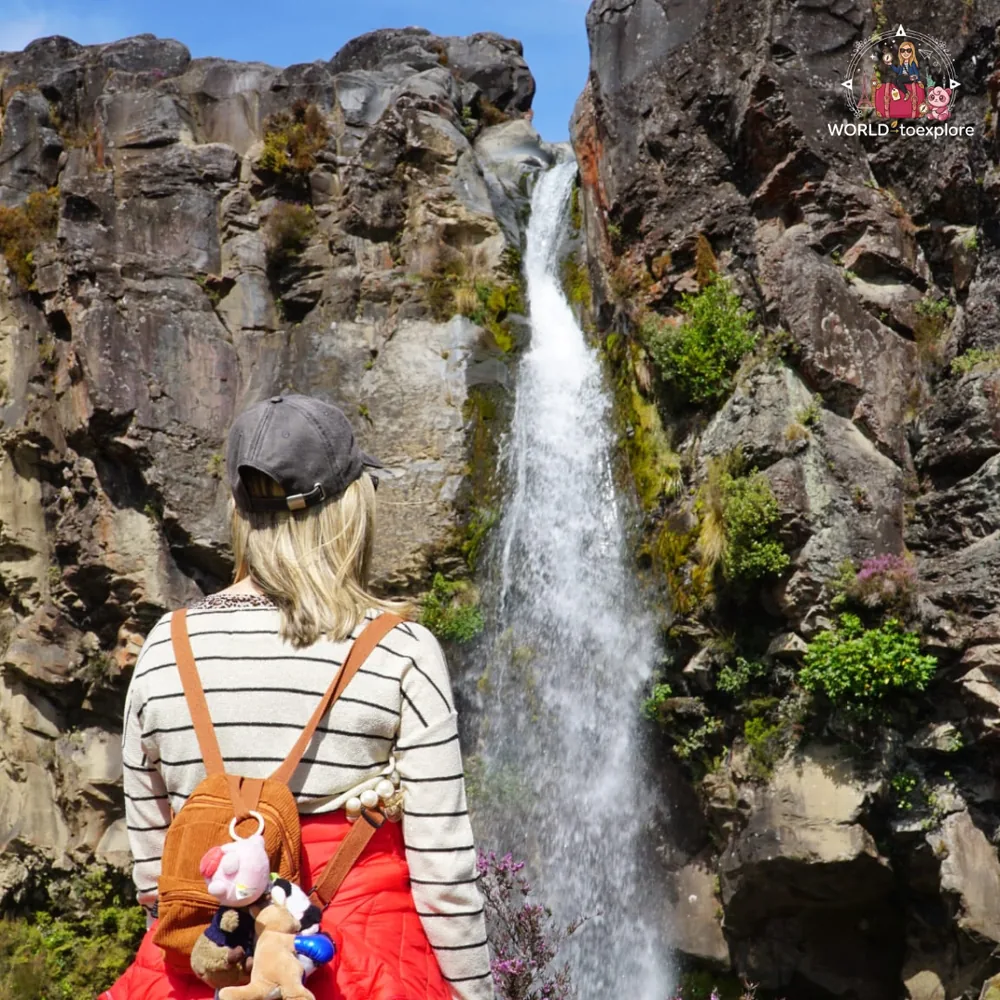
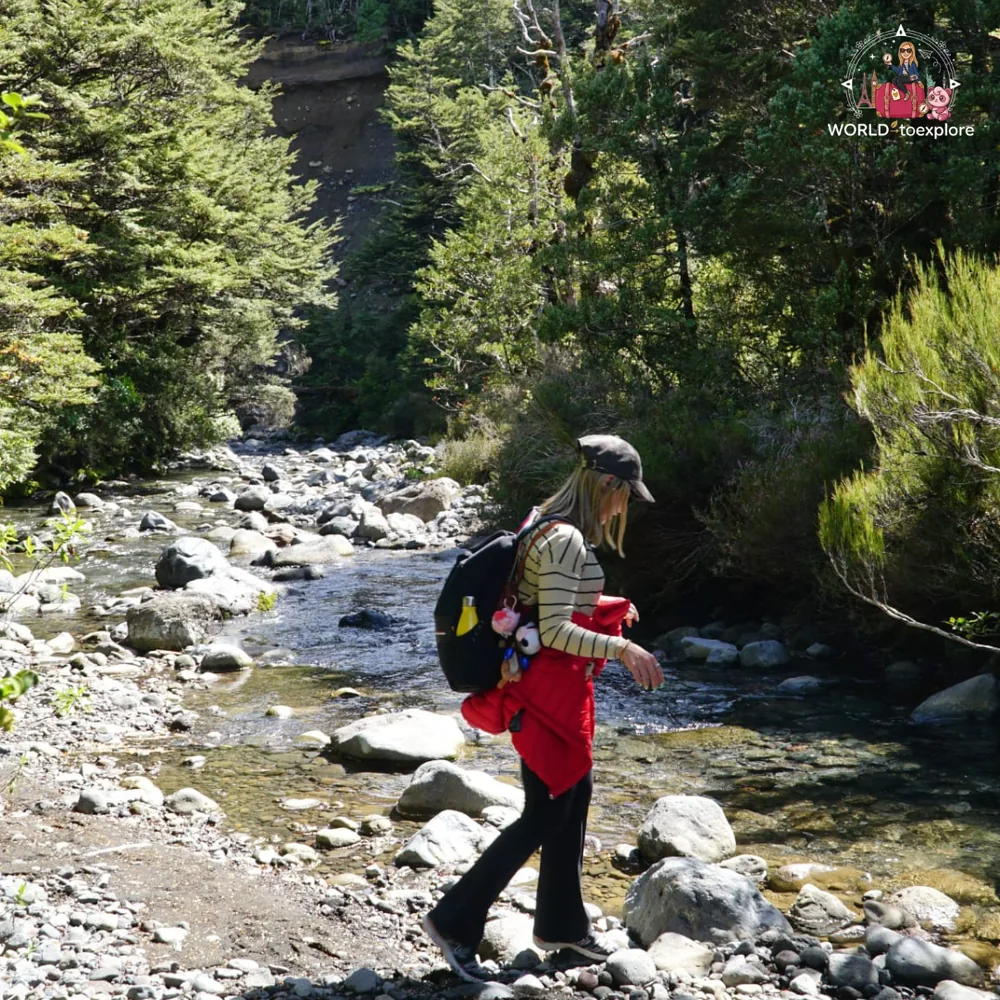
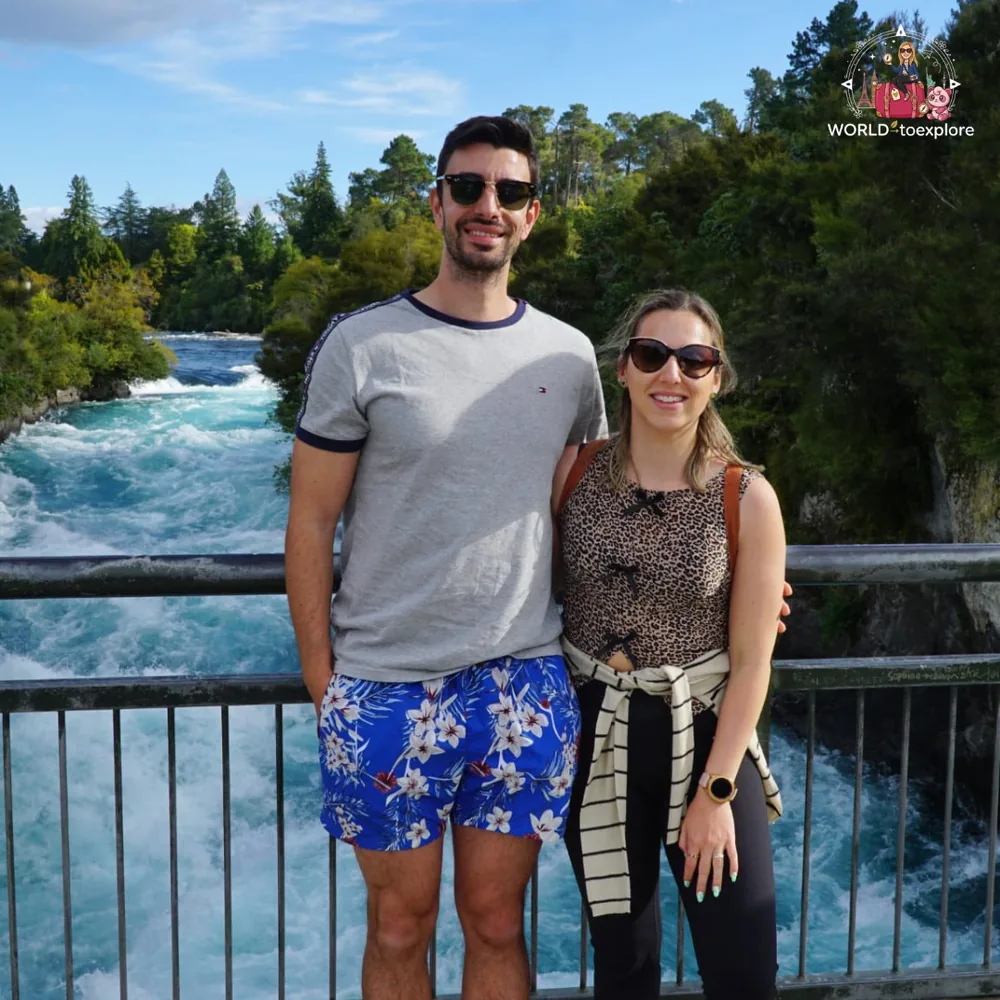
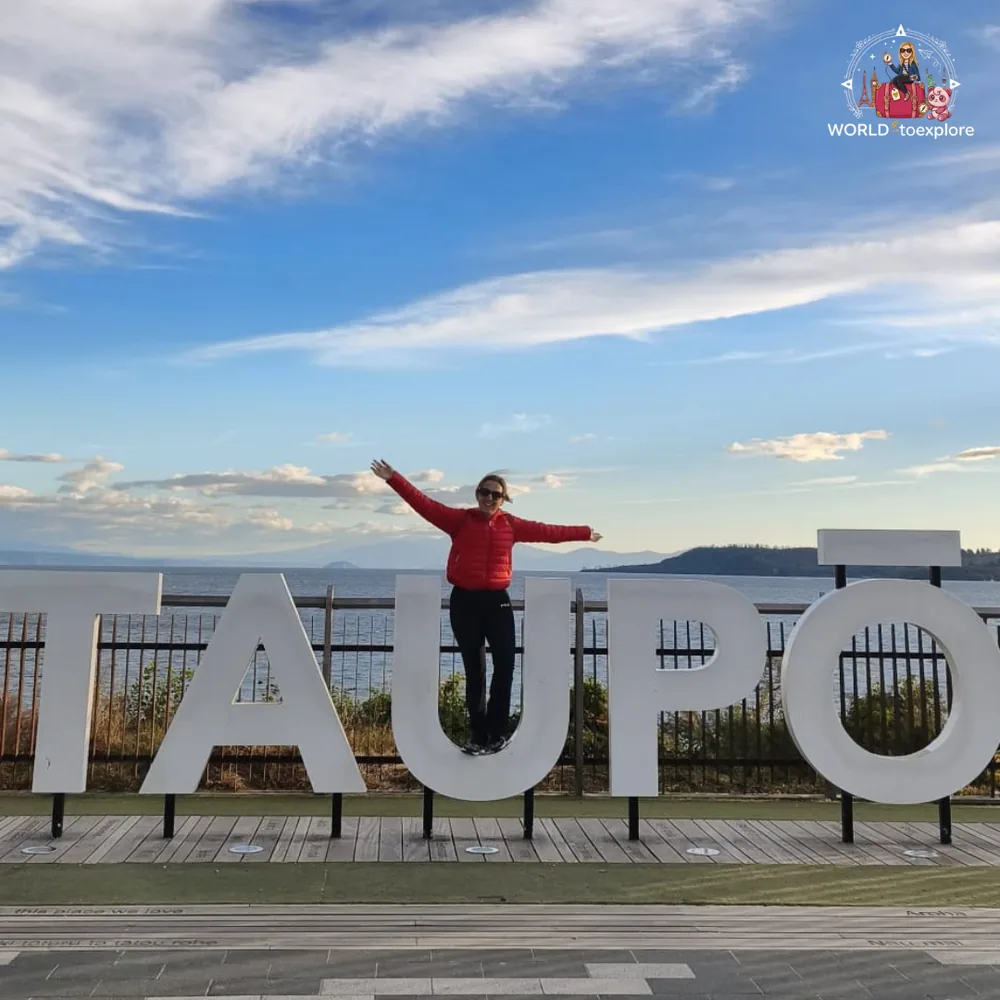
Here we did the Taranaki Falls track, a circular route of about two hours that crosses volcanic fields, small streams and mountain scenery. The contrast between the vegetation, the waterfall and the volcanic setting makes this one of the most beautiful and varied trails in the region. In the late afternoon we reached Taupō, set on the shores of New Zealand's largest lake. Before exploring the town, we made one more stop at the impressive Huka Falls, where huge amounts of turquoise-blue water are forced through a narrow rocky channel, creating a power and pressure hard to describe.
Day 12: Heading to Rotorua
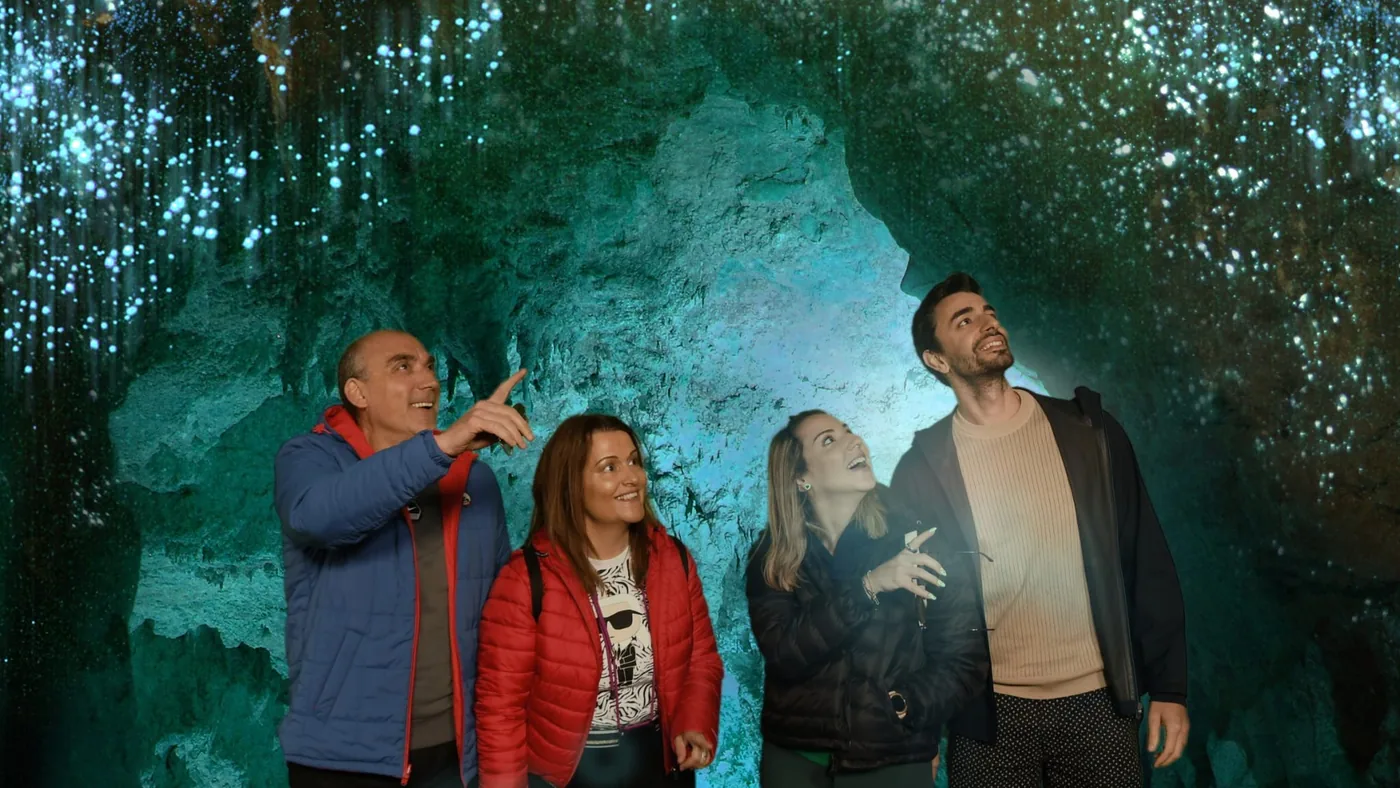
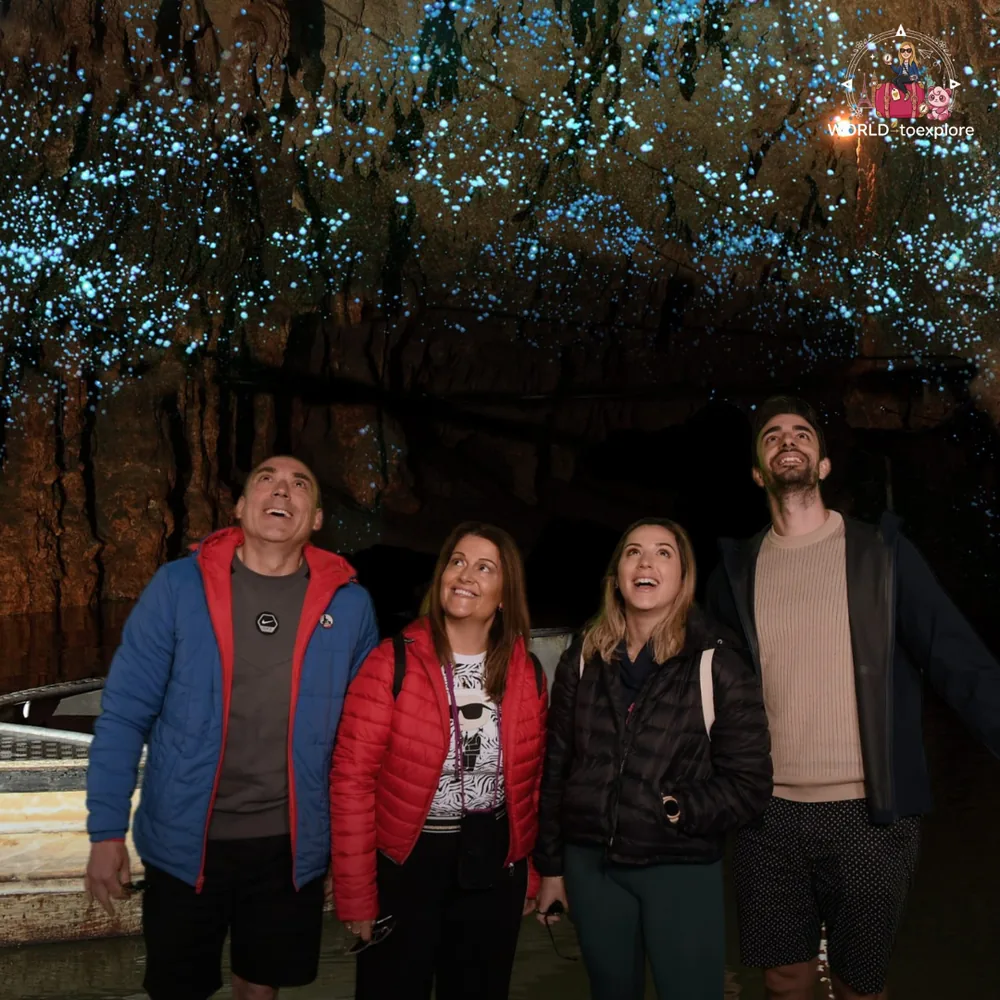
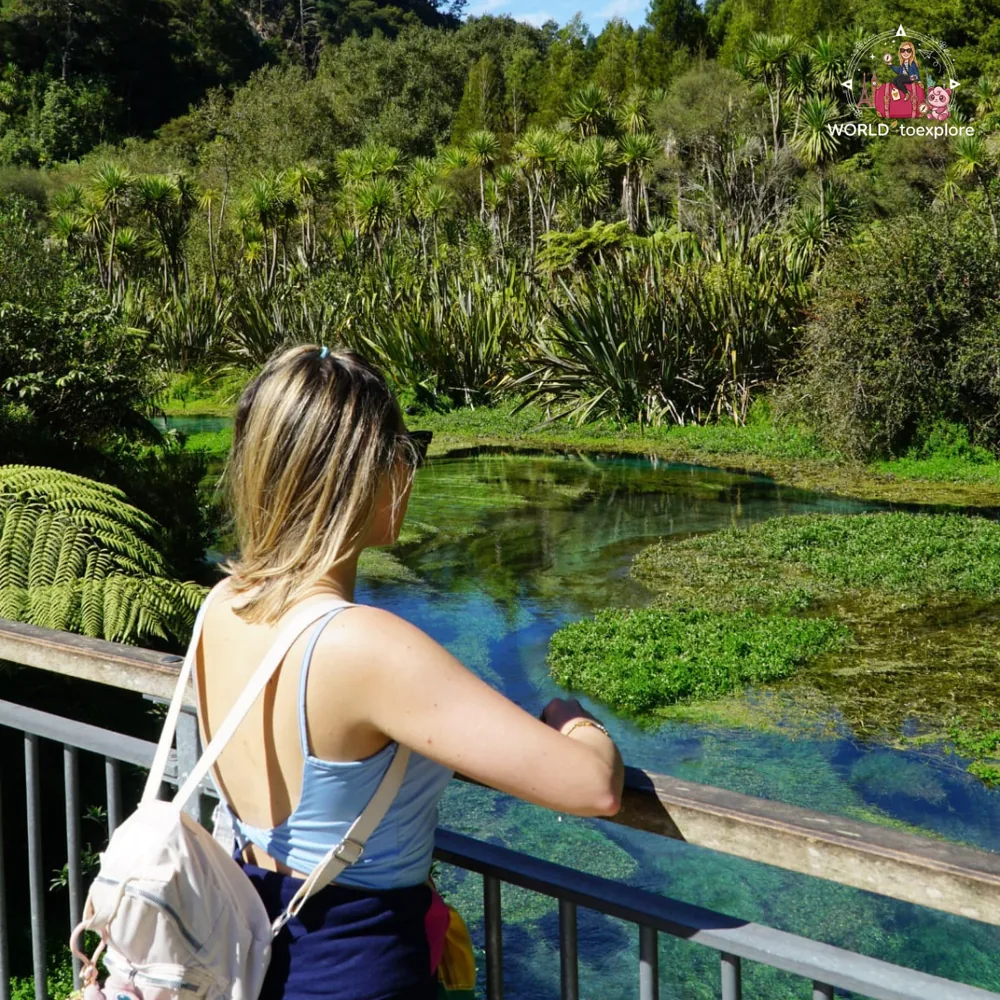
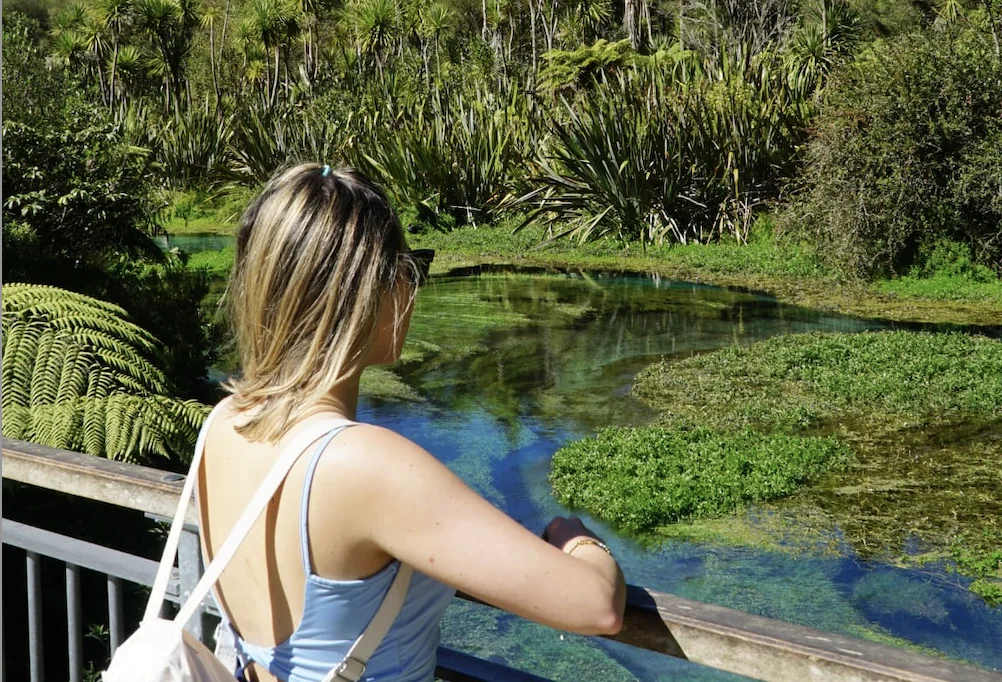
The morning began at the Waitomo Glowworm Caves, an impressive system of underground caves where we took a boat trip in complete silence. On the ceiling, thousands of glowworms lit up the darkness, creating the illusion of a starry sky — it's simply impossible to capture in photos what your eyes get to see. We then headed to the Blue Spring, in Putāruru, an incredibly crystal-clear spring, known for its intense blue tone and the purity of its water, which looks almost unreal.
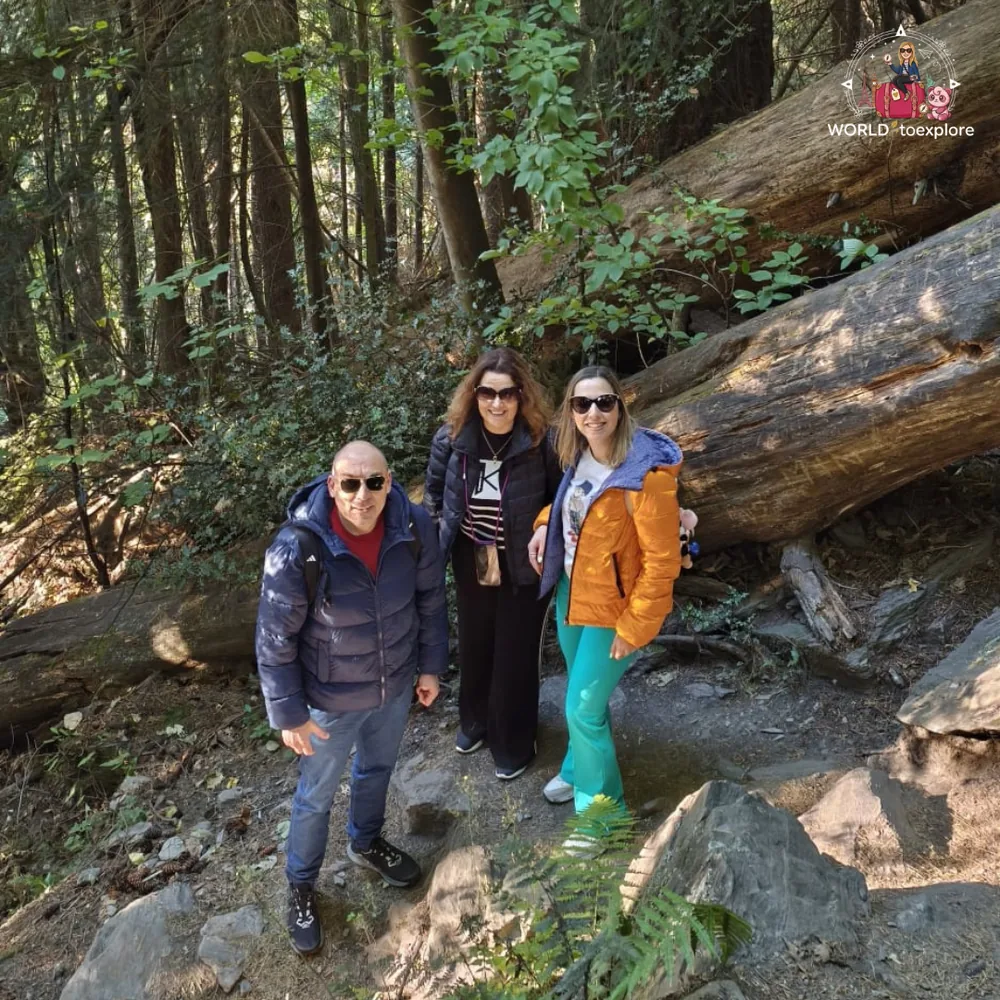
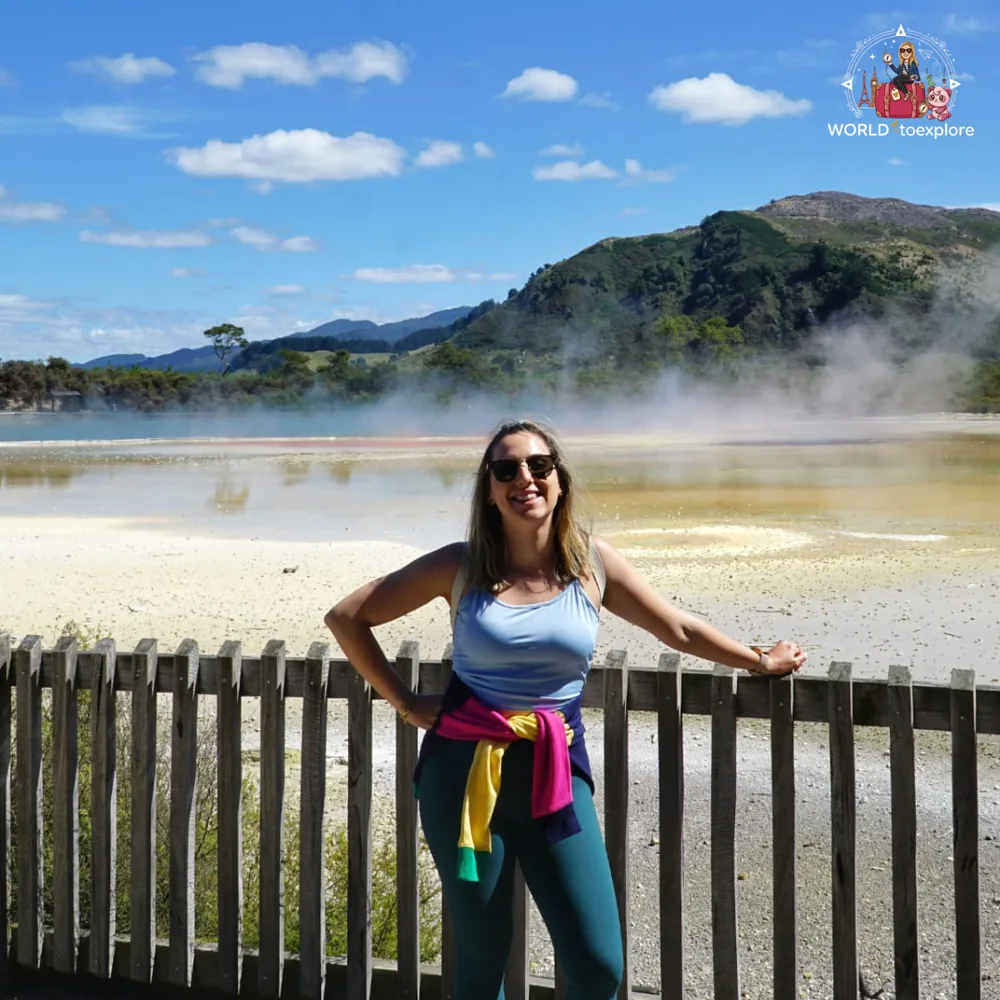
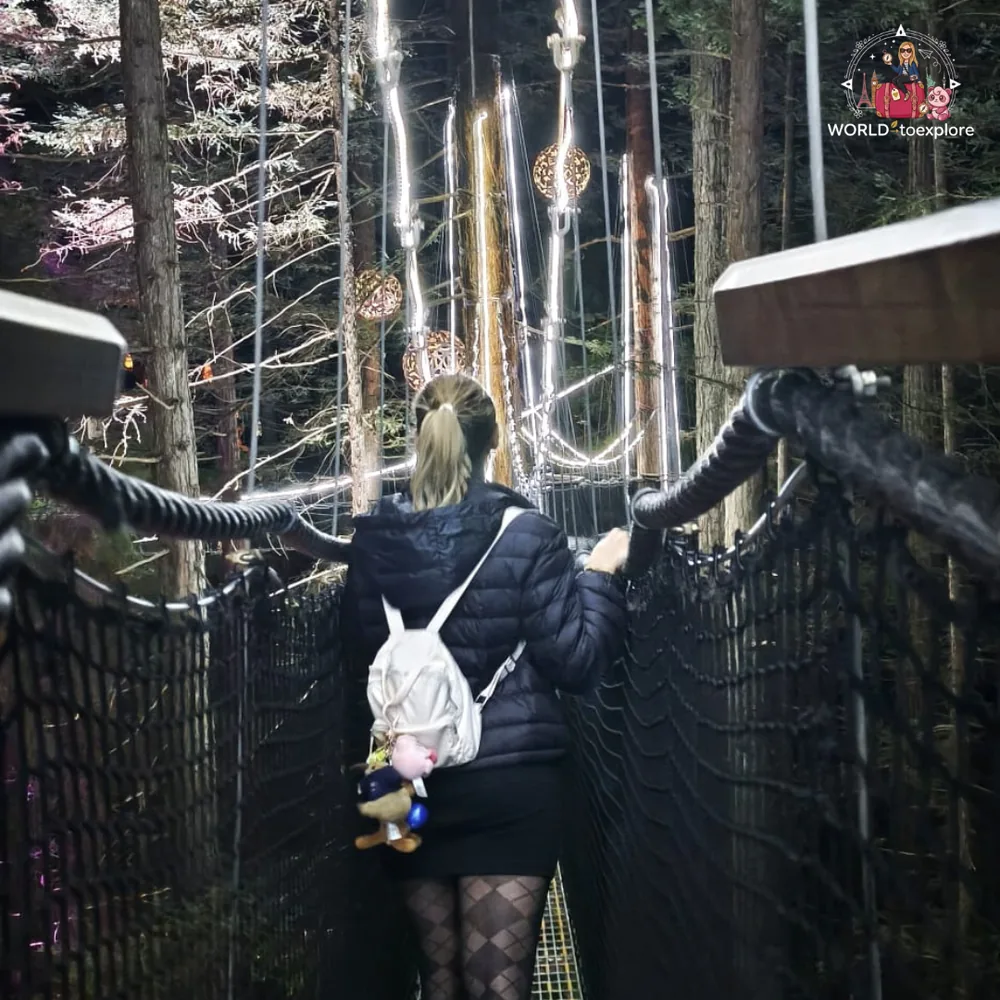
During the afternoon, we explored the Wai-O-Tapu Thermal Wonderland, one of the most famous geothermal areas in New Zealand. The intense smell of sulphur is part of the experience and, I admit, at first it's a bit hard to bear, but it ends up becoming secondary in the face of the beauty of the place. In the late afternoon, we took the chance to wander a little around the centre of Rotorua and, after dinner, we went to see the Redwoods Treewalk, a route up in the heights on suspension bridges among the redwoods of the Whakarewarewa Forest. Another of the trip's main experiences!
Day 13: From Rotorua to Auckland (with a stop at Hobbiton!)
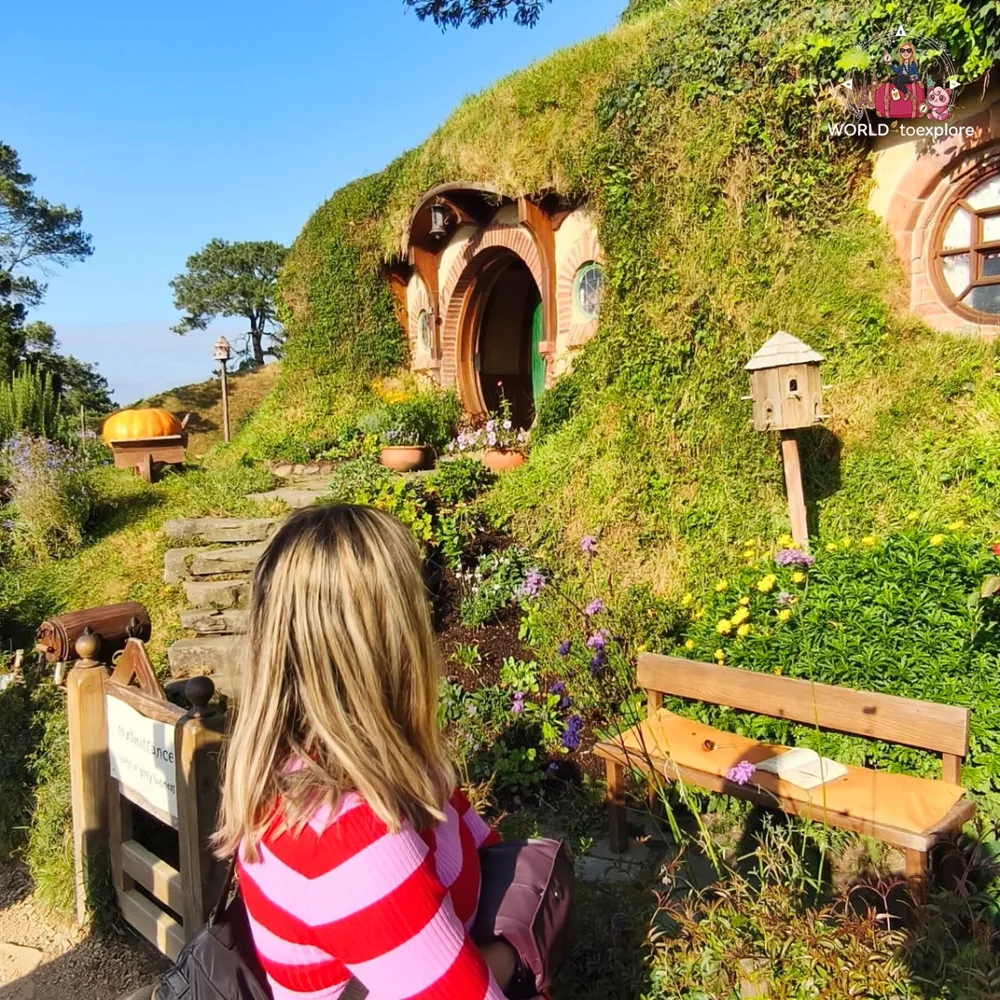
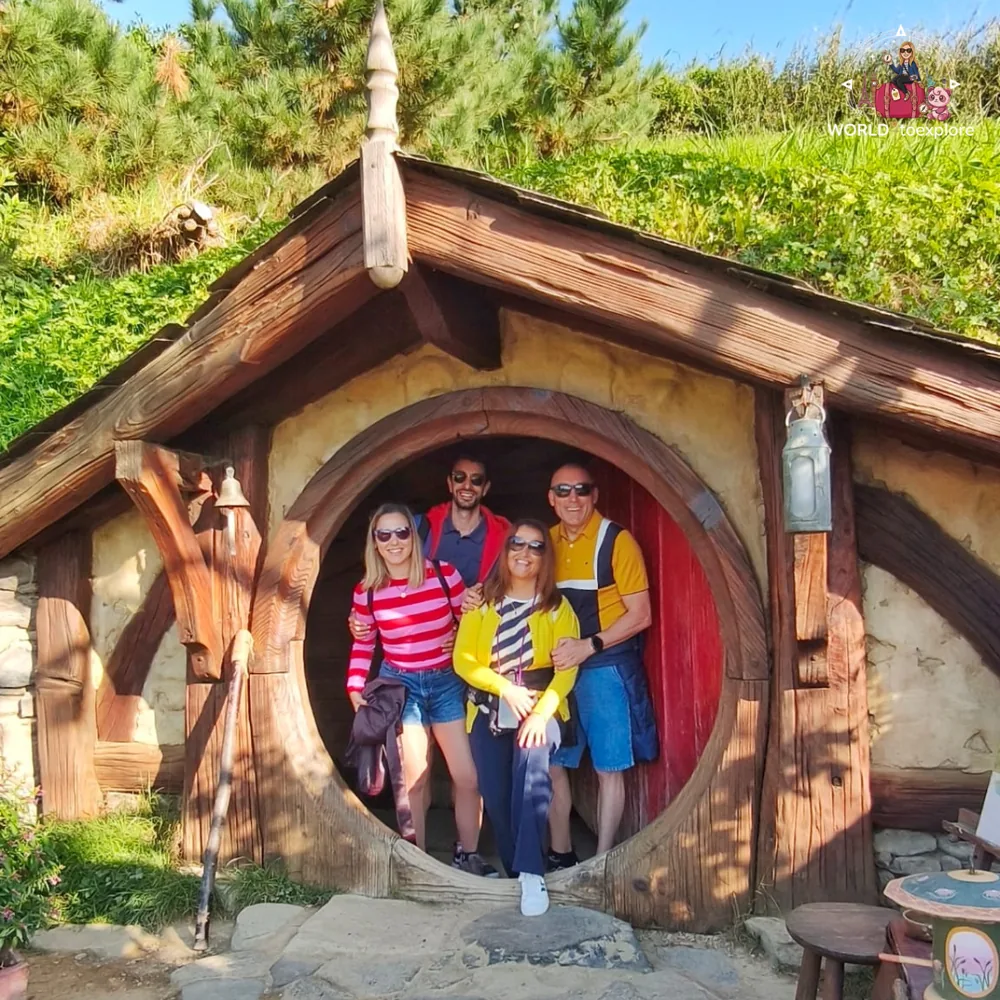
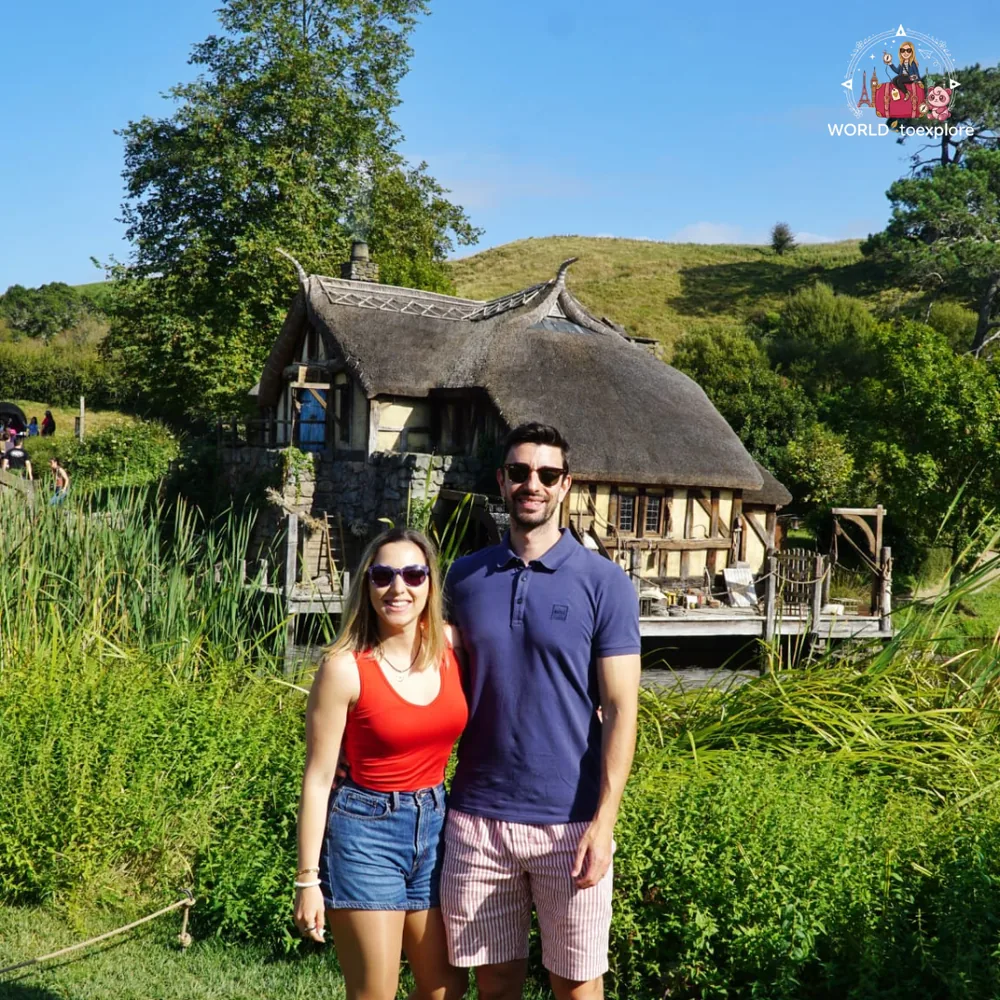
This day had an obvious highlight: the Hobbiton Movie Set. Walking around those little hobbit houses scattered across the various hills is an incredible experience, with every detail thought through to perfection, from the smoking chimneys to the clothes on the washing lines. And I say this even though I'm not a huge fan of the saga — I only watched The Lord of the Rings two or three months before the trip. Even so, I was completely won over by the atmosphere and the care put into every corner of the set.
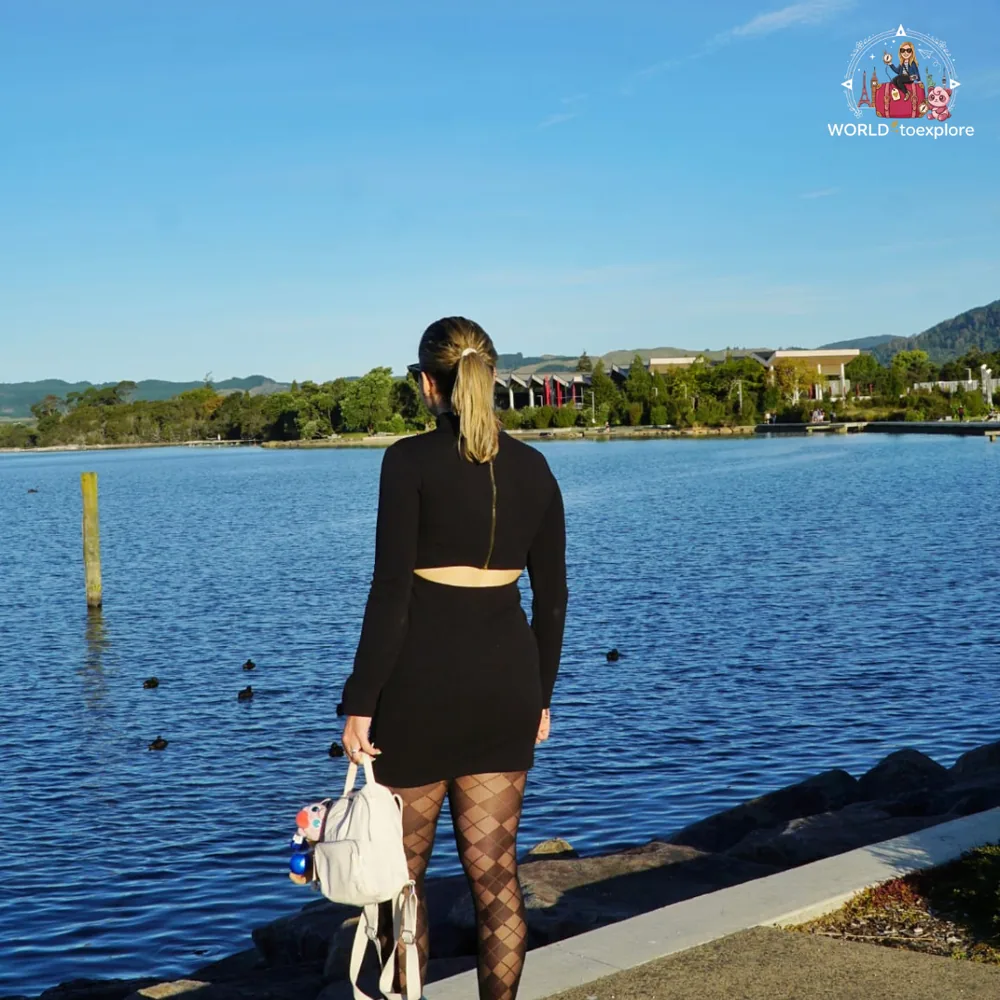
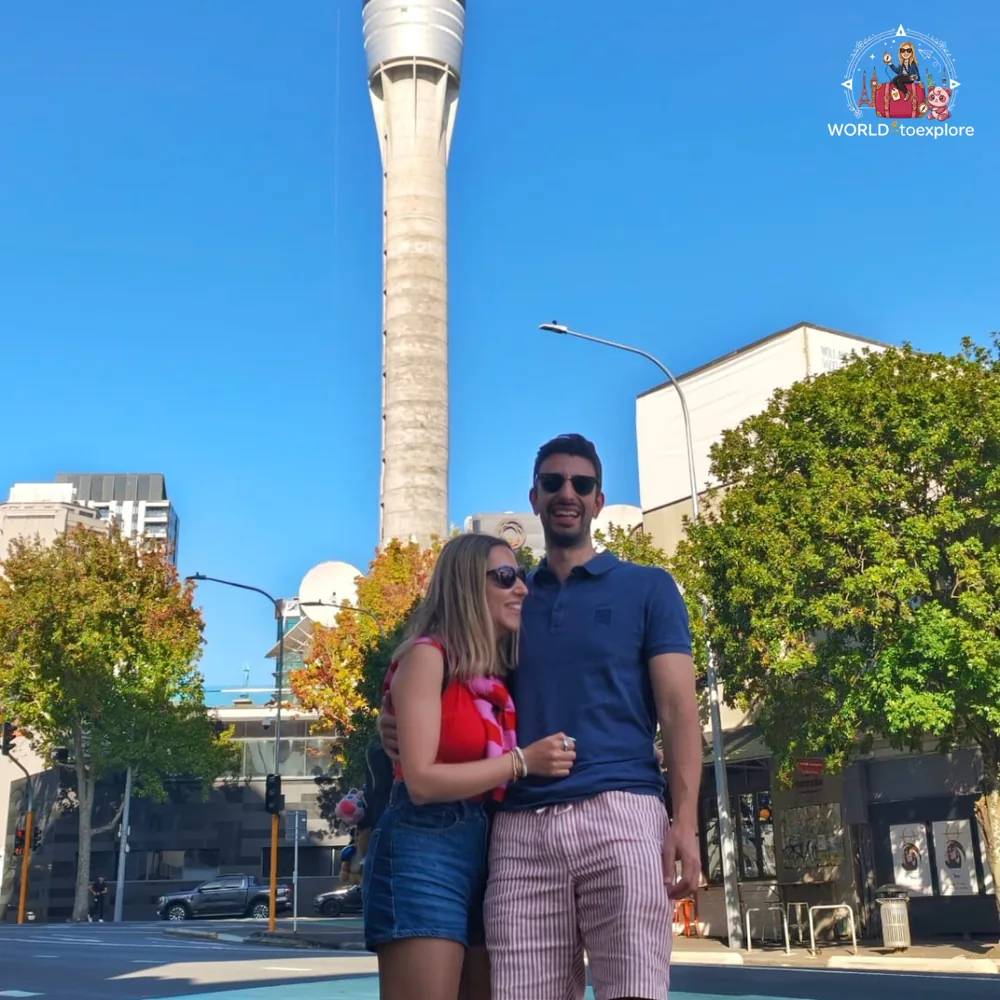
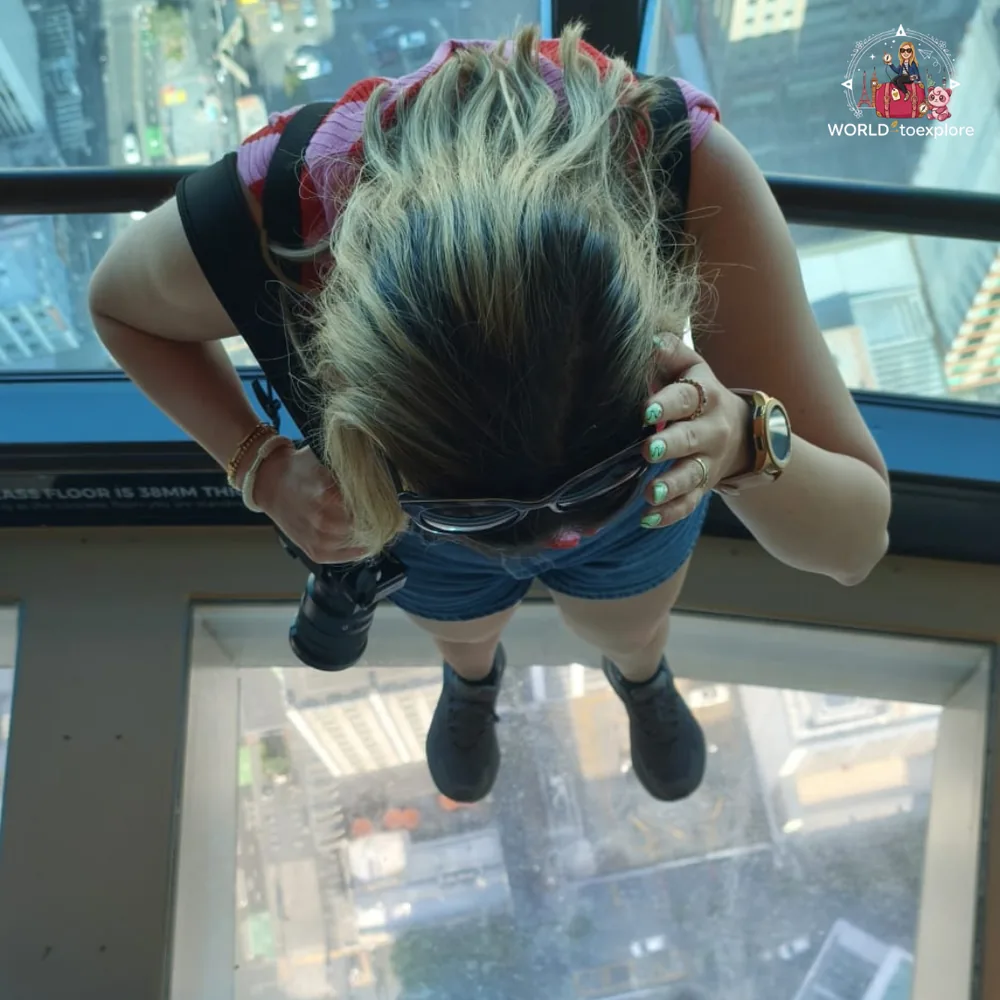
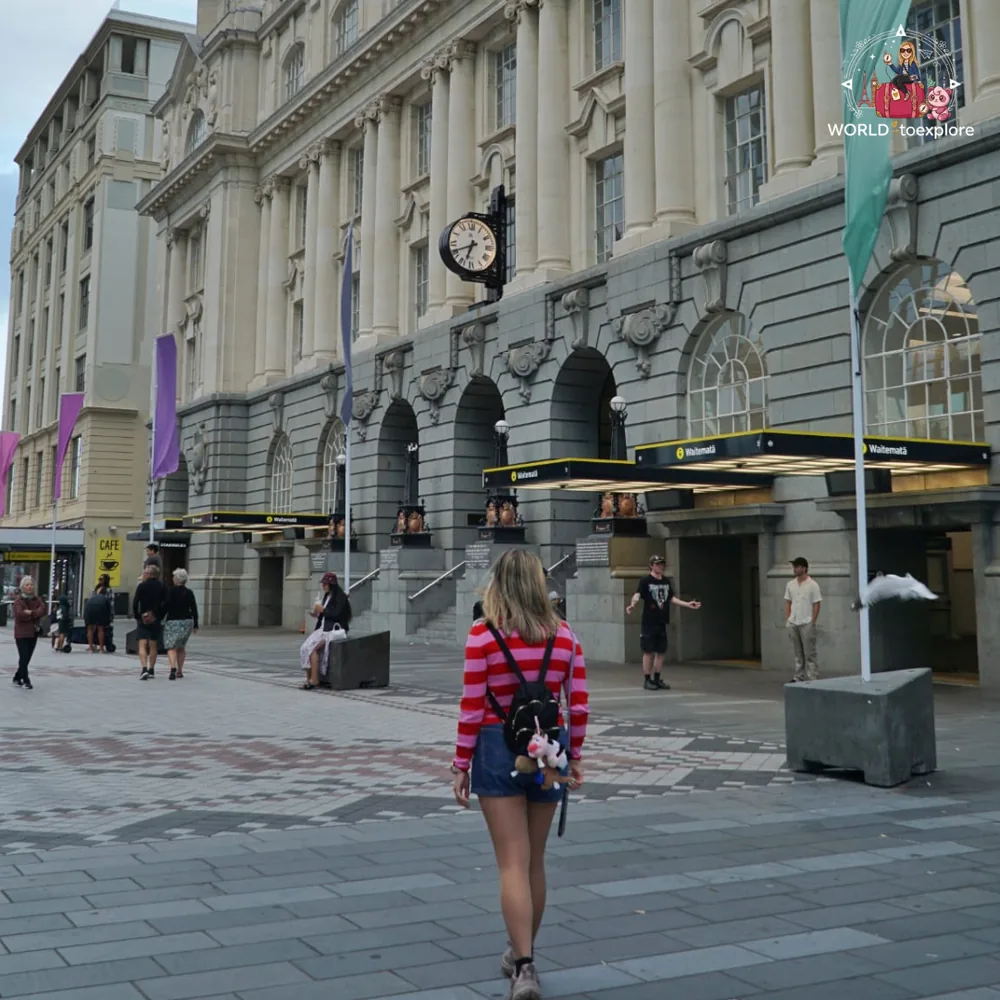
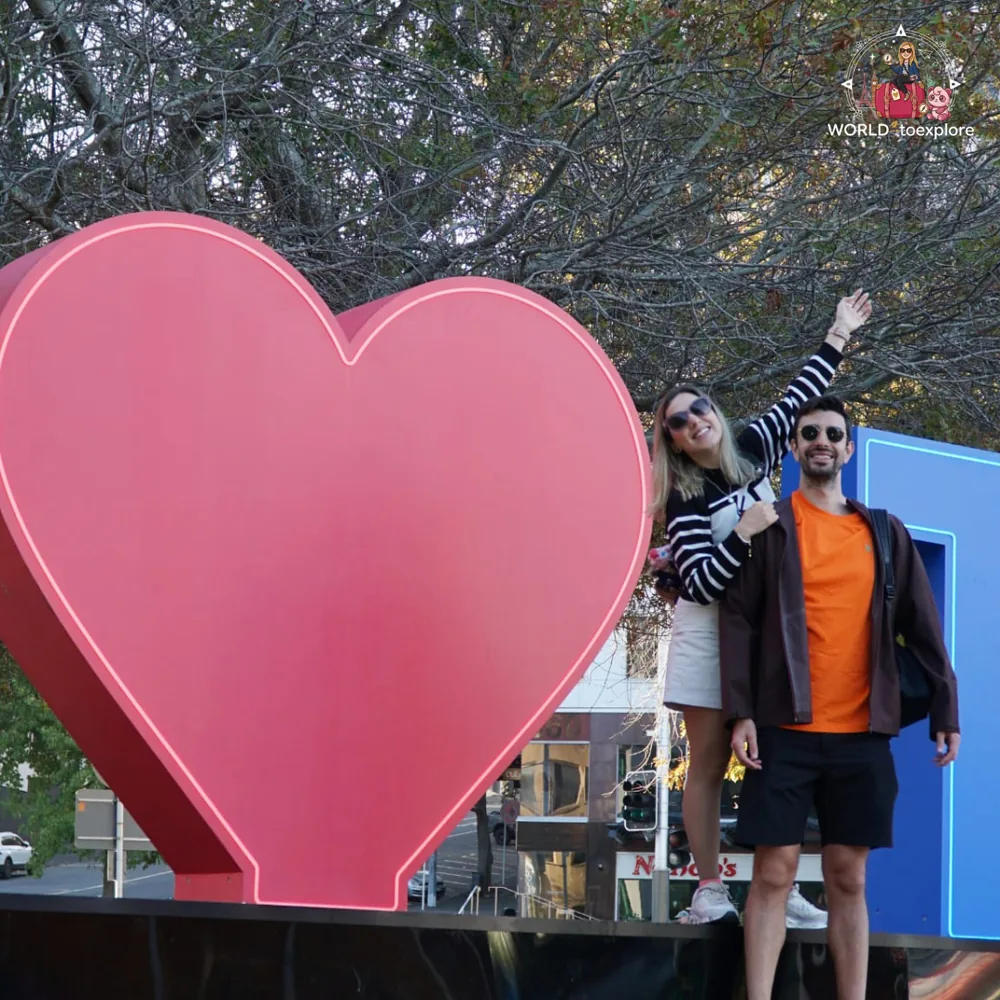
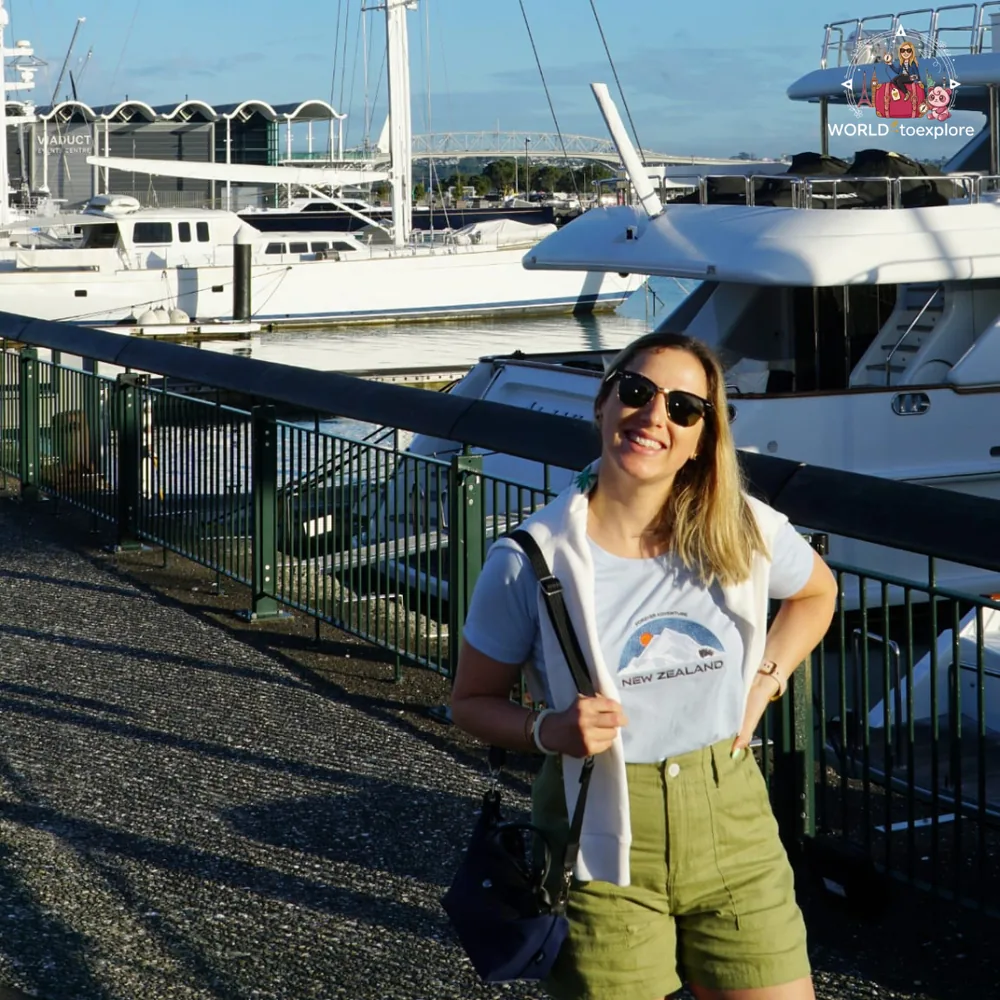
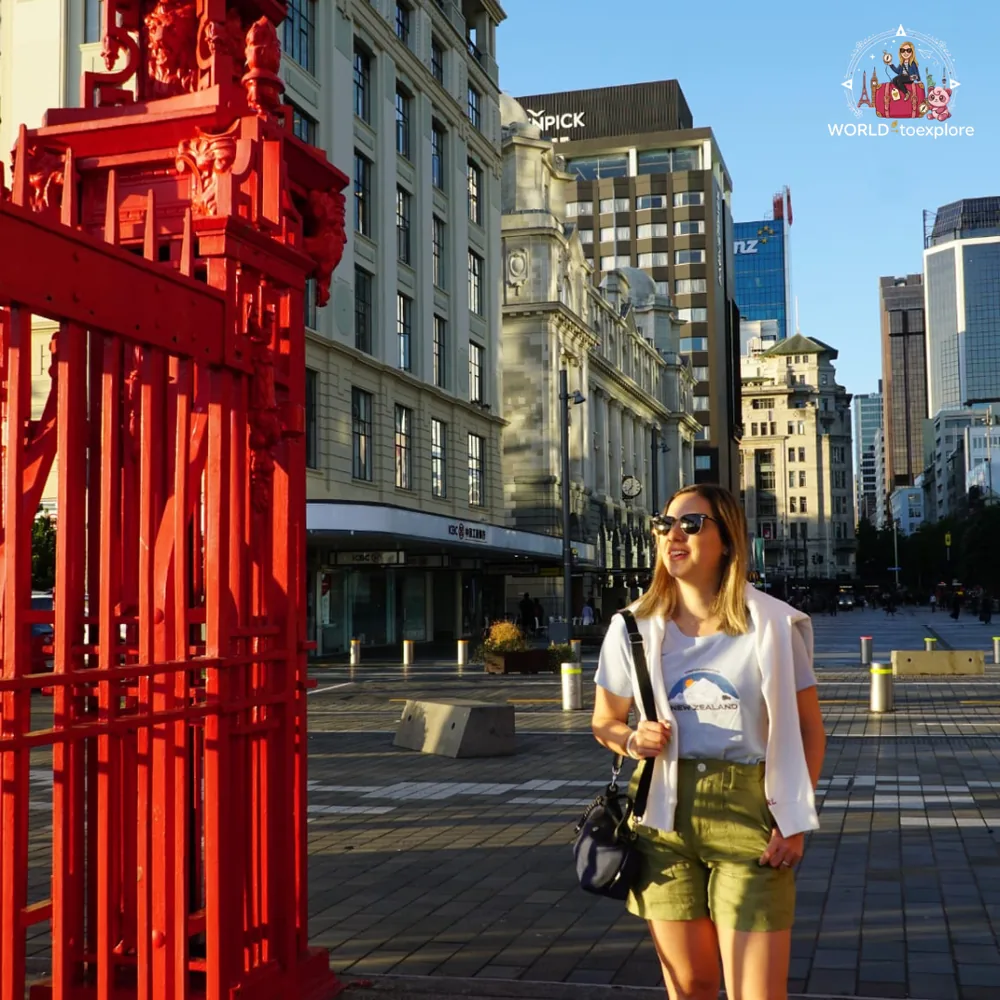
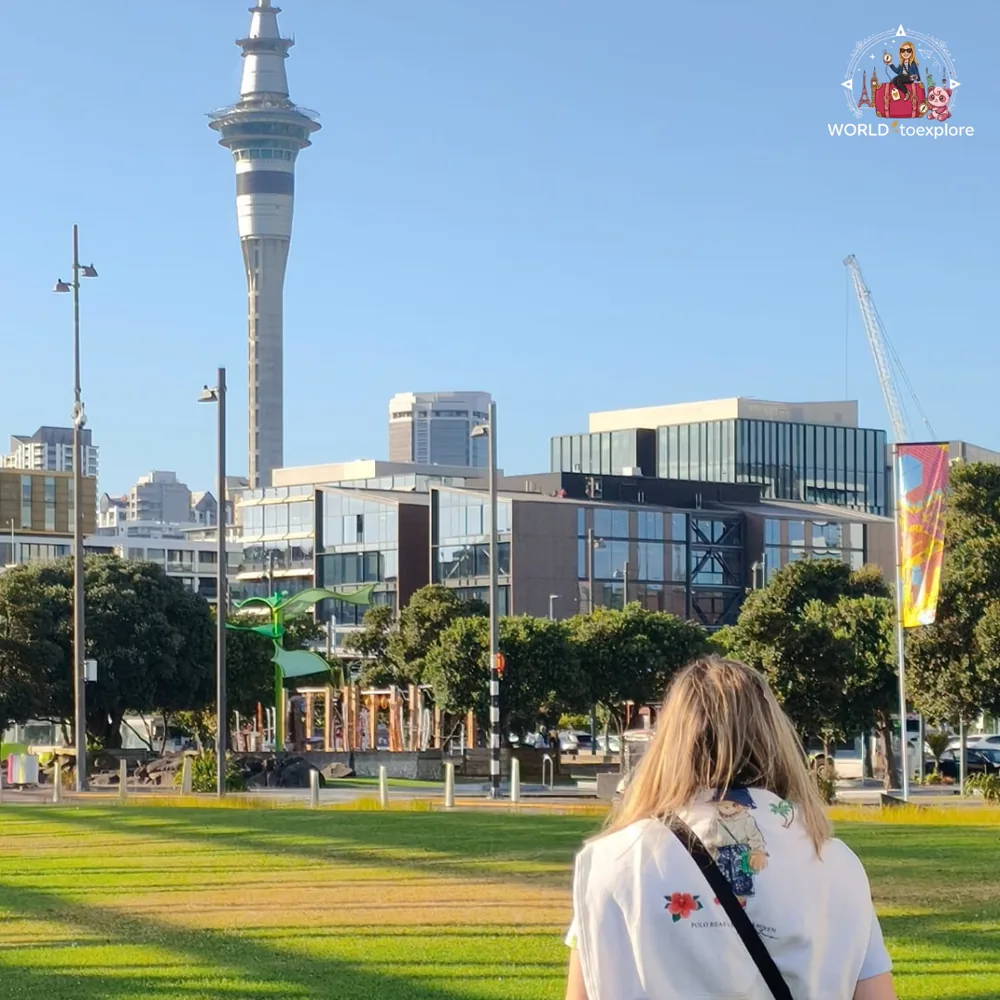
After the visit to Hobbiton, we carried on to Auckland, the last stop of our New Zealand adventure, where we'd be staying for two nights. Although it isn't the country's capital, Auckland is the largest city in New Zealand and, from a tourist point of view, ends up playing an even more important role than Wellington. As we arrived in the mid-afternoon, we took the chance to start getting to know the city. We went up the Sky Tower to enjoy the panoramic view over Auckland, strolled around the harbour area and walked along the waterfront, with a view of the Auckland Harbour Bridge, before heading back to the hotel.
Day 14: Between Māori culture and the Auckland bay
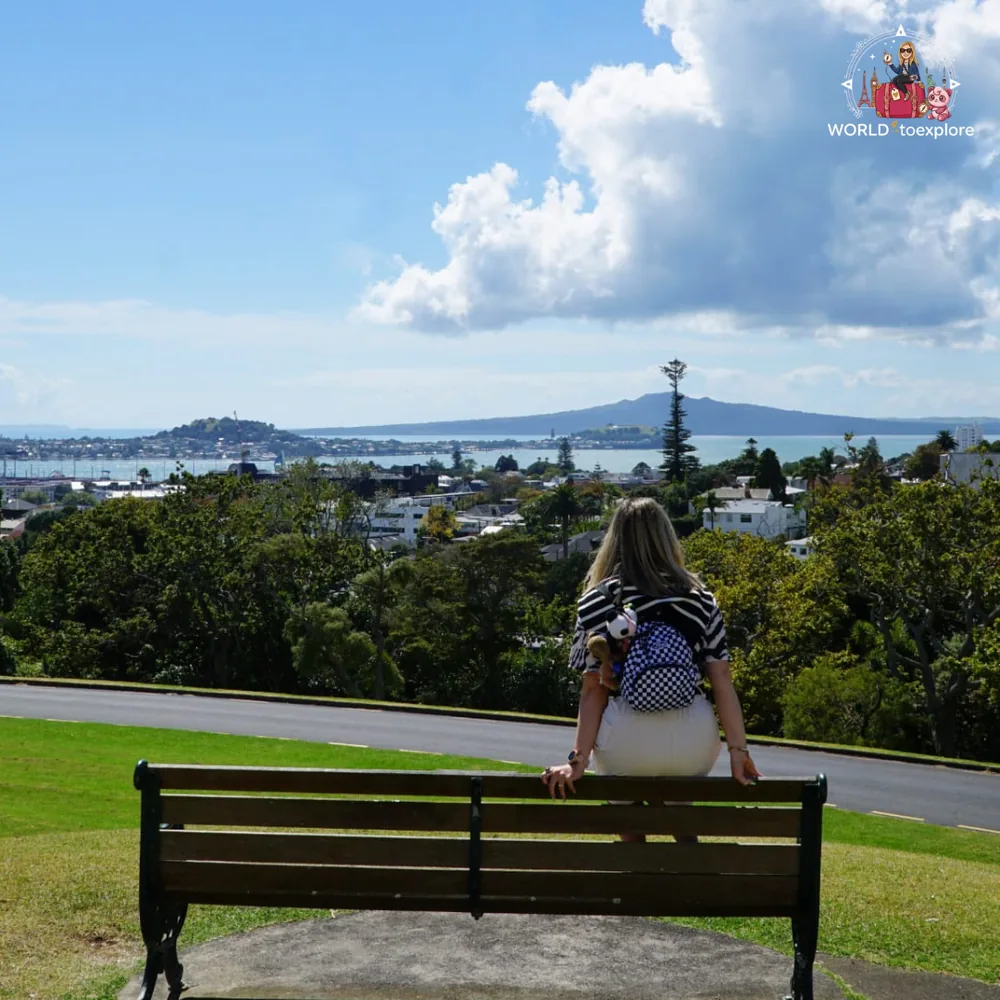
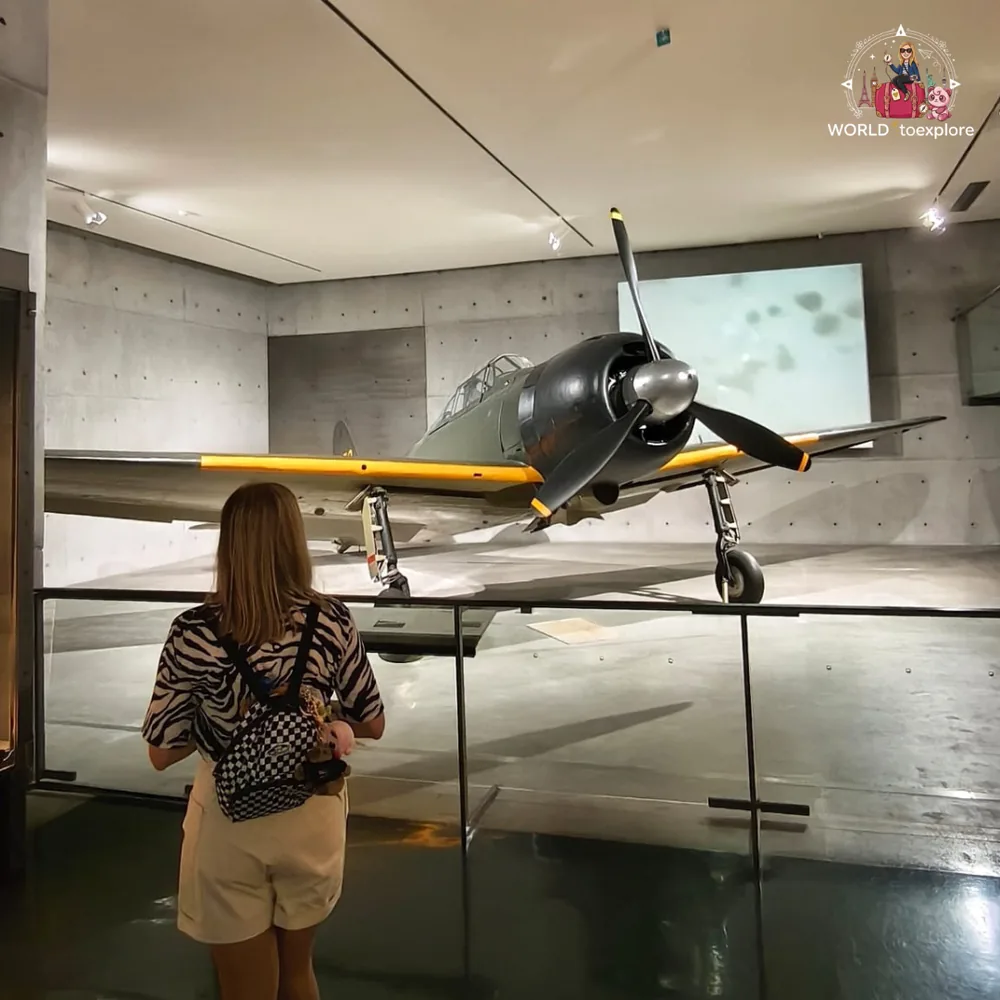
We dedicated the last full day of the trip to exploring Auckland. We started with a visit to the Auckland War Memorial Museum, set at the top of a park with excellent views over the city. Besides the permanent exhibitions, we watched a Māori cultural performance, an impressive experience and much more intense live than we'd imagined. I admit I didn't have high expectations.
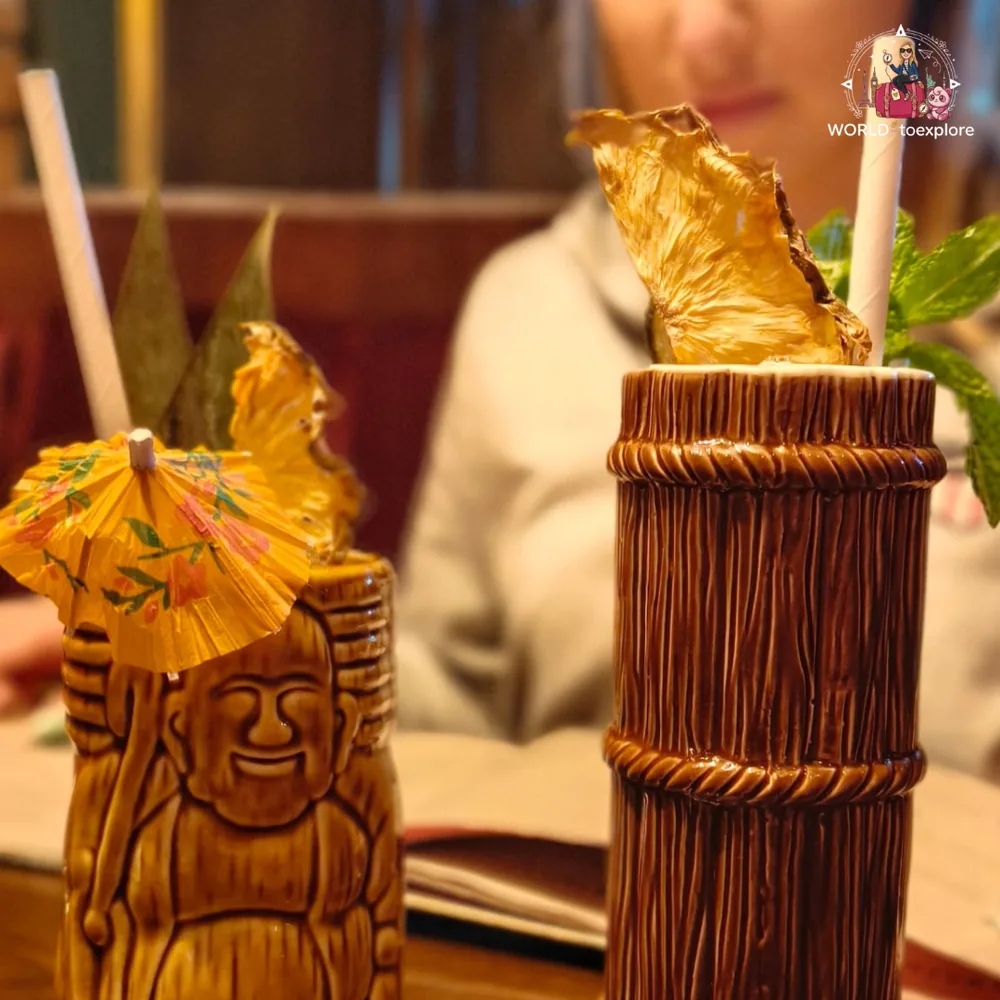
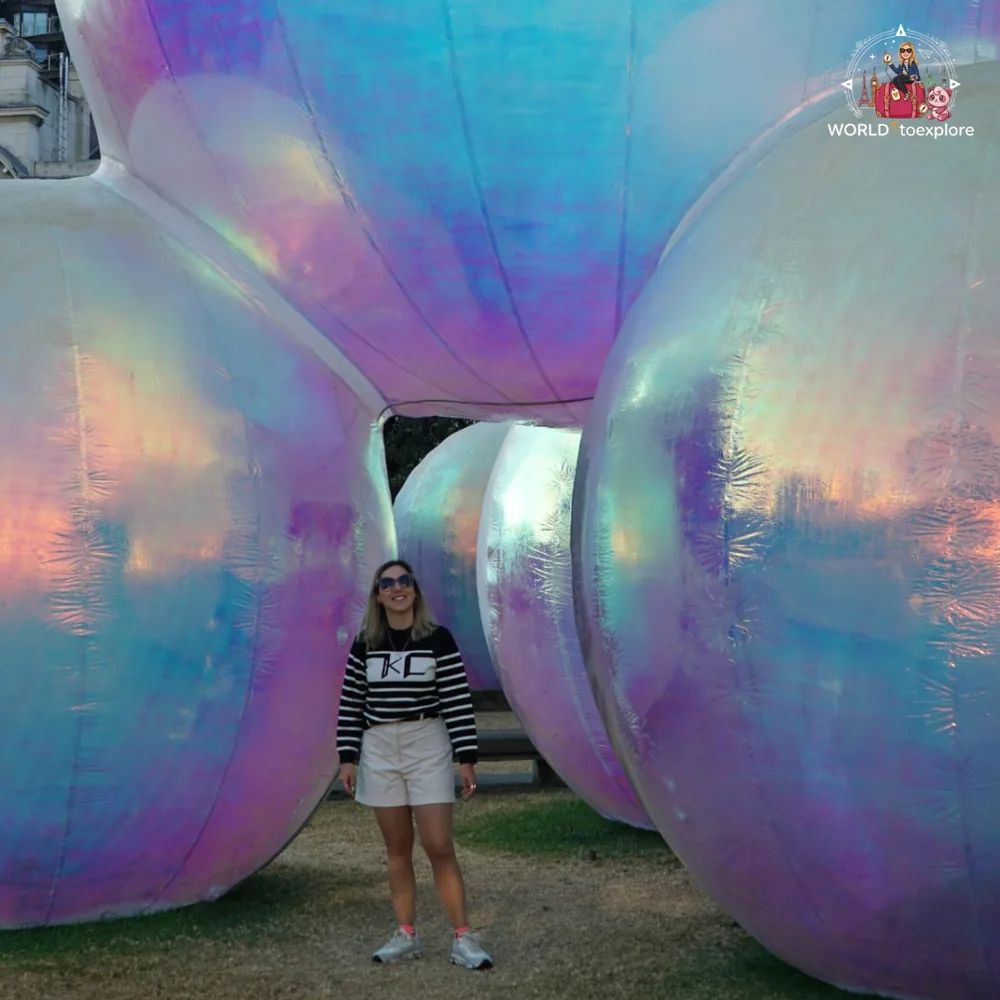
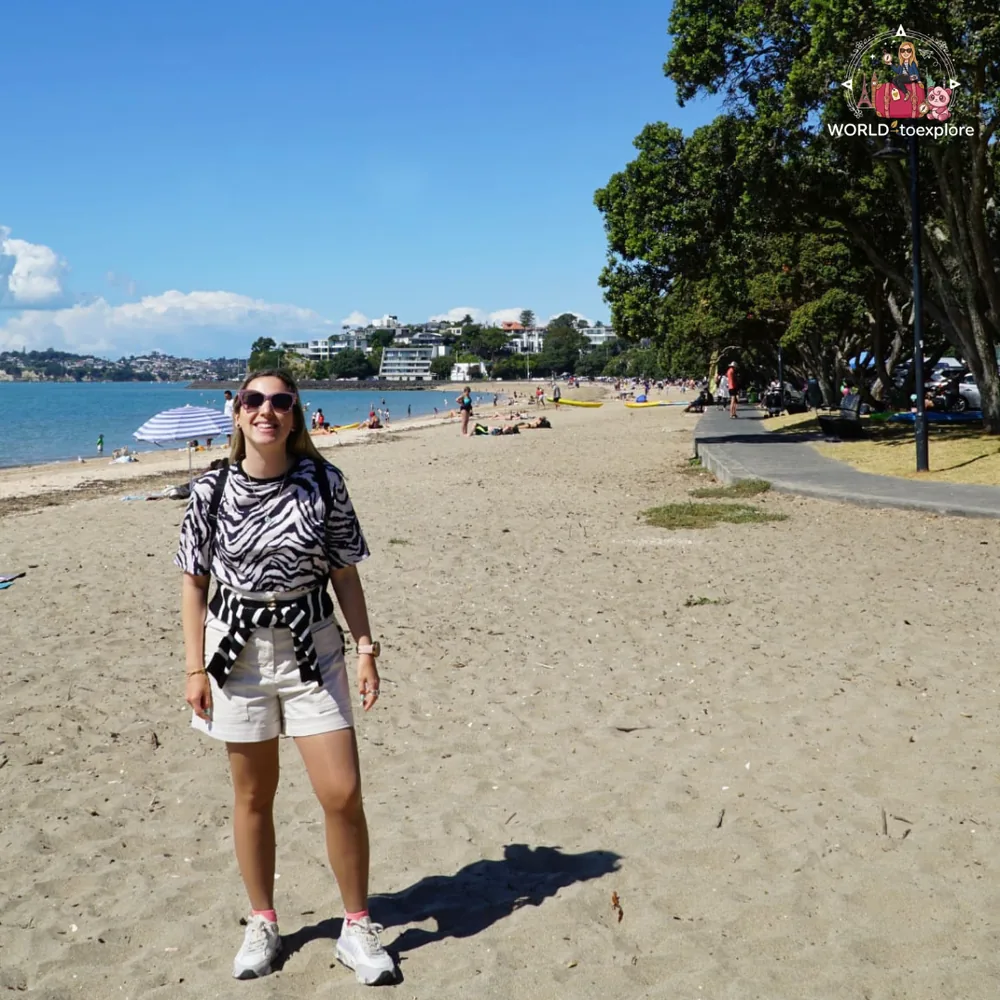
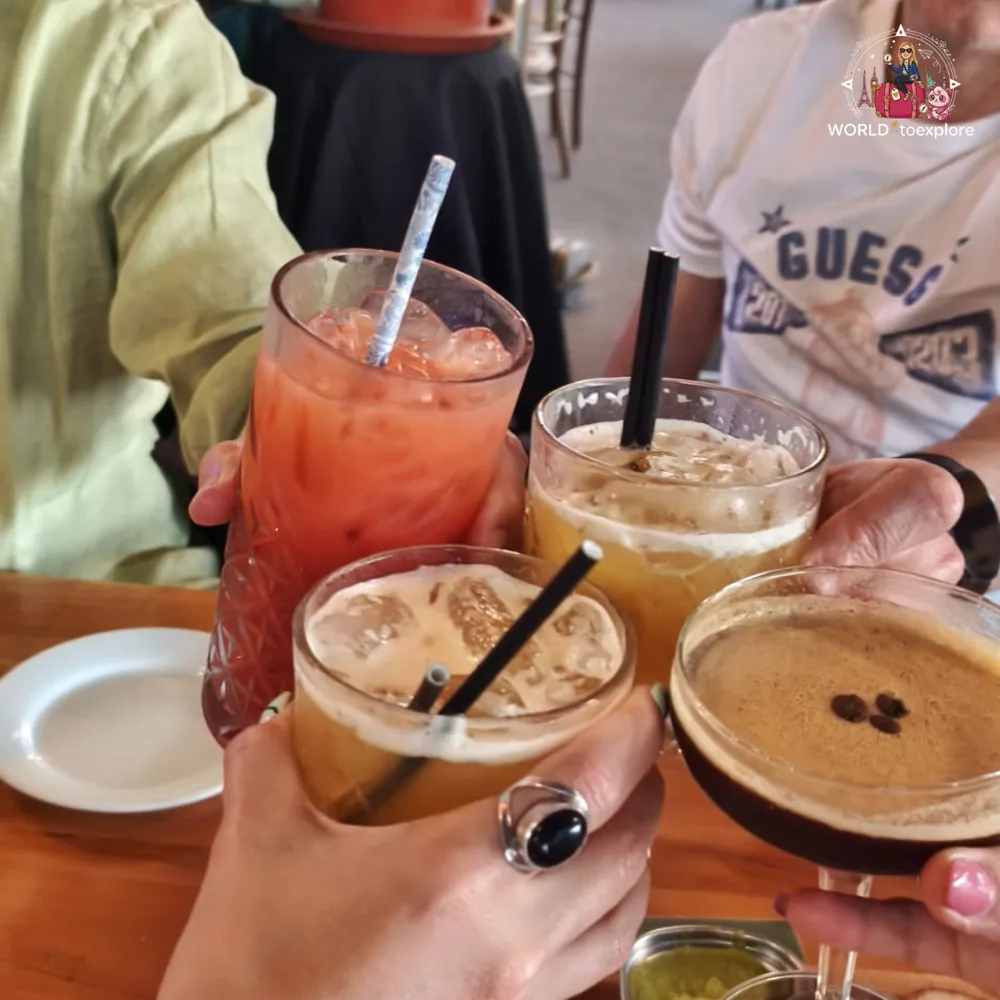
We spent the rest of the day in central Auckland, exploring its streets and enjoying the city's relaxed atmosphere. There was still time to head to Mission Bay, where we ended up going for a swim. The water was surprisingly warm — something we really didn't expect, and it felt great before heading back to the hotel to pack. We ended the last full day of the trip in style, with cocktails in the late afternoon and a dinner of green-lipped mussels, one of New Zealand's most famous specialities. It was the perfect way to celebrate and toast the two unforgettable weeks we spent exploring this incredible country.
Day 15: Farewell to New Zealand
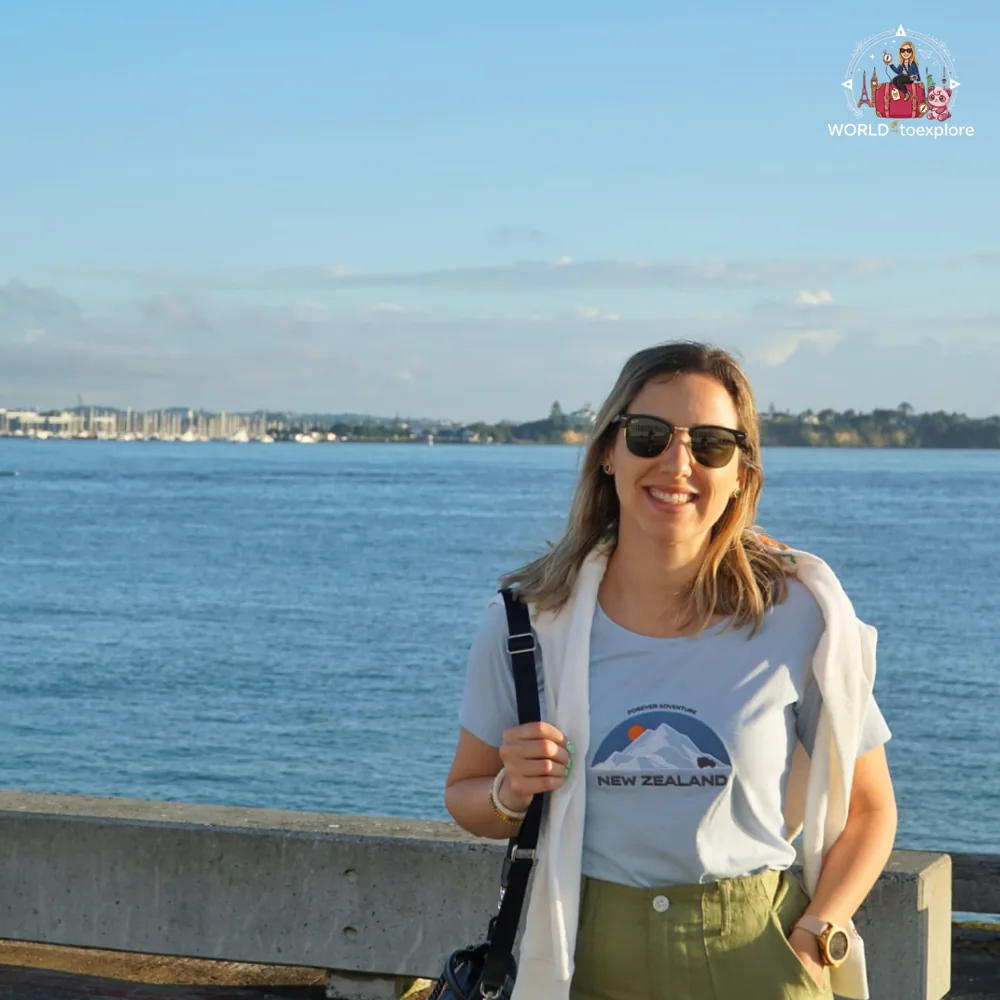
As our flight was scheduled for 2 p.m., we still had time to make the most of the morning and take one last walk around Auckland before heading to the airport. We walked once again along the waterfront to the Auckland Fish Market, enjoying the final hours on New Zealand soil.
From then on, the long journey home began. Just like on the way there, several hours of flights and layovers still lay ahead — Auckland, Kuala Lumpur, Istanbul and, finally, Porto. If before this trip I already said teleportation would be the superpower I'd choose, after this return I became even more convinced.
Final thoughts
It was a dream trip! Between unforgettable landscapes, sheep as far as the eye can see, traumatising sandflies and an unforgettable day at Mount Cook, New Zealand exceeded all expectations. It confirmed what I already suspected: it really is worth crossing literally half the world and spending more than 30 hours between flights and layovers.
If you're thinking of visiting New Zealand, my advice is simple: go. The moment you set foot there, you'll understand why it's considered one of the most beautiful countries in the world. It was a trip that exceeded all my expectations and one I'll hardly ever forget. 🩷
You Might Also Like
Kawarau Falls Dam: the last attempt to take gold from the river
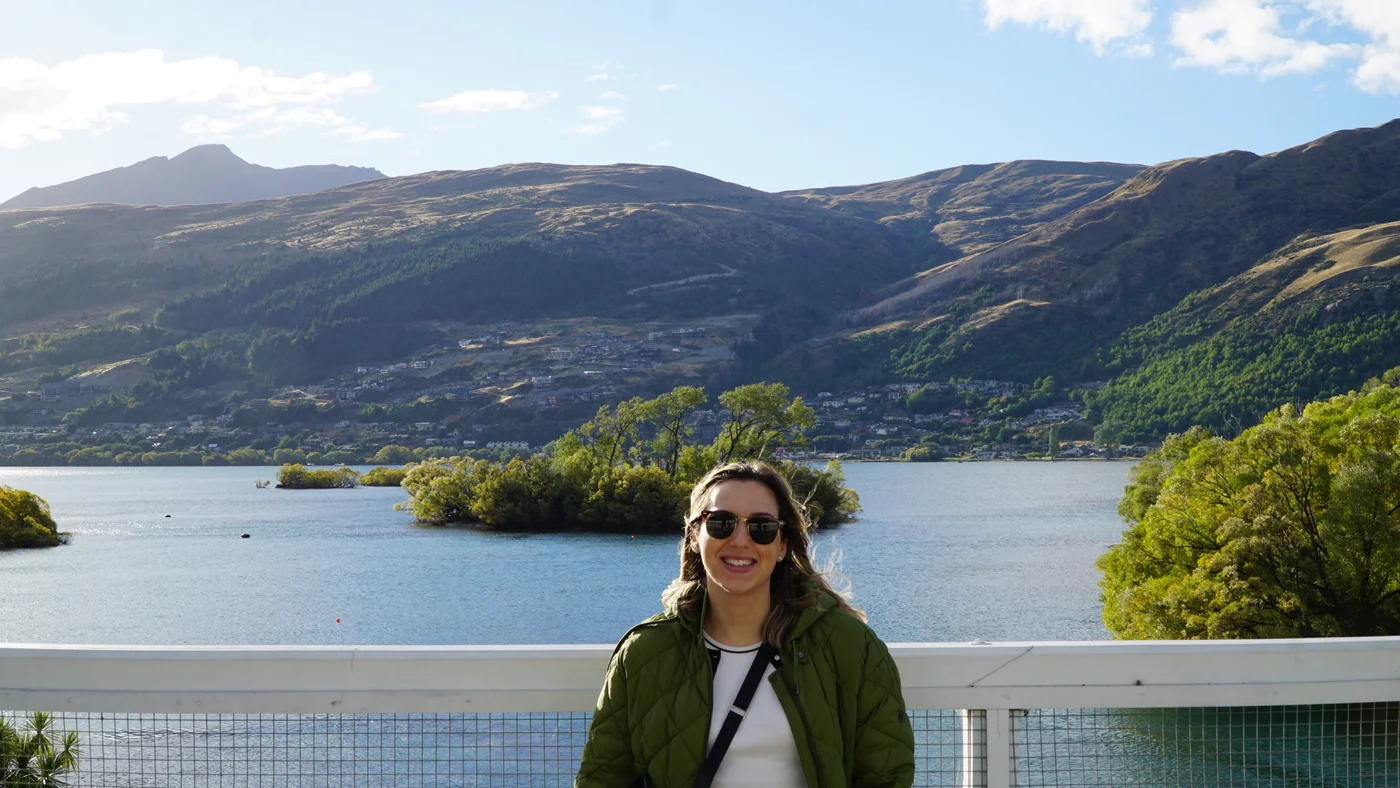
A gold rush, a dam and an experiment that went wrong in 1926: the history of the Kawarau Falls Dam, and the peaceful late afternoon we spent by Lake Wakatipu, in Frankton, Queenstown.
Skyline Gondola vs Tiki Trail in Queenstown
Gondola or the Tiki Trail on foot: how we chose to reach Bob's Peak in Queenstown, sore calves, incredible views and a well-earned burger at Fergburger included.
Is Blue Spring Worth Visiting?
Incredibly crystal-clear waters and intense shades of blue make the Blue Spring, in Putāruru, a true natural treasure on New Zealand's North Island.