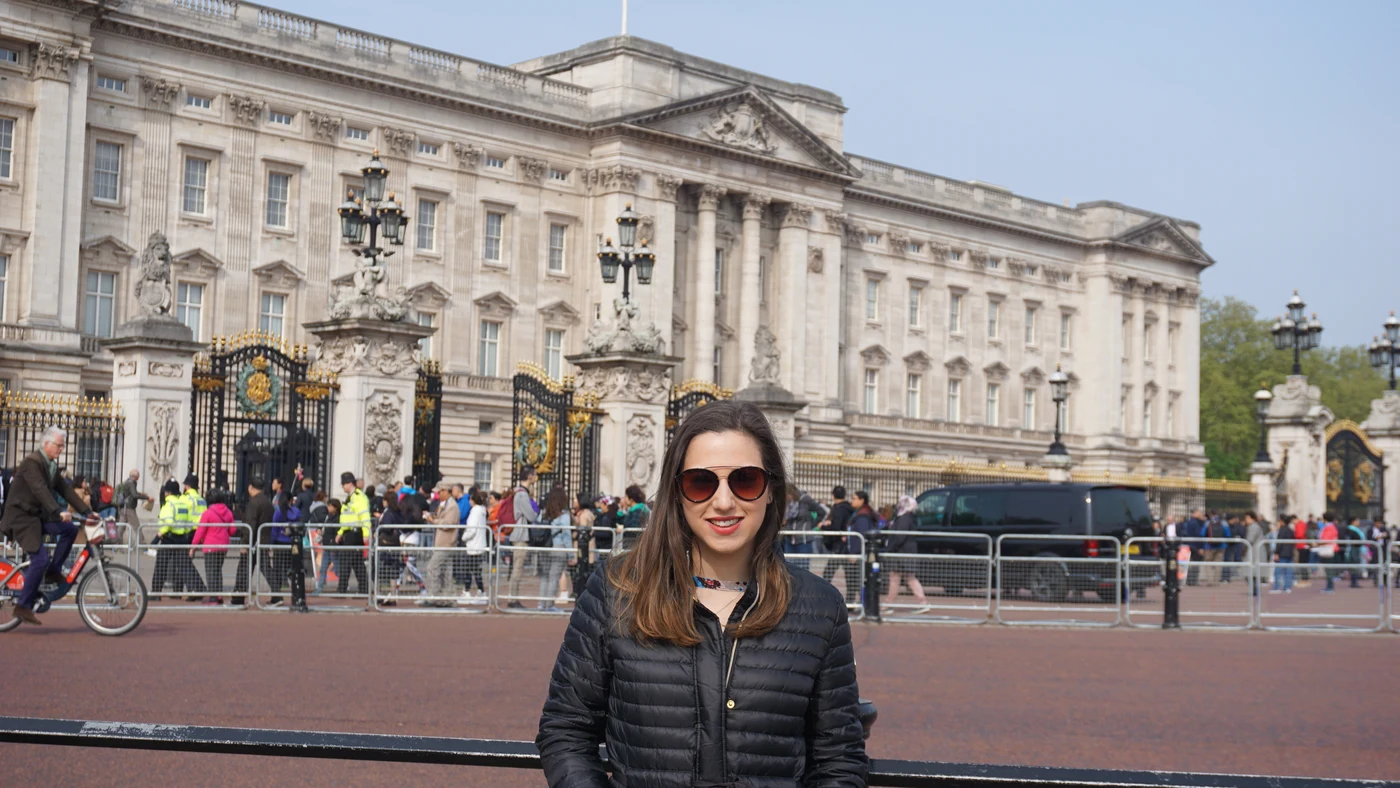
So, what exactly is the Commonwealth?
“Commonwealth” is one of those words almost everyone recognises but few people can actually explain. We usually hear it linked to the United Kingdom, Australia, New Zealand and the British royal family. It is a term that sounds familiar, turns up in the news every now and then and is part of our collective imagination, but whose definition is not always as obvious as it seems.
The truth is that the Commonwealth is much more than a link between the United Kingdom and its former colonies. Today it brings together 56 independent countries, spread across different continents and with very distinct histories, cultures and political systems. How did such different countries end up belonging to the same organisation? And, above all, what still unites them today? In this article, I will try to explain, in simple terms, what the Commonwealth actually is and why it is still relevant today.
What is the Commonwealth, exactly?
The Commonwealth is a voluntary organisation made up of 56 independent countries. Each of them has its own government, its own laws and its own political system. Its members remain fully sovereign, but have chosen to join an organisation that promotes cooperation between them. That cooperation happens in areas such as education, democracy and human rights, allowing countries to share knowledge and find solutions to common problems.
Although they are independent countries and very different from one another, most Commonwealth members have a historical connection to the former British Empire. Many were part of the Empire at some point in their history or maintained close ties with the United Kingdom. Today, that historical connection remains one of the foundations of the modern Commonwealth.
Even so, the Commonwealth is not made up solely of former British colonies. Mozambique, Rwanda, Gabon and Togo never belonged to the British Empire, yet ended up joining the organisation after becoming independent. Nor does English have to be a country's main or official language: it is simply the working language of the Commonwealth. Over the years, the Commonwealth came to bring together countries with very different histories and relationships with the United Kingdom.
The history of the Commonwealth
To understand how the Commonwealth came about, we need to go back to a time when the British Empire was one of the greatest powers in the world. For several centuries, the United Kingdom conquered and administered territories spread across different parts of the globe. It was from this vast network of territories, and from the relationships that grew between them, that the foundations of what would become the Commonwealth began to emerge.
The origins in the British Empire
In the 19th century, the British Empire had territories on almost every continent. Some were colonies governed directly by the United Kingdom, while others had greater autonomy. Among the latter were Canada, Australia, New Zealand and South Africa, known as the Dominions. They had their own governments, but remained tied to the British Empire and to the Crown. Over time, these territories gained more autonomy and began to have a greater say in decisions about their own future.
From the break-up of the Empire to the modern Commonwealth
By the early 20th century, the Dominions already had their own governments and increasing freedom to make decisions without depending directly on the United Kingdom. Even so, they continued to recognise the British Crown as an important part of their political bond. In 1931, the Statute of Westminster took a decisive step by recognising that these territories could make and amend their own laws without depending on the British parliament. The Empire was beginning to change, with its territories more autonomous and less and less dependent on London.
1949: the modern Commonwealth is born
After the Second World War, the British Empire was changing fast. Many of its territories were preparing for independence and it was becoming increasingly difficult to maintain the old relationship with the United Kingdom. In 1949, the London Declaration marked a turning point. From then on, a country could remain part of the Commonwealth even as a republic with its own head of state. India played a key role in this shift, because it was becoming a republic and wanted to stay connected to the Commonwealth.
When the Empire came to an end
In the decades that followed, many territories in Asia, Africa, the Caribbean and the Pacific won their independence from the United Kingdom. The end of the British Empire did not, however, mean the end of the Commonwealth. Even after becoming independent, many of these countries chose to remain part of the organisation, this time through a relationship based on cooperation between its members.
An organisation on a global scale
From then on, the Commonwealth kept growing and taking in new members. The organisation was no longer centred mainly on the former territories of the British Empire and came to bring together increasingly diverse countries. Today it has 56 members, many of which joined after gaining independence, choosing to keep this connection of their own accord. That diversity has become one of the organisation's defining features.
Despite its origins in the British Empire, the Commonwealth continues to attract new members thanks to the opportunities for cooperation it offers. Belonging to this network allows countries to take part in education and development programmes, build new relationships and work alongside other governments. The most recent example is Togo, which joined in 2022 and became the Commonwealth's 56th member, despite never having been part of the British Empire.
How does the Commonwealth work?
The Commonwealth works quite differently from an organisation like the European Union. Each country remains responsible for its own decisions and the organisation has no government sitting above national governments. Its members meet to discuss matters of common interest, share experiences and develop initiatives in various areas. Membership is voluntary and each country can choose to stay or to leave.
The Commonwealth Secretariat, based in London, helps member countries carry out projects and agreements set out together. Leaders meet regularly to discuss the issues that concern them and to look for solutions that can benefit the different members. These meetings also give smaller countries the chance to take part in decisions and put forward their own interests.
Finally, there is one figure that tends to cause some confusion: King Charles III is the Head of the Commonwealth. This does not mean that he governs the countries in the organisation or has power over their governments. Many members are republics with their own heads of state, while others still have the King as their monarch. The role of Head of the Commonwealth is largely symbolic. It is also important to distinguish this role from that of King of the United Kingdom, because they are two very different things.
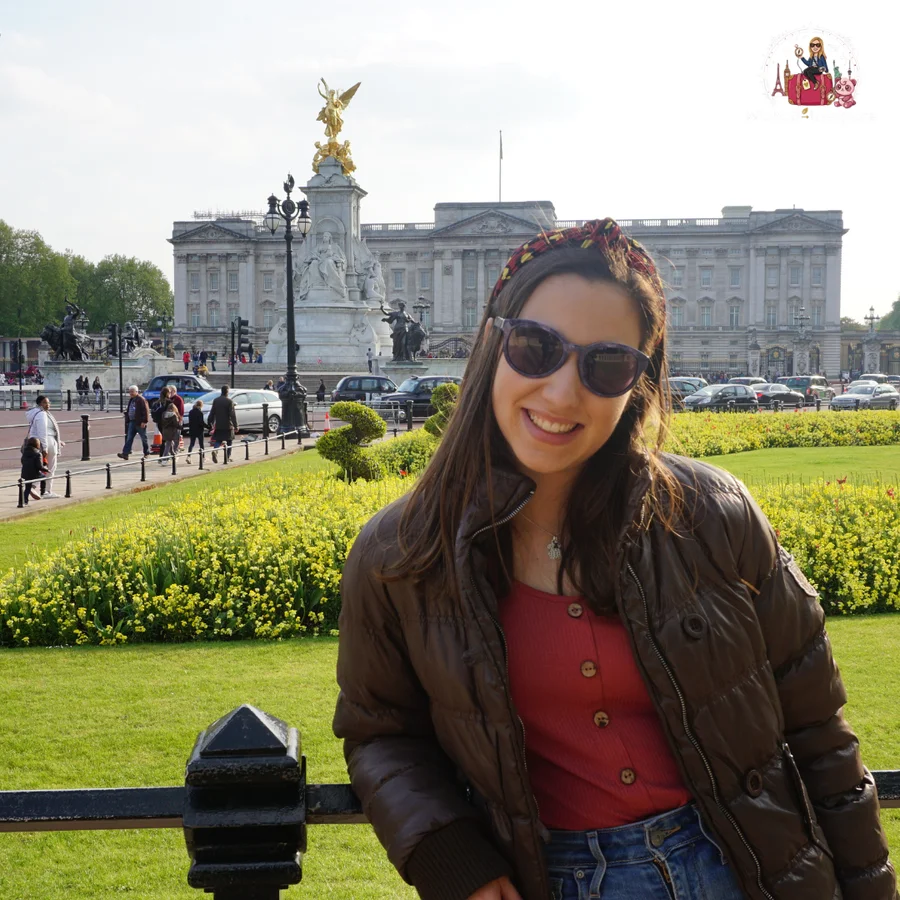
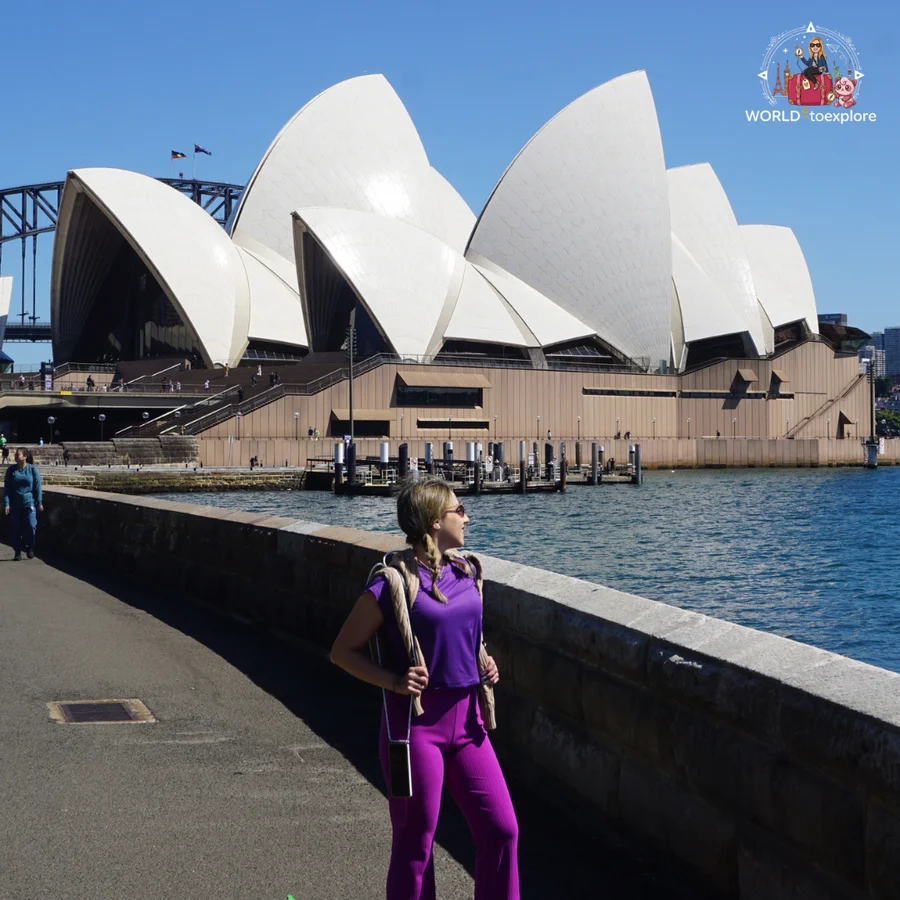
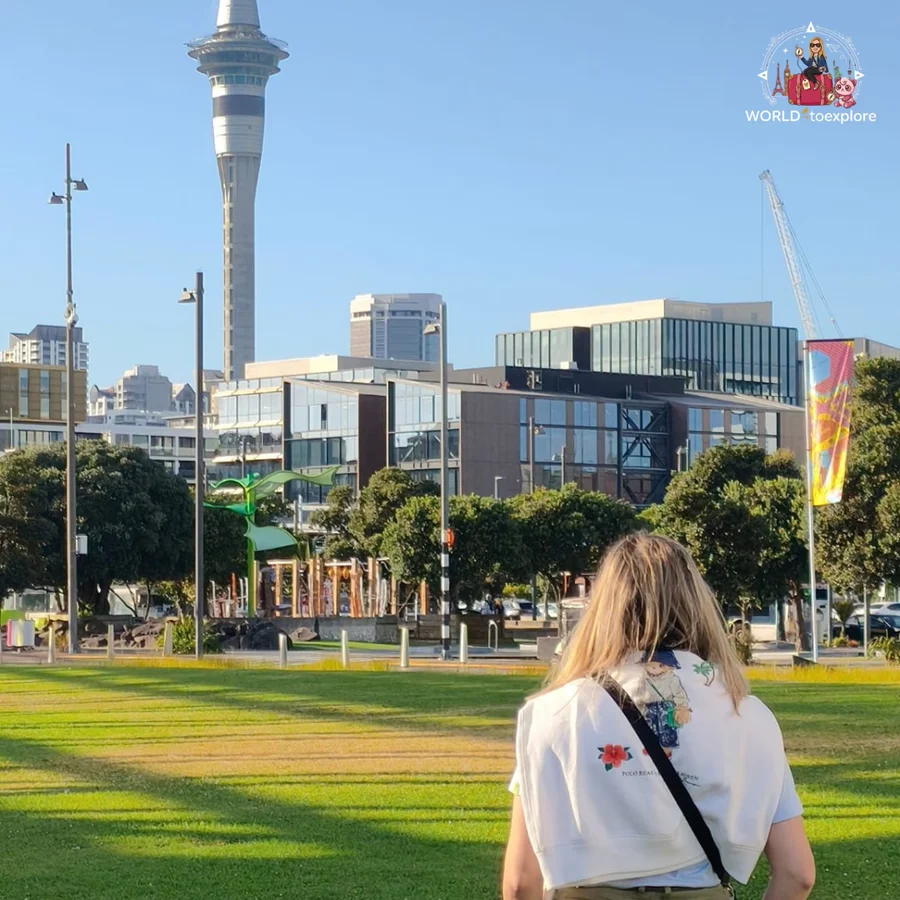
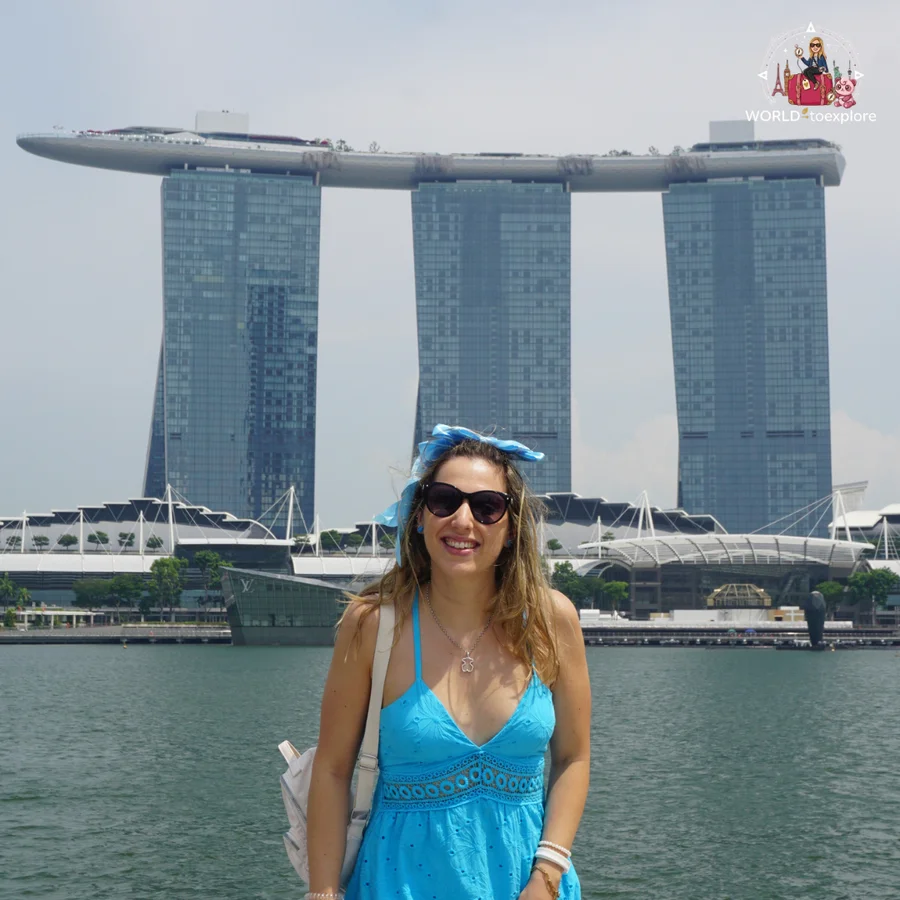
I hope that, after everything I have explained in this article, it is now clearer what the Commonwealth actually is. Once you know its history and understand how it works, the word may no longer seem so hard to explain. I have had the chance to visit four Commonwealth countries myself, the United Kingdom, Australia, New Zealand and Singapore. They are very different places, and perhaps that is exactly what makes this organisation so interesting. Behind a shared history, we find countries with very distinct identities that have nonetheless chosen to stay connected through the Commonwealth. In the end, it is fascinating to think how a structure born out of the British Empire managed to transform itself over time and still bring together countries that today follow their own paths. 🩷