Our Visit to St Peter's Basilica in the Vatican
St Peter's Basilica is the most emblematic monument in the Vatican and one of the most important religious sites in the world. Built over the place where, according to Christian tradition, St Peter's tomb lies, it stands out both for its enormous importance to the Catholic Church and for its striking Renaissance architecture. Every year it welcomes millions of visitors and, whatever your beliefs, it really is one of those places that deserves a visit.
Since we didn't want to waste time in queues, we decided to get to the Vatican really early and it was, without a doubt, a great decision. In this article I'll tell you how our visit to St Peter's Basilica went and share some information that may come in handy if you're planning to visit too.
How St Peter's Basilica Came to Be
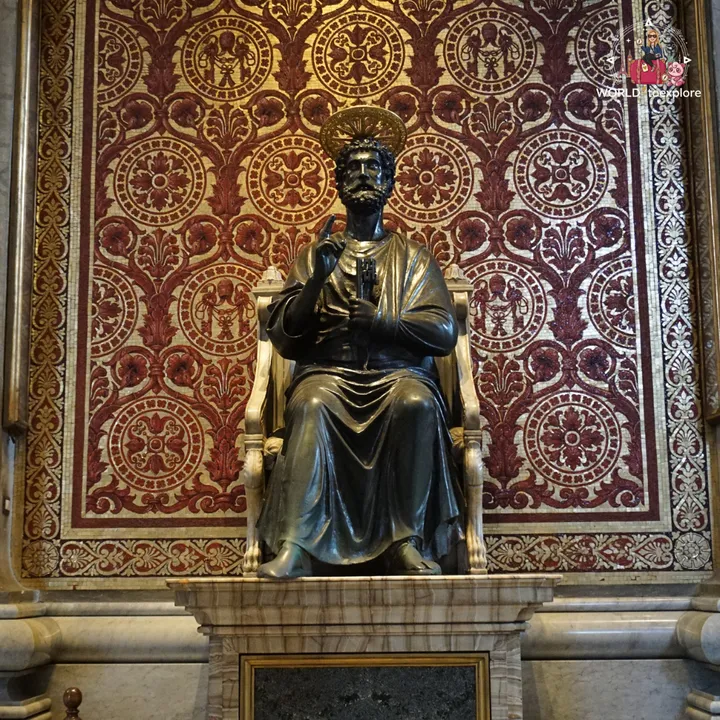
To understand the importance of St Peter's Basilica, we first need to go back to the story of St Peter, one of the twelve apostles of Jesus and the man considered the first Pope of the Catholic Church. According to Christian tradition, he was martyred in Rome during the reign of the emperor Nero and buried on Vatican Hill. About two and a half centuries later, the emperor Constantine ordered a great basilica to be built on the exact spot where his tomb was believed to be. That was the first version of St Peter's Basilica, very different from the one we can visit today.
Over the centuries, the basilica built by the emperor Constantine fell into disrepair and no longer offered the conditions needed to receive the thousands of pilgrims who passed through. In the early 16th century, Pope Julius II decided to replace it with a new basilica, built on exactly the same site. Work began in 1506 and went on for around 120 years, with the involvement of some of the greatest artists and architects of the Italian Renaissance. The new basilica was consecrated in 1626, and it is precisely that building that still dominates St Peter's Square today and that we can visit.
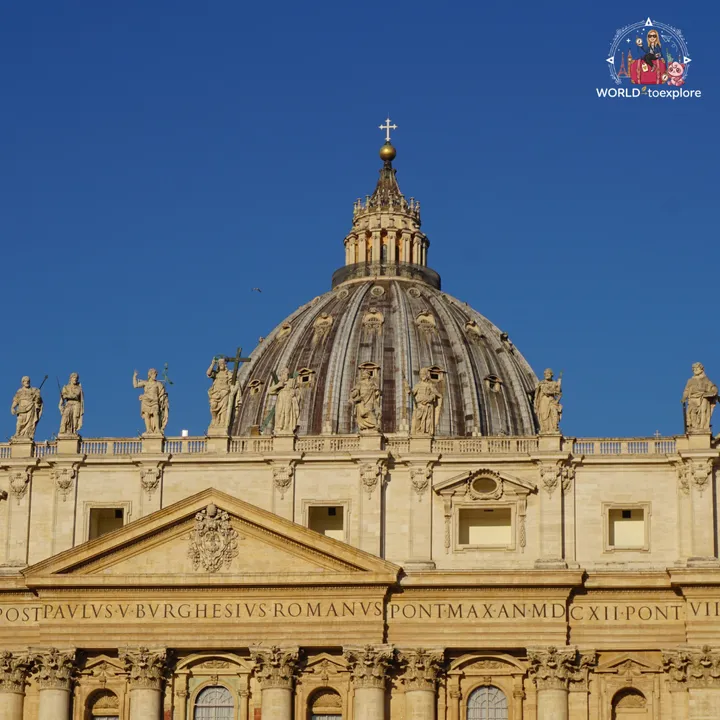
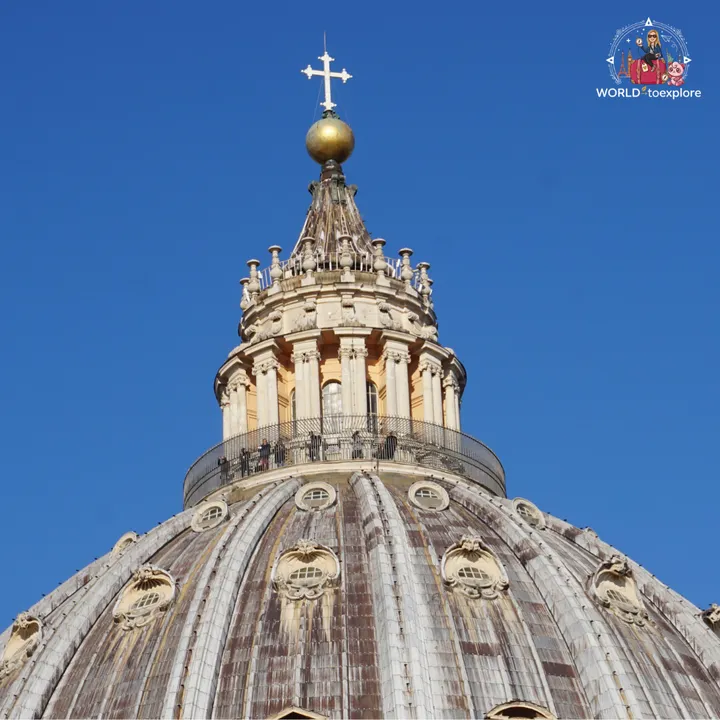
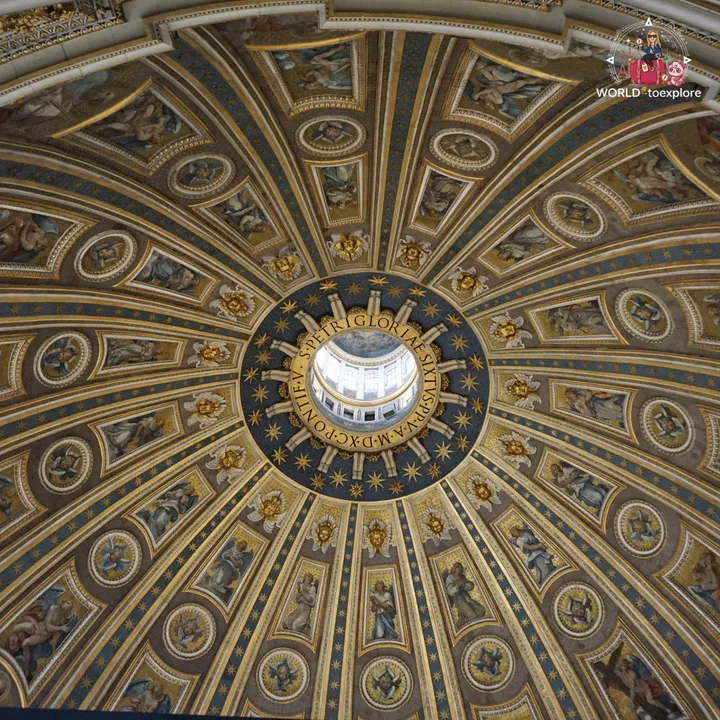
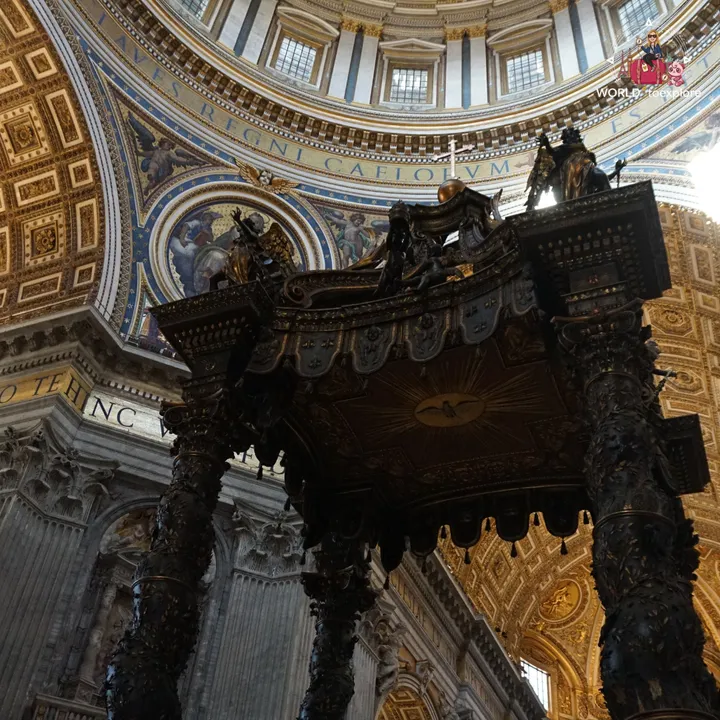
The result of more than a century of work was one of the greatest works of Renaissance architecture. The interior of the basilica is surprising not only for its size, but also for the artistic riches it holds. Right by the entrance is Michelangelo's famous Pietà, a sculpture he finished when he was only 24 years old. Further in, at the centre, rises Bernini's huge bronze baldachin, above the main altar. But the element that stands out most in the whole basilica is, without a doubt, the imposing dome designed by Michelangelo. At around 136 metres high, it has become one of the great symbols of the Vatican and dominates the whole surrounding landscape.
More than four centuries after it was completed, St Peter's Basilica still plays a central role in the Catholic Church. For some it is an important place of faith, while for others it is a chance to get to know its history, its art and its architecture. Whether for religion, for culture or simply out of curiosity, it's easy to see why it keeps drawing visitors from all over the world.
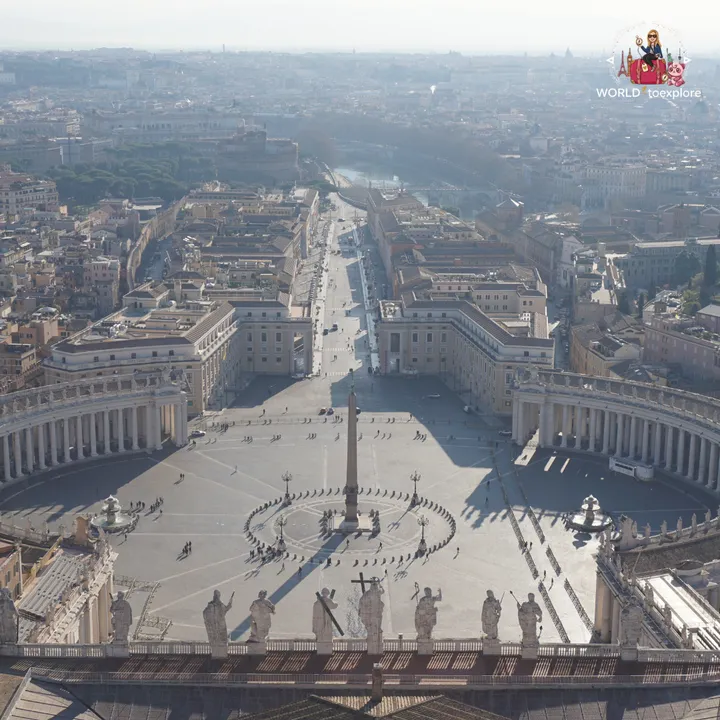
Exploring the Basilica: the exterior, the dome and the interior
To make the most of our visit to the Vatican, we got there at around 7.15am. We had planned to start with the climb up the dome, then visit the inside of the basilica and finish the morning at the Vatican Museums and the Sistine Chapel. It worked out exactly as we expected and, for us, that order made perfect sense.
The exterior
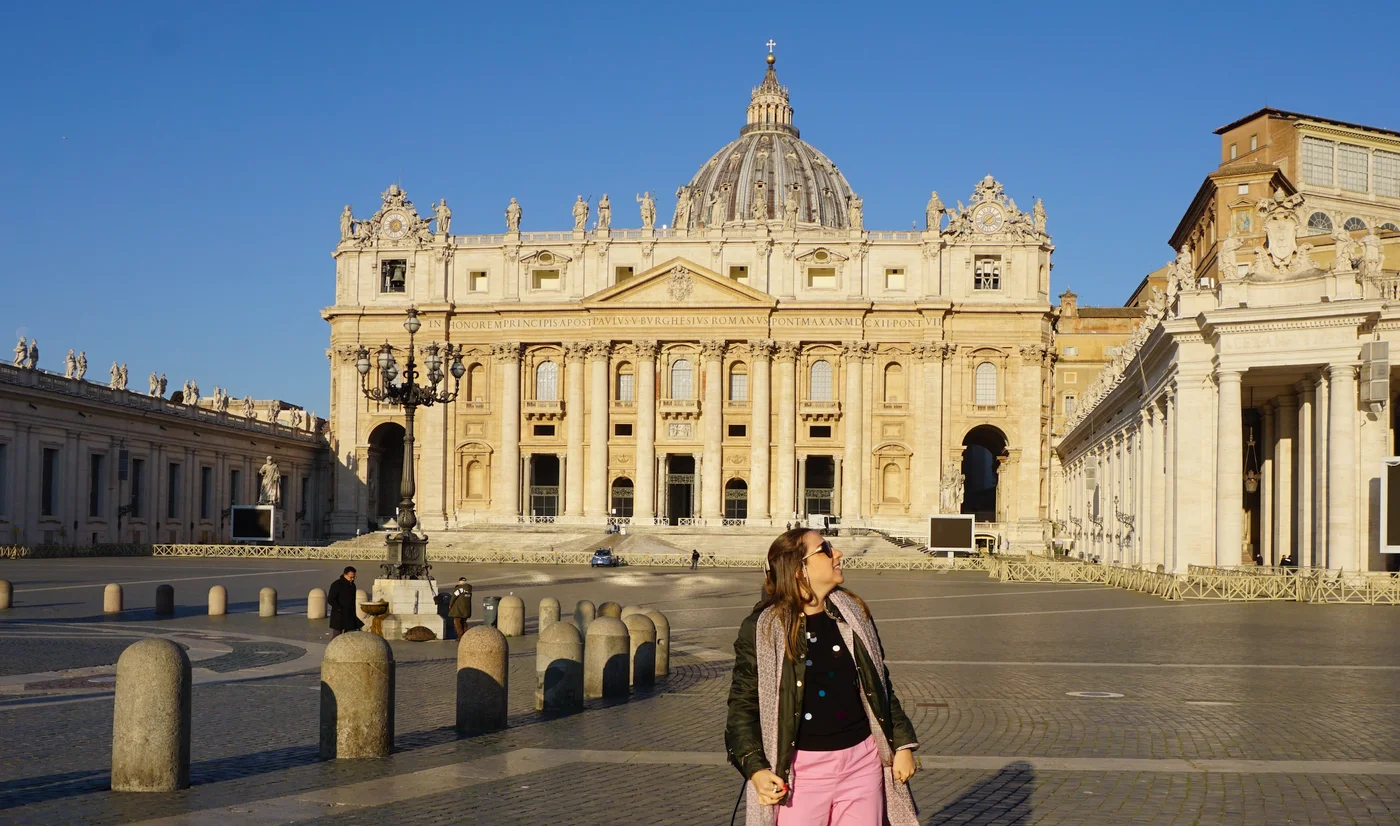
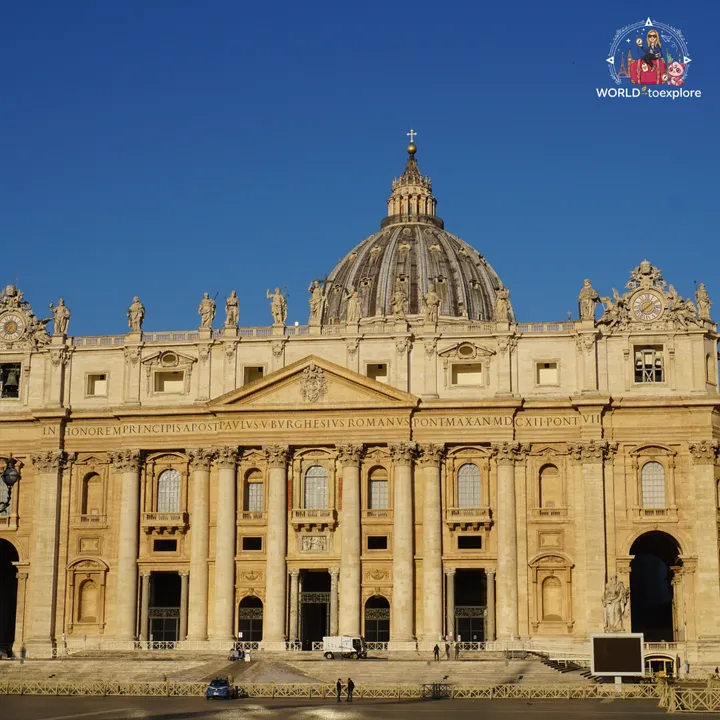
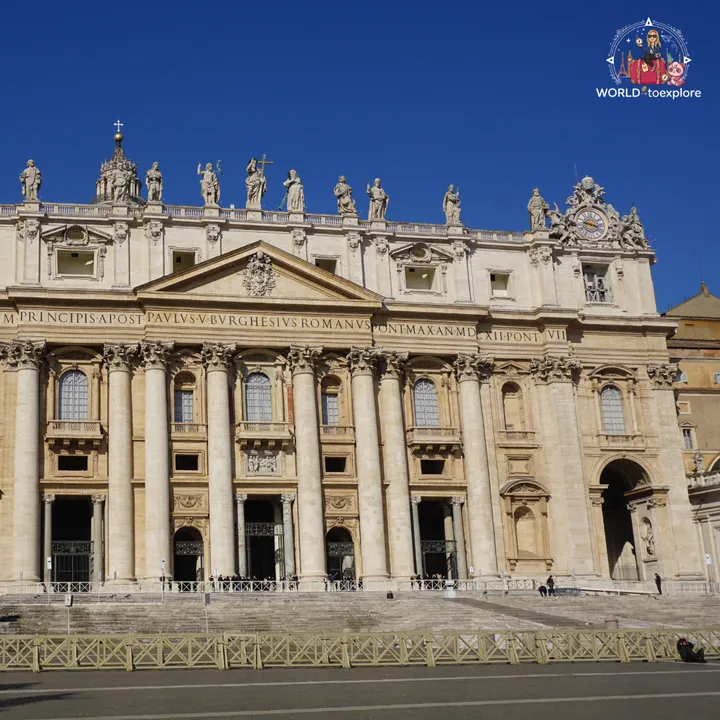
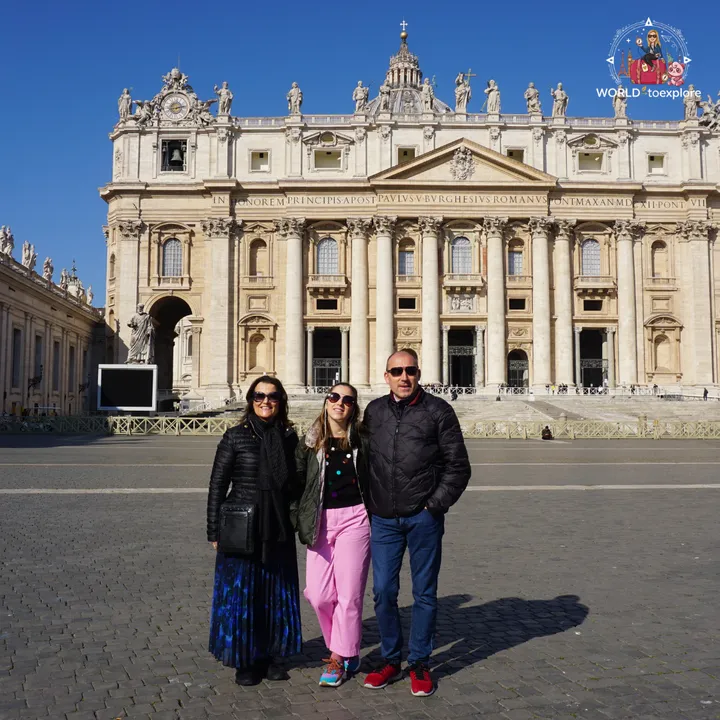
St Peter's Basilica completely dominates St Peter's Square and, even after having seen hundreds of photographs, we quickly realised that none of them can convey the true scale of the building.
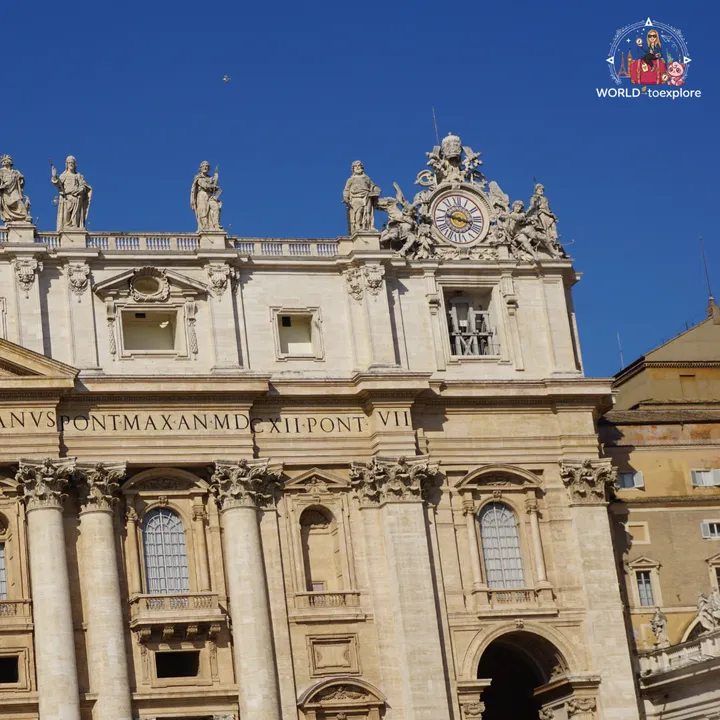
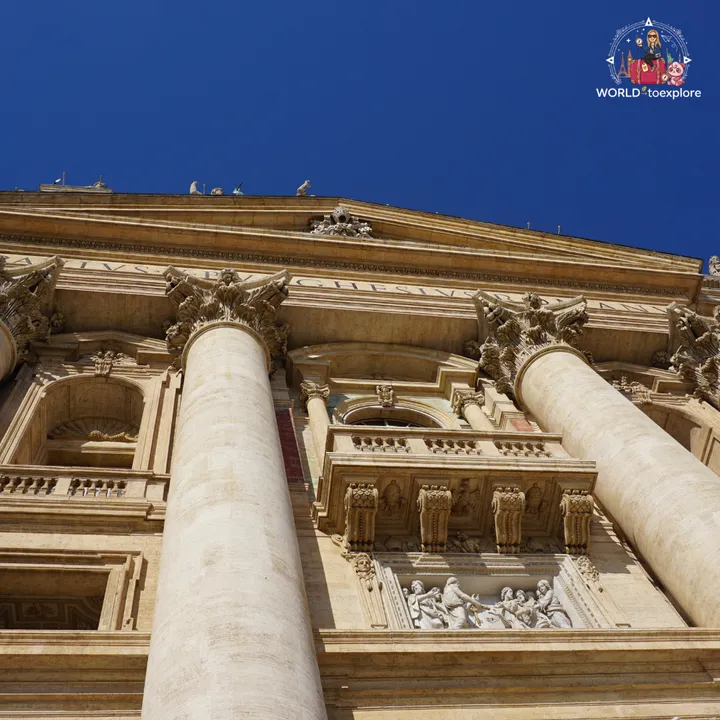
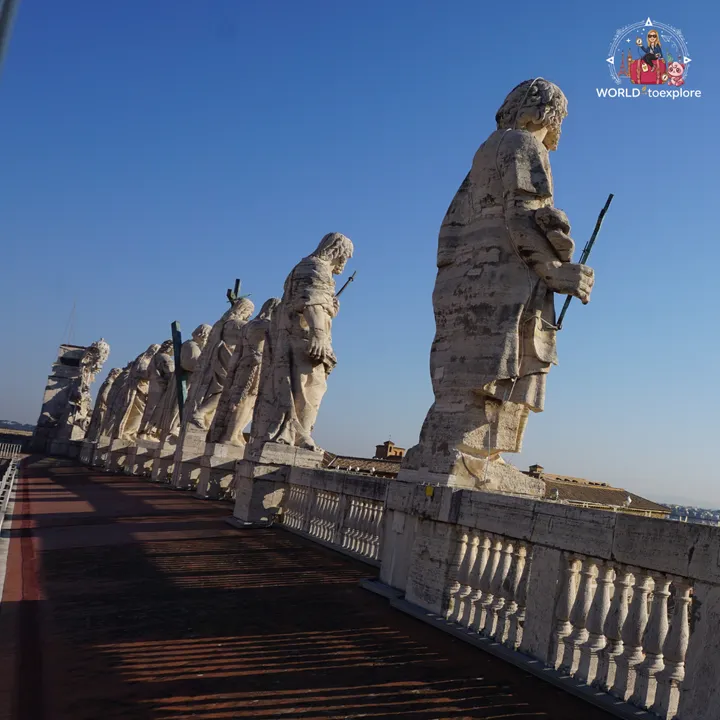
The main façade, completed in the early 17th century, stretches more than 100 metres wide and is built of travertine, a stone widely used in the great monuments of Rome. At the top of the façade stand the statues of Jesus Christ, St John the Baptist and eleven of the twelve apostles. St Peter is not among them, since the whole basilica is dedicated to him and his statue takes a more prominent place in St Peter's Square. Behind the row of statues rises Michelangelo's huge dome.
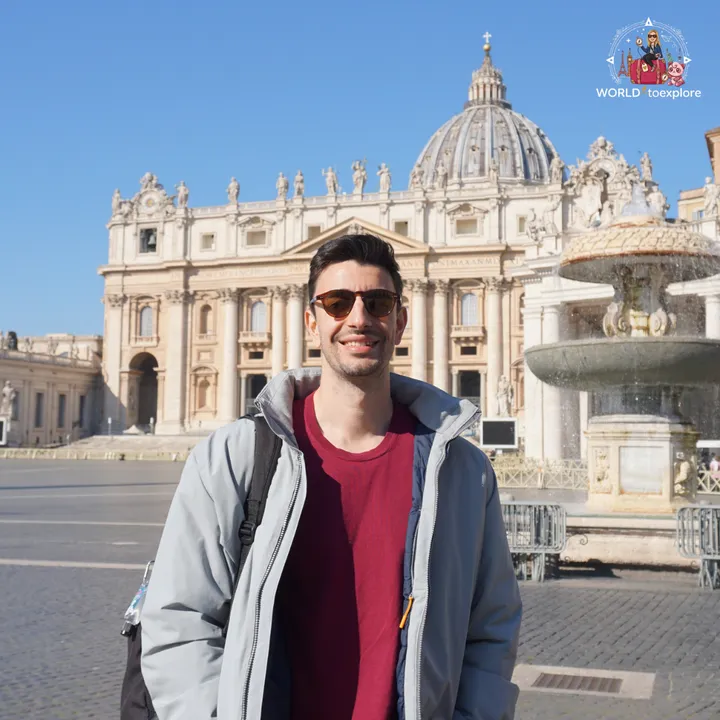
As I mentioned earlier, we got to the Vatican really early and so St Peter's Square was practically deserted. We took the chance to look at the basilica, take in all its grandeur and take a few photographs with almost nobody around. Had we arrived a little later, it wouldn't have been possible to enjoy that moment in the same way.
- Opening hours (square): always open
- Price: free
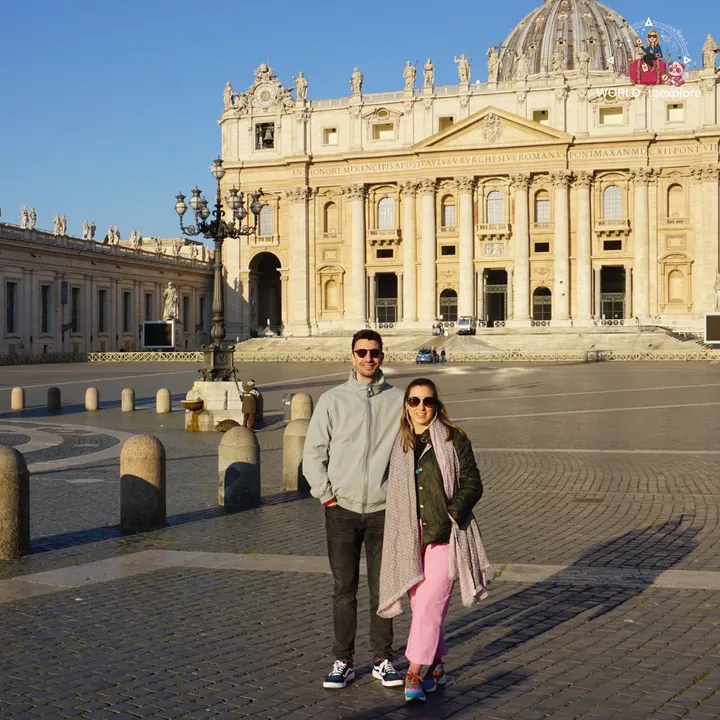
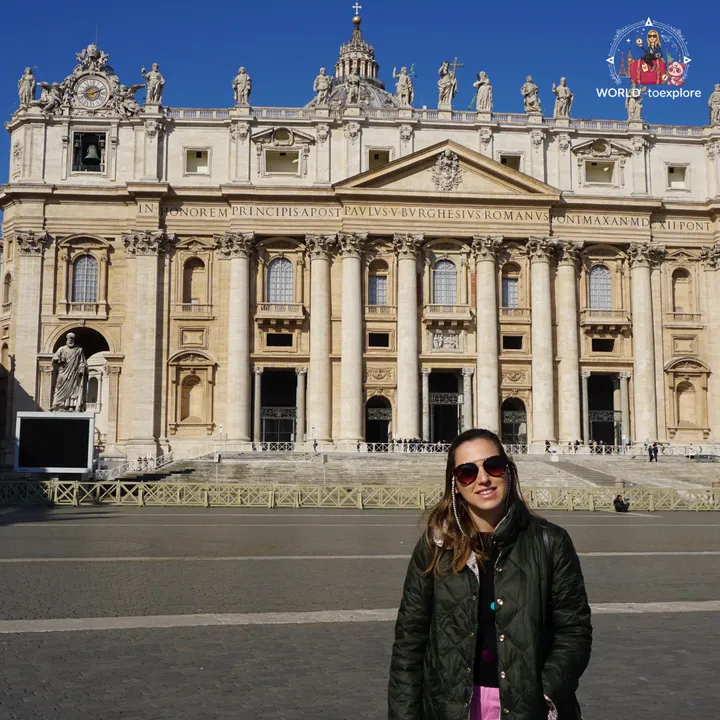
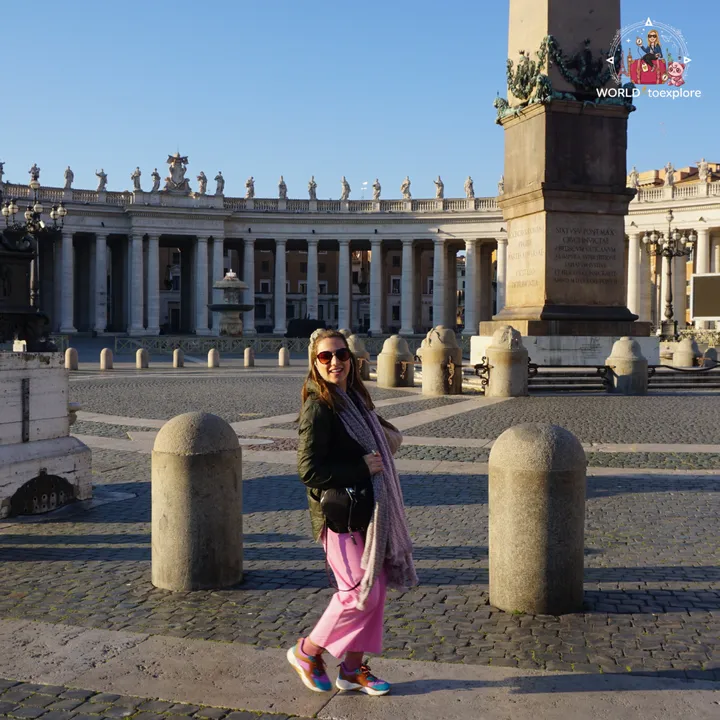
Climbing the dome
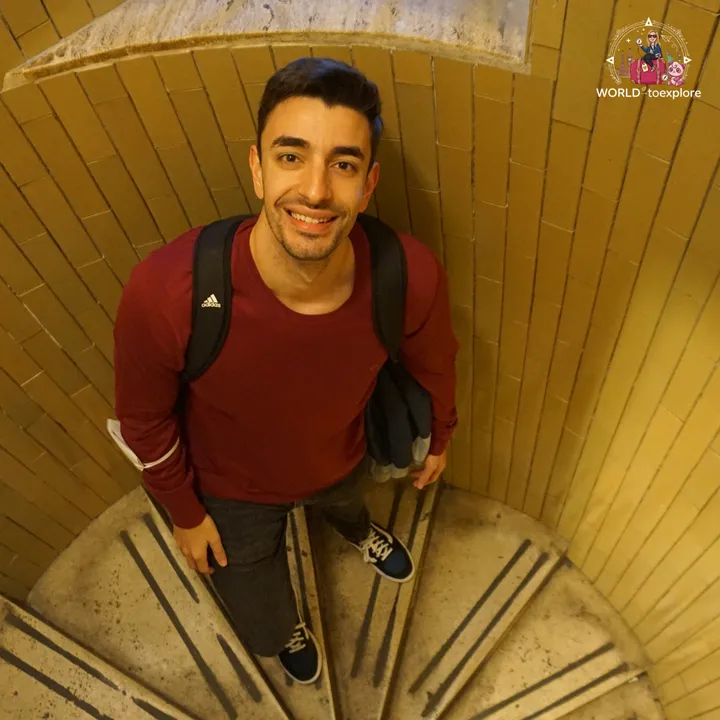
Climbing the dome was one of the moments we were looking forward to most on this visit. While we were planning the trip, we had read several accounts from people recommending doing it first thing in the morning, not only to avoid the queues but also because the final stretch is quite narrow and, when there are a lot of people, it can get a little uncomfortable. Luckily, since we arrived early, we didn't have to wait at all. We bought the tickets and started climbing straight away.
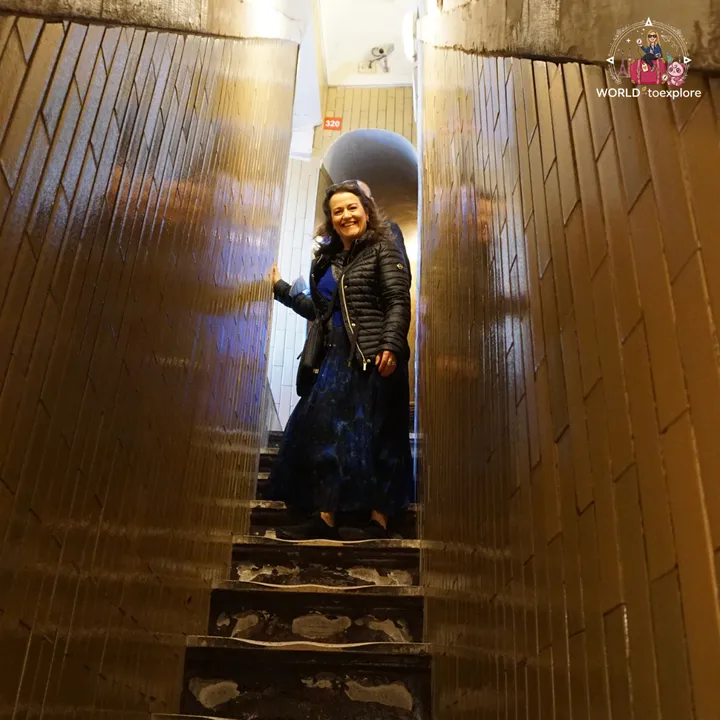
There are two ways to get to the top of the dome: (1) taking all 551 steps on foot or (2) using the lift up to the basilica terrace and climbing only the final stretch, which still has around 320 steps. As we enjoy this kind of challenge, we didn't think twice and did the whole climb on foot. Even though it is still a lot of steps, it went quite well. We went at our own pace and, as we're used to climbs like this, we never had any real difficulty. Even so, we obviously got to the top a little out of breath and hot, which I think was perfectly normal.
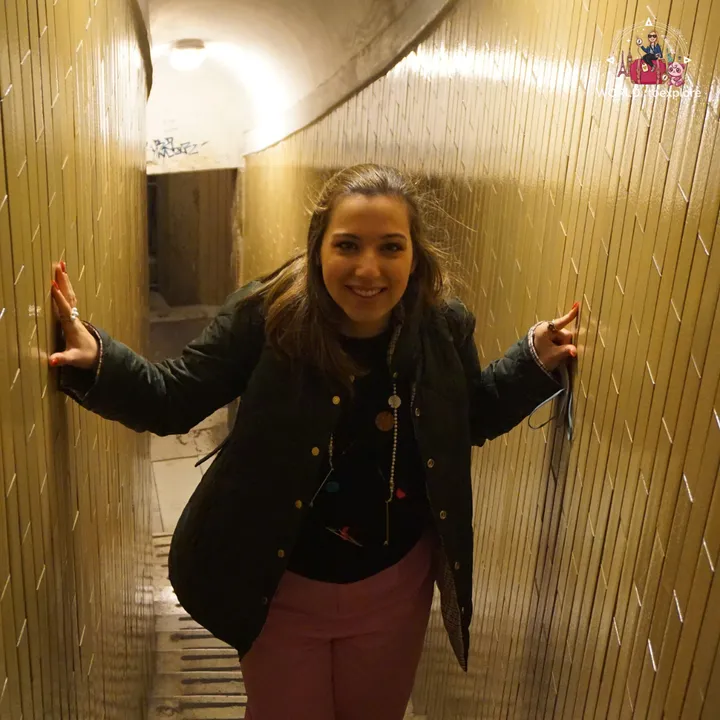
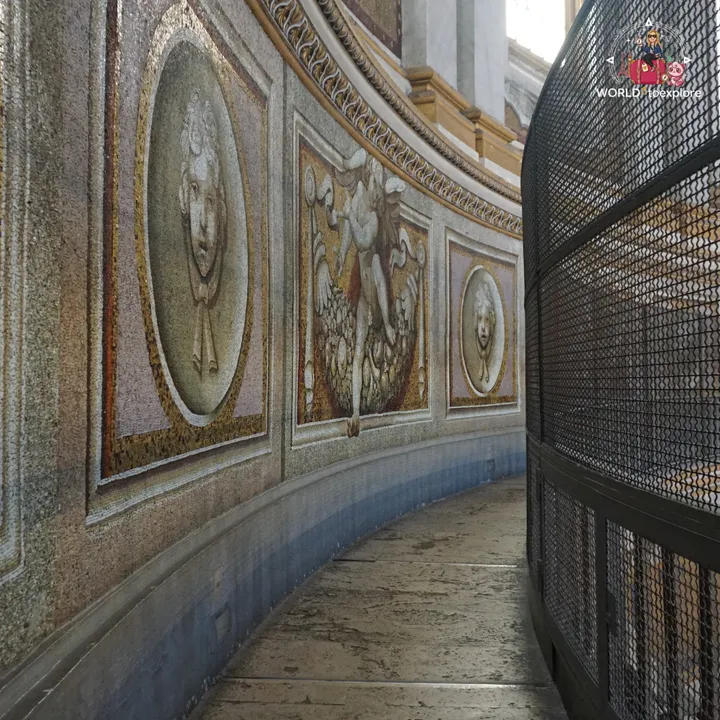
Near the top, the corridors get much narrower and steeper. That's when we understood why so many people recommend doing this climb first thing in the morning. As we hardly crossed paths with anyone, we did this whole part calmly and without ever feeling hemmed in. I do believe that, with many more people, the experience could be quite different.
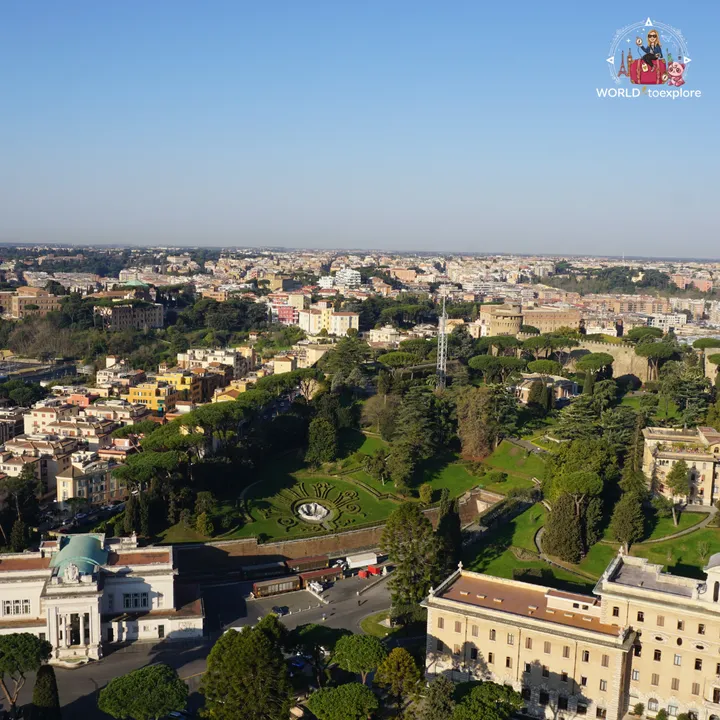
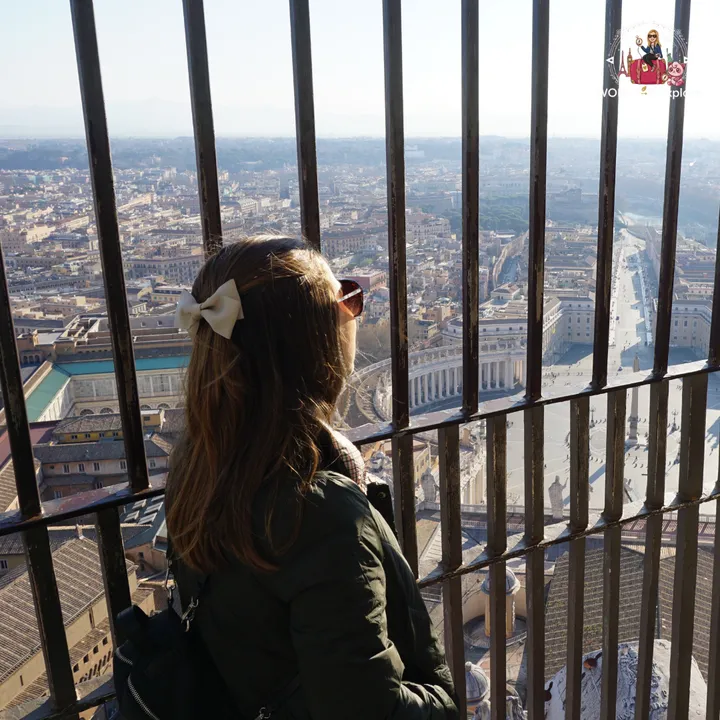
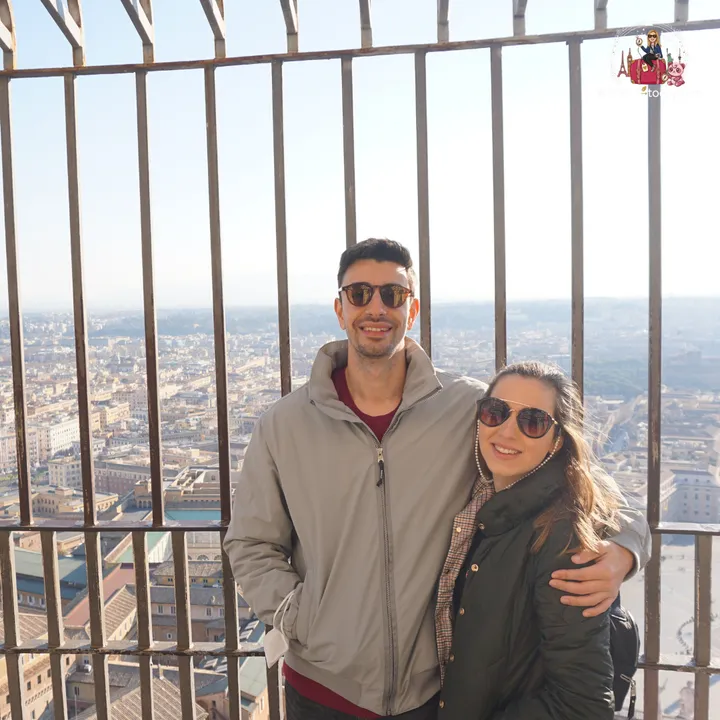
When we finally reached the top, we could see the effort had been worth it! From up there you get a completely different perspective of St Peter's Square and of the whole Vatican. We spent several minutes taking in the view and taking photographs before starting the way down, which follows a different route from the way up, so that people don't cross paths in the narrow sections. All in all, it took us about an hour from the moment we started climbing until we were back down. If you enjoy climbs like these, I really do think going up the dome is worth it.
- Opening hours (dome): in summer (29 March to 25 October), 7.00am to 6.00pm; in winter (26 October to 28 March), 7.30am to 5.00pm
- Price: 10.00€ for the full climb up the stairs (551 steps) or 15.00€ with the lift plus stairs (around 320 steps)
- Average duration: about 1 hour (depending on your pace and how long you spend at the top)
- Where to buy tickets: at the ticket office by the entrance to the dome, but I recommend buying in advance online on the official website
- Where the climb starts: on the right-hand side inside St Peter's Basilica, following the signs for the dome
The interior
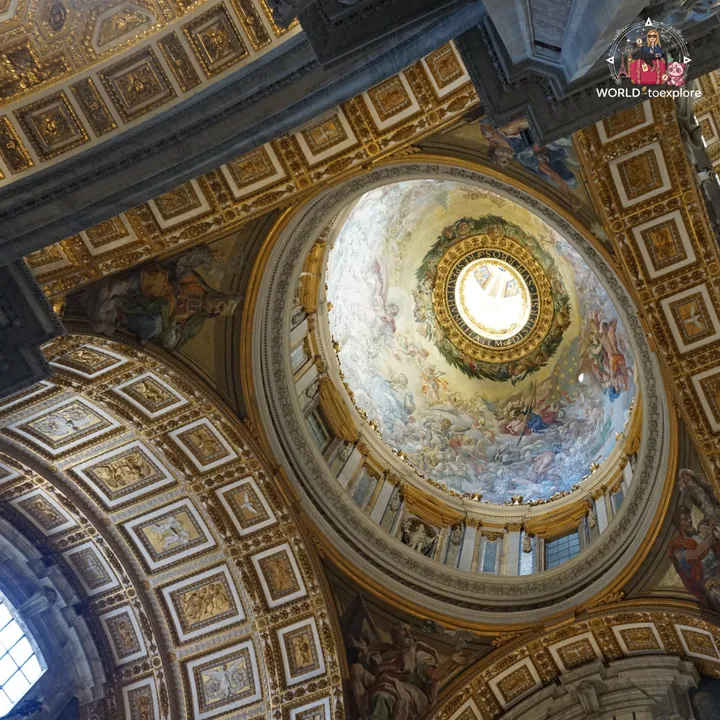
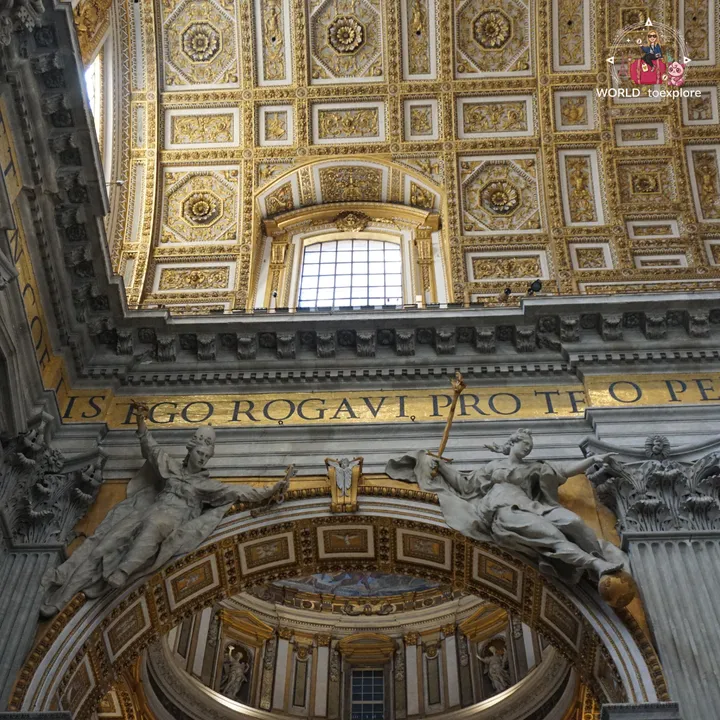
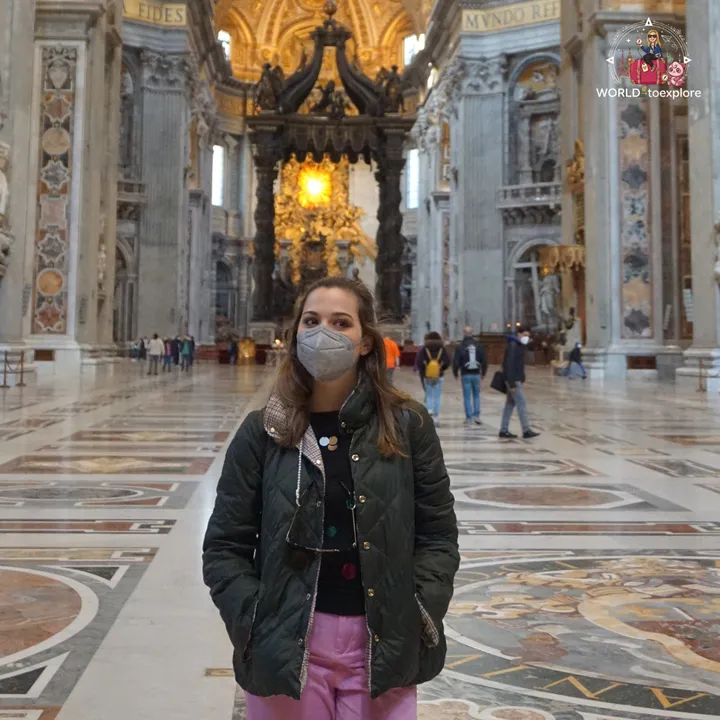
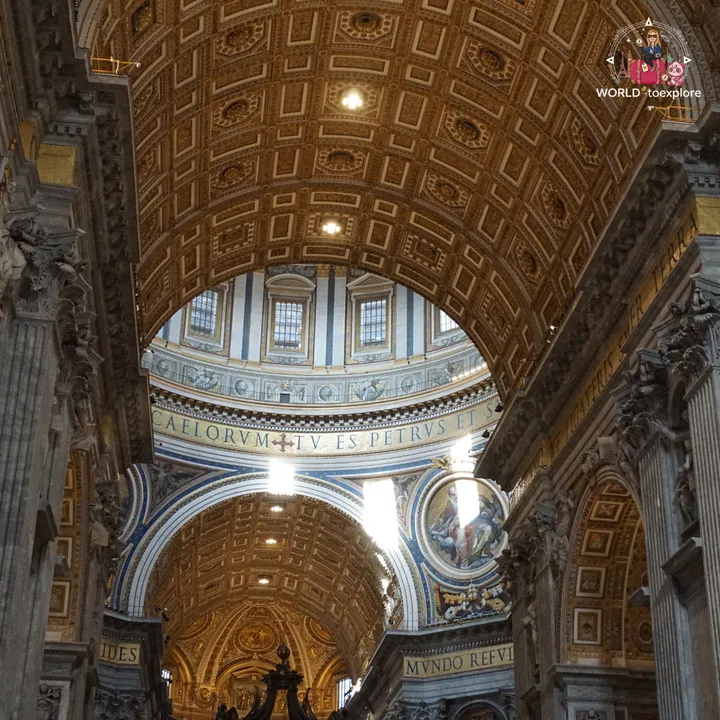
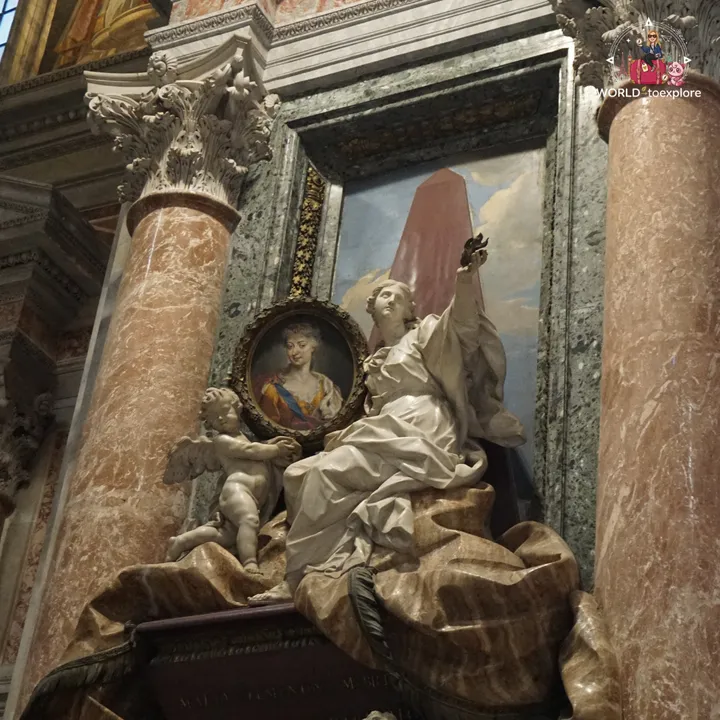
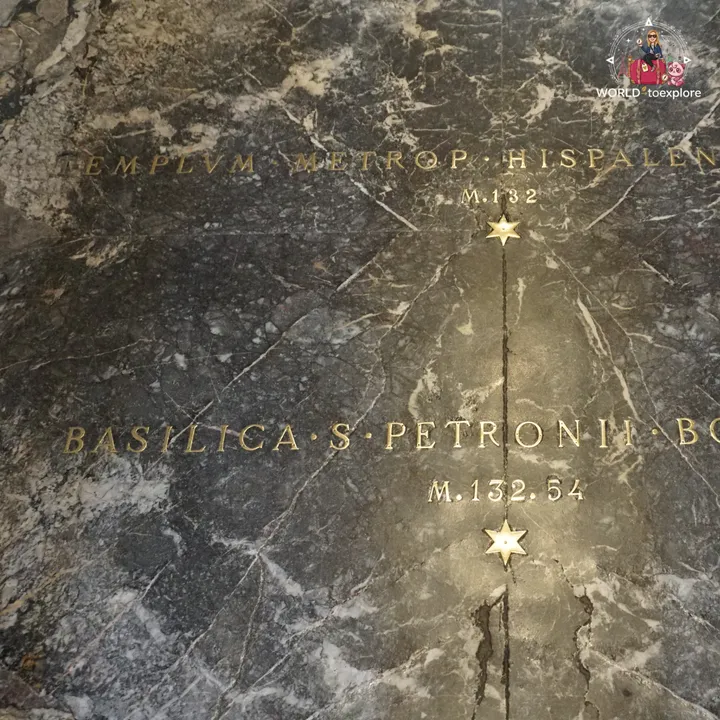
After coming down from the dome, we went back inside the basilica to explore it properly. Even though we had already done the climb, it was still relatively early (around 8.30am) and the atmosphere was still very quiet. There weren't many people around, which let us see everything at a leisurely pace. The ceilings and the pillars are enormous and help you grasp the scale of the space.
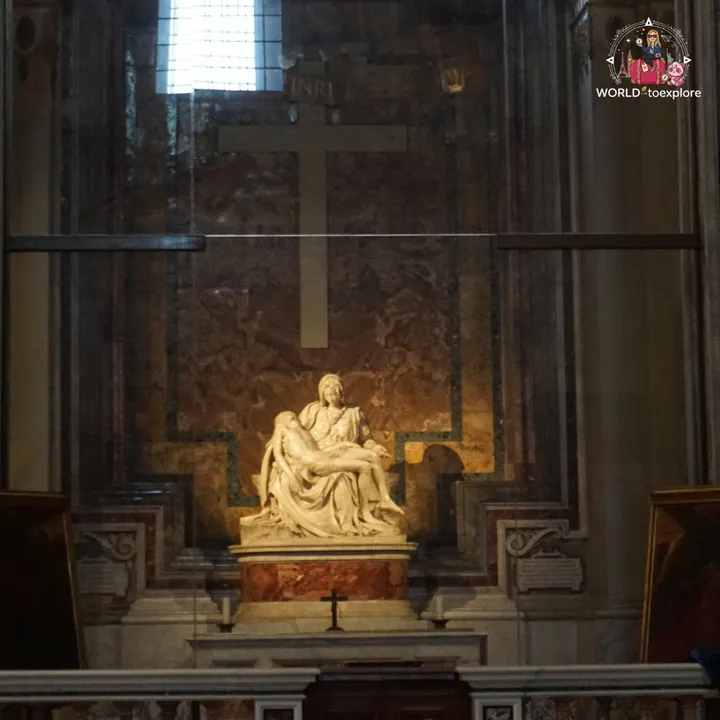
We walked the basilica from one end to the other. We stopped for a while at the Pietà, which is one of the most admired sculptures in the world. Although I completely understand that it is protected for reasons of security and conservation, I confess I would have liked to be able to look at it a little closer. I felt the distance doesn't let you appreciate the work as it deserves. Further in, at the centre, is Bernini's baldachin, and it's impossible not to be struck by its size.
We managed to do all of this with a calm we would hardly have had an hour or two later. When we left, the queue to get in was already very long. It was one more confirmation that arriving early made all the difference.
- Price: free entry
- Opening hours: in summer (29 March to 25 October), 7.00am to 7.10pm; in winter (26 October to 28 March), 7.00am to 6.30pm
- Security check: compulsory before going in, and on busier days the queue can be more than an hour long
- Dress code: no bare shoulders, vest tops, skirts or shorts above the knee
- Length of the visit: around 30 minutes (without the dome climb)
- Photographs: allowed, but without flash
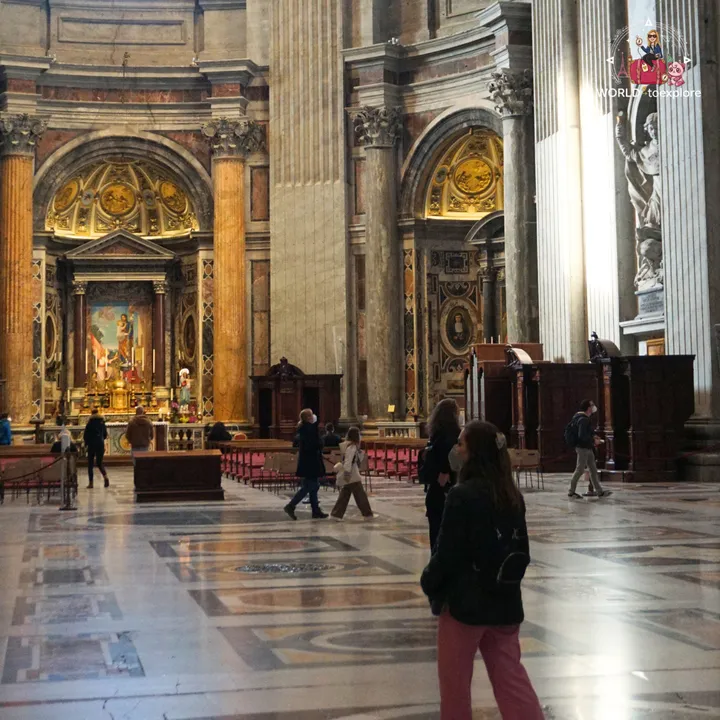
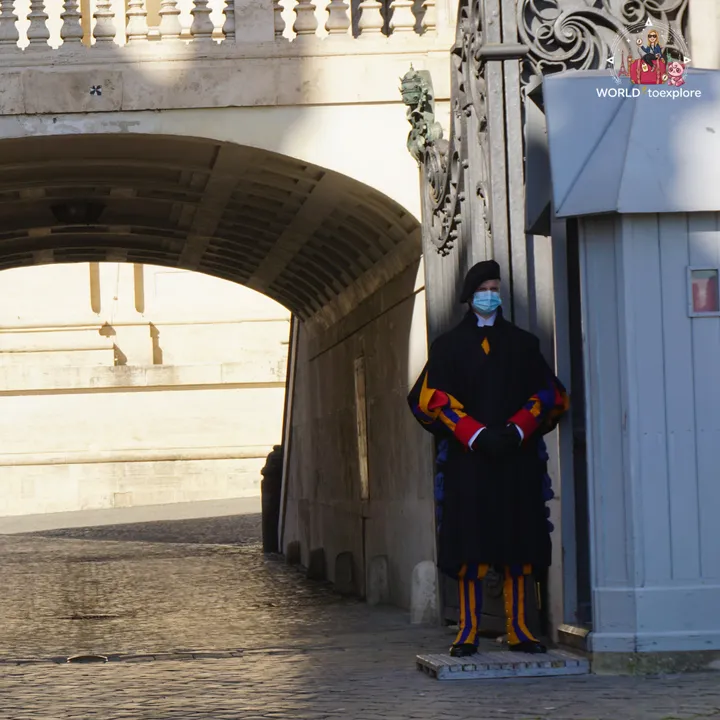
St Peter's Basilica was one of the places we enjoyed most during our trip to Italy and the Vatican in 2022. At the time there were still some COVID-19 restrictions in place, which explains the face masks in some of the photographs. Whatever your religion, the basilica leaves its mark through its history, its architecture and its sheer size. I'd say it's an absolutely essential visit! If I could give just one piece of advice, it would be this: get there early. You don't need to be up at dawn like us, but try to arrive at around 8.00am or 8.30am. I really do believe it makes all the difference and lets you enjoy the visit with far more peace and quiet. 🩷