Visiting the Terracotta Army in Xi'an
The Terracotta Army lies on the outskirts of Xi'an and is one of the most impressive historical sites in China, as well as being considered one of the greatest archaeological finds in the world. Discovered in 1974 by a group of farmers, this army was built more than two thousand years ago to guard the tomb of Qin Shi Huang, the first emperor of China. Today, it is one of the most visited tourist attractions in the country and continues to surprise some archaeologists and historians, who still make new discoveries at the site.
When we started planning our China itinerary, we knew we wanted to visit the Terracotta Army. It was one of those must-see places for us. And the truth is it was absolutely worth it, even though it was one of the busiest experiences of our lives. 😂 There were people everywhere you looked. In this article I gather everything I consider important to prepare your visit to the Terracotta Army, from practical information to our own experience on site.
The Terracotta Army
The Terracotta Army is much more than one of China's main tourist attractions. Behind these thousands of life-sized warriors lies a story more than two thousand years old, marked by the ambition of China's first emperor and by one of the greatest archaeological discoveries of the 20th century. Before sharing our experience, I think it is worth getting to know a little of the history of this archaeological complex.
The discovery
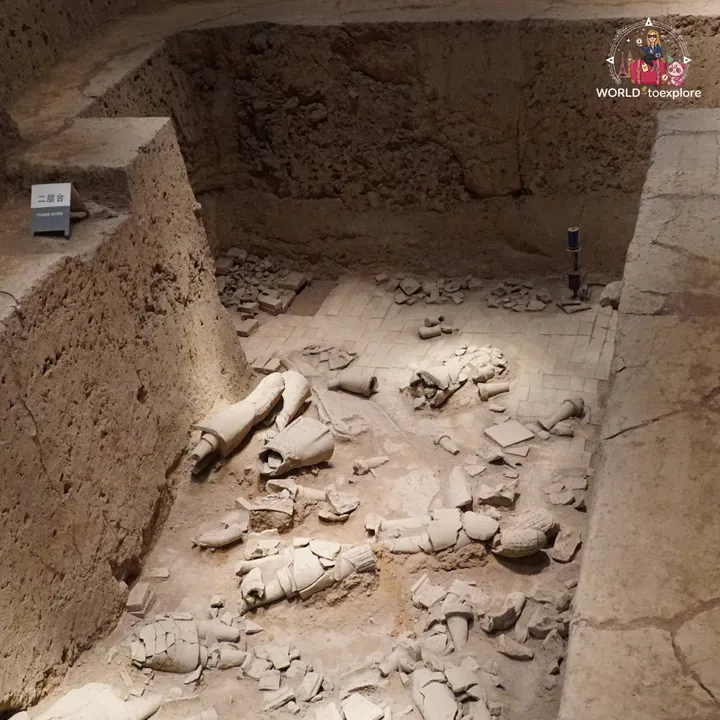
The discovery of the Terracotta Army happened in March 1974, in a completely unexpected way. At the time, a group of farmers was digging a well on the outskirts of Xi'an in search of water when they began finding clay fragments and some bronze arrowheads. After the authorities were alerted, a team of archaeologists came to the site to investigate the discovery and begin the first excavations. As the work progressed, it became clear that, beneath all that earth, an enormous archaeological complex was hidden, with thousands of life-sized warriors, along with horses, bronze weapons and other figures, all arranged in military formation.
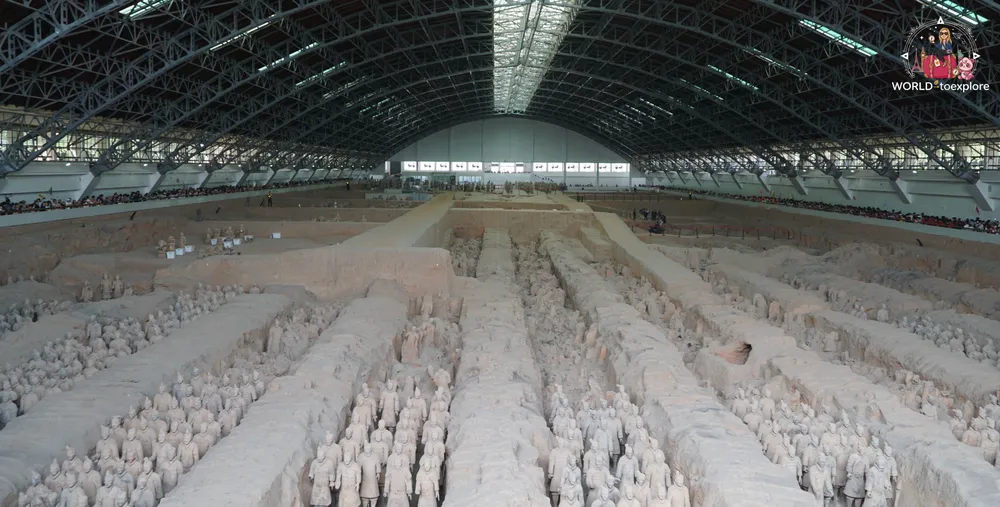
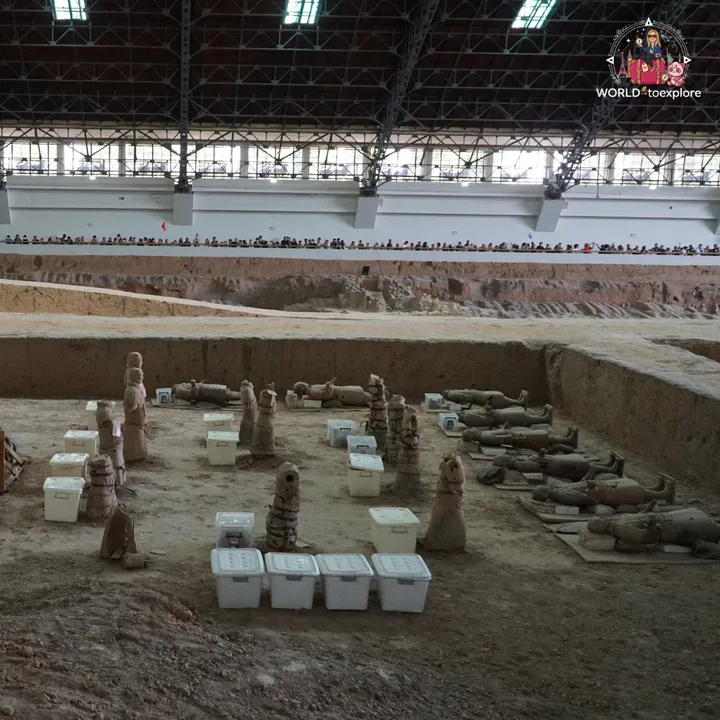
Over the years, the excavations have identified three large pits, which today correspond to the main halls open to the public. Although the number of figures already discovered is truly impressive, archaeologists believe that only part of the complex has been excavated. The discovery of the Terracotta Army changed much of what was known about this period of Chinese history. But to understand how this enormous army came about and why it was built, we have to travel back in time more than two thousand years.
The history
Born with the name Ying Zheng, Qin Shi Huang was the first emperor of a unified China. He became king of the State of Qin at just 13 years old, at a time when China was divided into several independent kingdoms constantly fighting for power. In 221 BC, after conquering the remaining states, he unified the country and adopted the title of Qin Shi Huang, which means "First Emperor of Qin". The unification of China marked the beginning of a new era in the country's history. During the 36 years of his reign, he introduced several reforms that profoundly transformed China. Once he had unified the country, it became necessary to create greater connections between the different regions. To that end, he standardised the writing, the currency, and the weights and measures, making communication, administration and trade easier across the empire. He also ordered the construction of a vast network of roads and the reinforcement of the existing walls in northern China, which later gave rise to the Great Wall. Despite these advances, his rule was also marked by the authoritarian way in which he exercised power.
Shortly after taking the throne, Qin Shi Huang ordered the construction of his own mausoleum, which is part of the Terracotta Army's archaeological complex. Convinced that he would continue to rule in the afterlife, he wanted his tomb to reflect the power he had achieved in life. That is how an enormous funerary complex came about, of which the famous Terracotta Army is part, where thousands of warriors, horses and other figures were built to accompany and protect him for eternity. The scale of this complex clearly shows the emperor's ambition. It is estimated to have involved hundreds of thousands of workers and to have taken around four decades to build.
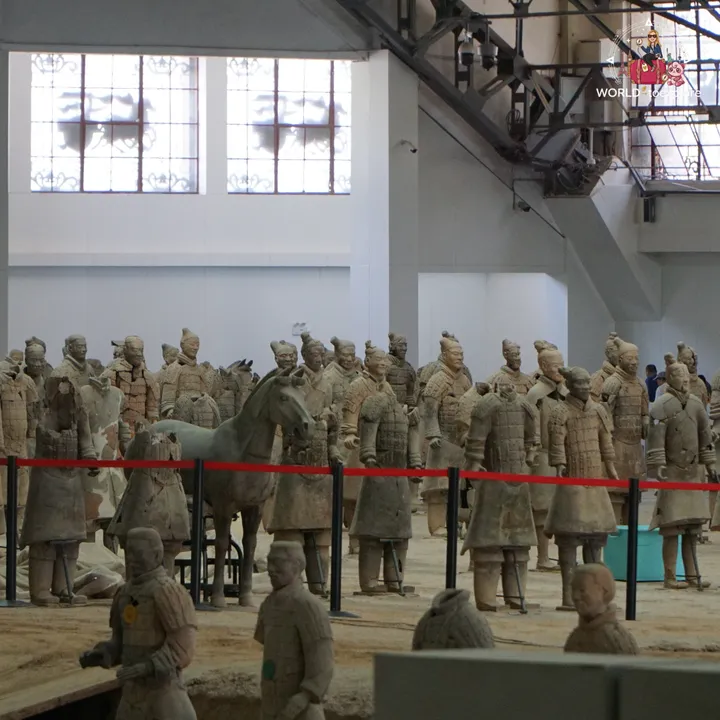
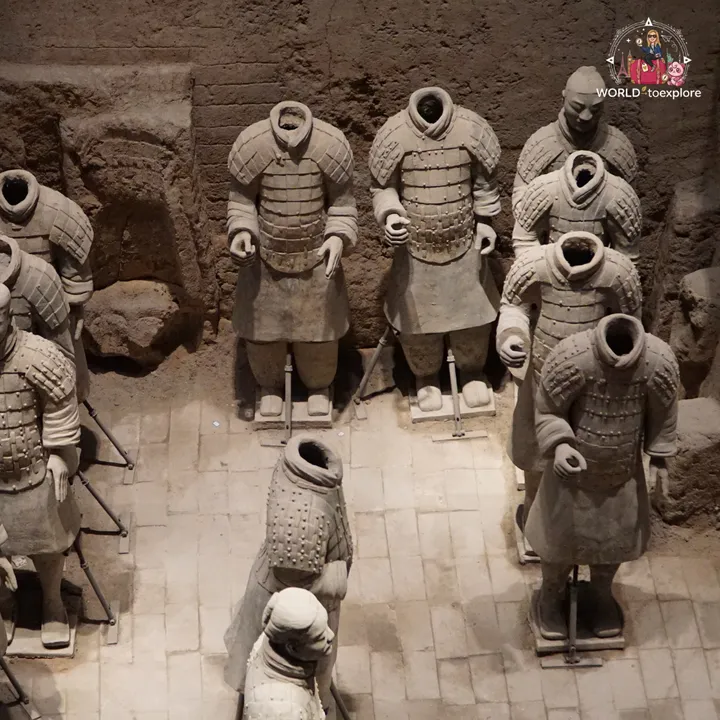
What makes the Terracotta Army so impressive is not only its scale, but also the level of detail in each of the figures. The thousands of warriors that have been found have different faces, hairstyles, expressions and postures, creating the sense that each one was made individually. Besides these warriors, the complex also includes horses, archers and other figures, revealing the enormous care put into creating this work.
Despite all the years of research since the discovery of the Terracotta Army, a large part of this funerary complex remains unexplored. The main tomb of Qin Shi Huang remains sealed to this day, as archaeologists fear that opening it could damage the interior. For this reason, it is believed that there is still much to discover about one of the greatest funerary projects in history.
My experience
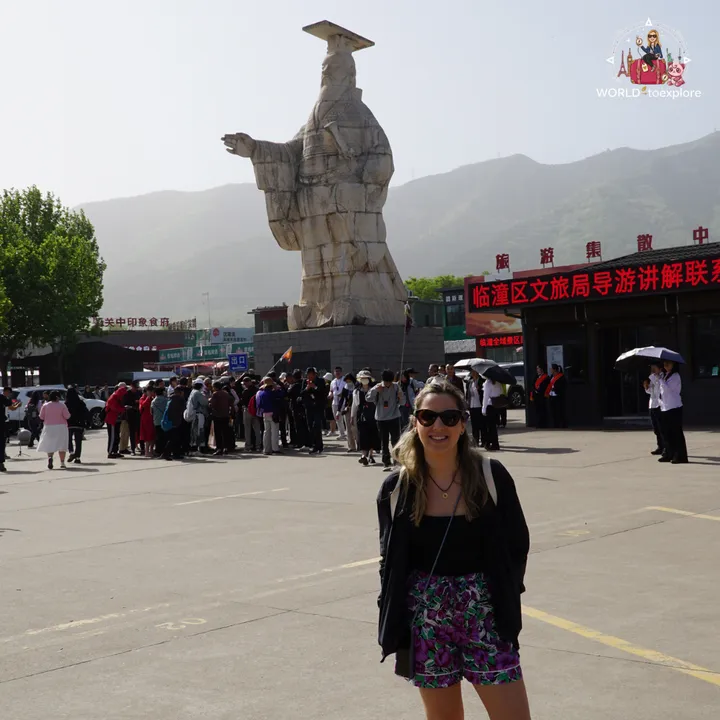
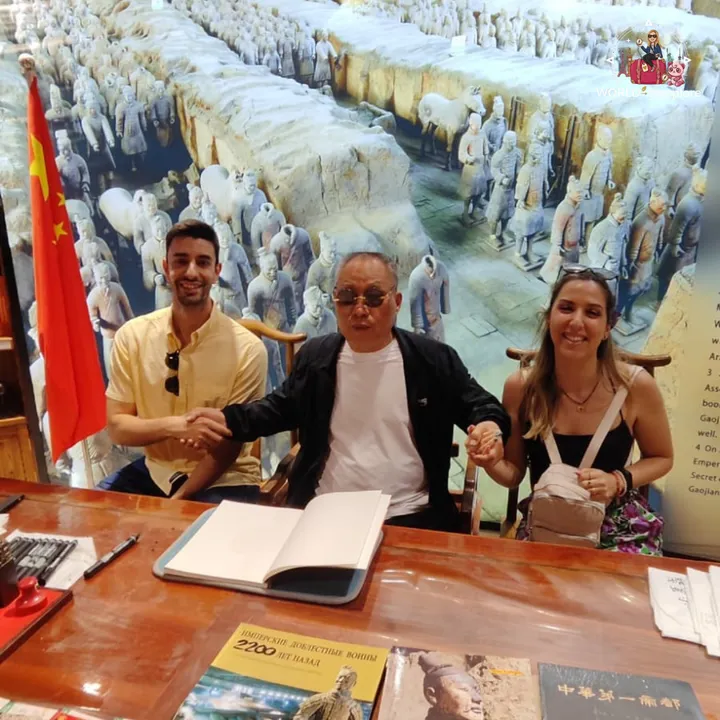
Since, besides visiting the Terracotta Army, we also wanted to learn more about its history, we opted for an English-language tour booked through GetYourGuide. The group could have up to 15 people, but we got lucky: it was just us and two other girls our age, which made the experience much more personal. We chose the 09.45h visit on 23 April, and opted to meet the guide right at the entrance to the complex, next to the statue of Emperor Qin Shi Huang. There was also a hotel pick-up option, but it made the tour a bit more expensive and, since Ubers in China are very cheap, it wasn't worth it for us.
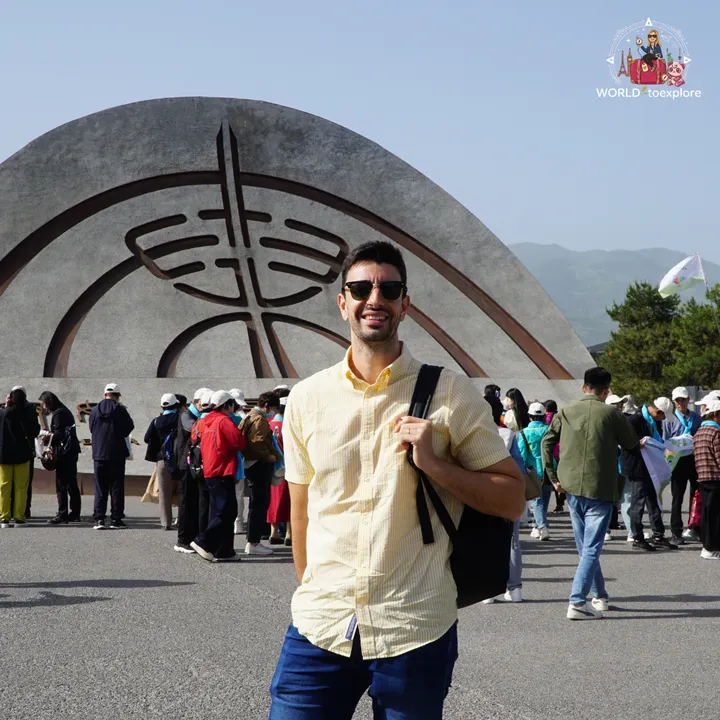
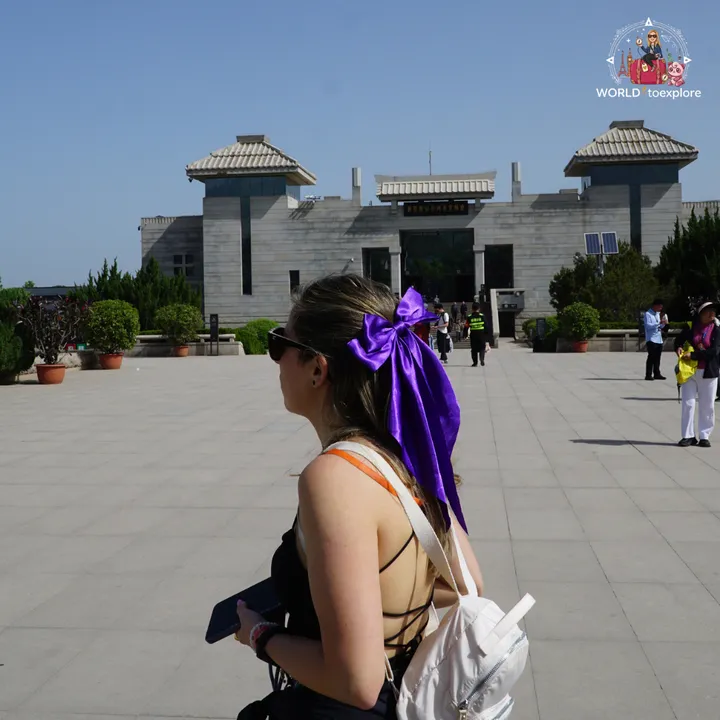
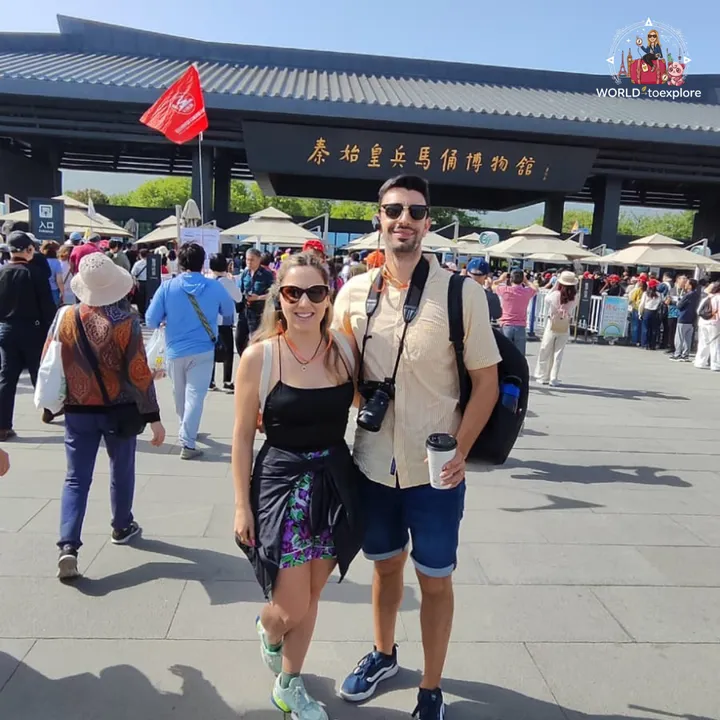
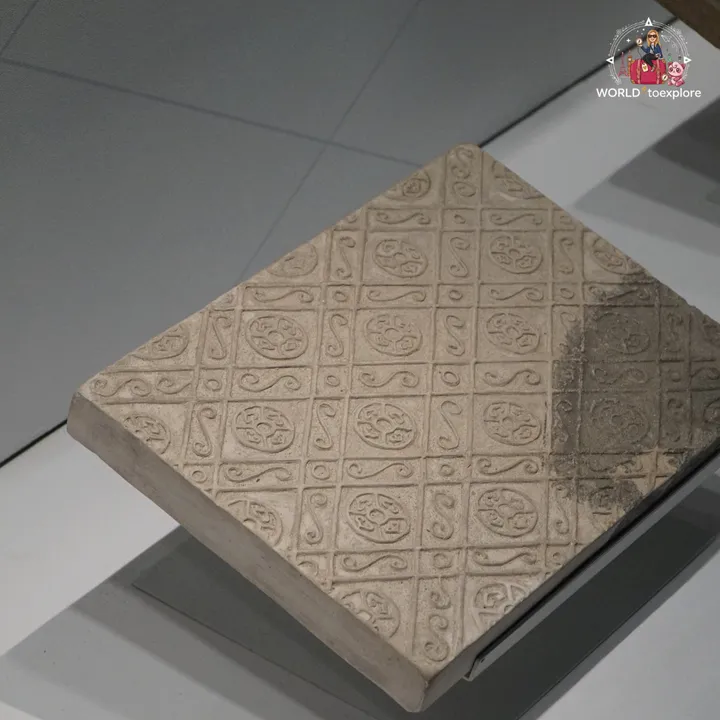
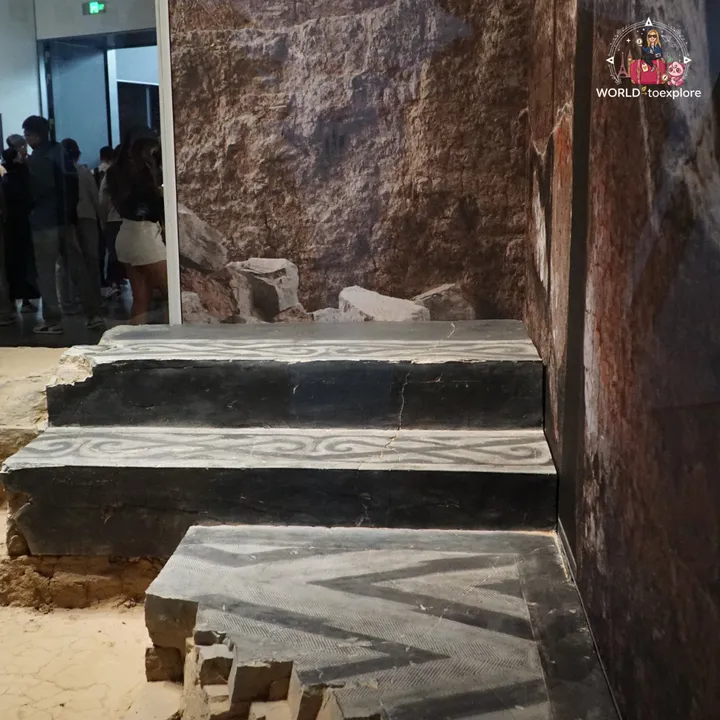
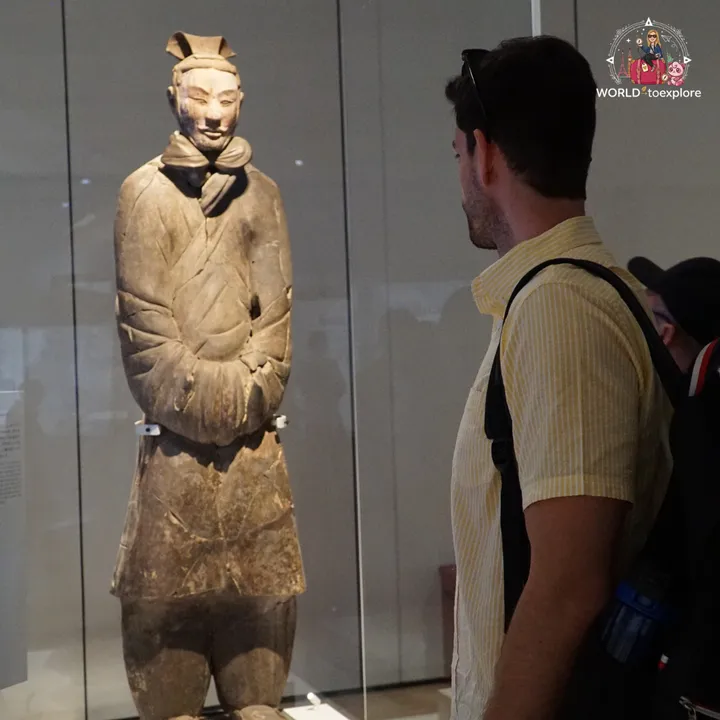
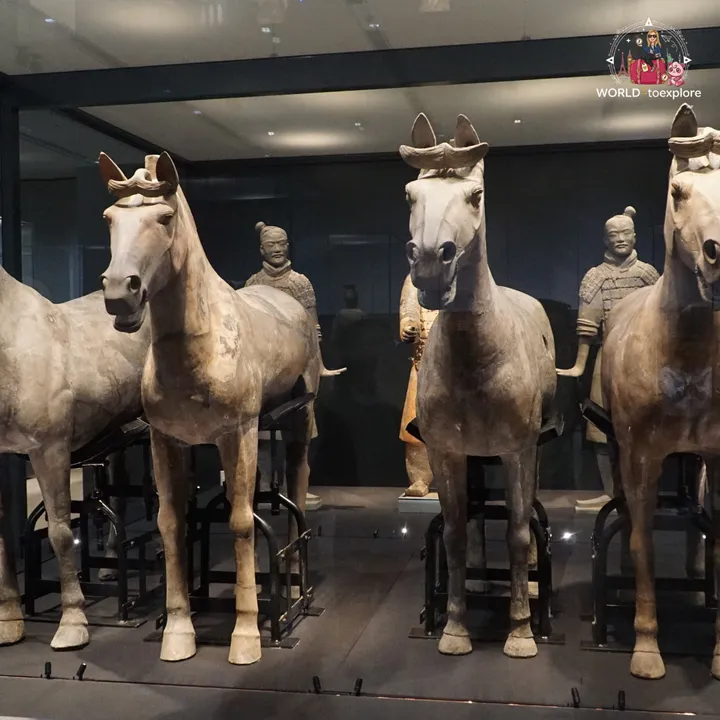
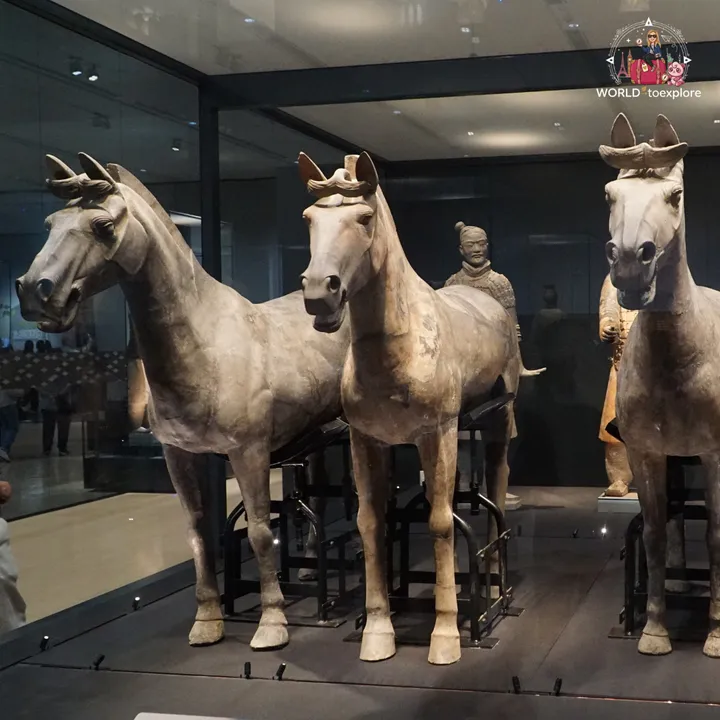
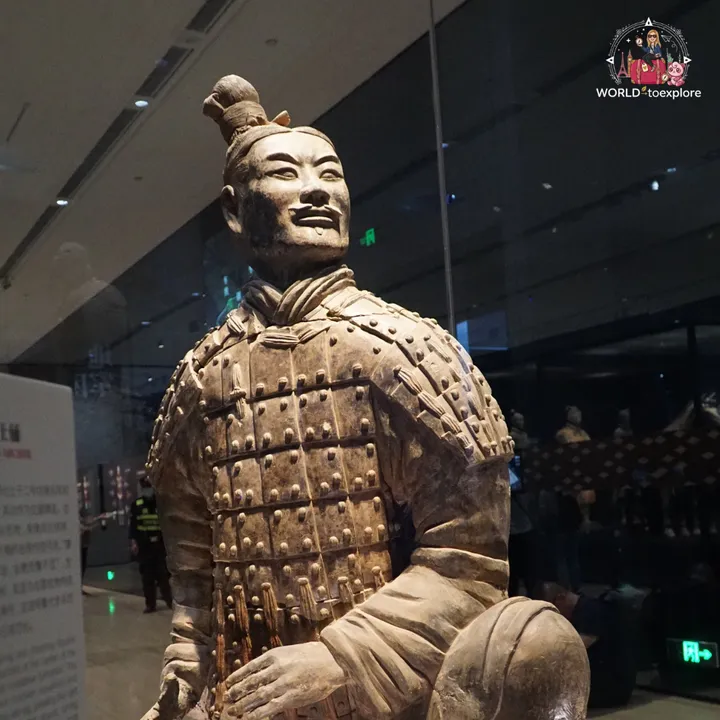
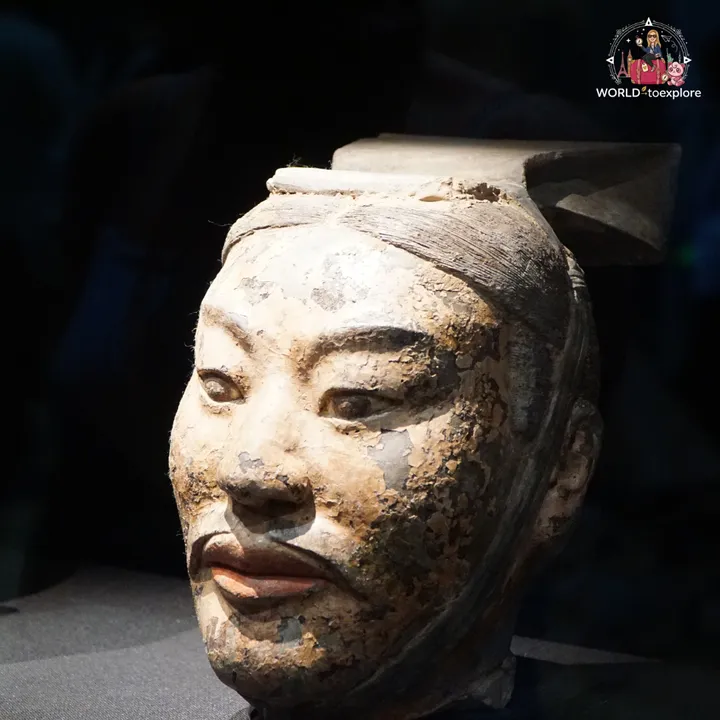
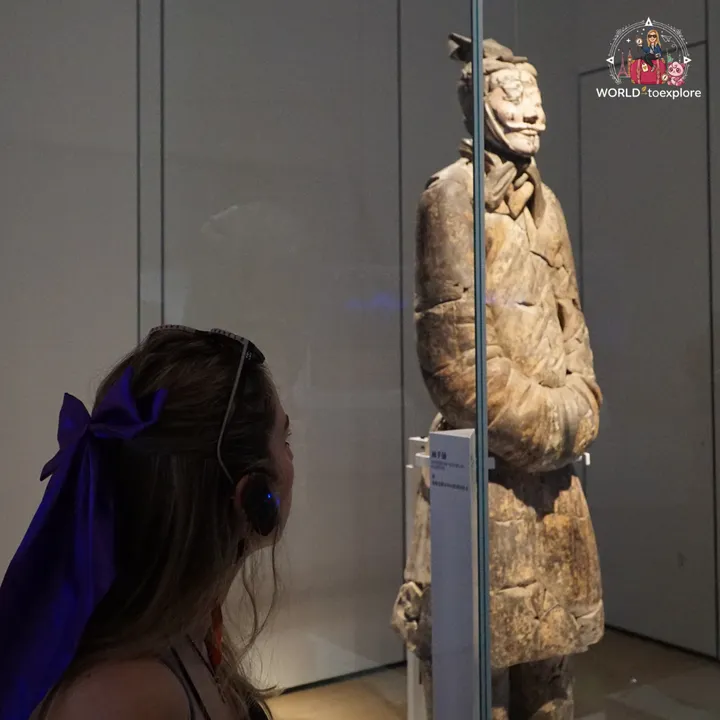
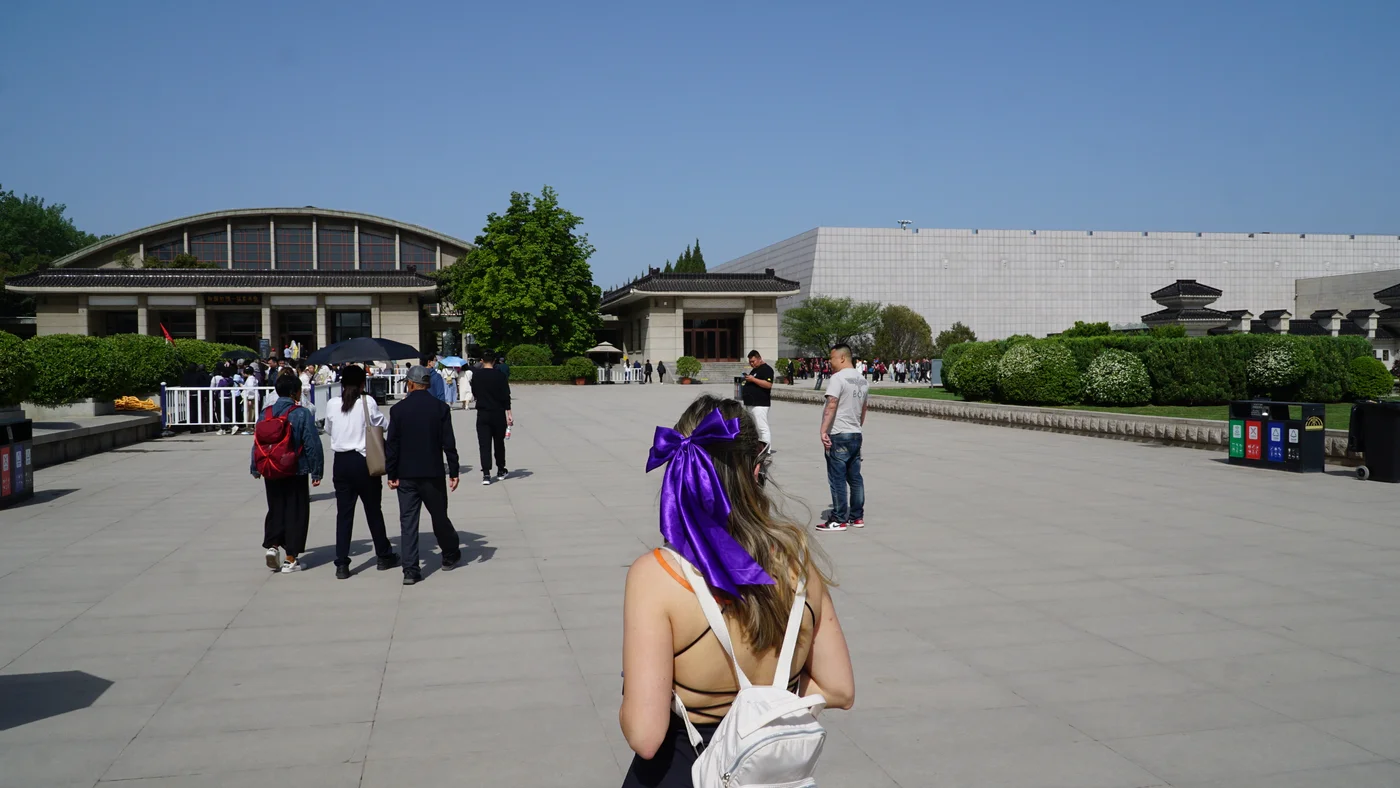
Overall, we really liked the tour and our guide. He was very friendly, knew the history of the Terracotta Army very well and was always available to answer our questions. The one downside was the English, which wasn't always very clear. There were some explanations we couldn't fully understand and others we picked up from the context. Even so, I think the tour was well worth it. The complex is huge and it was very useful to have someone to guide us throughout the visit and explain what we were looking at. Before entering the halls, we passed through the museum area itself, where we got to know more about the discovery of the Terracotta Army and some curiosities about how the various figures were made.
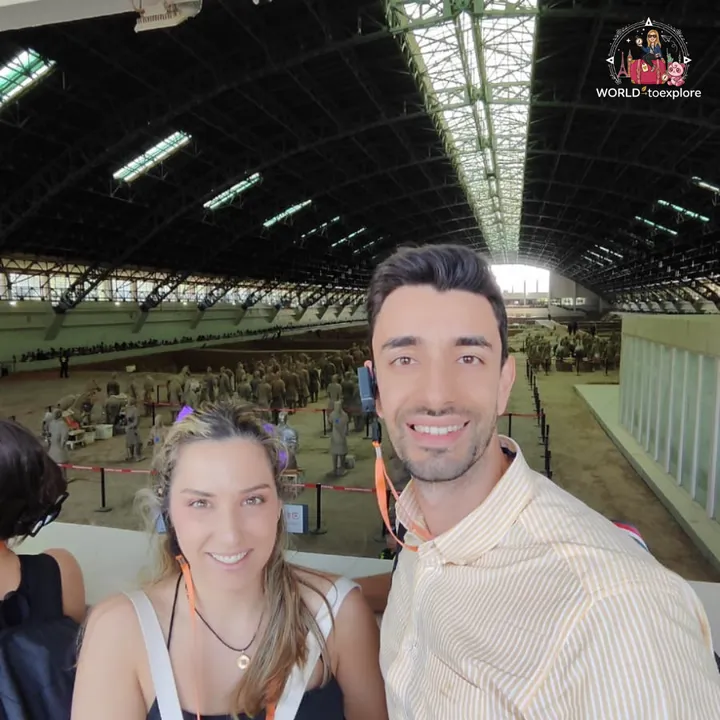
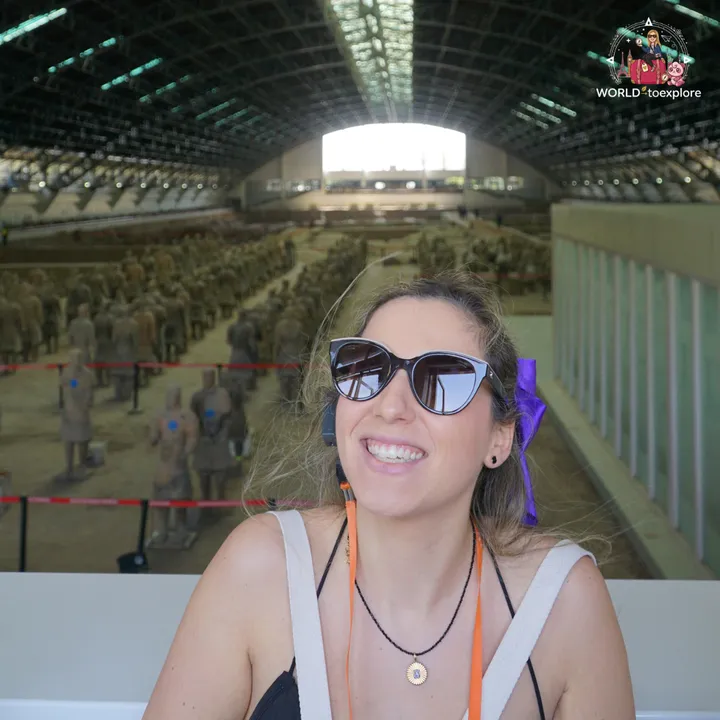
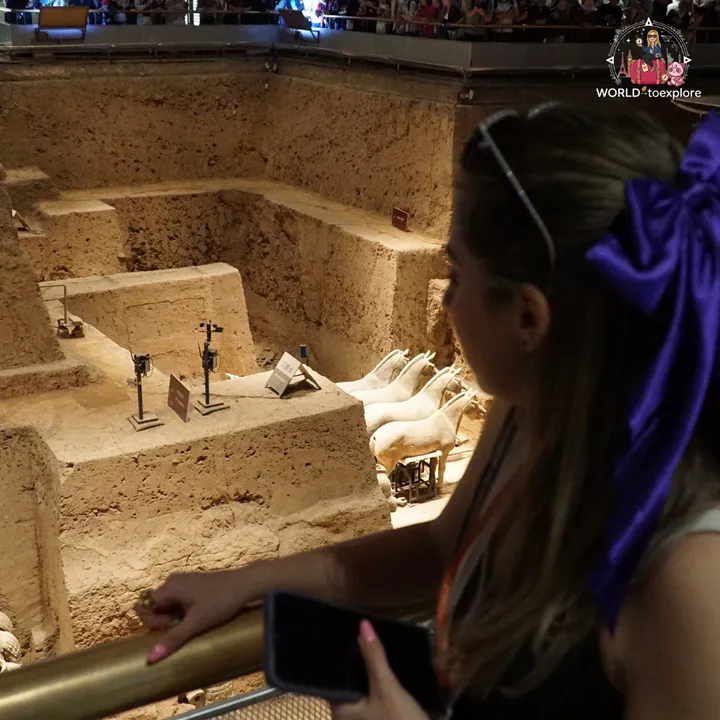
We then moved on to Pit 1, the largest and most impressive of the whole complex. This was also where we got our first shock... not exactly from the statues, but from the sheer number of people. I don't remember ever being in an enclosed space with so many people at once! It was hard to walk, hard to stop and even hard to find an empty spot by the railing to look at the warriors up close. Despite the crowd, we did manage to get a little closer to admire the army and take some photos. And the truth is it was well worth all the effort! Seeing the terracotta warriors lined up before our eyes is impressive.
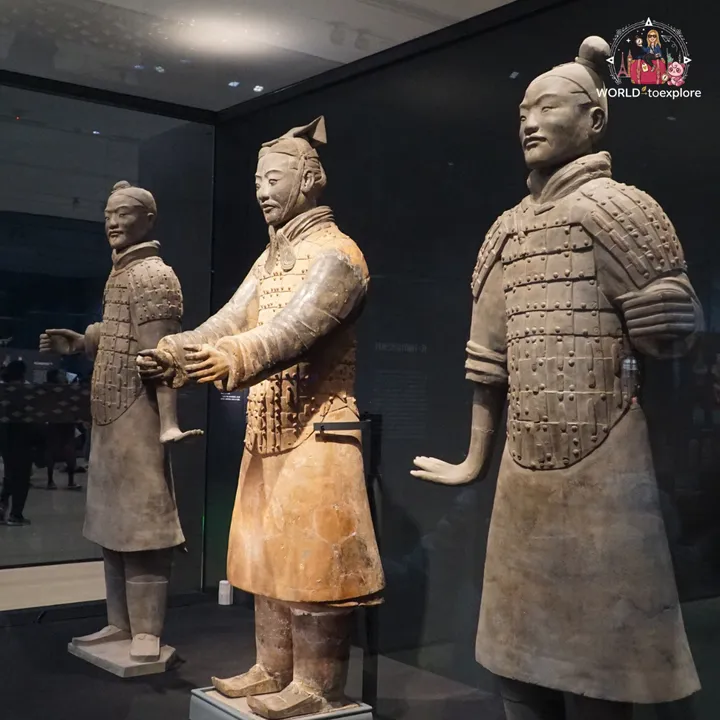
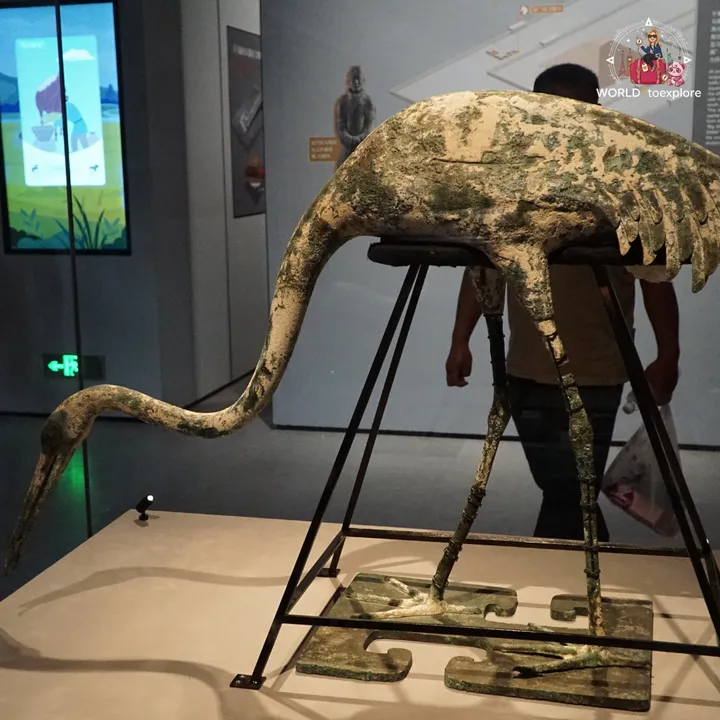

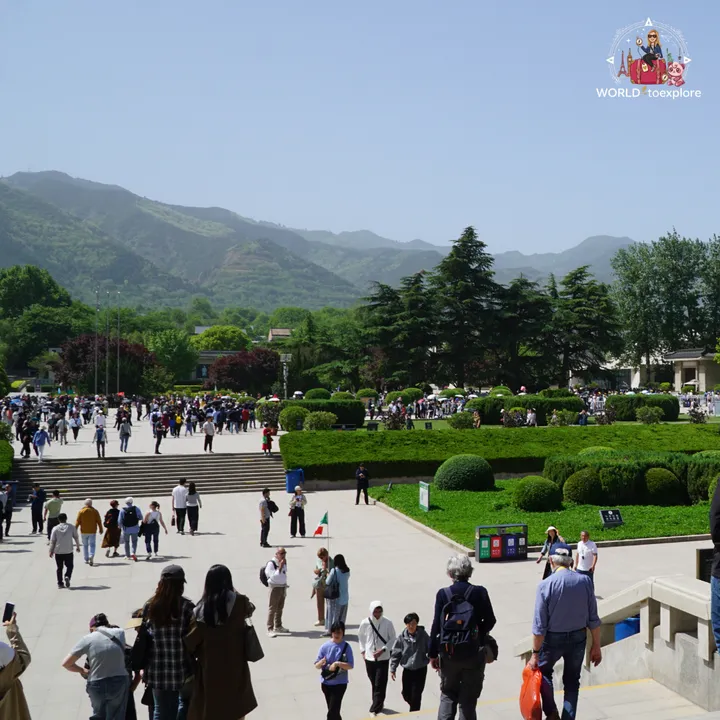

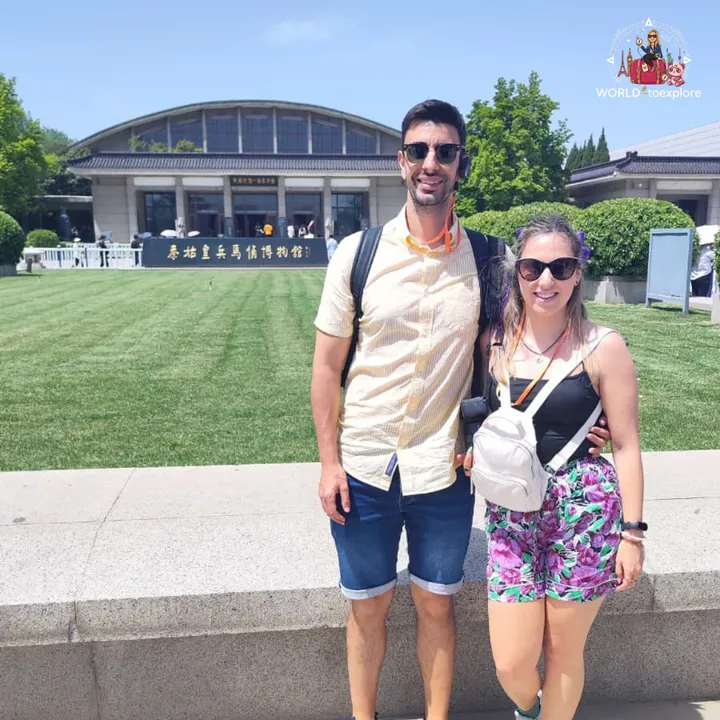
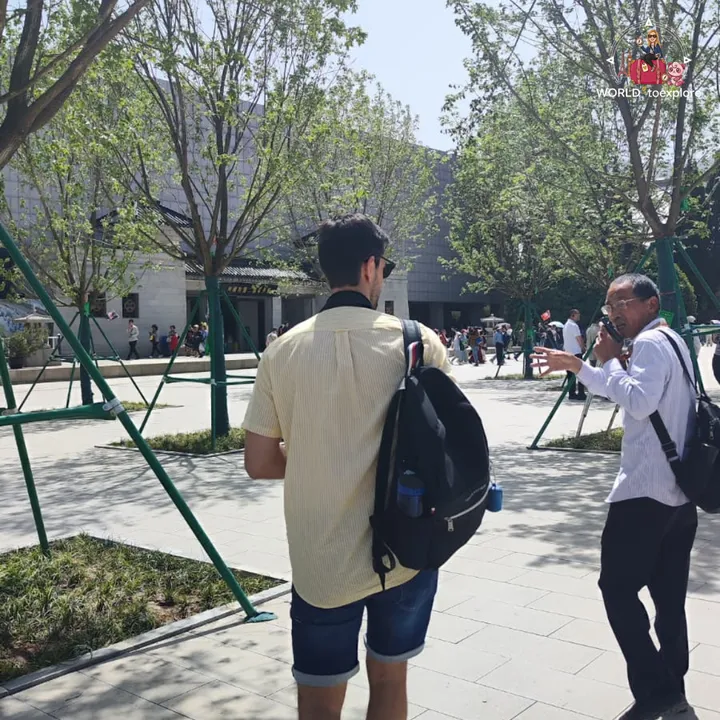
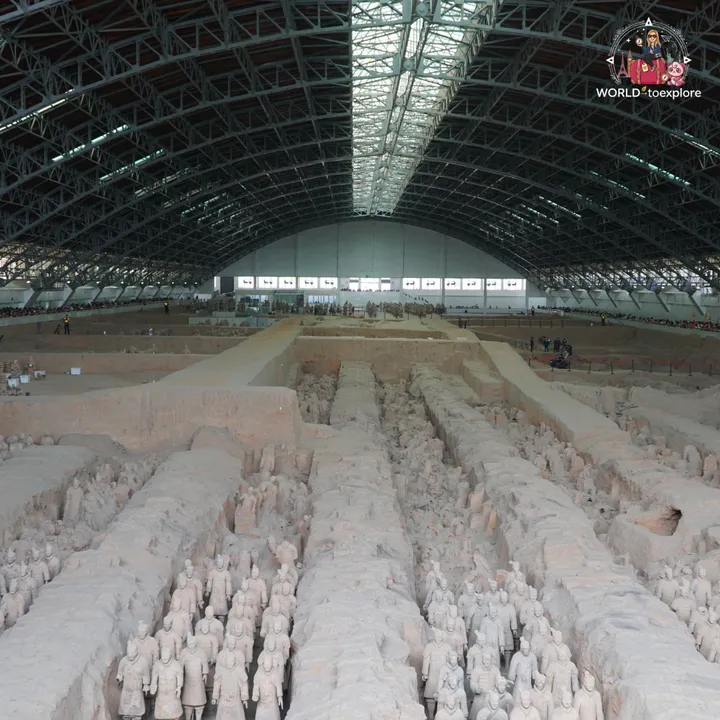
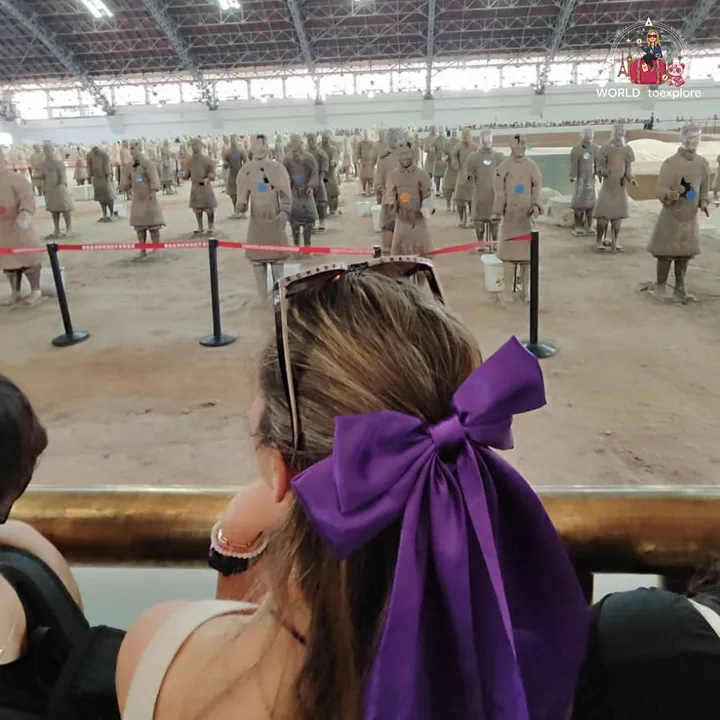
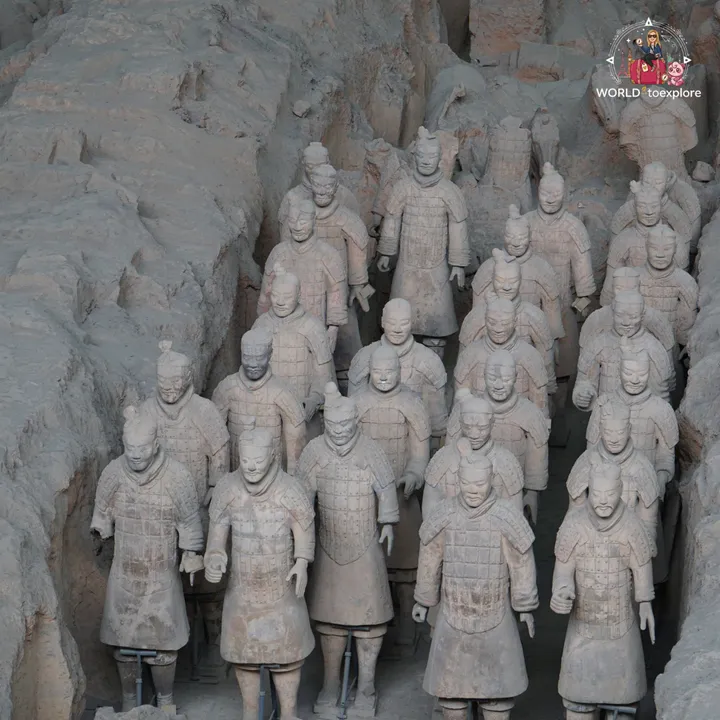
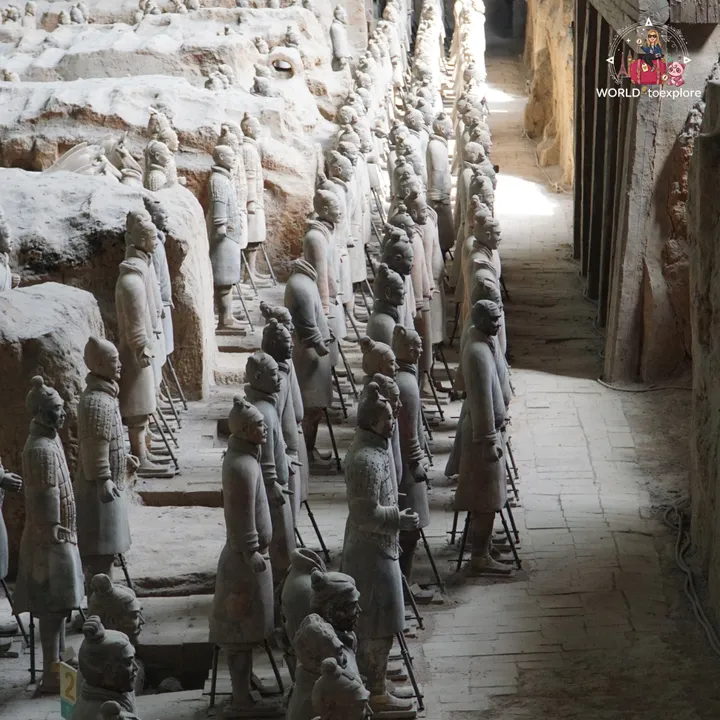
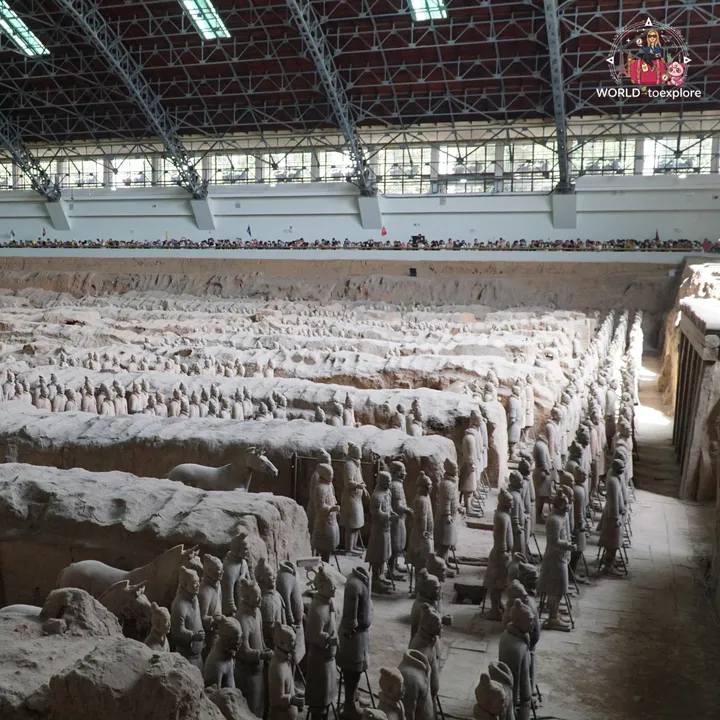
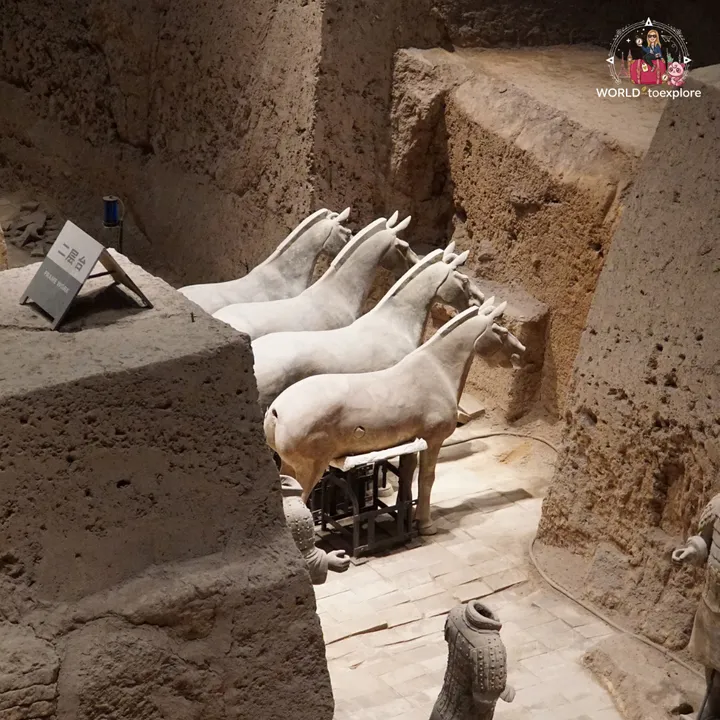
The visit continued through Pit 3, which archaeologists believe served as the army's command centre, and then on to Pit 2. Here you can see different types of troops and some of the figures in the best state of preservation. The last stop was the exhibition of the famous bronze war chariots, another of the complex's great attractions. With the absurd number of people there, our guide ended up being a huge help! He always found the best way to take us between the different halls, and it was thanks to him that we managed to get close to the main points without wasting too much time in the crowd. For that alone, it was already worth booking this tour.
At the end of the tour, the guide even walked us to a restaurant inside the complex, where he recommended some typical dishes. We ended up having lunch there and really enjoyed the food. It was, without a doubt, a tour we would do again. Even though it wasn't always easy to understand all the explanations in English, the fact that the group was so small and that we had a guide with us throughout the whole visit made all the difference. With the number of people we found in the complex, I really think it was the best option.



- Address: Lintong District, Xi'an, Shaanxi, China, 710612
- Opening hours: 08.30h to 18.00h
- Price: 120 RMB (approximately €15), though the guided tour cost us around €27 per person
- Duration: around half a day is enough to see the complex at a relaxed pace
Visiting the Terracotta Army was, without a doubt, one of the highlights of our trip through China. Despite the crowds, it's impossible not to be impressed by the scale of the complex and by the idea of standing before thousands of warriors more than two thousand years old, each one different from the next. If you're planning a trip to Xi'an, it's a must-see stop to include in your itinerary. 🩷
You Might Also Like
China: a box full of surprises
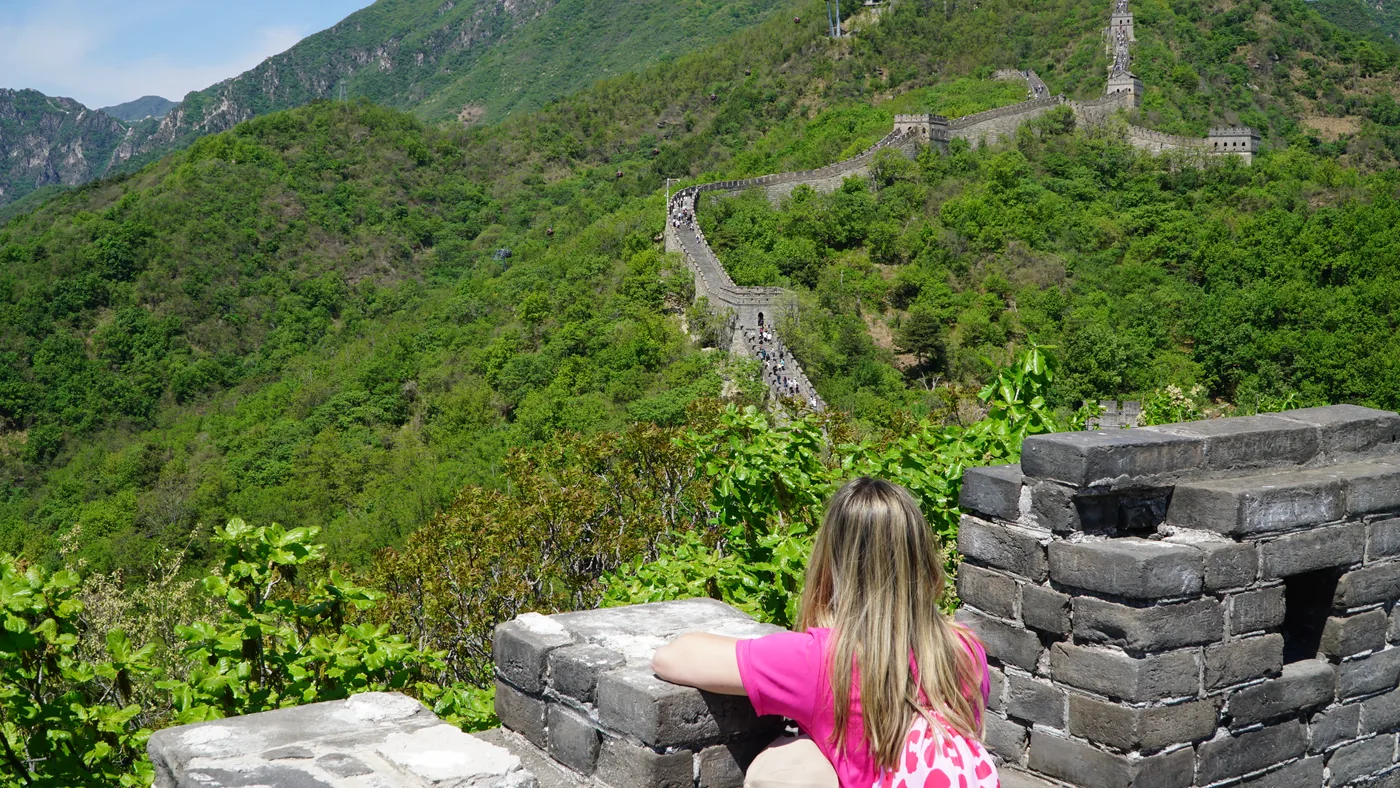
China was the biggest box of surprises of all my travels: from Shanghai to the Avatar mountains, from the terracotta warriors to the pandas of Chengdu.
Shanghai Tower, China's Highest Observation Deck
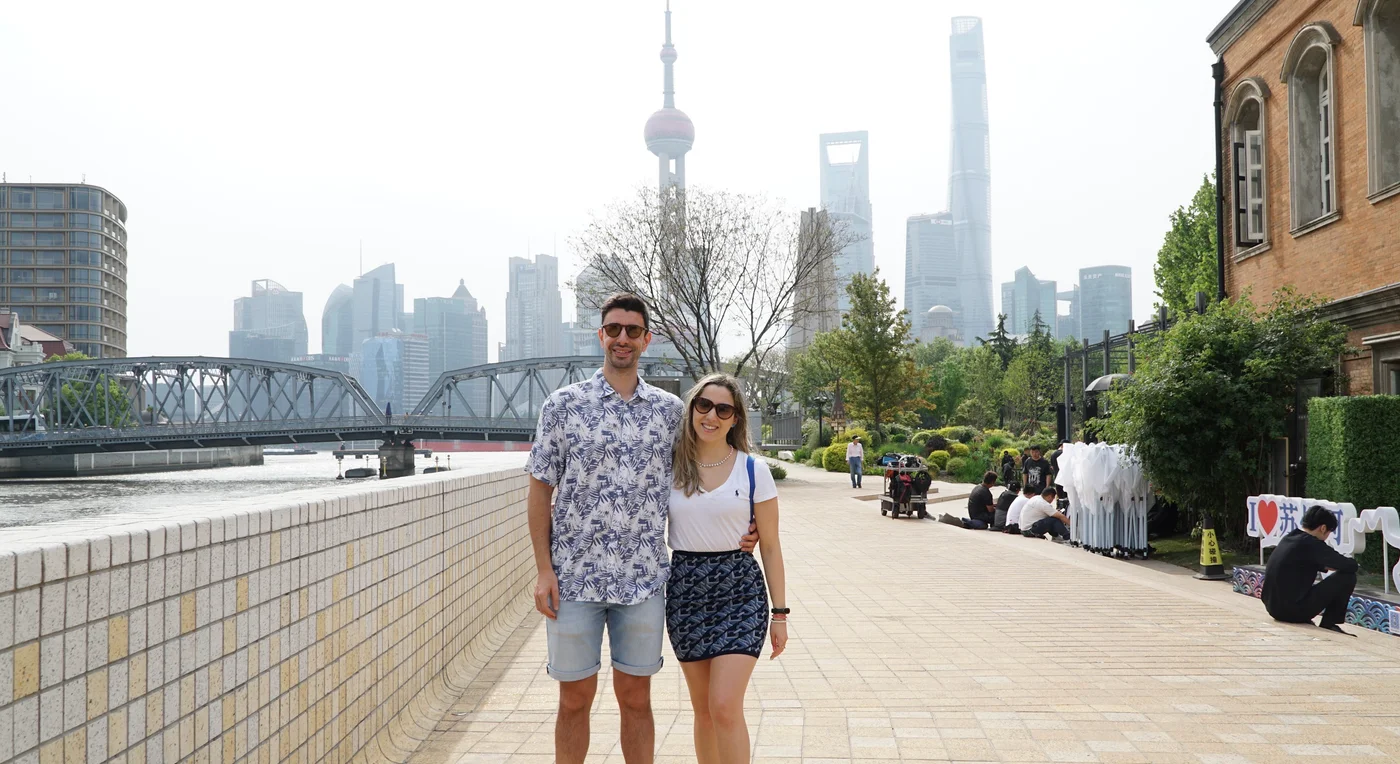
Going up the Shanghai Tower, the highest observation deck in China: our experience on the 118th-floor observatory, plus tickets, opening hours and tips for your visit.
Visiting the Pandas at the Chengdu Research Base
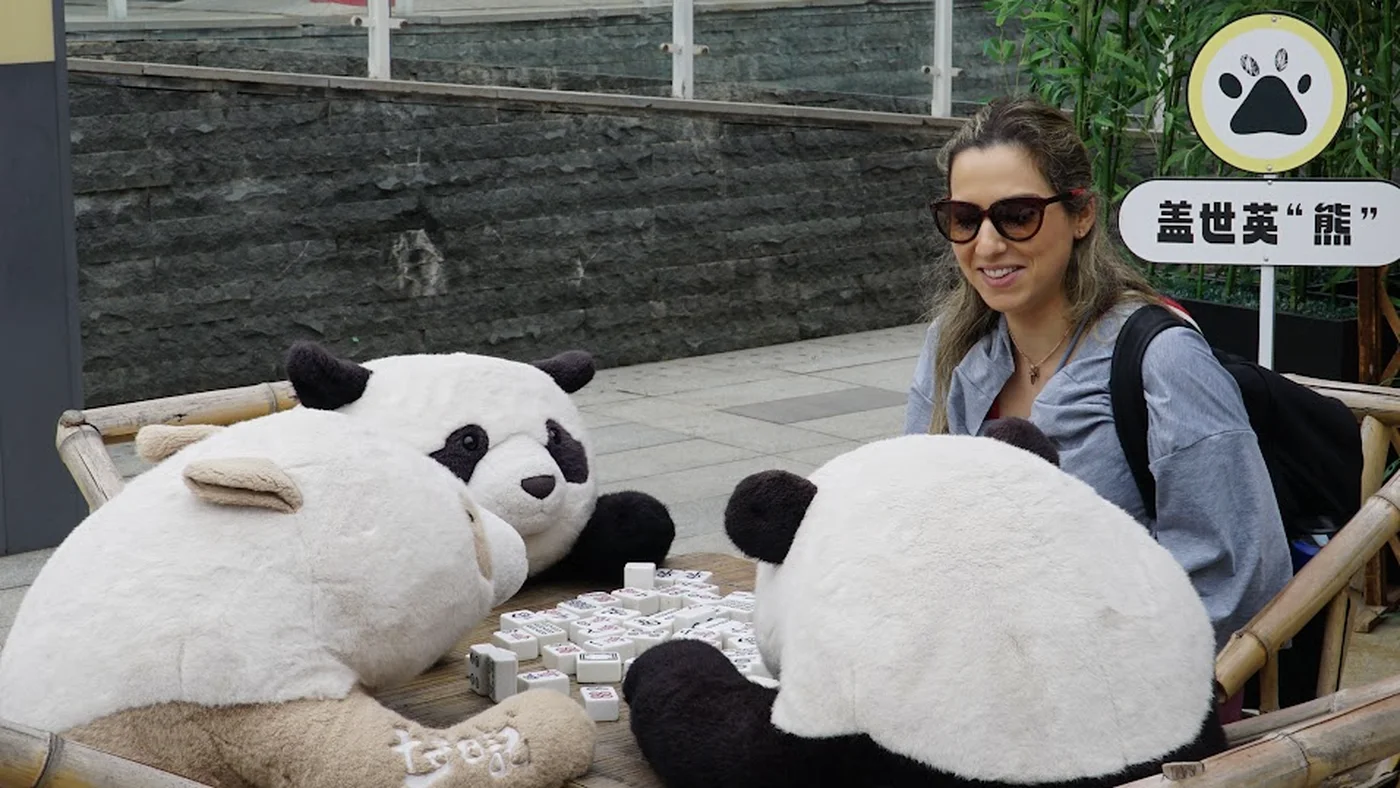
We went to Chengdu just for the giant pandas, and our visit to the Chengdu Research Base of Giant Panda Breeding completely exceeded expectations. Here's what it was like to see these adorable troublemakers up close, plus everything you need to know to plan your own visit.