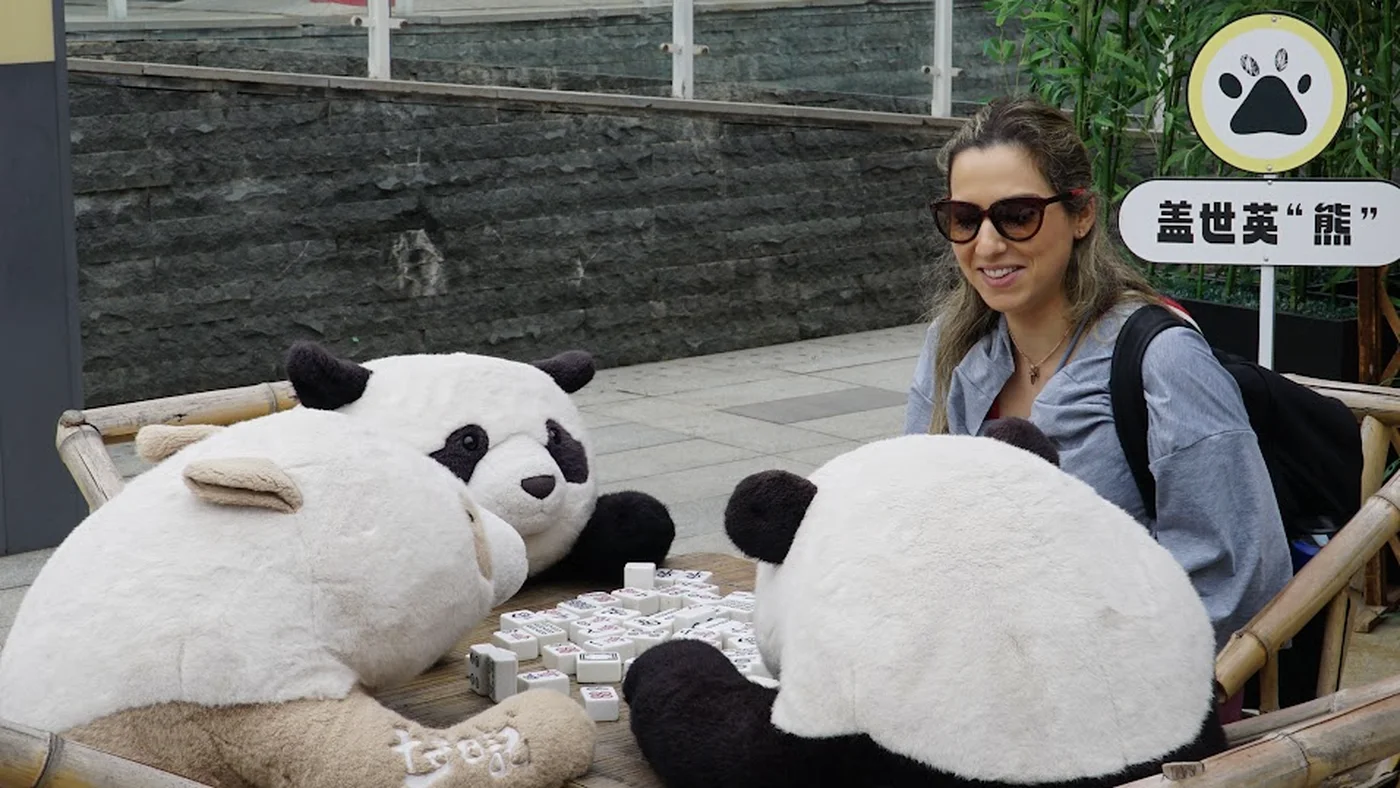
Visiting the Pandas at the Chengdu Research Base
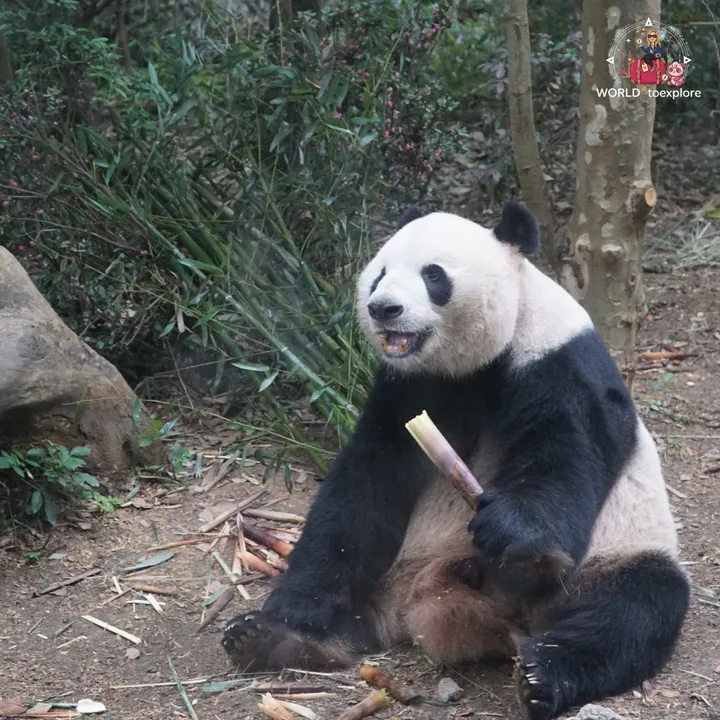
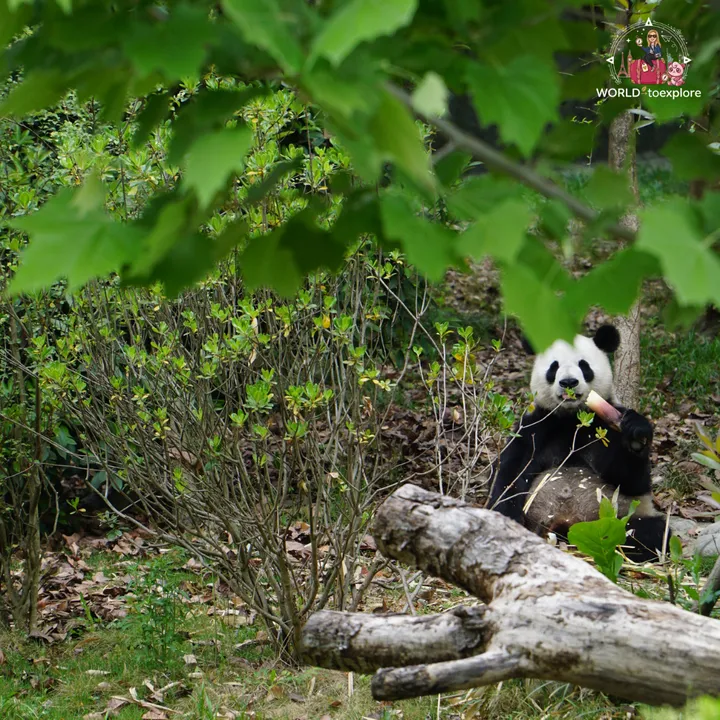
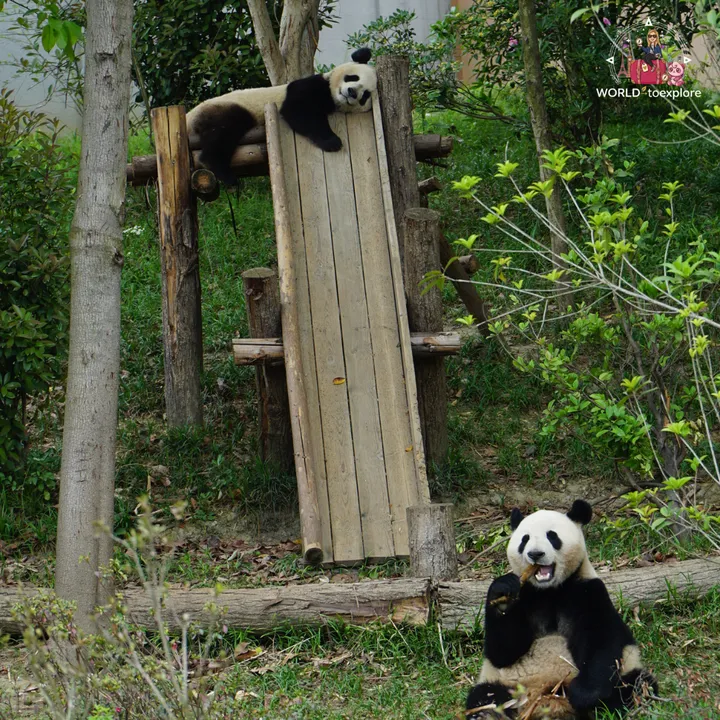
One of the visits we most wanted to make during our trip to China was seeing the famous giant pandas. In fact, it was precisely because of them that we fitted Chengdu into our itinerary. In April 2025, when we were in China, we took the opportunity to visit the Chengdu Research Base of Giant Panda Breeding and see these animals up close. We already knew they were adorable, but seeing them in real life was even better. They were constantly eating and were proper troublemakers, forever falling over and getting up to mischief.
We arrived at the Chengdu Research Base of Giant Panda Breeding nice and early, because we wanted to catch the pandas at a time when they’d be more active. It’s during the morning that the keepers feed them, so that’s also when there’s a better chance of seeing them moving around. We thought we’d find few crowds, but we were in China, and that’s pretty much impossible! We made our way through the different areas, stopping every time we spotted a panda, which happened rather a lot.
But pandas are much more than just an adorable animal everyone wants to see up close. They hold huge importance in Chinese culture and are one of the country’s great symbols, even though we can now find them in various places around the world. In this article, I’ll tell you a bit more about these animals and share our experience during the visit.
About giant pandas
When we think of giant pandas, it’s almost impossible not to think of China right away. And that’s no coincidence. Pandas originated in the mountainous regions of central China, and today the ones living in the wild are found mainly in Sichuan province, where Chengdu is located, and in parts of the neighbouring provinces of Gansu and Shaanxi. They live in mountain forests, where they find the one thing they need most to survive, bamboo. But the history of these animals goes back much further than we might imagine. Their ancestors have existed for millions of years and, over time, gradually adapted more and more to this diet. In fact, pandas once lived across a much wider area than the one we find them in today. Fossils have been found in other regions of China and even in parts of Southeast Asia, but as their habitat shrank, they became increasingly limited to the mountainous regions where they still survive today.
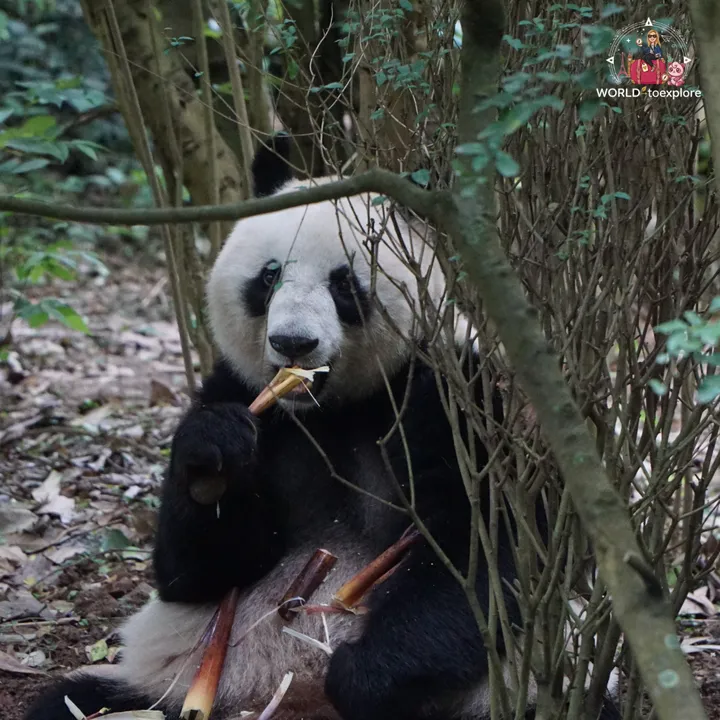
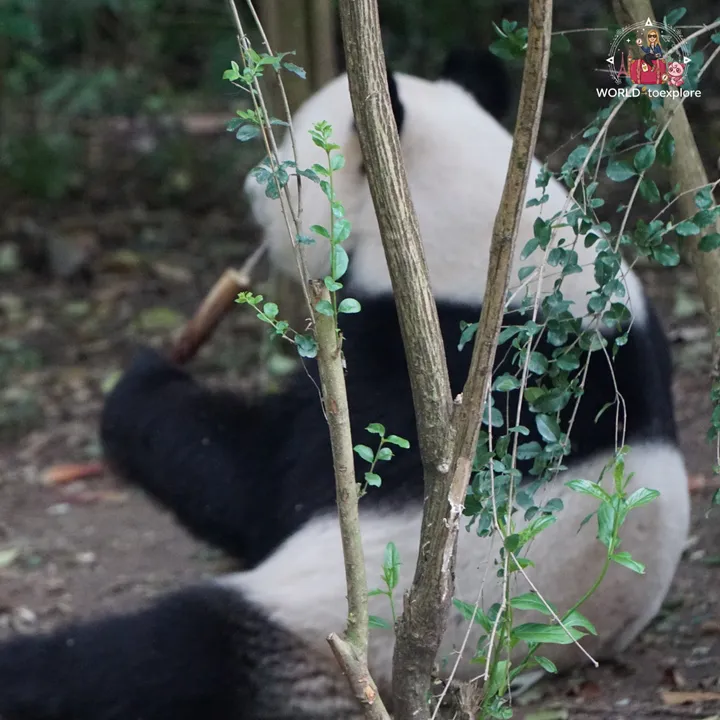
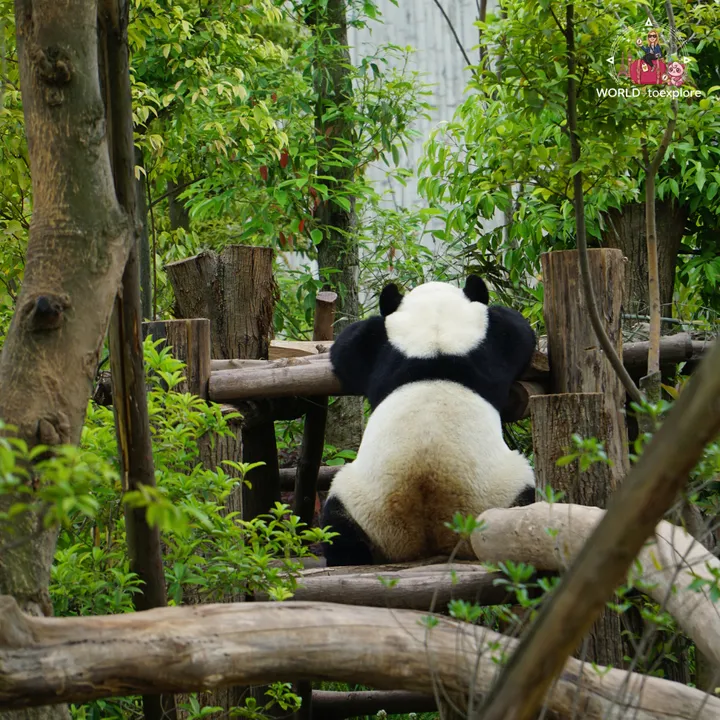
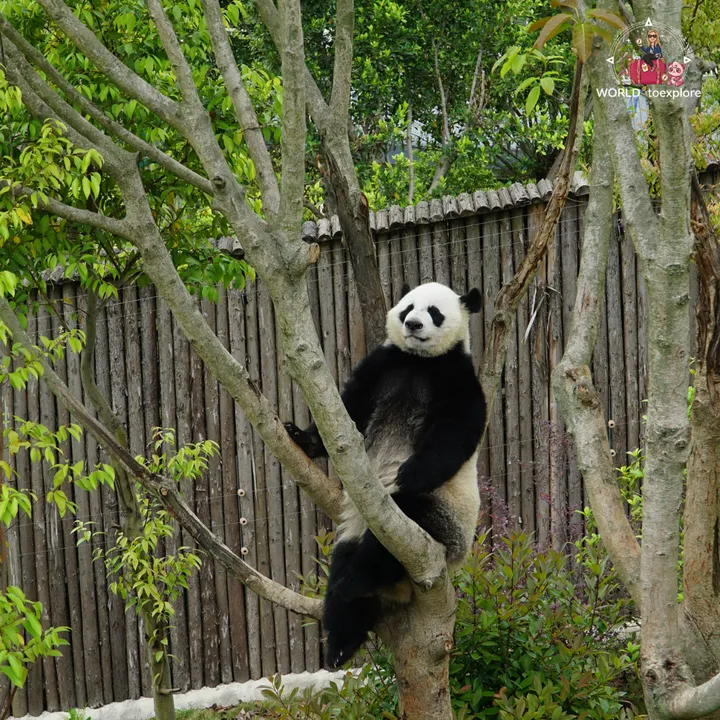
One of the most curious things about giant pandas is just how much time they spend eating. Even though they’re bears and belong to the order Carnivora, around 99% of their diet is made up of bamboo. The problem is that bamboo isn’t a particularly nutritious food, so they need to eat huge quantities throughout the day to get enough energy. They can spend between 10 and 16 hours a day feeding, and to be able to crush the toughest stalks, they have very strong teeth and jaws. And there’s something else we quickly noticed during our visit to Chengdu. When they’re not eating or sleeping, they seem to be almost constantly getting into some kind of mischief. They climb, roll, slip and, quite often, end up falling over. It was impossible not to stand there watching them for ages.
Giant pandas are also one of the animals most closely associated with Chinese culture, and their importance goes well beyond species conservation. For centuries, they were seen as special animals and, more recently, have also become a kind of ambassador for the country. That’s why we can find pandas in zoos in various parts of the world, through cooperation and conservation programmes with Chinese institutions. Another curious fact is that pandas aren’t born with the black-and-white coat we see in adults. When they’re born, they’re very small and their bodies are almost pink, with little fur, gradually gaining their characteristic markings as they grow.
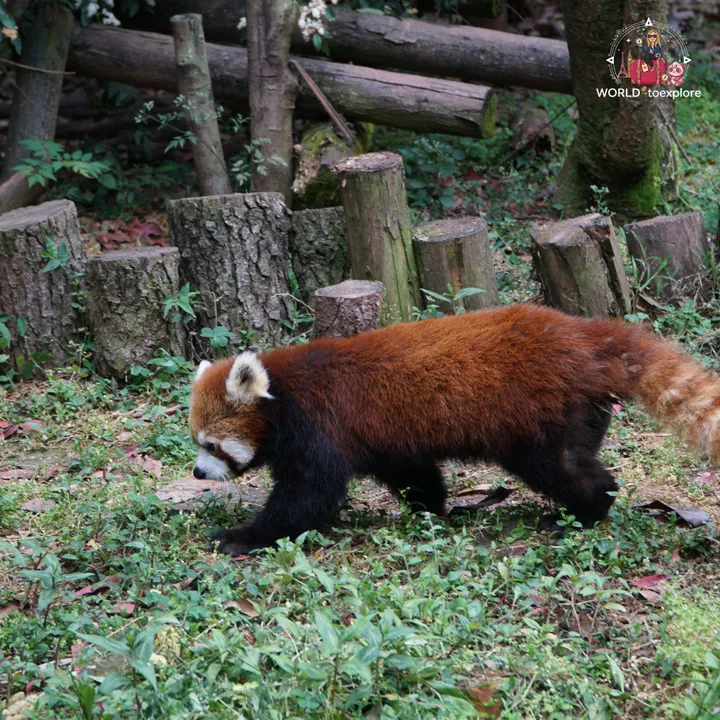
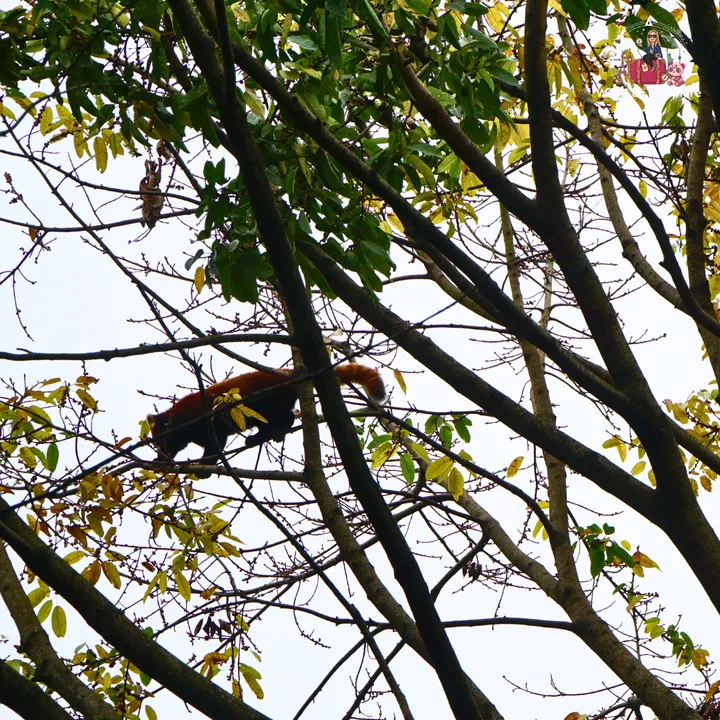
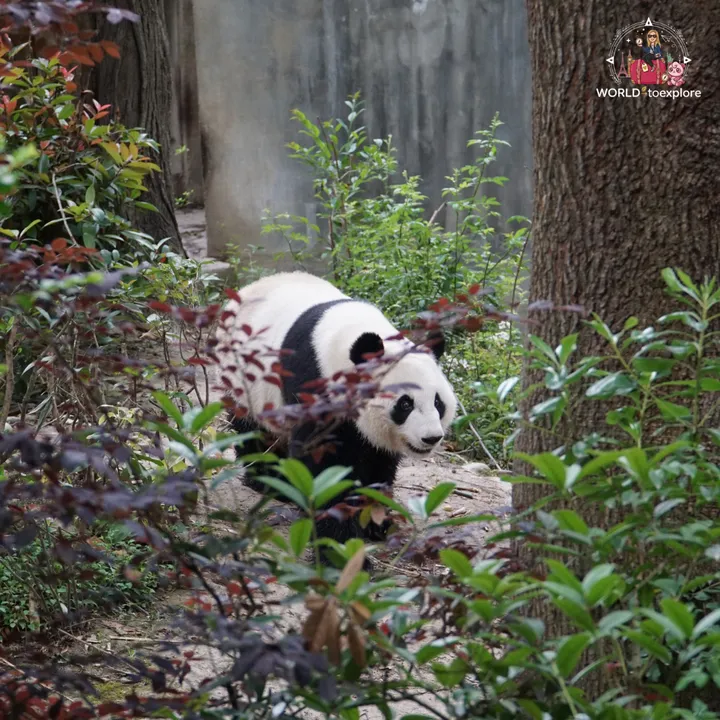
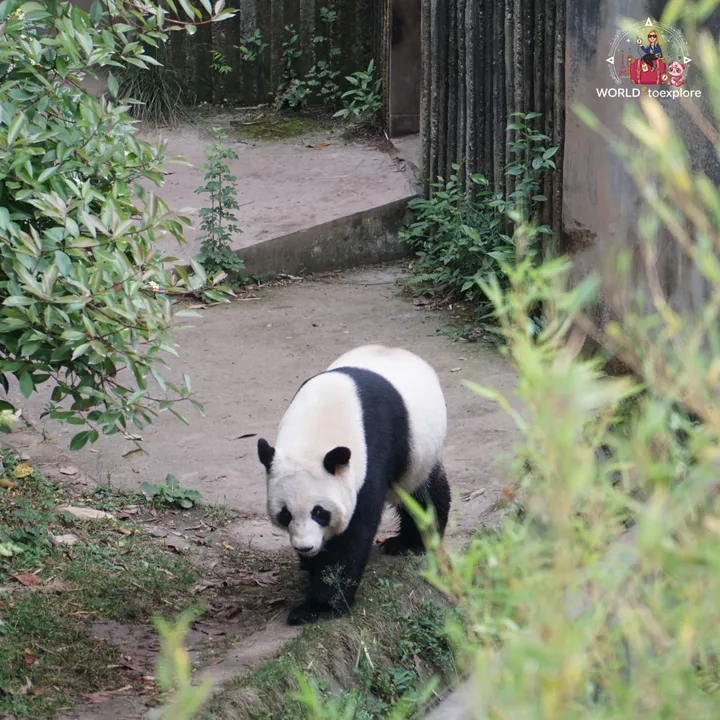
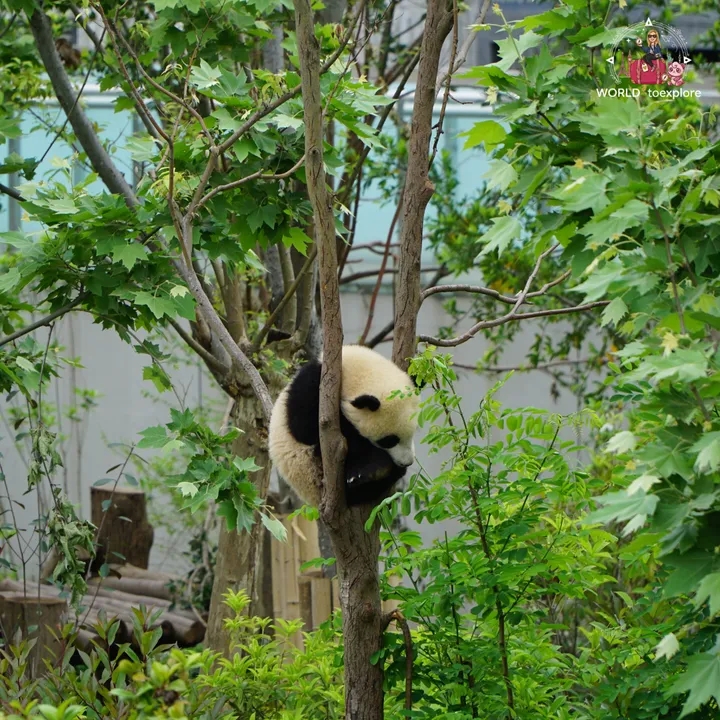
One of the biggest challenges in giant panda conservation lies precisely in reproduction. Females only enter their fertile period for a few days each year, which makes breeding quite difficult and leaves a very small window for it all to happen. Then, once a cub is born, the early days are also very delicate, since the babies are born extremely small and completely dependent on their mother. That’s why breeding programmes play such an important role in preserving the species. And this is exactly where centres like the Chengdu Research Base of Giant Panda Breeding come in, running breeding, research and cub-care programmes.
Chengdu Research Base of Giant Panda Breeding
The Chengdu Research Base of Giant Panda Breeding was founded in 1987 with one very specific goal, to help protect and grow the giant panda population. At the time, the centre started out with just six pandas that had been rescued from the wild, and it has since grown into one of the leading centres for conservation and breeding of the species. Today, the work carried out goes well beyond breeding. There’s also scientific research, veterinary care, environmental education and conservation programmes, including studies related to reintroducing pandas into the wild. In other words, this isn’t a zoo where you simply go to look at pandas. Much of the centre’s work happens precisely to make sure this species continues to exist in the future.
The centre is located in Chenghua district, in the northeast of Chengdu, about 10 kilometres from the city centre, and covers a huge area. The core zone spans around 238 hectares and is organised into forested areas, bamboo groves, lakes and various spaces where the animals live. The centre is currently home to more than 270 giant pandas, as well as red pandas and other rare species. Red pandas are quite different from giant pandas, both in size and appearance, and, as the name suggests, have a reddish coat. It’s a huge site, and it’s easy to spend several hours walking between the different areas and spotting pandas hidden among the bamboo.
Over the past few decades, the Chengdu Research Base has grown and taken on an increasingly important role in giant panda conservation and breeding. The centre welcomes visitors from all over the world and combines its conservation work with the chance to see these animals where they’re cared for and studied, which has helped make Chengdu so closely associated with pandas. For us, it was exactly that combination that made the visit so interesting. On one hand, we finally had the chance to see in real life the animals that had made us include Chengdu in our itinerary. On the other, we were in a place where there’s a whole body of research and conservation work behind everything we see. And once we understood a bit better how the centre works, I can say the visit ended up feeling even more special.
- Opening hours: 7.30am–6.00pm from March to October, and 8.00am–5.30pm from November to February.
- Price: 55 RMB for adults, 27 RMB for students.
- Free entry: children ≤6 years old or ≤1.30 m tall, and adults over 60.
- Duration of the visit: around 3 to 4 hours.
Our experience
We bought our tickets online before the visit, and that morning we took a DiDi from our hotel straight to the Chengdu Research Base. In China, getting around by DiDi is pretty cheap, and for us it ended up being the simplest option. There was no point wasting time on public transport when we could just call a car and go straight there. We started the day still a little tired, since my husband had felt unwell the night before after eating something a bit too spicy. So we woke up thinking we’d take the day at a slower pace and see how he was feeling. But the moment we got to the pandas, I think he perked right up!
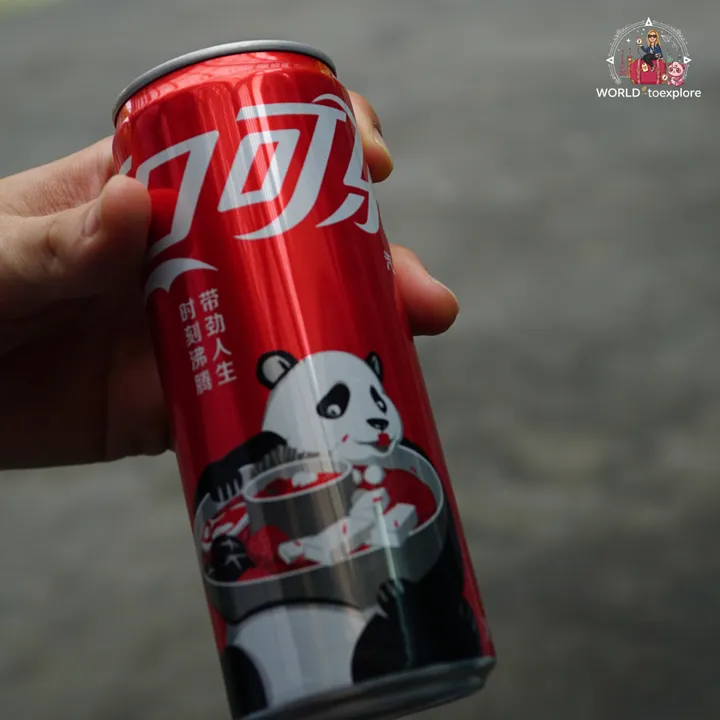
We did the whole visit on foot, making our way through the different areas and stopping every time a panda appeared. And they kept appearing constantly! There were pandas eating, sleeping, climbing and, of course, falling over, because they seem to make a point of providing free entertainment for visitors. In fact, we discovered that in China pandas are everywhere, even on Coca-Cola cans! We thought we’d enjoy the visit, but it ended up exceeding our expectations.
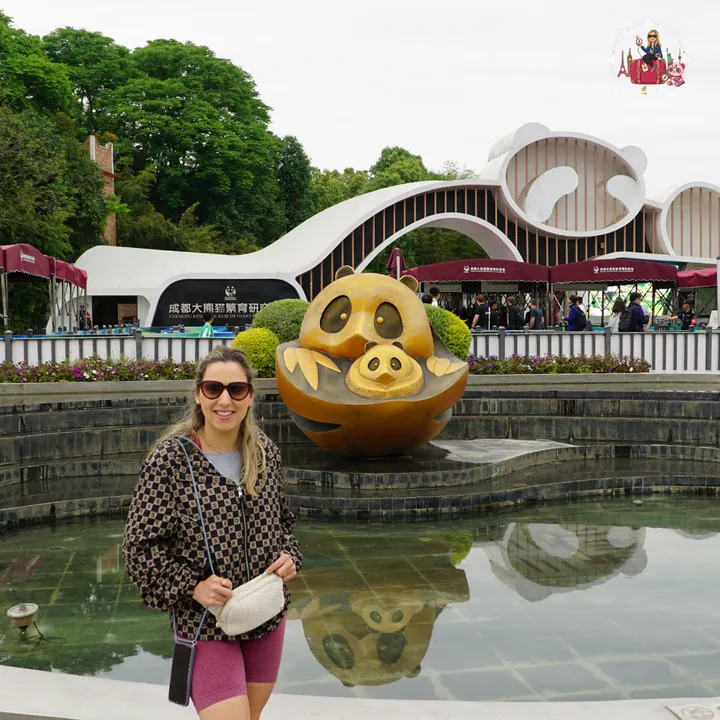

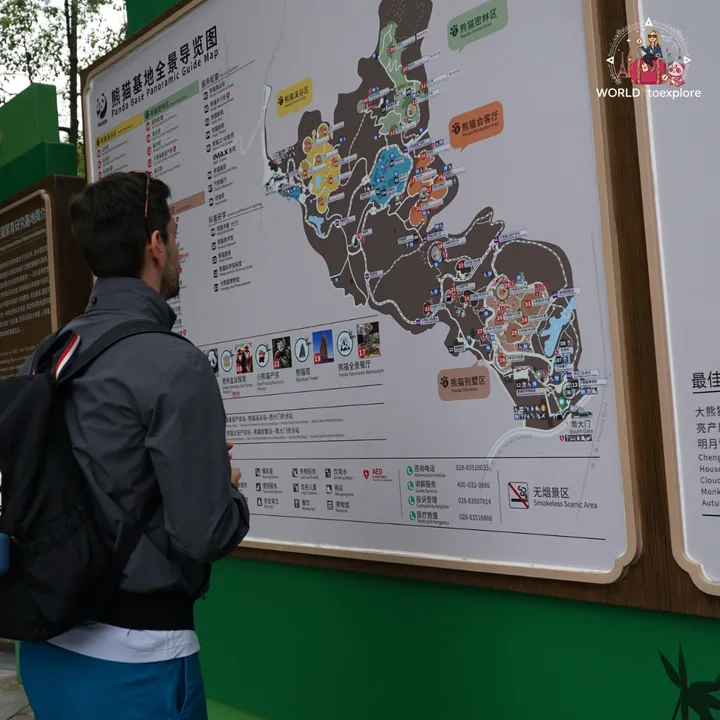
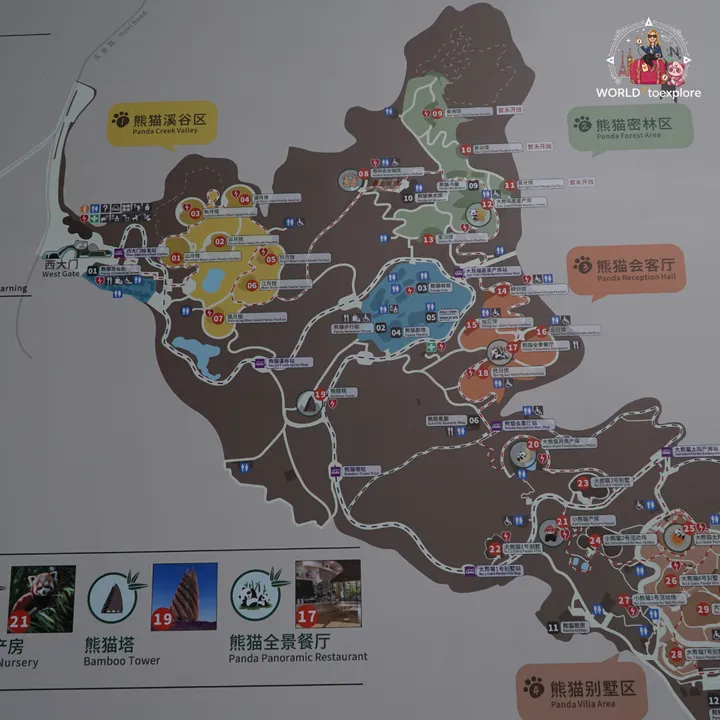
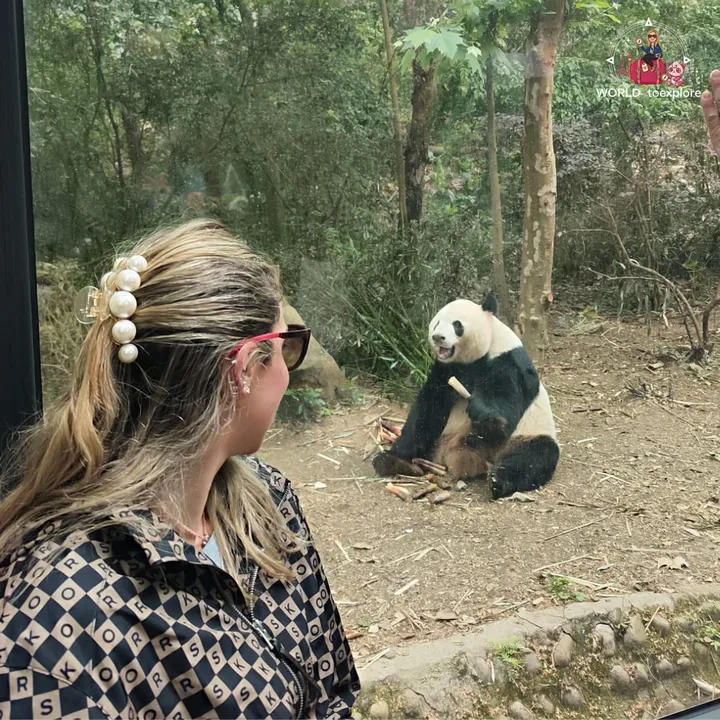

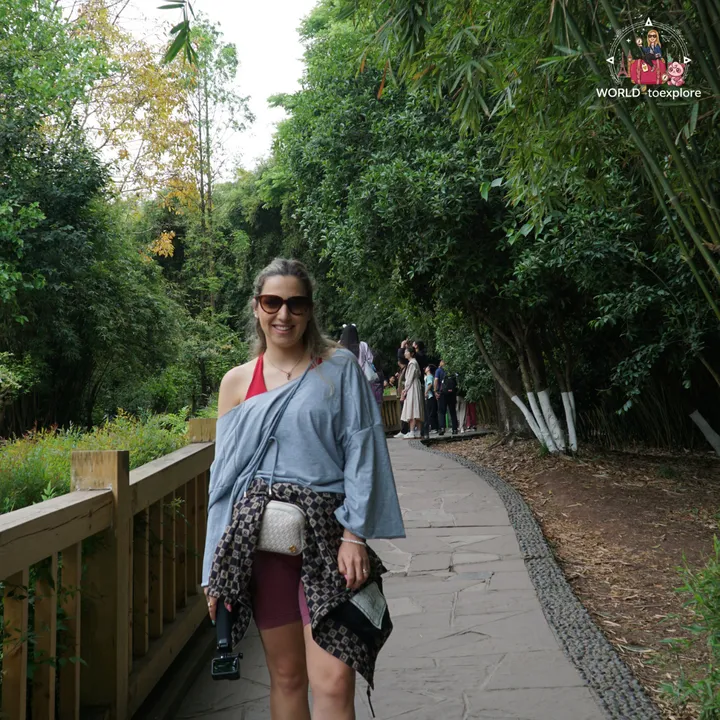
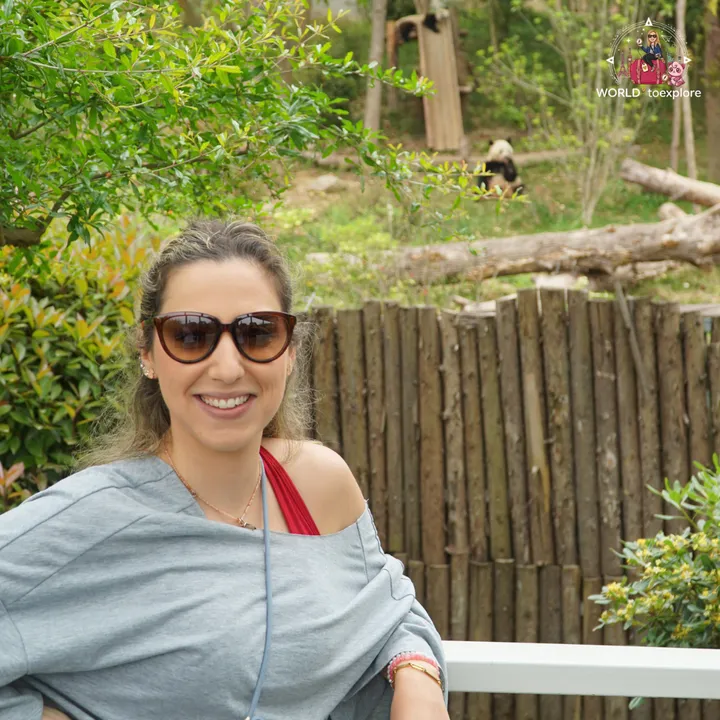
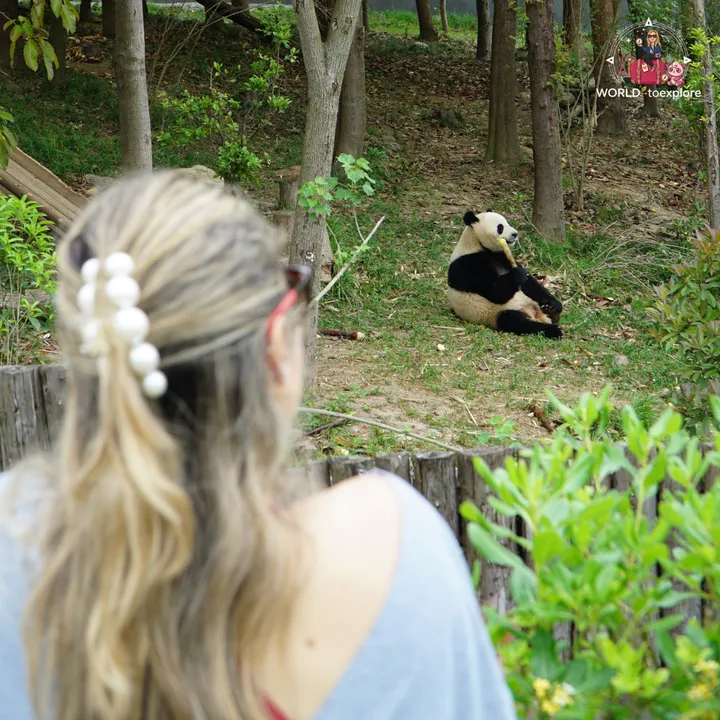
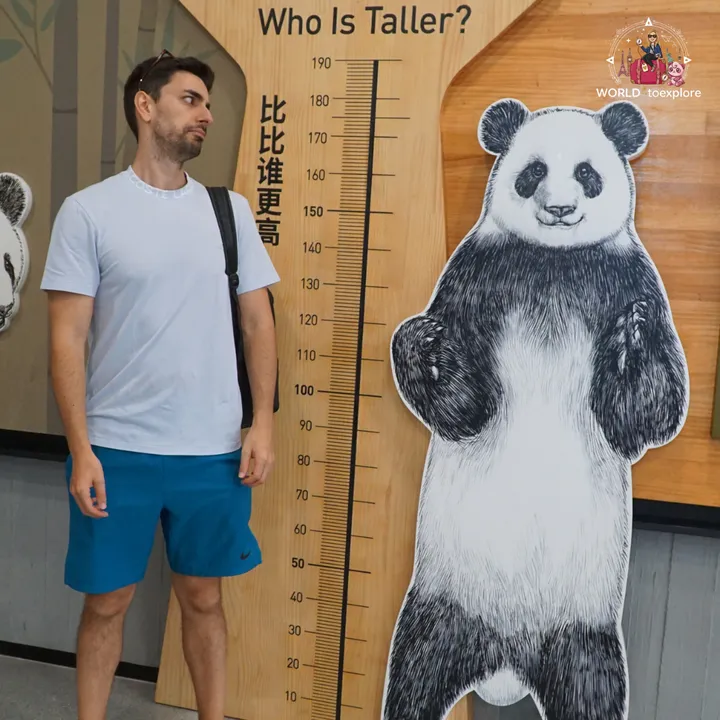
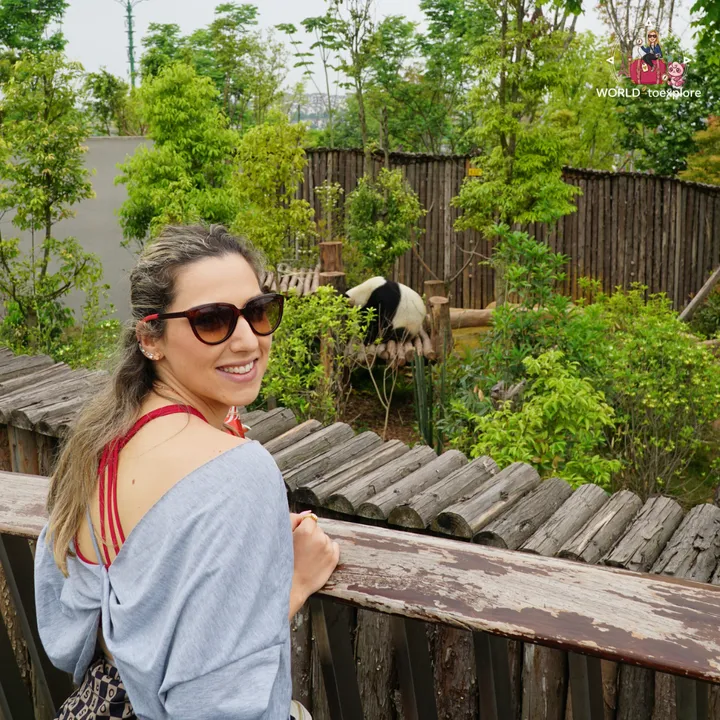
The Chengdu Research Base welcomes millions of visitors every year and continues to carry out research, conservation and breeding work for giant pandas. At the end of the day, the tickets we pay for also help this work continue and help ensure pandas have better chances of surviving into the future. For us, it was absolutely worth including Chengdu in our itinerary just for the pandas. It was a visit that exceeded our expectations and left us even more smitten with these lovable troublemakers. 🩷
You can find all our articles about China here.
You Might Also Like

China: a box full of surprises
China was the biggest box of surprises of all my travels: from Shanghai to the Avatar mountains, from the terracotta warriors to the pandas of Chengdu.

Diecai Hill, One of Guilin's Best Viewpoints
Diecai Hill is one of Guilin's best viewpoints, with panoramic views over the Li River and the karst mountains. We cover the history behind the hill, what to see along the climb, and what our visit was like, right at opening time.
Shanghai Tower, China's Highest Observation Deck
Going up the Shanghai Tower, the highest observation deck in China: our experience on the 118th-floor observatory, plus tickets, opening hours and tips for your visit.