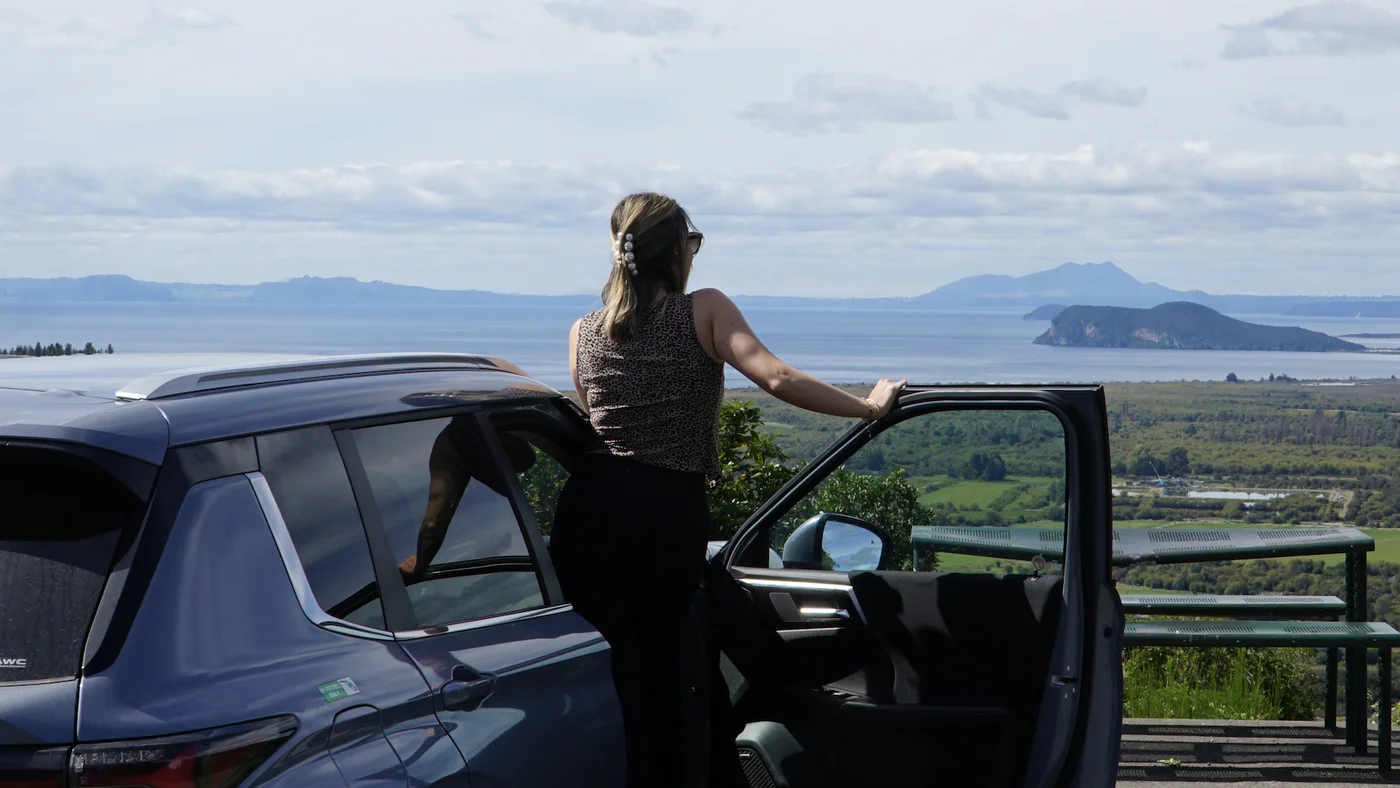
5 Rules Before Renting a Car on a Trip
This article was not sponsored and all opinions are genuine. It contains one affiliate link, which means I may receive a small commission if you book through it, at no extra cost to you.
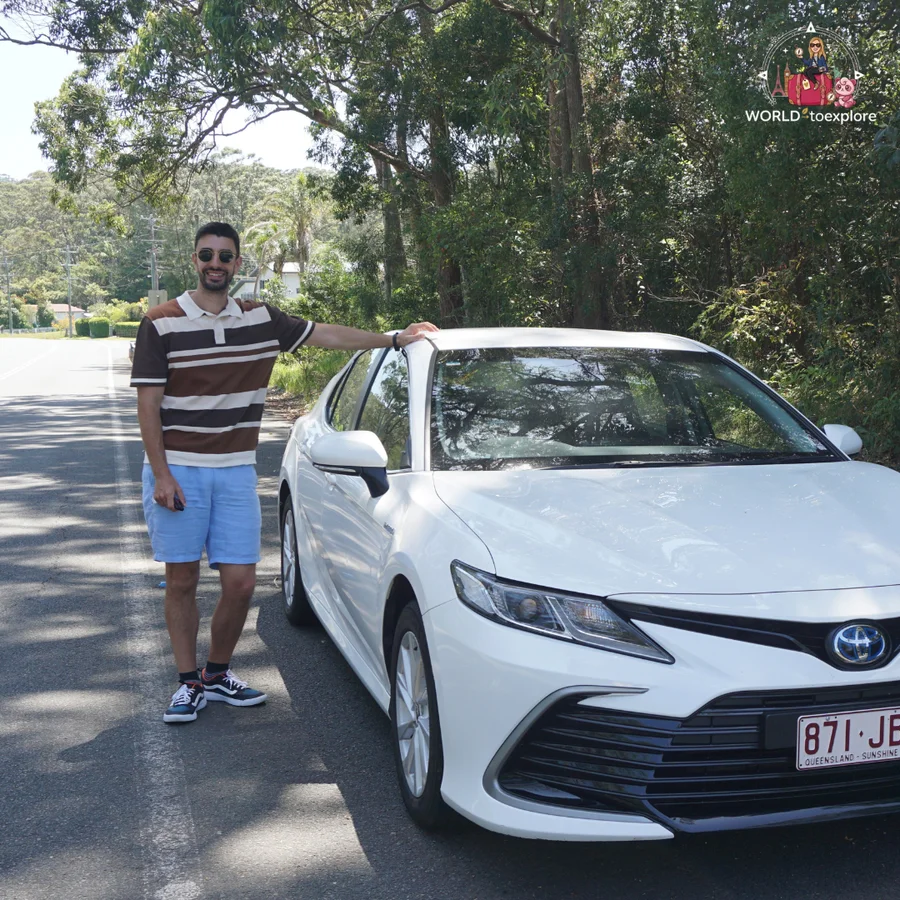
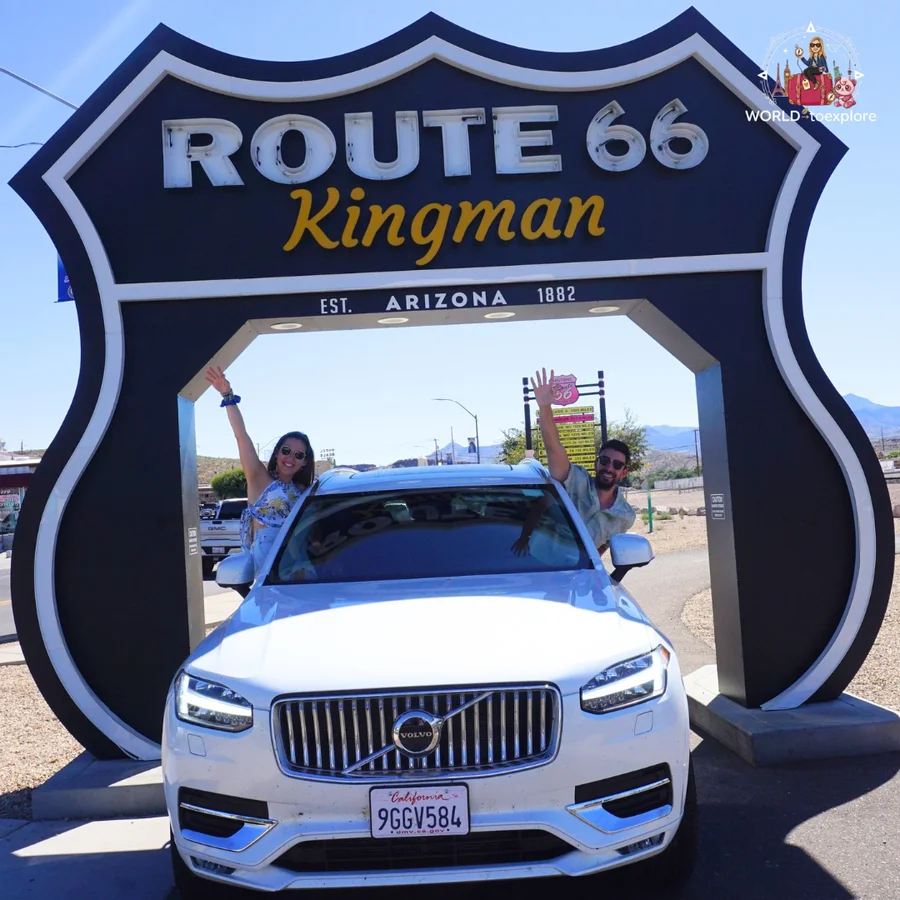
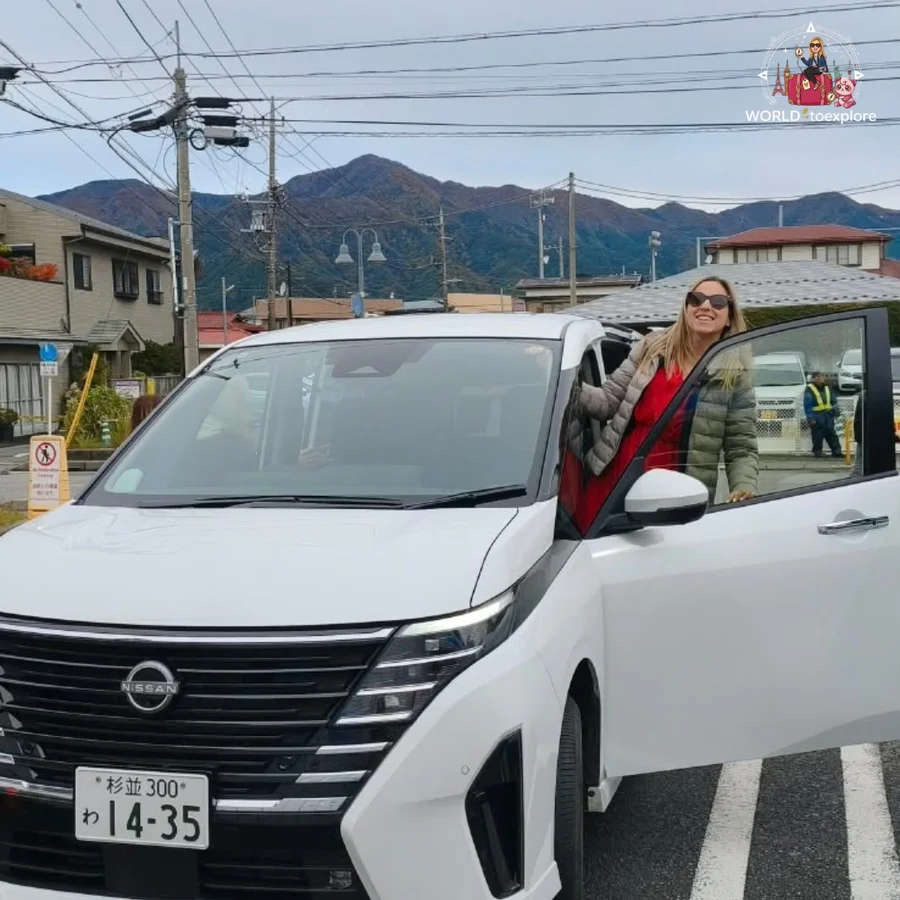
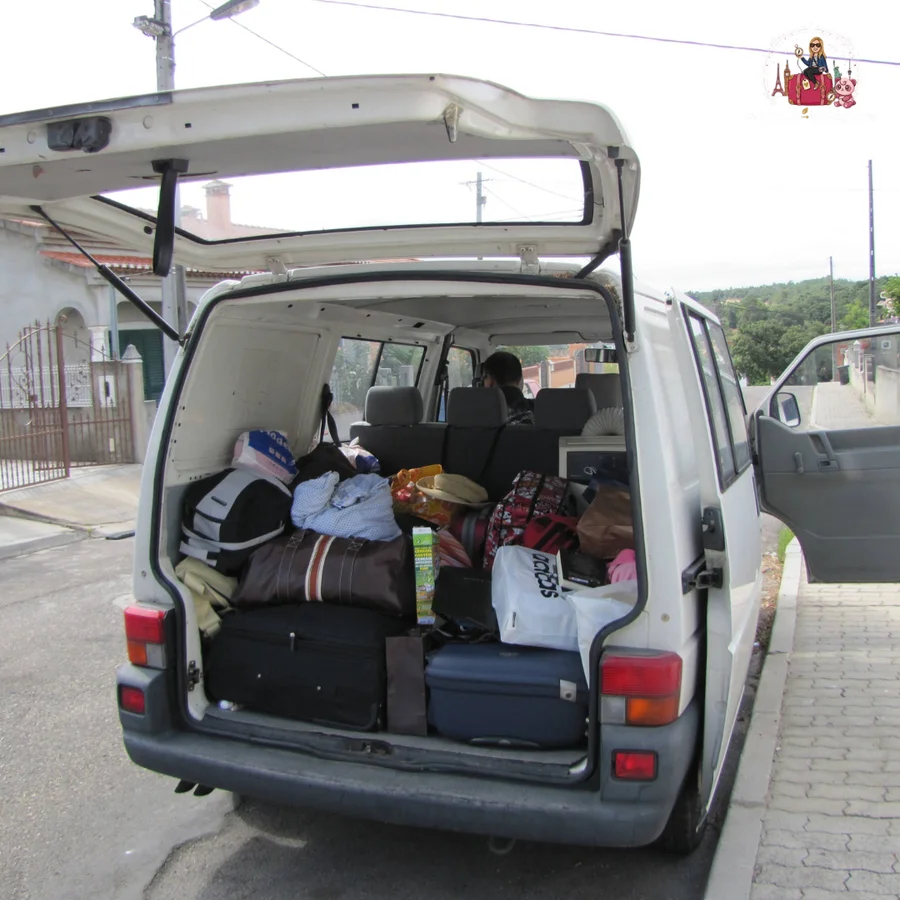
I've rented cars on very different kinds of trips. From long road trips in Australia, the United States and New Zealand, to a minivan in Japan to get to Mount Fuji, and even a car in Cape Verde that, looking back, should clearly have been a jeep. In 2024 there was also a particularly funny situation at Paris Beauvais, where we rented a car just to store our luggage during a layover. There were no lockers at the airport or nearby and, as there were six of us, with six suitcases and several backpacks, it ended up being the most practical solution. The car never even left the rental company's car park.
Over the years I've realised that renting a car on a trip is far from just choosing the cheapest one, entering your card details and hoping everything goes well. There are destinations where renting a car makes the trip so much easier and others where it can end up causing more headaches than freedom. There are documents that may be mandatory, cars that look huge until we start squeezing luggage into them, and insurance that only seems truly important when something goes wrong.
The 5 Rules I Always Keep in Mind
After many rentals, some good choices and others I would do differently today, there are five rules I always keep in mind before booking a car, and that in practice end up avoiding a lot of problems.
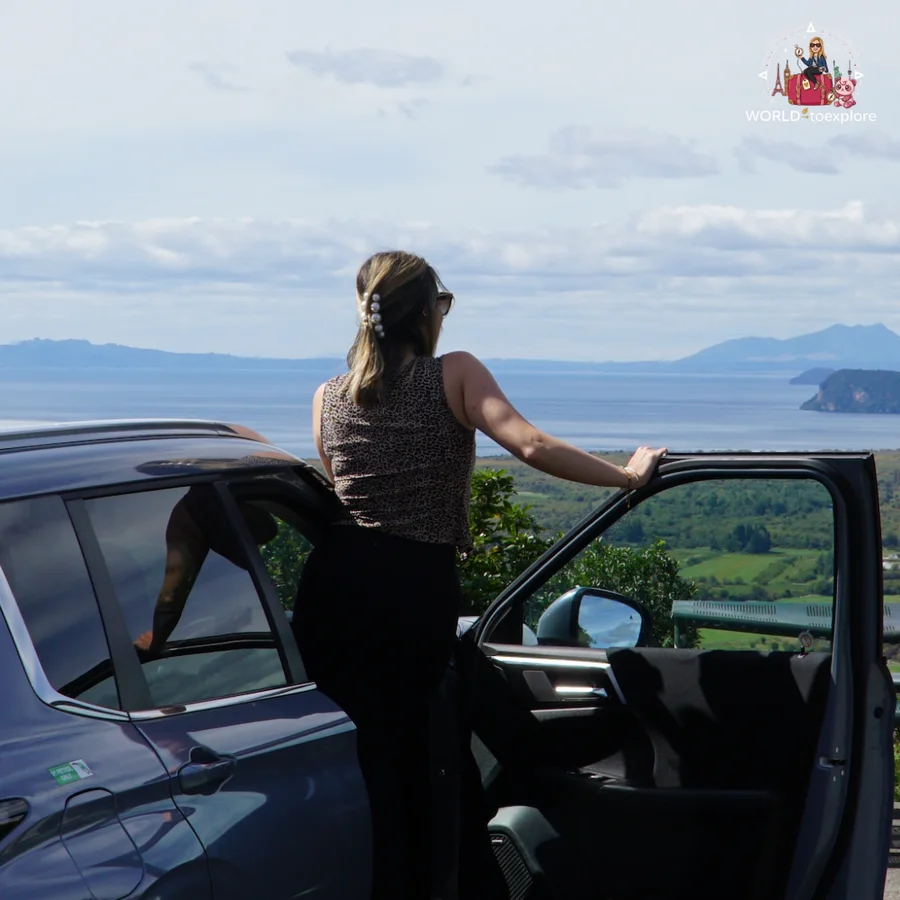
1. Work out whether driving at that destination is really worth it
Before I even start comparing prices, I try to work out whether it really makes sense to drive at that destination. There are countries where having a car makes the trip so much easier and others where it can be a constant source of stress. In China, Vietnam or Uzbekistan, for example, I would think twice before doing it. The way people drive is very different from what we're used to in Portugal and, at times, it genuinely seems that traffic rules are optional.
We've seen roads with cars taking up five lanes in a space where two would barely fit, unexpected changes of direction, motorbikes with four people on them, in other words, a proper mess by my standards. That doesn't mean it's impossible to drive in those countries but, for me, the question is simple. If the car is going to complicate things more than help, I prefer to use public transport, taxis or local apps and leave the driving to those who are already used to the traffic.
2. Check whether you need an International Driving Permit
Another thing I always check is whether our driving licence is enough or whether we also need to carry an International Driving Permit. Not every country has the same rules and, in some cases, this document is actually mandatory. It has happened to us in Japan and, more recently, in New Zealand, so it's one of those details I prefer to sort out before the trip rather than discover at the rental desk and be left with our hands tied. But we've also sorted out the document and, in the end, it wasn't even needed. In Australia, for example, nobody asked us for anything, but I know people who rented a car in the same country and were asked for the International Driving Permit straight away at pick-up. So, whenever there is any doubt, I prefer to go to the trouble of getting one and not need it than to find out too late that it was needed.
In Portugal, to get this document you just need to book an appointment on the SIGA website or app and bring a passport-style photo. Then everything is dealt with in person, and the worst part of the whole process is actually paying the fee, which the last time we did it was around €30.00 - I don't know whether it has also fallen victim to inflation in the meantime. Otherwise, it's very quick! In about half an hour we walked out with the International Driving Permit in hand.
3. Choose the right car for the trip
I've also learned not to look only at the price. Sometimes the cheapest car seems to be perfectly fine, until the moment of truth comes when you try to fit people, suitcases and backpacks inside. The longer the trip, the more important it is to think about space, comfort and even the type of road we'll come across along the way.
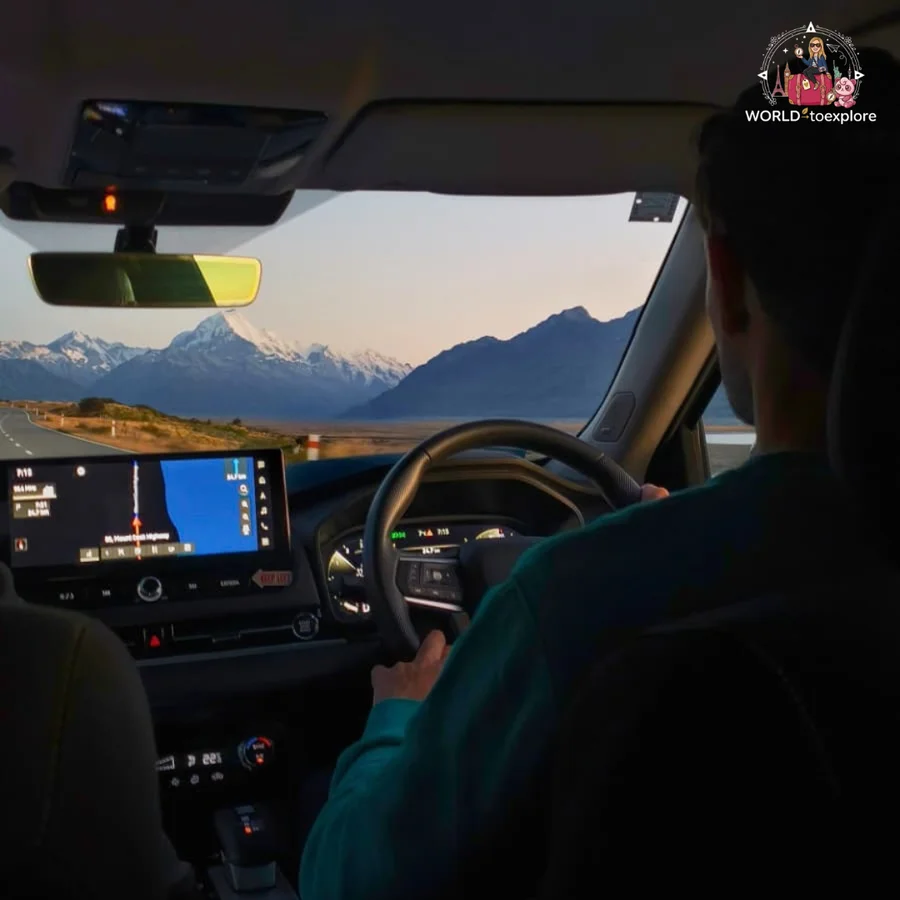
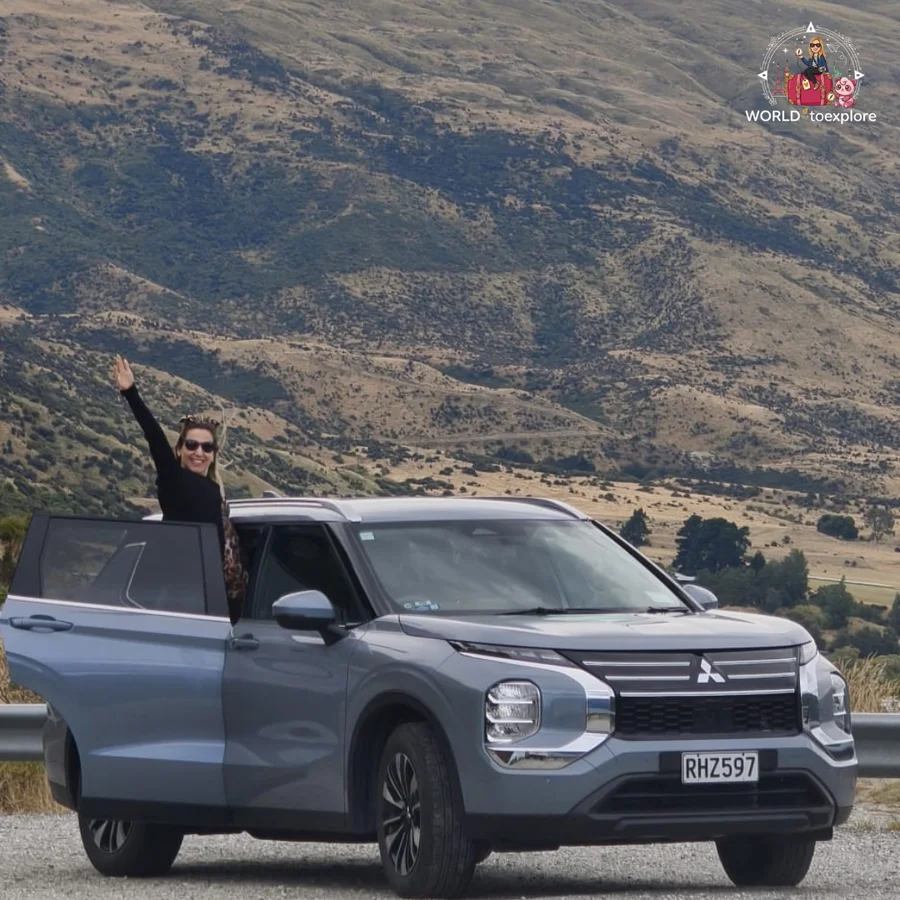
In Japan, for example, as there were six of us, we went straight for a minivan. In New Zealand we also knew we would be driving a lot of kilometres, so we wanted a comfortable car with enough space for three big suitcases, a small one and four backpacks. In Cape Verde, on the island of Sal, we did exactly the opposite of what we should have done. We rented a city car to drive around the island but, if I were doing it today, I'd choose a jeep without thinking twice! The roads were in such bad condition that there were moments when all I could think was that we were going to wreck the car or get a flat tyre in the middle of nowhere. Sometimes, paying a bit more for the right car saves a lot of hassle along the way. Even though everything in Cape Verde is supposedly “no stress”, we managed to find a way to stress out on holiday for no reason at all.
4. Compare carefully before booking
Before booking, I always like to understand what options exist and what really changes from one to another. The cheapest car isn't always the best deal, because differences then appear in the deposit, the excess, the fuel policy, the number of drivers included or the cancellation conditions. That's why I prefer to compare everything first, rather than choosing the first option that comes up.
One of the platforms I recommend for this is DiscoverCars. It brings together offers from several car rental companies and lets you compare prices, conditions and reviews from other travellers without having to jump from site to site. For me, one of the most useful parts is being able to see straight away things that are often somewhat hidden at the time of booking, such as the deposit amount, the conditions of the security hold or what is really included in the price shown. I also like that they offer free cancellation up to 48 hours before pick-up and 24-hour customer support. Of course, in the end I still always read the conditions carefully before paying, because every rental company has its own rules and there's no way around that. But having all that comparison done on the same platform saves a lot of time and avoids the classic mistake of choosing the cheapest option and only later understanding why.
5. Don't skimp on insurance
When it comes to insurance, I confess I prefer not to take chances. Whenever I can, I choose an option with a low or zero excess and pay special attention to the coverage included. Windows and tyres, for example, aren't always insured and all it takes is a bit of bad luck for the trip budget to rise quickly.
In New Zealand we had a perfect example of this. At one point, a tiny stone hit the windscreen while we were driving and immediately left a small chip in the glass. Fortunately, we had glass cover, so we were relatively relaxed. Even so, when it came time to return the car, we were a bit worried about whether they would notice the chip and keep part of our deposit. In the end, everything went fine and we had no problem at all. We did end up cheating a little. In the last few days we avoided using the windscreen wipers too much so the glass would stay dirty enough for the chip not to stand out. Don't try this at home! All in all, it was one more of those situations that confirmed it's worth understanding exactly what the insurance covers before booking.

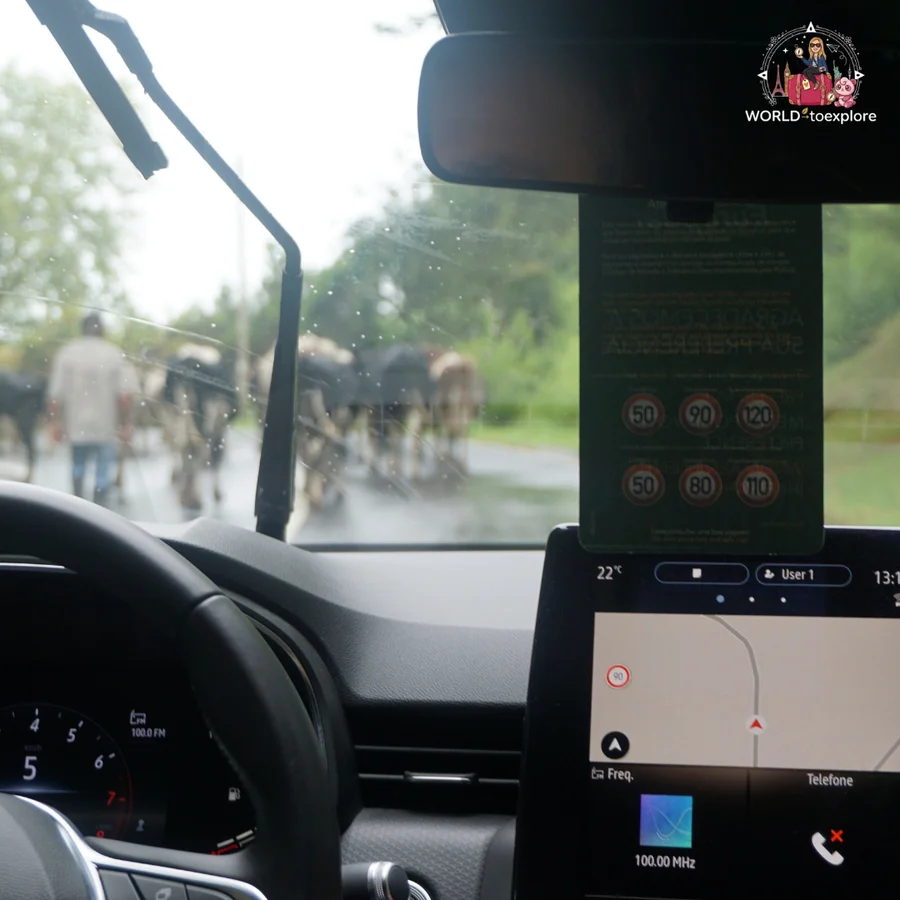
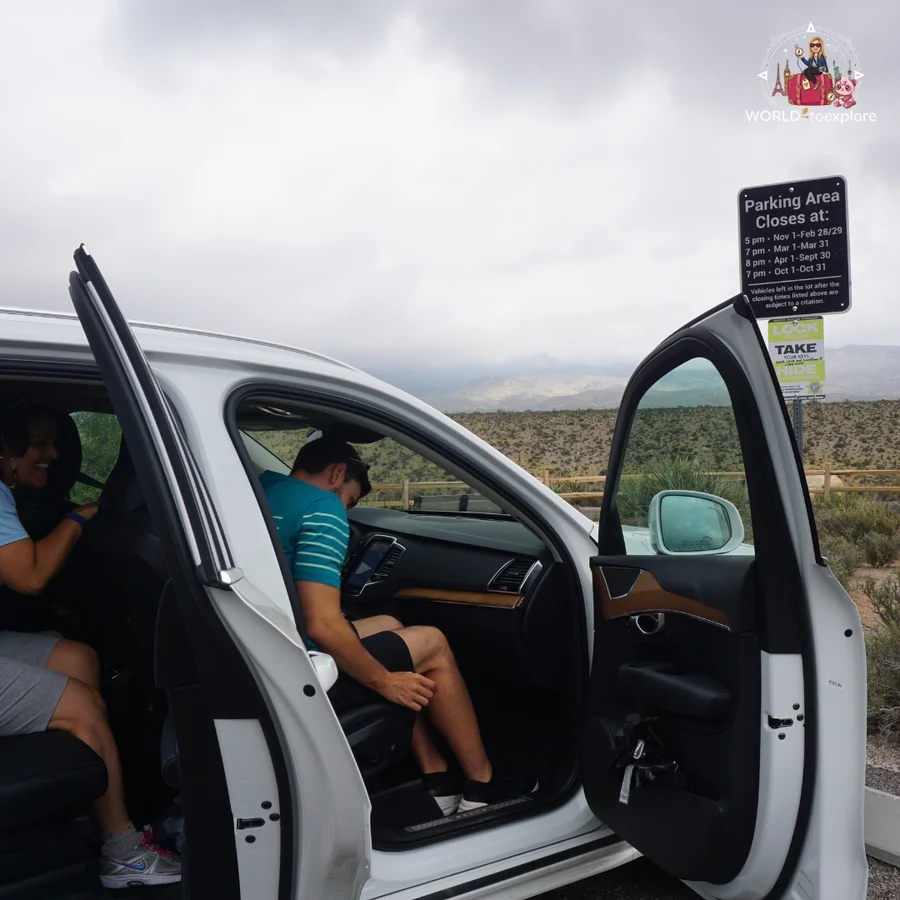


Renting a car can give you incredible freedom during a trip and, in many destinations, it really makes all the difference. It lets us stop wherever we want, change plans at the last minute and discover places that aren't even reachable by public transport. But that freedom is only worth it when we have the certainty that the booking was done properly and that we won't spend the trip worrying about what might go wrong.
Over time I've realised that it's precisely the small details that avoid the biggest headaches. The right car, the documents, the booking conditions or slightly better insurance may seem secondary while we're still planning the trip, but they quickly become important when we're on the other side of the world. At the end of the day, the goal is to have a car that makes the trip easier, not one that creates yet another problem. 🩷
You Might Also Like

12 New Year Wishes
An honest confession about New Year wishes, superstitions and the nervous butterflies of stepping into a big life change.

5 Fun facts about me
Three months in, it's time you met the girl behind the trips: shyness, piano, a Hello Kitty obsession and a love for FC Porto.

5 More fun facts about me
Five more little curiosities about me, from hair accessories and curly hair to my love of lasagna and why sleep is sacred.