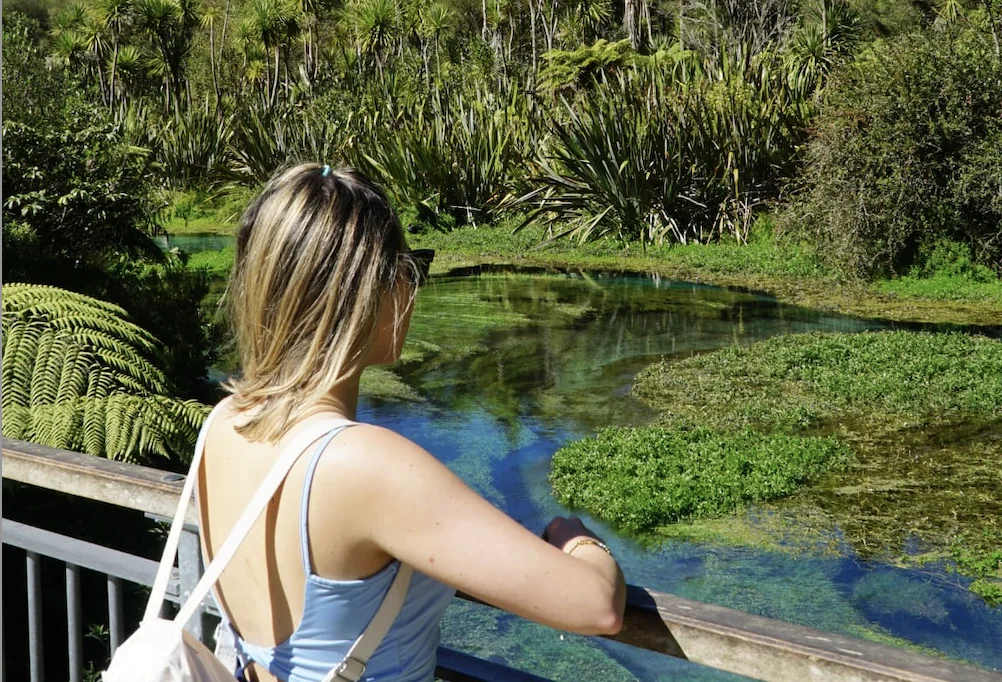
Is Blue Spring Worth Visiting?
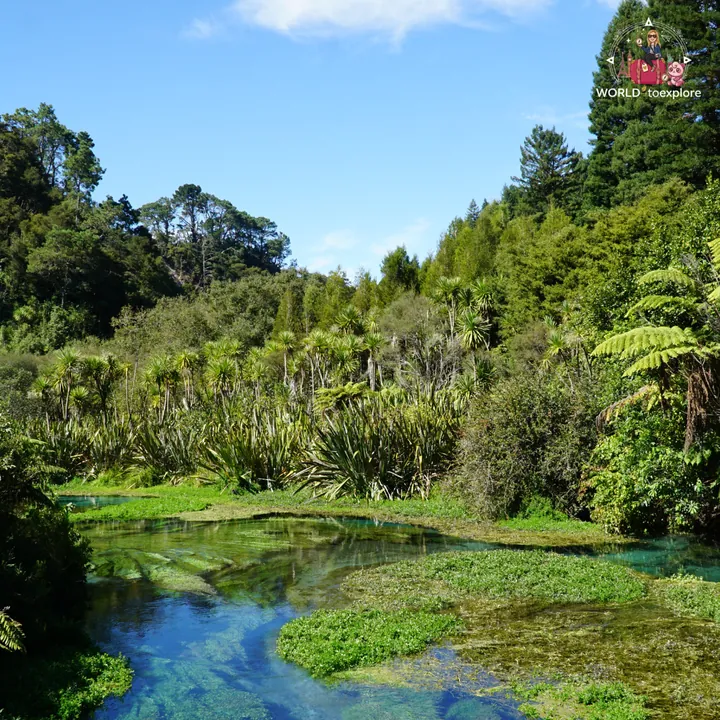
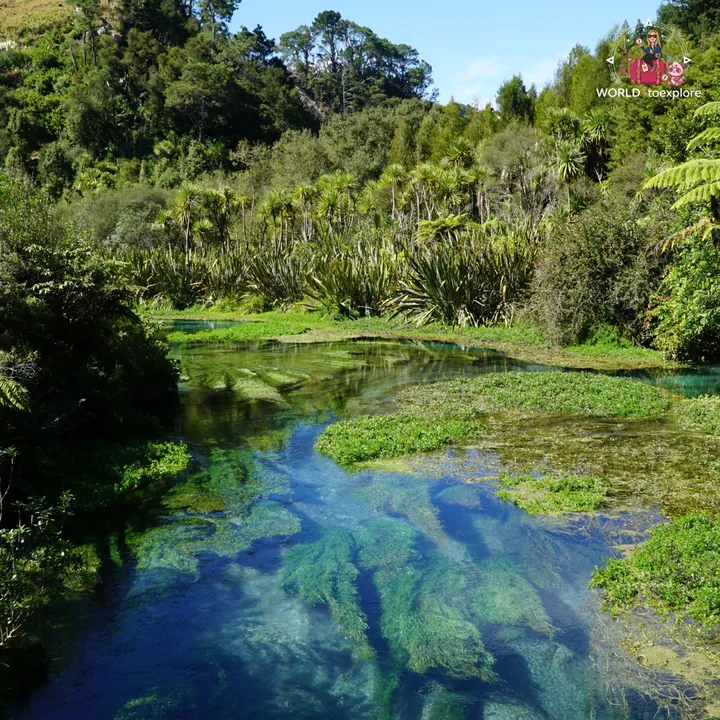
Considered one of the purest springs in the world, the Blue Spring, located in Putāruru, New Zealand, is known for its incredibly crystal-clear waters and its intense shades of blue. The spring is part of the Waihou River and offers a unique landscape, thanks to the transparency of its waters and the lush vegetation surrounding it.
When we started planning our trip around New Zealand, the Blue Spring wasn't even part of our original itinerary. It came up almost by chance, while we were looking for a place to take a short break and stretch our legs during the long drive between the Waitomo Glowworm Caves and the town of Rotorua. It's a relatively quick visit, but it really paid off! Throughout this article I'll share our experience and leave a few useful tips for anyone also thinking of visiting.
Why is the Blue Spring so special?
The Blue Spring is a natural spring located near the small village of Putāruru, in the Waikato region, on New Zealand's North Island. It's part of the Waihou River and is considered one of its most iconic natural spots. Although it isn't one of the country's best-known tourist attractions, it has become a true natural treasure that draws thousands of visitors every year.
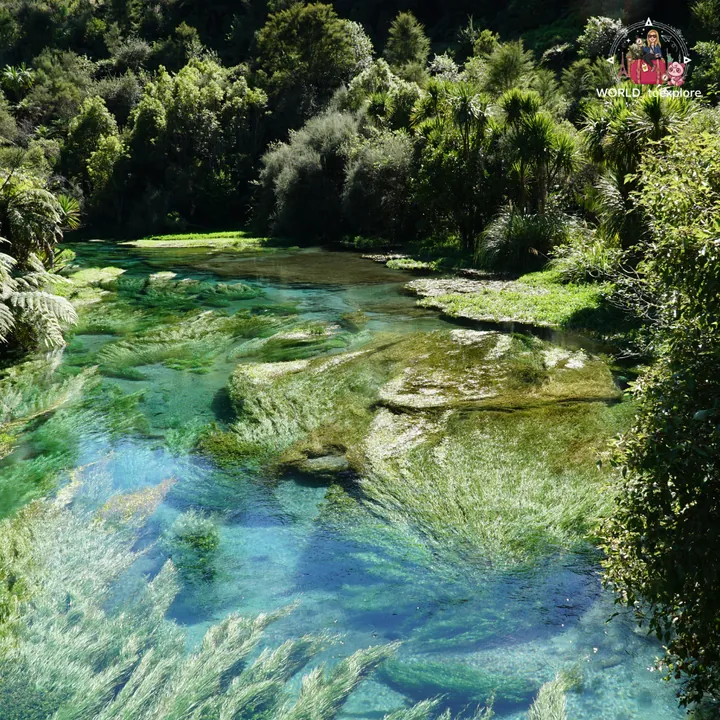
What makes the Blue Spring truly special is the quality of its water. Before reaching the surface, the water goes through a natural filtration process through underground rocks that can take between 50 and 100 years. It's thanks to this process that the water is so pure and crystal-clear. The water quality is so high that a significant portion of the bottled water consumed in New Zealand comes from this aquifer. For this reason, the Blue Spring is a protected area, and entering the water or carrying out any activity that could compromise its conservation is not permitted.
A walking trail was created along the Waihou River, allowing you to observe the Blue Spring from various angles without disturbing the ecosystem. The walk is free, very accessible, and an excellent way to take in one of the most beautiful natural landscapes on New Zealand's North Island.
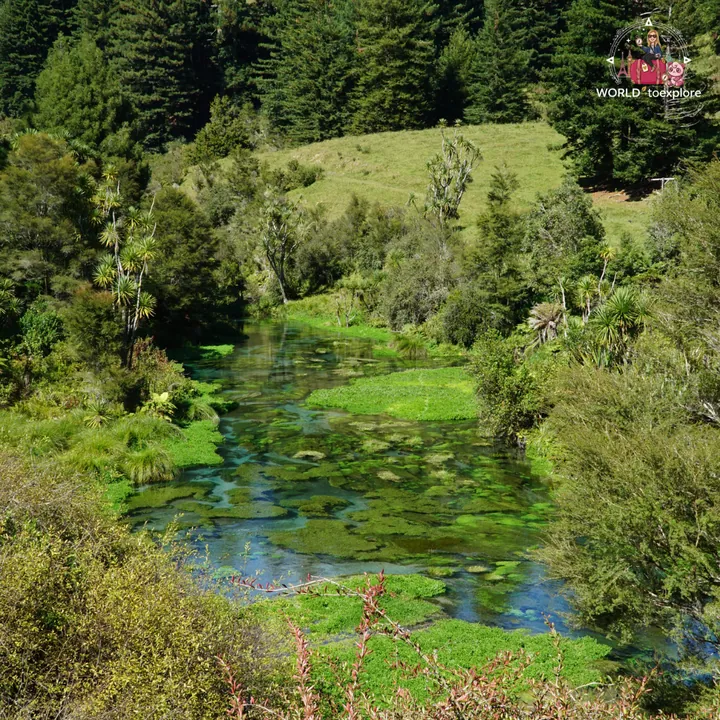
Our experience
In our case, the Blue Spring came up simply as a stop along the way. That morning we had visited the Waitomo Glowworm Caves and still had to carry on to Rotorua, where we'd be spending the night. As the Blue Spring was practically halfway there, it seemed like the ideal spot to take a break and get to know one more of New Zealand's many beautiful places.
We left the car by the road, because we didn't realise there was a huge, almost empty car park right next to it. In about 10 to 15 minutes we reached the Blue Spring's main viewing point. The path is very easy, with practically no incline, and runs the whole way along a wide, compacted-earth trail.
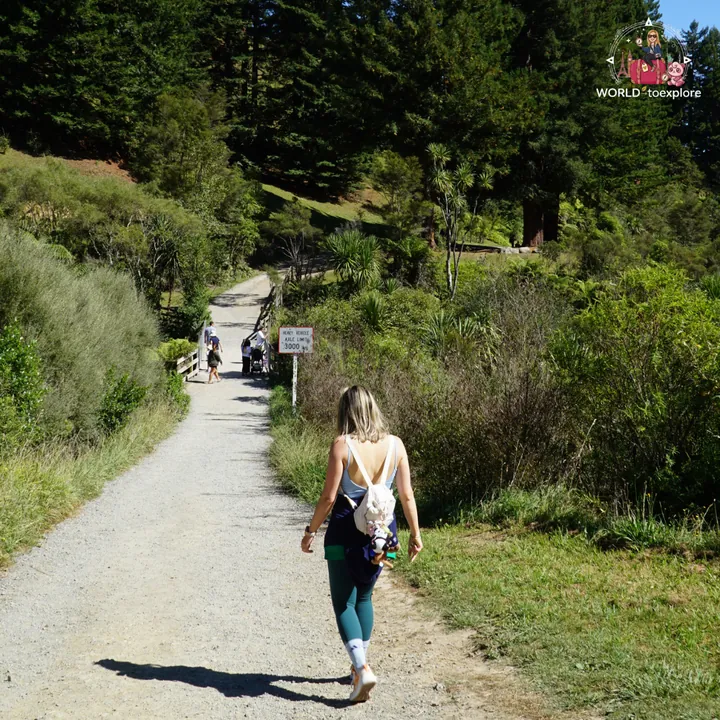
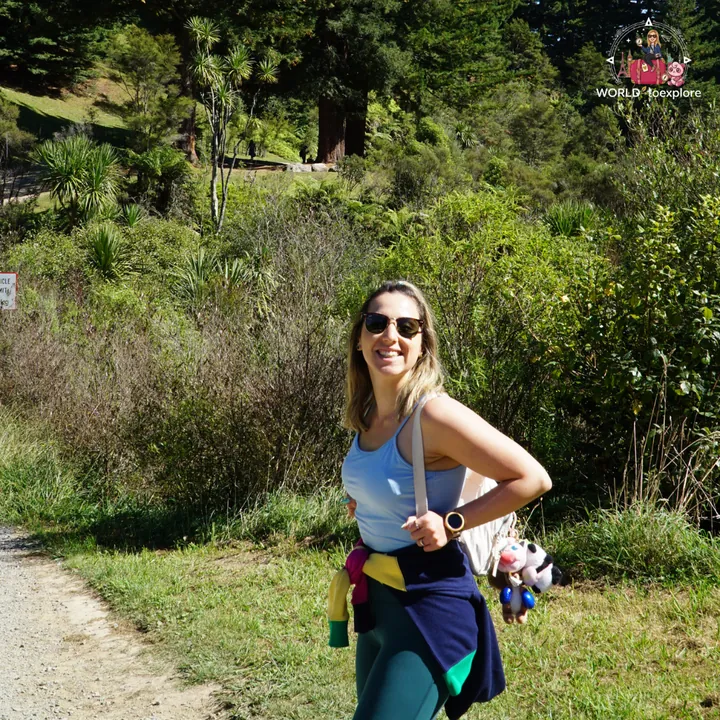
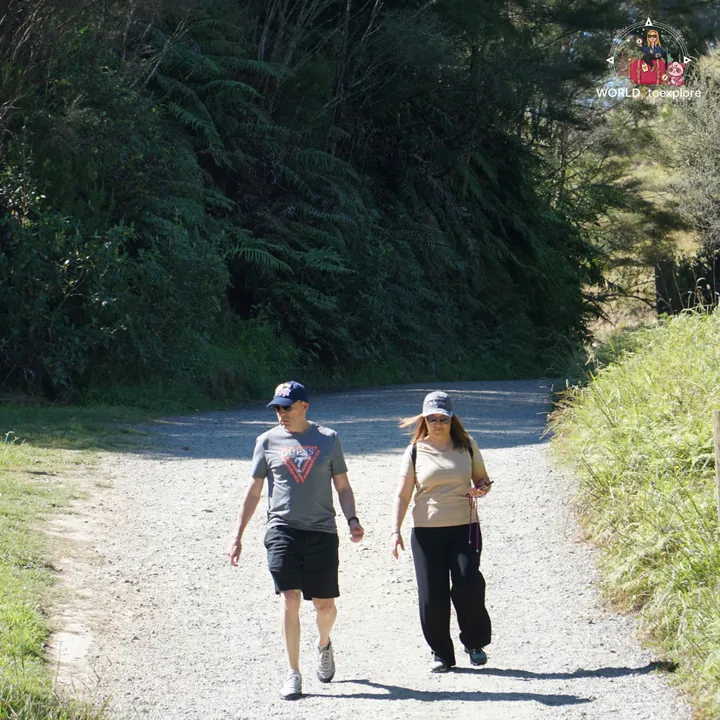
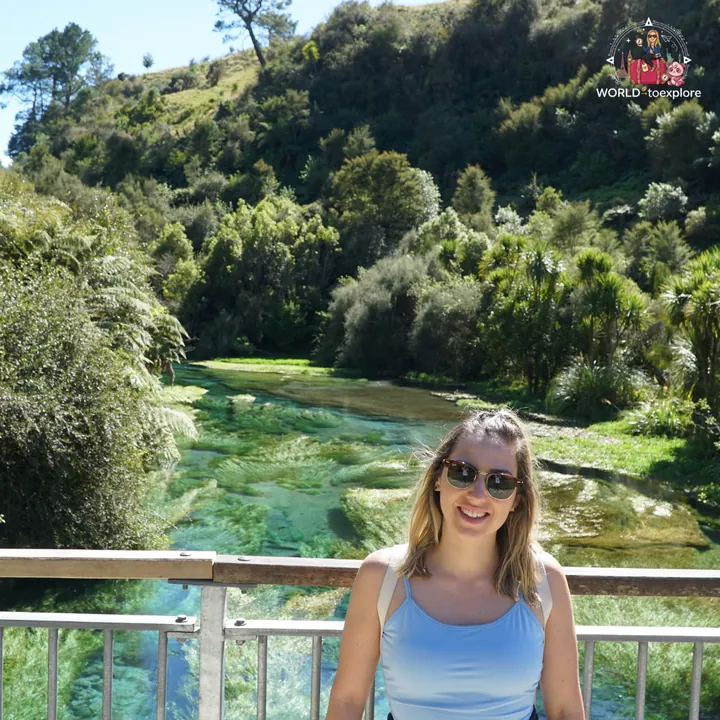
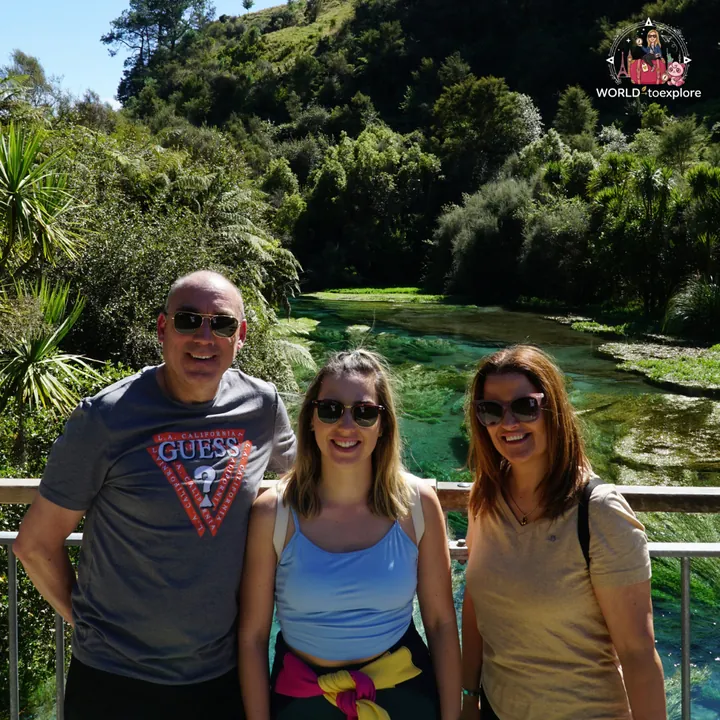
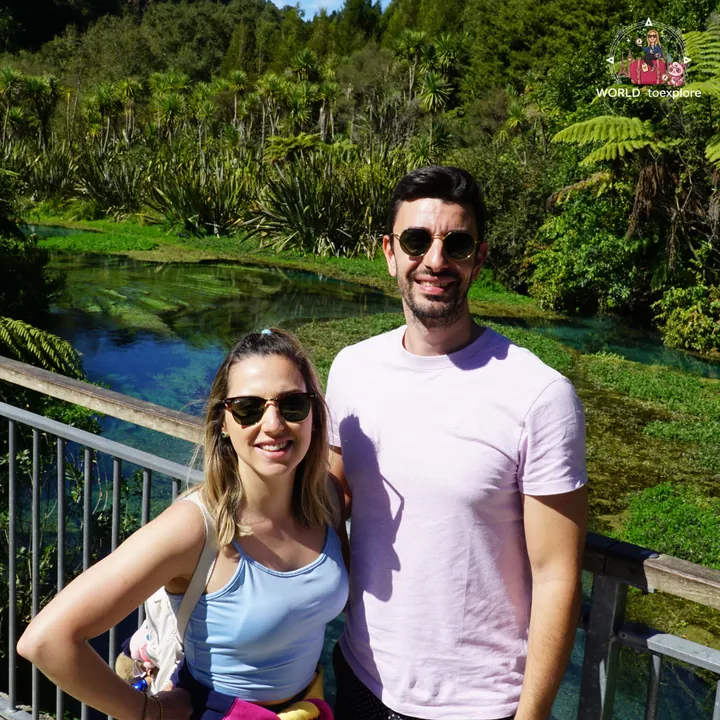
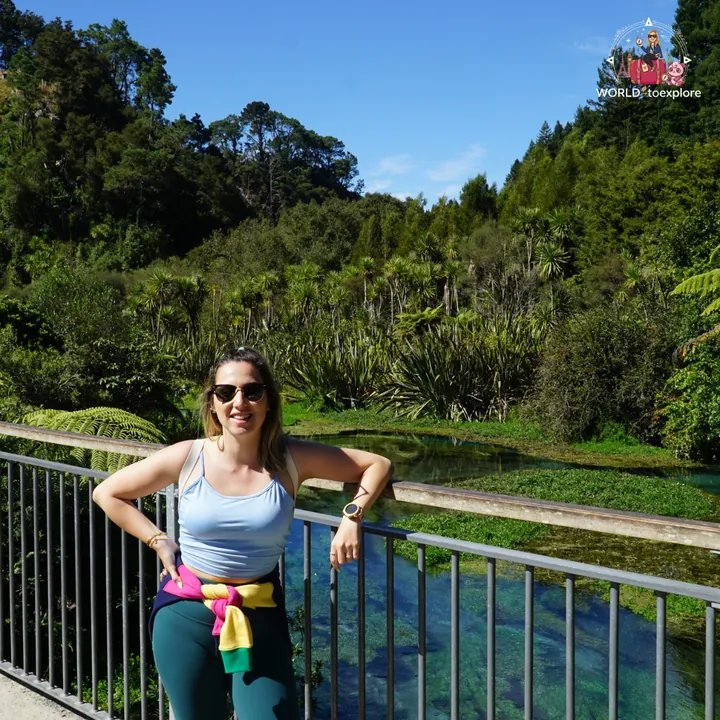
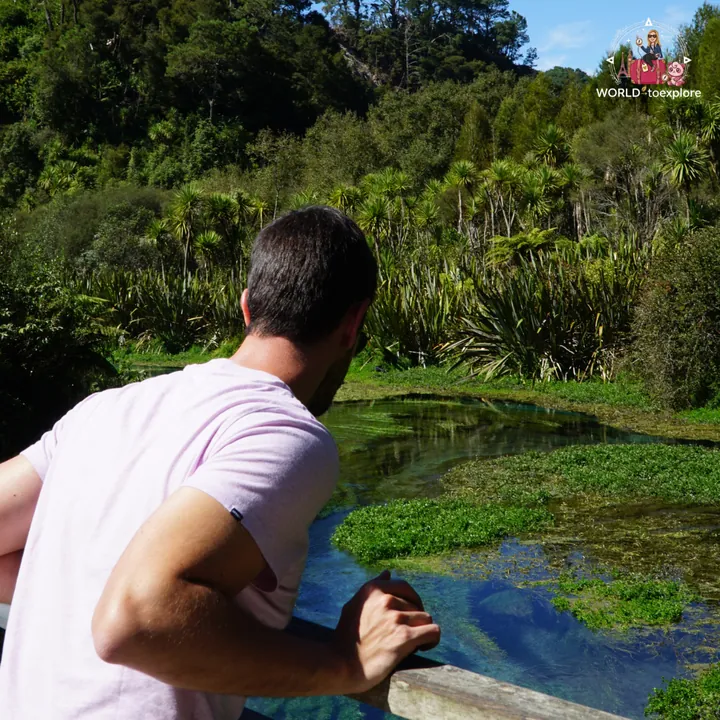
When we reached the main viewing point, we immediately realised the stop had been worth it! The water is incredibly transparent, and the shades of blue are even more beautiful in person than in photos. We were also lucky to get an amazing day, with a completely clear sky and plenty of sun, which made the colours of the water and the surrounding vegetation stand out even more. As there were only a handful of people around, we could take in the scenery with a huge sense of tranquillity. After enjoying the view for a few minutes, we headed back the same way to the car and continued our journey to Rotorua. All in all, it was a stop of about 30 minutes that, for us, was really worth it.
- Address: Leslie Road, Tapapa 3483, New Zealand
- Opening hours: always open, but we recommend visiting during the day, in natural light - after dark it can become a little more dangerous
- Price: free
- Duration: about 30 minutes (round-trip walk)
To answer the question in this article's title: yes, I think the Blue Spring is worth visiting, especially if you're already passing through this part of the North Island. It's not an attraction where you'll spend a lot of time, but rather a quick stop to discover one of the region's most beautiful natural spots. In our case, it fit perfectly into our itinerary and turned out to be a lovely surprise. If you have half an hour to spare, I think this little detour is well worth it! 🩷
You Might Also Like
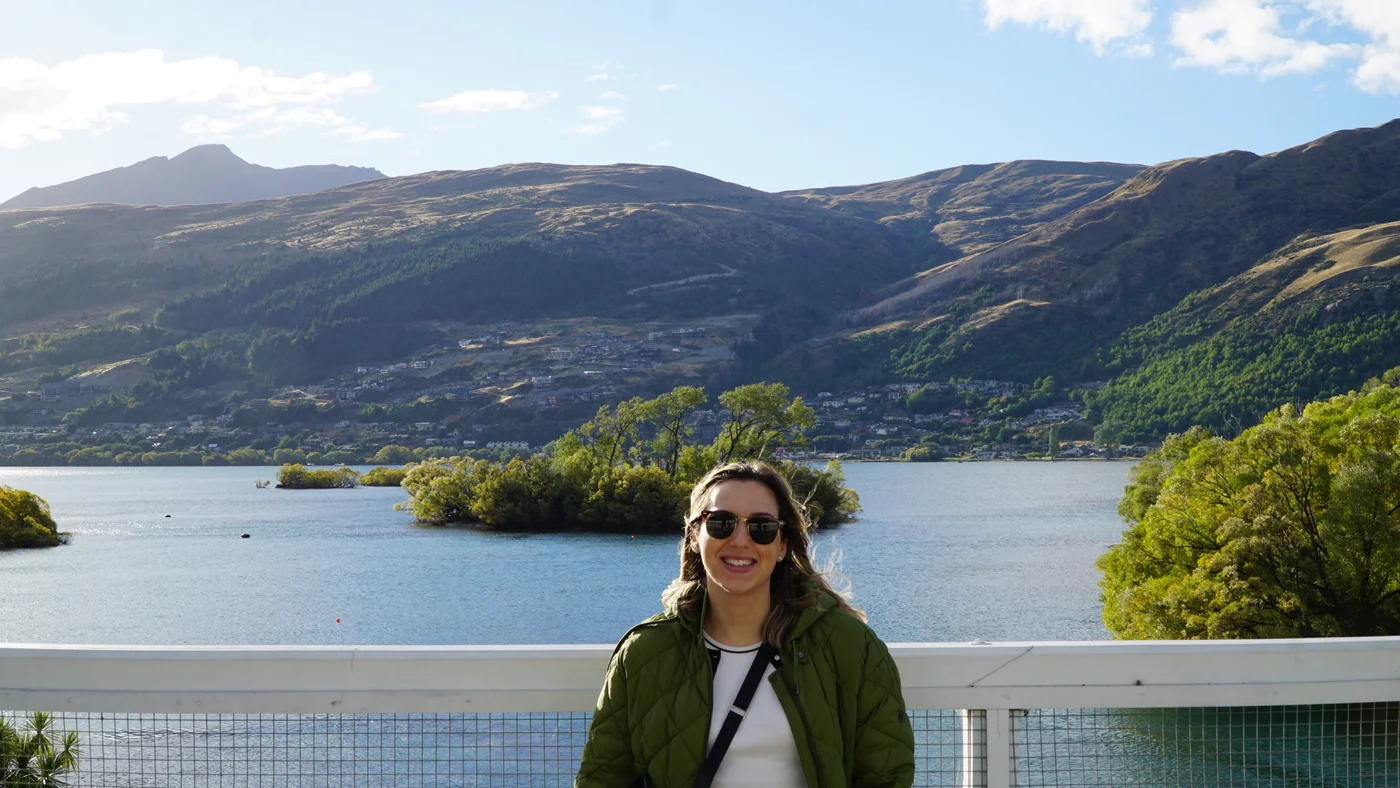
Kawarau Falls Dam: the last attempt to take gold from the river
A gold rush, a dam and an experiment that went wrong in 1926: the history of the Kawarau Falls Dam, and the peaceful late afternoon we spent by Lake Wakatipu, in Frankton, Queenstown.
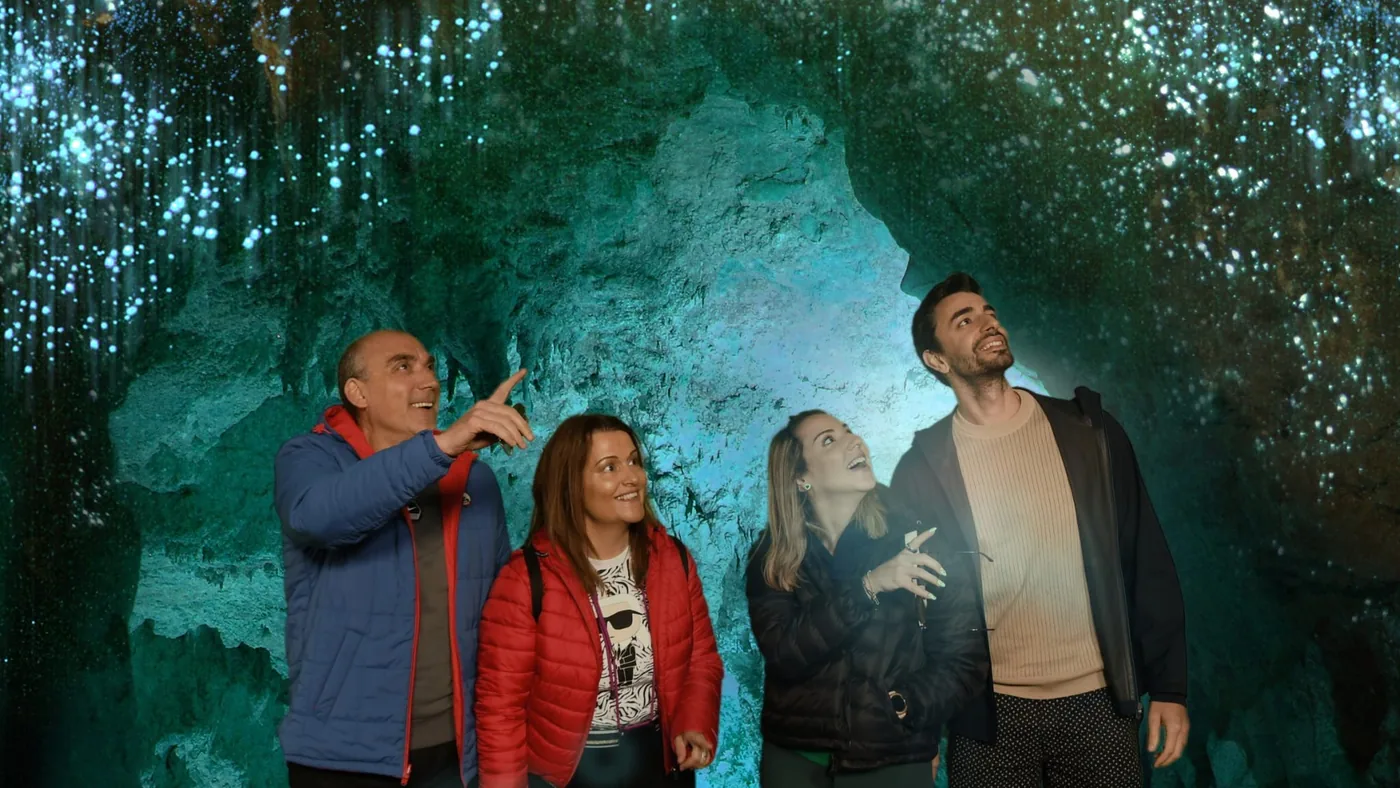
New Zealand: 15 days at the end of the world
Fifteen days road-tripping across New Zealand, on the other side of the world — the longest trip I've ever taken and one of the most unforgettable.

Was Fergburger Worth the 20-Minute Queue?
A monumental queue, giant burgers, and how it compares to Betty’s Burgers and In-N-Out: our experience at Queenstown’s famous Fergburger, Ed Sheeran’s favourite.