An adventure high up on the Arrábida Bridge
World to Explore received an invitation from Porto Bridge Climb to take the climb up the Arrábida Bridge. Even so, the opinions shared in this article are entirely our own and reflect only our experience.
I'm 31, I've always lived in Porto and the Arrábida Bridge has been part of my life for as long as I can remember. I've crossed it by car hundreds of times, walked underneath it and, on São João night, on 23 June, it is one of the most iconic bridges and frames the fireworks over the river beautifully. Even so, I had never climbed up to its arch. However much I'd heard about this experience, I didn't know anyone who had done it and the opportunity had never come up. At least until now... This time, I was finally able to see my city from a completely new angle.
The Arrábida Bridge links Porto to Vila Nova de Gaia across the Douro River and is one of the city's most striking sights, thanks to the imposing arch that supports it. In this article, I'll tell you the story of the bridge, share our experience and gather useful information about Porto Bridge Climb, for anyone who wants to see Porto from a different perspective.
The history of the Arrábida Bridge
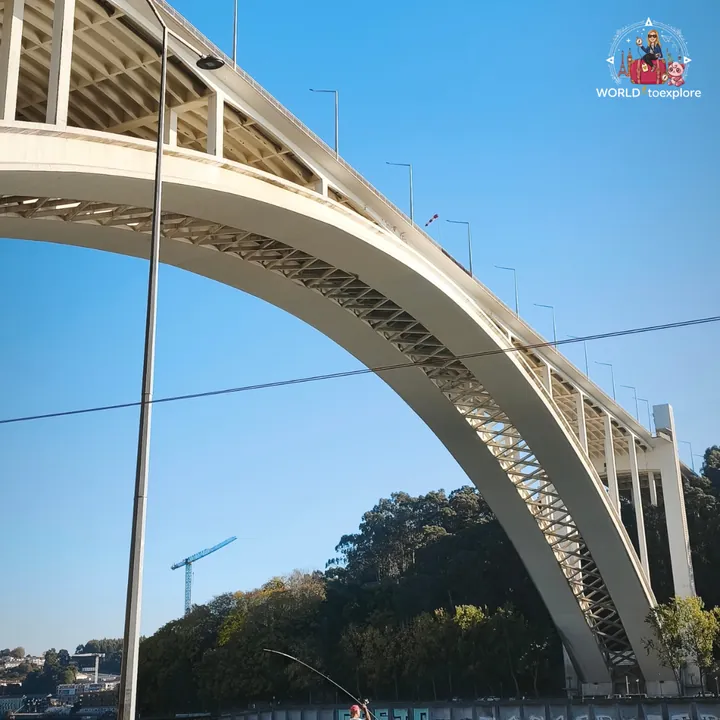
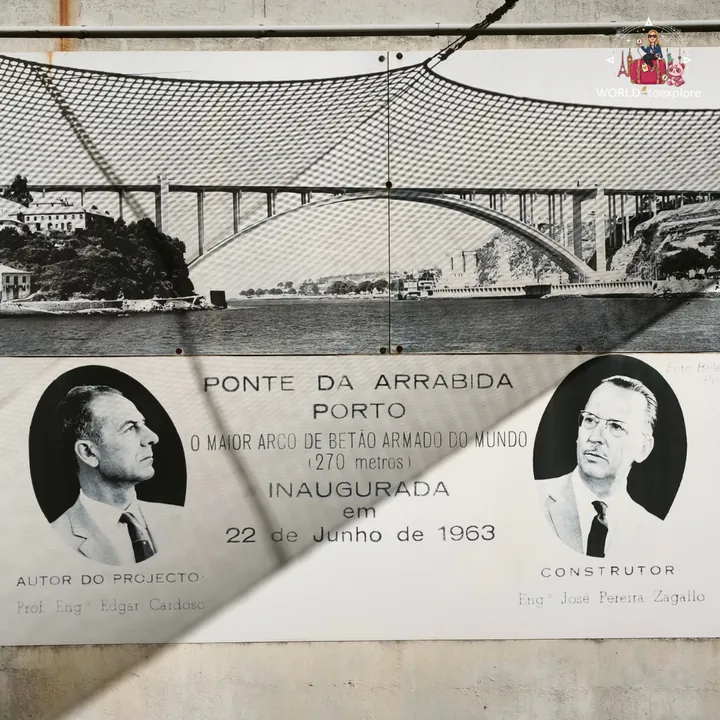
These days it's hard to imagine Porto without the Arrábida Bridge, but there was a time when it didn't exist and the Luís I Bridge was the only road link between the two banks of the Douro. As the populations of Porto and Vila Nova de Gaia grew, especially from the 1940s onwards, traffic became more and more complicated and finding an alternative became urgent. In 1952, the Junta Autónoma de Estradas (the Portuguese roads authority) commissioned Edgar Cardoso, a world-renowned engineer, to draw up the design, which was eventually approved in 1955. Work began in 1957 and lasted about six years, until the bridge was inaugurated on 22 June 1963.
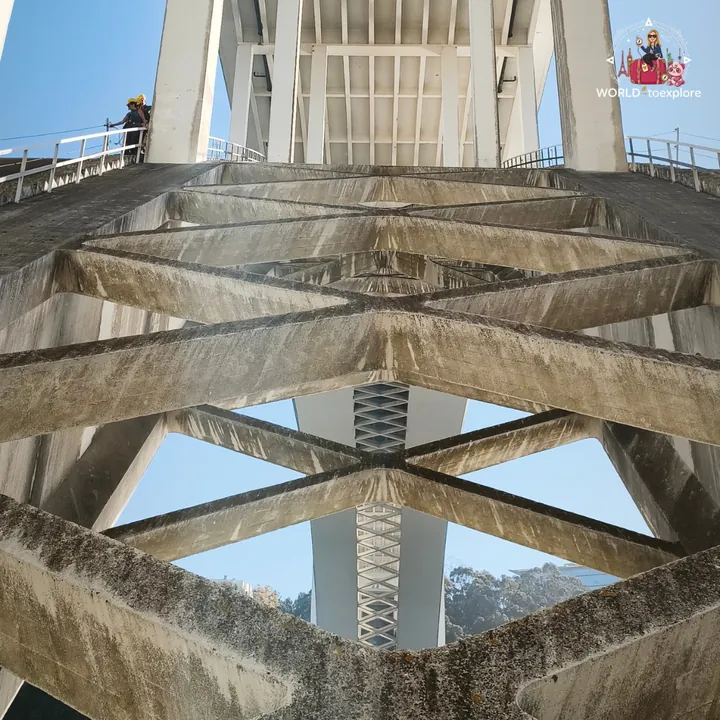
Edgar Cardoso was an engineer born in Porto who, over the course of his career, was involved in projects for more than 500 bridges around the world. Before arriving at the final design for today's Arrábida Bridge, he presented five different preliminary designs, including a masonry arch, a suspension bridge and a steel arch bridge, and the concrete arch proposal was the one eventually approved. The boldness of the choice is easier to appreciate in context, since this was the first major bridge over the Douro to be conceived, designed and built entirely by Portuguese engineering, including the steel centring (the temporary structure that supported the arch during construction).
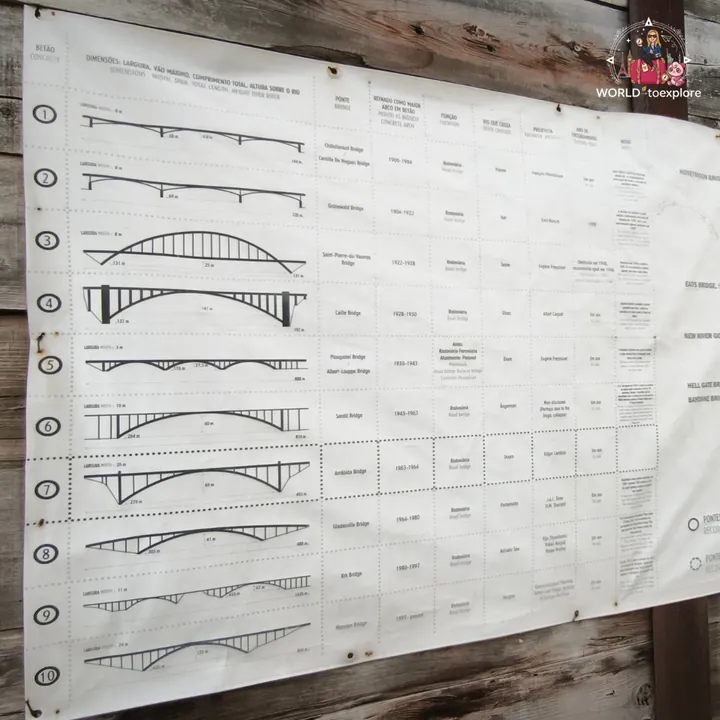
When it was completed, the Arrábida Bridge had the largest reinforced concrete arch in the world. With a span of 270 metres and a height of 52 metres, it beat the Swedish Sandö Bridge, which had held the title until then, by 6 metres. To give an idea of the scale of the work, around 20 thousand tonnes of cement and almost 59 thousand cubic metres of concrete were needed, and the deck is about 70 metres above the river.
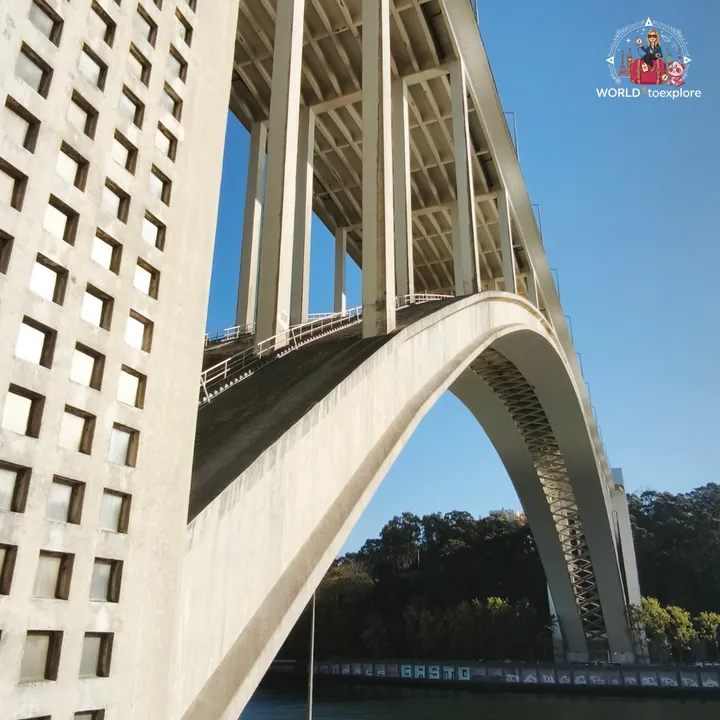
Anyone who simply crosses the bridge is unlikely to notice some of its details. The Arrábida had four pedestrian lifts, installed in towers on each side of the river, which allowed people to go up from the waterfront to the deck. They stopped working in the mid-1990s, but the towers are still there and have four bronze sculptures about 5 metres high, signed by Barata Feyo and Gustavo Bastos. One of the best known is on the Porto side and is called "O Génio Acolhedor da Cidade do Porto" (The Welcoming Genius of the City of Porto).
In 2013, the Arrábida Bridge was classified as a National Monument, in the very year that marked the centenary of Edgar Cardoso's birth. Three years later, in 2016, the arch opened to the public thanks to Porto Bridge Climb, an experience that lets you climb to the top and see Porto from a point of view that few people know. The climb is always accompanied by guides and done in small groups, of 13 people at most, from the age of 12.
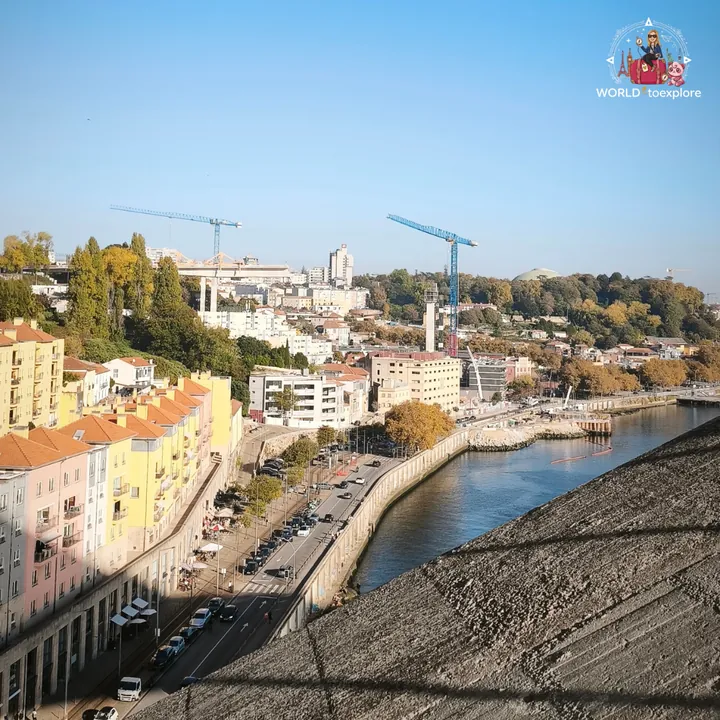
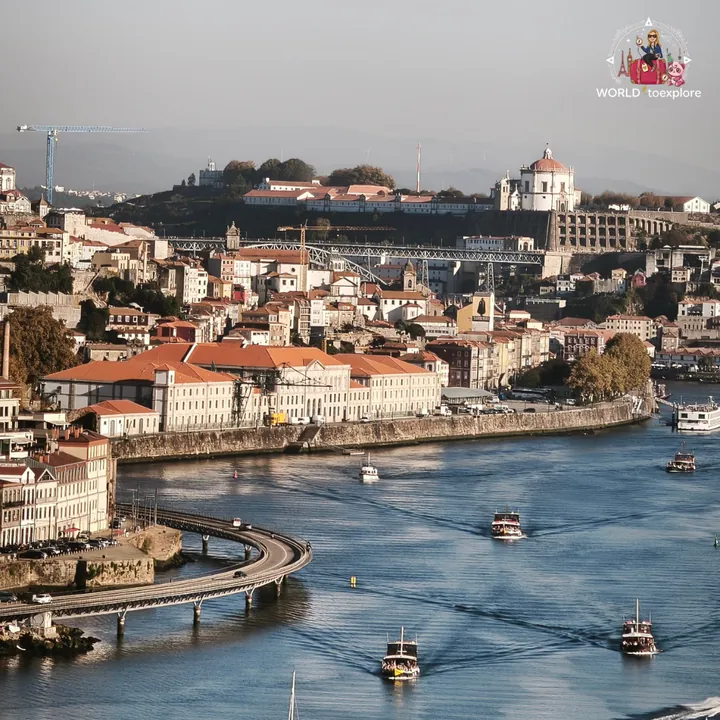
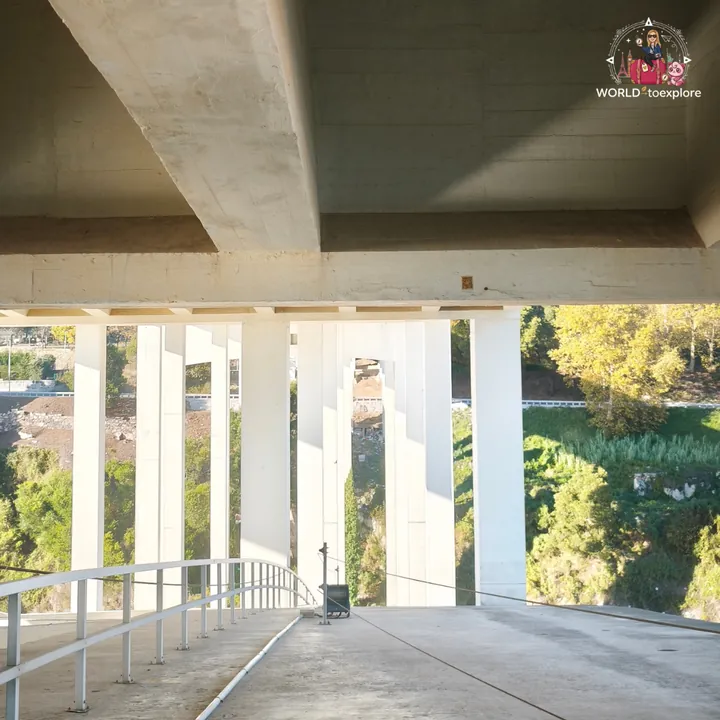
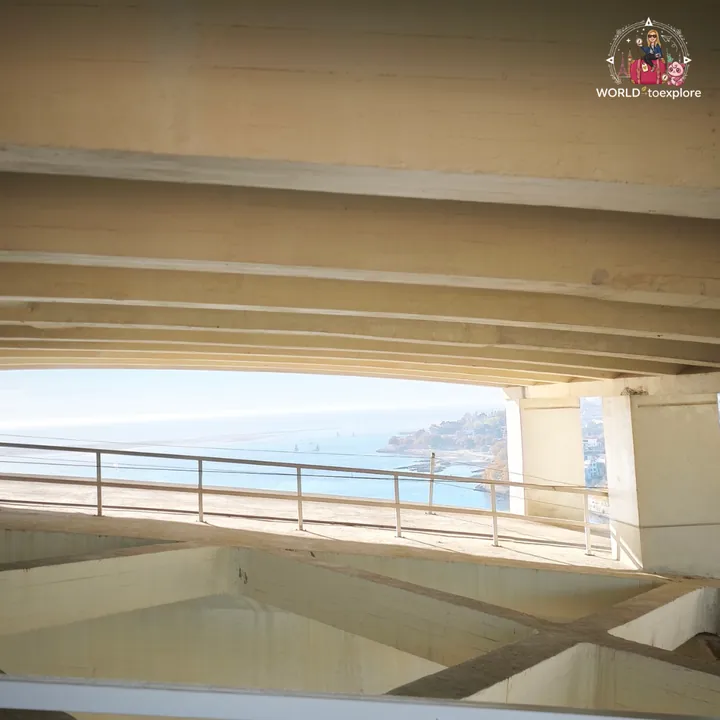
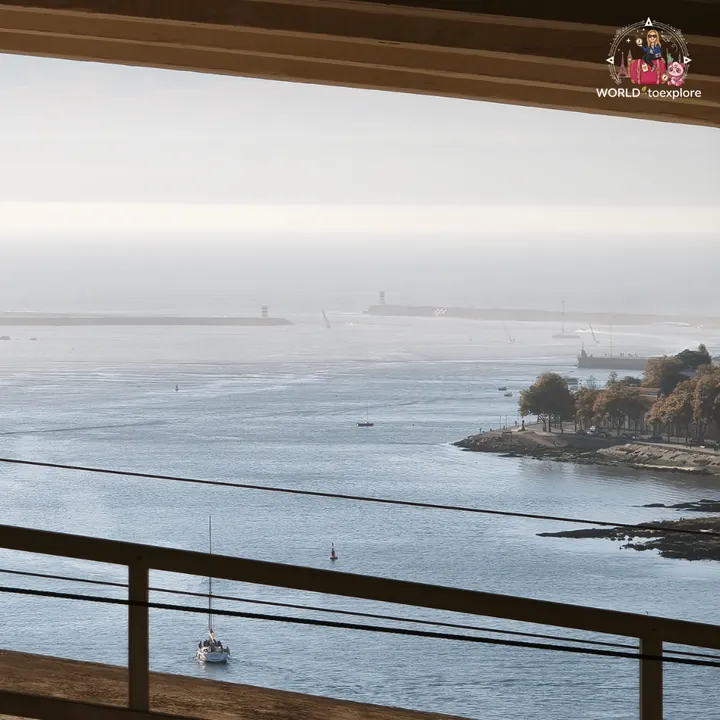
Our Porto Bridge Climb experience
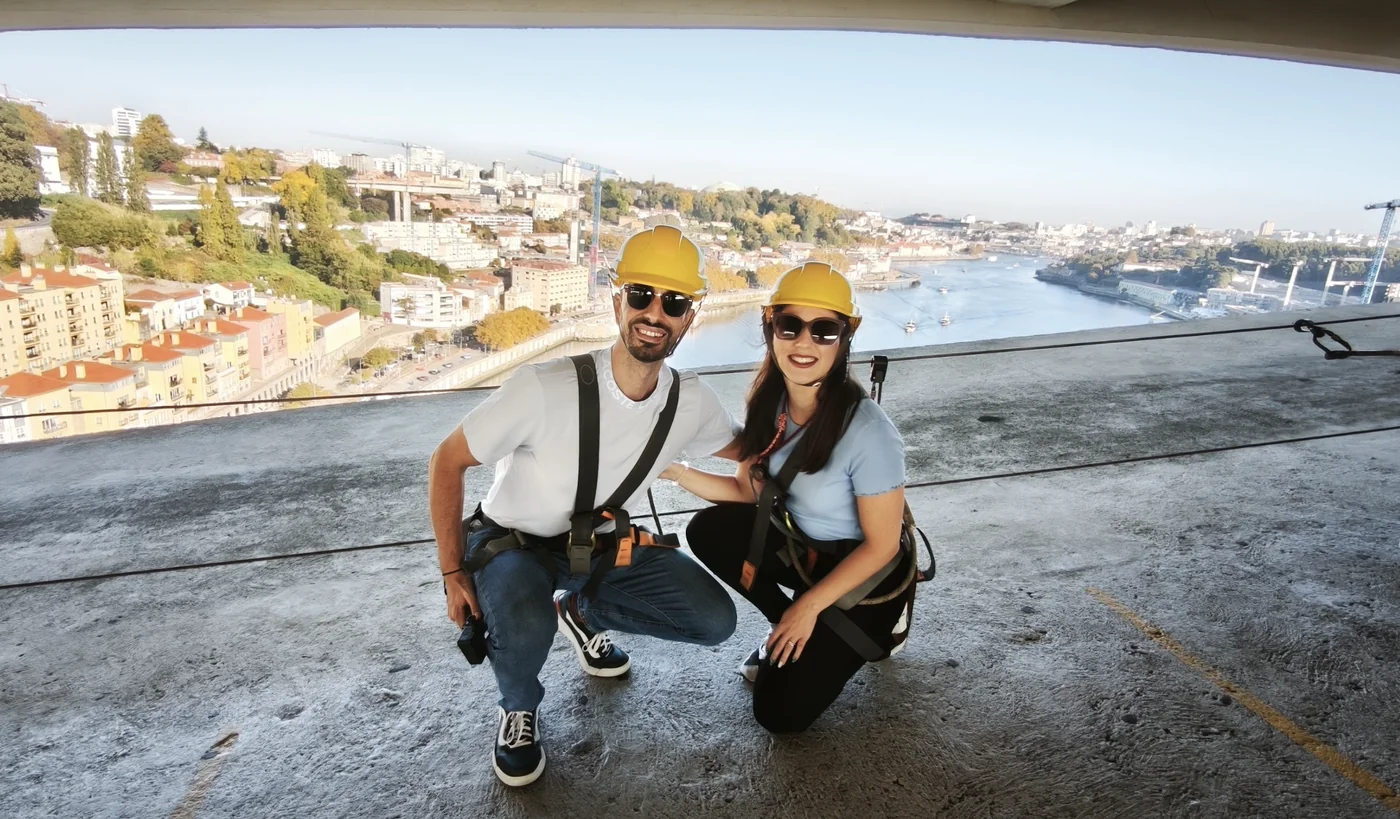
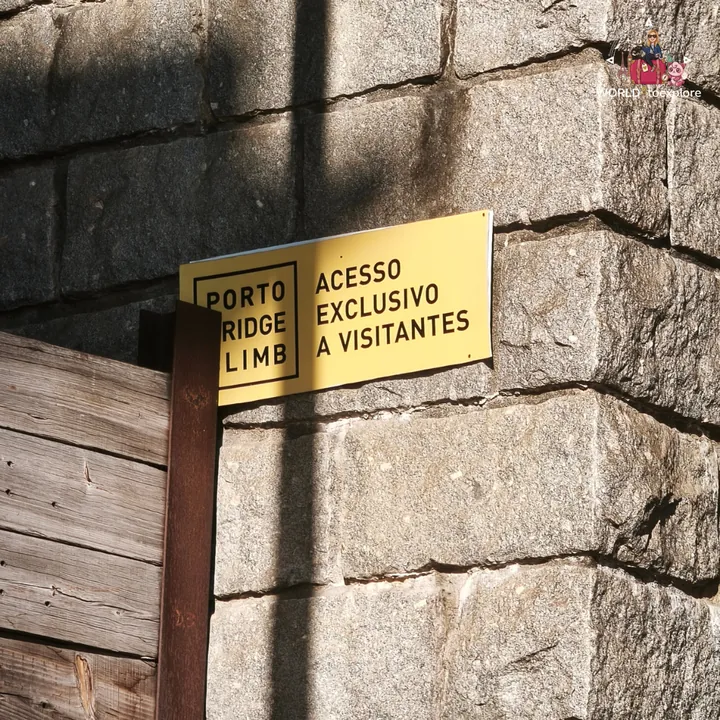
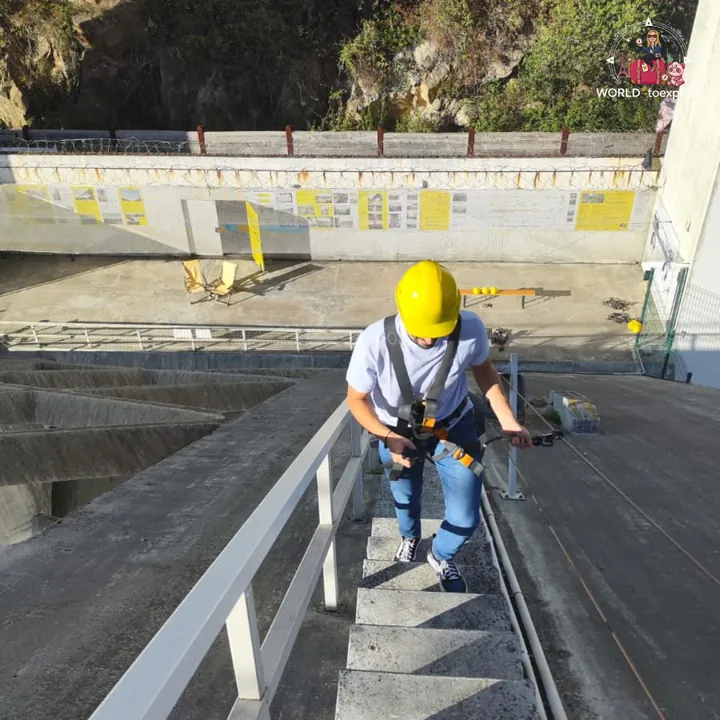
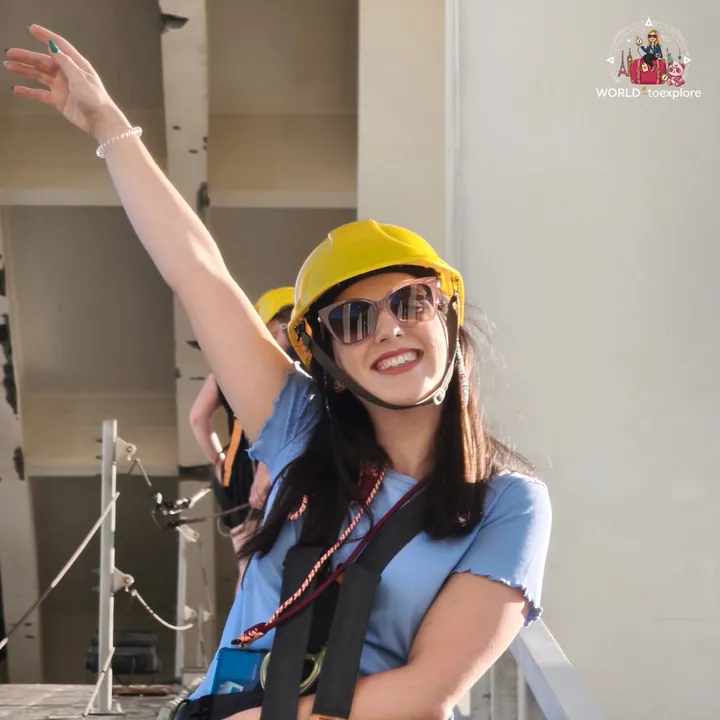
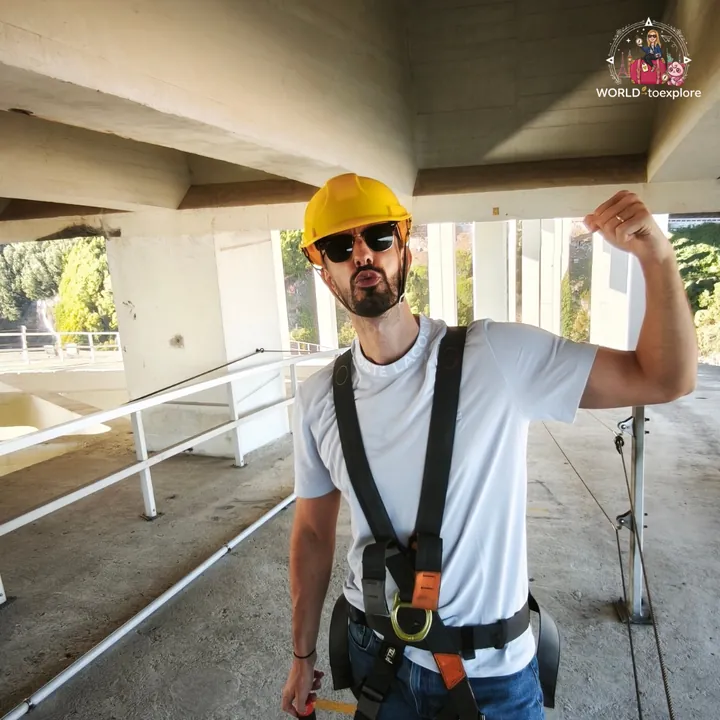
My husband and I went to enjoy the Porto Bridge Climb experience on Saturday, 31 October, at the 3.15pm session. The day was incredible, with clear skies and sunshine! I'd hesitated over whether to bring a jumper for the climb, afraid it would be cold and windy, but there was no need. I went in just a T-shirt, which for this time of year is pretty shocking, especially on a climb that is entirely outdoors and where it can get windy. The meeting point is right beside the Douro riverside road, at the foot of the Arrábida Bridge on the Porto side. When we arrived, a member of staff was already there waiting for us and the atmosphere was super informal from the very first minute. Before starting the climb, we were given the full safety equipment. As well as a helmet, we put on a harness, with straps that pass around the legs and where we stay clipped in during the climb.
Once we were kitted out, the guide who accompanied us, who by the way was super friendly, explained the safety rules before we actually started climbing. The main rules were never to undo the harness, so we wouldn't come loose, and never to take off the helmet. They are simple rules, in line with safety protocols so that no unnecessary problems occur. Our group was small, just 4 people, the two of us and a German couple who looked about our age. Groups are normally small, but I think we were even lucky, because the previous session had about 10 people.
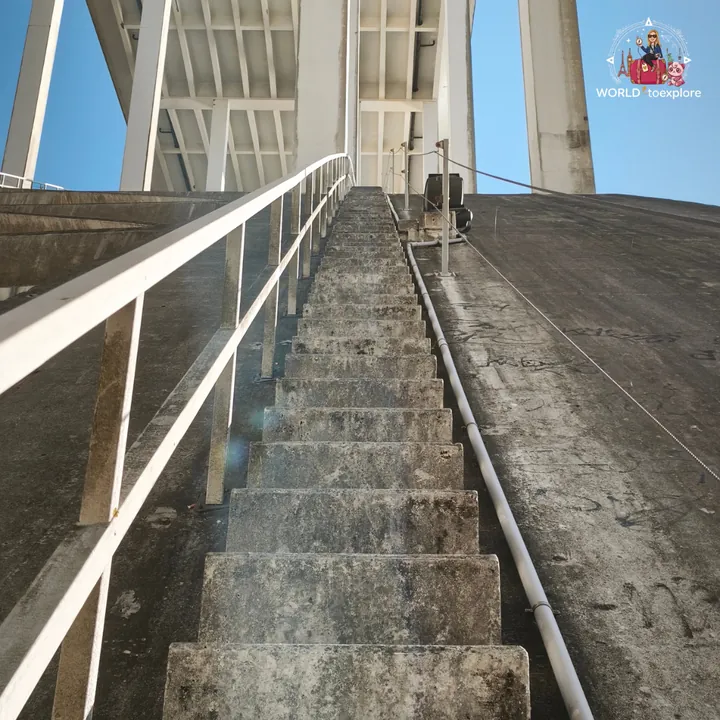
From there, off we went, climbing and climbing and climbing, always calmly and at our own pace, with the guide close by. There are 262 steps up to a height of 65 metres, the equivalent of about 18 floors on foot, which even sounds like a lot. But I have to admit that, in reality, for anyone in good physical shape, it's no trouble at all, and we did the climb comfortably. We stayed at the top for about 15 to 20 minutes. The guide took the chance to tell us some useful information about the bridge, including its history, and then offered to take some photos of us. We were also treated to a tasting of Quevedo Port wine served in a small chocolate cup, an original way to toast the climb. As they say, it really hit the spot!
Then it was time to head down and, going down, every saint lends a hand. It was easy again, but the truth is we reached the end with our legs shaking all by themselves. We took off all the equipment, washed our hands and, to finish, our guide gave us a printed photo of the two of us, taken at the top, and two postcards of the bridge. And that's how we wrapped up our climb of the Arrábida Bridge, a different experience that we really enjoyed.
- Location: Rua do Ouro, 680, Porto
- Opening hours: every day of the year, though times vary, so check the official website
- Price: €20.00 per person (€14.00 for residents in Portugal)
- Duration: 45 minutes to 1 hour in total
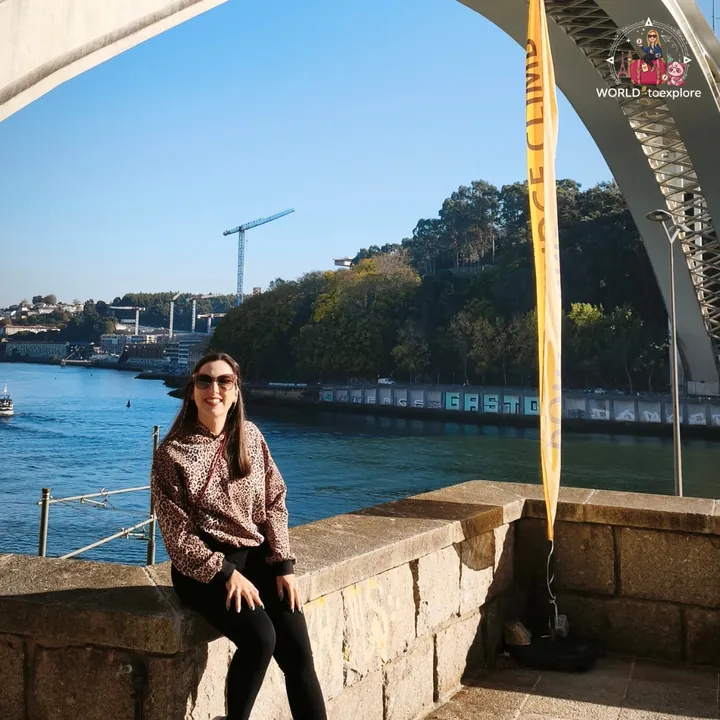
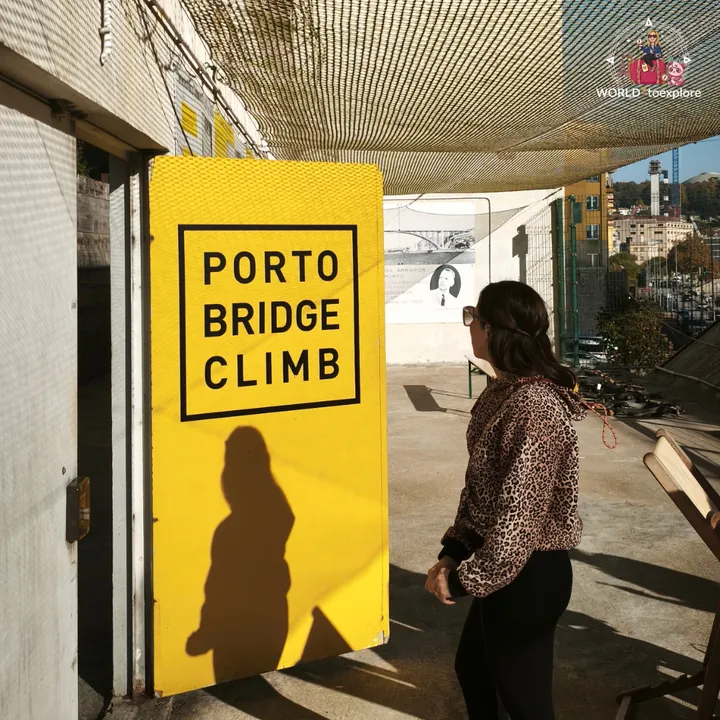
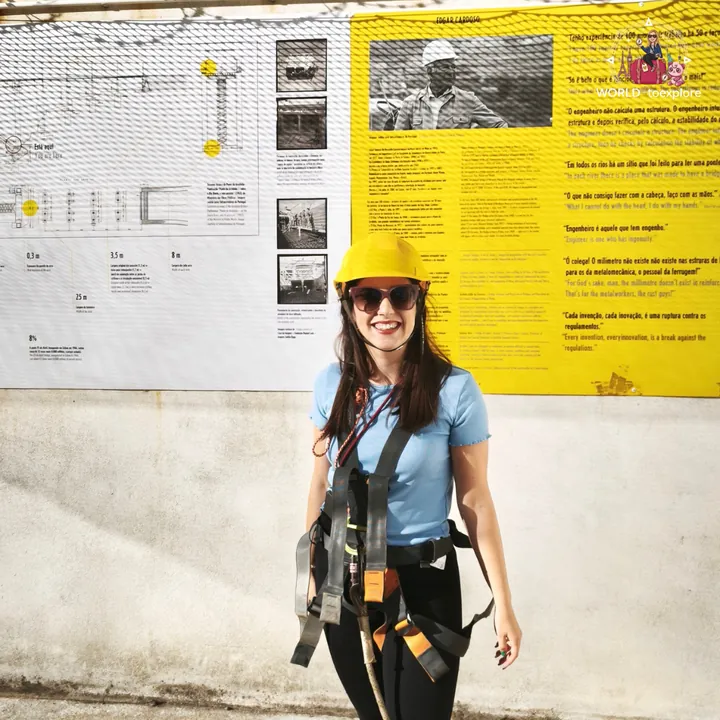
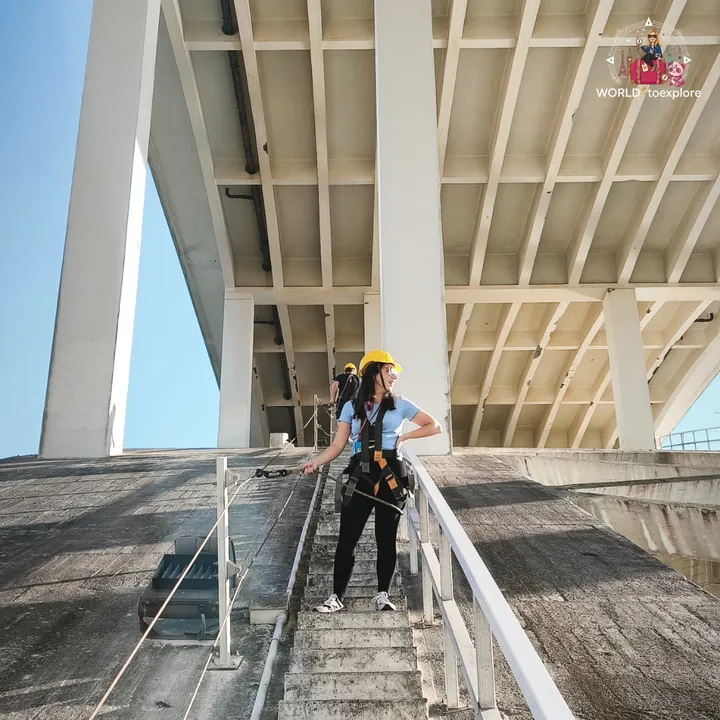
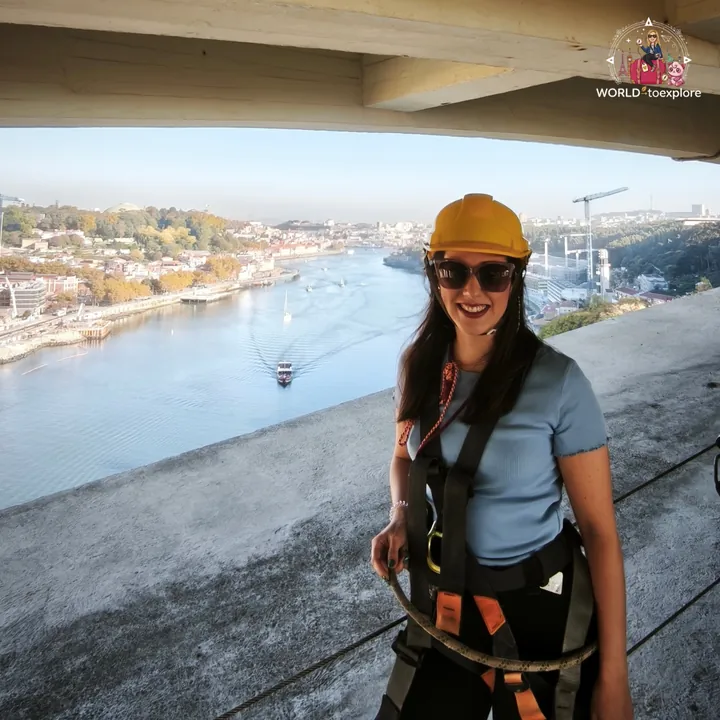
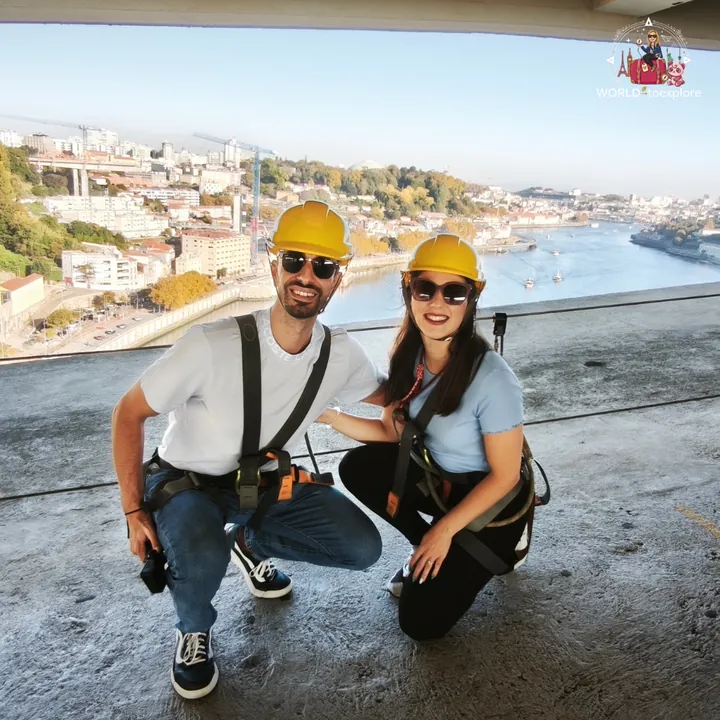
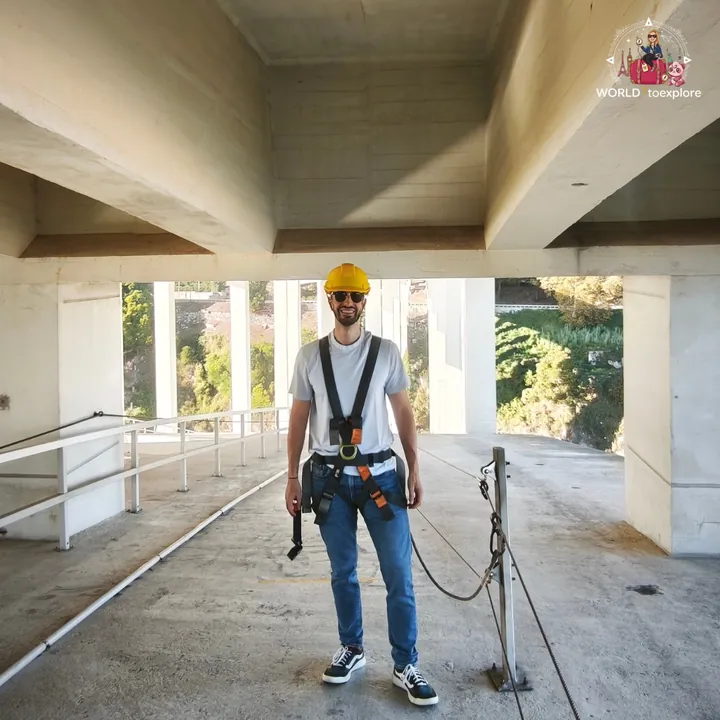
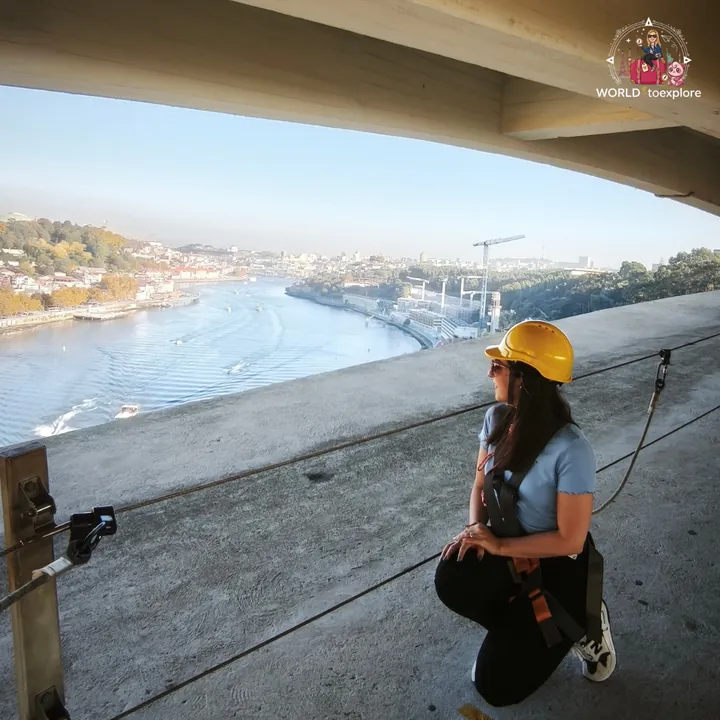
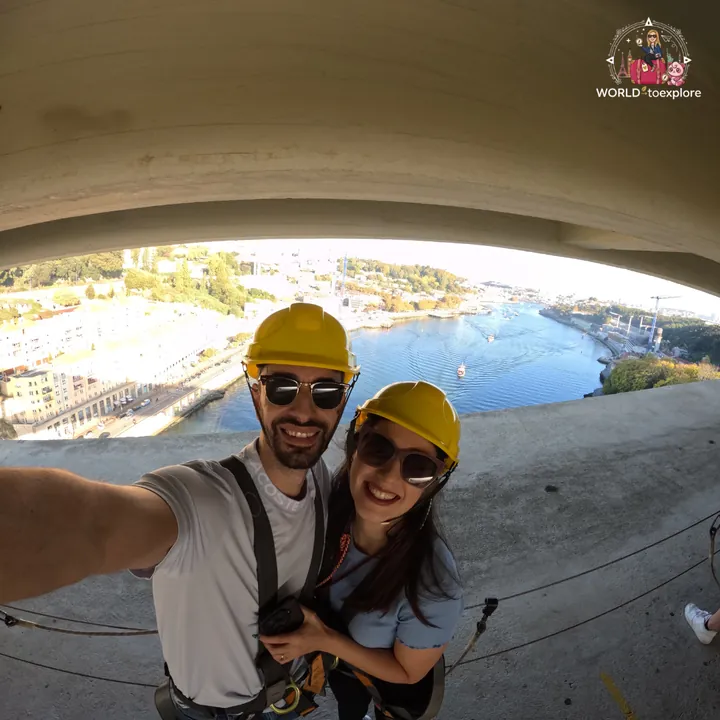
If you're thinking of trying this experience, I really recommend not leaving it for later. Our guide told us we're among the last lucky ones to climb the bridge and enjoy unobstructed views, because the new bridge over the Douro is starting to be built and will block the view from the Arrábida towards the Ribeira area. Of course, as all construction works tend to run late, it should still take some time to be finished. Even so, the Arrábida Bridge is also going to close for maintenance and there shouldn't be much more time left to climb it, so hurry! 🩷
You Might Also Like
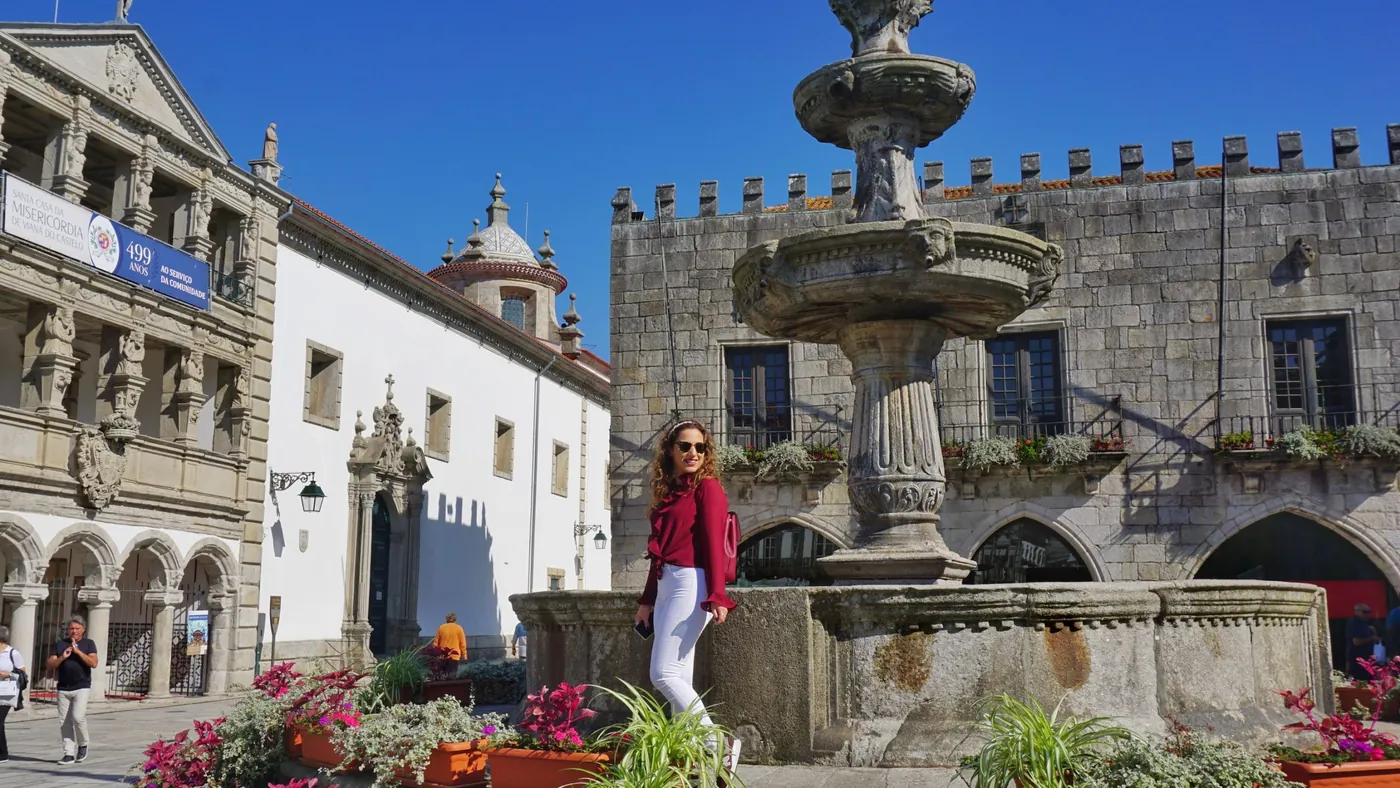
5 attractions in Viana do Castelo
Five of the prettiest spots in this traditional Minho city, from a hilltop sanctuary to the famous Berliners and the legend behind its name.
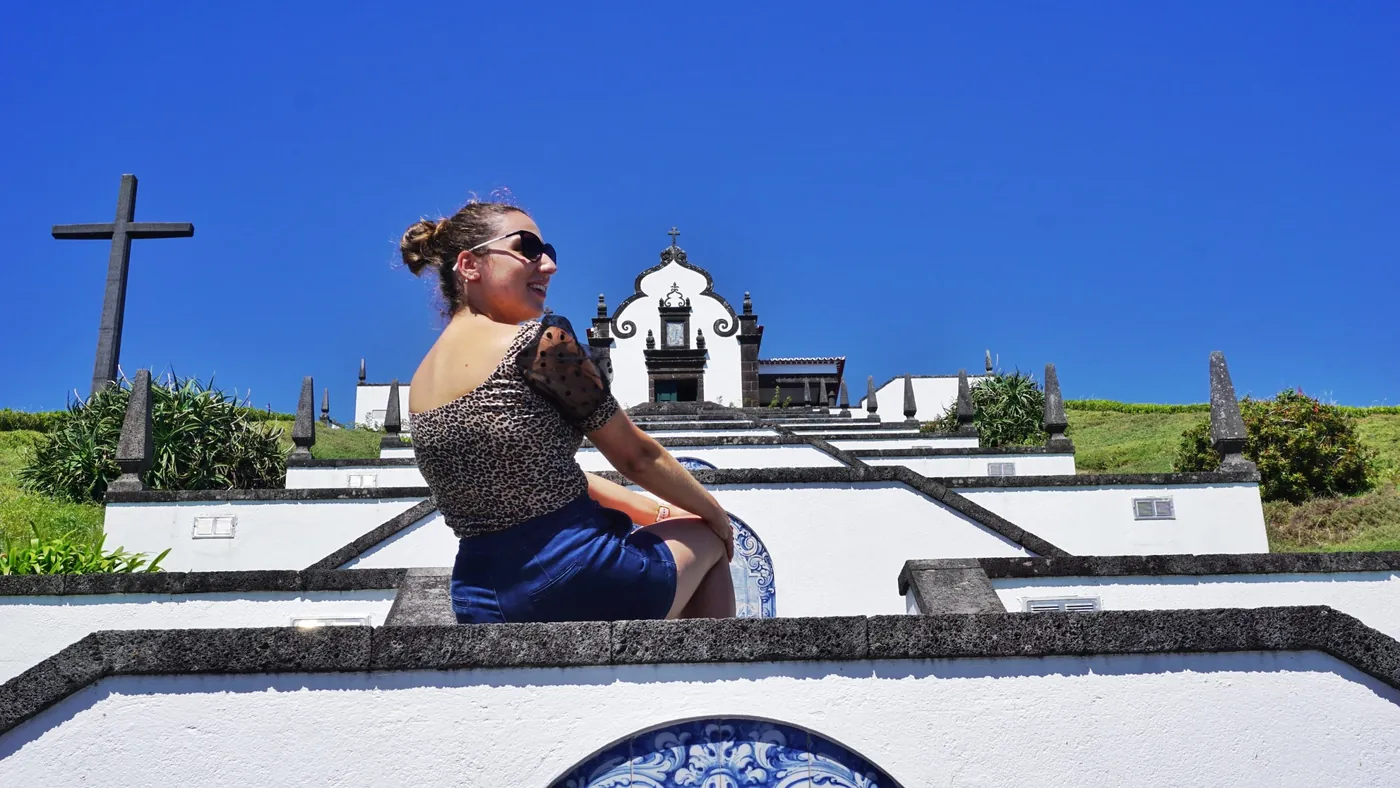
6 places to visit in Vila Franca do Campo
Six spots worth your time in this former Azorean capital, from the islet and viewpoints to those unforgettable Morgado cheesecakes.
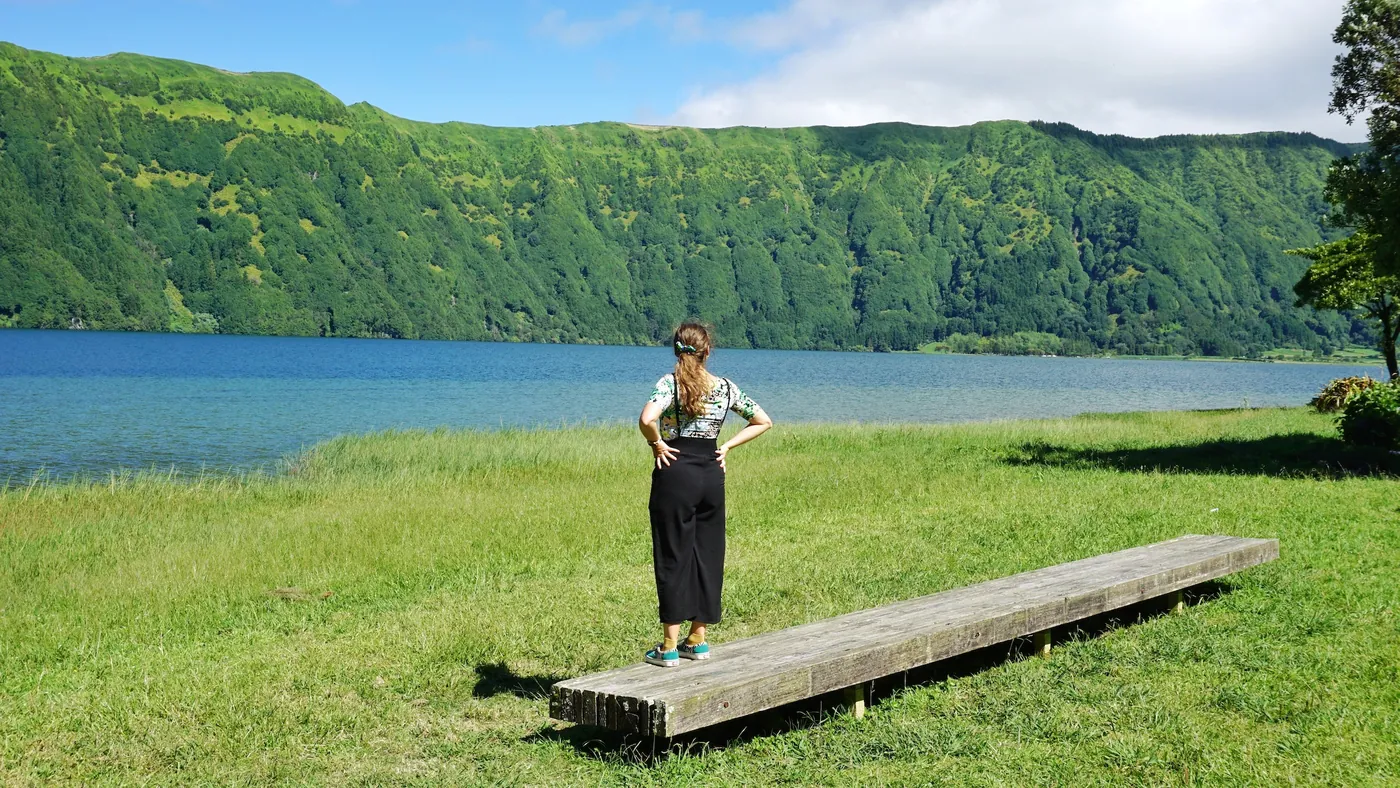
8-day itinerary in Azores
My eight-day São Miguel itinerary, day by day, with the trick I used to catch the three main lagoons without a hint of fog.