Little India in Singapore, a Neighbourhood Full of Contrasts
This article was not sponsored and all opinions are genuine. It contains affiliate links, which means I may receive a small commission if you book through them, at no extra cost to you.
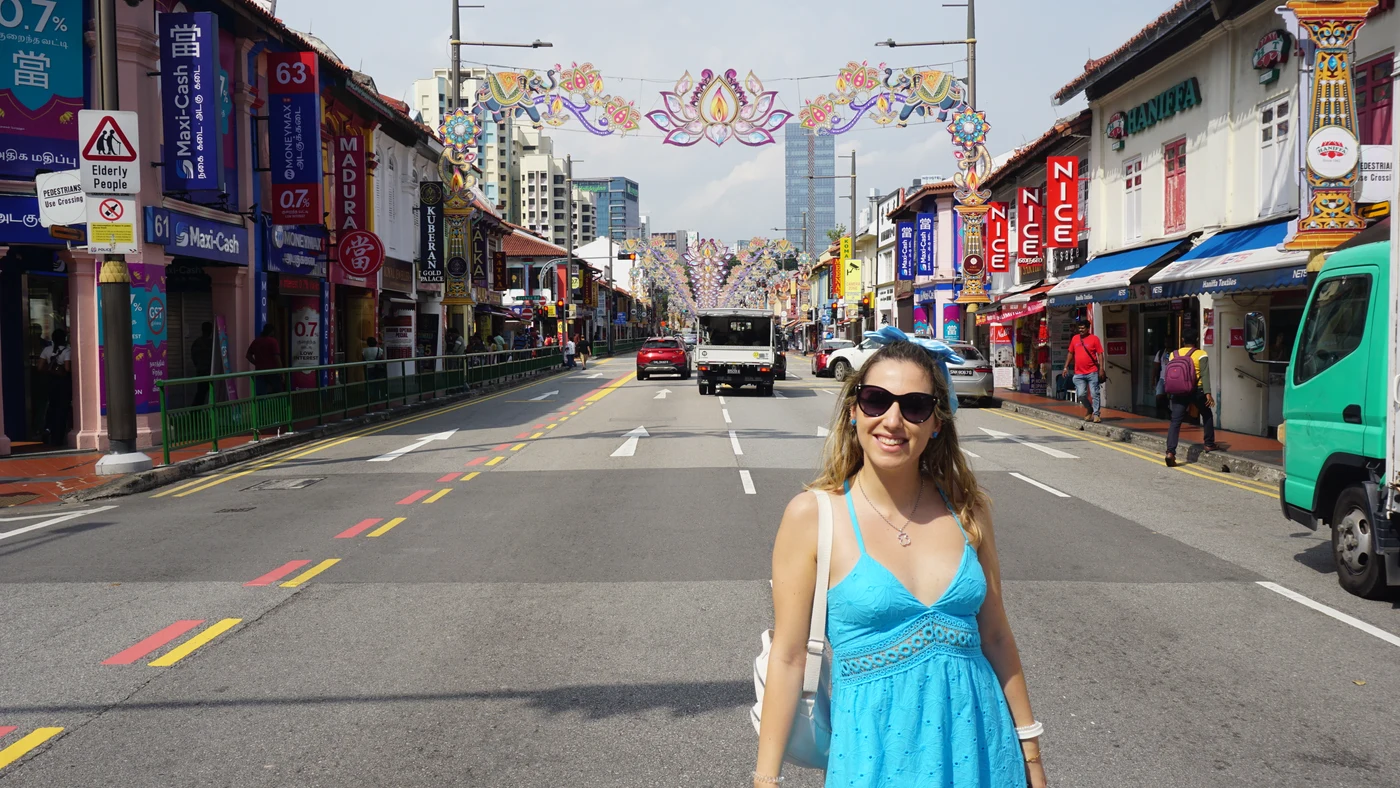
Singapore slotted perfectly into our honeymoon plans for Australia and, in October 2024, we made the most of a two-day stopover to see a little of the city. Little India was one of the last areas we visited, just before heading to the airport, and it turned out to be one of the ones that surprised us most. Despite the little time we had, we wanted to make the most of our time in Singapore and also get to know some of its more traditional neighbourhoods, as was the case with Little India.
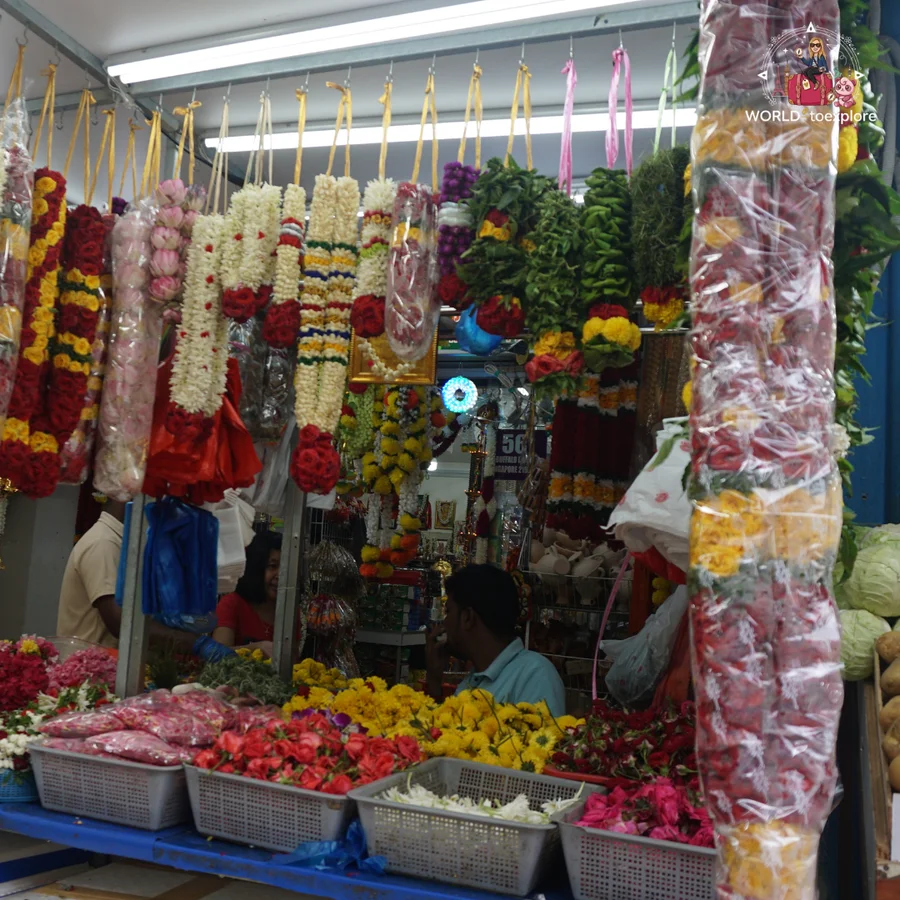
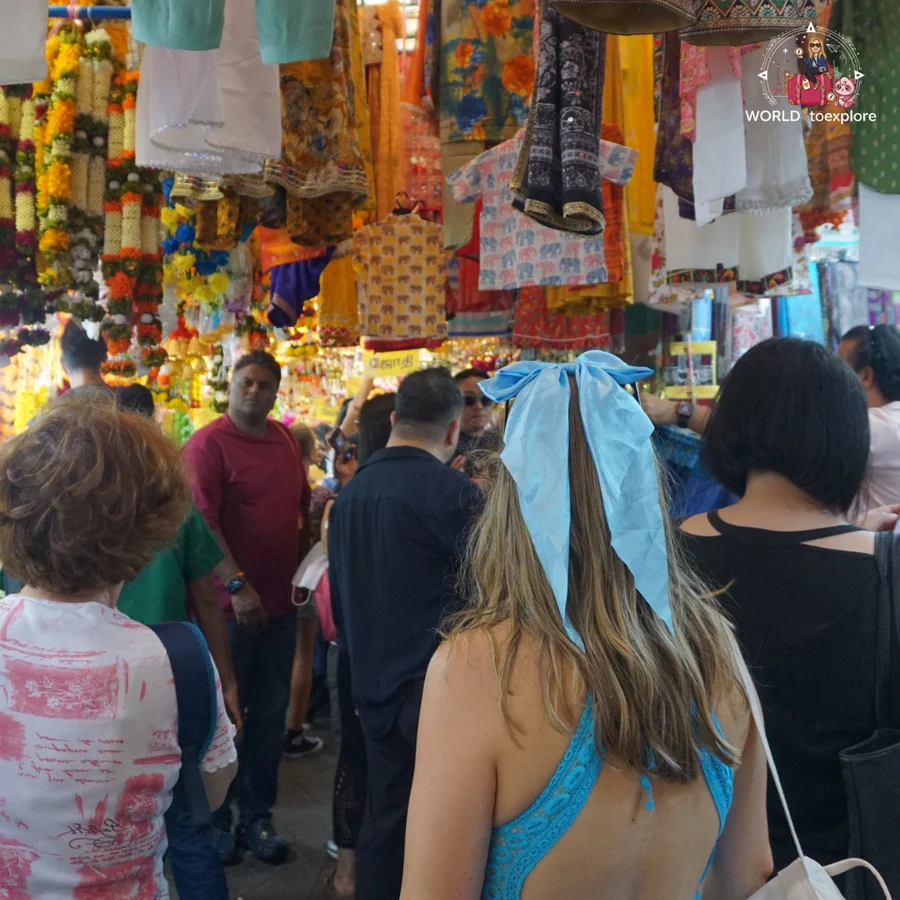
We were amazed and, at the same time, a little shocked by it all! Singapore had struck us as an extremely organised, clean city where everything worked almost perfectly. In Little India we found a very different reality, with much more chaos, bustle, intense smells and colour everywhere. I confess we were not at all expecting to find an atmosphere like this. India is still on our bucket list of countries to visit and, after this small taste, we came away even more eager to get to know it!
About Little India
Although it is now known as Singapore's Indian neighbourhood, Little India has not always had this link to the Indian community. In the early 19th century, Singapore came under British administration, at a time when the city was starting to gain importance as a trading port. In 1822, the colonial authorities put forward a plan to organise the city, which provided for different communities to be placed in specific areas. This is how Chinatown came about, intended for the Chinese population, but Little India had quite a different origin, as the area was never officially set aside for Indians. The neighbourhood began to develop around Serangoon Road, one of the oldest streets in Singapore and still one of the main ones in the neighbourhood today. At the time, the area was far from having the bustle we find today, and was occupied by plantations, small farms and brickworks. These activities ended up attracting Indian workers, who gradually settled in the surrounding area and helped the community grow.
From the second half of the 19th century, the cattle trade became increasingly important in that part of Singapore. Rivers and marshy ground made the region particularly well suited to rearing buffalo, which were used to transport goods and for various heavy jobs. As the trade grew, slaughterhouses, milk sellers and other small businesses began to appear, many of them run by Indian families. Curiously, we can still find references to this past in the names of some streets, such as Buffalo Road and Kerbau Road, where "kerbau" means precisely "buffalo" in Malay. Little by little, the neighbourhood gained more shops, markets and businesses linked to the Indian community, which kept growing and leaving its mark.
The Indian community had been present in the area for more than a century. It was only in the 1980s that the name Little India began to be officially promoted by Singapore's tourism authorities. A few years later, in 1989, the neighbourhood was designated a conservation area, protecting many of the historic buildings we can still see on its streets today. Nowadays, Little India remains an important meeting place for the Indian community, with clothes shops selling traditional dress, jewellers, markets and several places of worship. Many of these shops still operate in old buildings, keeping alive some of the architecture and commercial activity that have characterised the neighbourhood for several decades.
What to See in Little India
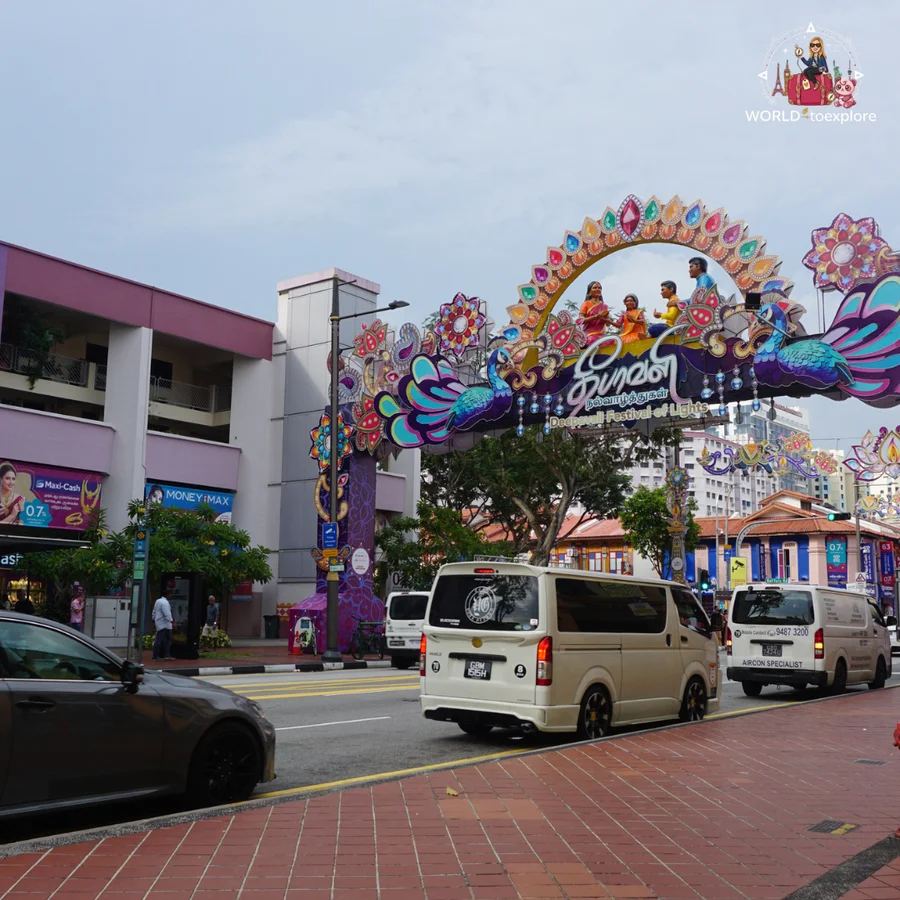
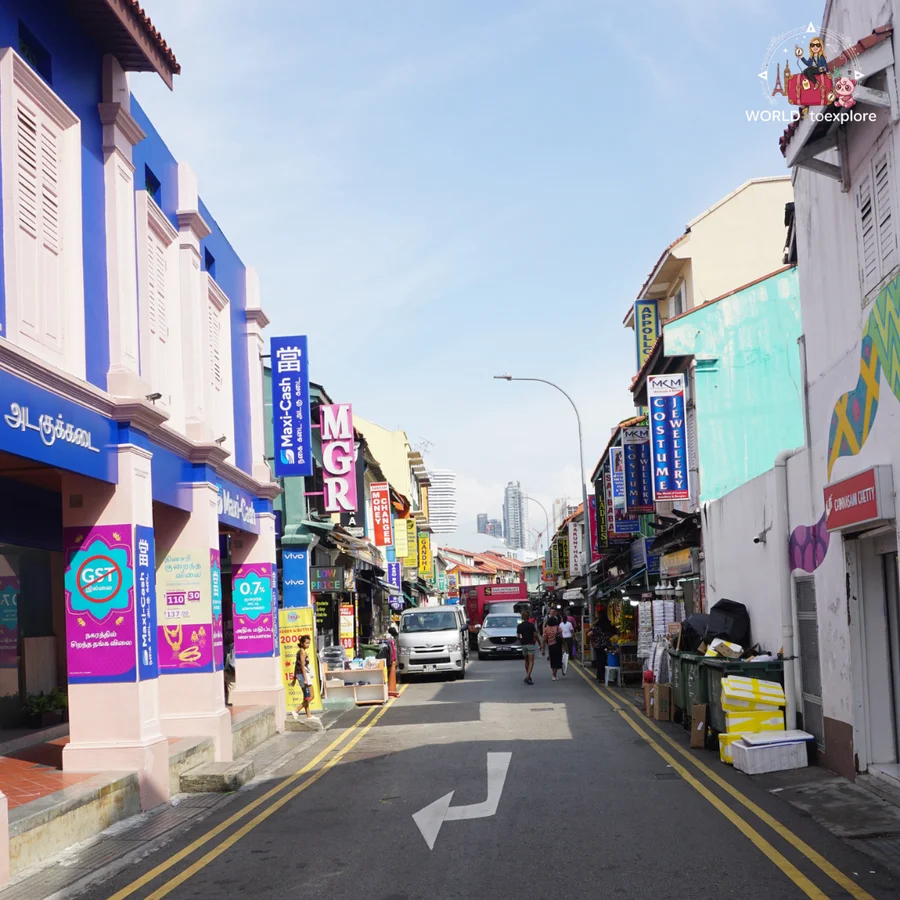
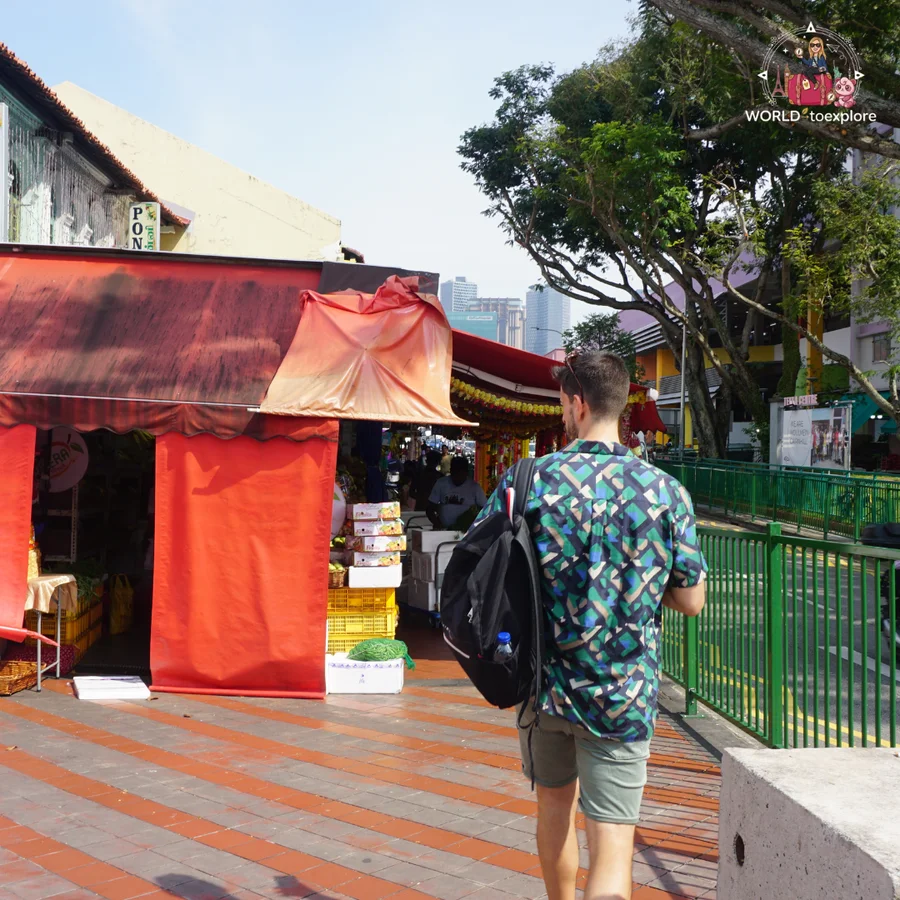
Little India is a neighbourhood that can easily be explored on foot, because most of the main points of interest are close to each other, especially around Serangoon Road. However, a visit is not just about the temples and historic buildings, as the streets, the shops and all the commotion that goes on there are also part of the experience and deserve some time to be explored.
1. Serangoon Road
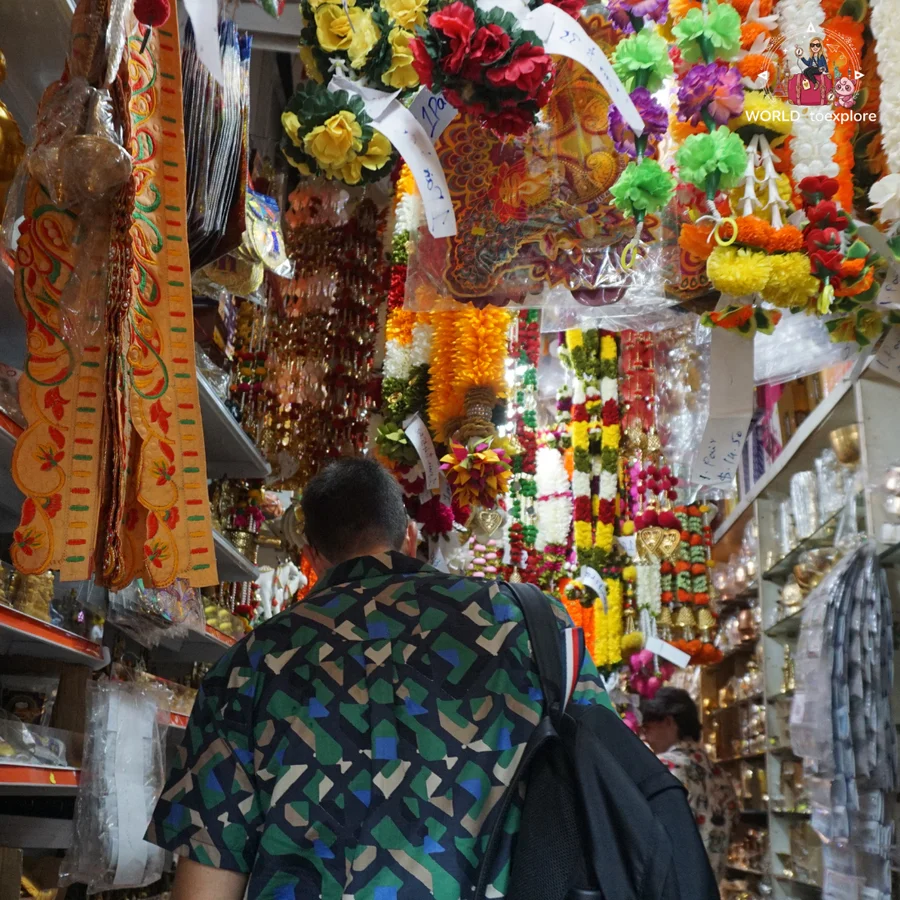
Serangoon Road is the main street in Little India and one of the busiest parts of the neighbourhood. Along the avenue, we find shops selling fabrics and saris, jewellers, flower sellers and small businesses selling spices and other products typical of Indian culture. Many of these businesses operate in old buildings known as shophouses, which combine commercial space on the ground floor with upper floors originally meant for living in. One of the curiosities of Serangoon Road is that, on a map of Singapore from 1828, it appeared labelled as "the road that crosses the island", because of its importance in linking the city centre with the more distant areas. Today, it is still one of the most important streets in Little India, where traditional commerce sits alongside restaurants, temples and more modern shops.
2. Sri Veeramakaliamman Temple
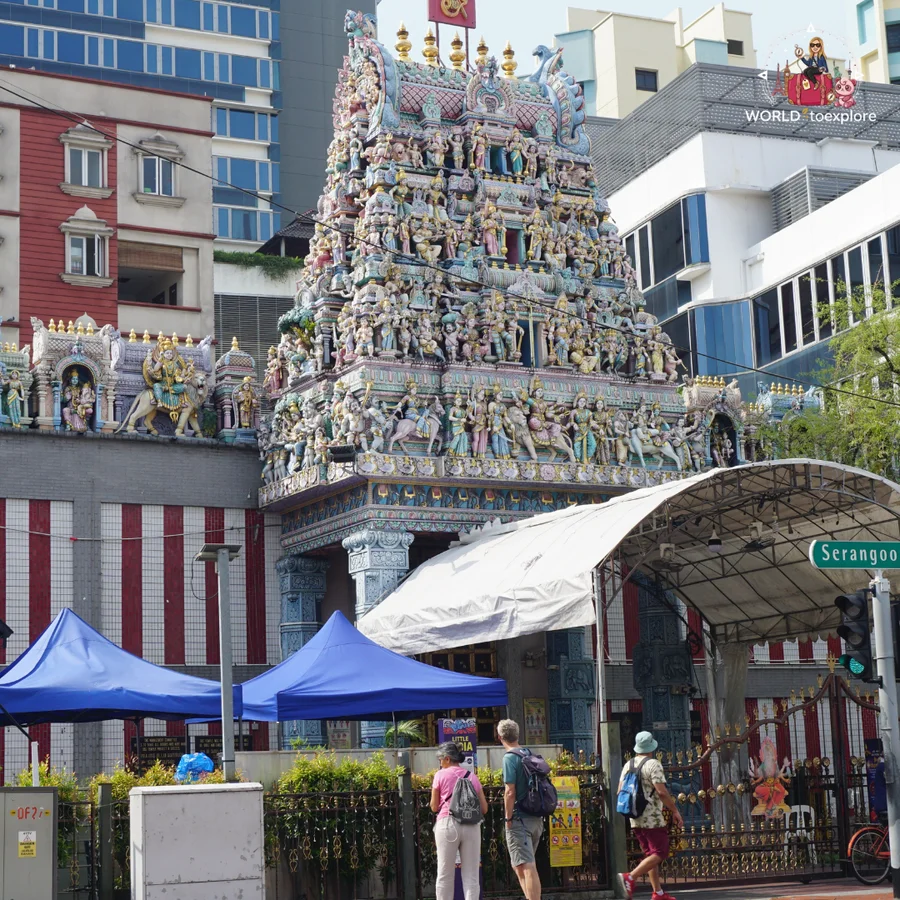
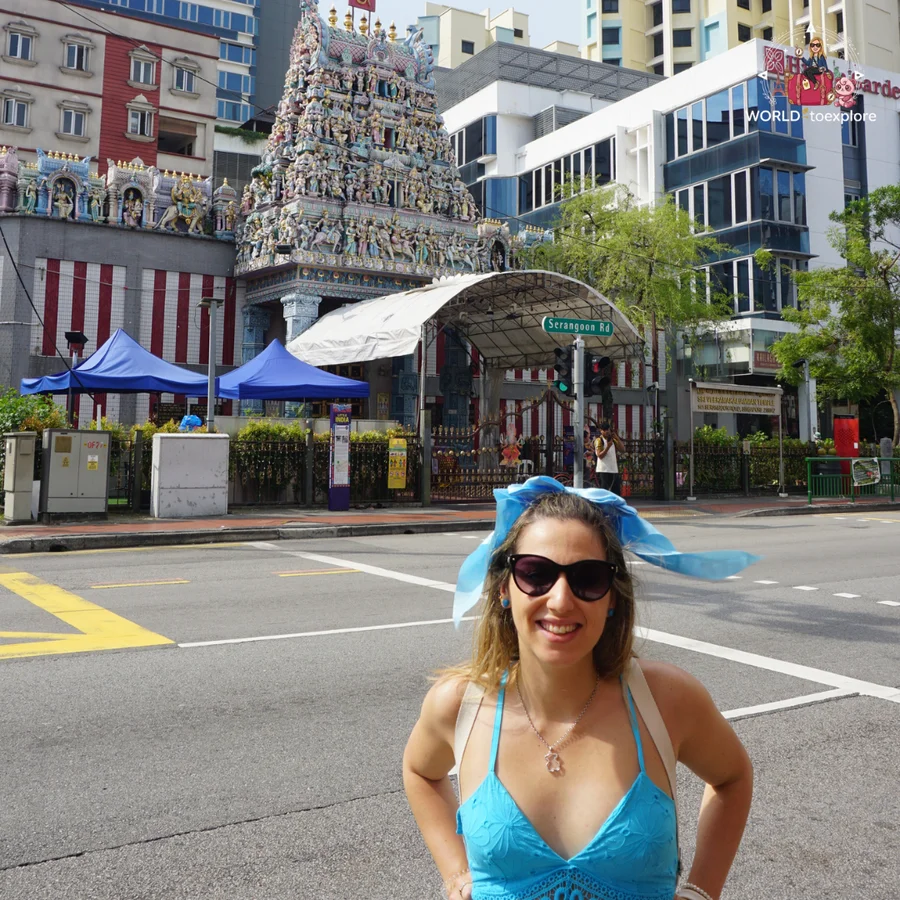
The Sri Veeramakaliamman Temple is on Serangoon Road and is one of the oldest Hindu temples in Singapore, with origins dating back to 1855. It is dedicated to the goddess Kali and immediately catches the eye with the tower at the entrance, covered in colourful sculptures of various Hindu deities. During the Second World War, the temple gave shelter to a number of people during the Japanese bombing. It is still used for religious ceremonies today, but can also be visited free of charge. You just need to take off your shoes before going in and respect the dress code.
- Opening hours: 5.30am to 9.00pm
- Price: free entry
3. House of Tan Teng Niah
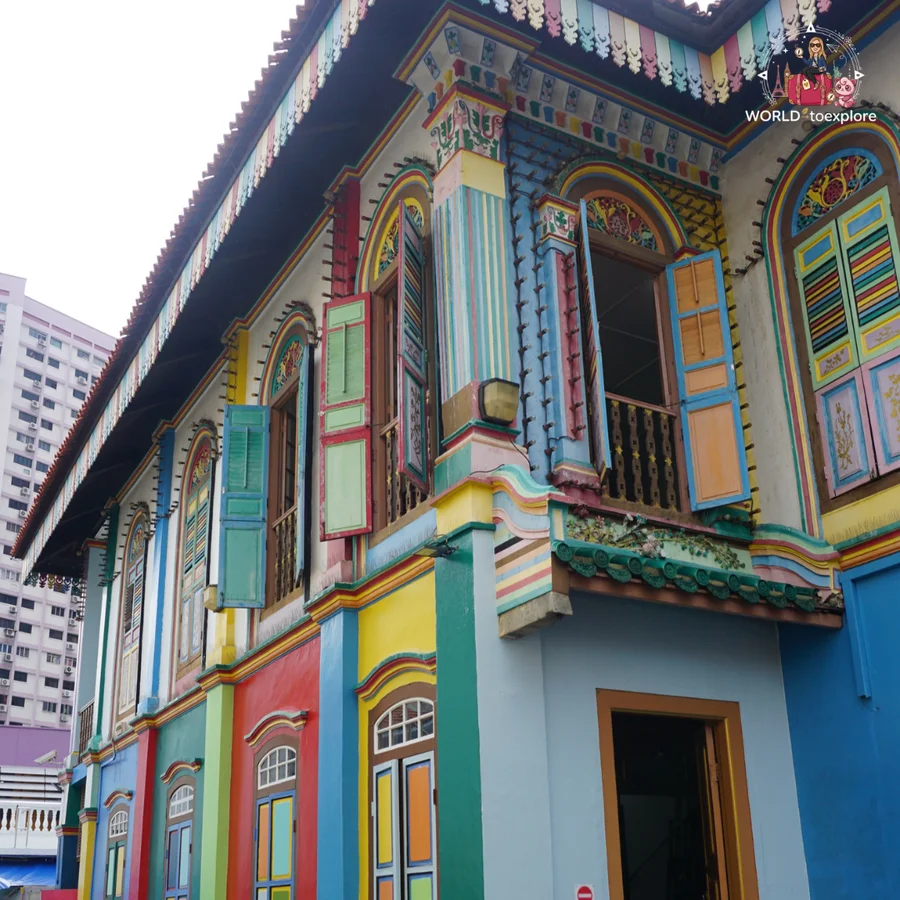
Built in 1900, the House of Tan Teng Niah belonged to the Chinese businessman Tan Teng Niah, who owned several sweet factories in the Serangoon Road area, where he used sugar cane in production. At the back of the property there was also a facility for drying rubber. The house had two floors, eight rooms and a small courtyard, and is believed to have been built for the businessman's wife. As Little India developed, many of the old Chinese houses disappeared, but this one managed to survive. In the 1980s, the building was restored and adapted for commercial use, keeping much of its original architecture. Nowadays, it is the last traditional Chinese house of its kind still standing in the neighbourhood and has become particularly well known for its façade painted in several colours, although it was originally white.
4. Tekka Centre
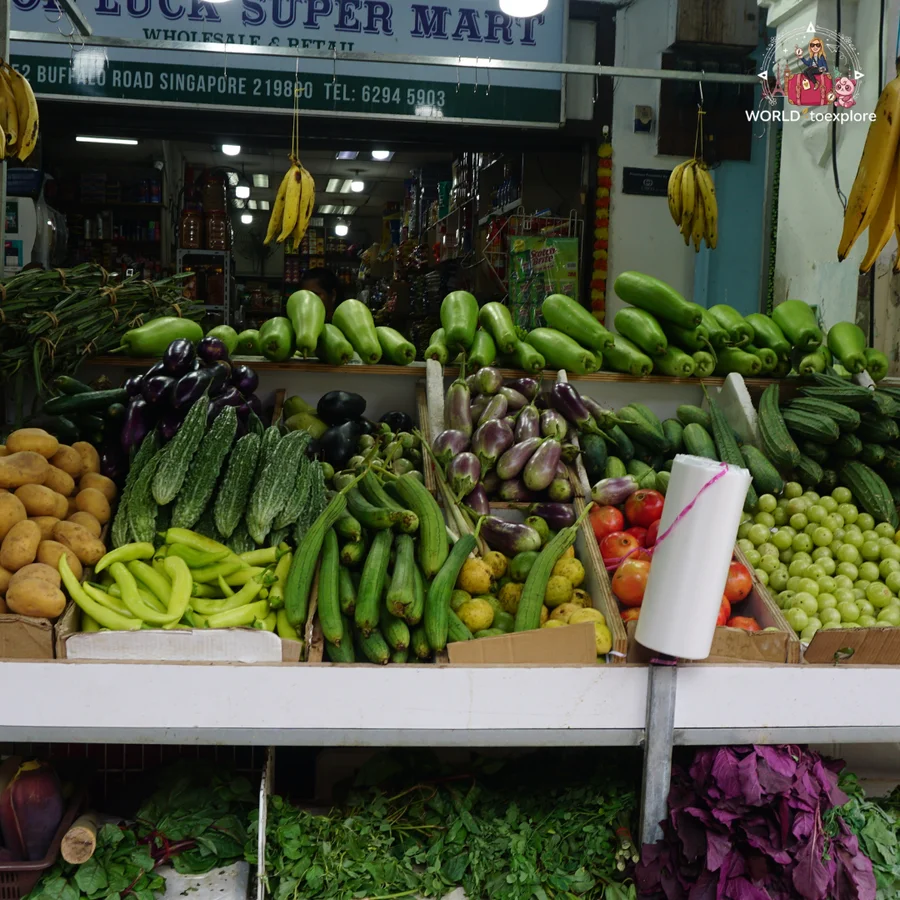
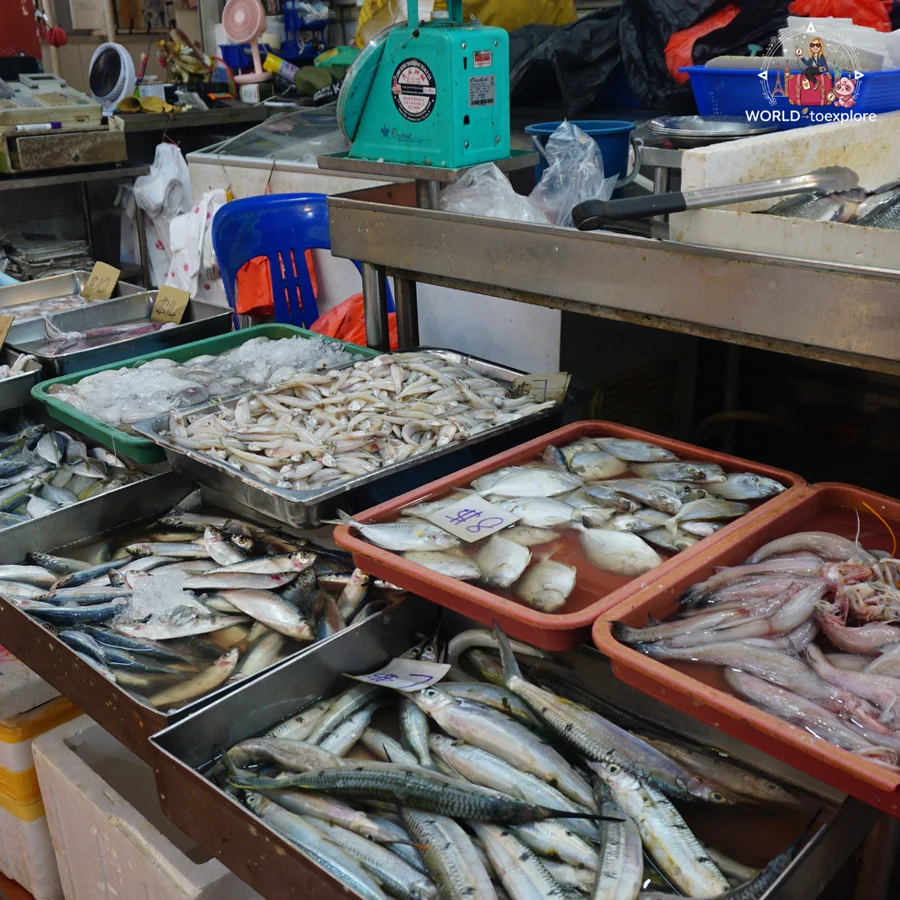
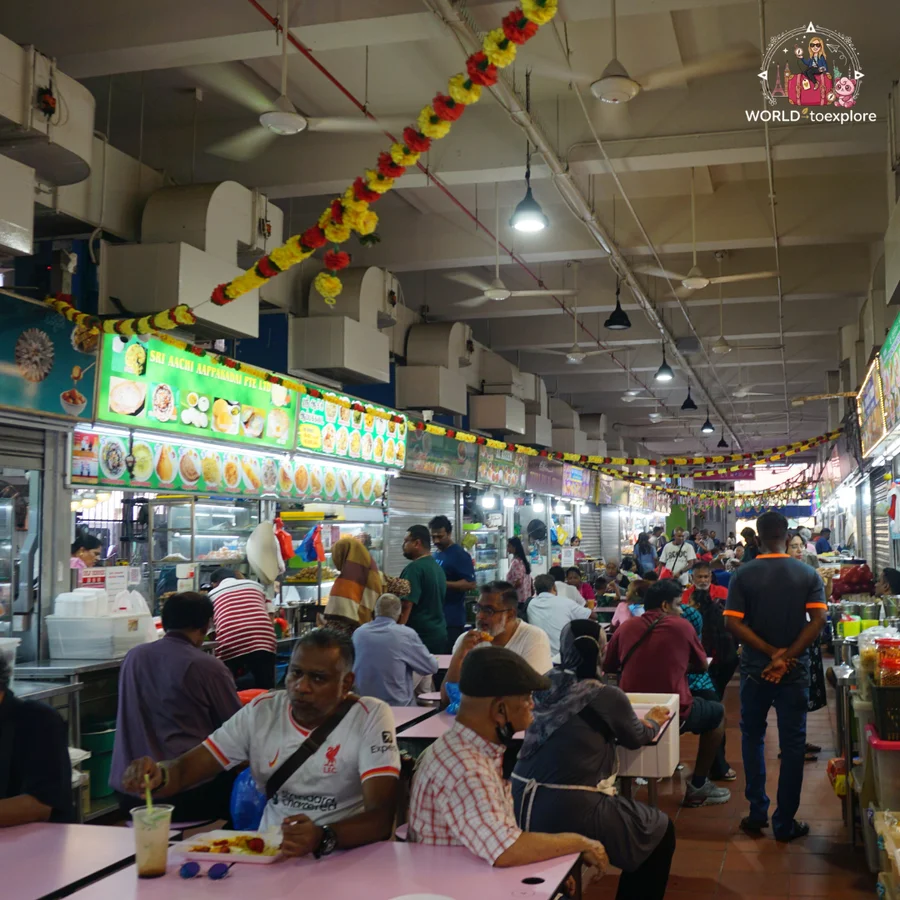
The history of this market began in 1915, with the construction of the Kandang Kerbau Market (literally, "buffalo pen"), a fresh produce market next to Serangoon Road. For several decades, it was one of the main trading places in the area, until, in 1981, the vendors were moved to a new building and the old market was eventually demolished. After a few changes of name, it was officially renamed Tekka Centre in 2000. Today, it is a very busy market, selling fruit, vegetables, meat and fish, but also clothes, fabrics and other goods. It also has a food court, where you can try dishes from different Asian cuisines.
- Opening hours: 6.30am to 9.00pm - these may vary slightly between the different stalls and shops
- Price: free entry
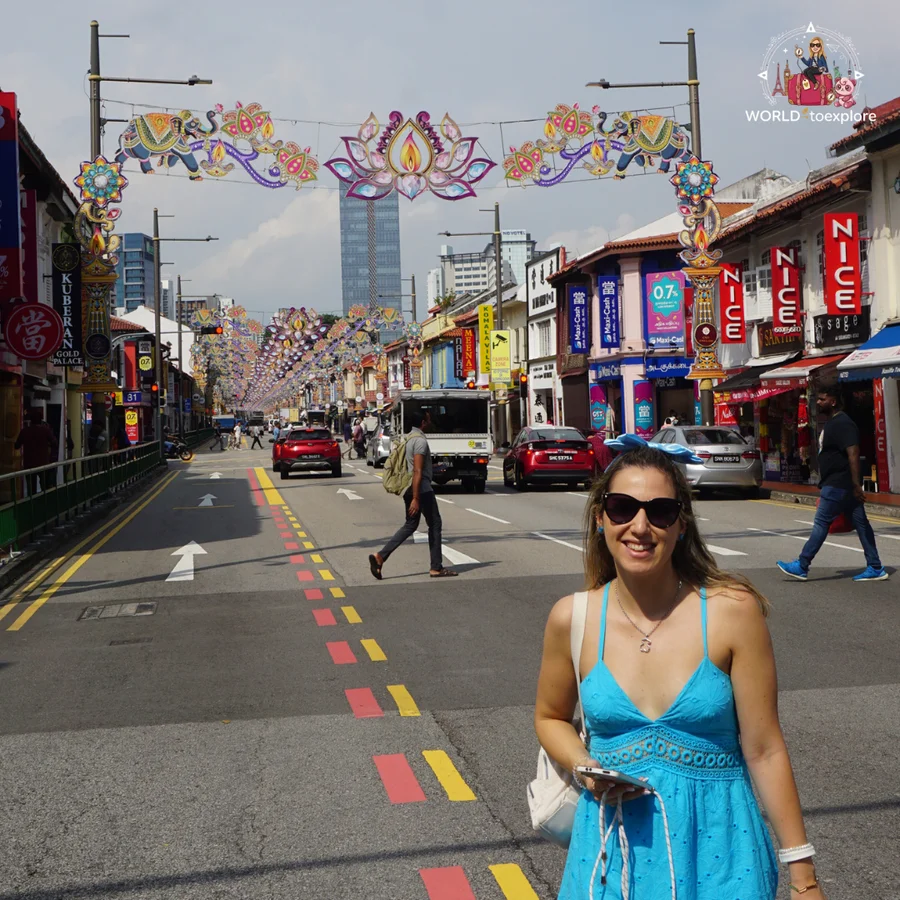
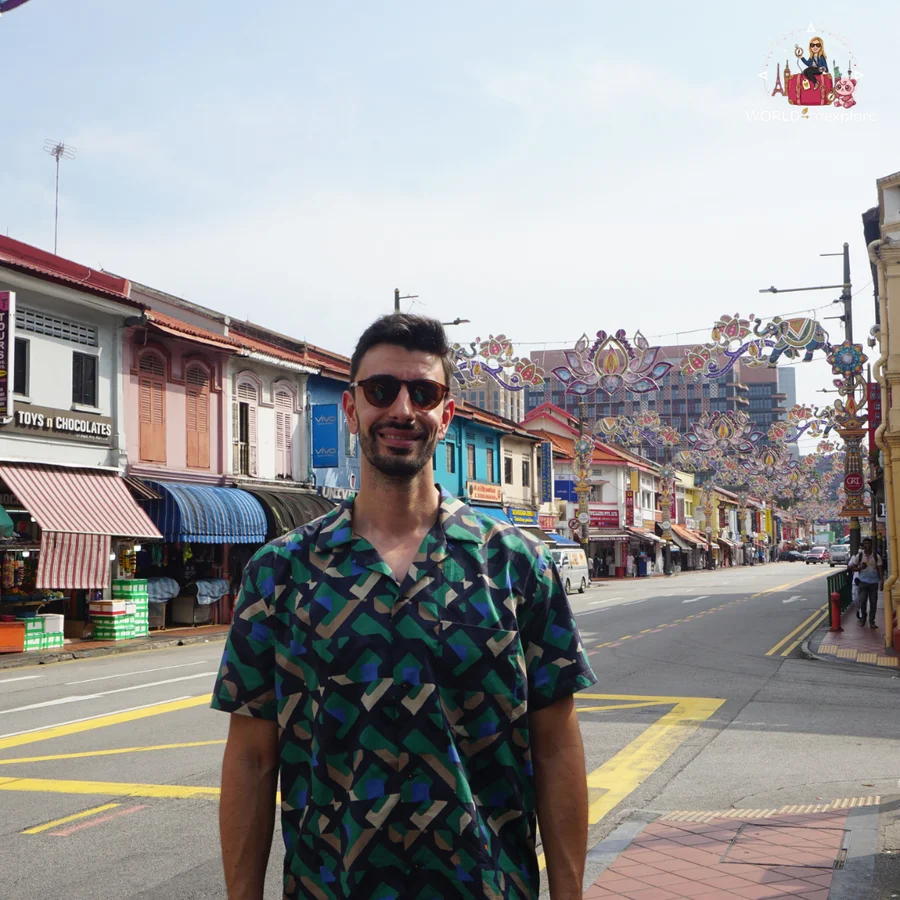
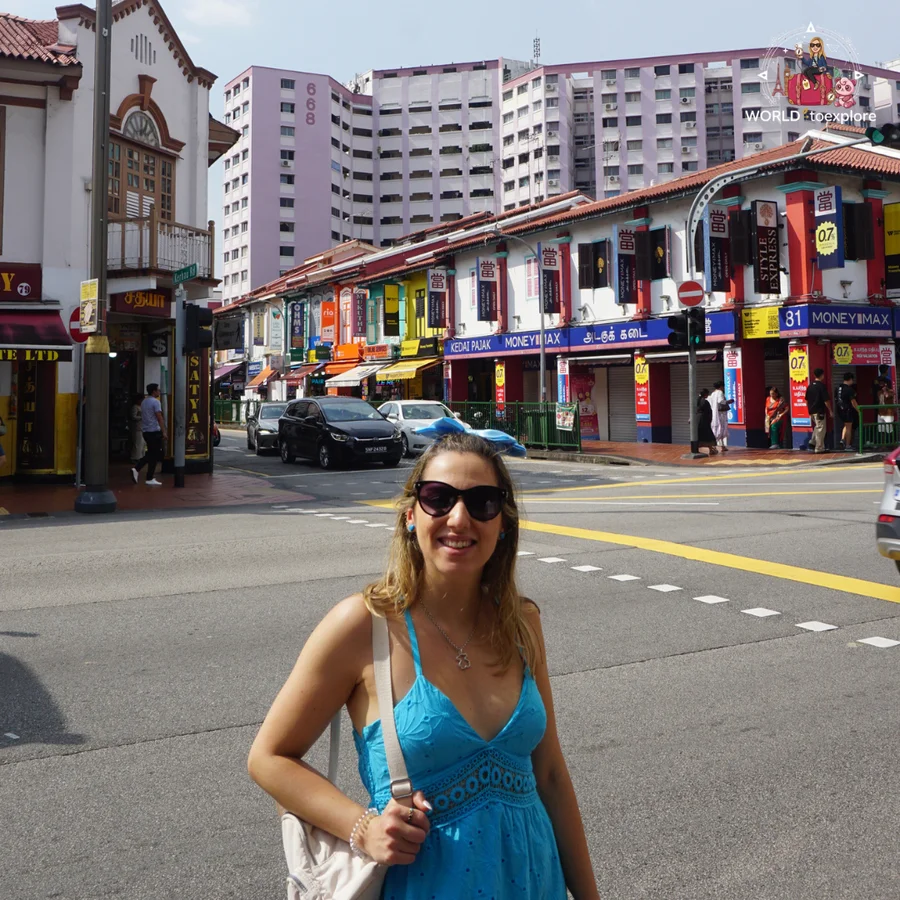
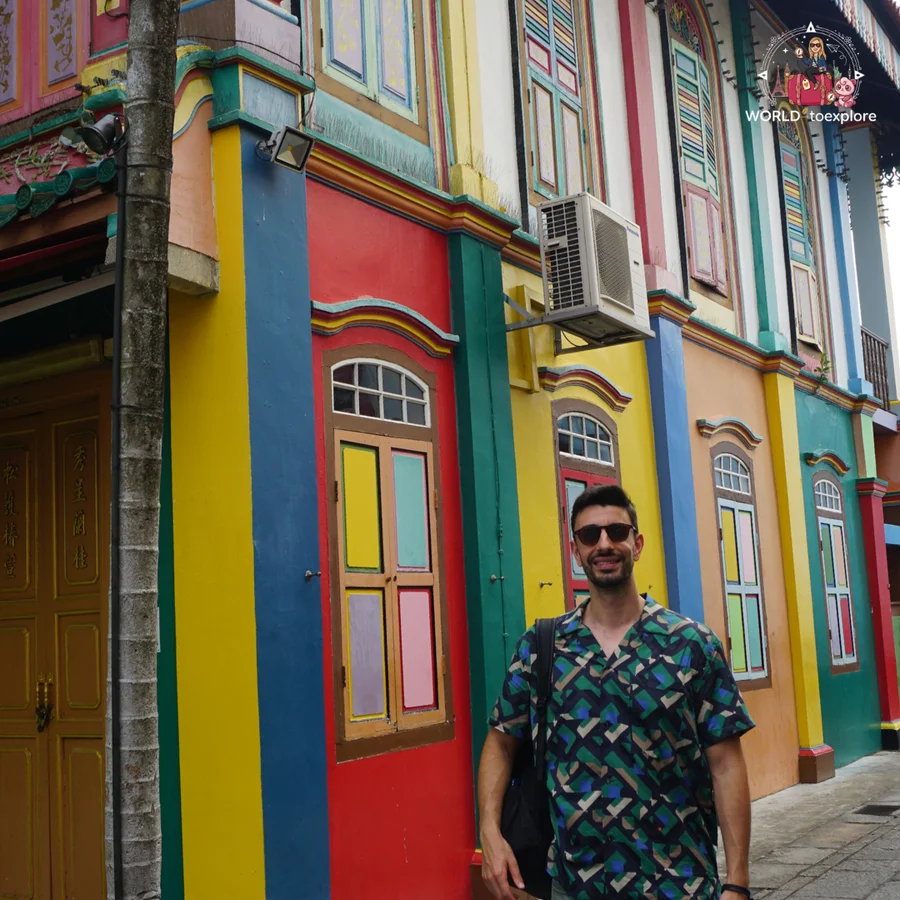
Little India turned out to be a great surprise, in a good way, during our time in Singapore. Even though we had little time to explore the neighbourhood, we really enjoyed getting to know this other side of the city, which is also part of its history. I completely understand that, on a stopover of just two days, it is hard to fit in a visit to neighbourhoods like this, but, if you get the chance, don't leave Little India out! I recommend setting aside at least an hour or two to wander the streets and get a taste of what it has to offer. I'm sure you won't regret it, especially if, like us, you have never had the chance to visit an Indian neighbourhood! 🩷
Planning your next trip? Book your accommodation through Booking.com and get your travel insurance with Heymondo, where you get 5% off through my link. By using these links, you are also supporting World to Explore, at no extra cost to you.