Getting to know a bit of Guilin's imperial history at the Jingjiang Princes' Palace
This article was not sponsored and all opinions are genuine. It contains affiliate links, which means I may receive a small commission if you book through them, at no extra cost to you.
Built in the 14th century, during the Ming dynasty, the Jingjiang Princes’ Palace is one of Guilin’s main historical attractions. The complex was designed as a residence for the Princes of Jingjiang and, over the centuries, was home to several generations of the imperial family. Today, the site includes the old palace, the gardens, Duxiu Peak and the Imperial Examination Hall.
We visited already mid-morning, after having been to Diecai Hill, and the heat was already picking up. It was the kind of humidity that makes you sweat just standing still. There were clearly plenty of tourists around, including a few school trips with kids of different ages, but since the site is so big and spread out, it never felt too crowded. In this article, we’ll go through a bit of the palace, the imperial history behind it, the main points of interest in the complex, and what our visit was like.
The palace’s imperial history
In 1372, during the Ming dynasty, Emperor Hongwu, founder of the dynasty, decided to grant the title of Prince of Jingjiang to his grand-nephew, Zhu Shouqian. Guilin was still very different from the city we know today, but the title came with the responsibility of governing the region, and a residence to match the position Zhu Shouqian now held. That’s how construction began on this huge complex, the Jingjiang Princes’ Palace, built around Duxiu Peak, a rock formation that already dominated this part of Guilin, with the works lasting around 20 years until the palace was fully completed.
When we think of a residence for members of the imperial family, it’s easy to picture one grand, ornate building. But the Jingjiang Princes’ Palace is much more than that! The palace covered a huge area, organised into different zones, with monumental gates, administrative buildings, residential quarters and several gardens. At its centre stood the Chengyun Hall, one of the main buildings, while the family’s more private quarters were spread across other parts of the complex. Duxiu Peak itself was worked into this layout, giving the palace a feature quite different from most imperial residences of the time.
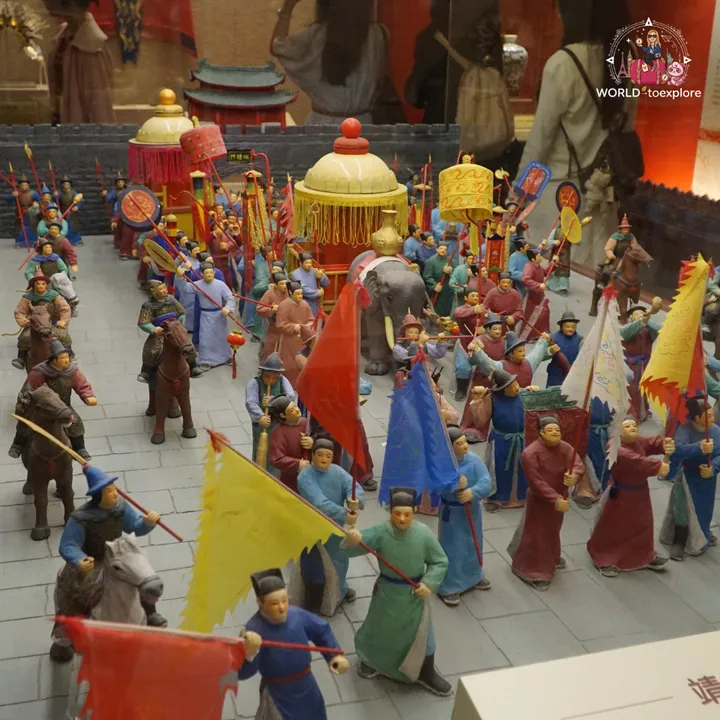
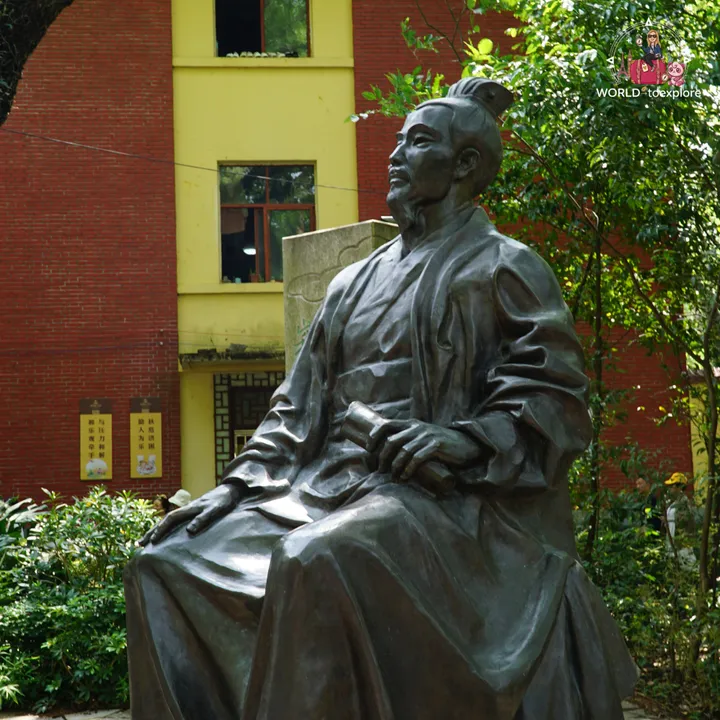
Over the following two and a half centuries, the palace passed down from generation to generation within the imperial family. In total, 14 Princes of Jingjiang, across 12 generations, lived in this complex, each with their own family and court, which made it far more than just a private residence. The site became a genuine centre of power in the region and was tied to several of the events that shaped the Ming dynasty. But that would turn out to be just the first of the many lives this place would go on to have.
In 1652, during the transition to the Qing dynasty, Guilin once again became the stage for a direct clash between two sides. On one side was Li Dingguo, a general still fighting for the Southern Ming, a continuation of the Ming dynasty resisting the Qing advance. On the other was Kong Youde, who had switched to supporting the Qing and was responsible for defending the city. Li Dingguo’s forces ended up retaking Guilin and defeating Kong Youde’s troops, and facing defeat, Kong Youde took his own life. The palace was set on fire during the clash and part of the buildings were destroyed, bringing an end to the more than 250 years it had served as the residence of the Princes of Jingjiang.
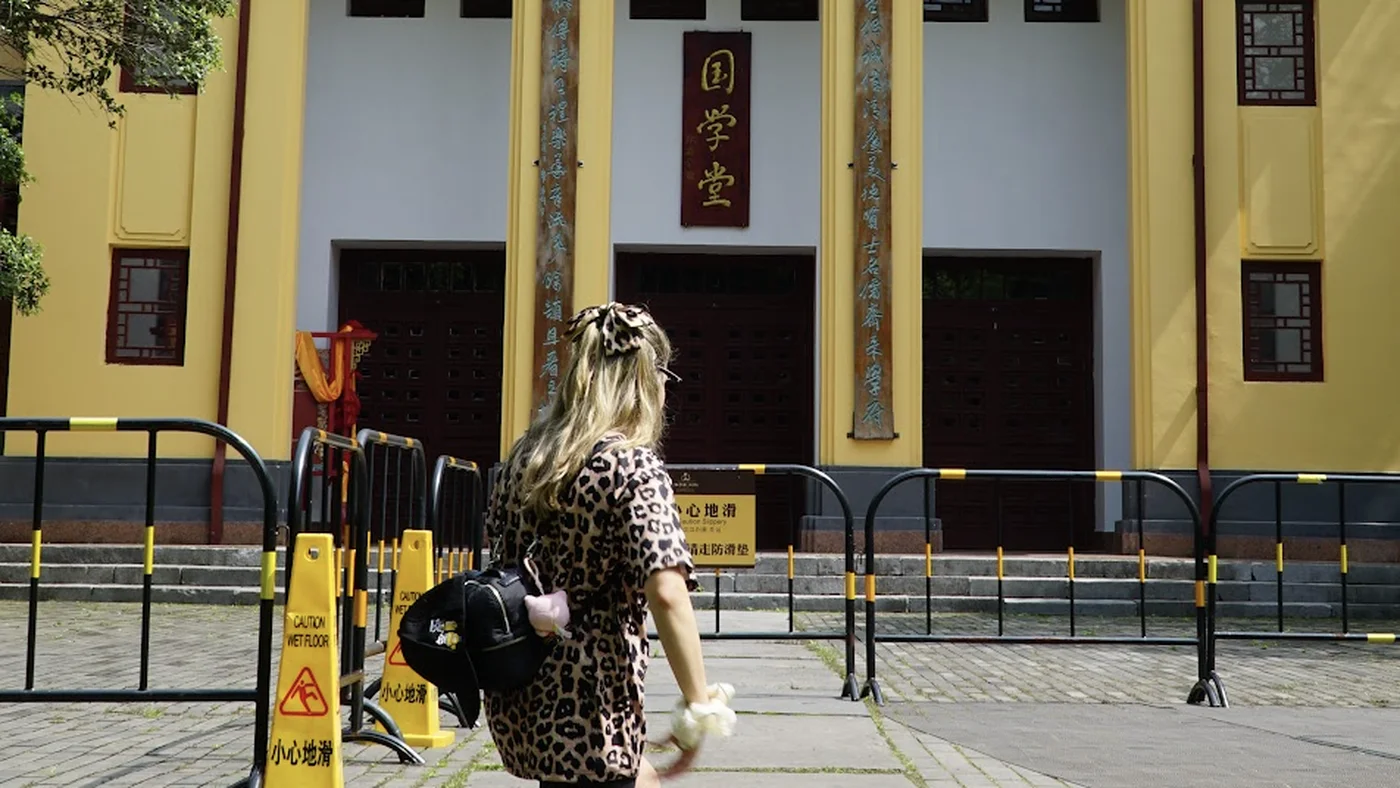
Despite the destruction, the site wasn’t abandoned for long. In 1657, a few years after the fire, the old grounds began hosting the imperial examinations for Guangxi province. These exams were part of the system the empire used to select candidates for public administration and carried enormous weight in the society of the time. That’s how the Imperial Examination Hall came about, which we can still visit within the complex today, with the former palace transformed, for the first time, into a place of education and administration. That connection to education continued over the following centuries, with the site going on to house several schools. In the 20th century, it also regained political importance when Sun Yat-sen, one of the leaders of the revolution that ended the last Chinese imperial dynasty and gave rise to the Republic of China, used the complex during his military campaign in the south of the country, in 1921. A few years later, in 1925, the grounds became a public park named Sun Yat-sen Park, and in 1937 changed function once again, becoming the seat of the Guangxi provincial government.
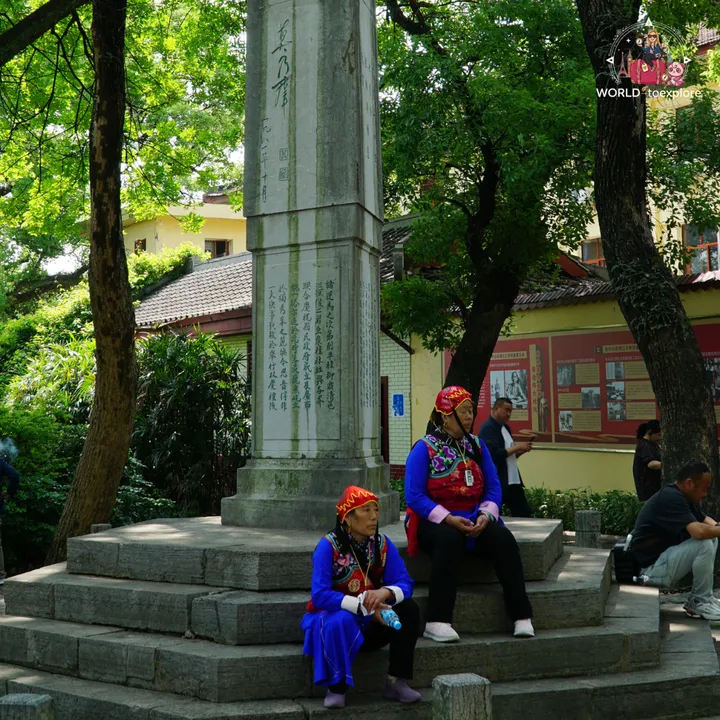
The Second World War brought another difficult chapter, with several structures in the complex destroyed. Much of what we see today was rebuilt afterwards, but some areas ended up surviving practically intact. These include parts of the old walls, stone pathways, platforms and other structures that help us grasp the scale and age of this complex, which is now more than 600 years old. Today, and since the 1950s, part of the site is integrated into the campus of Guangxi Normal University, while the historic area remains open to visitors. It’s this mix of university and monument that makes the visit a little different from what you might picture for an old imperial palace. Come to think of it, we’re visiting a place that has been a princely residence, an administrative centre, an examination hall, a public park, a seat of government and, today, both a university space and a tourist attraction. Perhaps it’s exactly this string of such different lives that makes the history of the Jingjiang Princes’ Palace so interesting, and that draws so many visitors every day.
What to see inside the complex
Covering around 20 hectares, the Jingjiang Princes’ Palace is a huge complex with plenty of points of interest inside, including historic buildings, gardens, monumental gates, Duxiu Peak and the old Imperial Examination Hall. All of these are accessible during the visit and included in the entrance ticket.
Zhengyang Gate (正阳门)
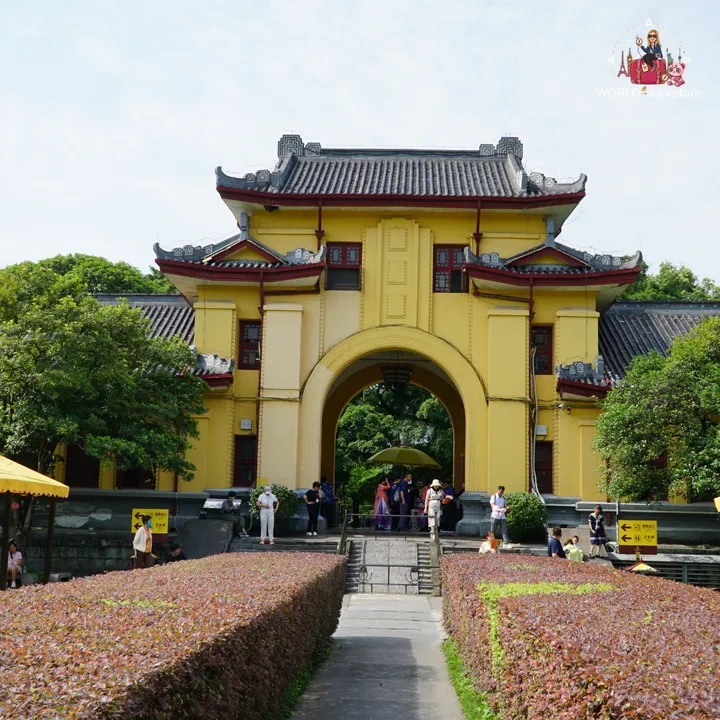
Zhengyang Gate is the southern gate of the old Jingjiang Princes’ Palace, one of the four entrances that were part of the complex’s walls during the Ming dynasty. Originally called Duanli Gate, it was built in 1372 as part of the palace and provided access to the grounds from the south. At around 8 metres tall and 5.5 metres thick, the stone walls still stand out for their scale today. Despite the various destructions and changes the complex went through over the centuries, the walls and old gates are among the parts that still give a sense of what the grounds once looked like.
Chengyun Hall (承运殿)
Chengyun Hall is the main building of the old palace and sits at the centre of the complex, between Chengyun Gate and the more private area where the Princes of Jingjiang lived. This was where the princes handled official matters and where the main ceremonies were held. It was part of the original palace, but ended up destroyed when the complex was set on fire in 1652. The original building no longer stands today, though some parts remain, such as the old stone balustrades and the access stairs.
Palace Gardens
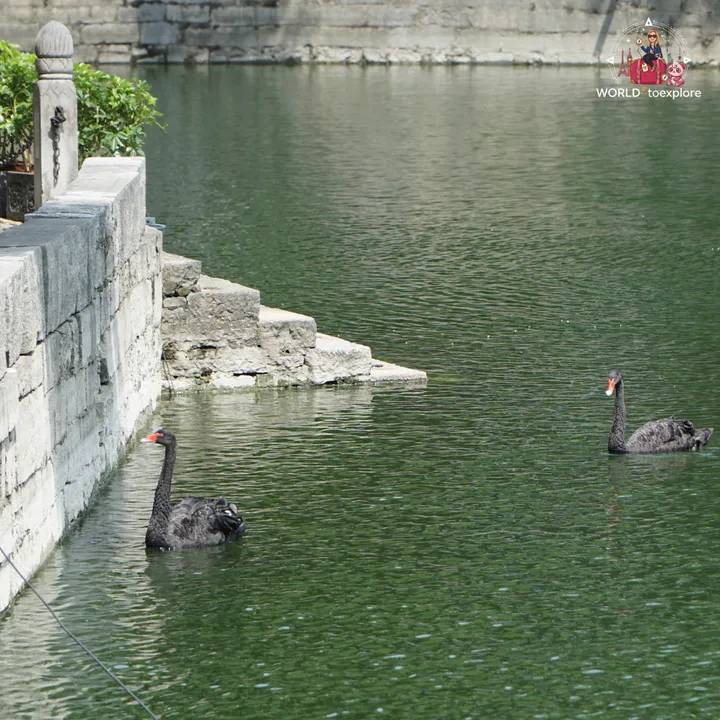
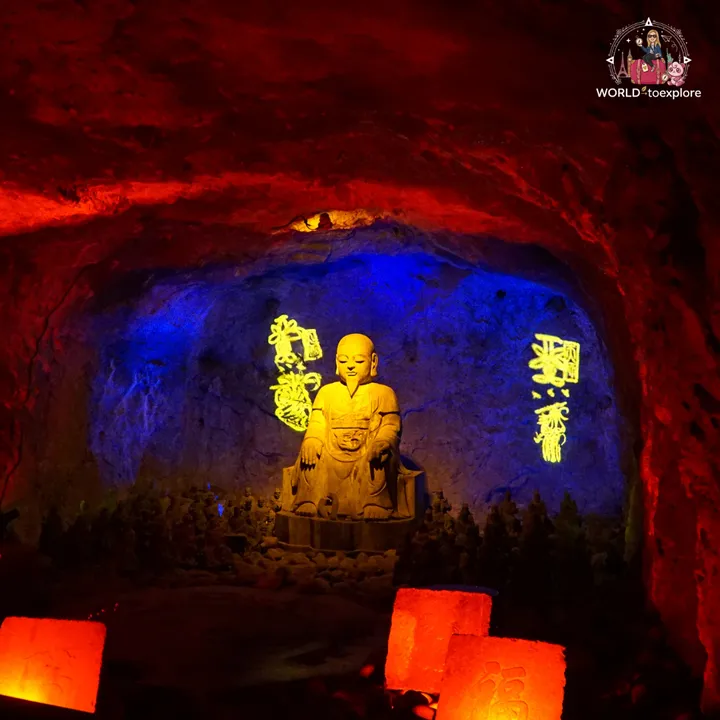
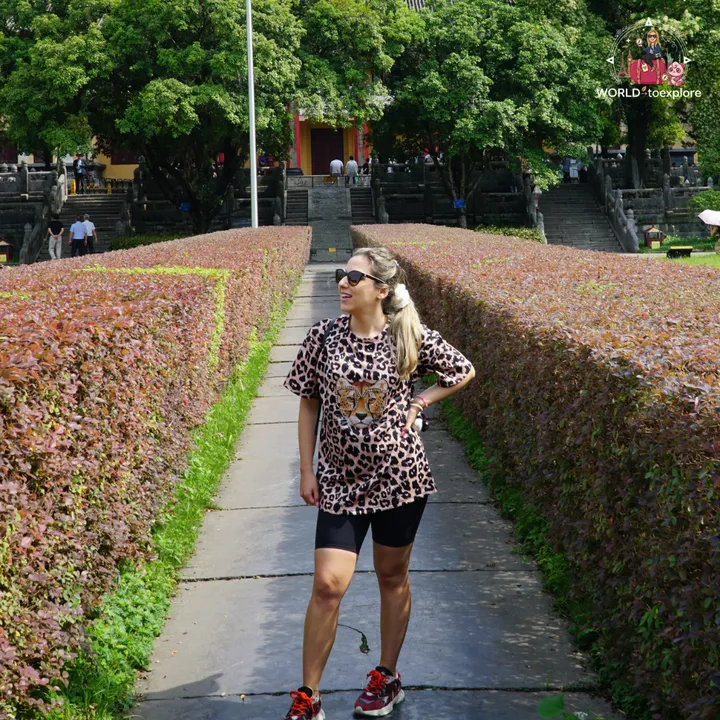
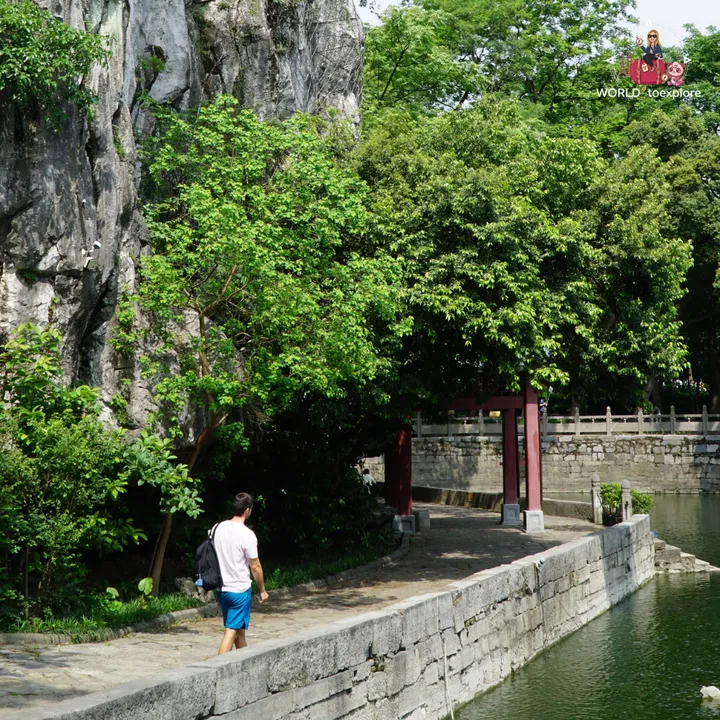
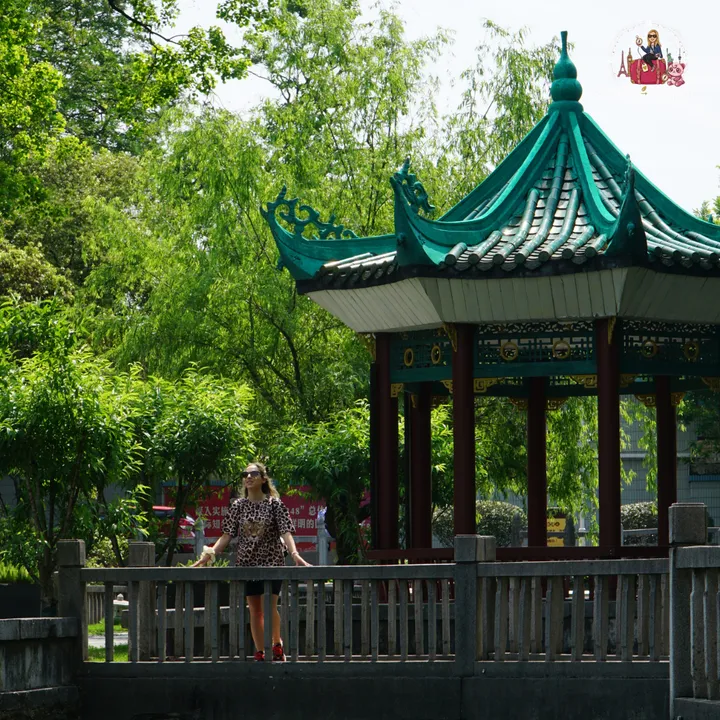
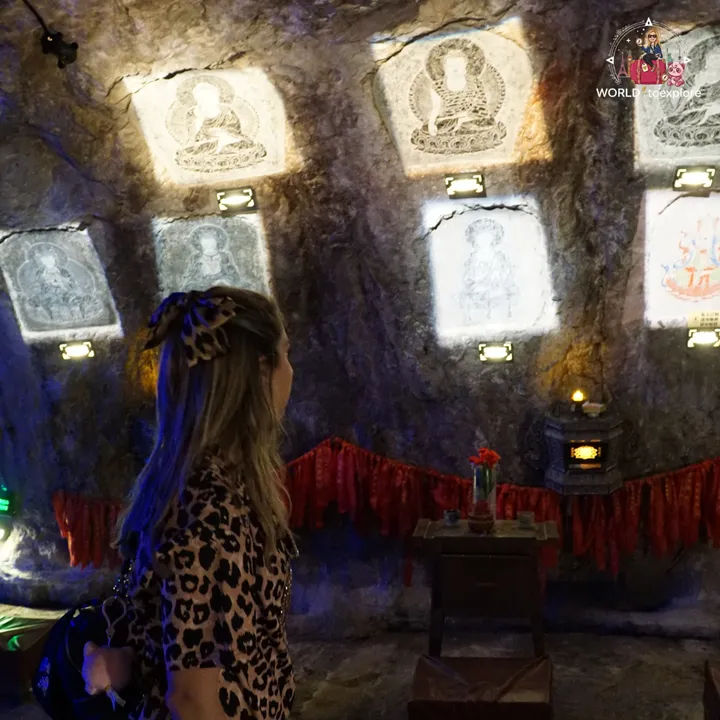
The old palace gardens cover a considerable area of the complex and were once a space set aside for the princes to rest and relax. The area includes a lake surrounded by trees and greenery, and several paths you can walk along while exploring the complex. There are also a few rock formations and small caves well worth stepping into, since they’re genuinely works of art in their own right! One of the largest is Taiping Cave (太平岩), also known as Peace Cave, which sits at the base of Duxiu Peak and covers around 140 m². Inside, you’ll find various stalactite formations and different Buddha statues, along with inscriptions carved into the cave walls.
Duxiu Peak (独秀峰)
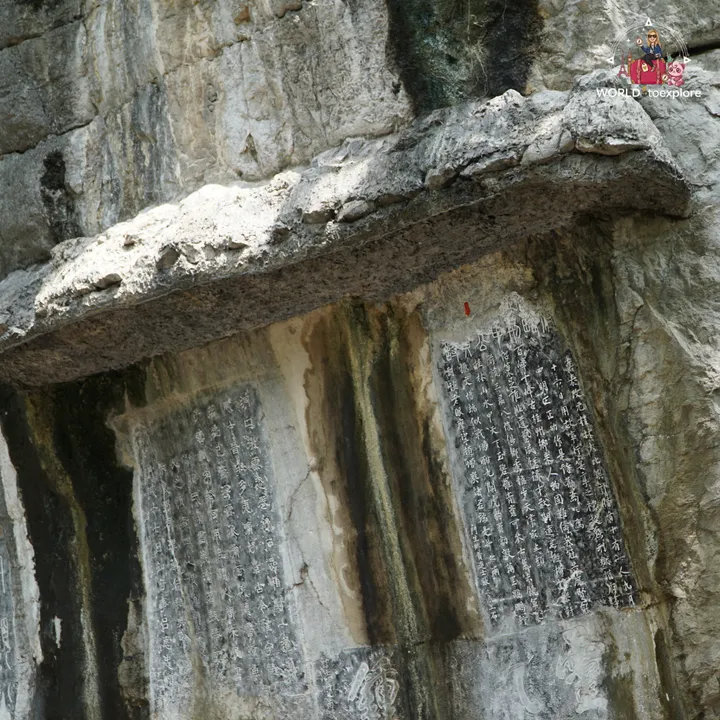
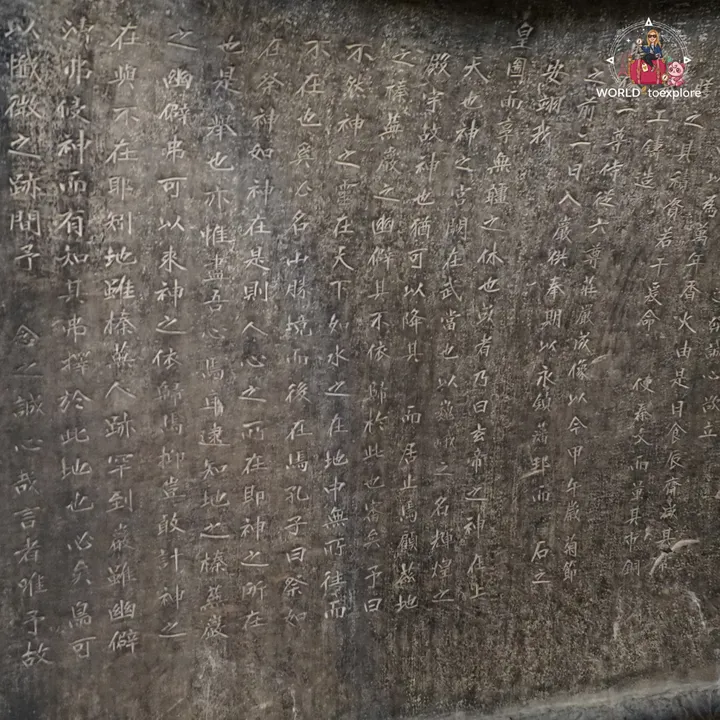
This is a huge rock formation visible from most of the complex. The name translates roughly to “Solitary Beauty Peak” and comes from a line written by the poet Yan Yanzhi during the Southern dynasties, around 1500 years ago, describing the peak’s unique beauty. You can climb to the top via a staircase of 306 stone steps, with the peak rising around 66 metres above the surrounding ground. From up there, you get a beautiful view over the city of Guilin, especially over the Li River and the rooftops of the old palace. Along the climb, you’ll also find several inscriptions carved into the rock itself, some of them poems and lines left over the centuries. These inscriptions are one of the most interesting parts of the climb, showing just how much Duxiu Peak has been visited and admired over time.
Imperial Examination Hall (广西贡院)
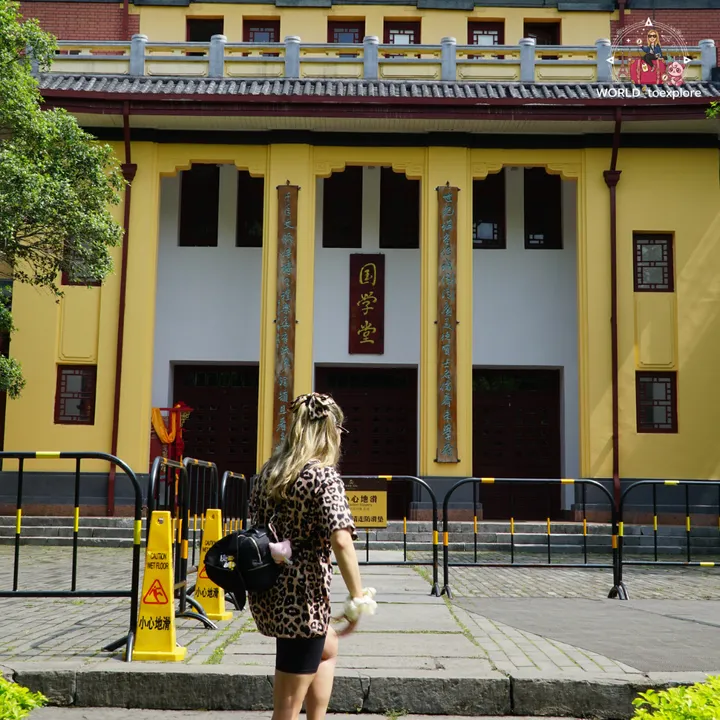
The Imperial Examination Hall is one of the main attractions at the Jingjiang Princes’ Palace and was set up on the old palace grounds after the 1652 fire. The site then began hosting the imperial examinations for Guangxi province, a decisive process for anyone wanting a career in public administration. Candidates could spend several days on the grounds, each in a small cubicle, sitting their exams and waiting for the final results. The space was divided into different areas, with the candidates’ cubicles and the sections where the examiners and those in charge of the process were based. Today, some of these cubicles can still be visited, giving a better sense of how the exams worked and the conditions candidates were put through.
What visiting is like
We visited the Jingjiang Princes’ Palace after climbing Diecai Hill, already mid-morning. The ticket office was almost empty, half a dozen people at most, but even so, something funny happened to us. I was in the queue, with two or three people behind me and one ahead, and I got distracted for a couple of seconds to look at my husband and ask him something. Just two seconds! When I looked back, the Chinese woman who’d been behind me had smoothly cut right in front of me, as if nothing had happened. Throughout the trip we noticed that the concept of a queue in China works a little differently from what we’re used to. There are so many people everywhere that everyone just seems to fend for themselves. It’s every man for himself and hope for the best!
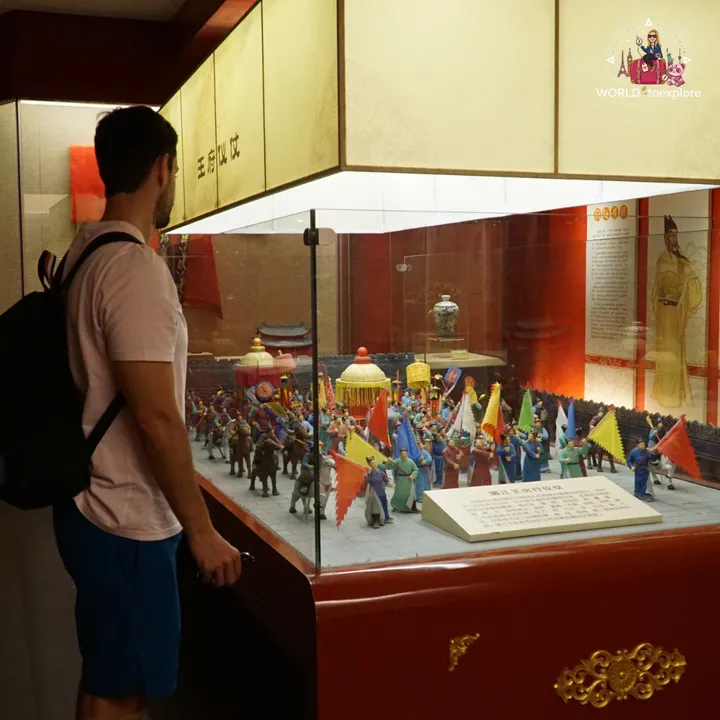
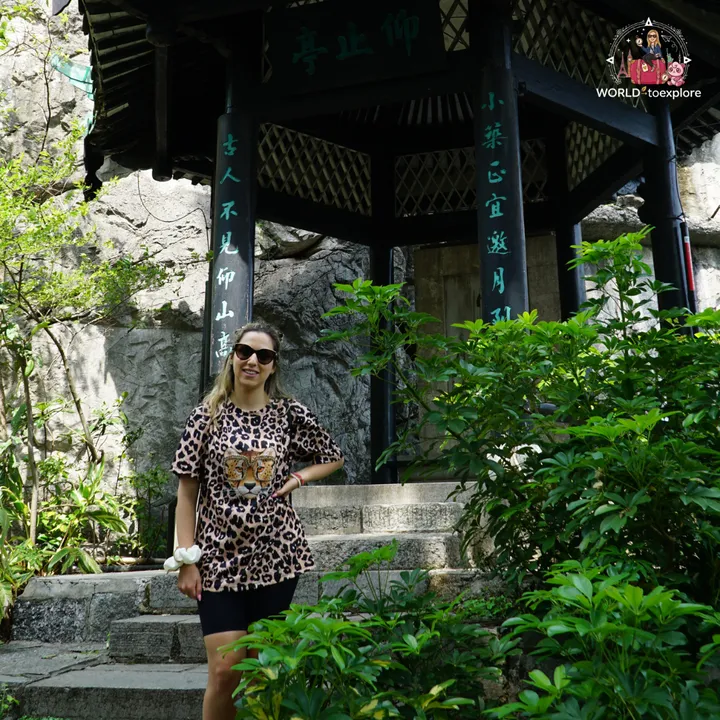
After buying our tickets, we went into the complex and there was already a shuttle waiting to take us to the palace area, closer to Zhengyang Gate. That’s where we started the visit, going into the old palace building, which now works as a museum. We went through the various rooms, and I think it gave us a better sense of the palace’s history and how things worked back in the time of the Princes of Jingjiang. After the palace, we headed to the gardens, and that’s where we spent most of our time. It’s a massive space with loads to see, and we went into a few caves and also walked around the lake area. We ended up getting a bit lost, since all the signs are in Chinese, which made it hard to figure out where we were meant to go. It was a lot of trial and error, but after going around twice we finally made it to the Imperial Examination Hall.
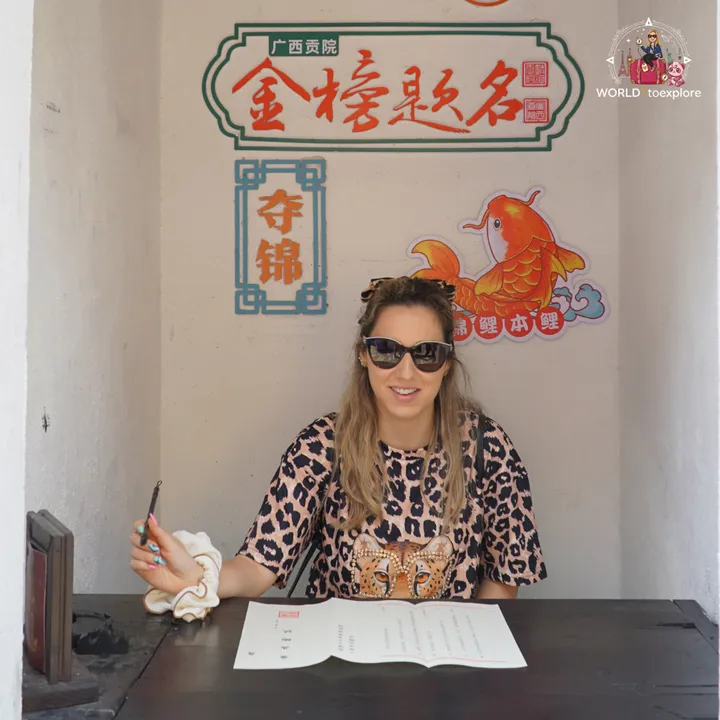
The Imperial Examination Hall was one of the parts we enjoyed most, since besides also having a museum section, there’s an area where you can sit in small cubicles and try your hand at writing Chinese characters with a brush, just like the candidates did back then. Our characters were, of course, nowhere close to looking Chinese, but it’s a fun experience and it makes the visit more interactive. In total, we spent between two and two and a half hours in the complex. We didn’t climb Duxiu Peak, since we’d already done Diecai Hill that same morning and figured the view would be pretty similar to what we’d already seen. After a solid dose of stairs earlier that morning, tackling a few more didn’t feel all that necessary.
- Location: Wangcheng Road, in central Guilin
- Opening hours: 7.30am–6.30pm in summer, 7.30am–6.00pm in spring and autumn, and 8.00am–6.00pm in winter (worth double-checking on the official website)
- Duration of the visit: around 2 to 3 hours to see the complex at a relaxed pace
- Price: around 100 RMB per adult (around €12.70)
The Jingjiang Princes’ Palace is well worth a visit, and I think it makes complete sense to include it in your Guilin itinerary if you get the chance, since it gives you a better sense of the city’s history. The complex is huge and there’s a lot to explore, so set aside some time to see it at a relaxed pace. It’s one of those places where you can wander around and stumble on things along the way, even if it sometimes takes an extra loop or two to figure out where you’re meant to be going. I’d suggest getting there early to enjoy the space with fewer people, though we also know it’s impossible to be early for every single attraction, and on a trip there are always trade-offs to make. 🩷
China really is a box full of surprises, and Guilin was one of the cities that charmed me the most. You can find all our other articles about the country here.
Planning your next trip? Book your accommodation through Booking.com and get your travel insurance with Heymondo, where you get 5% off through my link. By using these links, you are also supporting World to Explore, at no extra cost to you.
You Might Also Like
China: a box full of surprises
China was the biggest box of surprises of all my travels: from Shanghai to the Avatar mountains, from the terracotta warriors to the pandas of Chengdu.
Diecai Hill, One of Guilin's Best Viewpoints
Diecai Hill is one of Guilin's best viewpoints, with panoramic views over the Li River and the karst mountains. We cover the history behind the hill, what to see along the climb, and what our visit was like, right at opening time.
Shanghai Tower, China's Highest Observation Deck
Going up the Shanghai Tower, the highest observation deck in China: our experience on the 118th-floor observatory, plus tickets, opening hours and tips for your visit.