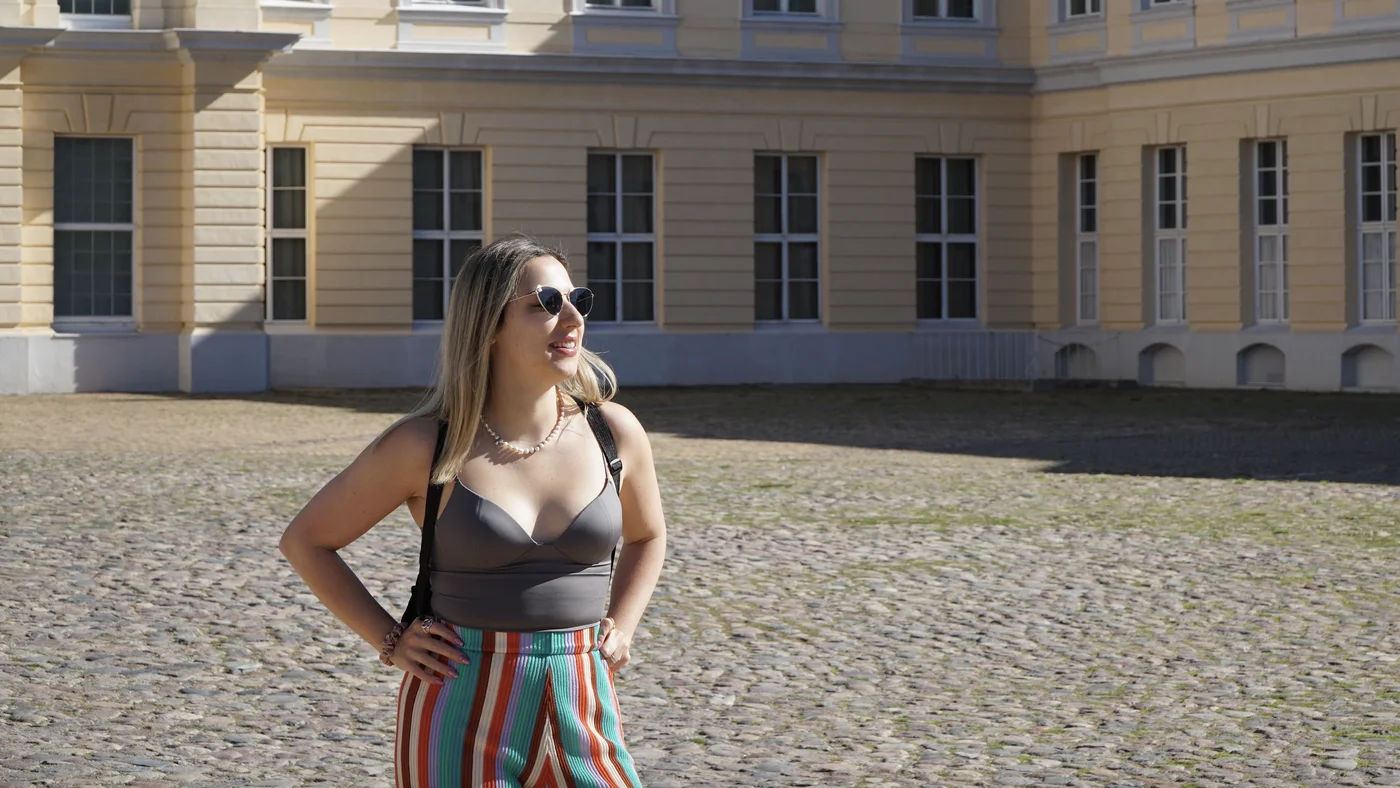
Charlottenburg Palace: A Visit to Berlin's Largest Palace
Berlin's history and points of interest go far beyond the Berlin Wall and everything related to the Second World War and the Holocaust. Before becoming the city we know today, Berlin was also shaped by the Prussian monarchy, its kings and several buildings that still help tell that part of the story. Charlottenburg Palace is one of the most impressive examples of this grander and lesser-known side of Berlin's history.
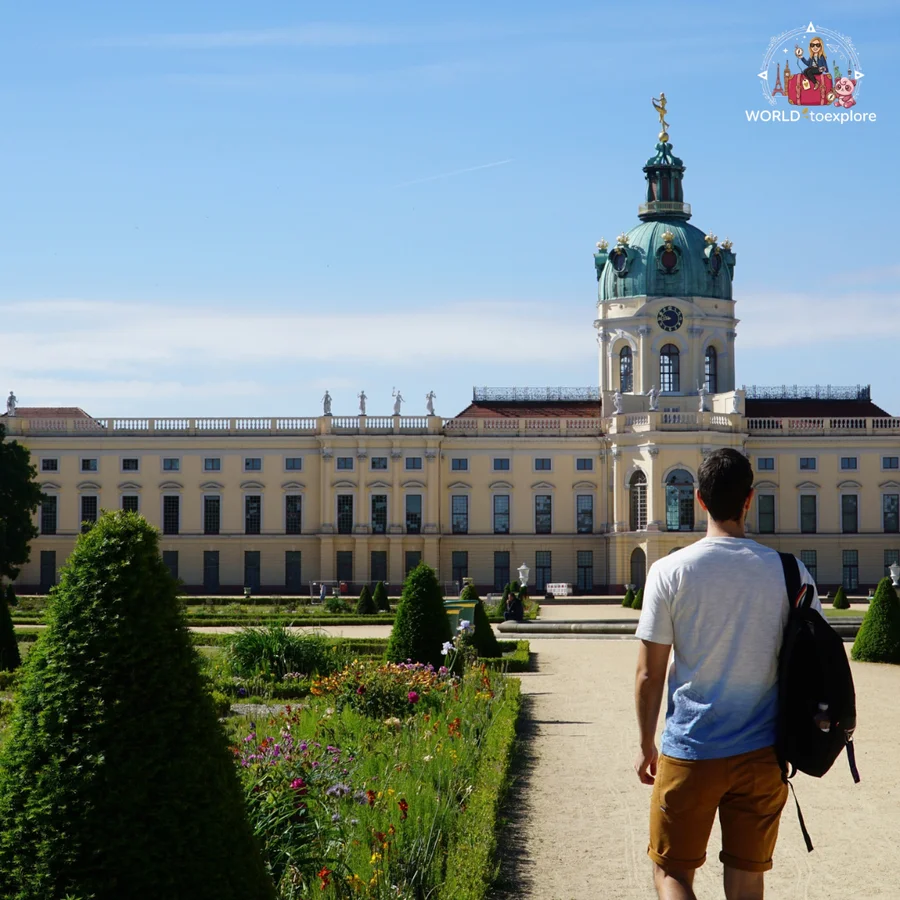
Built in the late 17th century as the summer residence of Sophie Charlotte, wife of the man who would become Frederick I of Prussia, the palace was extended and transformed over the years by different members of the royal family, reflecting the political and social changes that shaped Berlin. During the Second World War, much of the complex was severely damaged by bombing, but the palace was eventually rebuilt over the following decades in a long process of restoration. Today, you can visit a good part of its interior, walk through some of the historic rooms and stroll through the extensive gardens that surround the palace.
The History of Charlottenburg Palace
To understand the history of Charlottenburg Palace, we need to go back to the late 17th century, when Germany did not yet exist as a unified country. Berlin was part of the Electorate of Brandenburg, ruled by the Hohenzollern family, which would later take on a central role in the history of Prussia. It was in this context that, in 1695, Frederick III gave his wife, Sophie Charlotte, an estate on the outskirts of Berlin. On that land a summer residence was built, originally called Lietzenburg, designed by the architect Arnold Nering and surrounded by French-inspired gardens.
Everything changed a few years later. In 1701, Frederick III was crowned Frederick I, the first king in Prussia, and the former summer residence was no longer worthy of the family's new status. The building began to grow and take on a far more imposing scale, with new wings, larger rooms and increasingly elaborate interiors, leaving behind its character as a simple summer residence. When Sophie Charlotte died unexpectedly in 1705, aged just 36, Frederick I decided to name the palace and the surrounding area Charlottenburg in her honour.
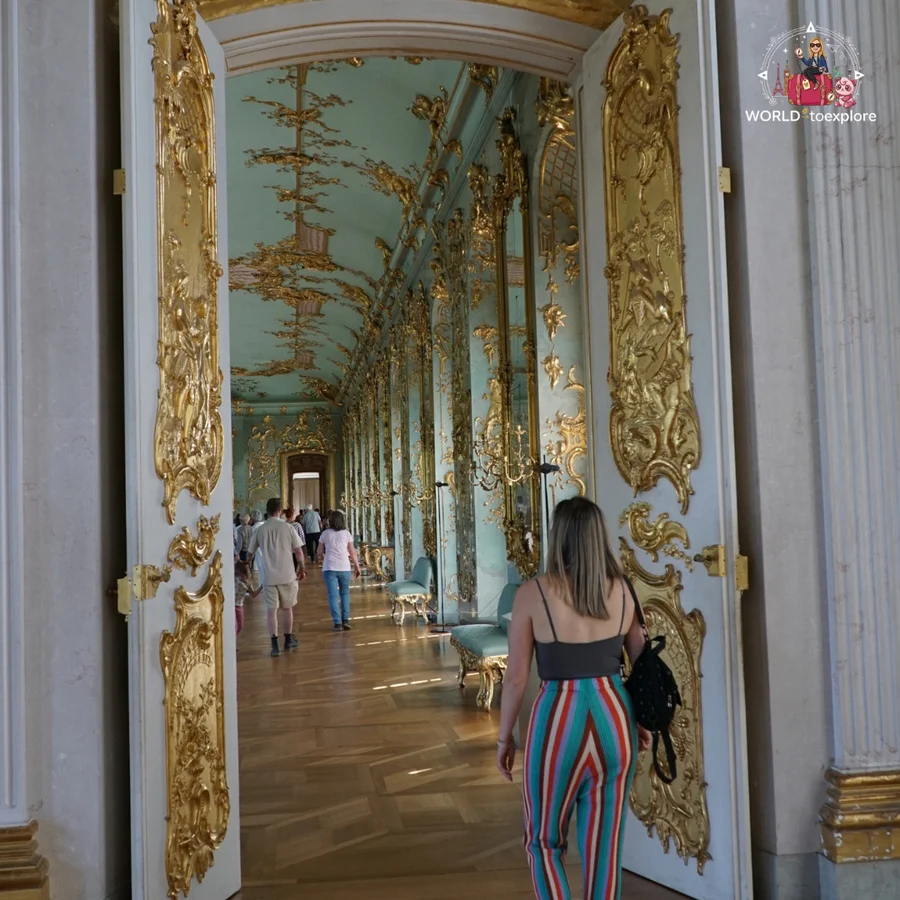
From then on, Charlottenburg remained linked to the Hohenzollern family for several generations. Each monarch left their mark on the building, adding new wings, altering interiors and adapting the palace to the tastes of the time. One of the biggest changes came from 1740, when Frederick II, better known as Frederick the Great, had the New Wing built. It was during this period that spaces such as the Golden Gallery and the White Hall appeared, used for receptions, parties and other important court occasions. Over the years, the palace became larger and more elaborate.
During the 19th century, Charlottenburg continued to be used by the royal family, although it no longer carried the same weight as before. Some monarchs still chose the palace as their official residence and made changes to the interiors, but as Berlin grew and other court spaces appeared, Charlottenburg gradually lost importance. Even so, it remained associated with the Hohenzollern family until the early 20th century.
The big change came in 1918. Germany emerged defeated from the First World War and discontent with the monarchy grew rapidly, giving rise to the German Revolution. In November of that year, Wilhelm II left the country and renounced the throne, putting an end to the German monarchy. From then on, Charlottenburg Palace ceased for good to function as a royal residence and passed into the hands of the state, beginning a new chapter in its history.
During the Second World War, Charlottenburg Palace suffered some of the worst damage in its entire history. The bombing of Berlin hit several parts of the complex and left much of the building in ruins, including historic rooms and decorative elements that had survived for centuries. After the war, the palace's future was in doubt for a while, but the decision was eventually made to rebuild it. Over the following decades, many of the destroyed areas were restored using photographs, old plans and original elements that could be salvaged.
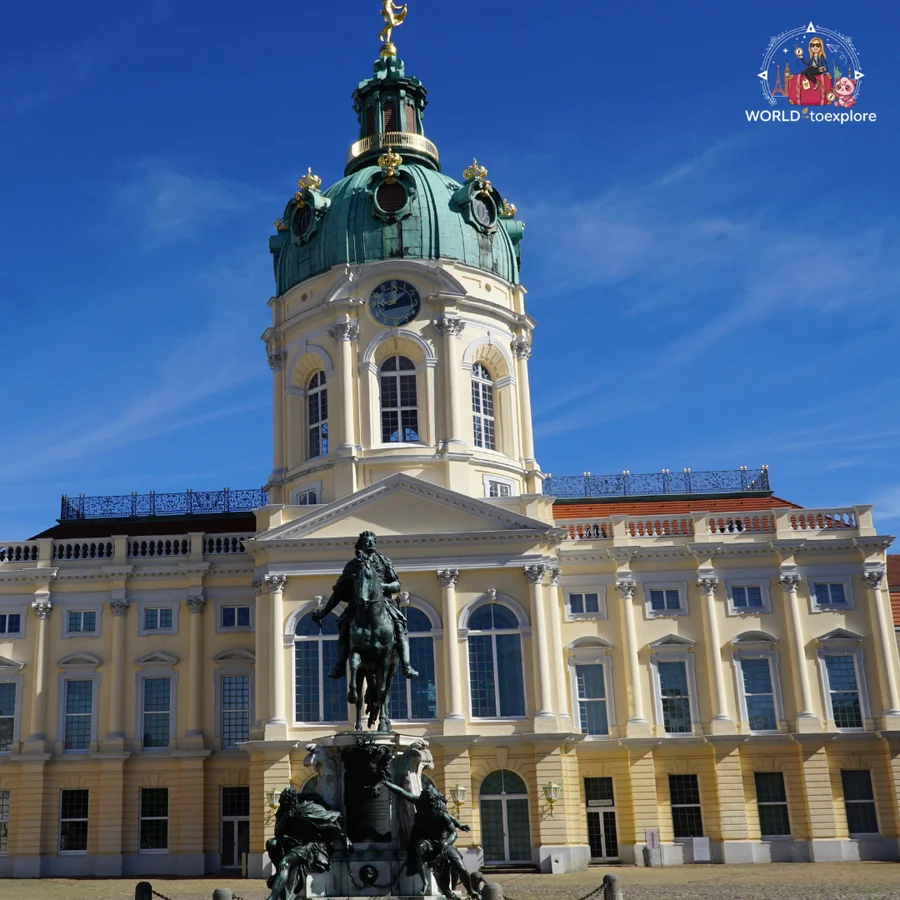
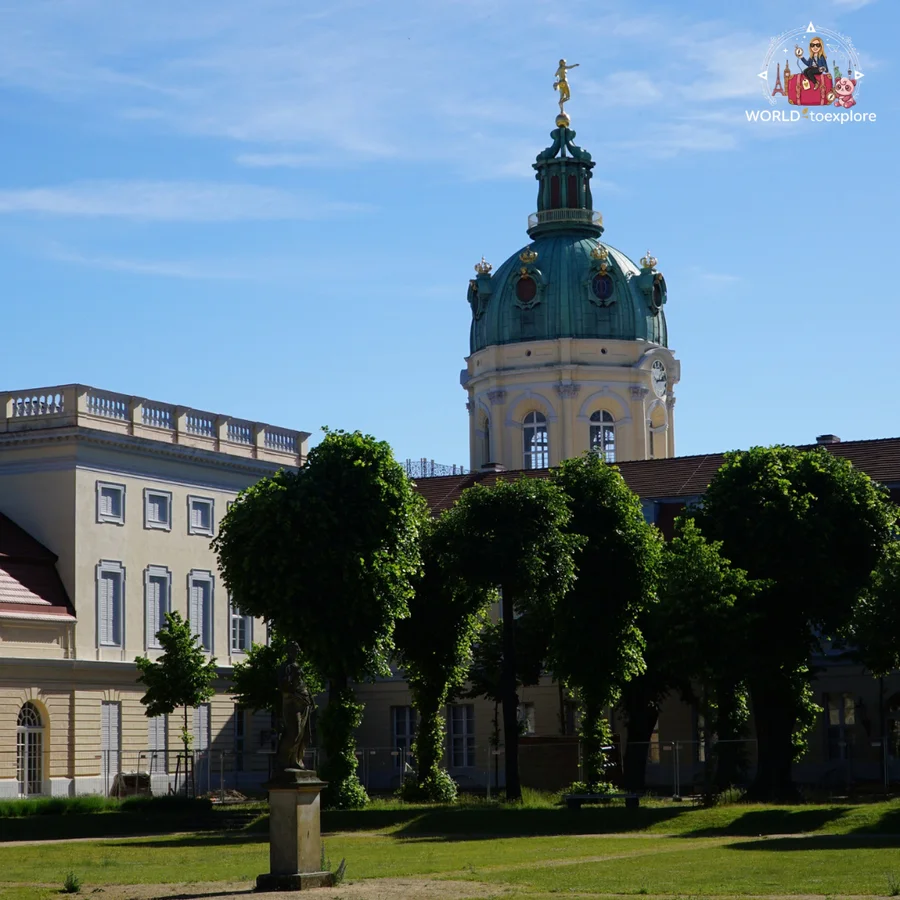
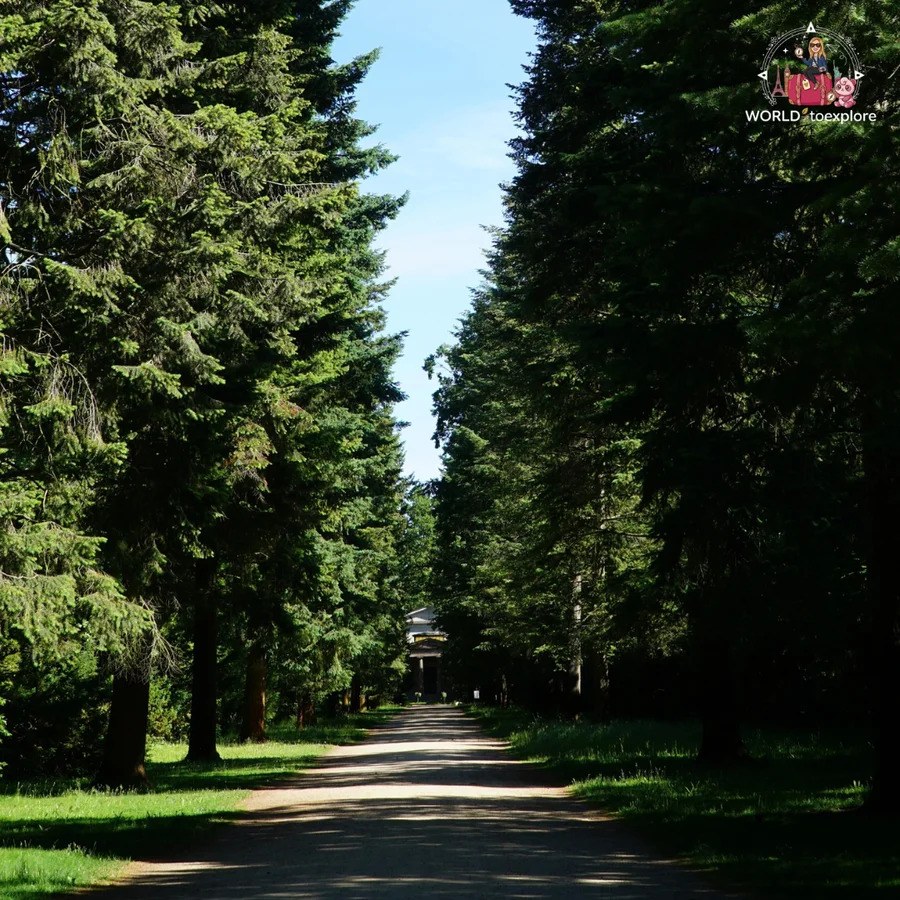
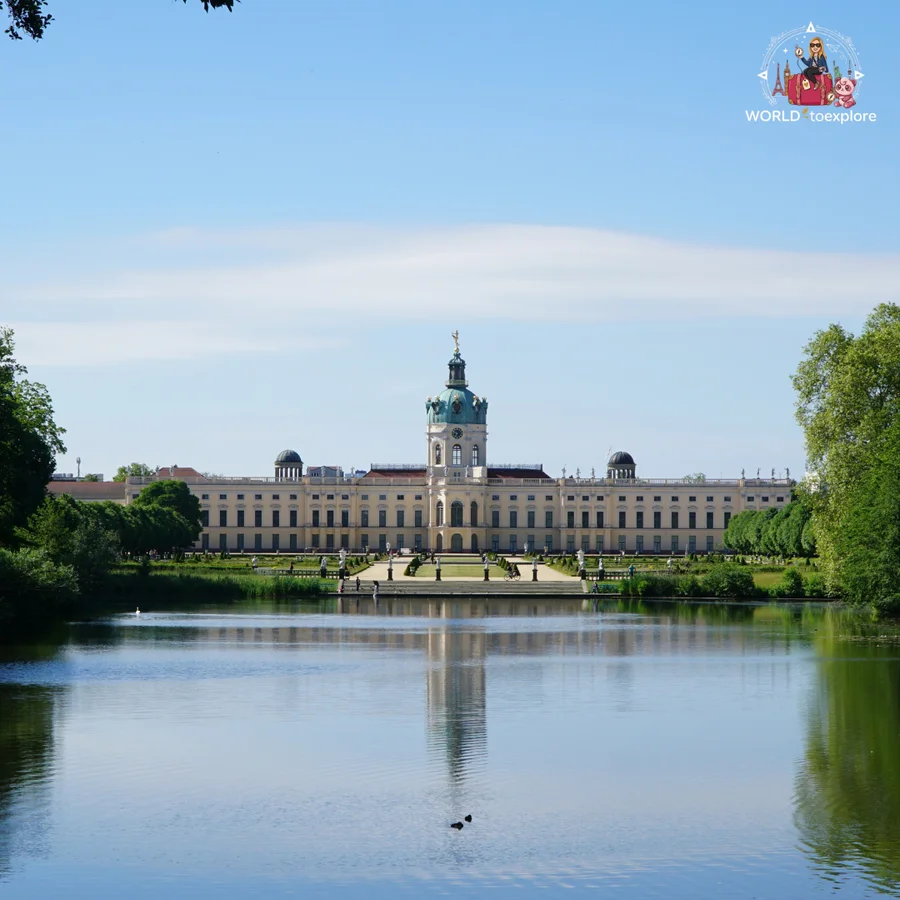
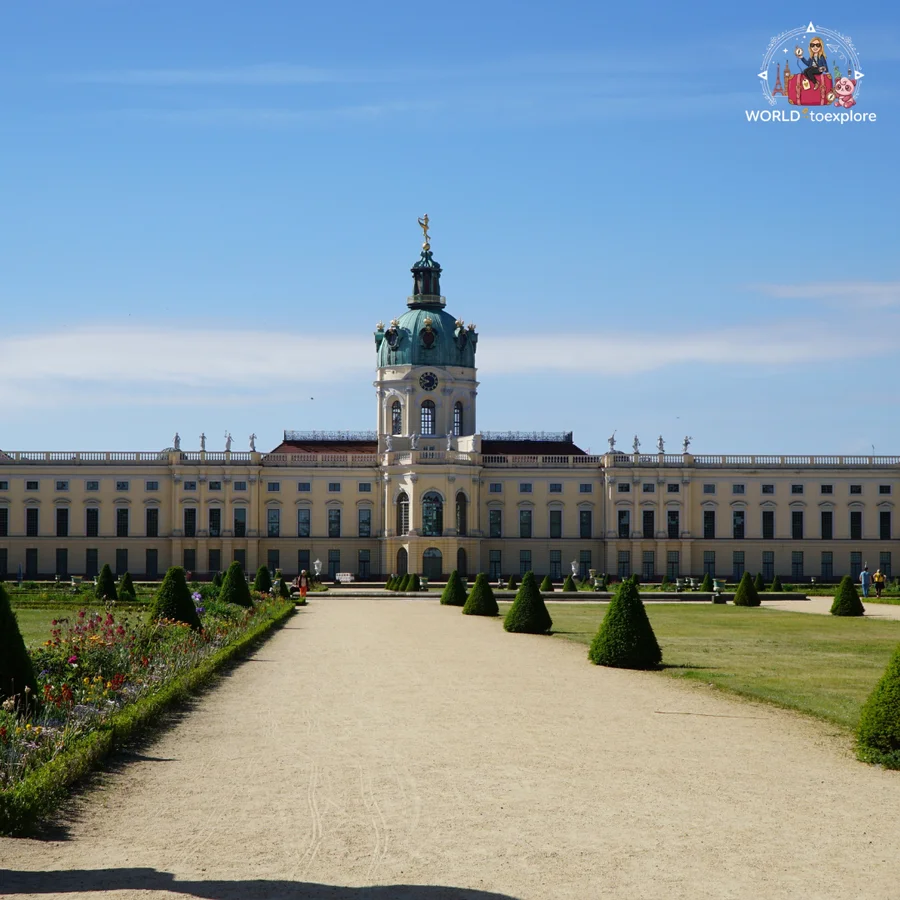
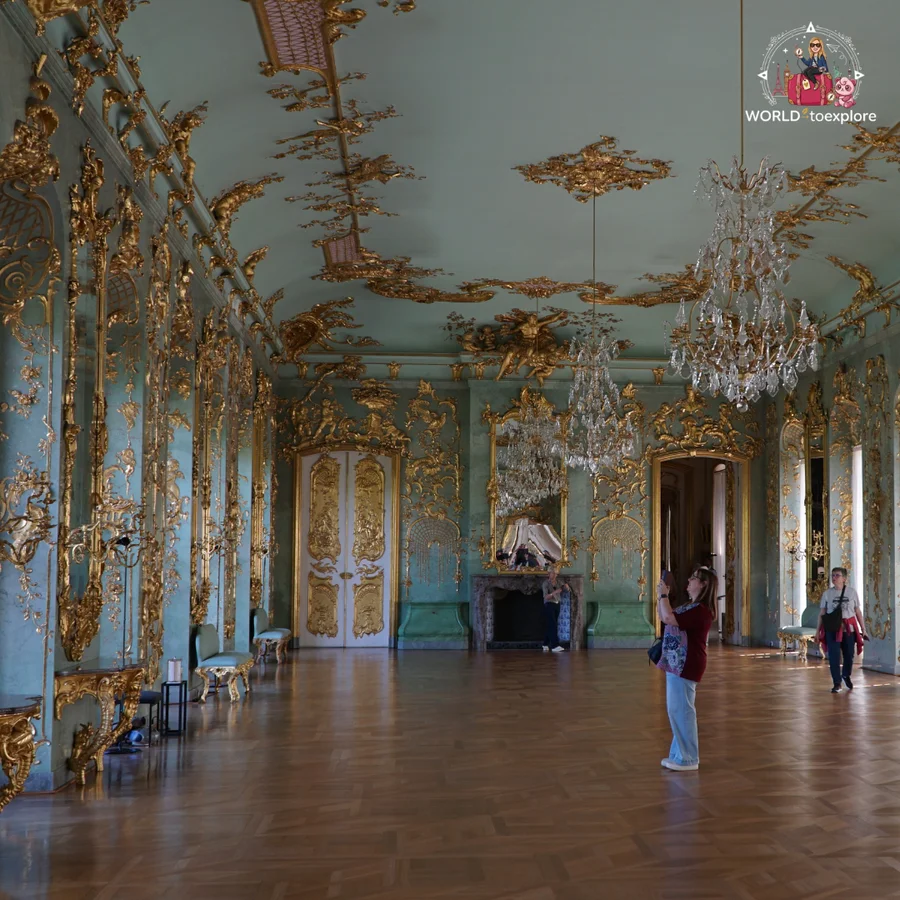
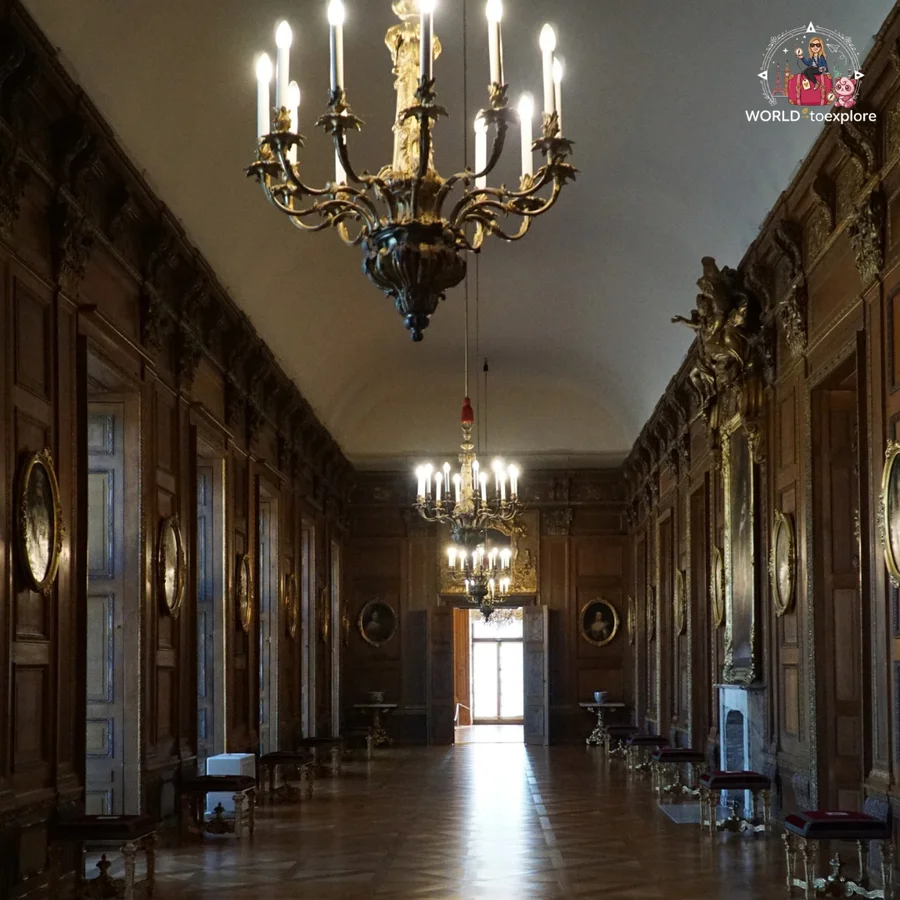
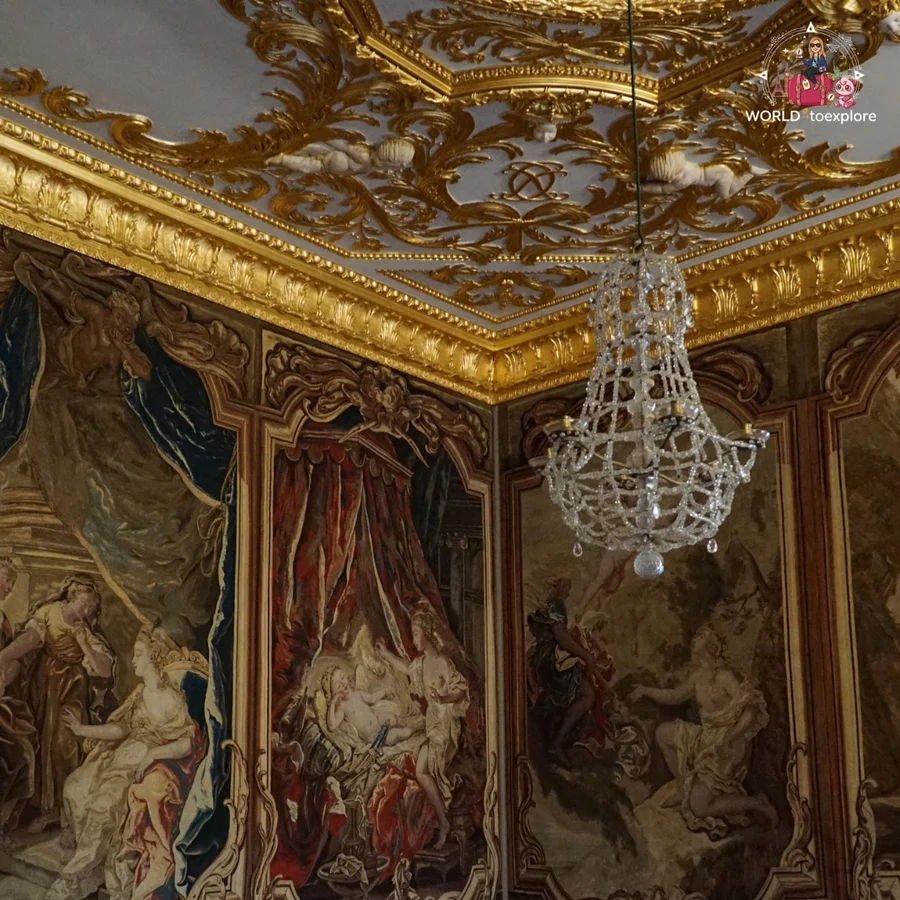
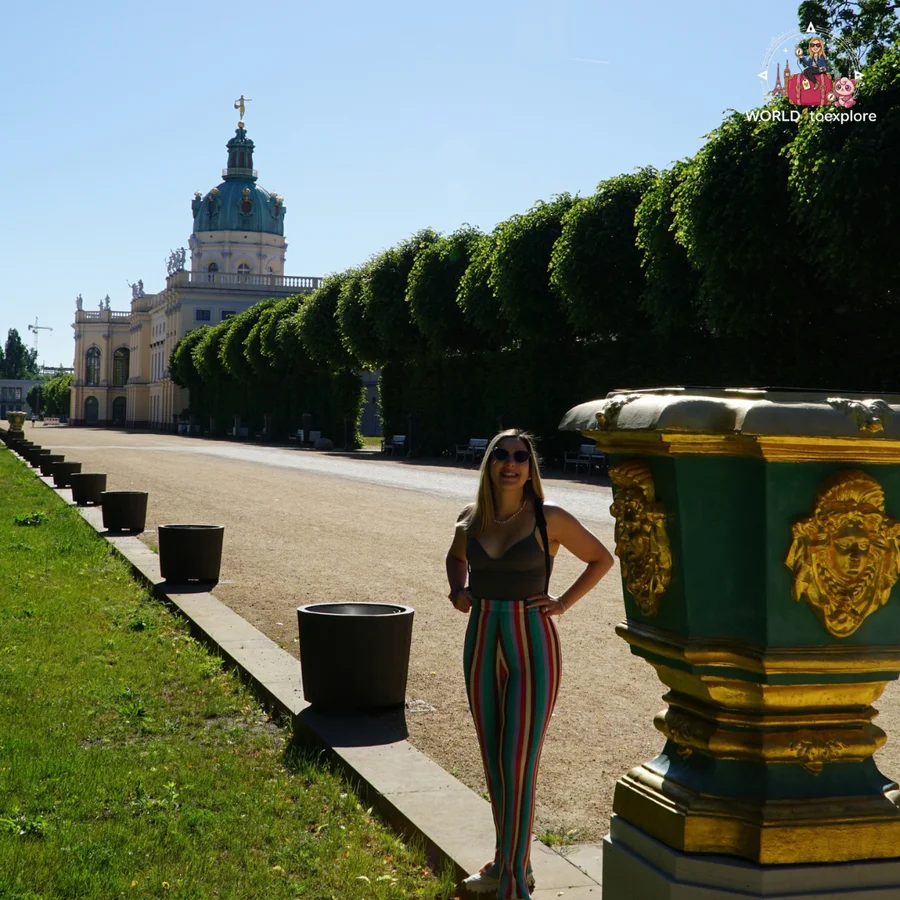
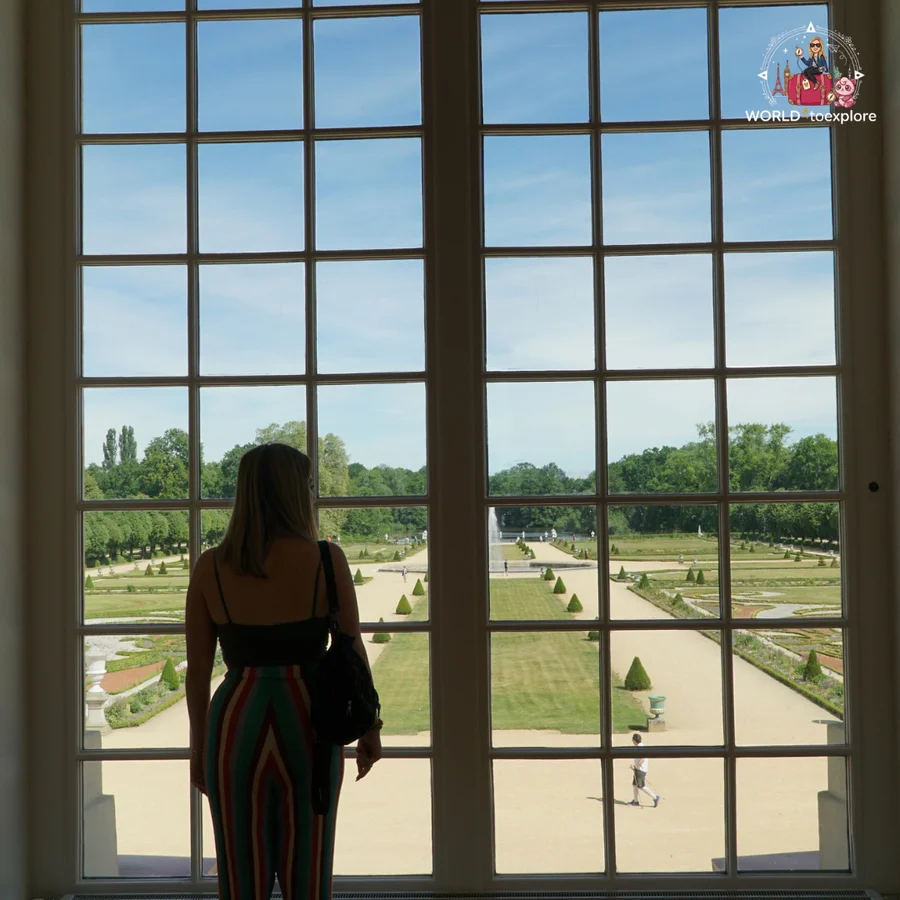
With the reconstruction complete, Charlottenburg Palace once again took on an important role in Berlin's historic heritage. Today, several of its rooms are open to the public and offer a look at different phases of the history of the Prussian monarchy. The palace now works as a museum and houses a number of artefacts and historic items linked to the former royal family. The gardens, meanwhile, are part of a large public park with free entry, and can be visited without buying a ticket for the palace. Both the building and the gardens continue to undergo regular restoration and conservation work, needed to preserve the whole complex. The gardens alone cover around 55 hectares, which gives a good idea of the size of the whole area surrounding the palace.
My Experience
We arrived in the Charlottenburg area quite early because we wanted to make the most of the morning at a relaxed pace before the palace opened. We had breakfast at a café we had spotted on Google the day before, Café Lotka. It was a great choice! The owners, or at least we assumed they were the owners, were two elderly ladies who didn't speak a word of English. Since we don't speak German either, we communicated with gestures and a bit of creativity, but we managed to understand each other... The food was very homely and we really enjoyed it.
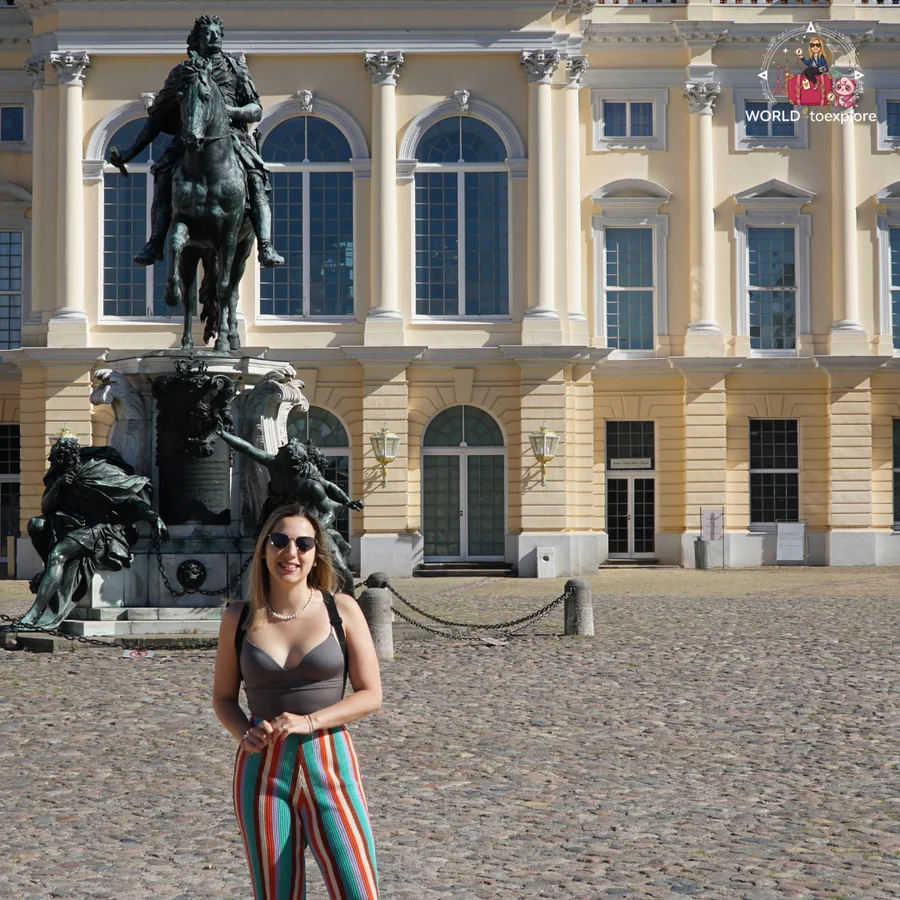
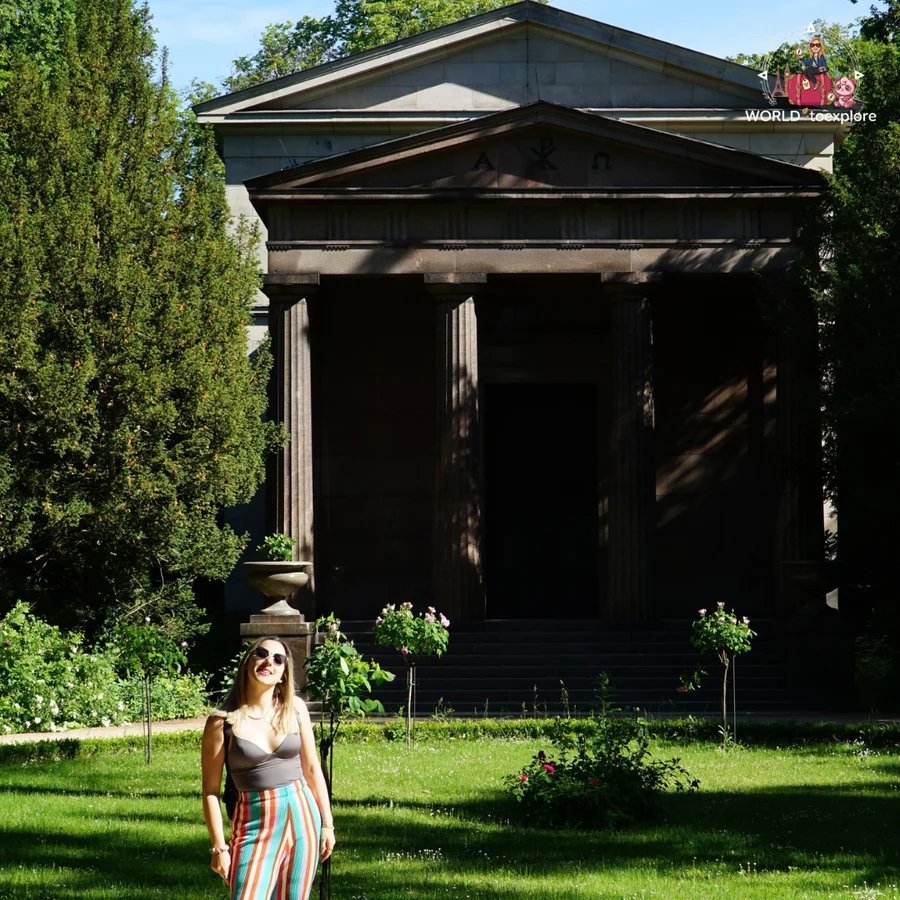
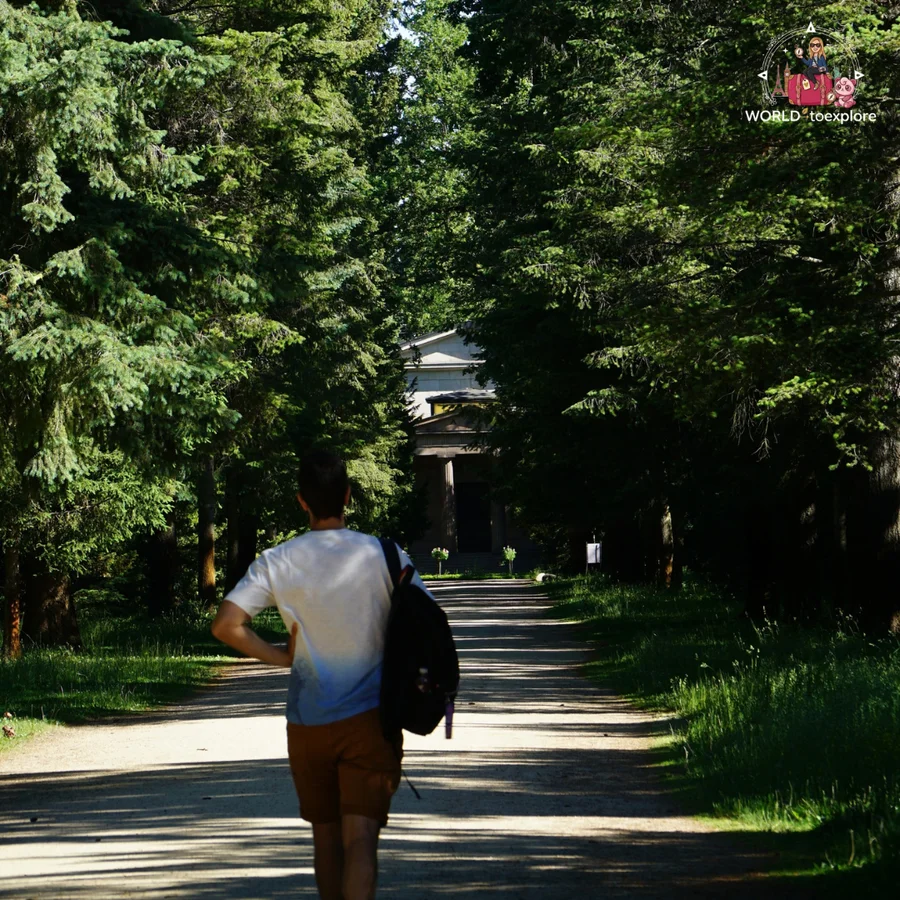
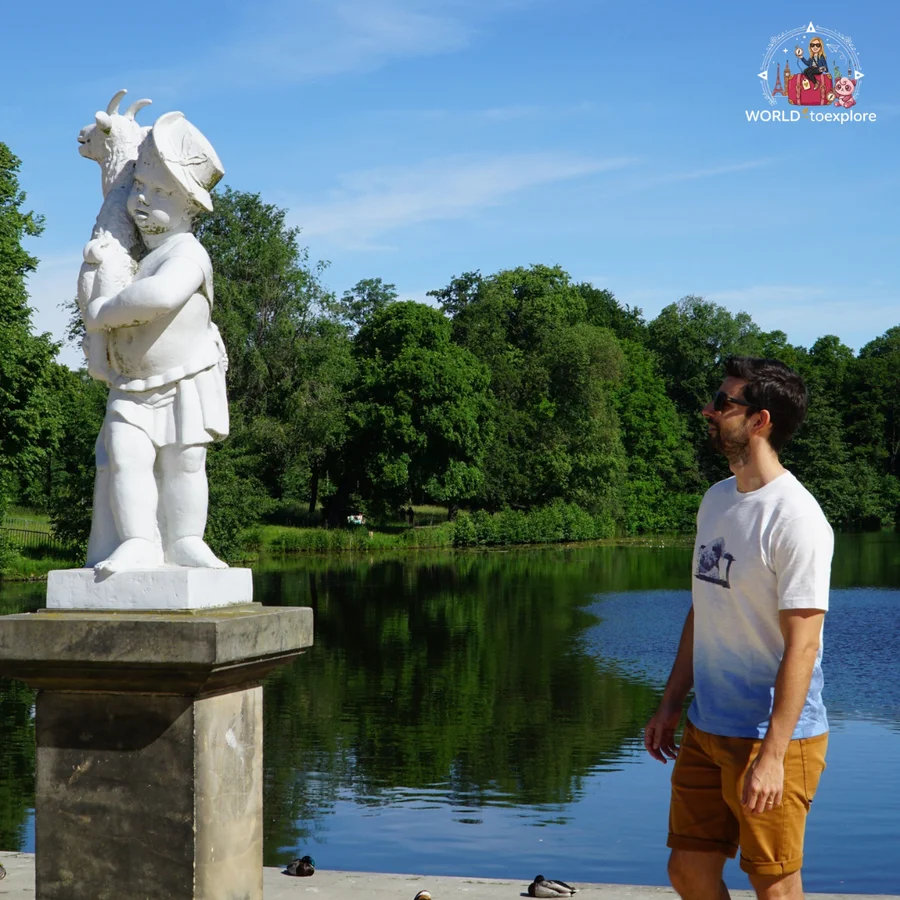
After breakfast, we headed to the gardens and ended up walking a good part of the park before the palace opened. We went almost all the way round, passed by the Mausoleum and explored everything without any rush. As it was a Sunday morning, there were already plenty of people running, walking their dogs or simply out for a stroll, which reinforces the idea that this space really works as a public park and not just as part of the palace. When we got back to the entrance, there were about 20 minutes left until opening and a small queue was already forming. Even so, as we had arrived early, we were among the first to go in and buy tickets.
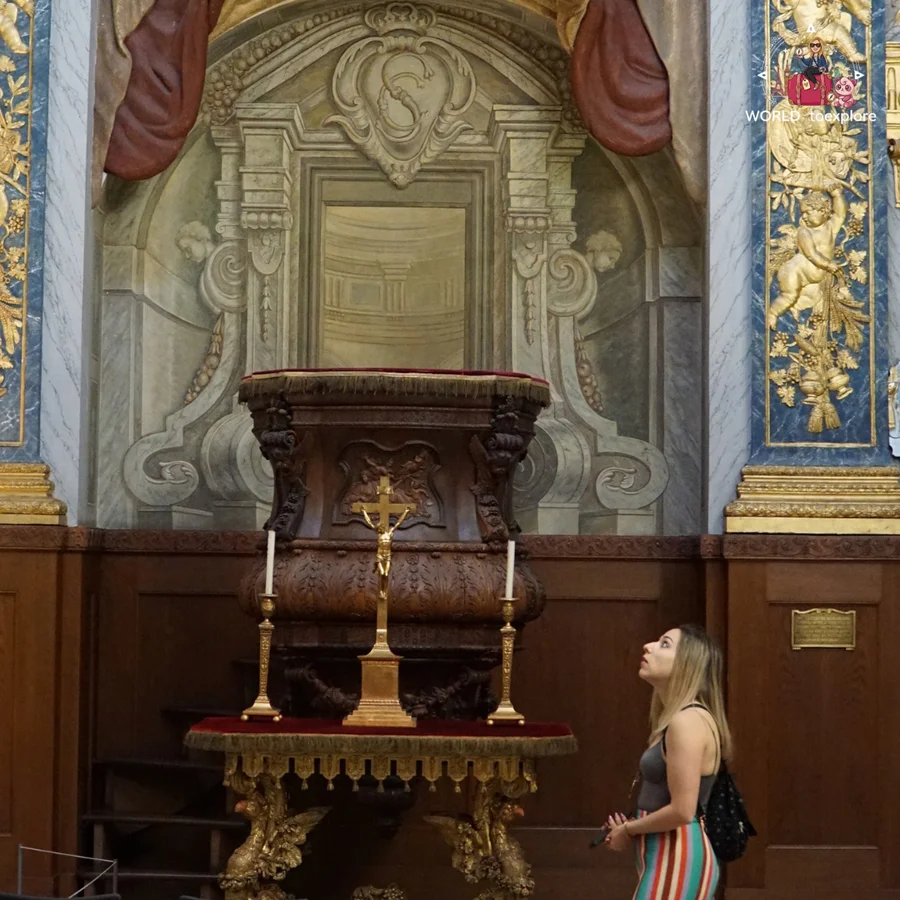
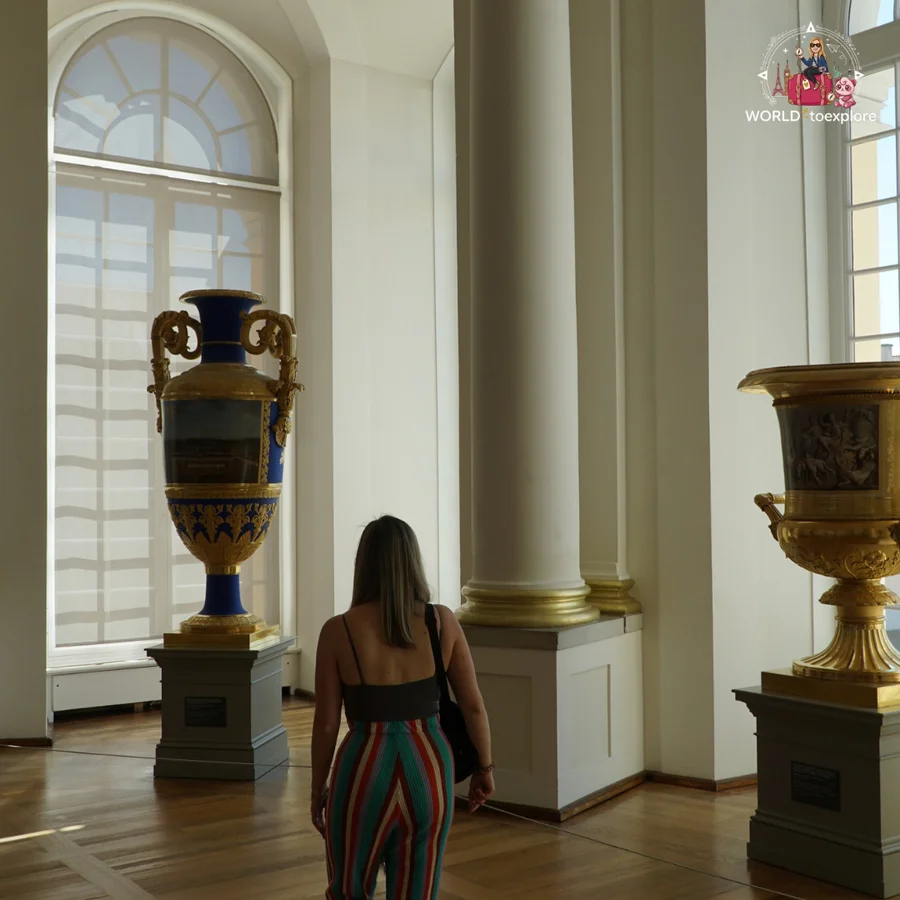
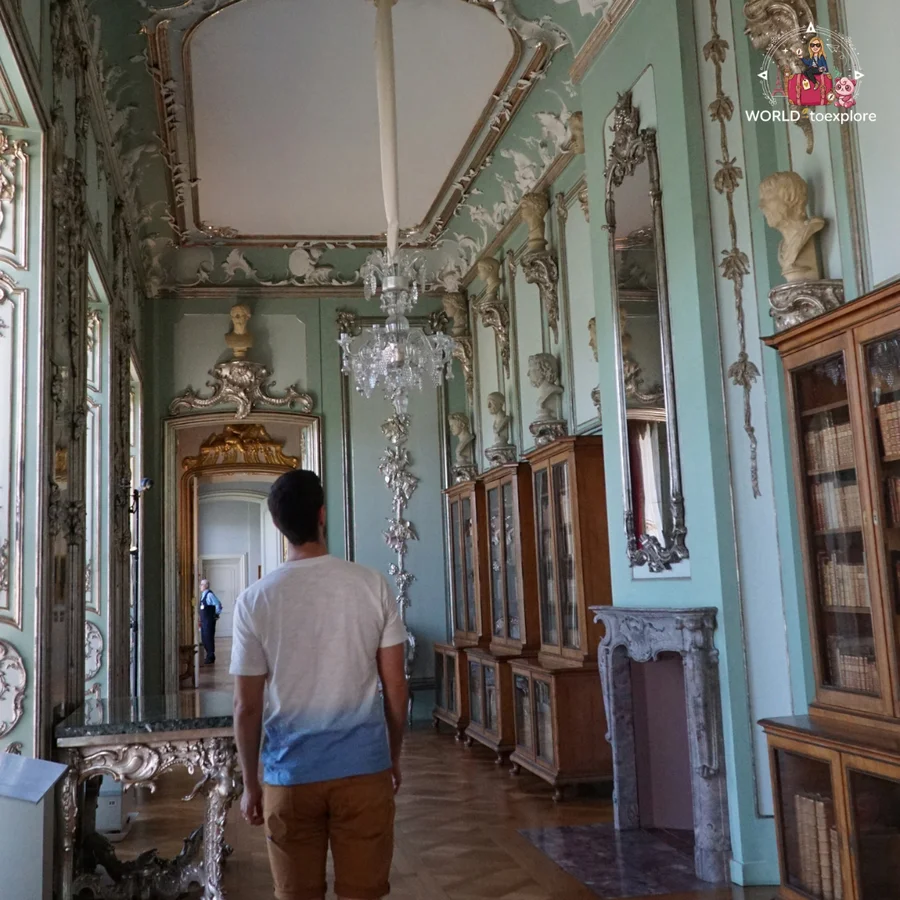
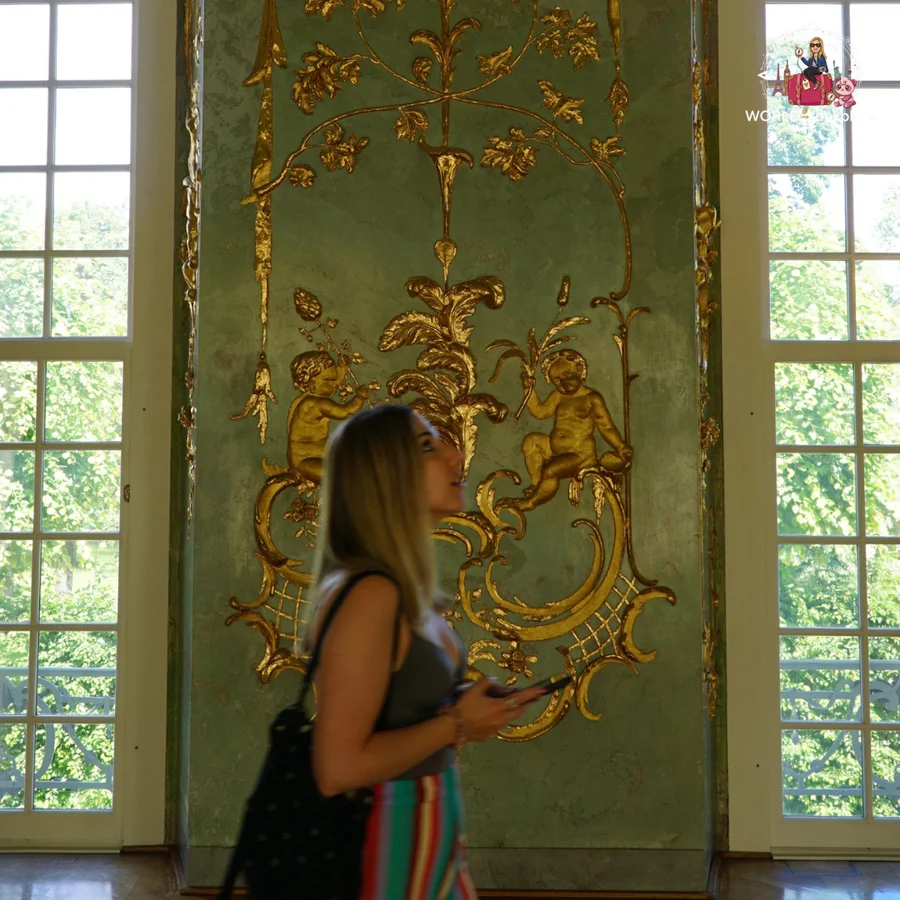
We started with the Old Palace, where we left our backpack in the cloakroom before going in. When we finished that part, we headed to the New Wing. The entrance is very close, at most five minutes on foot, but it is separate. There was no cloakroom here, so we had to leave the backpack in a locker before continuing the visit. The route through the interior is very comfortable and we never had that feeling of simply passing from room to room endlessly. For me, the big highlights are in the New Wing, especially the Golden Gallery and the White Hall. The Golden Gallery is very rich and intricate, while the White Hall impresses more with its scale, its painted ceiling and the space itself. They are two completely different rooms, but they end up being among the most imposing of the whole visit and also among the ones that stay with you the most.
In total, between the gardens and the interiors, we spent about four hours at Charlottenburg. By the time we left it was lunchtime, so I would set aside at least half a day for this visit. You can see everything at a relaxed pace, wander around the gardens a bit and do both routes through the palace, the Old Palace and the New Wing.
- Opening hours: Tuesday to Sunday, 10.00am to 5.30pm from April to October and 10.00am to 4.30pm from November to March. Closed on Mondays
- Tickets: can be bought at the ticket office or on the official website
- Price: €12.00 for the Old Palace and €12.00 for the New Wing. The combined charlottenburg+ ticket costs €19.00 and includes the museum spaces open in the complex that day
- Gardens: free entry, with no need to buy a ticket for the palace
- Time needed: 4 to 5 hours (gardens + palace)
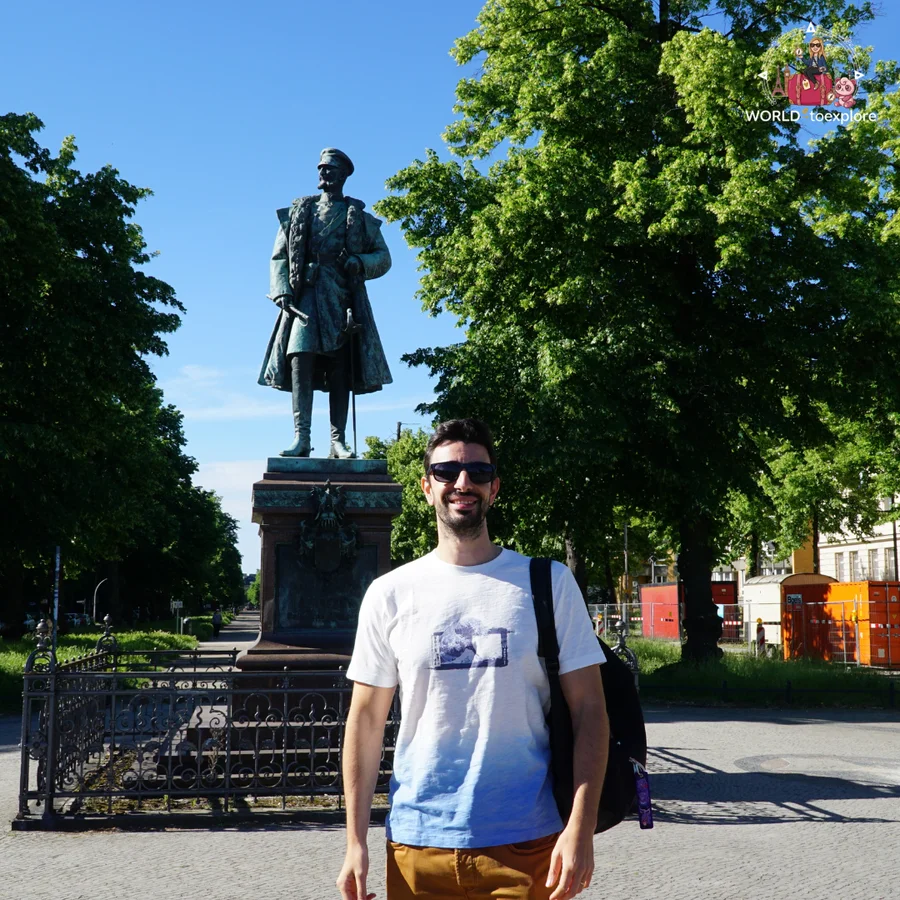
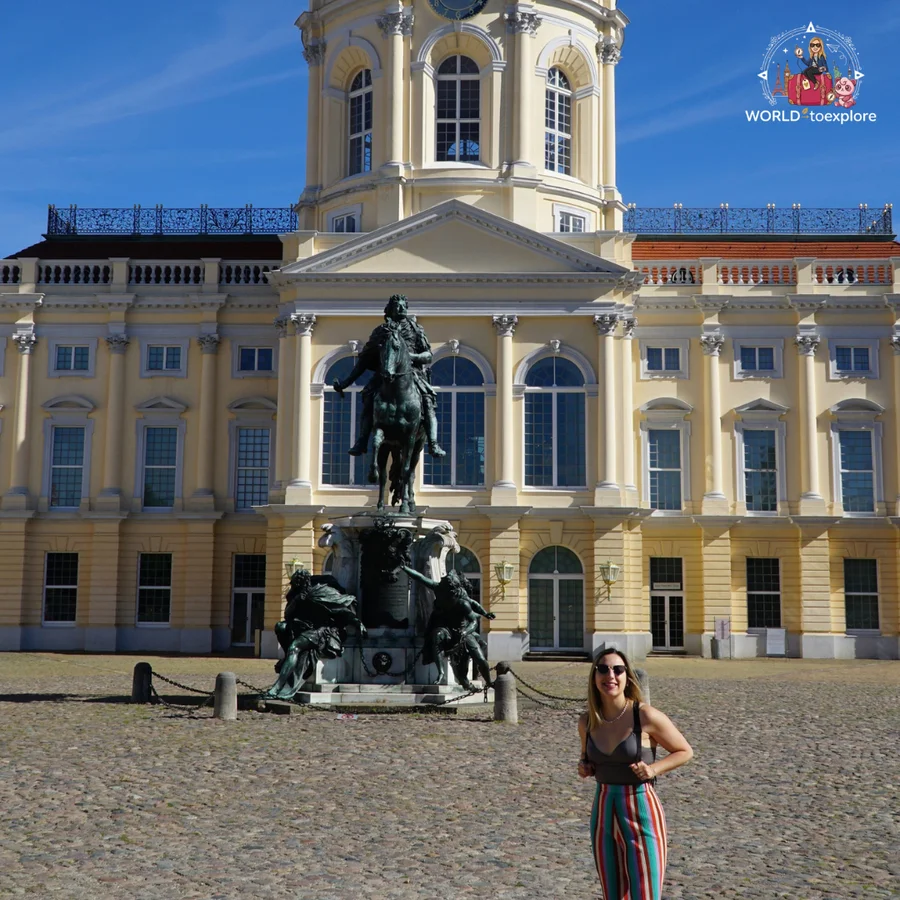
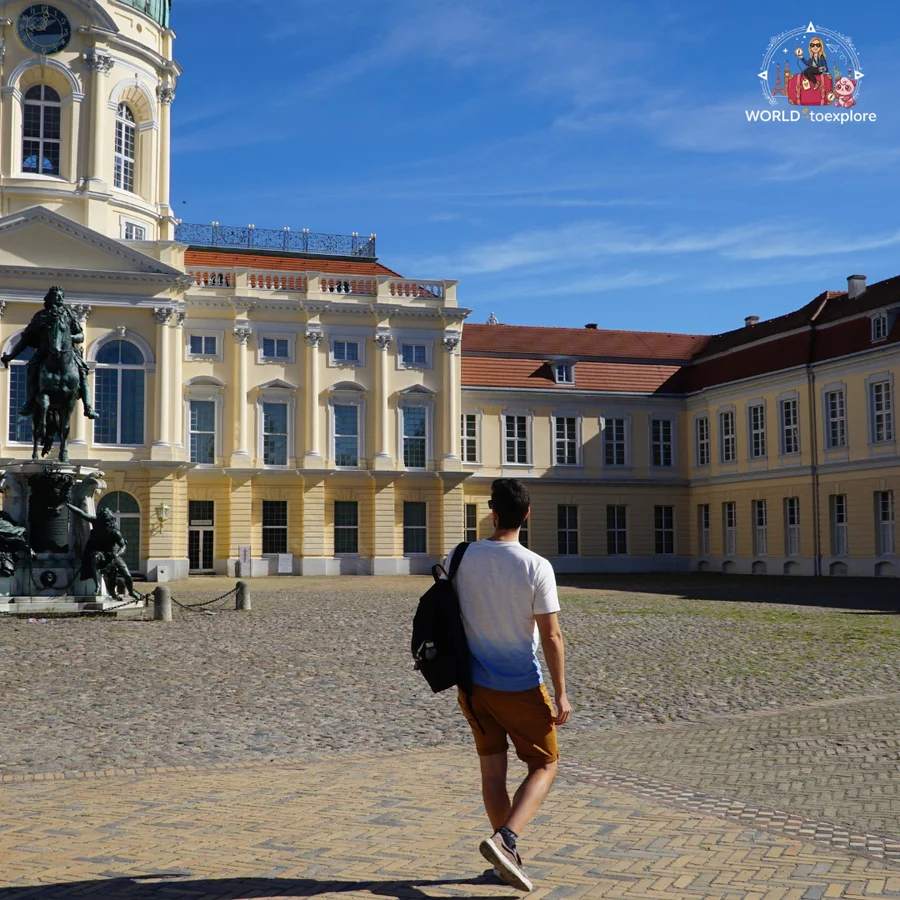
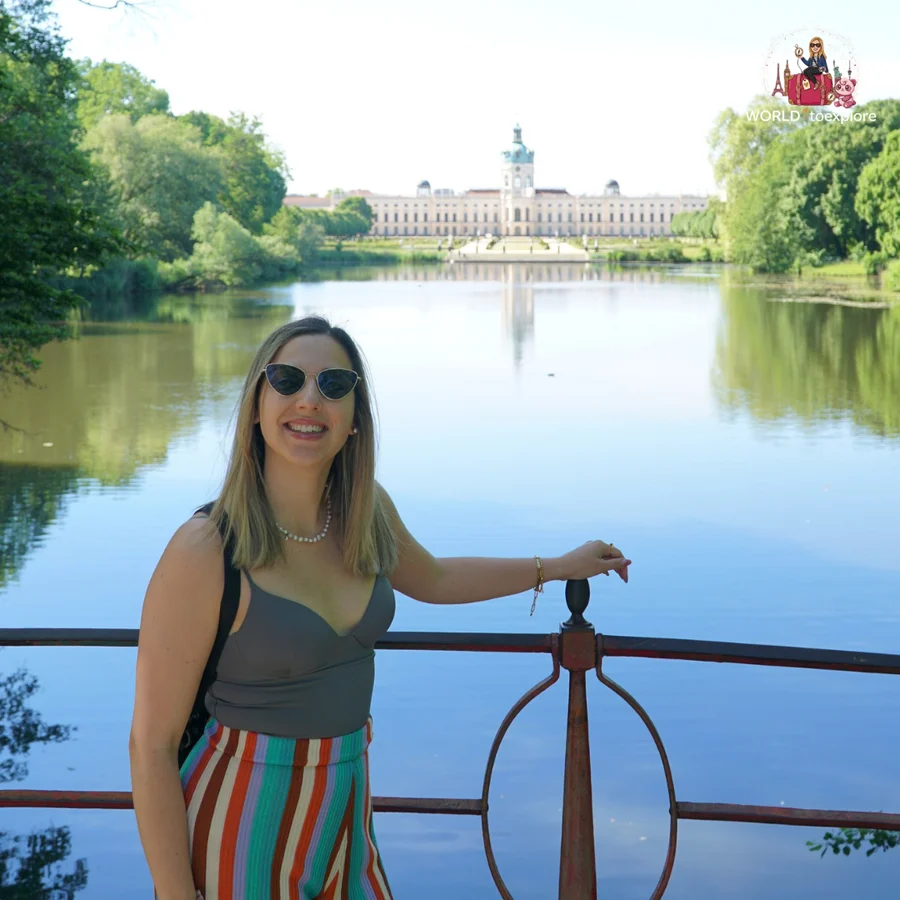

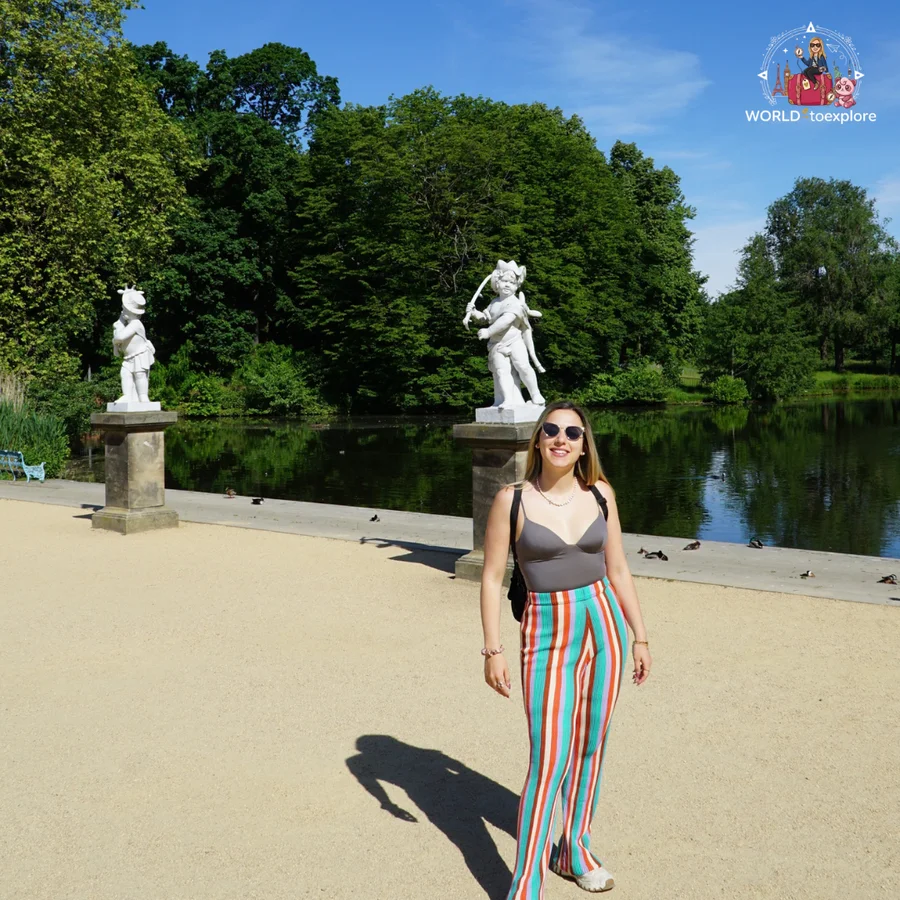
The visit to Charlottenburg Palace is well worth it, especially if you want to discover a different side of Berlin's history and step away from the city's more obvious itinerary. Between the interiors, the New Wing and the gardens, there is plenty to see and the visit turns out to be more complete than it might seem at first glance.
The only downside is the location. It is slightly out of the centre and there is no major tourist attraction within easy walking distance. So I recommend setting aside a morning or an afternoon just for Charlottenburg, taking the opportunity to visit at a relaxed pace, stroll through the gardens and not rush to squeeze in another stop on your itinerary afterwards. In our case, when we finished the visit we took a bus to the area of the Berlin Wall Memorial, spending the rest of the day in another part of the city. 🩷
Find all our articles about Berlin here to help you better plan your itinerary for the city.
You Might Also Like

Berliner Dom, One of Berlin's Most Beautiful Churches
The Berliner Dom is one of Berlin's most beautiful churches, with a green dome that stands out on Museuminsel. We cover the building's history, marked by the Second World War and the city's division, and what our visit was like, from the crypt to the top of the dome.

The story of a city divided by the Berlin Wall
One night in August 1961, Berlin woke up cut in two by barbed wire. The story of the Berlin Wall, from the day it went up to the night it came down, and what you can still see of it in the city today.