The story of a city divided by the Berlin Wall
For 28 years Berlin was divided by a wall that separated the two halves of the city but, more than that, changed the lives of the people who lived there. Overnight, families were kept apart and many people could no longer move freely around their own city. The wall became part of Berlin's landscape, and part of the daily routine of everyone who grew up with that division.
To understand why this happened, we have to go back to the end of the Second World War. That was when Germany, and the city of Berlin itself, were divided between the countries that had won the war. At first the division was mostly political and administrative, but as the years passed it became more and more real in the lives of Berliners. That separation finally turned physical in 1961, when the East German authorities decided to close the border and build the wall. On one side was West Berlin, tied to the Western allies; on the other, East Berlin, under Soviet influence.
Why was the Berlin Wall built?
The Second World War ended in 1945 with the defeat of Germany, which surrendered to the Allies. The United States, the United Kingdom, France and the Soviet Union, the countries that had won the war, took charge of governing Germany. The country was divided into four zones, each controlled by one of these powers. Berlin ended up in a similar situation: although it lay inside the Soviet zone, the city was also split between the four countries.
The differences in how each side governed kept growing and the relationship between them became increasingly difficult. In 1949 Germany was officially split into two countries, each following a different political model. The Federal Republic of Germany, known as West Germany, was aligned with the United States, the United Kingdom and France, while the German Democratic Republic, or East Germany, fell under Soviet influence. Berlin stayed divided, but the western half became a kind of island inside East German territory.
Even though Berlin was divided between the two sides, there was still no wall physically separating the city. There were checkpoints and some restrictions, but it was still possible to move from one part of the city to the other without much trouble. That made Berlin one of the main ways out of East Germany for anyone who wanted to reach the West. The number of people taking that route kept growing, especially among the young and the highly qualified. Many were looking for better work and study opportunities, while others simply wanted the freedom to choose where to live. Between 1949 and 1961, around 2.7 million people left East Germany, many of them through Berlin. For the government this exodus was becoming a bigger and bigger problem, not only because of the population it was losing but also because of the shortage of workers in several sectors.
It was in this context that the East German authorities decided to close the crossing between the two sides of the city for good. In the early hours of 13 August 1961, they began laying barbed wire and barriers across the streets that linked East Berlin to West Berlin. Many people woke up to find their streets blocked, with no idea that the separation would last almost three decades.
Over the following days that first barrier was reinforced until it became harder and harder to cross. The barbed wire was replaced by large concrete blocks and, alongside the wall, watchtowers, checkpoints and a security zone were built. The idea was to stop people in East Berlin from crossing into West Berlin. In time the wall became part of the city's landscape, cutting through streets and separating neighbourhoods that had always been connected.
What was it like to live with the Berlin Wall?
For anyone living in Berlin, the wall quickly became part of everyday life. Families who lived on different sides of the city could no longer visit each other, and some people were kept away from their relatives for years. Anyone who worked or studied on the other side of the wall had to find new arrangements, because many of the streets they used every day were closed off. A journey that had taken a few minutes could suddenly stop being possible at all. The wall completely changed the routine of everyone living in Berlin, from the way people got around to the way they worked and kept in touch with their families.
The wall was not just the great concrete barrier. Along the border there were also floodlights and other obstacles that made any attempt to cross harder still. For anyone living in East Berlin, crossing into the West without permission was extremely difficult and could lead to arrest or even death. So anyone who tried had to find increasingly risky ways of doing it.
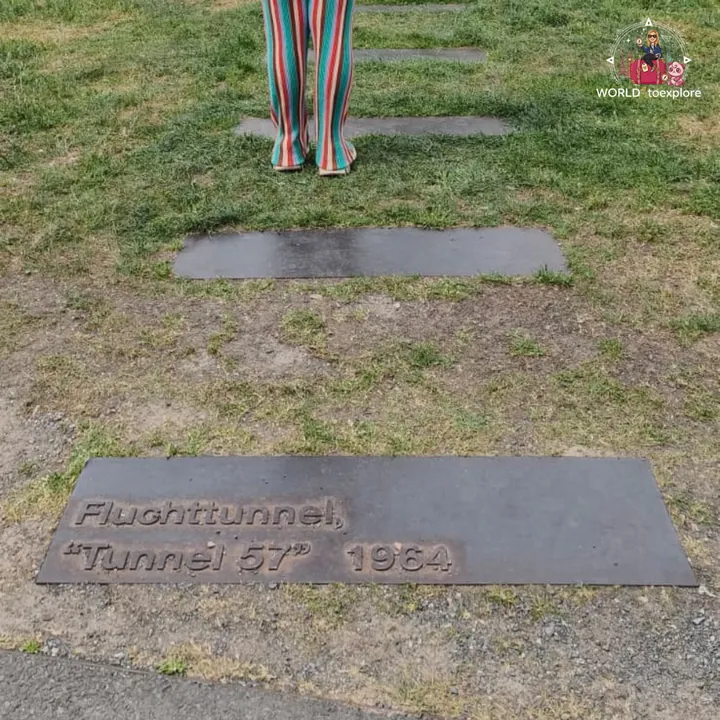
Even with all the surveillance, there were people who never gave up trying to escape. Some dug tunnels under the wall, others hid inside cars to get through the checkpoints unnoticed. There were also those who tried jumping from buildings next to the border, or looked for other, often extremely dangerous, ways of reaching the other side. Some people made it, but many more were caught, and there were those who lost their lives in the attempt. Every escape had its own story, but they all showed the risk some people were willing to take to get out of East Germany. For anyone living on that side of the city, crossing the wall could mean far more than reaching the other half of Berlin: it could mean being able to choose where to live.
Why did the Berlin Wall fall?
By the late 1980s things were starting to shift in East Germany and discontent on the streets was growing. Many people were tired of the restrictions and wanted more freedom, above all to travel and to be able to leave the country. At the same time other countries in Eastern Europe were changing, which led many people to believe the same was possible in East Germany. In 1989 the protests began to grow and thousands took to the streets, mainly in Leipzig. The demonstrations happened every week and drew more and more people, calling for changes in the way the country was governed. The scale of the protests began to surprise even the people organising them. The pressure on the government mounted and keeping the same rules in place became increasingly difficult.
On 9 November 1989 the East German government announced new rules that would let people travel to the West with far fewer restrictions. During a press conference, Günter Schabowski, one of the government's officials, was asked when the new rules would come into force. Schabowski replied that they were valid “immediately”, even though the authorities had not yet prepared the crossing points to open.
The news spread quickly and, that night, thousands of people gathered at the crossing points. Many had heard about it and wanted to find out whether it was really true. The border guards had no idea how to handle the crowd, which kept demanding to be let through. Under the pressure, the gates were finally opened. Suddenly, after 28 years, East Berliners could cross into West Berlin without being stopped. On the other side people were waiting to greet them, and the hugs, the tears and the celebrations started almost at once. Some climbed on top of the wall, some celebrated in the streets and some simply stood there, unable to believe that the barrier that had been part of their lives was finally coming down.
The wall did not come down all in one night. Over the following days thousands of people gathered at the barrier to help tear it down. Many Berliners turned up with hammers and other tools and started chipping pieces off the concrete, while machines lifted away the larger slabs. For anyone who had lived with that division for decades, being able to take part in its destruction meant a great deal.
Over the following months most of the wall was removed and the two halves of Berlin finally began to join up again. Streets reopened, transport went back to normal and it became possible to move around the city without the barriers that had shaped Berliners' lives for 28 years. The fall also marked the end of the division between East and West Germany, which would be reunified on 3 October 1990.
What is left of the Berlin Wall today?
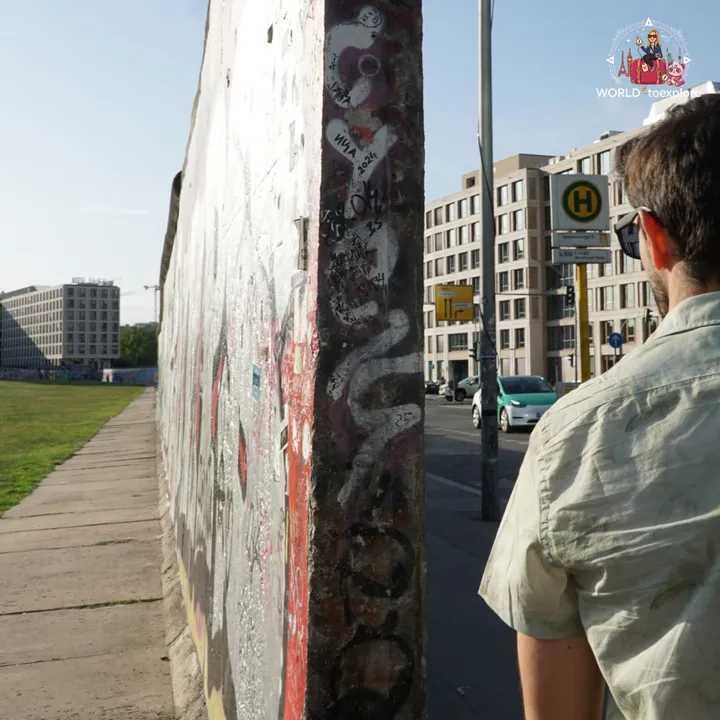
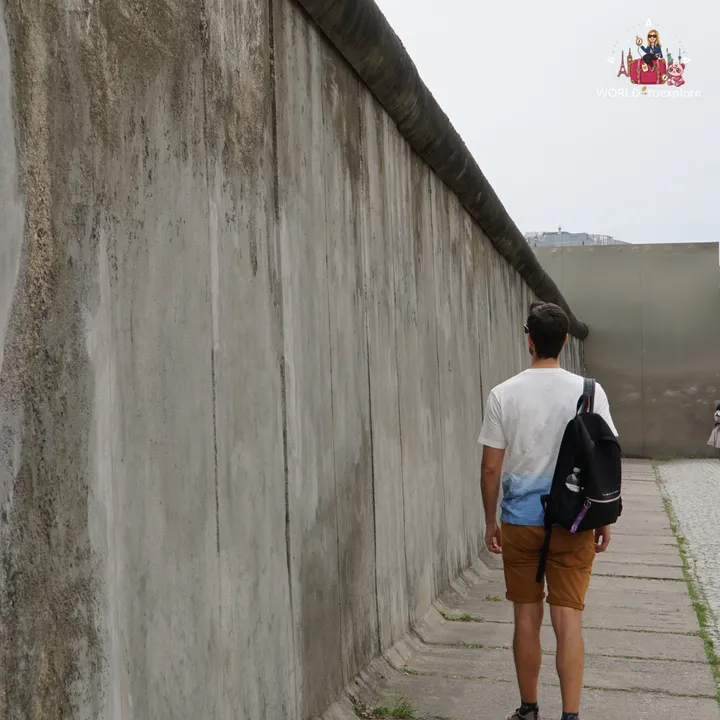
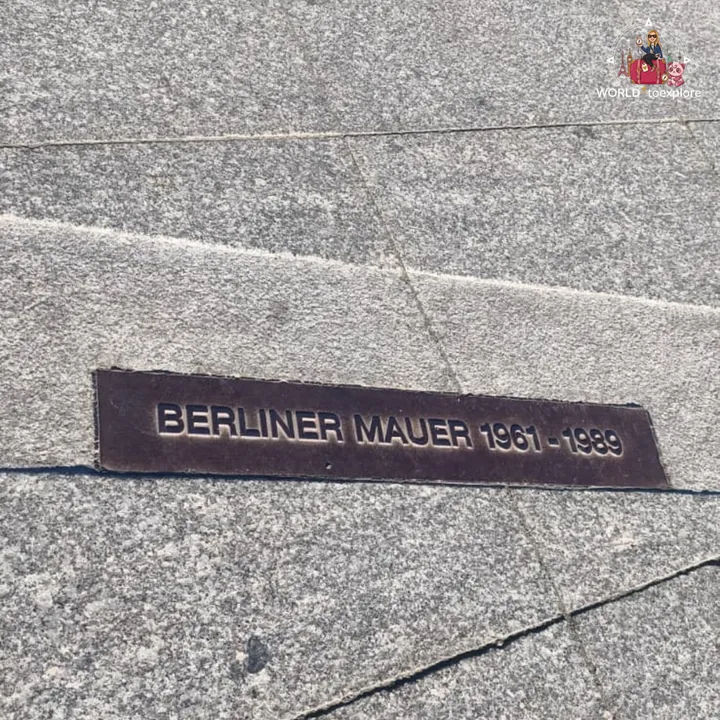
After everything that happened, it may seem strange to think that there are still pieces of the Berlin Wall scattered around the city and even around the world. Most of it was destroyed after the fall, but some stretches were preserved and can be visited today. In some parts of the city there is no wall left at all, but small markings on the ground still show where the old border ran.
For anyone visiting Berlin today, walking past these places helps you picture what the city was like back then. It is hard to believe that streets which look completely ordinary today spent 28 years divided by a wall that separated families, cut off everyday routes and stopped so many people from moving freely. Today we can walk through those same places without any restriction, something that seemed impossible to anyone who lived through that time. These are the places that still hold part of this history.
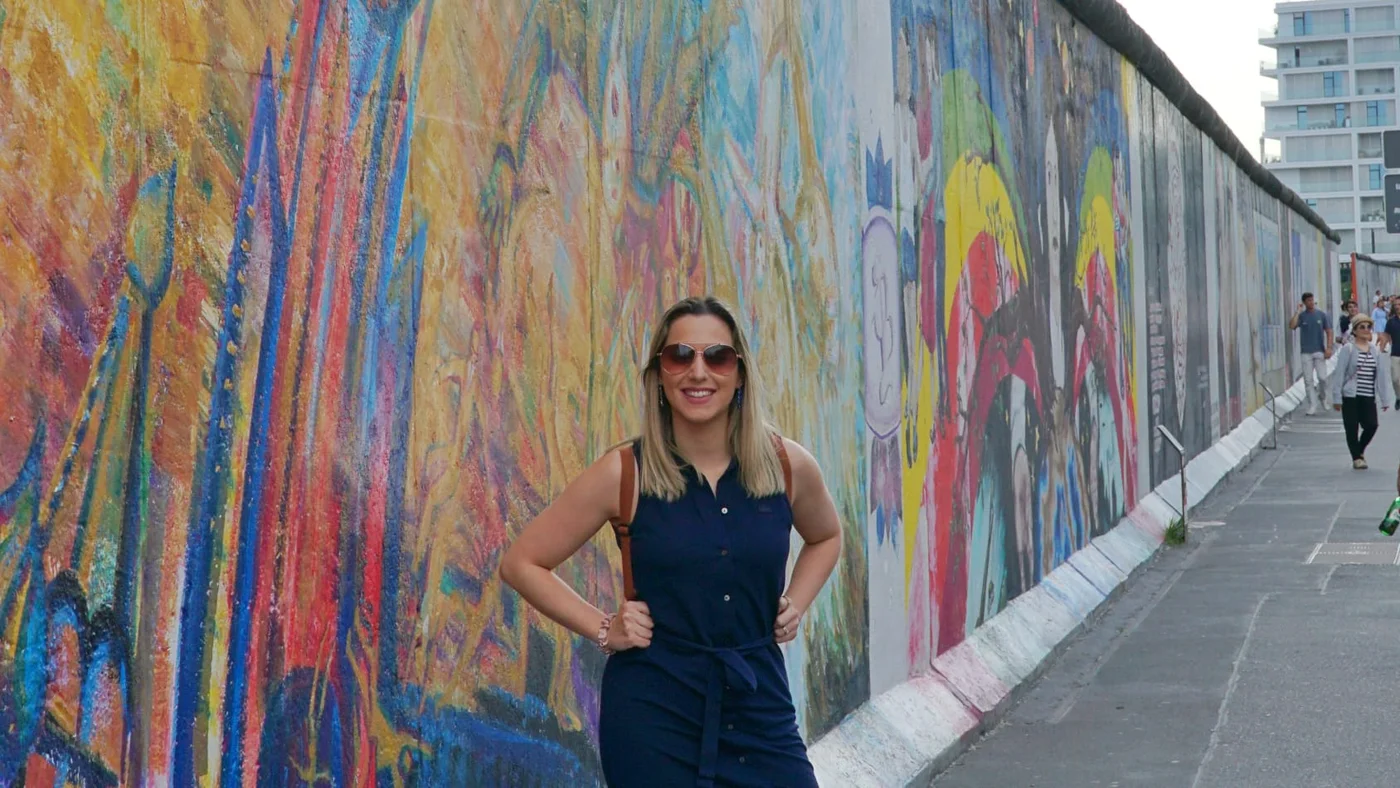
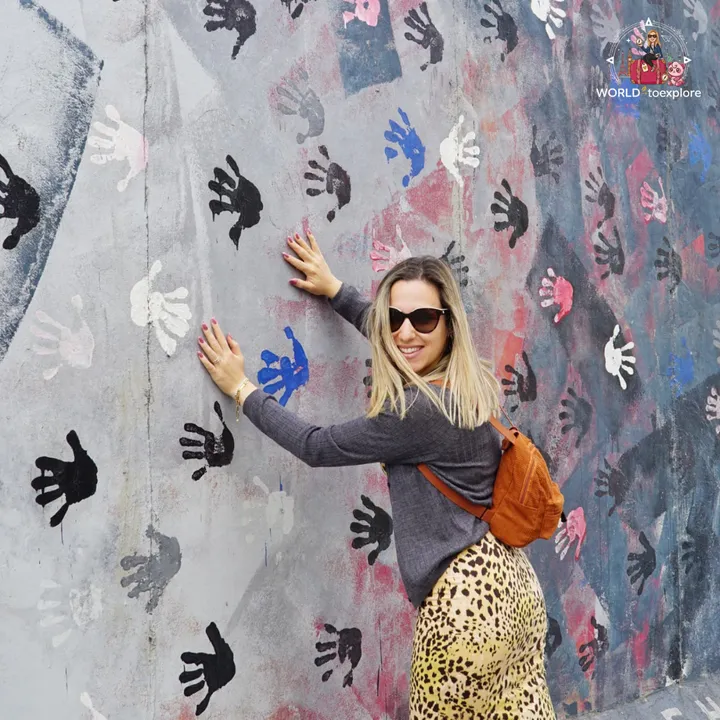
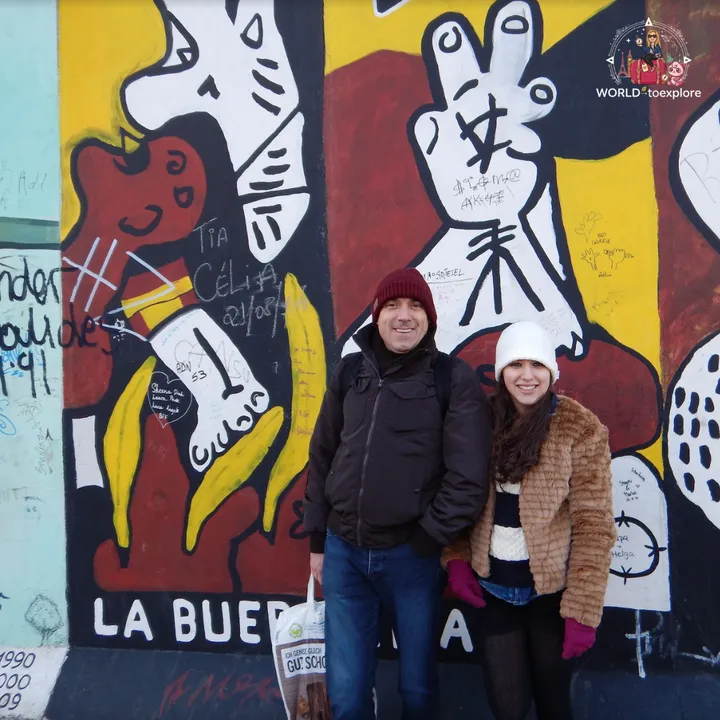
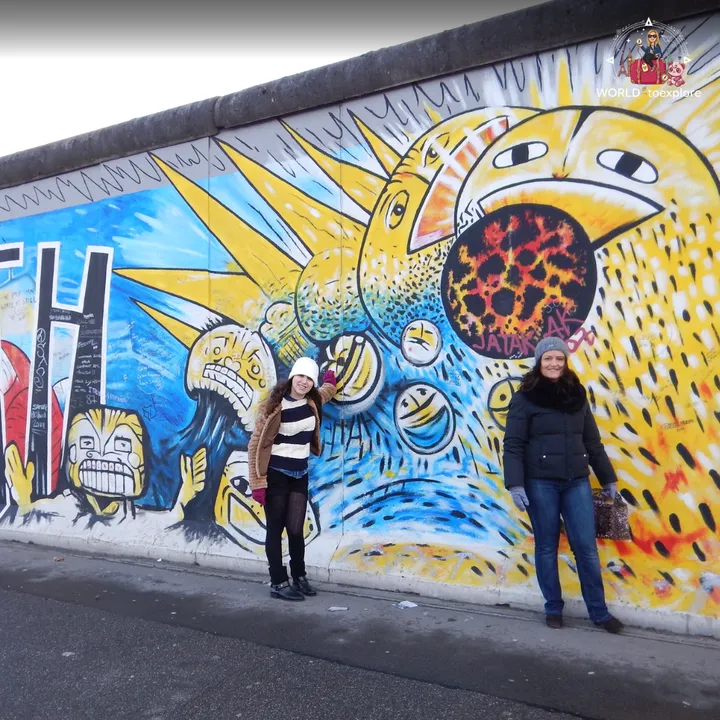
East Side Gallery
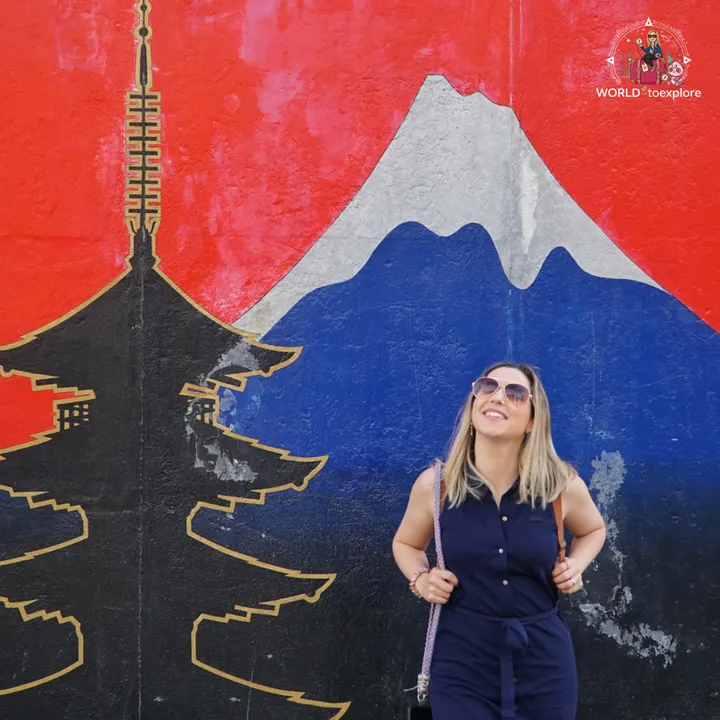
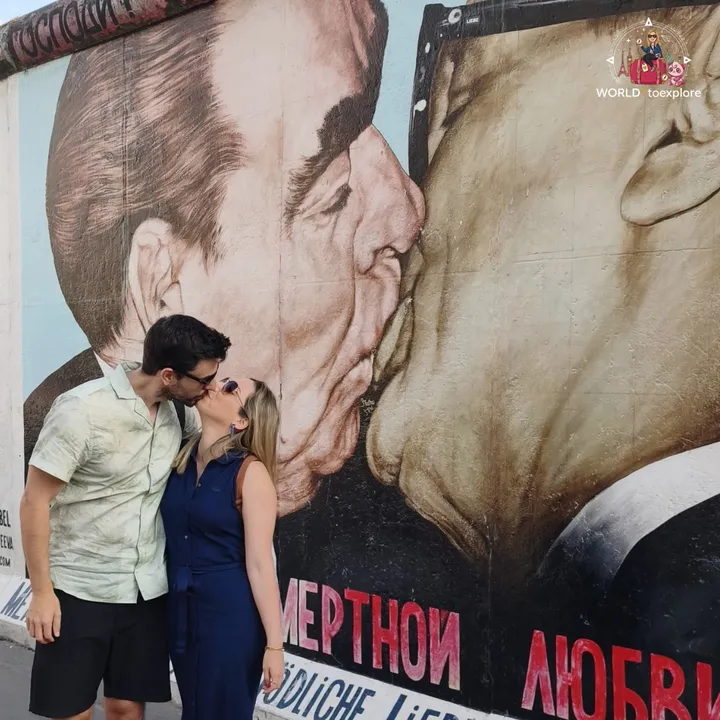
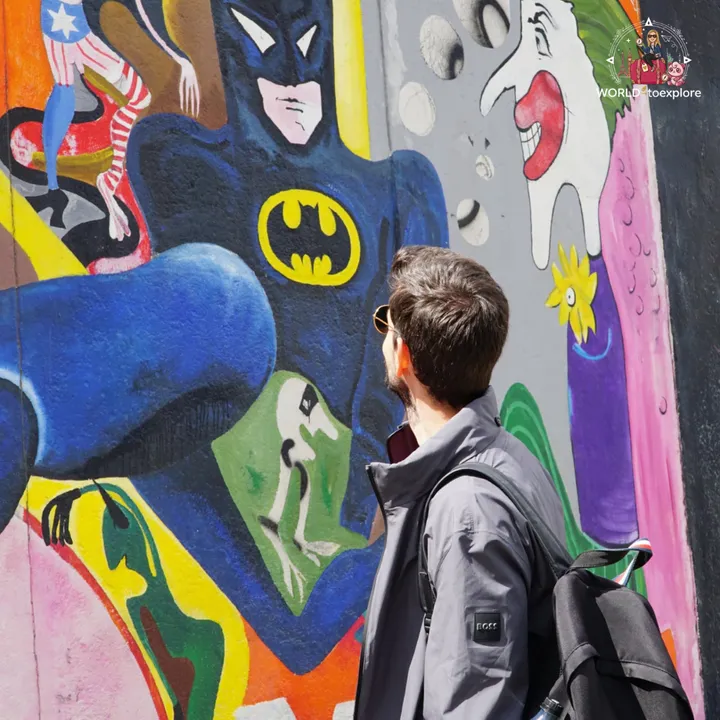
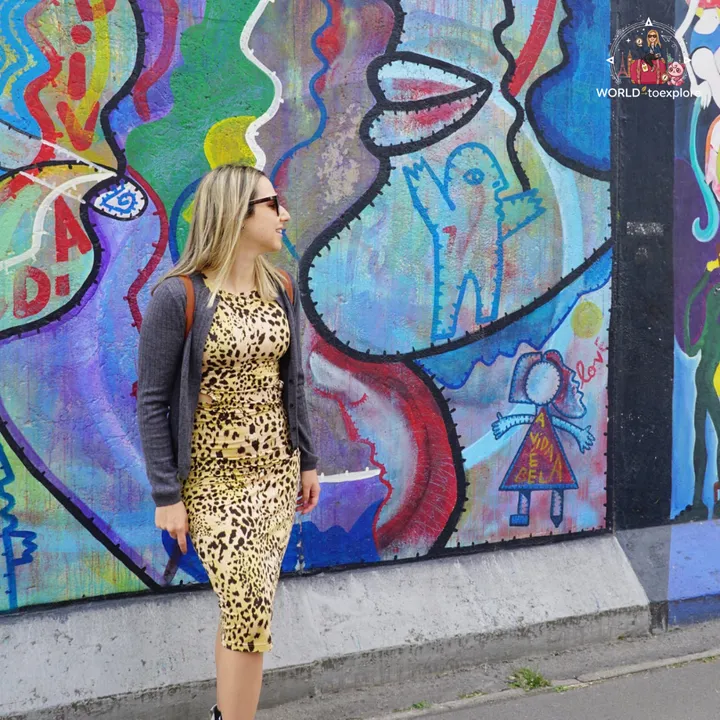
The East Side Gallery is probably the best-known surviving stretch of the Berlin Wall. At around 1.3 kilometres, it is also one of the largest open-air art galleries in the world. After the wall came down, more than a hundred artists from different countries were invited to paint this stretch, turning what had stood for division into a huge gallery. Among the best-known paintings is the famous kiss between Leonid Brezhnev and Erich Honecker.
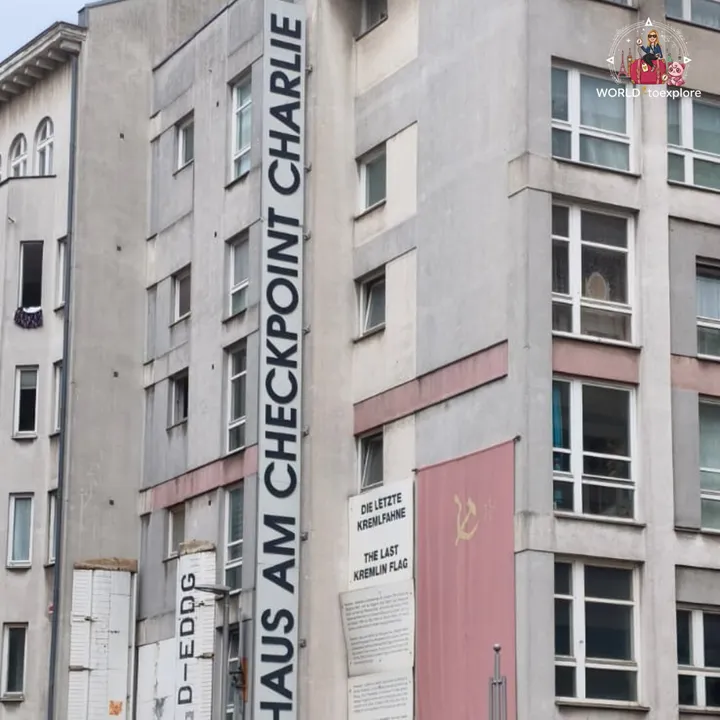
Checkpoint Charlie
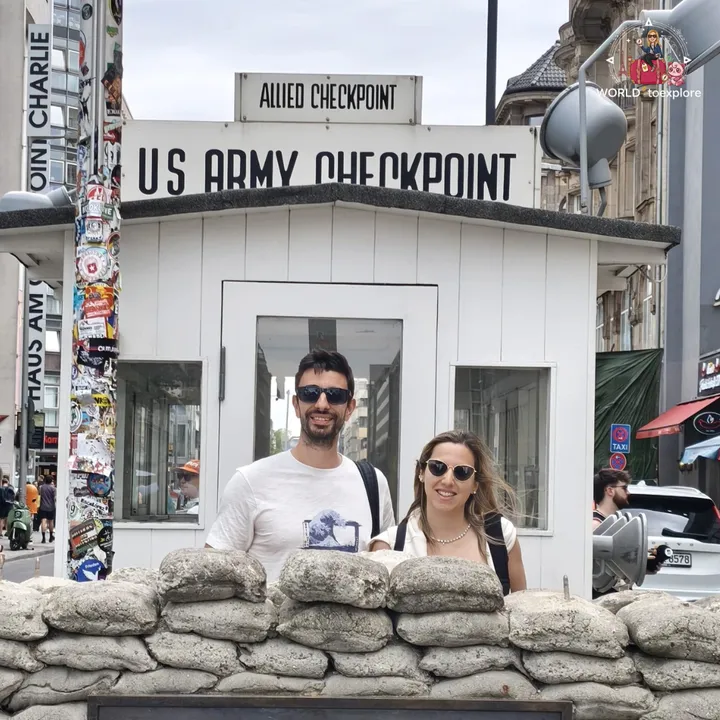
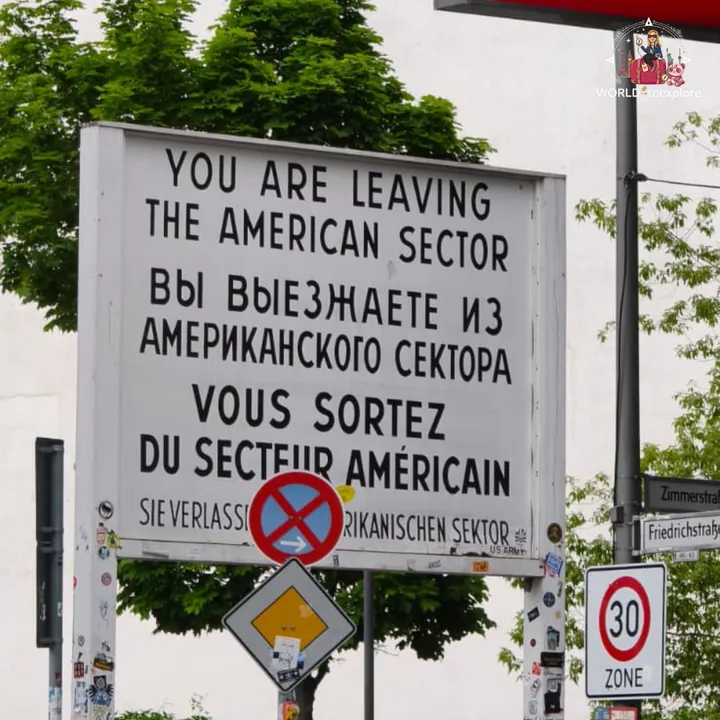
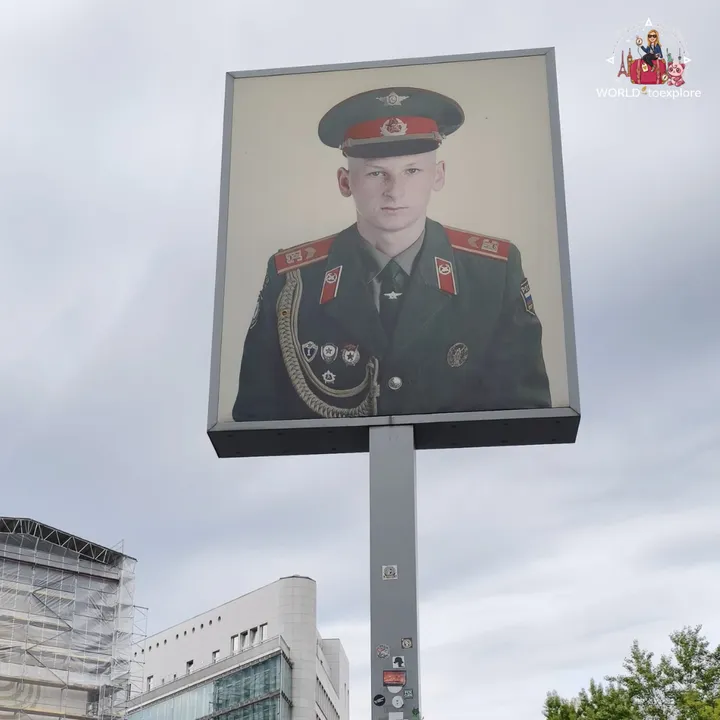
Checkpoint Charlie was one of the main crossing points between East and West Berlin and became a symbol of the divided city. It was used mostly by foreigners, diplomats and military personnel, since East Berliners faced far tighter rules. The guard hut standing there today is a reconstruction, but the area still recalls a time when crossing that street could mean stepping into a completely different side of the city.
Topography of Terror
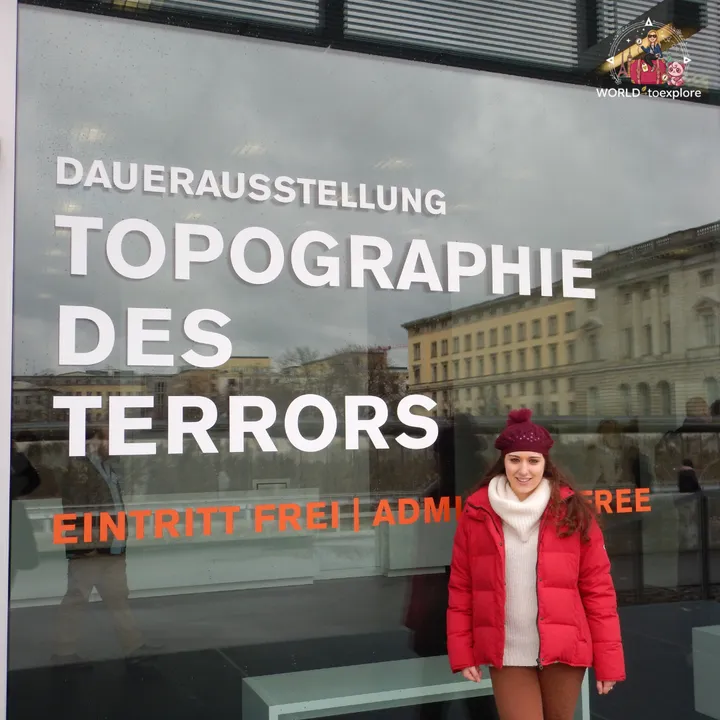
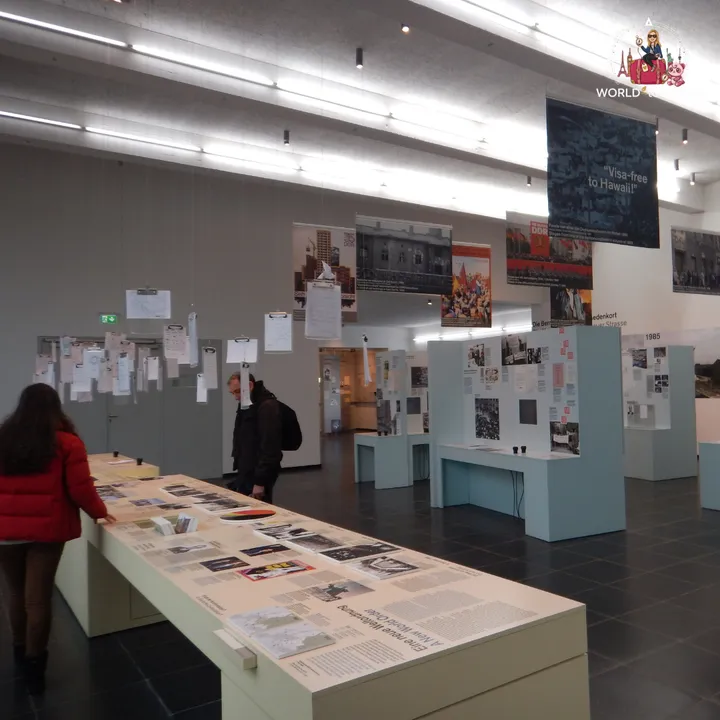
At the Topography of Terror you can still find one of the surviving stretches of the Berlin Wall, next to the ground where the Gestapo and SS headquarters once stood. The site brings together the history of the wall and the history of Nazi repression, since the border was built there years later. Today the preserved stretch can be seen free of charge outside the documentation centre.
- Opening hours: Daily, 10.00h to 20.00h. The outdoor area, where the stretch of wall stands, can be visited until dusk, at the latest 20.00h.
- Price: Free admission.
Berlin Wall Memorial
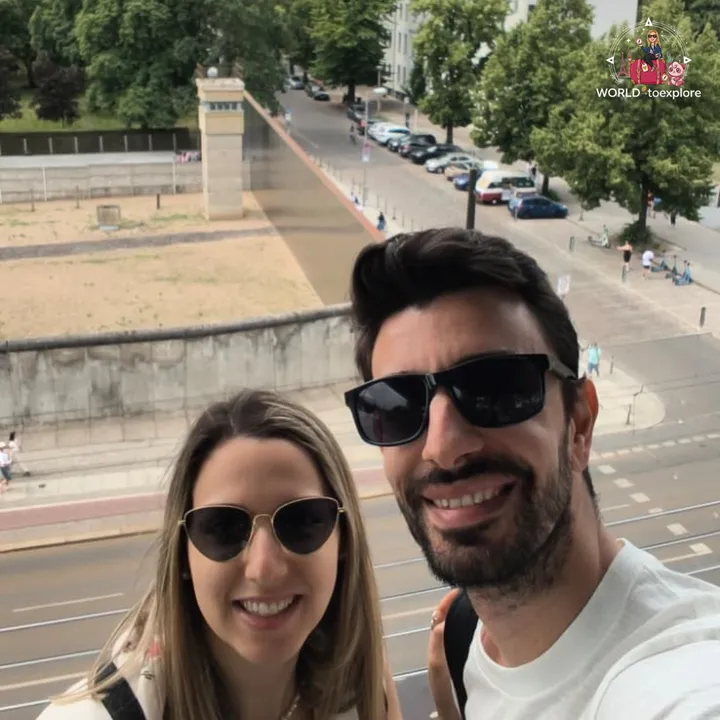
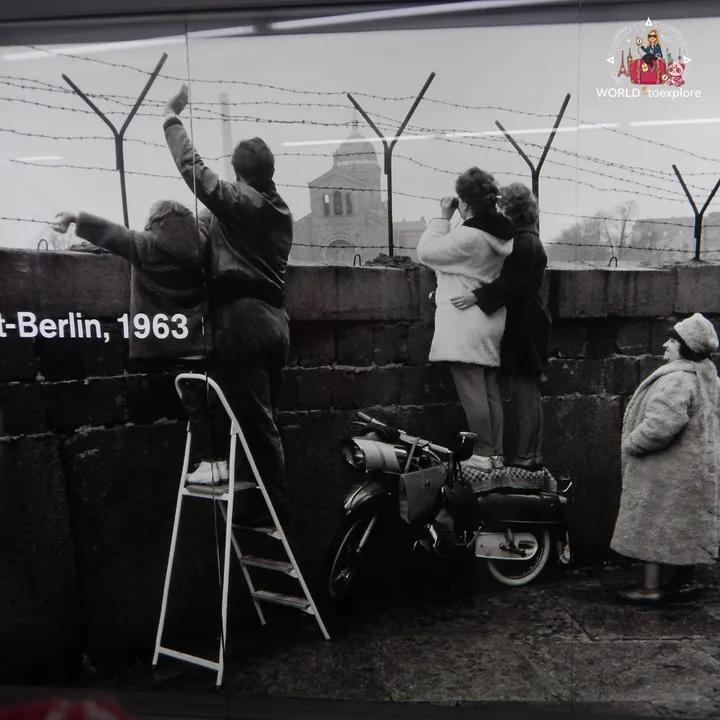
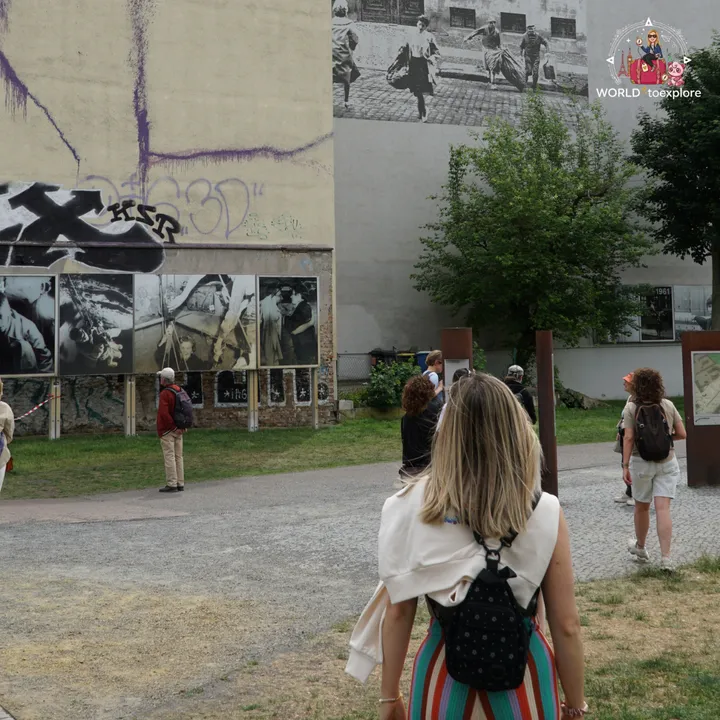
The Berlin Wall Memorial, on Bernauer Strasse, is one of the best places to understand what the border was like and the mark it left on people's lives. Parts of the old security system are still there, including a stretch of the wall, a watchtower and an area showing what the so-called death strip looked like. The site also tells the stories of people who tried to escape and of the families who were separated when the wall went up.
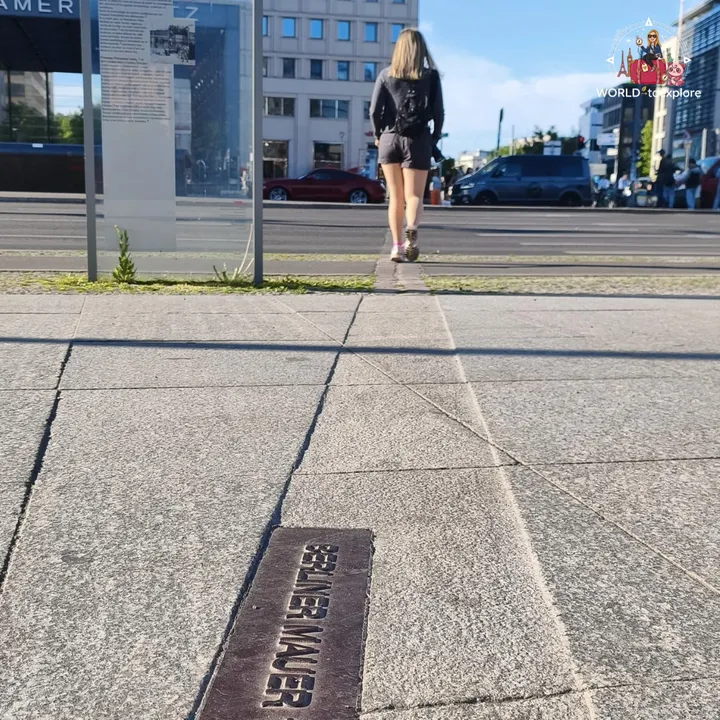
Markings on the ground in Berlin
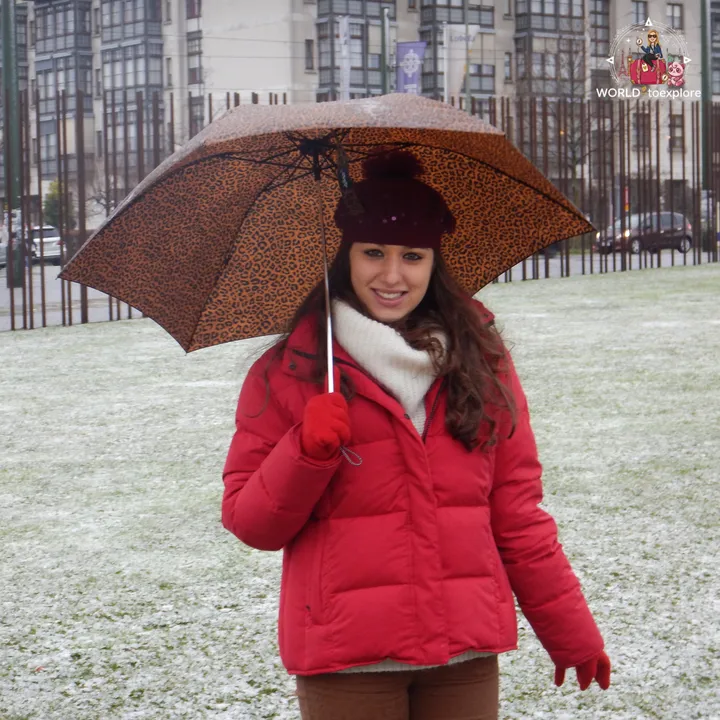
Even where there is no piece of the wall left, you can still find traces of the old border. On several streets across the city, small markings on the ground show where the wall ran and help you picture how the division cut through Berlin. For anyone visiting the city, it is a simple way to come across the old border even in areas where nothing today recalls that time.
Pieces of the wall scattered around the world
After the Berlin Wall came down, several pieces were taken away and ended up leaving the city. Some were sold, others given away, and many were taken to museums, squares and institutions in different countries. That is why you can still find fragments of the wall outside Germany today. They are small pieces of concrete, but they carry part of the history of a barrier that divided an entire city for 28 years.
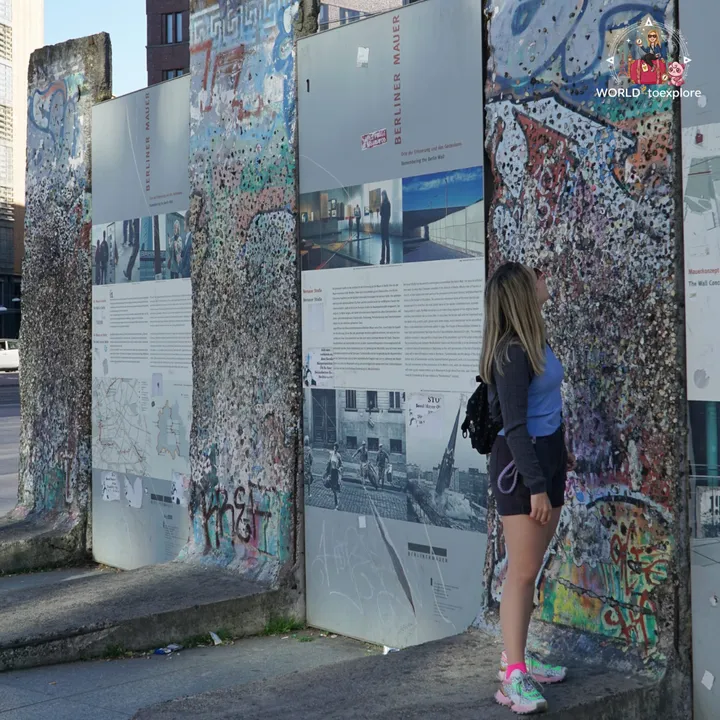
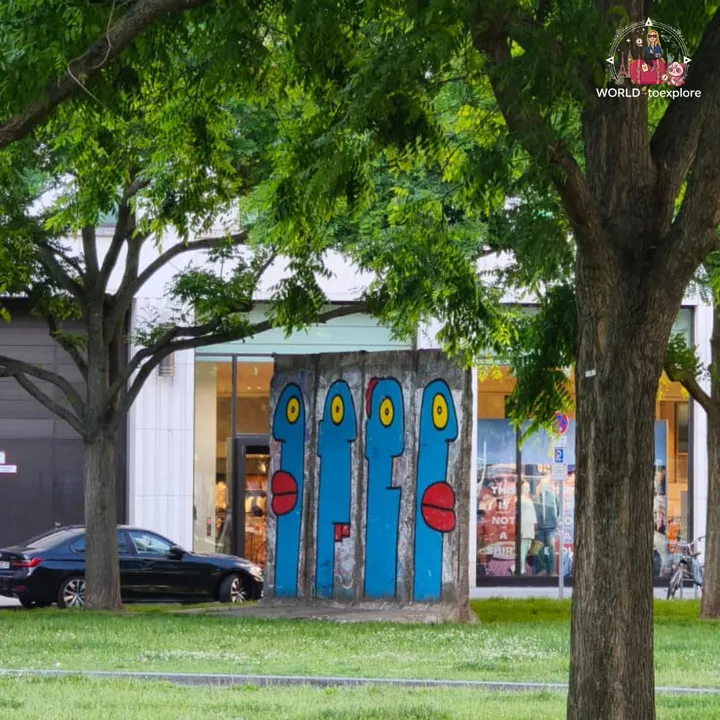
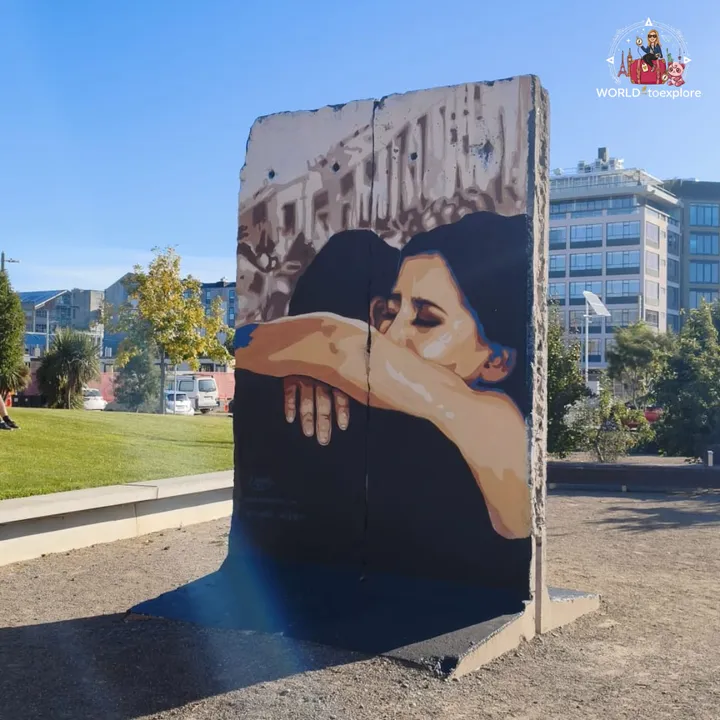
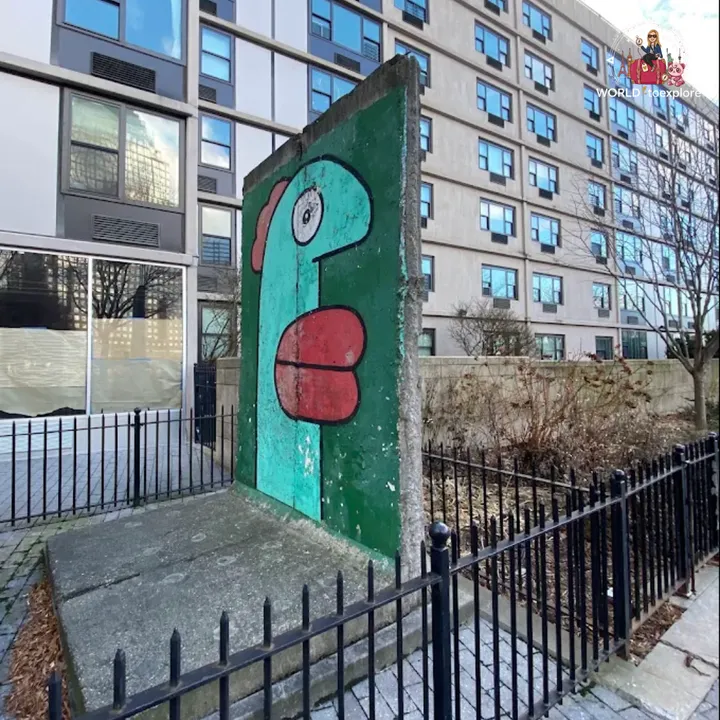
The Berlin Wall no longer divides the city, but its history is still very much present in the streets of Berlin. Walking around the city, it is easy to forget that a border once stood there, separating people who lived only a few metres apart. Families were kept away from each other, everyday routes were cut off and thousands of people risked their lives to get to the other side.
But visiting these places is also about remembering what happened. Behind the pieces of concrete, the paintings and the markings that are still there are the stories of people who lost their freedom, were separated from their families and, in some cases, lost their lives. The atrocities and the injustices of those years are still very much alive in memory and should not be forgotten. I had felt this before in other places with a similar historical weight, such as the Hiroshima Peace Memorial Museum. Knowing this history also means understanding what happened to the people who lived in East Germany, and remembering that an open, free city was not always a given. 🩷
You Might Also Like

Berliner Dom, One of Berlin's Most Beautiful Churches
The Berliner Dom is one of Berlin's most beautiful churches, with a green dome that stands out on Museuminsel. We cover the building's history, marked by the Second World War and the city's division, and what our visit was like, from the crypt to the top of the dome.
Charlottenburg Palace: A Visit to Berlin's Largest Palace
Between the New Wing, the Golden Gallery and 55 hectares of gardens, we show the grander and lesser-known side of Berlin's history, with opening hours, prices and our own experience.