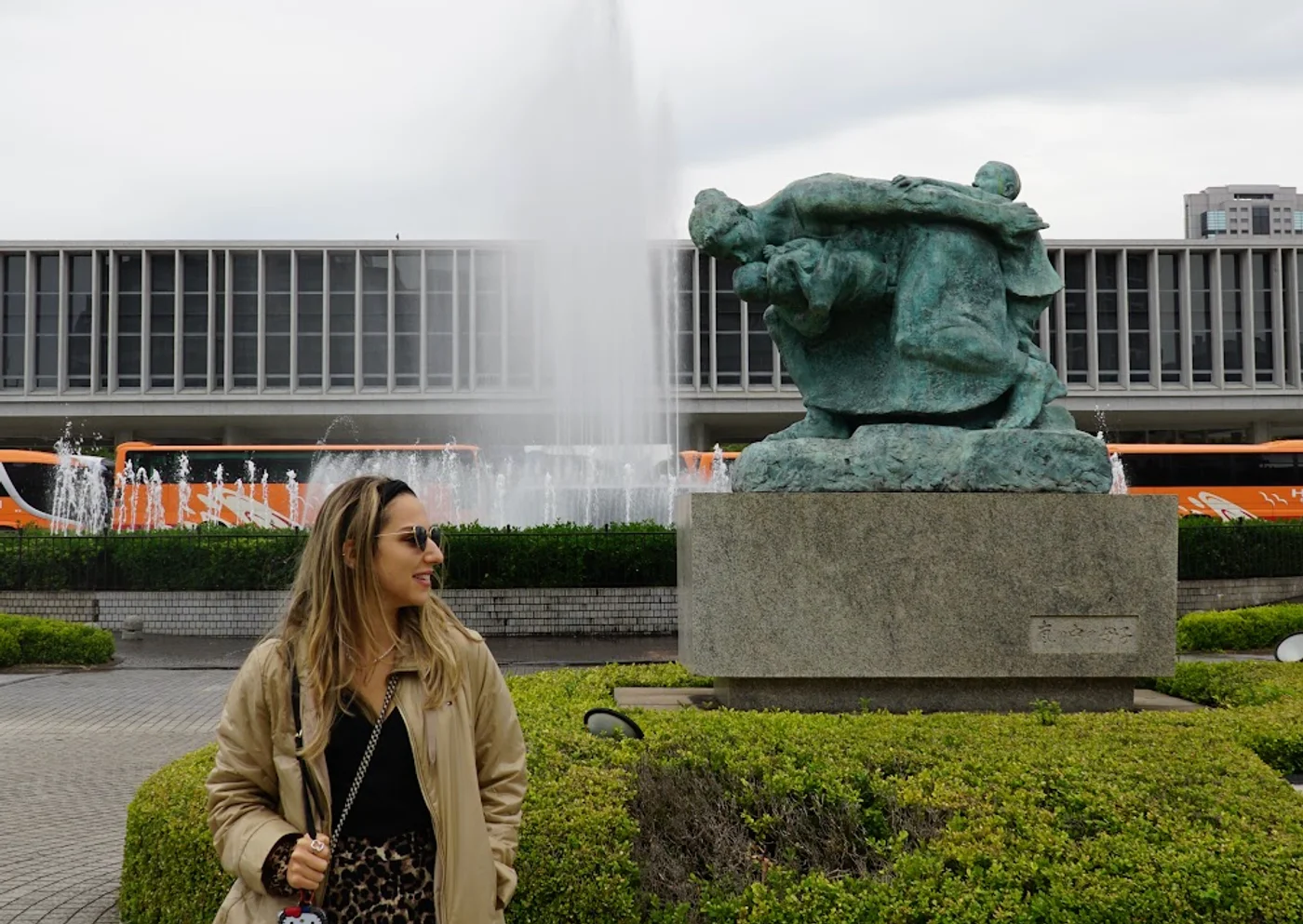
Hiroshima Peace Memorial Museum: a visit that leaves no one indifferent
The Hiroshima Peace Memorial Museum was created to preserve the memory of the victims of the atomic bomb and to tell what happened in the city on 6 August 1945. Throughout the visit, we find personal belongings, photographs, documents and testimonies from people who lived through that day and everything that came after it. Rather than sticking to the numbers and the events, the museum shows real stories and small everyday objects that help us grasp the impact the explosion had on the lives of thousands of people.
During our trip around Japan, in 2025, we took the chance to do a day trip from Osaka to the Hiroshima area, where we visited the museum and some of the main sights in the city. The Peace Memorial Museum was one of our priorities and we made a point of fitting it into the itinerary. It is a heavy visit, but one that helps you understand what happened and get to know the stories of the people who were in the city that day.
What happened in Hiroshima?
In August 1945, the Second World War was drawing to a close, but the conflict between the United States and Japan was still going on in the Pacific. Hiroshima had a significant military presence and ended up being the chosen target. It was in this context that, on the morning of the 6th, the Enola Gay, an American Air Force plane, dropped Little Boy on the city, the first atomic bomb ever used in a war. The explosion happened at 08.15h and caused enormous destruction, leaving much of the city centre devastated. An estimated 350,000 people were in Hiroshima at that moment, between residents, military personnel and people who had come in from other towns.
It has never been possible to determine the exact number of victims, but it is estimated that around 70,000 people died on the day itself. The number kept rising over the following months and, by the end of December 1945, it is believed that around 140,000 people had died as a result of the explosion, their injuries and the radiation. This is only a short summary of one of the most terrible events of the 20th century, one whose scale and consequences reached far beyond that single day.
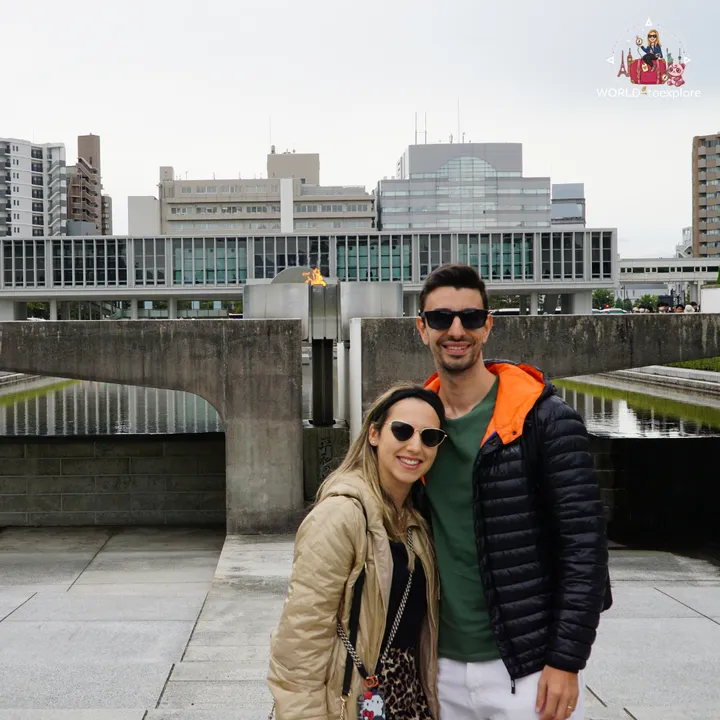
From destruction to remembrance
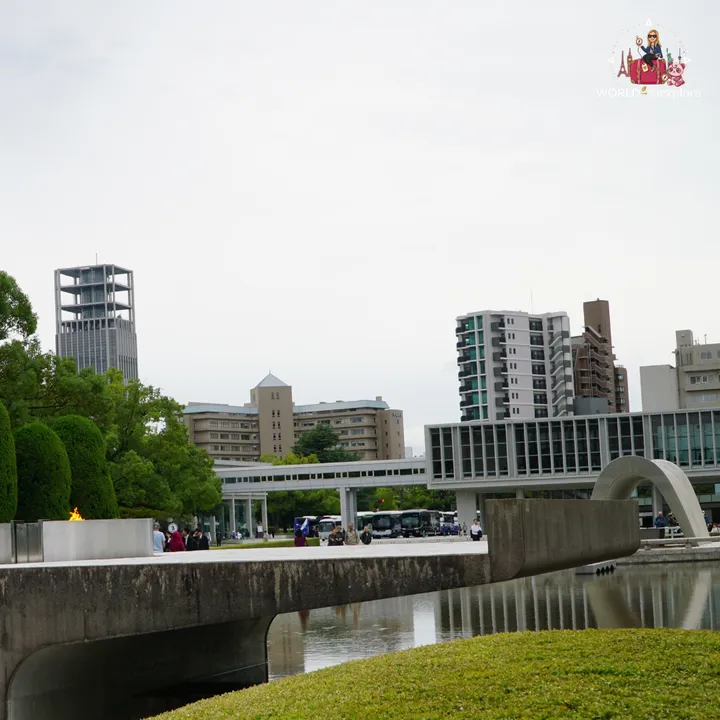
After the bomb, Hiroshima was left almost completely destroyed and the rebuilding stretched out over the years that followed. In the same year as the attack, the first ideas came up for rebuilding the city while preserving the memory of what had happened. In 1949, the Hiroshima Peace Memorial City Construction Law was passed, setting out the basis for the reconstruction and for creating spaces dedicated to the memory of all the victims.
From then on, the idea of preserving that memory took shape. In the years after the attack the first exhibitions about the bomb appeared and, in 1955, the Hiroshima Peace Memorial Museum officially opened in the Peace Memorial Park. The museum brings together objects, photographs and testimonies that help tell what happened, with particular attention to the personal stories of those who were in Hiroshima that morning. It is this more personal side that ends up marking the visit.
Visiting the Peace Memorial Museum
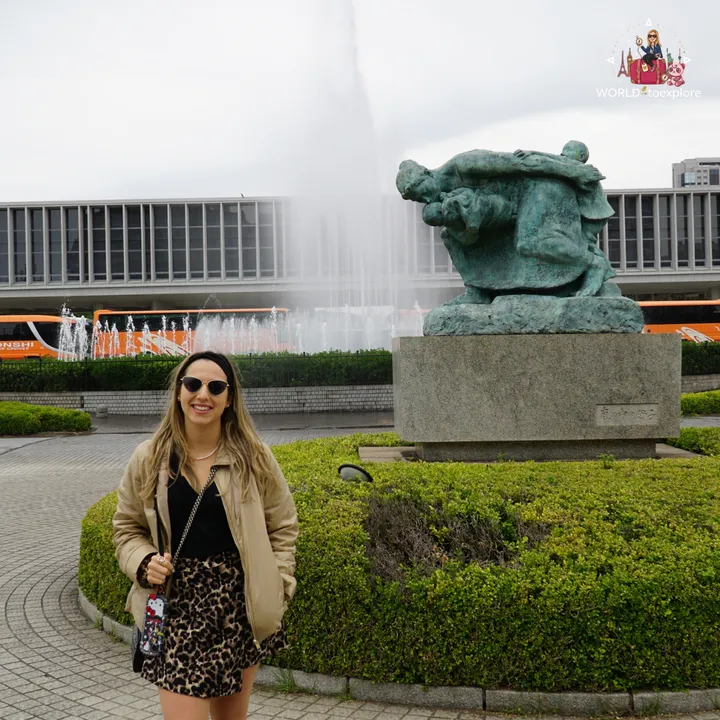
The Hiroshima Peace Memorial Museum is in the southern part of the Peace Memorial Park, next to the Motoyasu River. It is one of the main buildings in the park and it received more than 2.5 million visitors in 2025. With that many people going through it, there is a lot of movement inside and, in our case, the narrower stretches of the route did get a little confusing. We arrived at around 11.00h and stayed for about two hours. We bought the tickets from the machines right at the entrance, left our backpacks in the lockers and then went up to the exhibition itself. The whole entry process was very quick.
The exhibition starts by explaining what happened on the morning of the explosion and, room after room, goes on to show the consequences that followed. First we find an overview of the destruction, with photographs, maps and images of Hiroshima before and after the bomb. Then the exhibition becomes more personal, with objects that belonged to the victims, many of them recovered after the explosion. Some of them come with the stories of the people they belonged to, so you understand who they were and what happened to them.
Along the way we also find testimonies from the hibakusha, the name given in Japan to the people who survived the atomic bombings of Hiroshima and Nagasaki. Through their accounts, we understand not only what they went through at the moment of the explosion, but also the consequences they faced in the years that followed. It is a very heavy part of the visit, but it gives you a completely different perspective and brings you closer to what those people went through.
- Opening hours: 07.30h to 19.00h, with the closing time changing with the season: up to 20.00h in August and 18.00h from December to February. Check the official site before your visit.
- Price: 200 yen per adult, around 1.10€ at the current exchange rate.
- How long to allow: It depends on your own pace, but we recommend setting aside around 2 to 3 hours to see the museum properly.
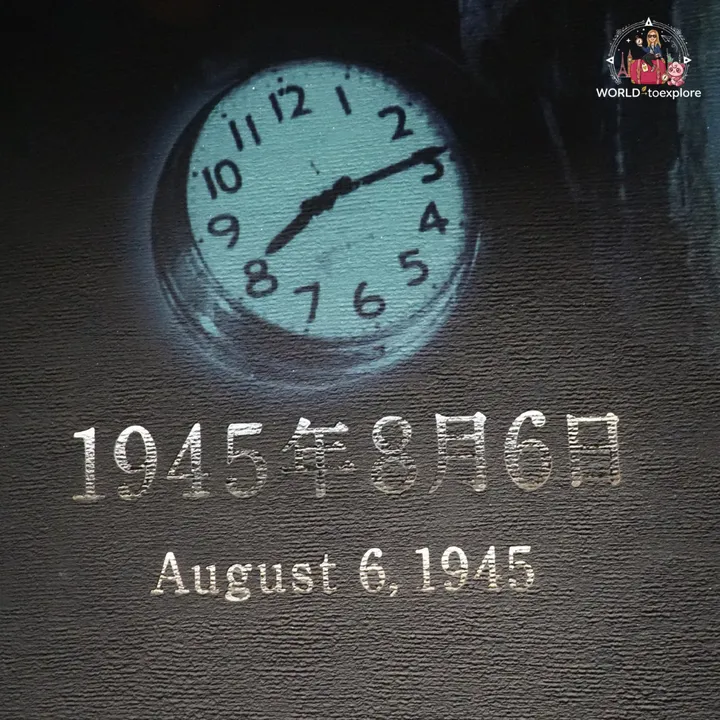
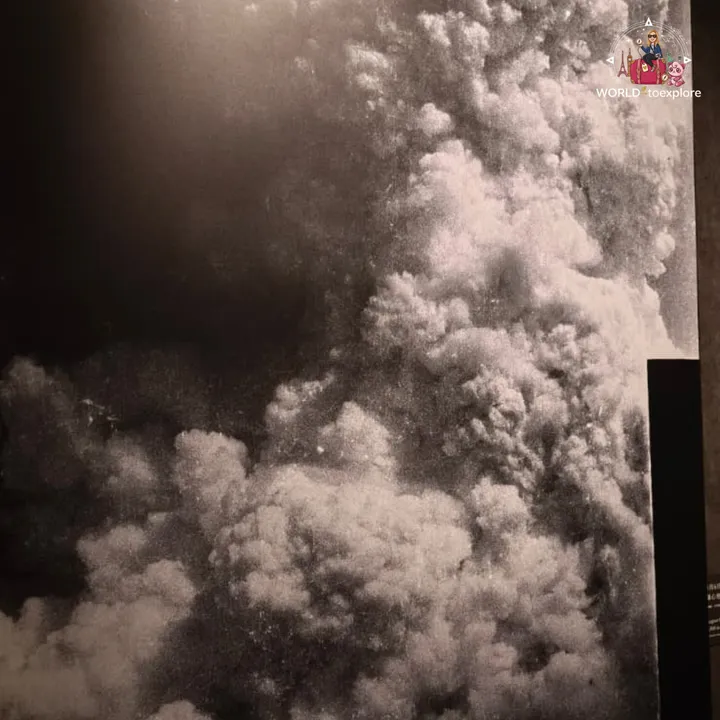
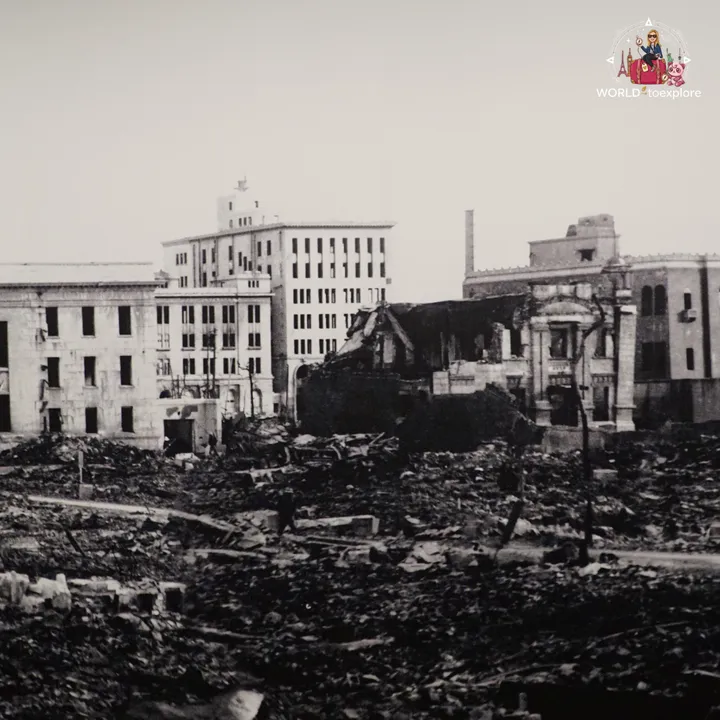
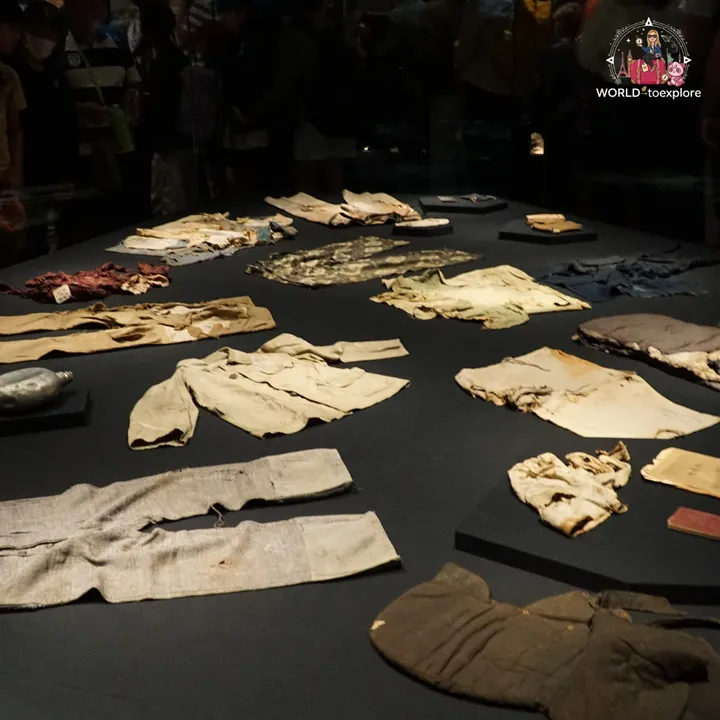
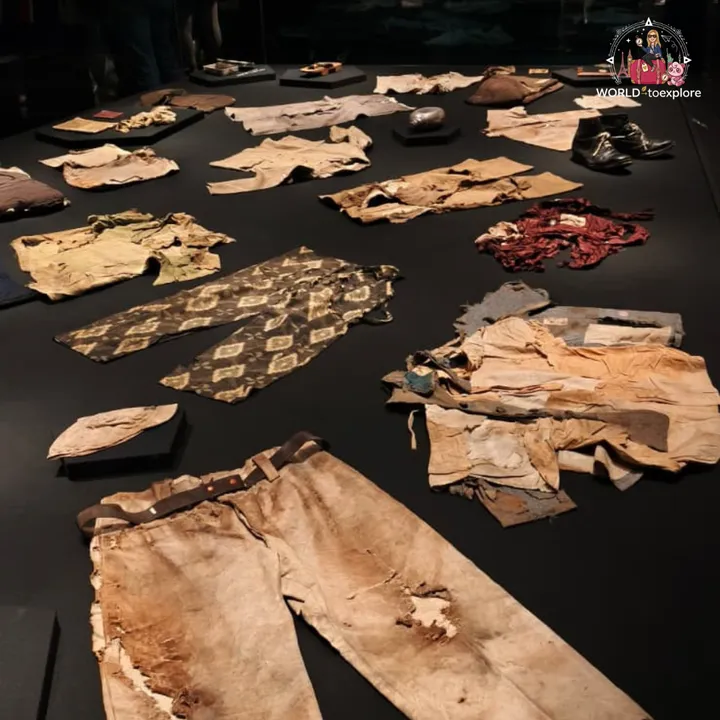
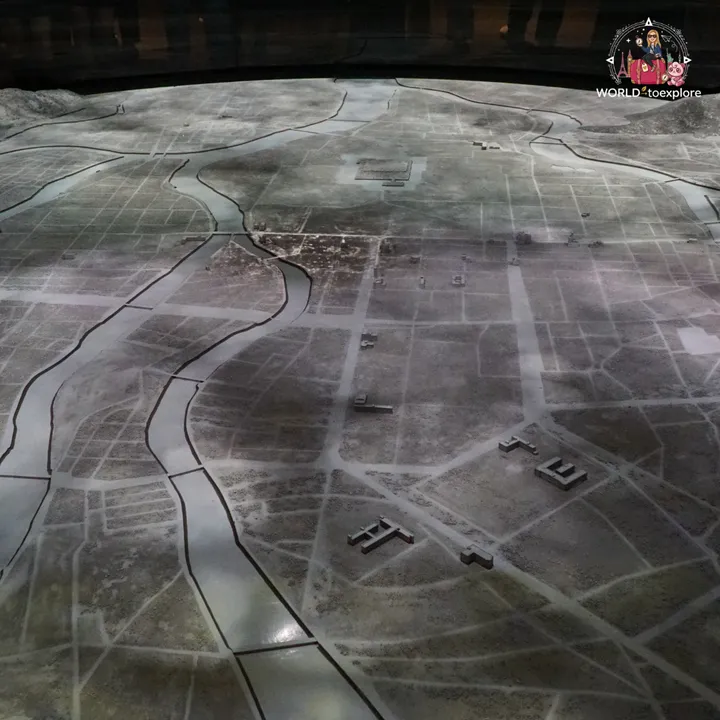
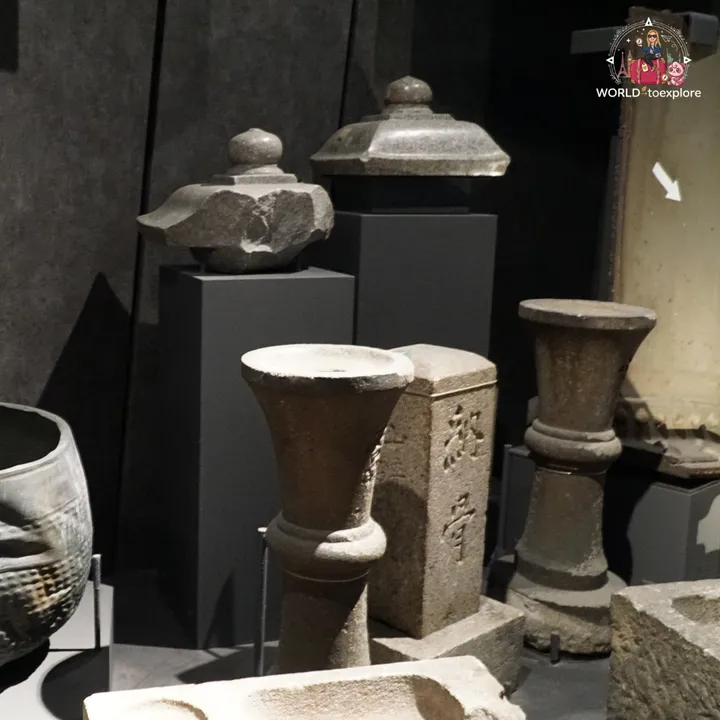
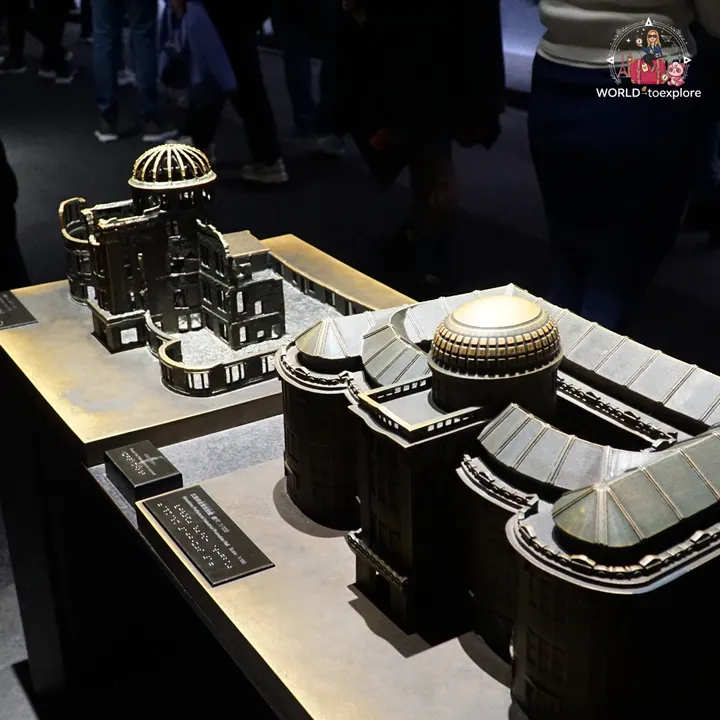
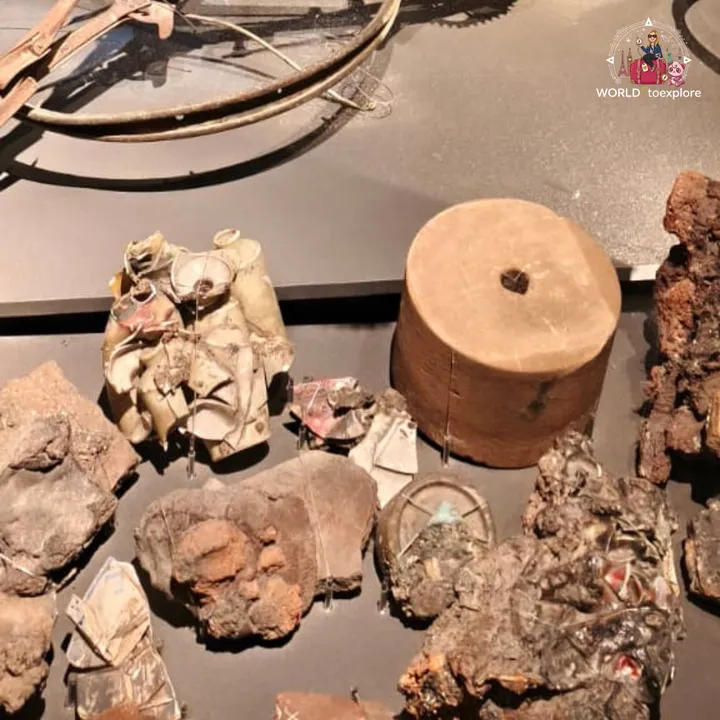
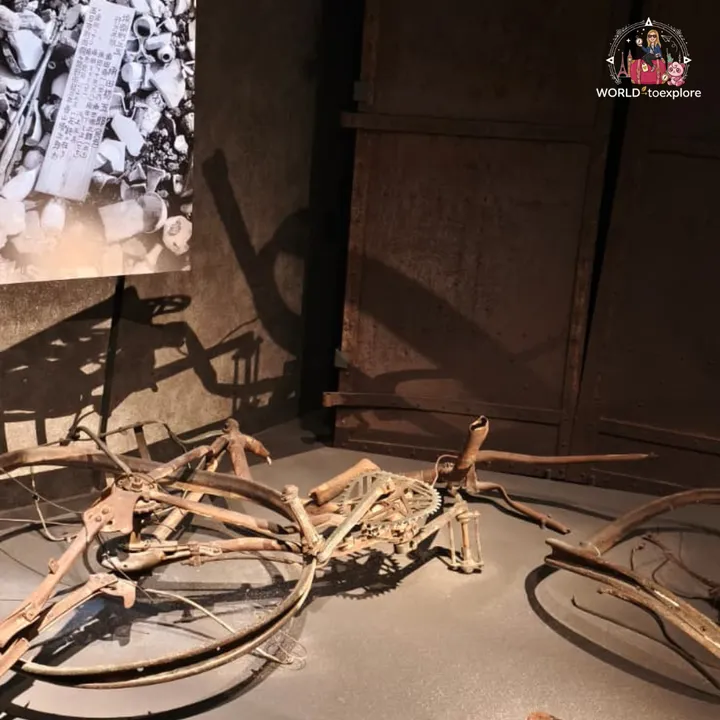
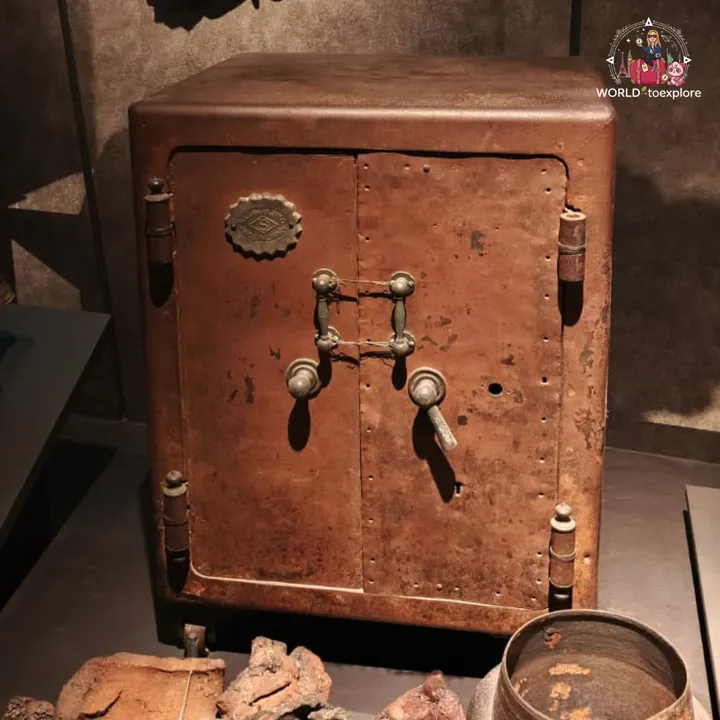
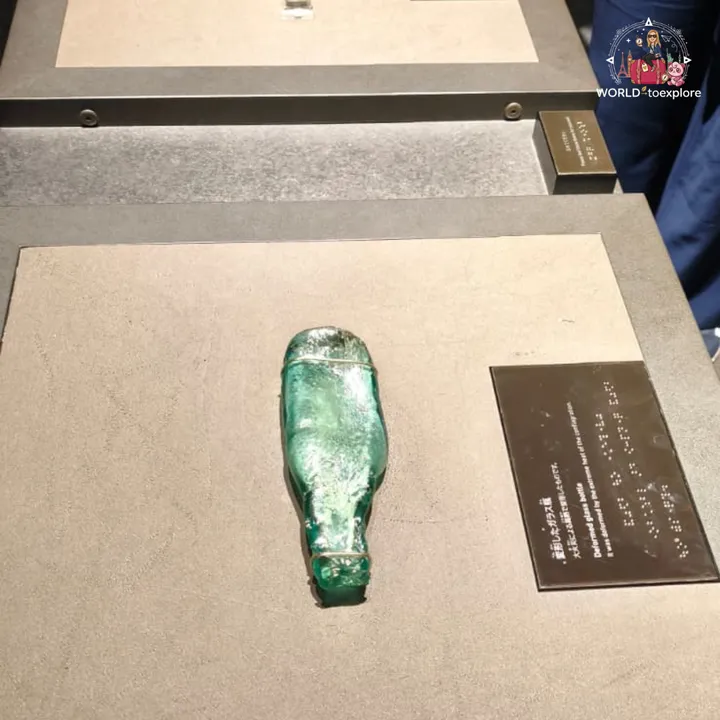
Visiting the Hiroshima Peace Memorial Museum is not a beautiful experience, nor an easy one. It is a very heavy visit, the kind that stays with you long after you leave. On my travels I have been to other places with a similar historical weight, such as Auschwitz, the 9/11 Memorial Museum in New York, the Berlin Wall and Alcatraz.
That is exactly why I think the museum is worth including in an itinerary around Hiroshima. For me, it was without a doubt one of the most striking moments of my trip around Japan. 🩷
You Might Also Like
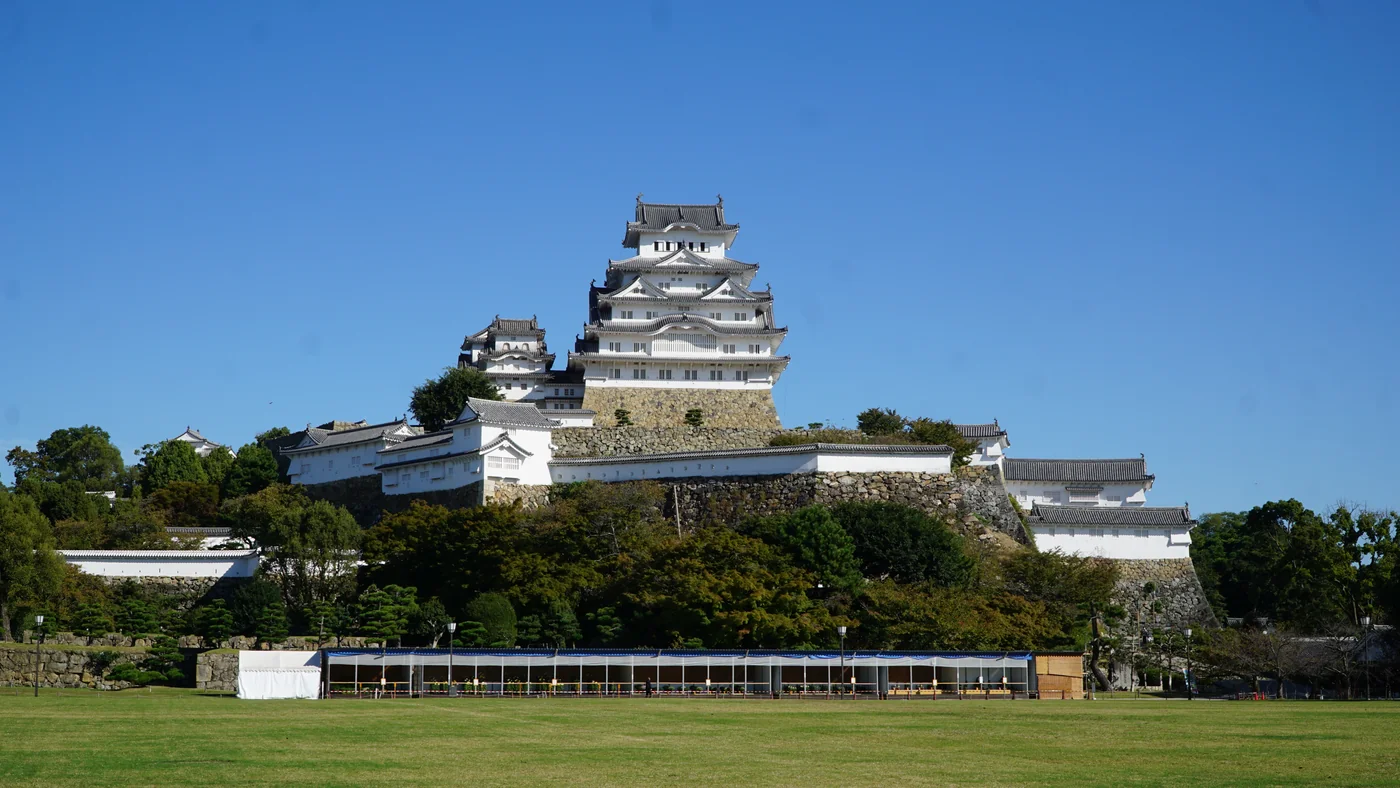
What Feudal Japan Was and Who the Samurai Were
Discover what Feudal Japan was and who the samurai really were. A simple guide to the shoguns, daimyo and 700 years of Japanese history.
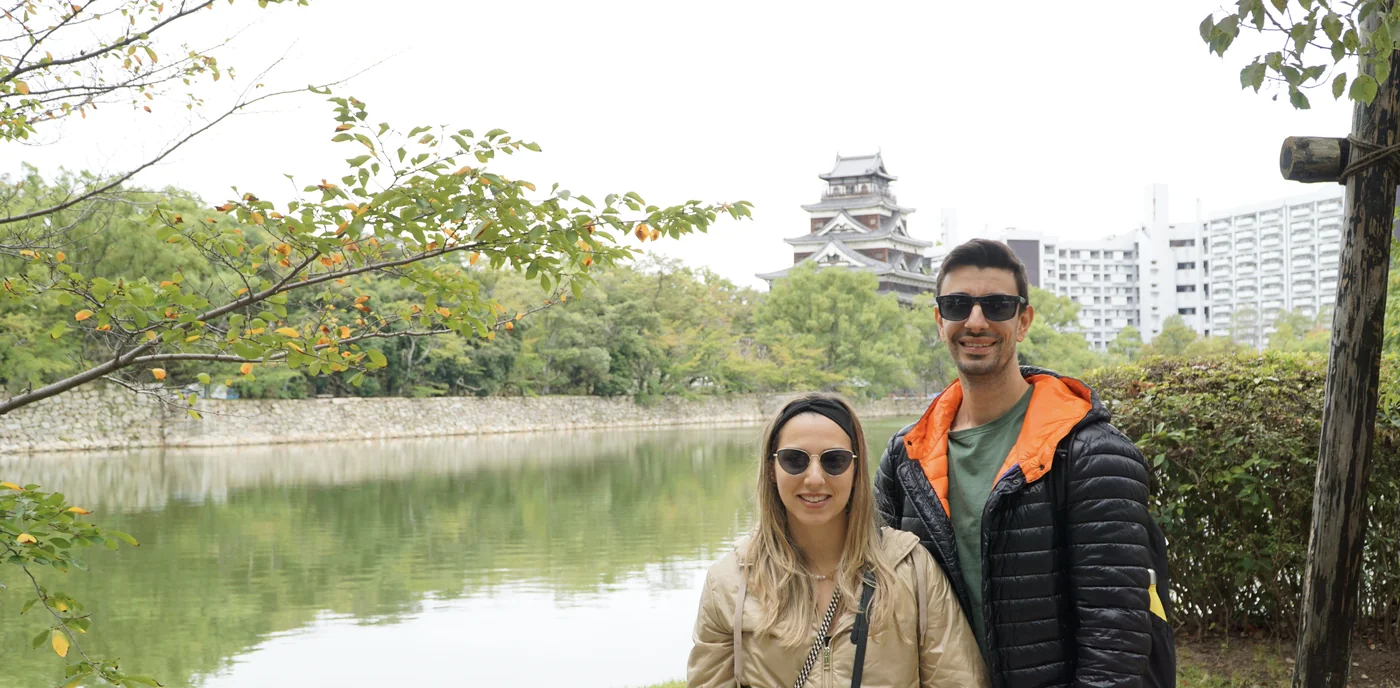
Exploring the Hiroshima Castle Complex
Long before the atomic bomb, Hiroshima Castle was the city’s feudal power centre. Discover its history and what to see across the whole complex.
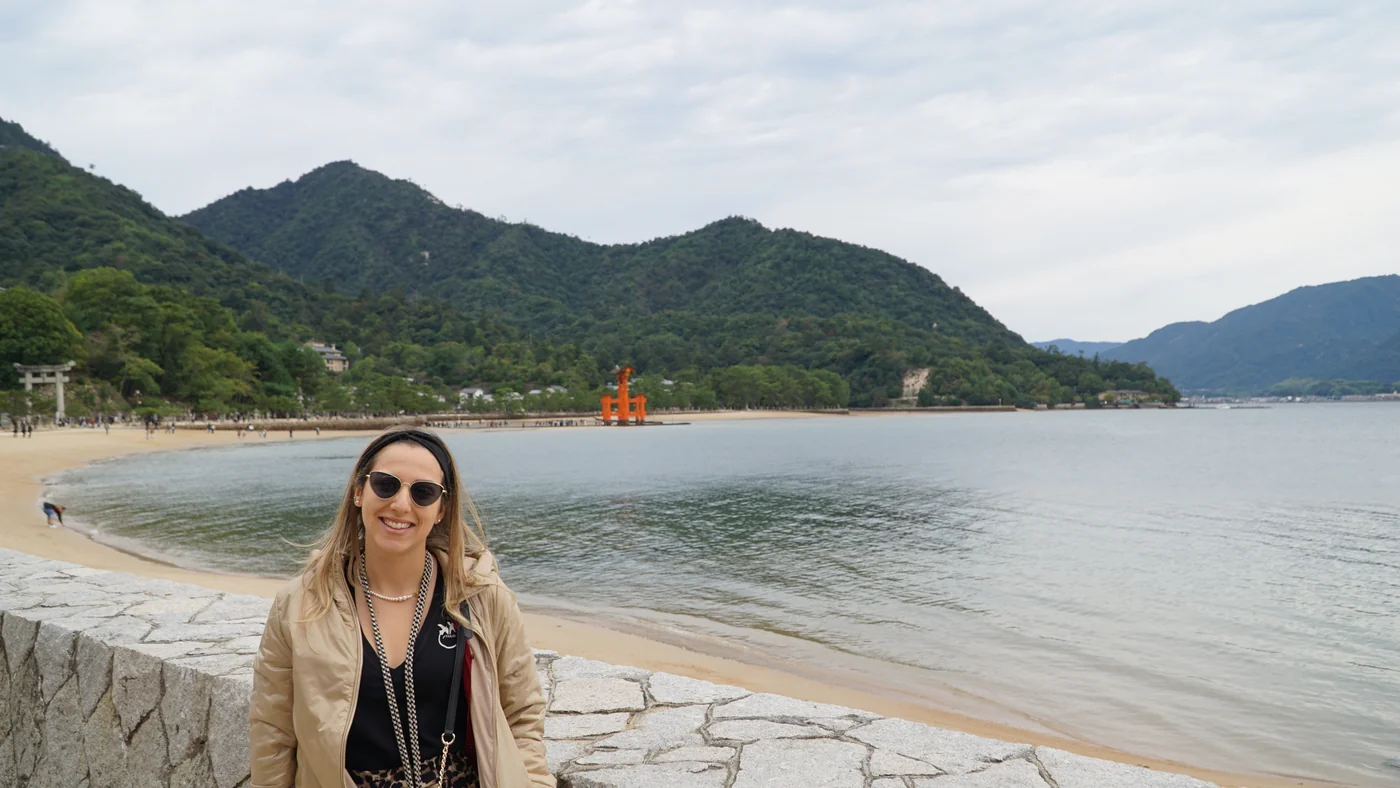
Itsukushima Shrine: Miyajima’s Famous Floating Torii
A sacred island that for centuries almost no one was allowed to set foot on, and a shrine built on wooden pillars. Discover its history, what to see and how to get to Miyajima from Hiroshima.