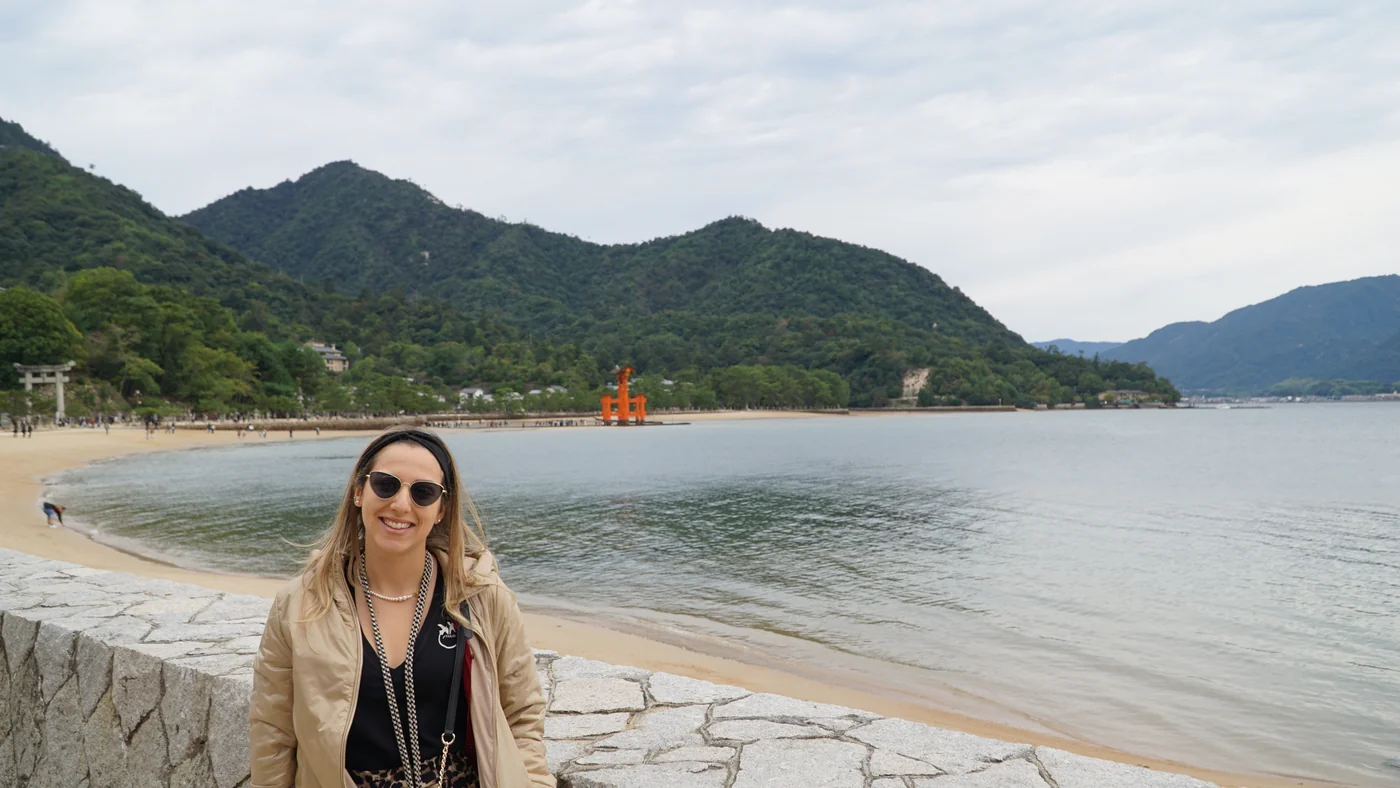
Itsukushima Shrine: Miyajima’s Famous Floating Torii
Anyone who knows Japan, or is planning a trip there, finds it hard to stay indifferent to the huge red torii that seems to float on the waters of Miyajima Bay. It is, without a doubt, one of the country’s most iconic images and one of the most sought-after sights for anyone visiting the Hiroshima region. But Itsukushima Shrine is much more than its famous torii. With origins going back to the 6th century, this religious complex is still an important Shinto place of worship and one of the greatest symbols of Japanese spirituality.
Throughout this article we will look at the history of Itsukushima Shrine, understand why it was built over the water and get to know the main points of interest in this complex, listed as a UNESCO World Heritage Site. I will also share my own experience of the visit, along with a few useful tips to help you plan your trip to one of the most emblematic places in the world.
The history of Itsukushima Shrine
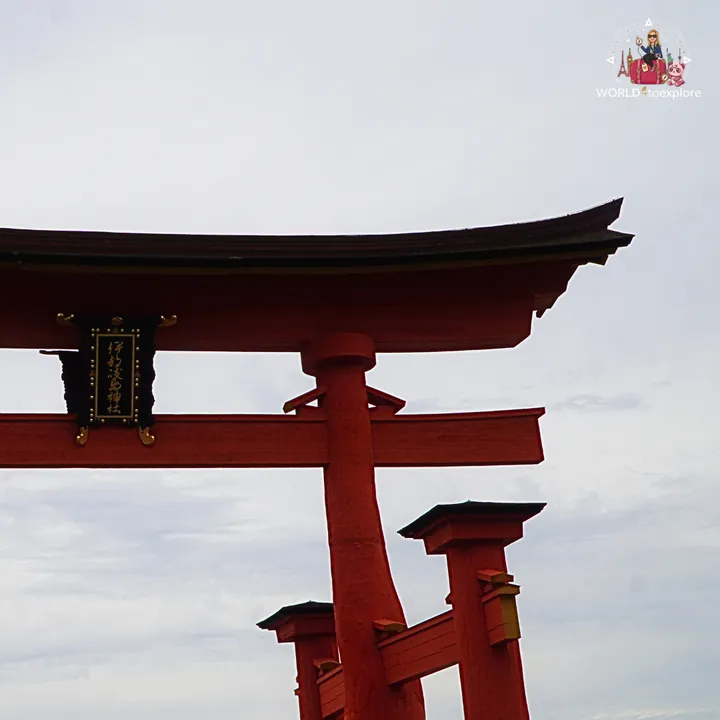
The origins of Itsukushima Shrine go back to the 6th century. Tradition credits its founding to Saeki no Kuramoto, in the year 593, although there are no records that allow the date to be confirmed with any certainty. The island it stands on is officially called Itsukushima, just like the shrine, but today it is known mostly as Miyajima, which means “shrine island”. From the earliest centuries of its history the island was considered sacred in Shinto, which is why, for many centuries, people avoided setting foot on it. To preserve the island’s purity, very strict traditions were in place: births and funerals were kept off its territory, and anyone who was ill or about to give birth was taken to the mainland. These are practices associated with Miyajima’s historical sacredness, although it is not clear how uniformly they were followed throughout the island’s history. The island was believed to be inhabited by deities and, for that reason, those who visited arrived by boat, passing first through the great torii before entering the sacred grounds. This traditional red gate marks the entrance to a sacred space and is one of the most characteristic features of Shinto shrines.
Much of the complex we can visit today took its current shape in the 12th century, when Taira no Kiyomori, head of the powerful Taira clan and one of the most influential figures of Feudal Japan, ordered the shrine to be expanded. It was also at this stage that the shrine acquired its very distinctive architecture, with buildings resting on wooden pillars and linked to one another by boardwalks. This solution made it possible to preserve the sacred character of the island and is also what creates the illusion of the shrine floating on the water at high tide.
Despite having more than 1,400 years of history, Itsukushima Shrine has never stayed exactly the same. Over the centuries, several fires, typhoons and other natural events forced different buildings in the complex to be rebuilt, always taking care to preserve the original appearance and to respect traditional wooden construction techniques. In 1996 it was listed as a UNESCO World Heritage Site under the designation “Itsukushima Shinto Shrine”, in recognition of its historical, cultural and religious importance, and it remains one of the most important Shinto places of worship in Japan, as well as one of Miyajima’s main attractions.
What to see
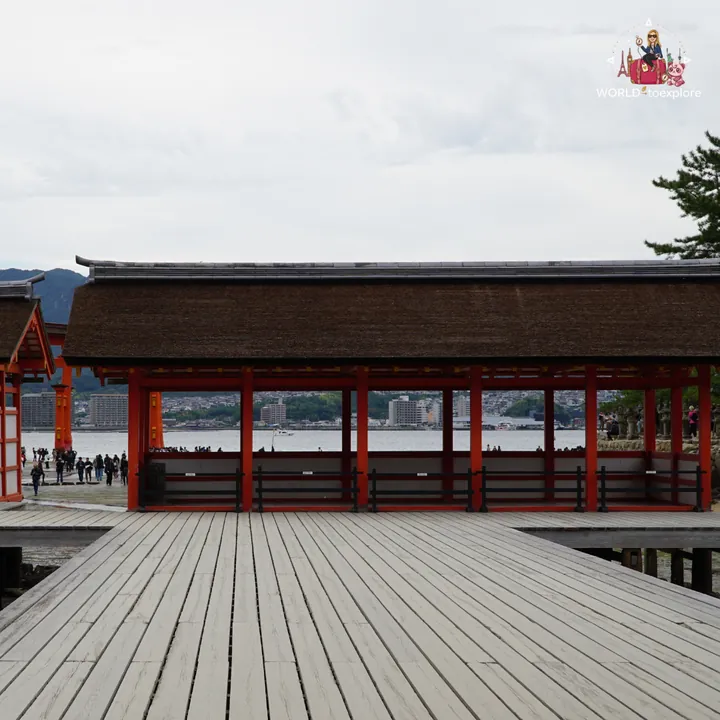
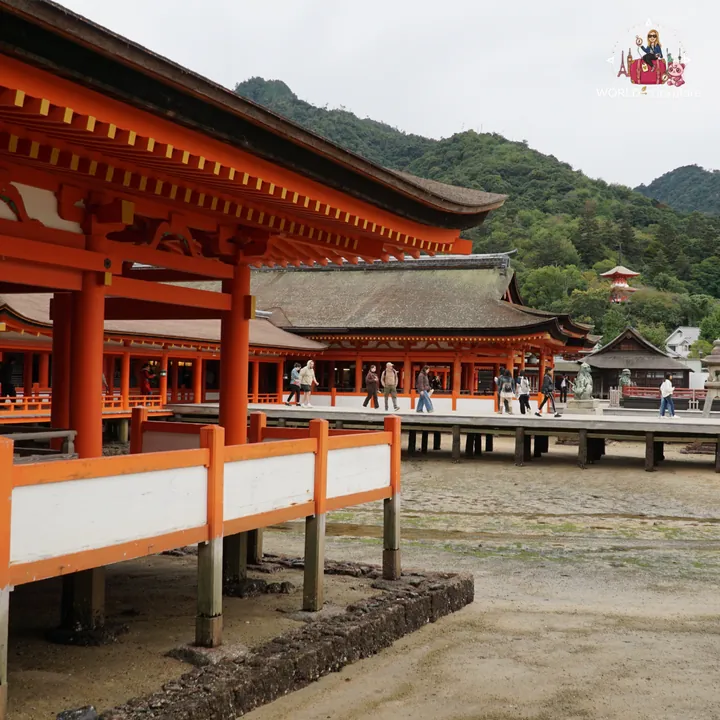
Although the great torii is its best-known feature, there is much more to discover inside Itsukushima Shrine. Set right in front of Miyajima Bay, the complex is made up of several religious buildings, pavilions and wooden boardwalks built on pillars. Its closeness to the water is part of the shrine’s identity, and it is thanks to that closeness that the landscape changes throughout the day, as the tide rises and falls.
Opening hours and prices can change, so always check the up-to-date information on the official website of Itsukushima Shrine.
- Opening hours: open every day, with hours that vary depending on the time of year
- Price: 300 yen (adults)
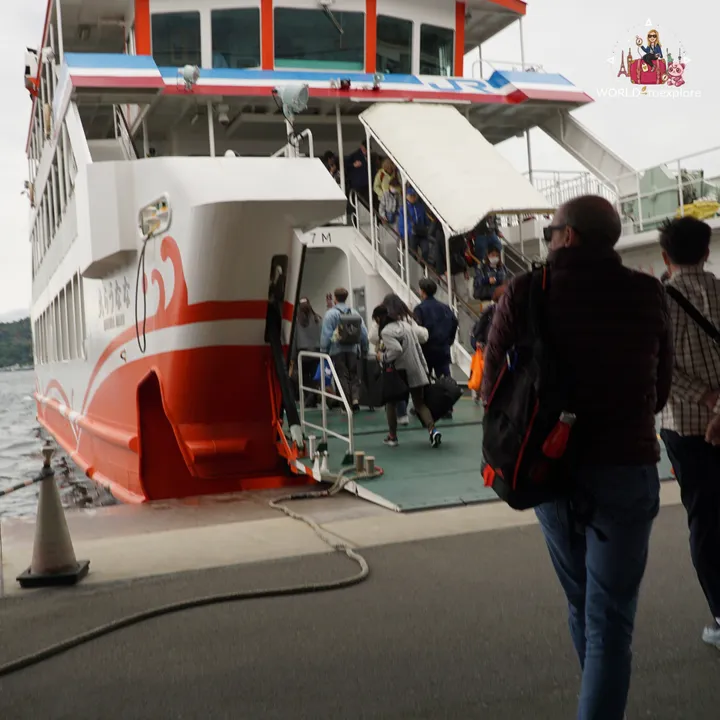
- How to get to Miyajima: We took a taxi from central Hiroshima, near the Peace Memorial Museum, to Shin-Hakushima Station. From there, we caught the San-yō Line train (the dark blue line) to Miyajimaguchi Station - 8 stops, around 23 minutes, included in the JR Pass. From the station, it is about a 5-minute walk to the JR West Miyajima Ferry terminal, where we took the ferry to Miyajima. The crossing lasts around 10 minutes and is also included in the JR Pass. There are two options included in the pass, the JR West Miyajima Ferry and the Great Torii Ferry, but the first one runs more often.
The great torii (Ōtorii)
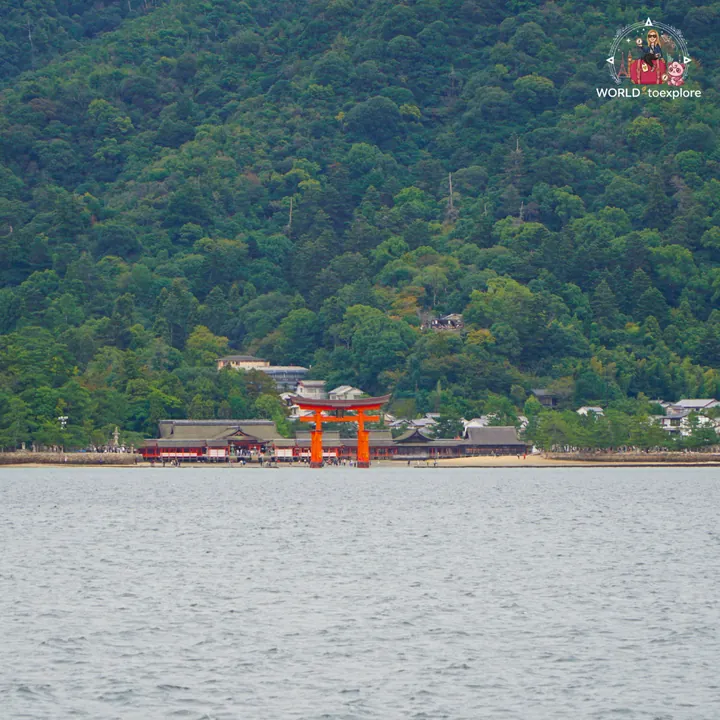
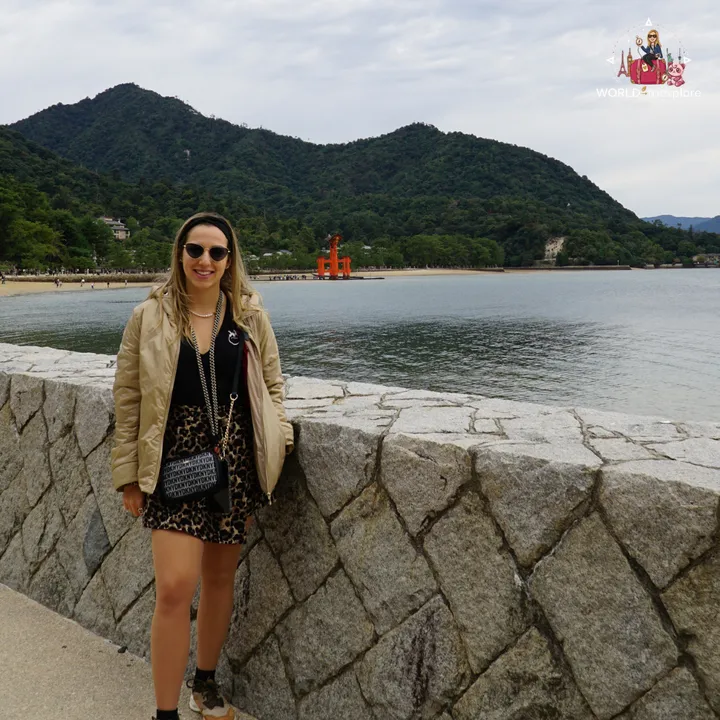
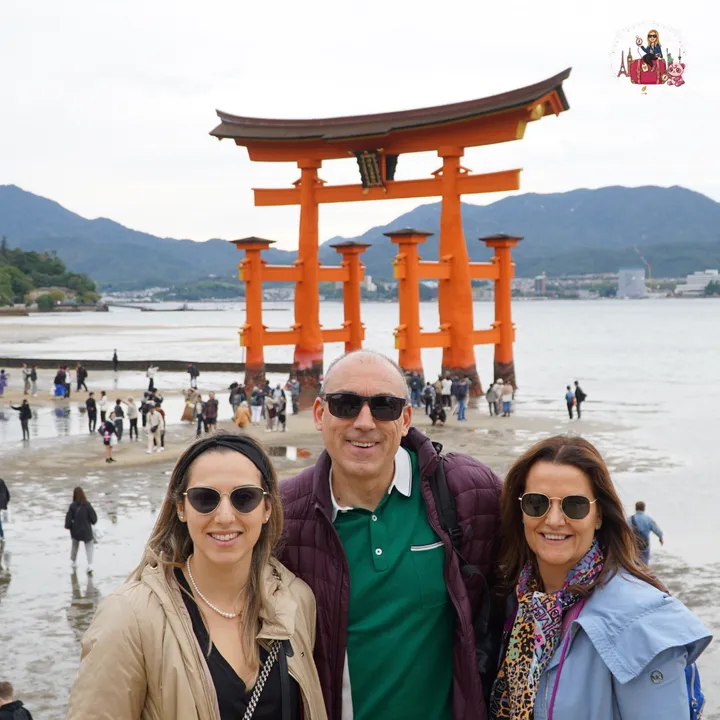
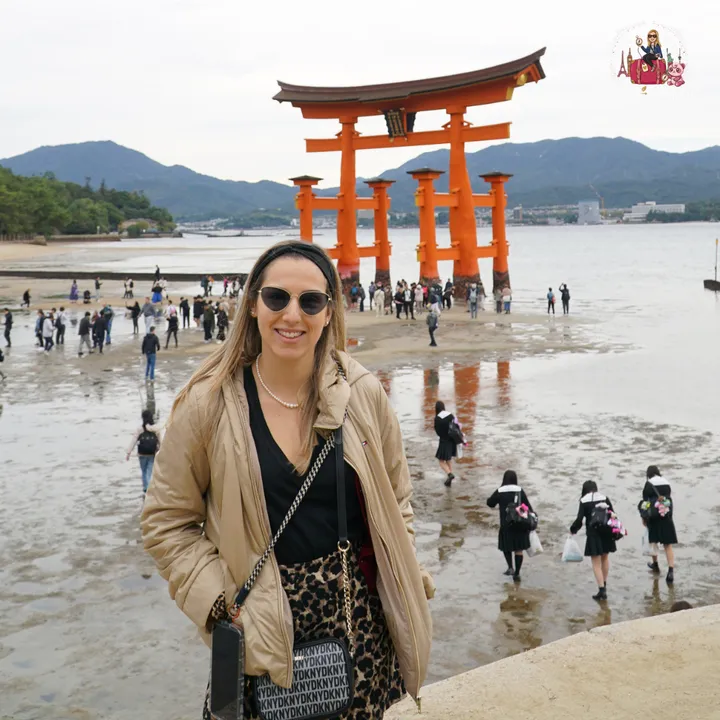
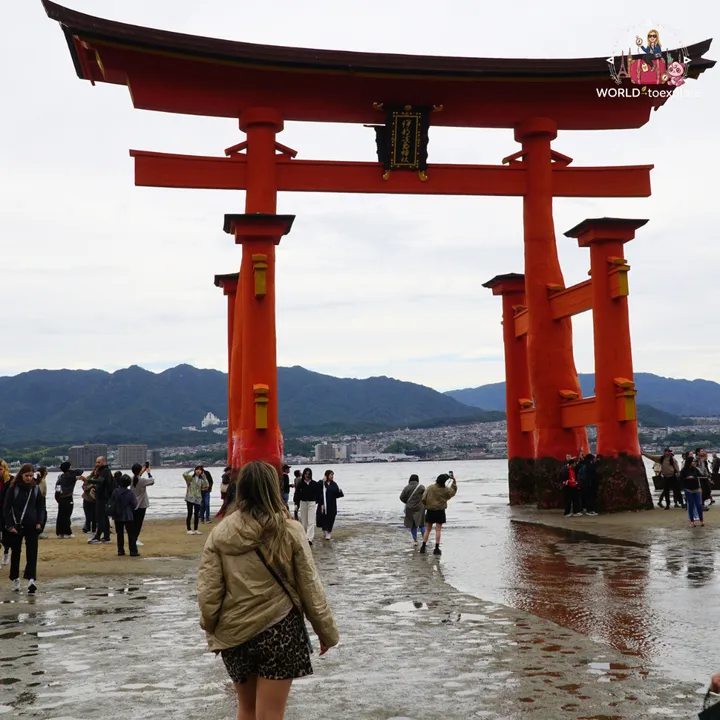
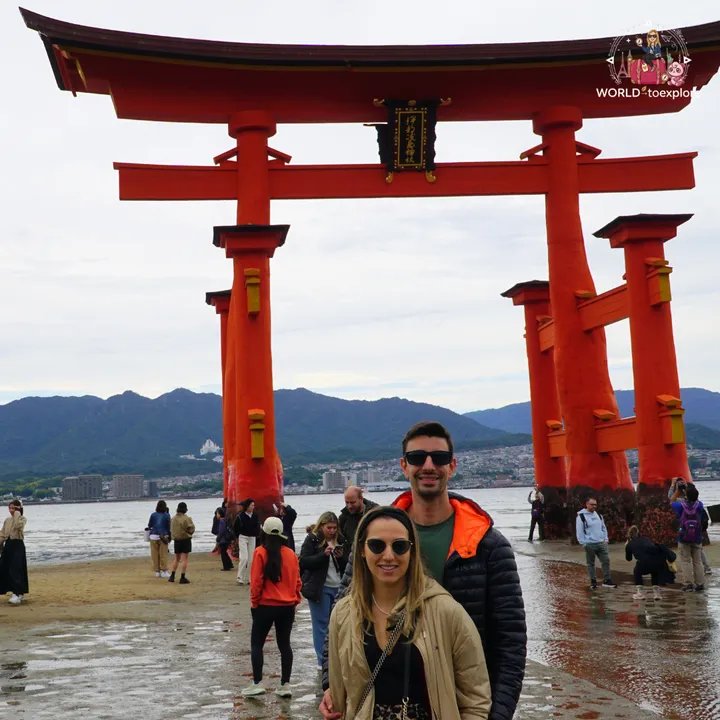
The great torii is Miyajima’s best-known symbol and one of the images most readily associated with Japan. Standing around 16.6 metres tall, the current structure was built in 1875 and stands out for its orange-red tone, which takes on different shades depending on the light throughout the day. But it is with the changing tide that the landscape really transforms. When the water rises, the torii seems to float on the sea, creating that image so typical of the Miyajima area. At low tide, you can walk across the sand right up to its pillars and see it close up, from a completely different perspective. That was how we saw it, with the tide out. Although the weather was not perfect that day, it was great fun to be able to get so close to one of the island’s best-known symbols.
The main hall and the wooden boardwalks
The main hall is the heart of the shrine, dedicated to the three daughters of Susanoo-no-Mikoto, and is connected to the other buildings by long wooden corridors. These boardwalks let you walk through the whole complex and take in the details of the architecture up close.
The Nō stage
The Nō stage is linked to Nō theatre, a traditional form of Japanese theatre that combines music, singing, dance and acting, and is also known for its use of masks. The stage was built in 1590, on the orders of Toyotomi Hideyoshi, and is considered the only Nō stage in Japan built over water. Its position meant that performances could be watched from the shrine’s buildings and boardwalks. The original stage was destroyed by fire in 1597 and was eventually rebuilt later on.
Soribashi Bridge
Soribashi Bridge is on the west side of the shrine, next to the corridor leading to the exit, and stands out for its steeply arched shape. The bridge already appears in 13th-century documents and is also known as Chokushi-bashi, or “the imperial messengers’ bridge”. This was where the emperor’s messengers passed to enter the main hall during some of the shrine’s most important ceremonies. The bridge we see today dates back to 1557, when it was rebuilt by Mōri Motonari and his son Mōri Takamoto. Because it is so steep and has steps, it is no longer used by visitors, but it can be seen along the route through the complex.
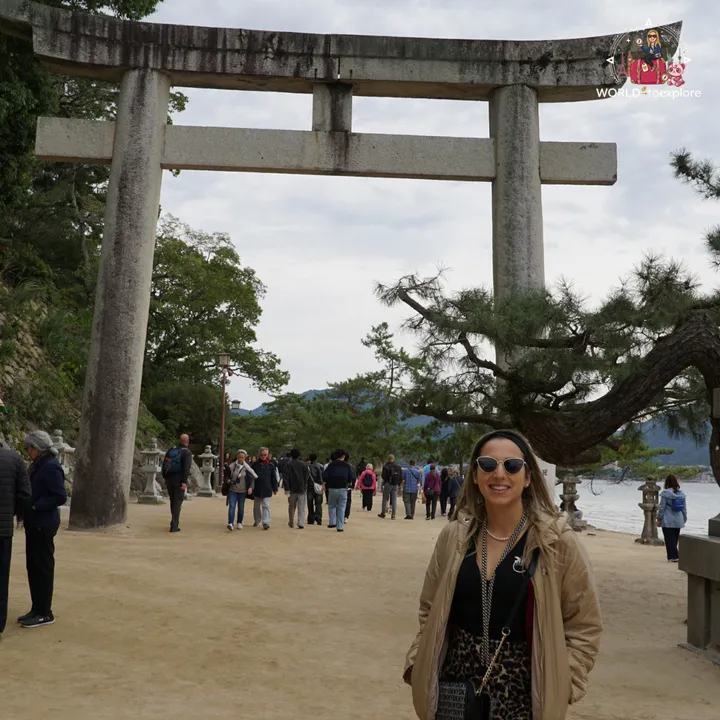
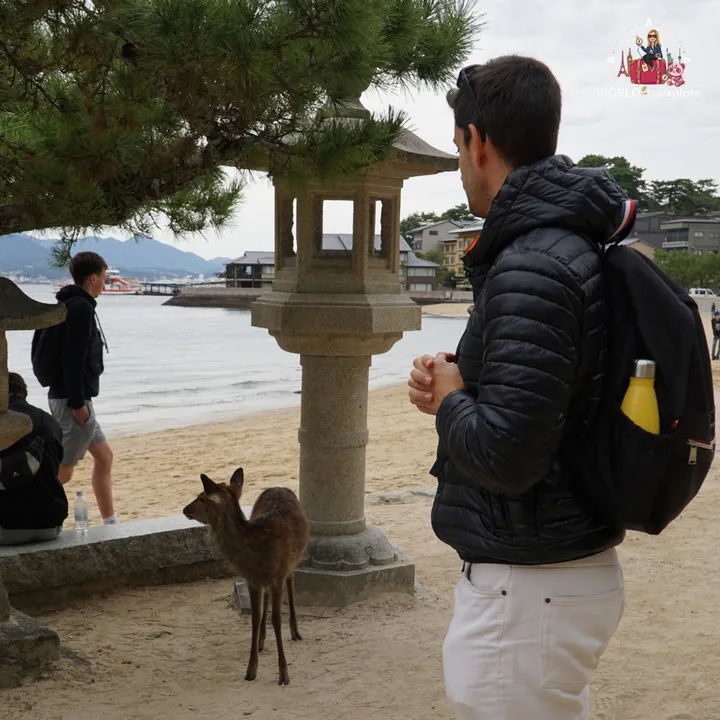
Beyond the shrine, it is well worth taking a walk through the streets of Miyajima. Omotesando Shopping Street is the main street between the shrine and the pier where the boats dock, and it is full of shops and restaurants. Along the way you come across all sorts of traditional island products, from wooden pieces and local crafts to some of Miyajima’s specialities, like the famous grilled oysters. And on top of that, there are so many deer in Miyajima! I thought that was more of a Nara thing, but the island has plenty of them too, wandering the streets and around the shrine entrance.
Another of Miyajima’s great highlights is Mount Misen, the highest point on the island at around 535 metres. The climb rewards you with panoramic views over the Seto Inland Sea, and at the top there are several sites connected to the mountain’s religious history. We did not get the chance to go up, but if you have more time in Miyajima, it strikes me as an excellent option to round off your tour of the island.
Visiting Miyajima was a way of getting to know a slightly different side of the Hiroshima region. When we think of this area, it is impossible not to think of the atomic bomb and all the history tied to the Second World War, but there is so much more to discover. Miyajima shows exactly that other side, one more connected to history, culture and Japanese spirituality. It is a stop that fits easily into a full day dedicated to Hiroshima. 🩷
If you are planning a trip to Japan, check out all our articles here to help plan your trip.
You Might Also Like
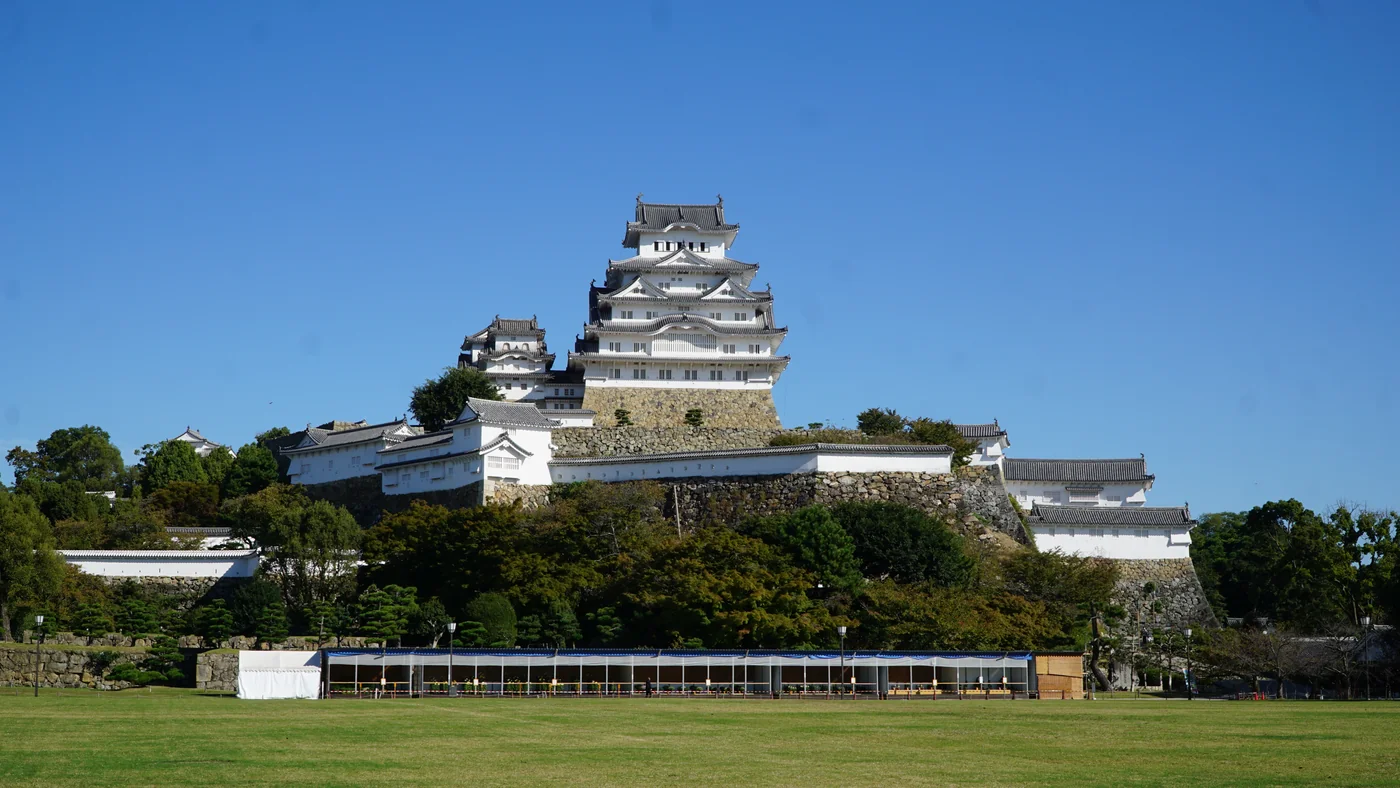
What Feudal Japan Was and Who the Samurai Were
Discover what Feudal Japan was and who the samurai really were. A simple guide to the shoguns, daimyo and 700 years of Japanese history.
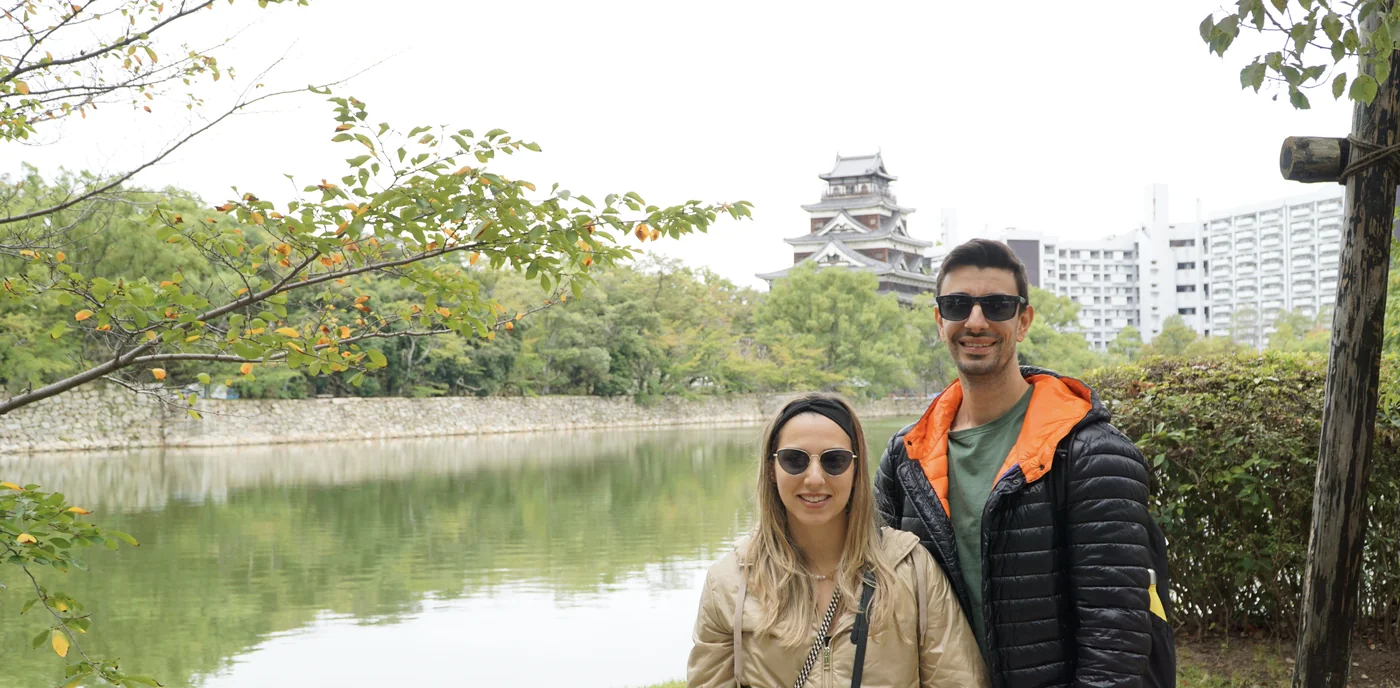
Exploring the Hiroshima Castle Complex
Long before the atomic bomb, Hiroshima Castle was the city’s feudal power centre. Discover its history and what to see across the whole complex.
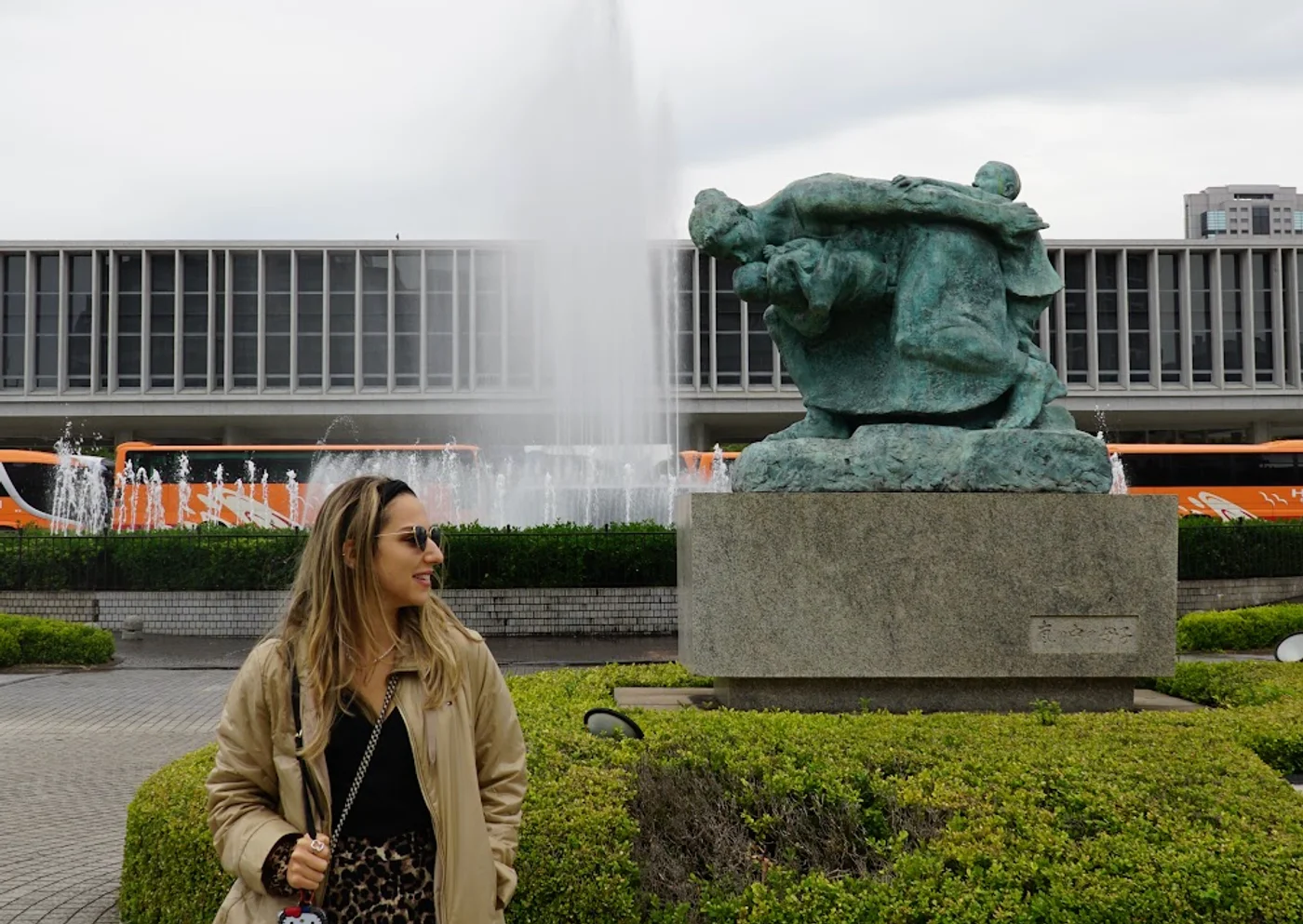
Hiroshima Peace Memorial Museum: a visit that leaves no one indifferent
Personal belongings, photographs and the testimonies of the hibakusha tell what happened in the city on 6 August 1945. A heavy visit, the kind that stays with you long after you leave.