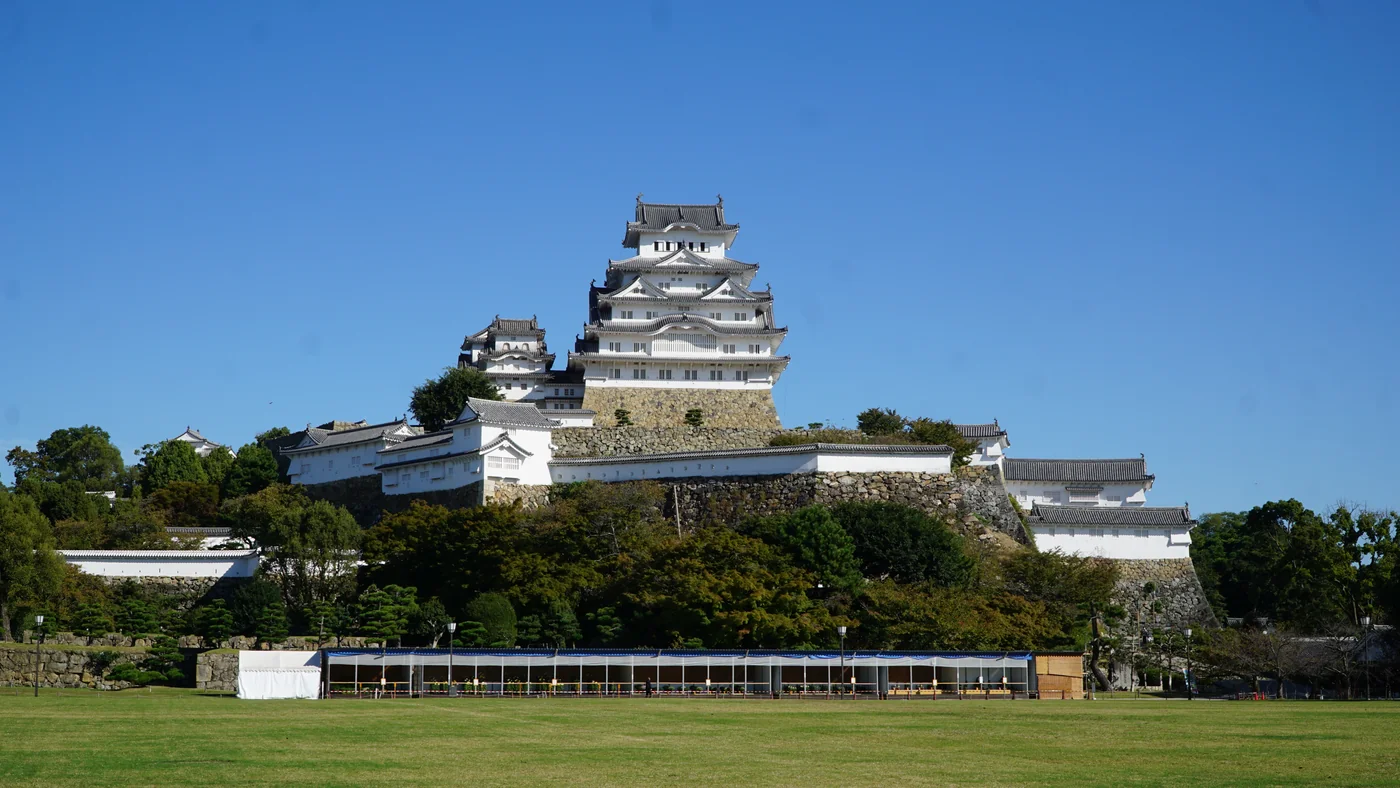
What Feudal Japan Was and Who the Samurai Were
When we think of old Japan, the first image that comes to mind is almost always that of a samurai. Films, TV series and video games have helped turn this figure into one of the greatest symbols of Japanese history. But the samurai were only one part of a far more complex society that had evolved over several centuries. To understand who they were and why they became so important, we first need to look at what Feudal Japan was and how this period shaped the country's history.
Understanding how Feudal Japan worked - a period that lasted from 1185 to 1868 - can seem complicated at first. Between emperors, shoguns, daimyo and samurai, it's only natural for it all to feel very confusing. But once we identify the role of each one, everything begins to fall into place. In this article, I'll explain it all as simply as possible so that, by the end, you'll understand how Japanese society was organised.
How Feudal Japan Was Organised
Feudal Japan is the name we give to the long period of Japanese history in which the country stopped being governed directly by the emperor and came under the control of the shoguns, the heads of the army. It spanned almost seven centuries. To get a sense of just how long that is, it began when Portugal was taking its first steps as an independent kingdom and only ended in an age when railways already existed.
This doesn't mean the emperor disappeared. On the contrary, he continued to live in the imperial court in Kyoto and to be the highest figure in the country. Considered a descendant of the gods, he was deeply respected, but his role was mainly symbolic. The one who actually governed Japan was the shogun, who commanded the armies, administered the territory and made the main political decisions. This system of government became known as the shogunate, because it was the shogun who held the real power.
If we compare Feudal Japan with Medieval Europe, we find some similarities, but with an additional level: that of the emperor. In Europe there were kings who ruled the kingdom, nobles who controlled large territories and knights who fought in the service of those nobles. In Japan the structure was similar, though with different names. The emperor occupied the highest place in the hierarchy, but the one who really governed was the shogun. Below him were the daimyo, the feudal lords who governed different provinces and managed their lands. Each daimyo kept an army of samurai to defend them. These warriors swore him their loyalty and fought under his command. At the base of this hierarchy was the great majority of the population, made up of peasants, artisans and merchants. It was they who, through their work, sustained the whole of society, above all by growing rice, one of the country's main sources of wealth. Now that we understand how this society was organised, it becomes much easier to understand the role of the samurai and of the other key players in the history of Feudal Japan.
Who the Samurai Were
The word samurai comes from the Japanese verb saburau, which means “to serve”. Unlike the image of the lone warrior we so often see in films, a samurai was, above all, a warrior in the service of a lord, to whom he swore loyalty. That bond was one of the foundations of his identity and his status within Japanese society. When a samurai was left without a lord, he became known as a rōnin. Without that protection and support, many of these warriors lost their former social standing and were viewed with suspicion by society.
The samurai began to emerge around the 9th and 10th centuries, as warriors who protected the lands of important families in Japan's provinces. Over time, they gained more and more power, wealth and influence, until they became one of the most important forces in the country. These families organised themselves into clans, large groups that shared the same name, controlled land and gathered warriors into their service. In 1185, after a war between two of Japan's most powerful clans, the Minamoto and the Taira, Minamoto no Yoritomo emerged victorious and became the first shogun, establishing military rule in the country. So began a new chapter in Japanese history, one in which the samurai came to occupy a central place in society and would keep their influence for almost 700 years.
Over the centuries, the samurai stopped being merely warriors in the service of the feudal lords and came to form a class of their own within Japanese society. Being a samurai became a position that was usually inherited within the family, passed down from generation to generation. As members of a privileged class, they had rights that most of the population did not, such as the right to carry two swords, the katana and the wakizashi. They were also paid in rice, one of the main ways of measuring wealth in Feudal Japan.
The image of the samurai as the perfect warrior, always loyal and ready to die for his ideals, owes much to the famous code of honour known as bushidō. However, this set of principles was only written down much later, at a time when the samurai had already lost much of their military importance. During the centuries of war, the reality was quite different. The samurai were far more pragmatic and, whenever necessary, could change lords, form alliances or negotiate in order to survive and achieve their goals. That is why, even today, the samurai remain one of the most striking figures in Japanese history.
The Main Periods of Feudal Japan
Although we speak of Feudal Japan as if it were a single period, the truth is that these almost seven centuries were marked by several phases. There were times of constant war, others of unification of the country and, finally, a long period of peace. Getting to know these phases helps us understand how Japan evolved up to the end of the shogunate, in 1868.
The Kamakura Period (1185-1333)
The first major period of Feudal Japan was the Kamakura, which began precisely with Minamoto no Yoritomo and the military government he founded. It was during this time that the samurai consolidated their power and came to play a central role in the country's political and military life. This period was also marked by two attempts to invade Japan by the Mongol Empire. On both occasions, powerful typhoons destroyed much of the invading fleet before it reached the coast. The Japanese believed these typhoons had been sent by the gods to protect the country and came to call them kamikaze, meaning “divine wind”.
The Muromachi and Sengoku Periods (1336-1600)
The Muromachi period was characterised by the weakening of the shogun's power, which allowed the great feudal lords to gain more and more autonomy. Over time, many daimyo began to fight one another for control of territory and for leadership of the country. The most intense phase of these conflicts became known as the Sengoku period, or the “Warring States period”, an age of constant battles that lasted more than a century. It was also at this time that the first Portuguese arrived in Japan, in 1543, bringing firearms with them, which changed the way wars were fought. Only towards the end did leaders begin to emerge who were capable of reuniting Japan, most notably Oda Nobunaga, Toyotomi Hideyoshi and Tokugawa Ieyasu.
The Edo Period (1603-1868)
The Edo period began when Tokugawa Ieyasu became shogun and managed to unify Japan after more than a century of war. With the country finally at peace, one of the most stable phases of its history began. The Tokugawa family stayed in power for more than 250 years, ensuring a lasting peace. As there were few armed conflicts, many samurai stopped fighting and took on administrative roles in the service of the daimyo or of the shogunate itself. It was also during this time that Japan adopted a policy of isolation, limiting contact with other countries for more than two centuries. This era came to an end in 1868, with the Meiji Restoration, which returned power to the emperor and marked the end of Feudal Japan.
Over almost 700 years, Feudal Japan went through periods of war, unification and peace, but its structure remained practically the same. The emperor continued to be the highest figure in the country, while power was wielded by the shoguns. Below them were the daimyo and the samurai, who carried enormous weight in Japan's political and military life. Understanding this structure helps us better appreciate one of the most striking eras in Japanese history. This is just the first article in a series dedicated to Japan, where I'll be sharing not only its history but also the main points of interest and the itinerary of the trip I took in October 2025. 🩷
You Might Also Like
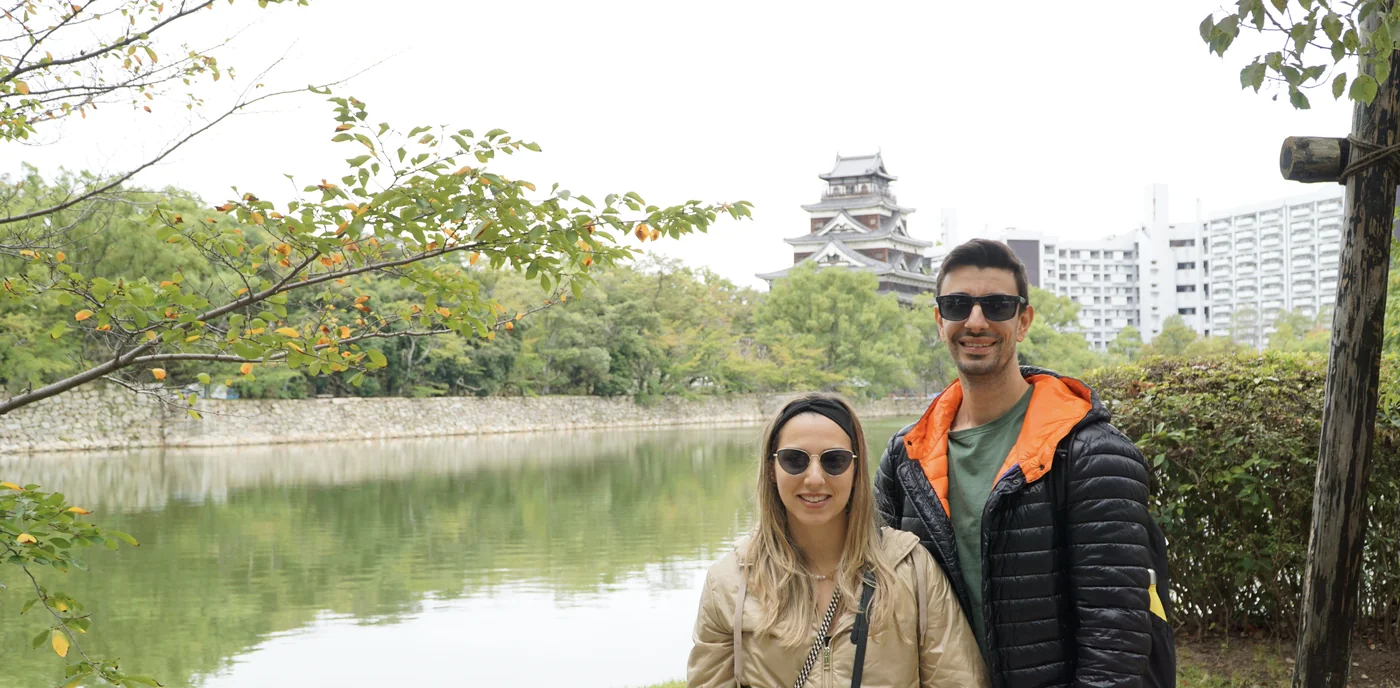
Exploring the Hiroshima Castle Complex
Long before the atomic bomb, Hiroshima Castle was the city’s feudal power centre. Discover its history and what to see across the whole complex.
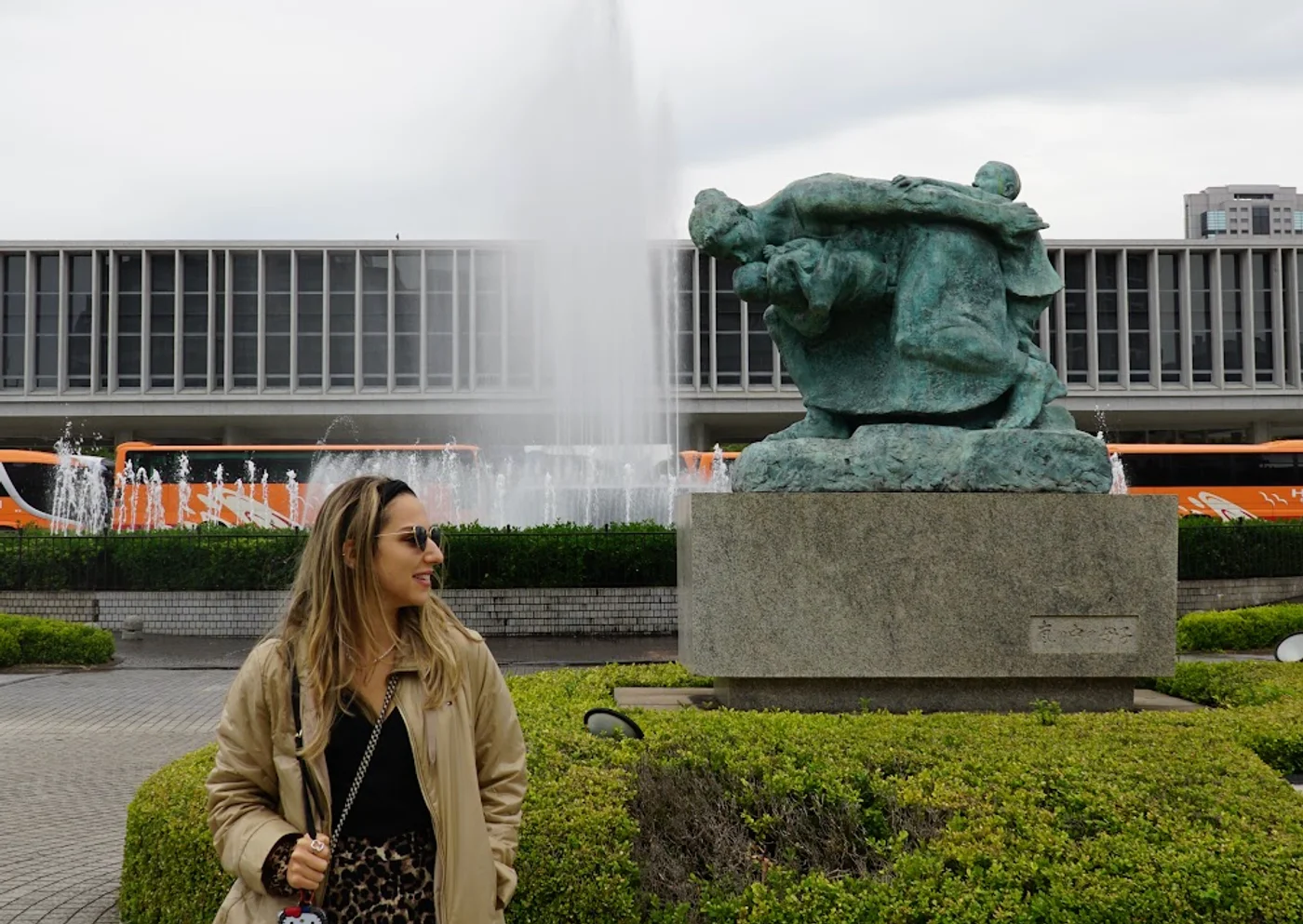
Hiroshima Peace Memorial Museum: a visit that leaves no one indifferent
Personal belongings, photographs and the testimonies of the hibakusha tell what happened in the city on 6 August 1945. A heavy visit, the kind that stays with you long after you leave.
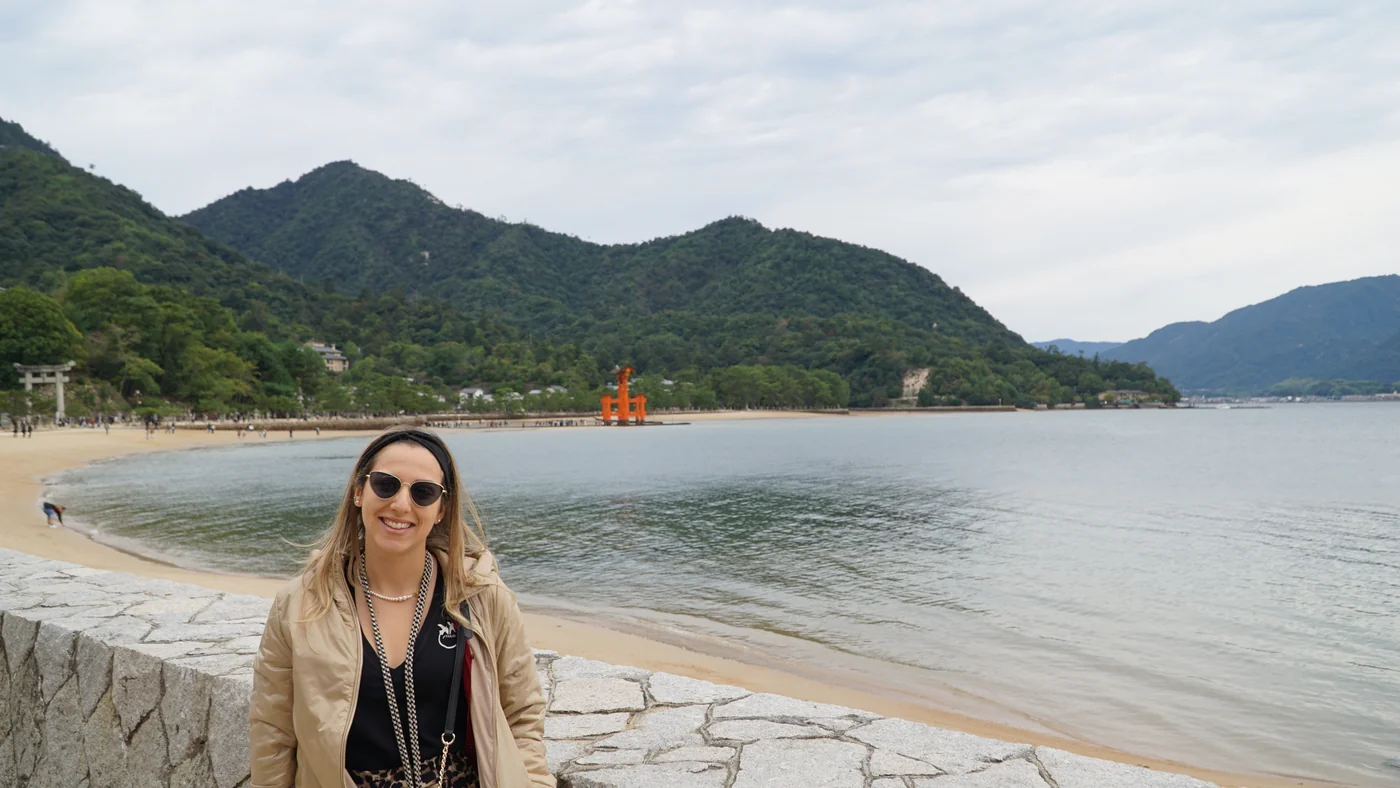
Itsukushima Shrine: Miyajima’s Famous Floating Torii
A sacred island that for centuries almost no one was allowed to set foot on, and a shrine built on wooden pillars. Discover its history, what to see and how to get to Miyajima from Hiroshima.