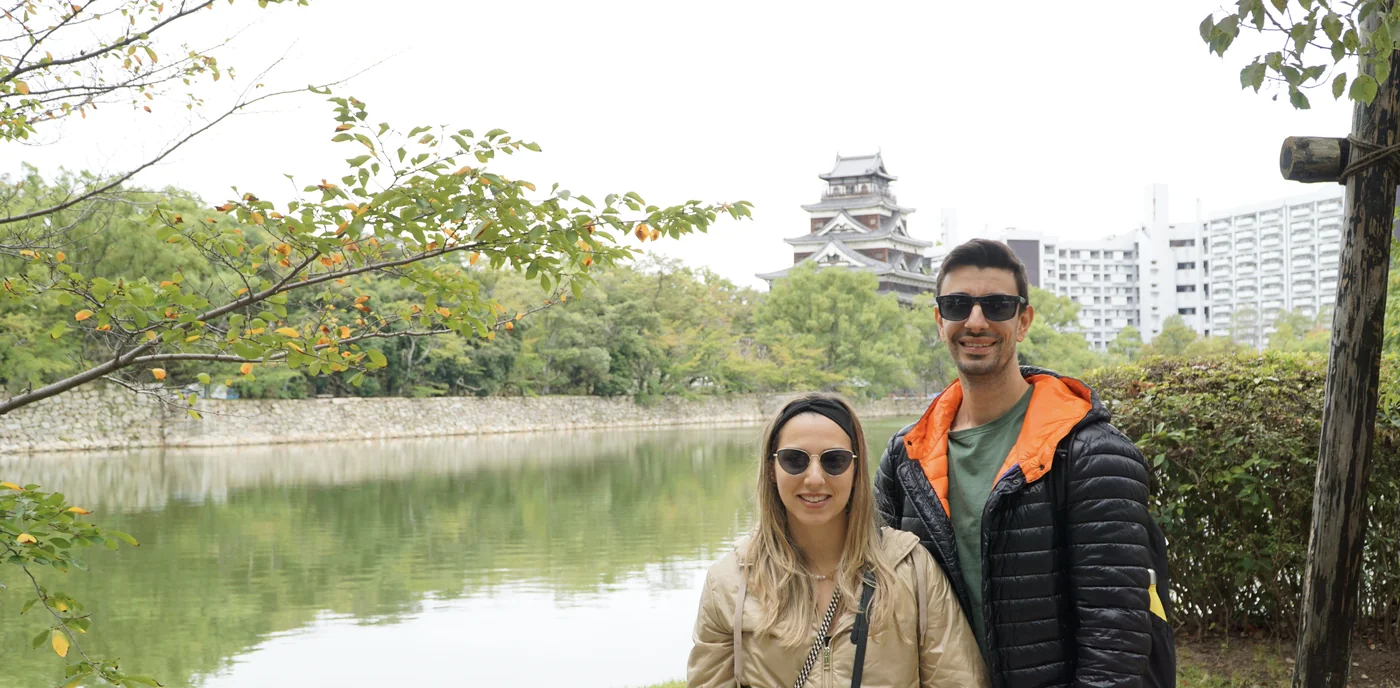
Exploring the Hiroshima Castle Complex
When Hiroshima comes up, it’s almost impossible not to think of the atomic bomb and the events that marked the city forever. But Hiroshima is far more than that chapter of its history. Between memorials, gardens, temples and museums, there are several places worth visiting that reveal a different side of the city.
One of those places is the Hiroshima Castle Complex. Long before the city became forever tied to the events of the Second World War, this was where its political and military centre was born. Today, the site invites you to travel back in time to Feudal Japan, an age when feudal lords and samurai ruled this region. Although the original castle was destroyed by the atomic bomb, the complex was rebuilt and remains one of Hiroshima’s main landmarks, offering visitors a different perspective on the city’s history.
The History of Hiroshima Castle
Before Hiroshima became known around the world for the events of 1945, it was already a city of great importance in Feudal Japan. Construction of Hiroshima Castle began in 1589, on the initiative of Mōri Terumoto, one of Japan’s most influential feudal lords. Unlike the usual practice, Terumoto chose to build the castle on a plain, beside the delta of the Ōta River, rather than on a mountain. The decision proved strategic, allowing him to control the main trade and sea routes, strengthen its defences and consolidate the power of the Mōri clan. The castle’s presence drove the growth of Hiroshima, which quickly became the region’s main political and economic hub.
In 1600, after the Battle of Sekigahara, Hiroshima Castle entered a new phase of its history. With Mōri Terumoto’s defeat, it passed to the Fukushima clan and, a few years later, was handed to the Asano clan, who governed the territory for around 250 years, throughout the Edo period. It was during this time that the castle stopped being purely military and took on a central role in the administration of the province. This was where the daimyo lived and from where the main political and economic decisions were made.
The most tragic day in the history of Hiroshima Castle was 6 August 1945. The explosion of the atomic bomb destroyed almost its entire structure. The castle stood about one kilometre from the site of the blast, and only its stone foundations survived. For several years, the castle lay in ruins, becoming one of the symbols of the devastation caused by the explosion. In 1958, the main keep was rebuilt in reinforced concrete, recovering the appearance of the original building. For decades it served as a museum, though it is currently closed due to a new project to rebuild it in wood, inspired by the castle’s original structure.
Visiting the Complex
Although most visitors focus on the main keep, it’s worth setting aside some time to explore the whole Hiroshima Castle Complex, which helps you understand the historical importance of this place and the city’s evolution over the centuries. Entry is free and, thanks to its central location, it’s an easy visit to fit into a day exploring Hiroshima.
- Hours: open at any time
- Price: free
Main keep
The main keep is, without doubt, the great highlight of Hiroshima Castle. With five floors and an architecture inspired by the original 16th-century fortress, it served for several decades as a museum dedicated to the history of the castle and the city. The original keep formed a group of two smaller connected towers linked by covered passages, a configuration rare among Japanese castles. It is currently closed to the public, as the city intends to replace the concrete structure with a new wooden building, more faithful to the original fortress.
Walls, moats and gardens
The park surrounding the castle is one of the most peaceful green spaces in the city centre. Despite the damage caused by the bomb, some ruins of the old stone walls still stand and can be seen on a walk around the grounds. The moats around the castle survived and help you get a better sense of the scale and defensive system of this old fortress. In spring, during the hanami season, the cherry trees turn the whole complex into a scene full of shades of pink. Even outside that time, the gardens are lovely, and after a few rainy days it’s common to see small mushrooms popping up on the grass - a little detail that easily catches the eye of passers-by.
Hiroshima Gokoku Shrine
On the southern side of the castle complex stands Hiroshima Gokoku Shrine. Founded in 1868, it was destroyed by the atomic bomb, like most of the buildings in the area, and was rebuilt in 1965. The large torii at the entrance stands out easily as you walk through and marks the passage into this sacred space. Today, it remains an active Shinto place of worship, dedicated to the men and women of Hiroshima who lost their lives in various conflicts.
Trees that survived the atomic bomb
The destruction caused by the atomic bomb also struck nature, severely affecting the trees and plants in the areas closest to the blast due to the extreme heat, the shockwave and the radiation. Even so, some trees managed to survive and became symbols of resilience and hope for Hiroshima. Known as hibaku jumoku (literally, trees hit by the bomb), they represent nature’s capacity to recover after one of the city’s greatest tragedies. In the castle complex there are two of these trees: the A-bombed Survivor Camphor Tree and the A-bombed Survivor Eucalyptus Tree. Despite the damage they suffered, both managed to grow again and are today living witnesses to the city’s history.
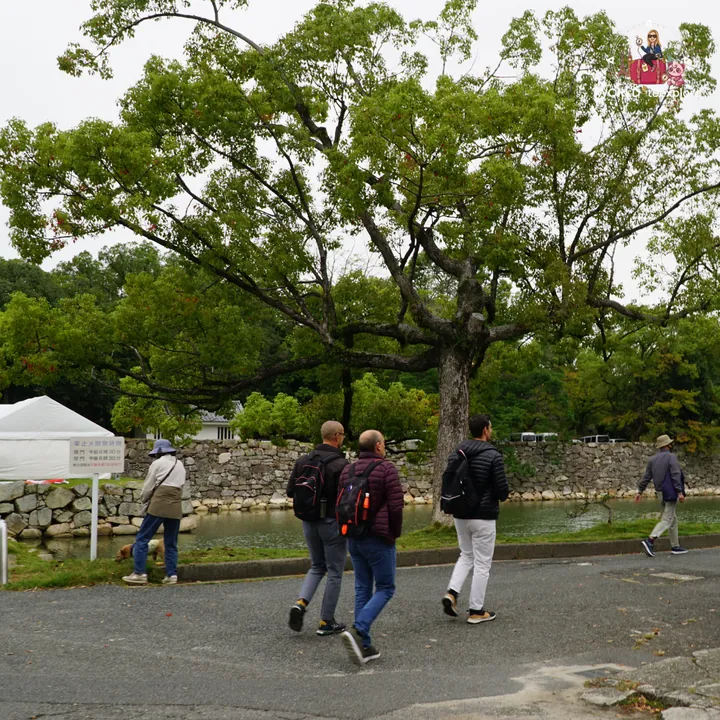
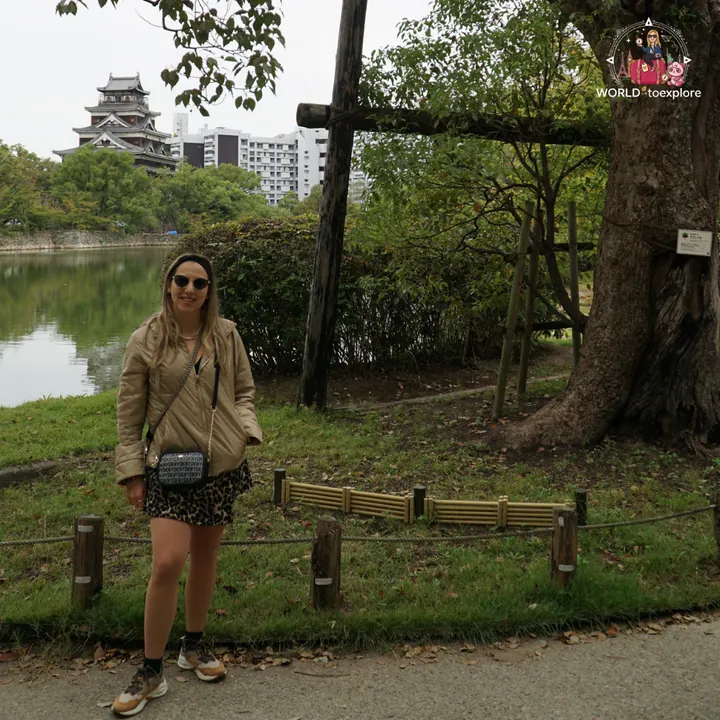
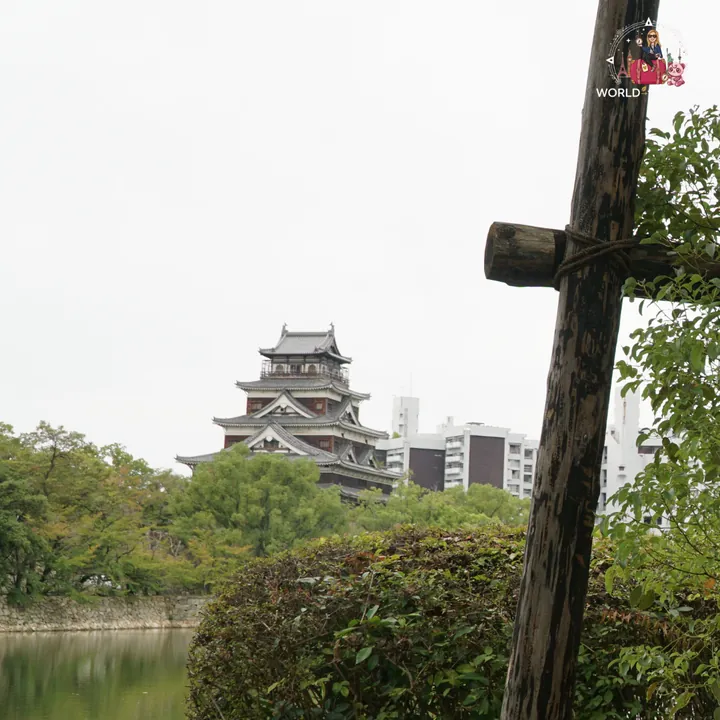
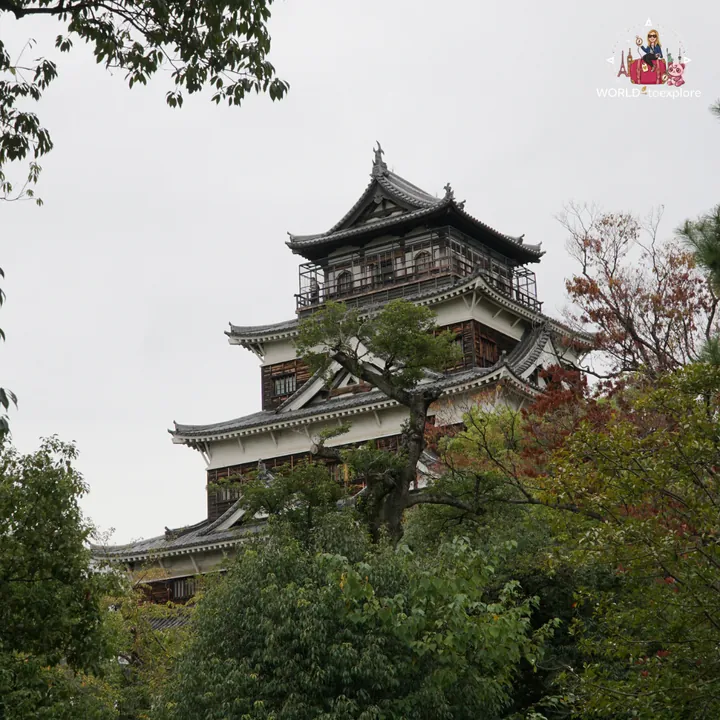
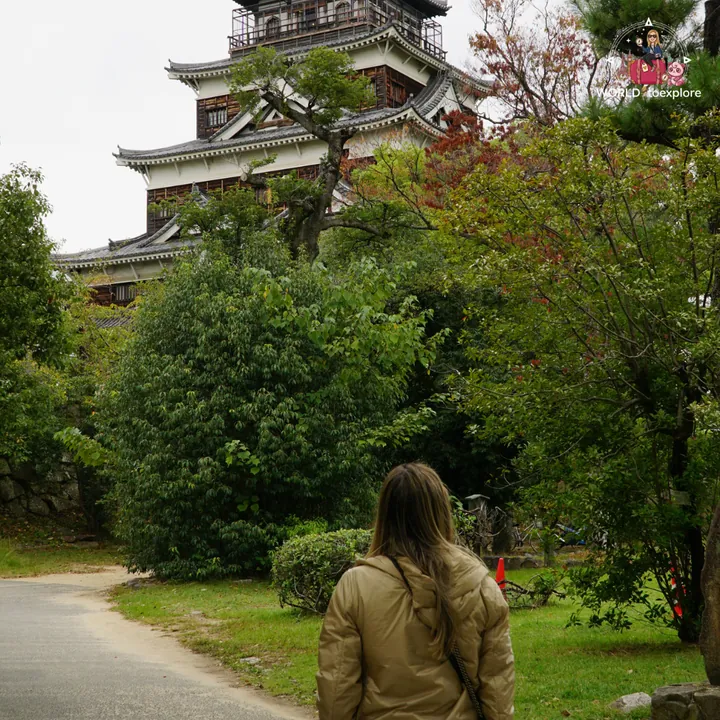
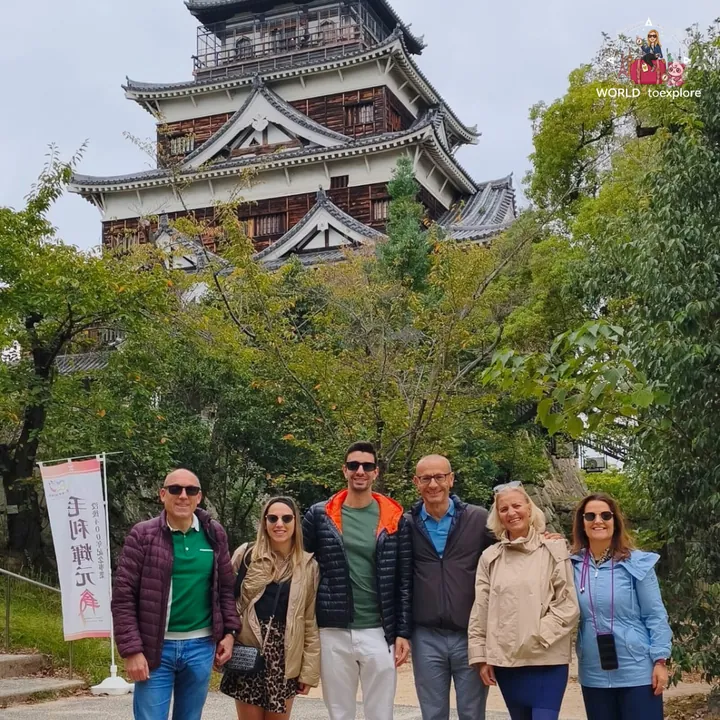
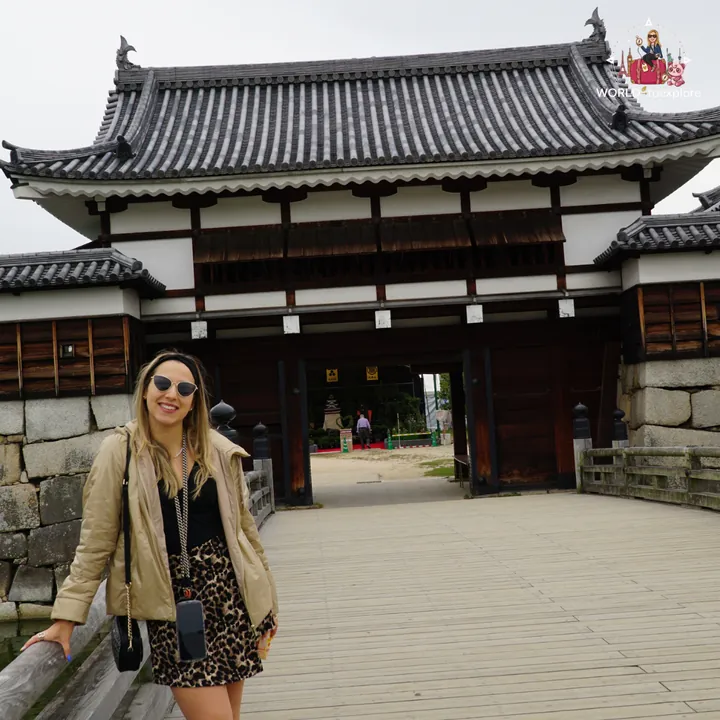
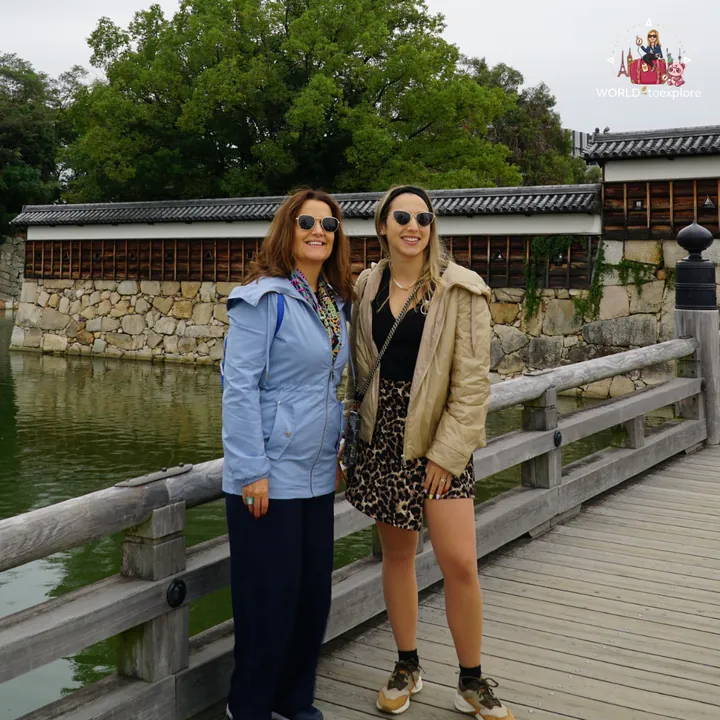
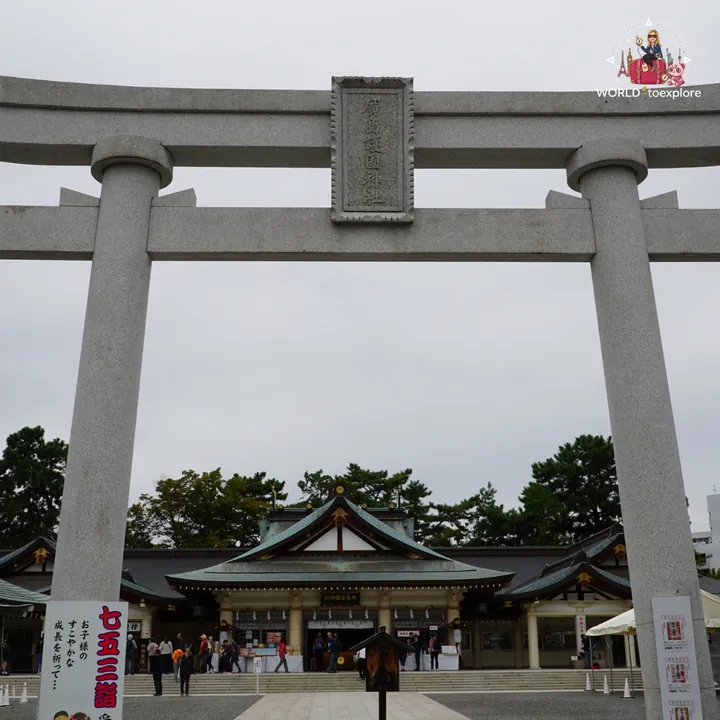
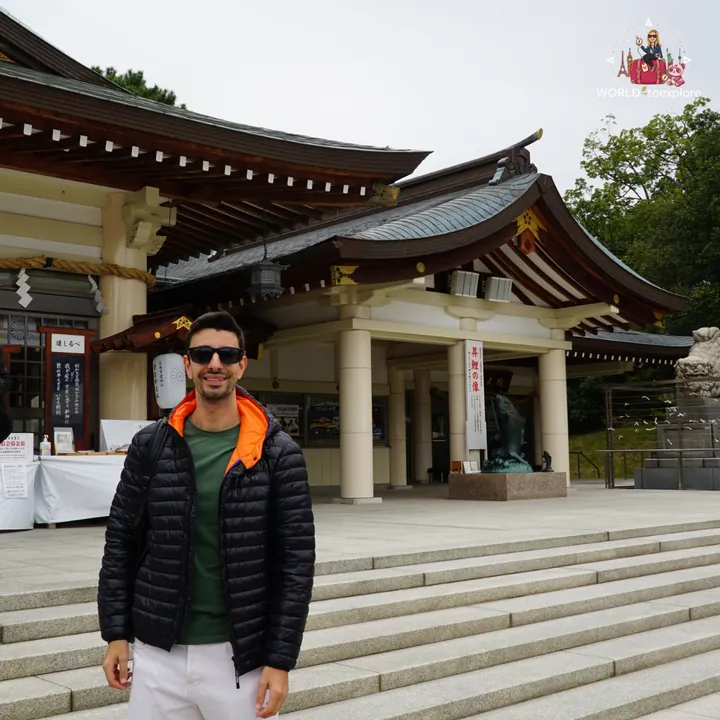
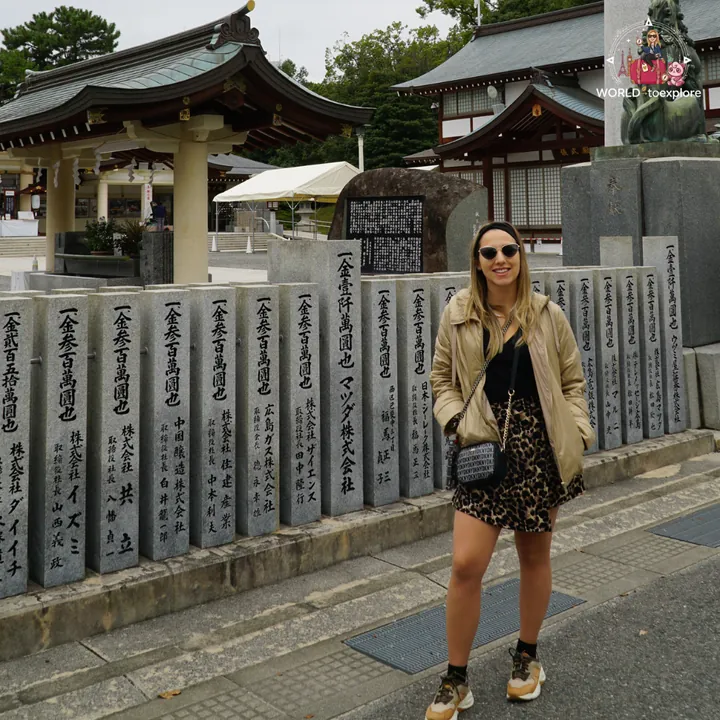
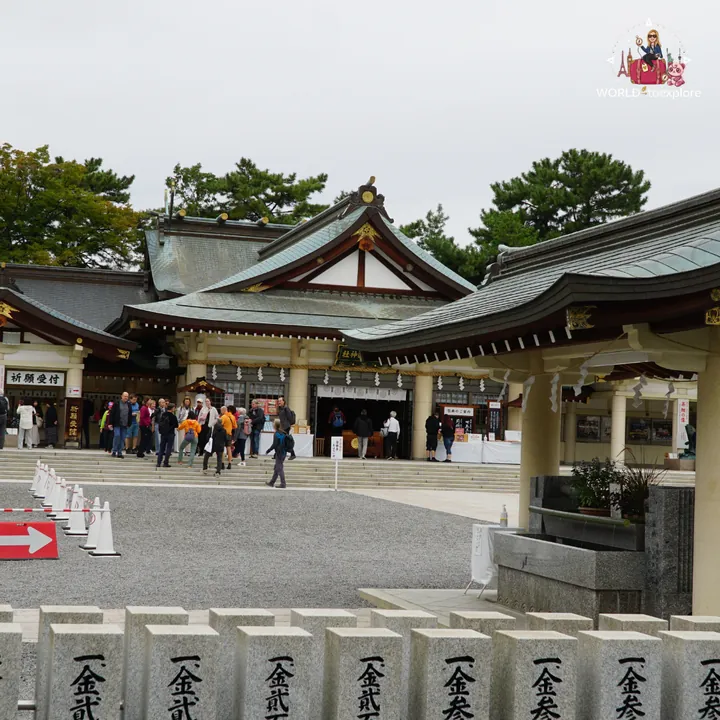
The castle complex was our first stop in Hiroshima. As soon as we came out of the train station, we headed straight there, beginning our discovery of the city. We arrived early, when the city was still quiet and there were few people about. We took a full walk around the complex, passing its main points of interest, especially the main keep and some elements of the castle’s old defensive structure, such as the Nakamikado Gate, the Omotegomon Gate and the Gomon Bridge. We also visited Hiroshima Gokoku Shrine and its imposing torii, next to the large inscribed stone pillars that mark the entrance to this sacred space. It was a wonderful way to start exploring Hiroshima, before heading to what would be the main reason for our visit to the city: the Peace Memorial Park.
More than just a reconstructed castle, the Hiroshima Castle Complex brings together centuries of Japanese history, traces of the old fortress and the deep marks left by the atomic bomb. With a full day in Hiroshima, this is one of the places that deserves a spot on your itinerary. 🩷
If you’re planning a trip to Hiroshima or Japan, check out all our articles here to help plan your trip.
You Might Also Like
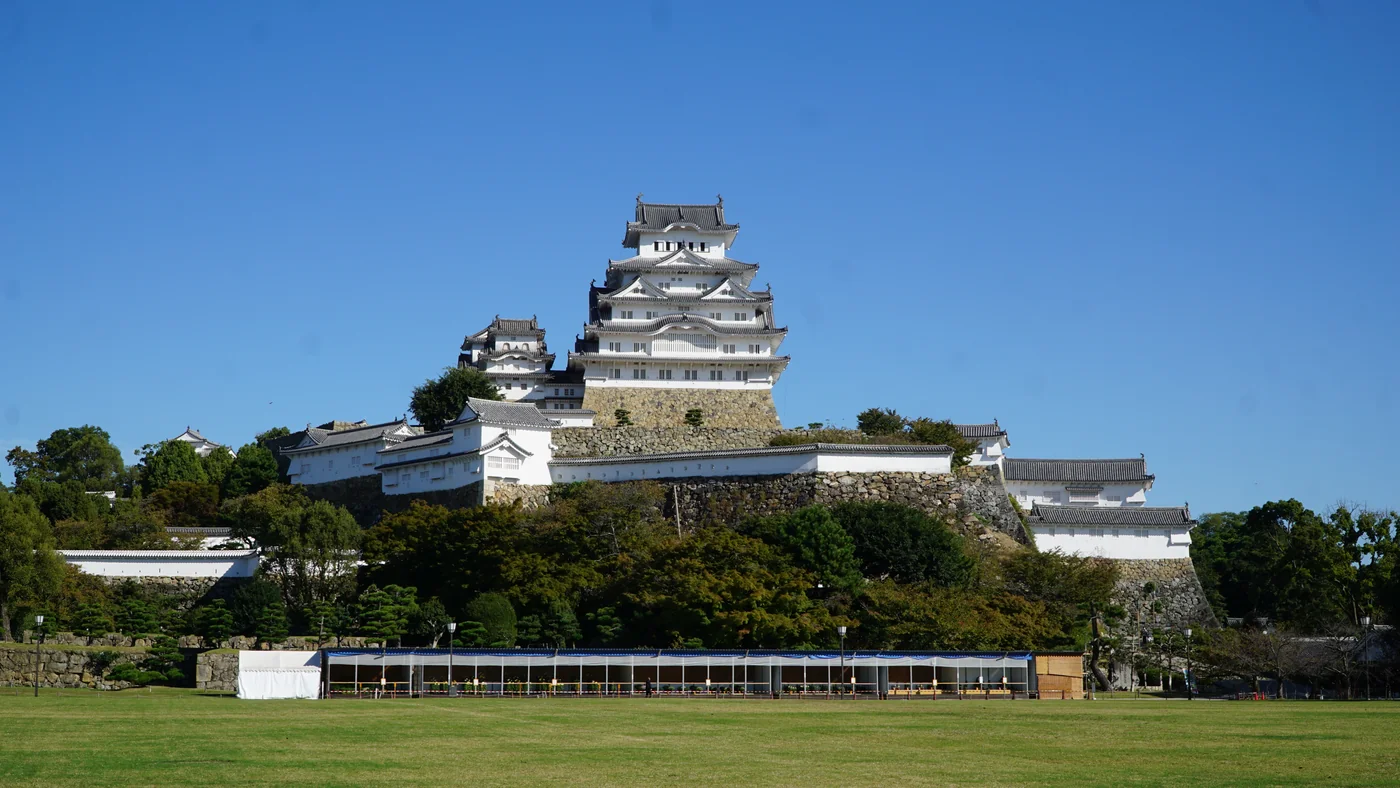
What Feudal Japan Was and Who the Samurai Were
Discover what Feudal Japan was and who the samurai really were. A simple guide to the shoguns, daimyo and 700 years of Japanese history.
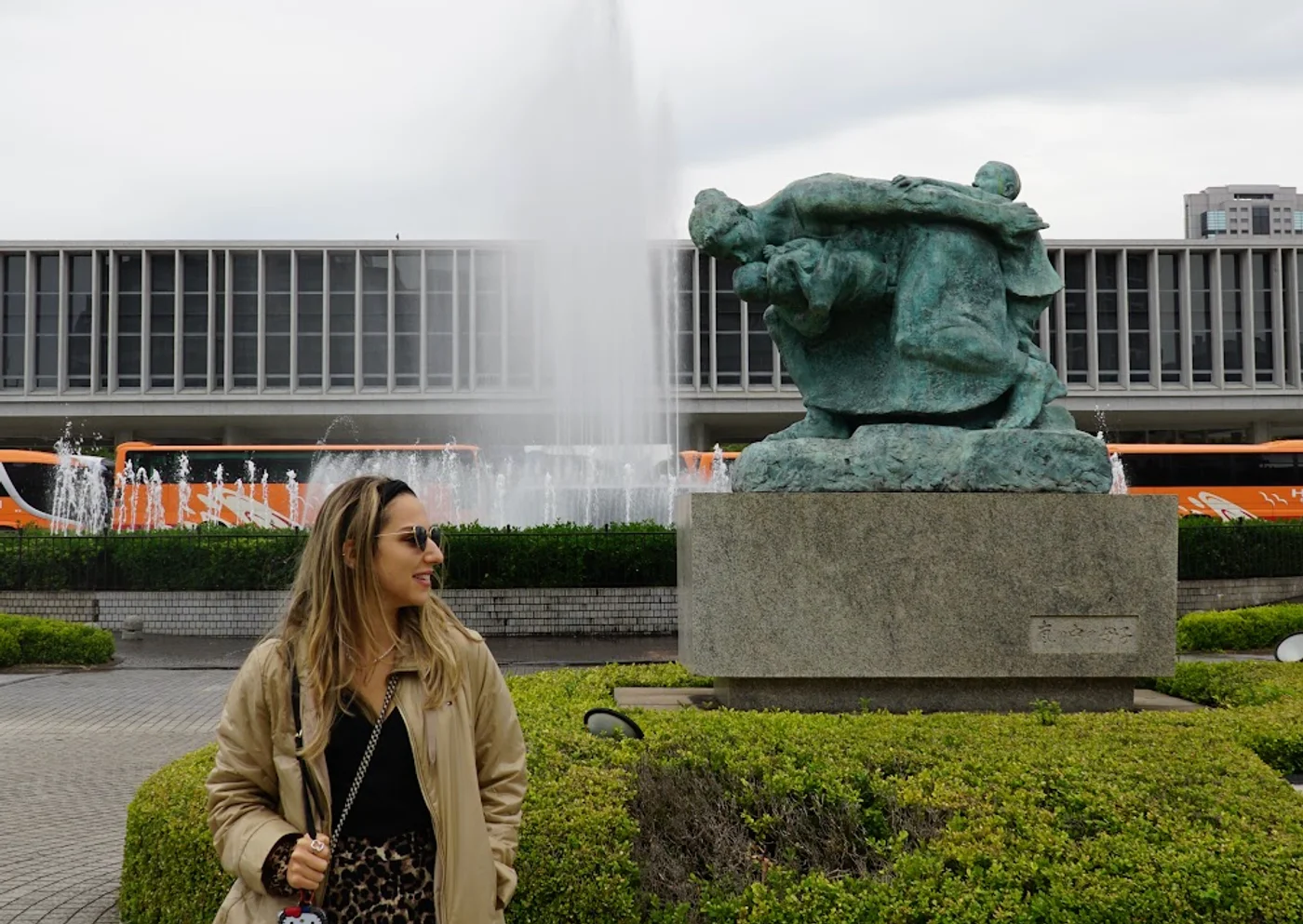
Hiroshima Peace Memorial Museum: a visit that leaves no one indifferent
Personal belongings, photographs and the testimonies of the hibakusha tell what happened in the city on 6 August 1945. A heavy visit, the kind that stays with you long after you leave.
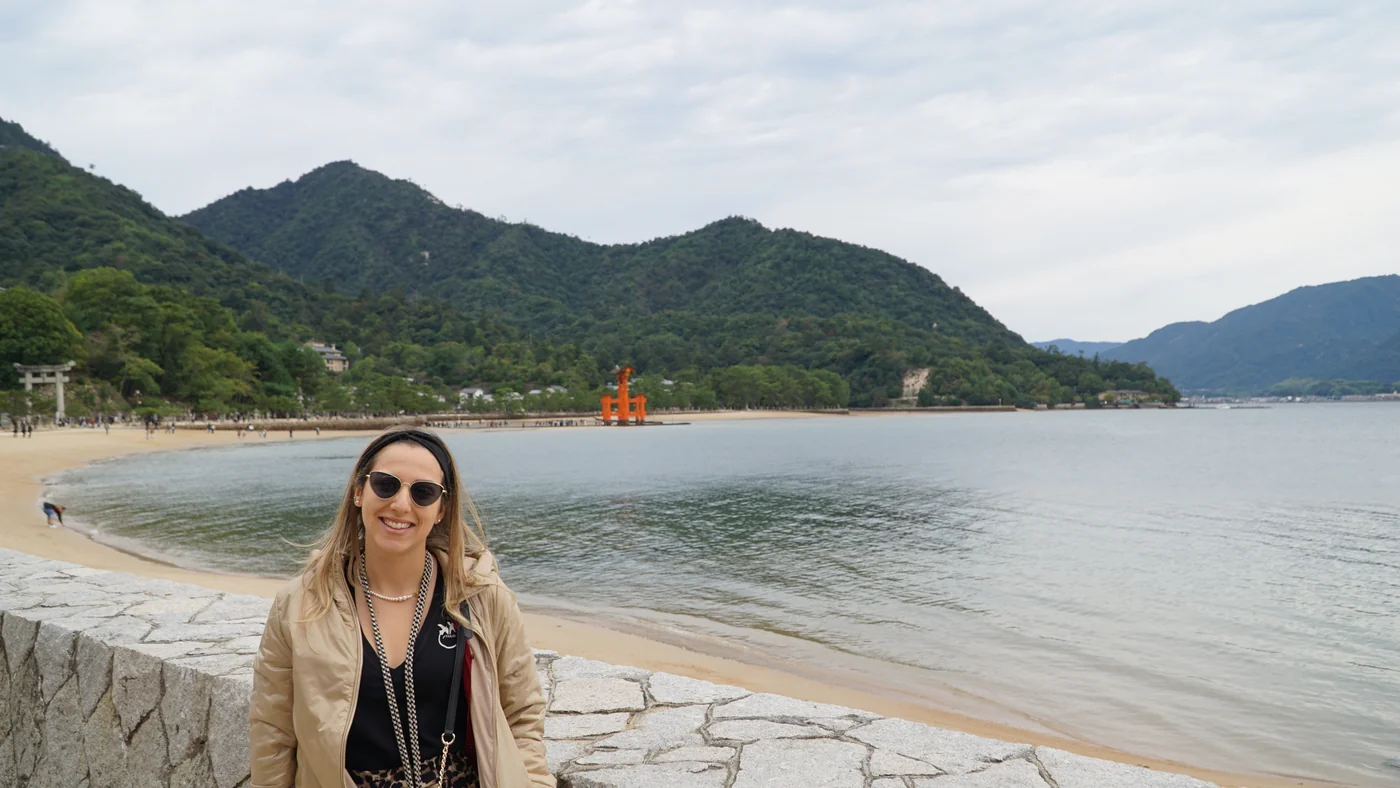
Itsukushima Shrine: Miyajima’s Famous Floating Torii
A sacred island that for centuries almost no one was allowed to set foot on, and a shrine built on wooden pillars. Discover its history, what to see and how to get to Miyajima from Hiroshima.