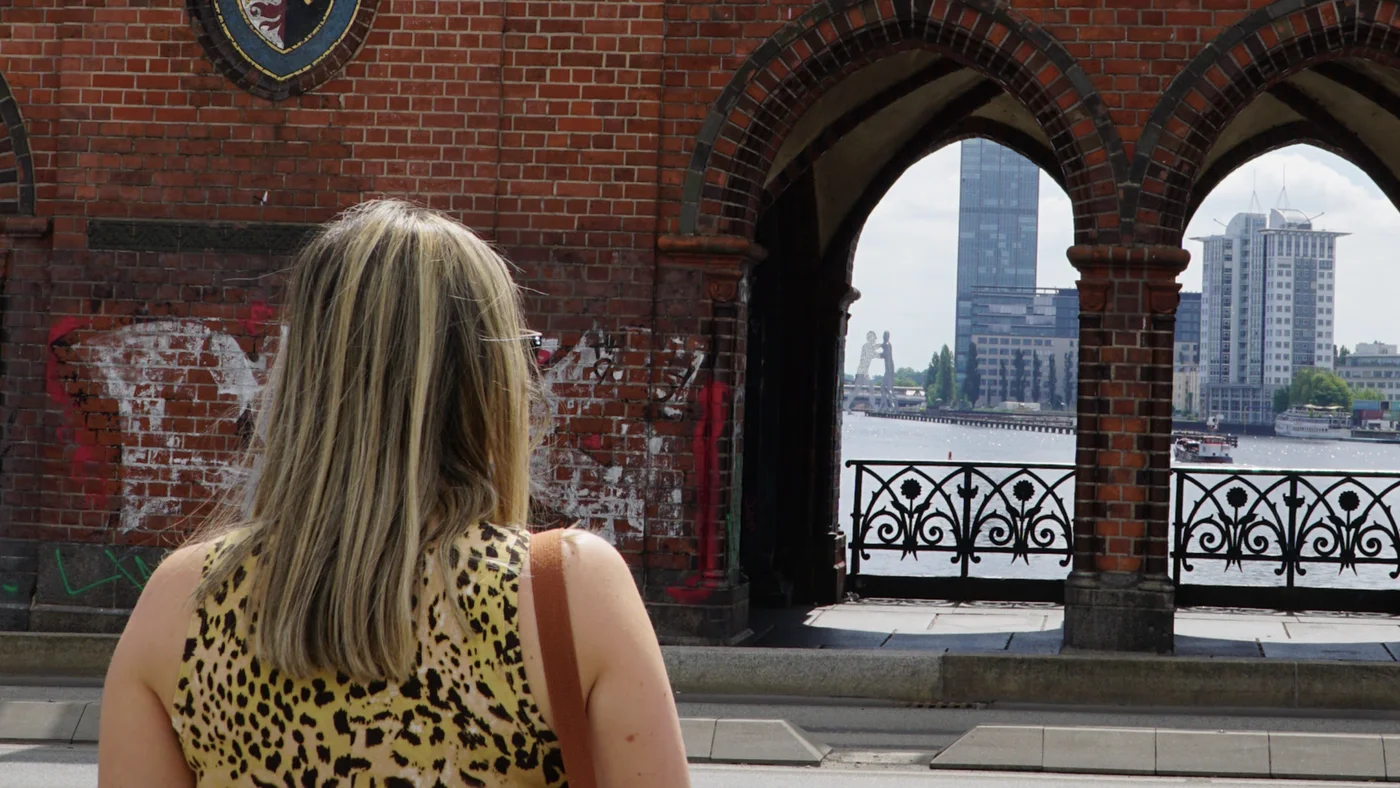
Oberbaumbrücke, a bridge between two sides of Berlin
This article was not sponsored and all opinions are genuine. It contains affiliate links, which means I may receive a small commission if you book through them, at no extra cost to you.
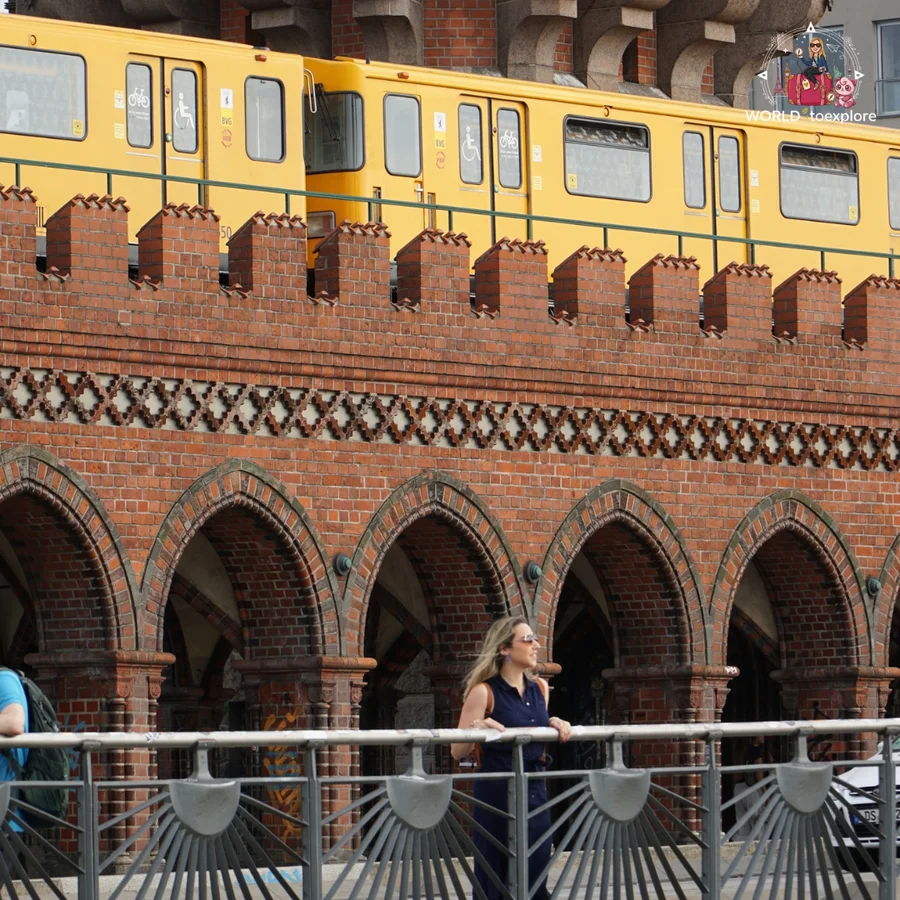
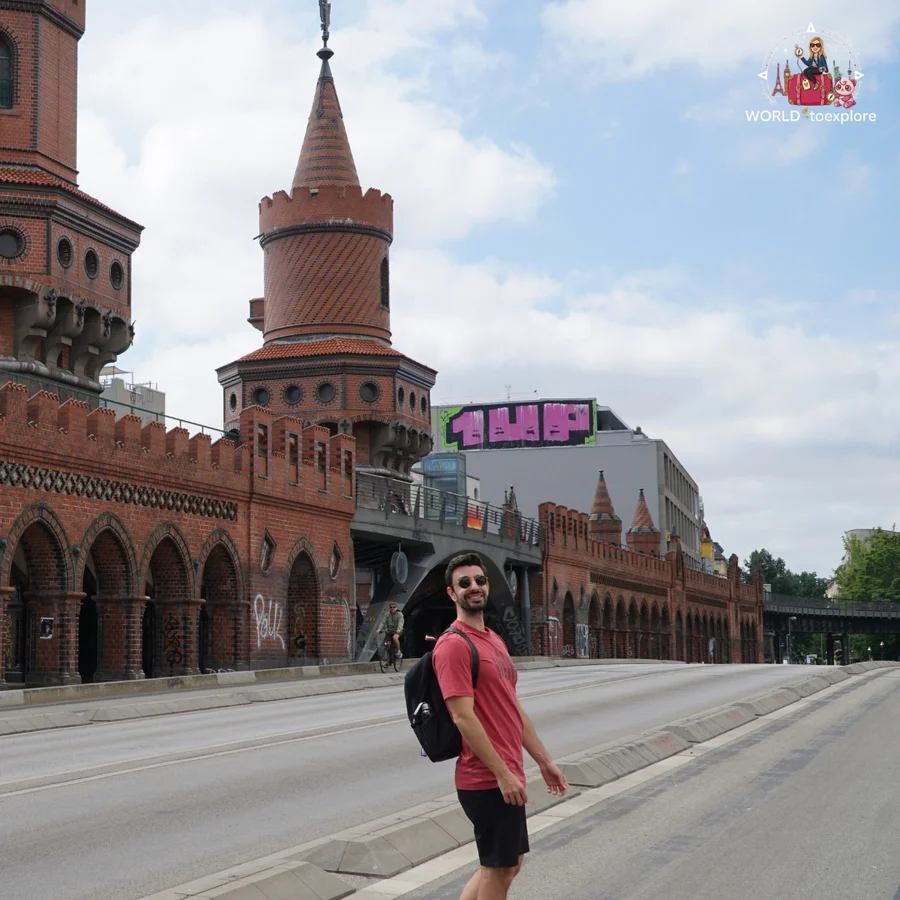
Oberbaumbrücke is one of Berlin's best-known bridges, and it's super easy to see why. It has a very distinctive, imposing look, thanks to its two towers, its brick construction and the fact that the metro runs along the upper level. The bridge crosses the River Spree and connects Friedrichshain to Kreuzberg, two very different areas of the city.
But Oberbaumbrücke doesn't stand out for its looks alone. During the years when Berlin was divided by the Wall, the bridge marked the border between East and West Berlin and ended up playing an important role in movement between the two sides of the city. Today, it is very close to the East Side Gallery and fits easily into the same itinerary, especially if you want to explore this area along the River Spree on foot.
The history of the bridge
The history of Oberbaumbrücke began long before the bridge we see today. In 1724, when Berlin was already part of the Kingdom of Prussia and just a few decades after the construction of Charlottenburg Palace, there was a wooden structure here that was also used as a checkpoint on the River Spree. The name itself comes from that era. “Oberbaum” was the name given to the large tree trunk used to block the river at night, while “Brücke” means bridge in German. This structure was part of the city's control system and also helped manage the entry of goods.
The bridge we know today began to be built in the late 19th century, just over two decades after German unification. Berlin was growing rapidly and needed to improve the connection between the two banks of the River Spree. Construction took place between 1893 and 1896, following a design by the German architect Otto Stahn, who gave it the Neo-Gothic style that still distinguishes it today. The two towers, the arches and the exposed brick are part of that original construction and remain some of the most recognisable features of Oberbaumbrücke. In 1902, the metro also began to cross the bridge on the upper level, bringing pedestrians, cars and rail transport together in the same space, a feature that remains to this day.
The Second World War marked a new chapter in the history of Oberbaumbrücke. In 1945, in the final months of the conflict, part of the bridge was deliberately destroyed to hinder the advance of Soviet troops on Berlin. After the war it was repaired, but a few years later it would take on a completely different importance with the division of the city. When the Berlin Wall was built in 1961, Oberbaumbrücke sat right between East and West Berlin and became one of the crossing points between the two sides. The crossing became heavily controlled and stopped working as a normal link between the districts of Friedrichshain and Kreuzberg, as it had until then.
After the fall of the Berlin Wall in 1989, the recovery of Oberbaumbrücke also began. In the following years the bridge was restored and became part of the city's everyday life again. Since then, Oberbaumbrücke can be crossed on foot, by car or by metro, which runs on the upper level. The proximity to several points of interest in this part of Berlin has also made the bridge, in its own right, a frequent stop on itineraries around the city.
Nearby points of interest
Oberbaumbrücke is in a relatively central part of Berlin, right over the River Spree, which runs through much of the city and passes several well-known attractions, such as the Berliner Dom. In this area, the river becomes part of the walk itself, with pedestrian paths along its banks. That is also why a visit to this bridge combines so easily with other nearby attractions.
Molecule Man
Molecule Man is a rather curious sculpture on a platform in the River Spree. Created by the American artist Jonathan Borofsky and installed in 1999, it is made up of three aluminium human figures that seem to walk towards each other over the water. The work was placed at a point where the districts of Kreuzberg, Friedrichshain and Treptow meet, the idea being to represent precisely this union between different parts of Berlin. It stands around 30 metres tall and, because of its size, can be seen from far away from Oberbaumbrücke.
East Side Gallery
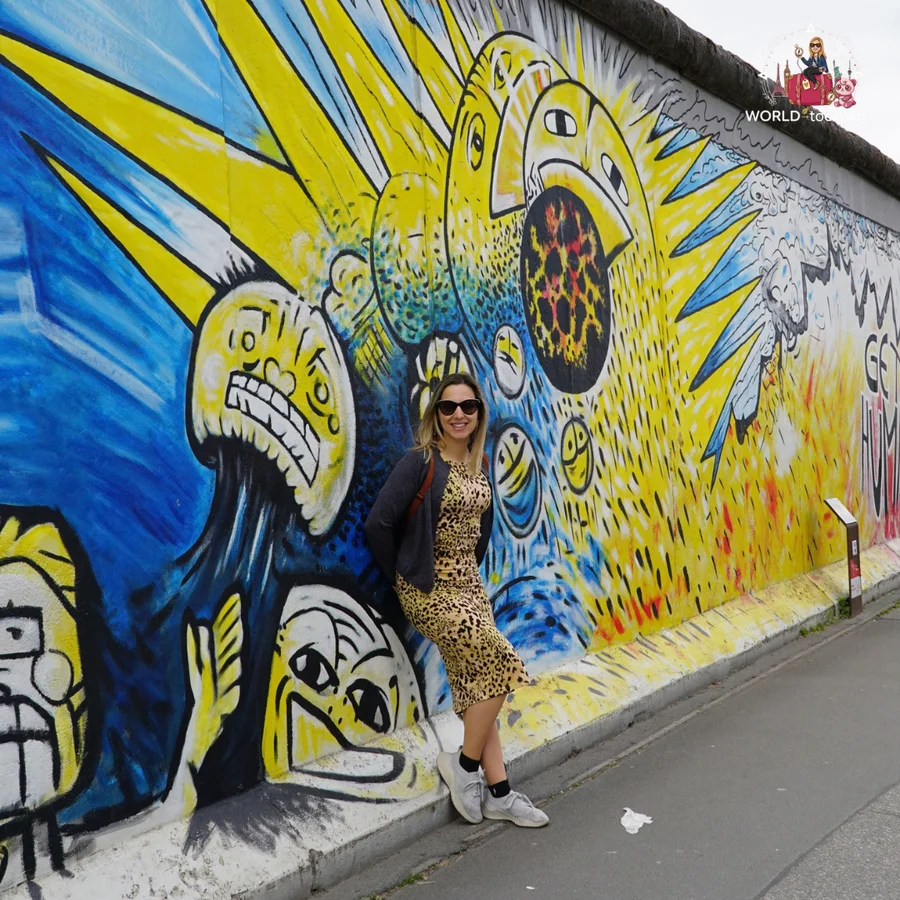
Right next to Oberbaumbrücke is the East Side Gallery, the longest continuous stretch of the Berlin Wall still preserved in the city. Over about 1.3 kilometres, the former wall is covered with dozens of murals painted after its fall, including the famous kiss between Leonid Brezhnev and Erich Honecker. As it is so close, it's well worth combining the two in the same itinerary. If you want to better understand the history of the wall and discover other places related to this division, you can read the full article on the Berlin Wall here.
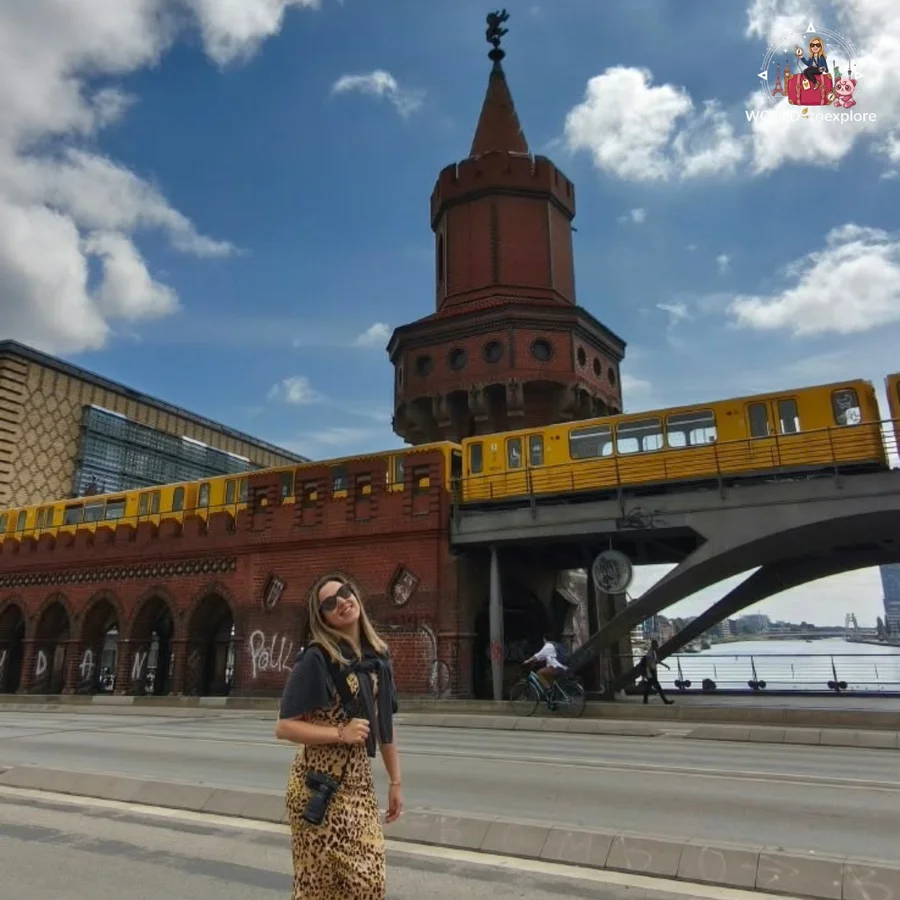
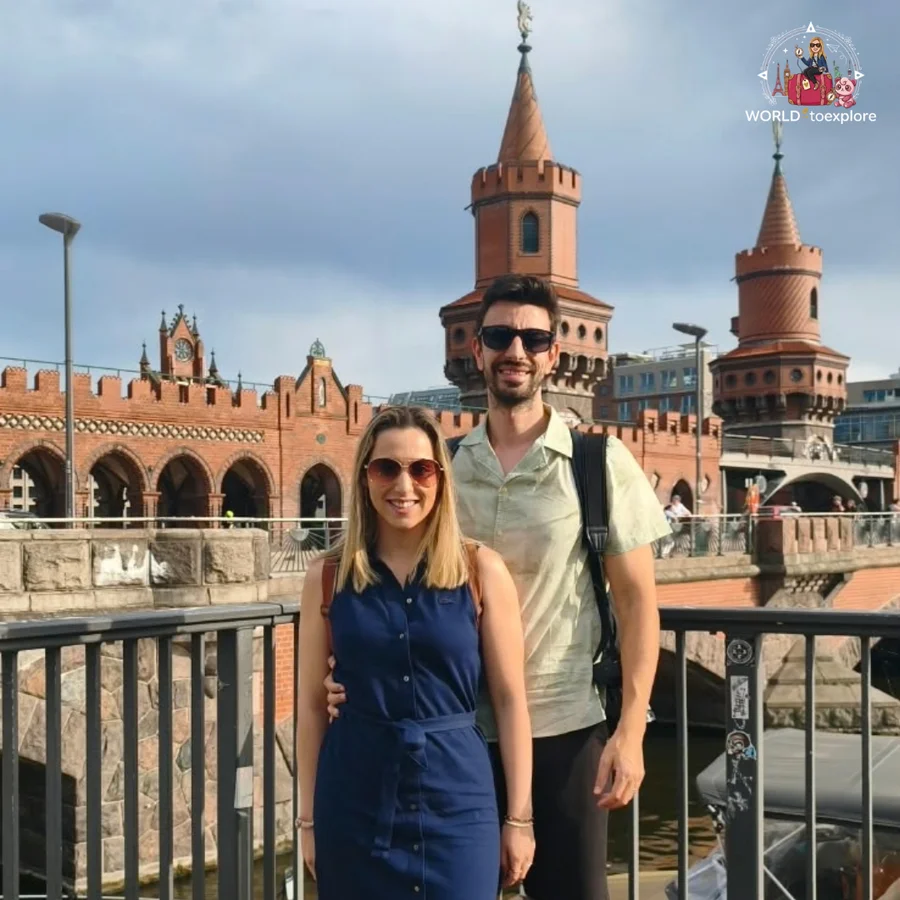
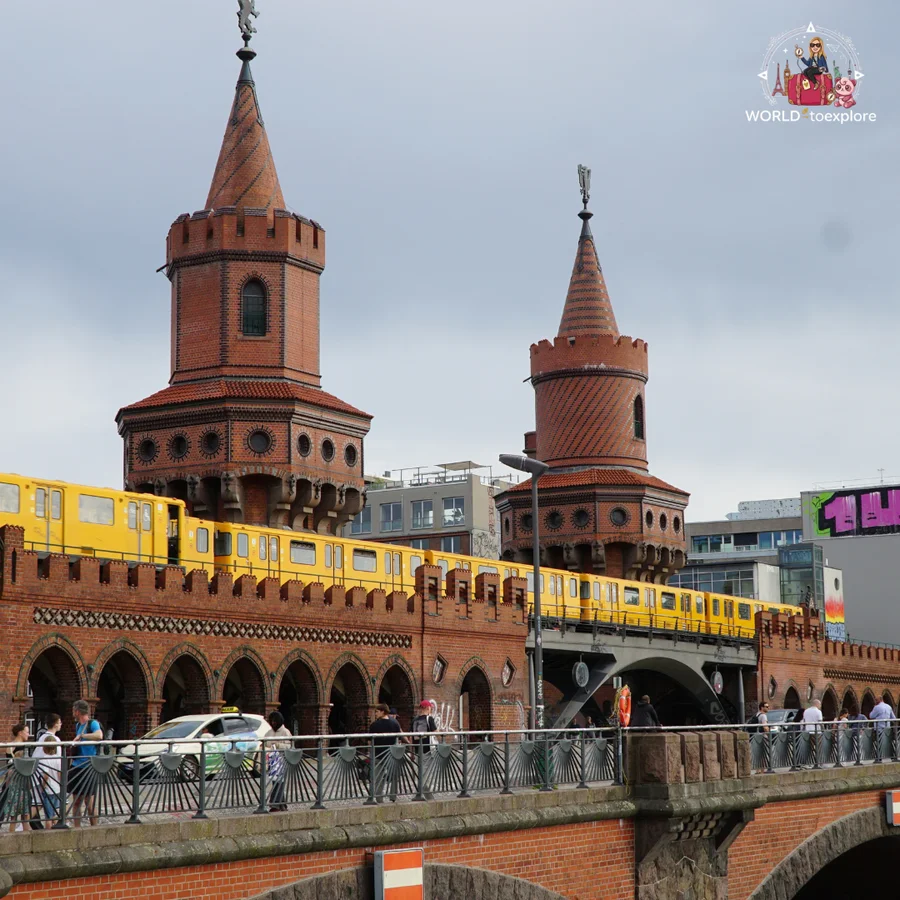
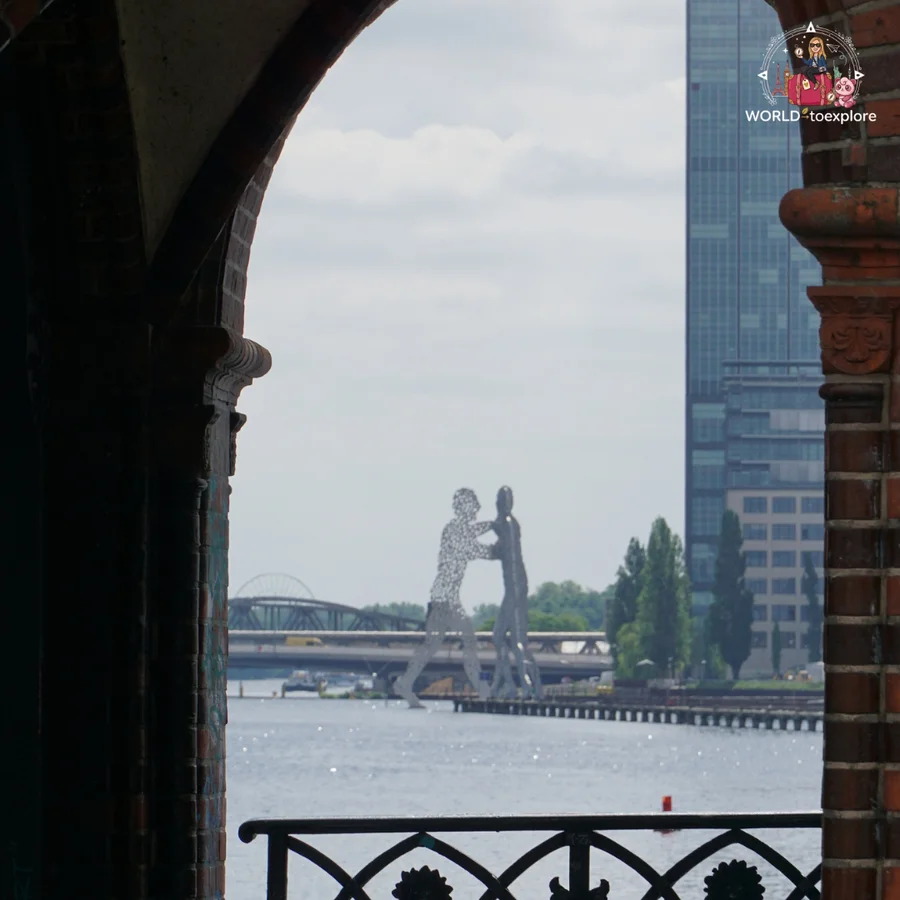
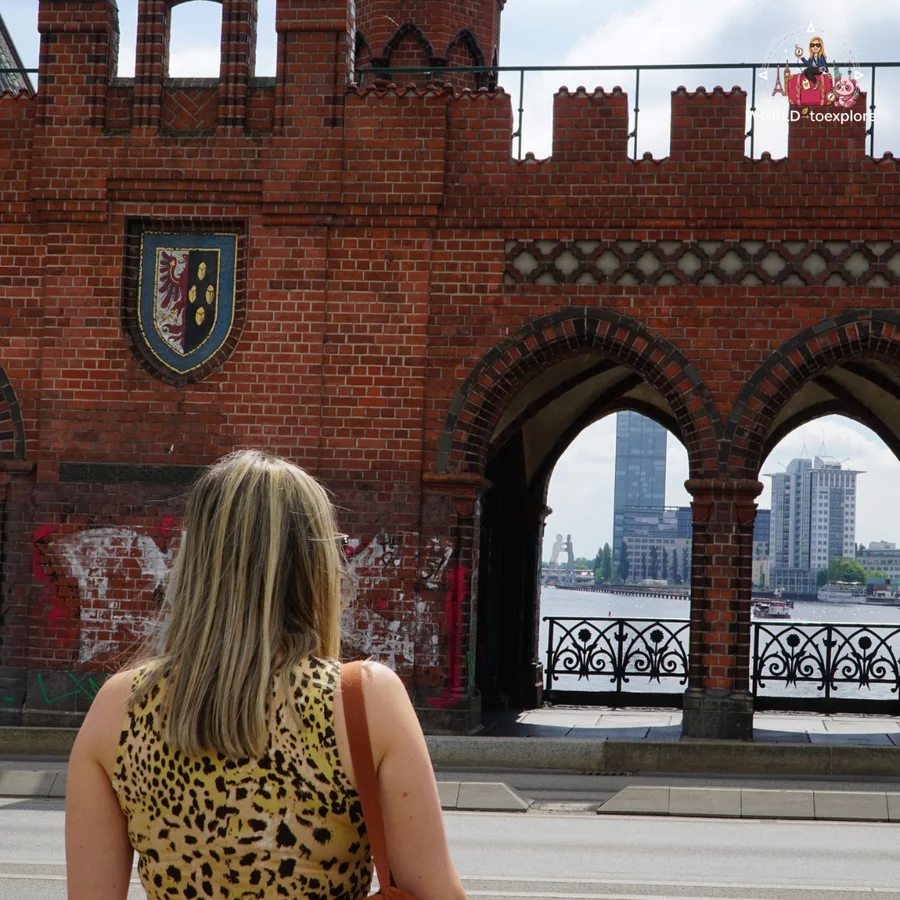
Between the history of the bridge itself, the proximity to the East Side Gallery and Molecule Man in the distance, I think it makes complete sense to include it in an itinerary of the German capital. Oberbaumbrücke fits easily into a visit to this part of the city, doesn't take much time and doesn't even require a big detour. Even if it is just a quick stop, it's worth walking across it to see the structure up close and take the opportunity to get to know this stretch of the Spree at a more relaxed pace. 🩷
You can see here all our articles about Berlin and find more ideas to organise your itinerary for the city.
Planning your next trip? Book your accommodation through Booking.com and get your travel insurance with Heymondo, where you get 5% off through my link. By using these links, you are also supporting World to Explore, at no extra cost to you.
You Might Also Like

Berliner Dom, One of Berlin's Most Beautiful Churches
The Berliner Dom is one of Berlin's most beautiful churches, with a green dome that stands out on Museuminsel. We cover the building's history, marked by the Second World War and the city's division, and what our visit was like, from the crypt to the top of the dome.
Charlottenburg Palace: A Visit to Berlin's Largest Palace
Between the New Wing, the Golden Gallery and 55 hectares of gardens, we show the grander and lesser-known side of Berlin's history, with opening hours, prices and our own experience.
The story of a city divided by the Berlin Wall
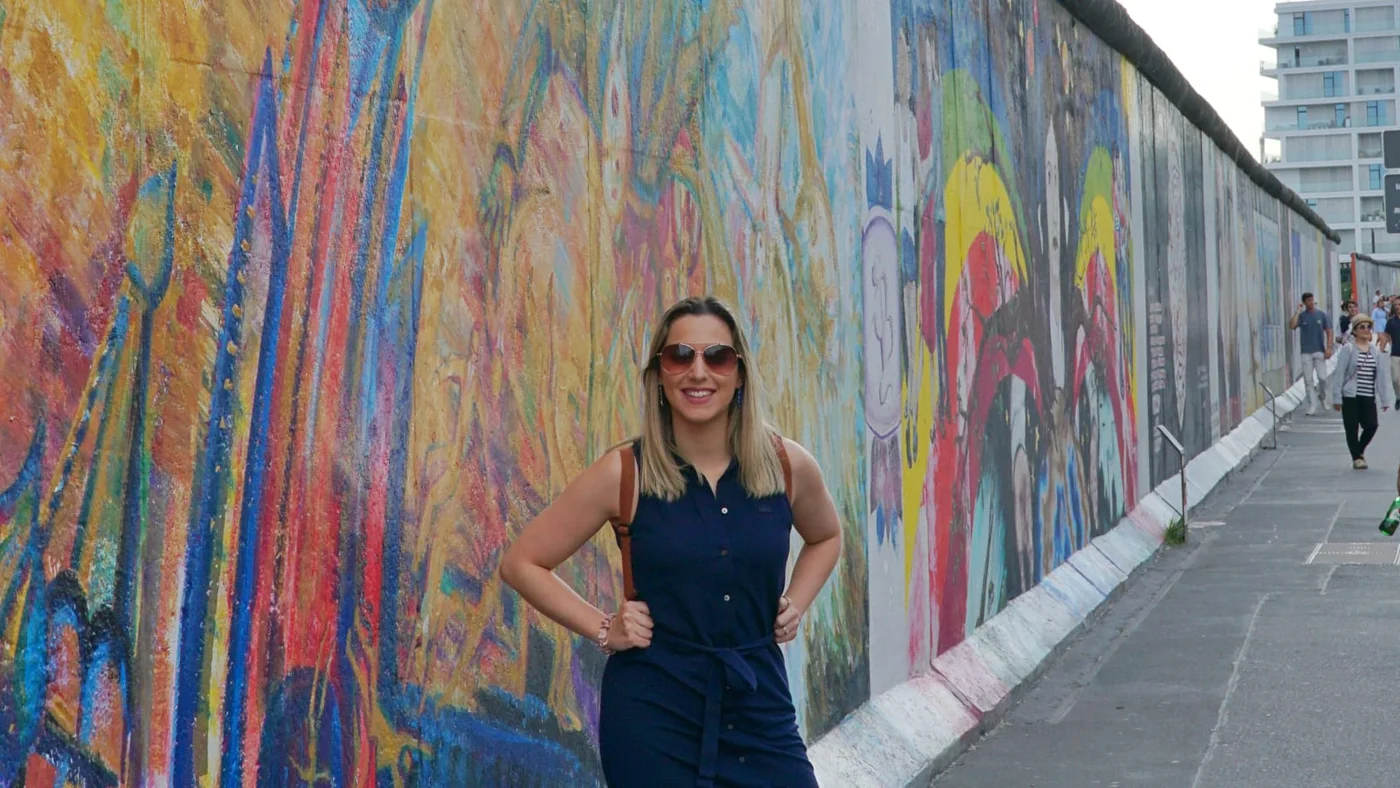
One night in August 1961, Berlin woke up cut in two by barbed wire. The story of the Berlin Wall, from the day it went up to the night it came down, and what you can still see of it in the city today.