The Majorelle Garden in Marrakech
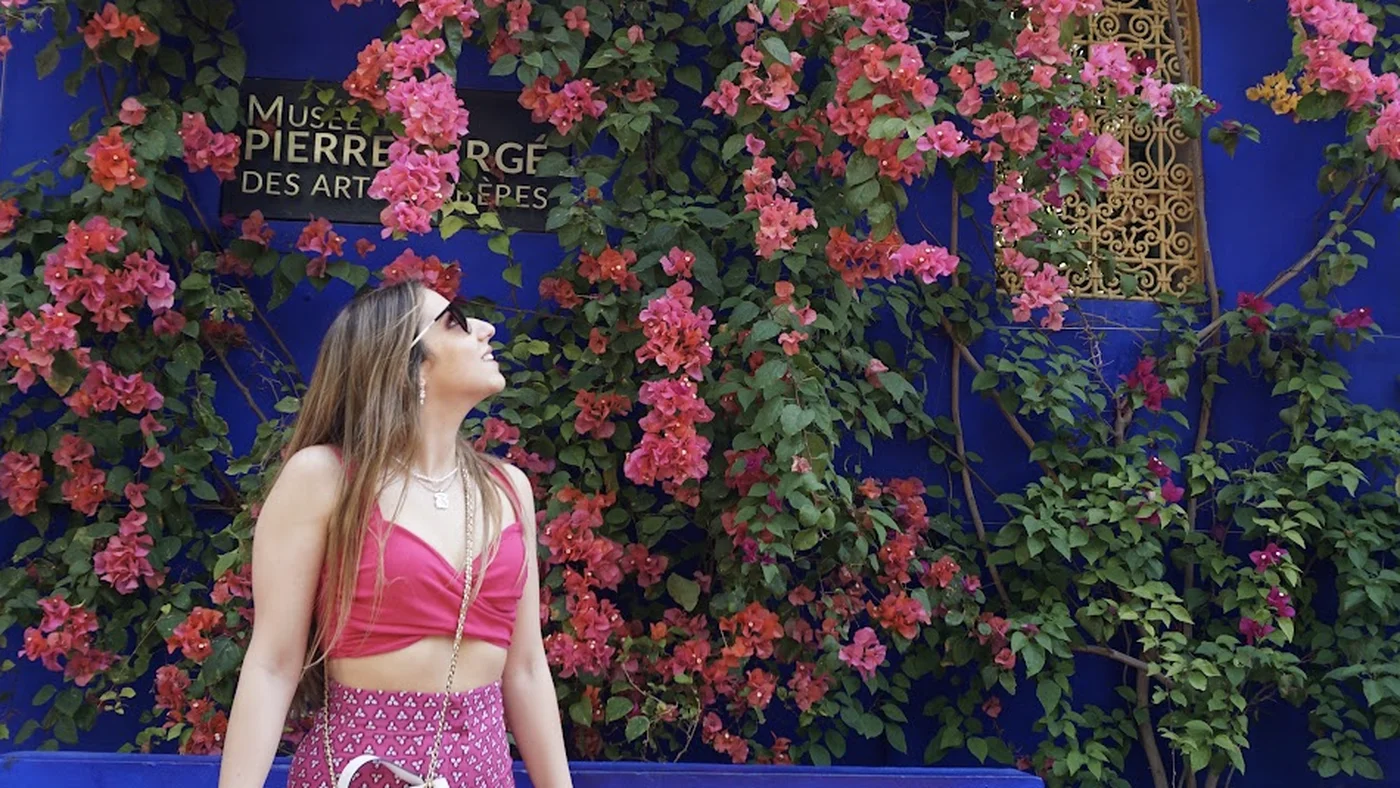
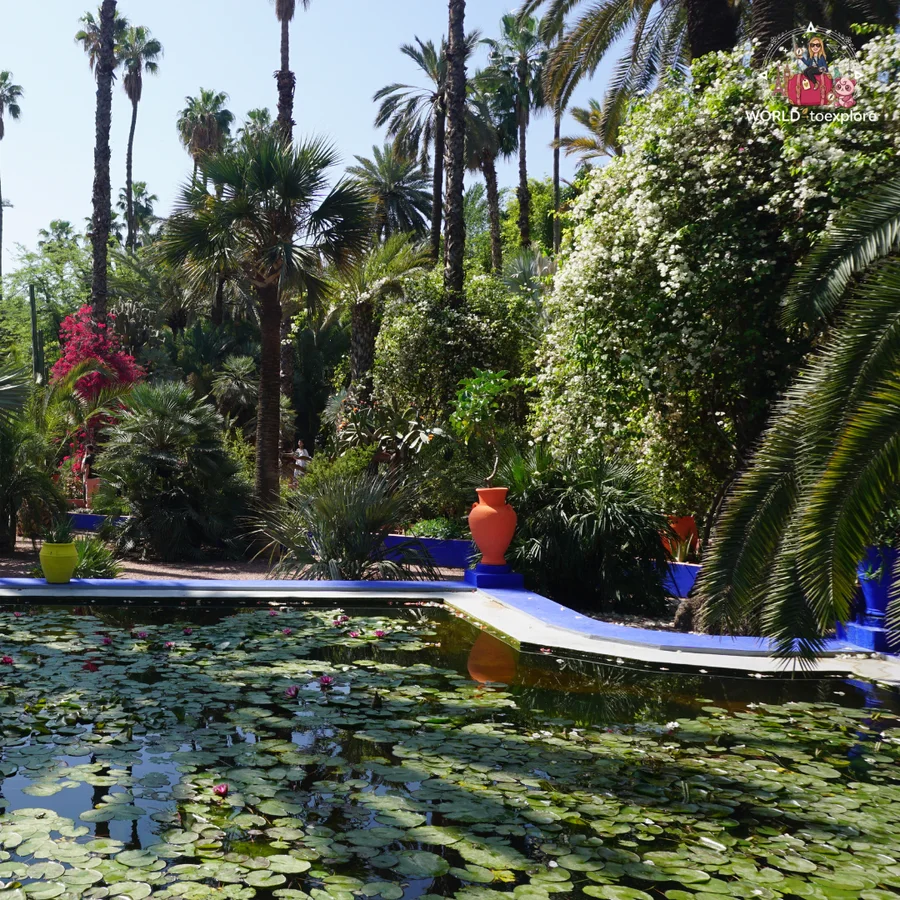
The Majorelle Garden is one of the best-known places in Marrakech and, probably, one of the most photographed too. Anyone who has seen pictures of this garden will easily recognise the intense blue, known as Majorelle blue, that appears on several features throughout the space and has become a true trademark. Although it is now a hugely popular attraction in the city, it all began as a personal project of the French painter Jacques Majorelle, who spent several decades creating and transforming the garden. The result is a place that feels distinctly different from the rest of Marrakech, where vegetation, architecture and colour come together in a very particular way.
Covering around 9,000 m² and with more than 100 years of history, the Majorelle Garden was designed down to the smallest detail, bringing together plant species from all over the world, from cacti and palm trees to other exotic plants brought back from Jacques Majorelle's travels. The story of the place took on a new dimension when, in 1980, Yves Saint Laurent and Pierre Bergé bought the property and played an essential part in its restoration and preservation. Today, the garden is a hugely sought-after visit for anyone passing through Marrakech and one of those places you recognise at first sight. In this article we will get to know the garden's history a little better and find out how a visit works.
Who Was Jacques Majorelle?
Jacques Majorelle was born in 1886 in Nancy, France, the son of Louis Majorelle, a well-known furniture designer linked to the Art Nouveau movement. He followed a different path from his father, however, and devoted himself to painting. In 1917 he arrived in Morocco at the invitation of Marshal Lyautey, the French resident-general in the country, who was also from Nancy, had a particular interest in the arts and was seeking to attract artists to Morocco. Jacques Majorelle became especially attached to Marrakech, where he settled a few years later. The city, the colours and the Moroccan landscapes quickly began to influence his work and became a constant presence in his paintings. It was also during this period that, taking advantage of being nearby, he began to travel frequently to other parts of North Africa, looking for new settings and inspiration for what he was creating.
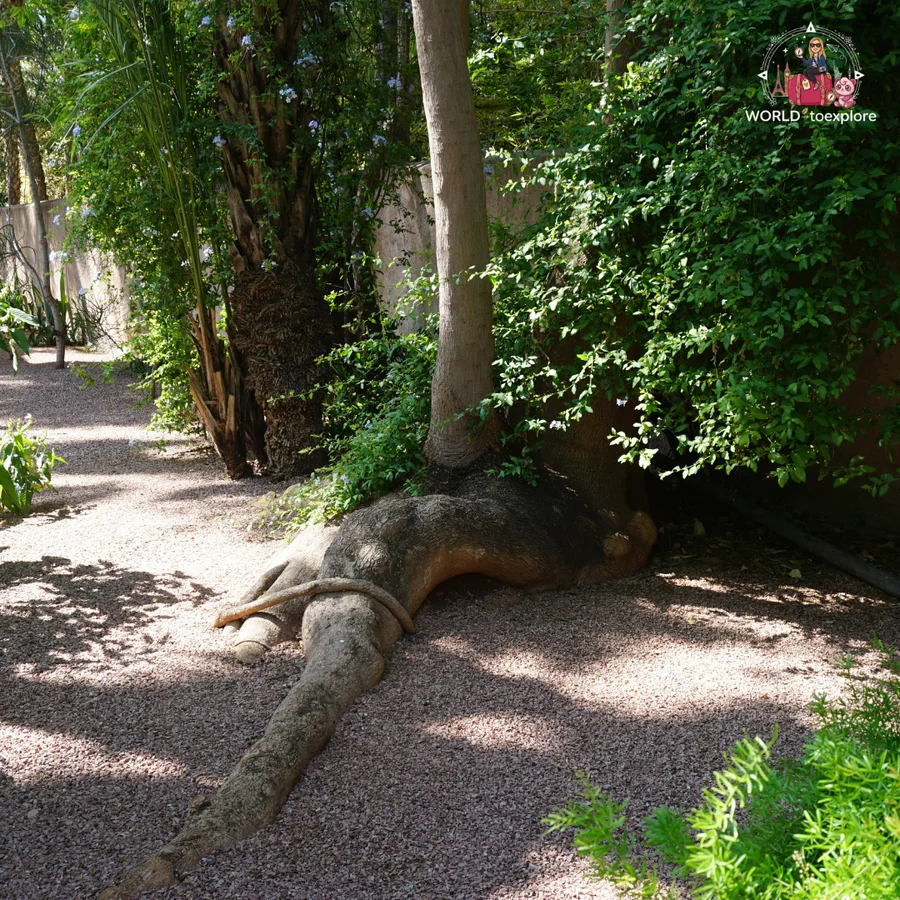
In 1923, Jacques Majorelle bought a large area of palm grove on the outskirts of Marrakech, where he began to create what would later become the Majorelle Garden. Besides painting, he also had a great interest in botany and gradually gathered on the property various species brought back from his travels. The garden became almost an extension of his artistic work, where he could experiment with colour, vegetation and architecture itself.
Jacques Majorelle went on living and working in Marrakech for several decades and became deeply attached to the city. His work helped to spread images of the landscapes, people and settings of North Africa through painting, but it was the garden that became his best-known legacy. After a car accident, he was repatriated to Paris, where he died in 1962. Even so, the Majorelle name remained linked to Marrakech, not only through the garden but also through the intense blue he created, which is still instantly associated with this place.
The History of the Majorelle Garden
The history of the Majorelle Garden began in the early 1920s, when Jacques Majorelle acquired a large palm grove near Marrakech. At the time, this area was far from the city centre and it was here that the painter began to create a space where he could live and work, but also give wings to another of his great passions, besides painting: botany. Over some four decades, he gradually transformed the land, adding new plants and shaping the garden in his own image. In 2024, the Majorelle Garden marked 100 years since the start of this project, which went on to grow far beyond what began as a private property.
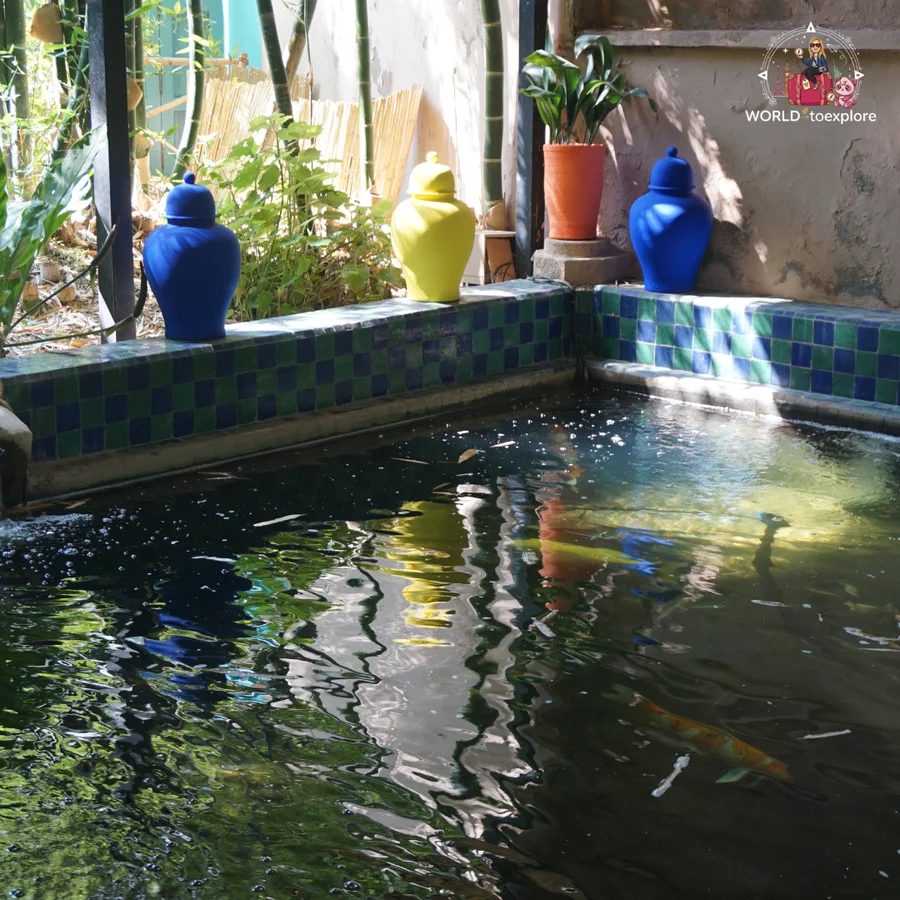
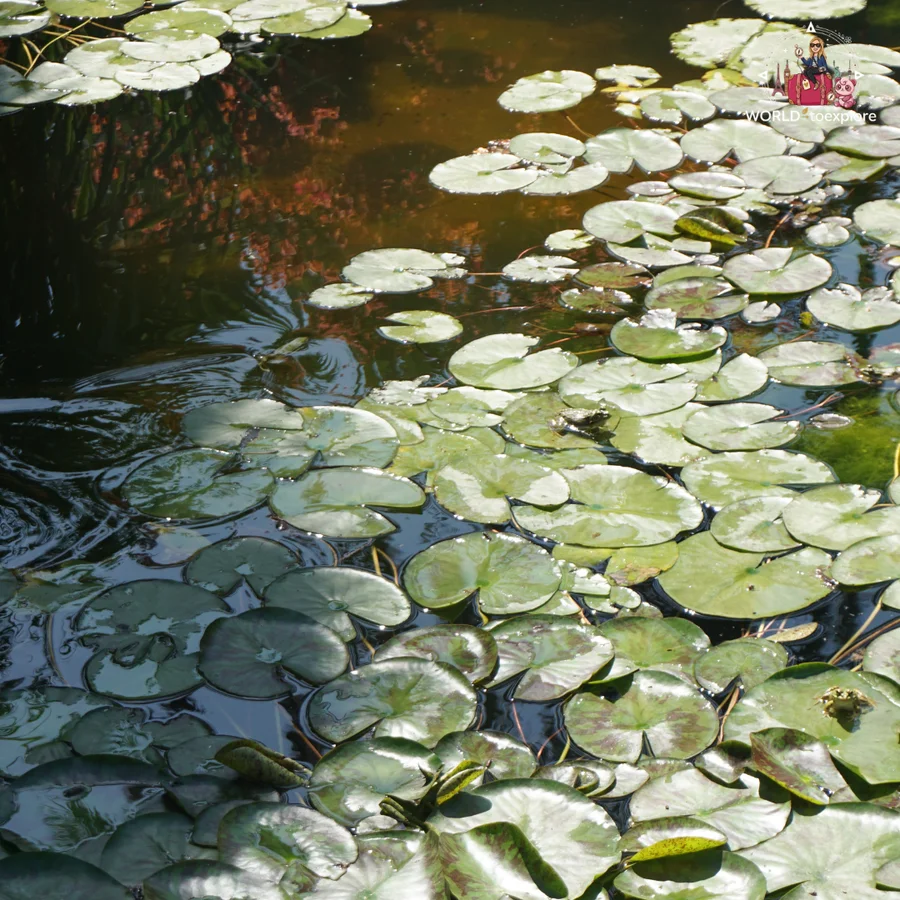
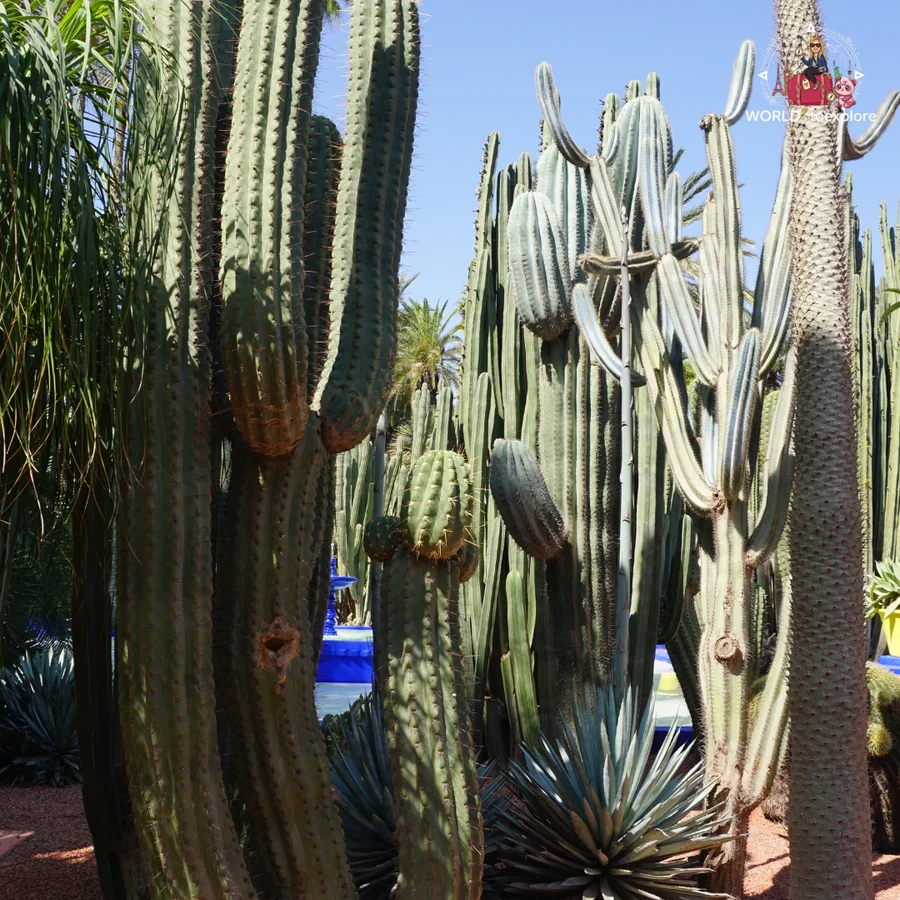
Jacques Majorelle had no intention of creating merely a pretty garden around his house. From early on, he began to treat that land almost as a botanical laboratory, where he experimented with different species and worked out which ones best adapted to Marrakech's climate. Many of the species came from the journeys he made and, little by little, specimens from various parts of the world appeared, among them cacti, palm trees, bamboo and water plants. The garden grew in an organic way, with paths crossing, different levels and areas designed to create distinct atmospheres. Today it covers around 9,000 m², but what we see is the result of many years of experiments and changes made by Majorelle himself.
In 1931, Jacques Majorelle decided to take an important step in transforming the property and asked the French architect Paul Sinoir to design a new studio. The building, in Art Deco style and quite modern for its time, served as a workspace on the ground floor and as living quarters on the upper floor. The architecture contrasted strongly with the rest of the property and gave it an even more distinctive identity. A few years later, in 1937, what would become the most recognisable element of the whole garden appeared. Majorelle created a very intense shade of blue and began using it on the walls and on several other features of the property, creating a strong contrast with the green of the vegetation. The colour became known as Majorelle blue and remains, without a doubt, one of this place's great trademarks.
In 1947, Jacques Majorelle decided to open the garden to the public because he needed a way to help fund its upkeep. Entry became paid and the money raised helped cover part of the costs of maintaining and continuing to develop the Majorelle Garden. The garden stayed open after Majorelle's death in 1962, but it gradually became more and more run-down over the years and was even threatened by a property development that would have destroyed it. It was precisely to stop that project going ahead that, in 1980, Yves Saint Laurent and Pierre Bergé decided to buy the property and begin restoring the garden.
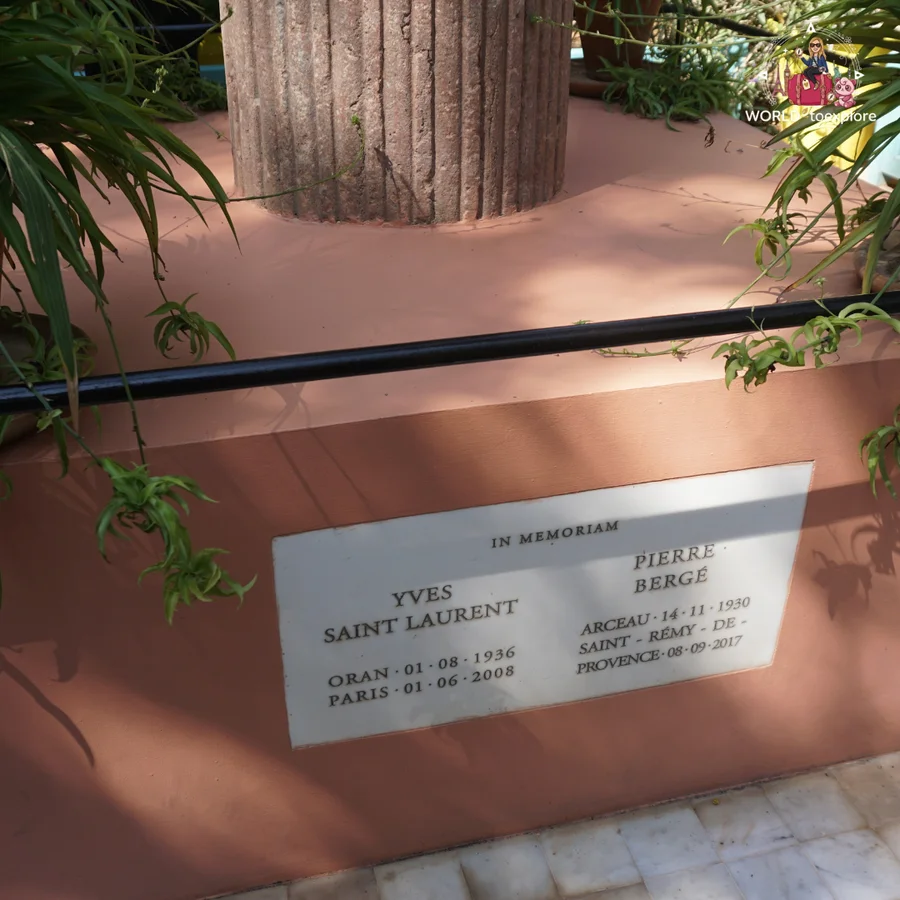
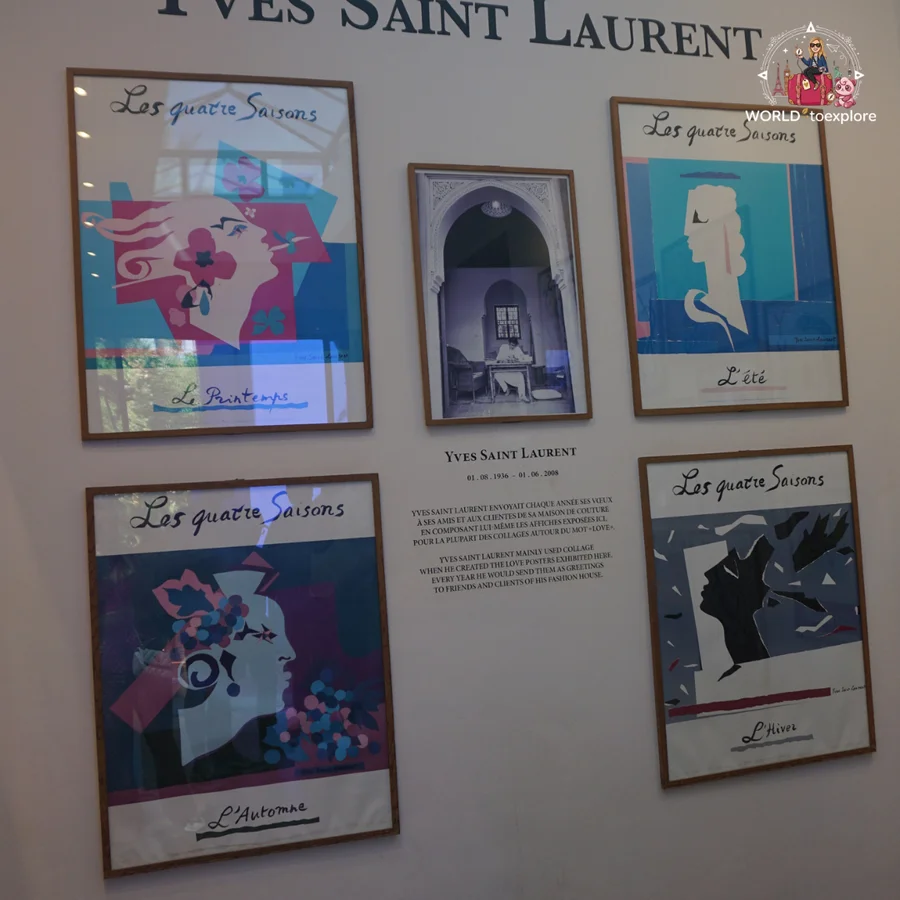
Yves Saint Laurent and Pierre Bergé had known the Majorelle Garden since 1966, when they made their first trip to Morocco together. At the time they were a couple and also business partners, a bond that continued to unite them for many years, even after the romantic relationship ended. After buying the property, they began restoring the garden, keeping the foundations created by Jacques Majorelle but giving it back the care it needed after several years of neglect. New plant species were introduced, some areas were restored and the property came back to life. Later, the former house became known as Villa Oasis and Jacques Majorelle's studio now houses the Pierre Bergé Museum of Berber Arts. Yves Saint Laurent's bond with the garden became so strong that, after his death in 2008, his ashes were scattered in the garden of Villa Oasis.
Pierre Bergé remained involved with the Majorelle Garden in the years that followed and played an important role in preserving the property. The aim became to ensure the garden stayed protected and that the identity created by Jacques Majorelle was kept, even with an ever-growing number of visitors. Today, more than 100 years after the start of this project, the Majorelle Garden continues to be looked after and preserved, keeping much of what made it so special from the very beginning.
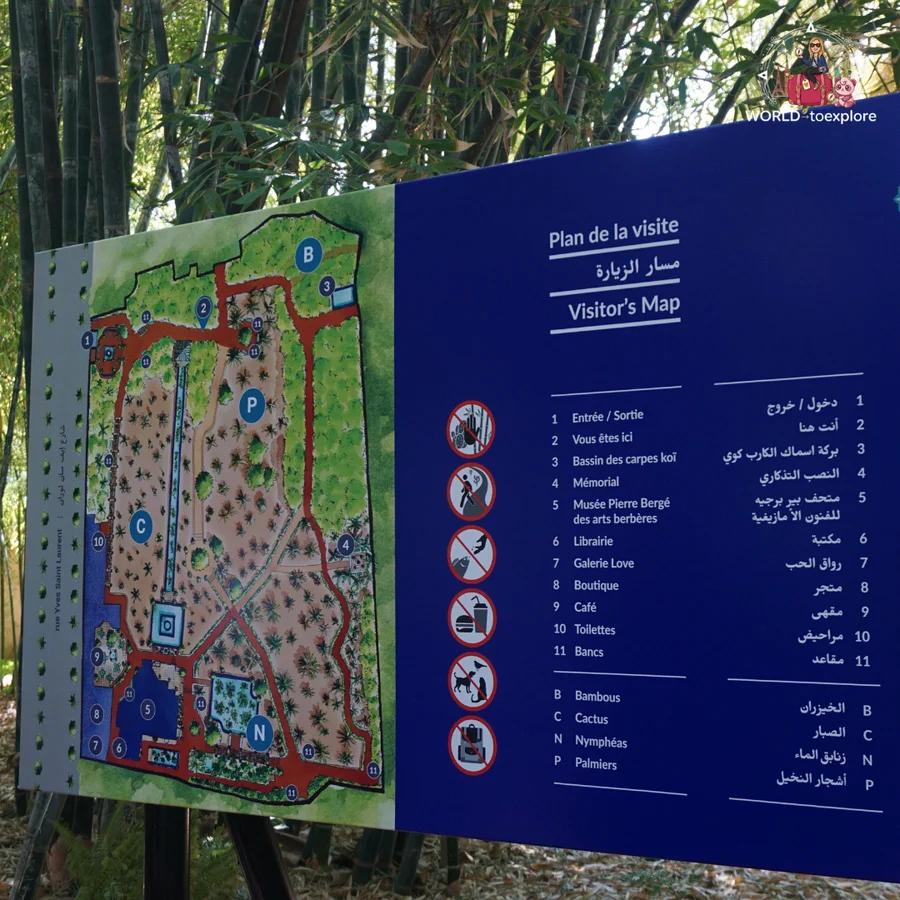
How the Visit Works
If you can, try to visit the Majorelle Garden first thing in the morning and, ideally, in the first available slot. We booked for 9.30am, which on the day of our visit was exactly the first entry, and bought our tickets online on the official website about a week in advance. Tickets are currently sold exclusively online and the garden itself recommends buying them in advance to guarantee the date and time you want. We walked from our riad, which was inside the Medina and fairly close to Jemaa el-Fna square. It is still around 35 to 40 minutes on foot, but we don't mind walking at all and managed the route without any problem. When we arrived, there were separate queues by time slot and it was easy to work out where we had to stand. At the appointed time, they began letting our group in while checking the tickets and, shortly afterwards, we were already inside the garden.
Once inside the garden, the first area was full of people, which was only to be expected because we had all just gone in at practically the same time. Fortunately, as we moved on, people began to spread out and we were able to do the rest of the visit much more calmly. We went through practically every corner of the garden and spent around two hours there, which for us was more than enough to see everything without rushing and to stop whenever we felt like it. We did not visit the Pierre Bergé Museum of Berber Arts and, honestly, I don't regret it. If I went back today, though, I would take the chance to see the Musée Yves Saint Laurent Marrakech too, which is right next door and which I have heard very good things about. So there's already an excuse to go back to Marrakech, as if I needed one! As for the Majorelle Garden, it is a visit I recommend, above all because it is so different from the rest of the city and shows a side of Marrakech that is hard to find anywhere else.
- Opening hours: daily, from 8.00am to 6.30pm, with last entry at 6.00pm. As opening times may change, it is always worth checking the official website before your visit
- Tickets: sold exclusively online through the official website, with entry booked by time slot - it is best to buy in advance!
- Price: 170 MAD per adult to visit the Majorelle Garden only
- Time needed: about 1.5 to 2 hours to see the garden at a relaxed pace

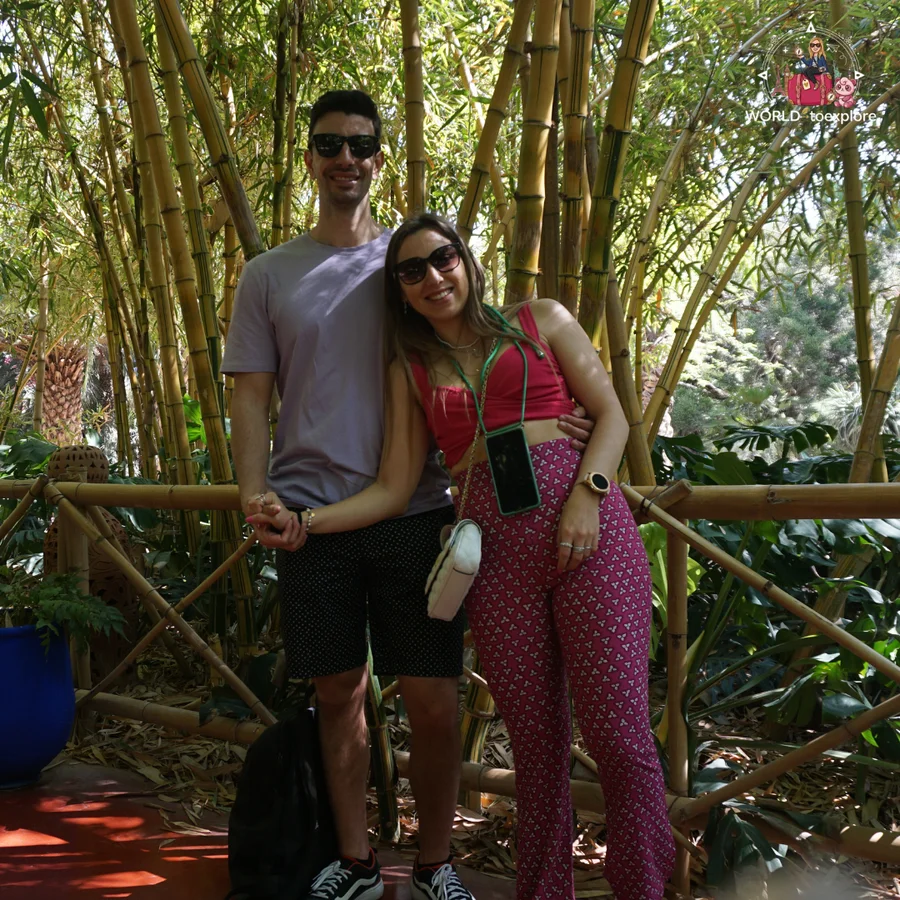
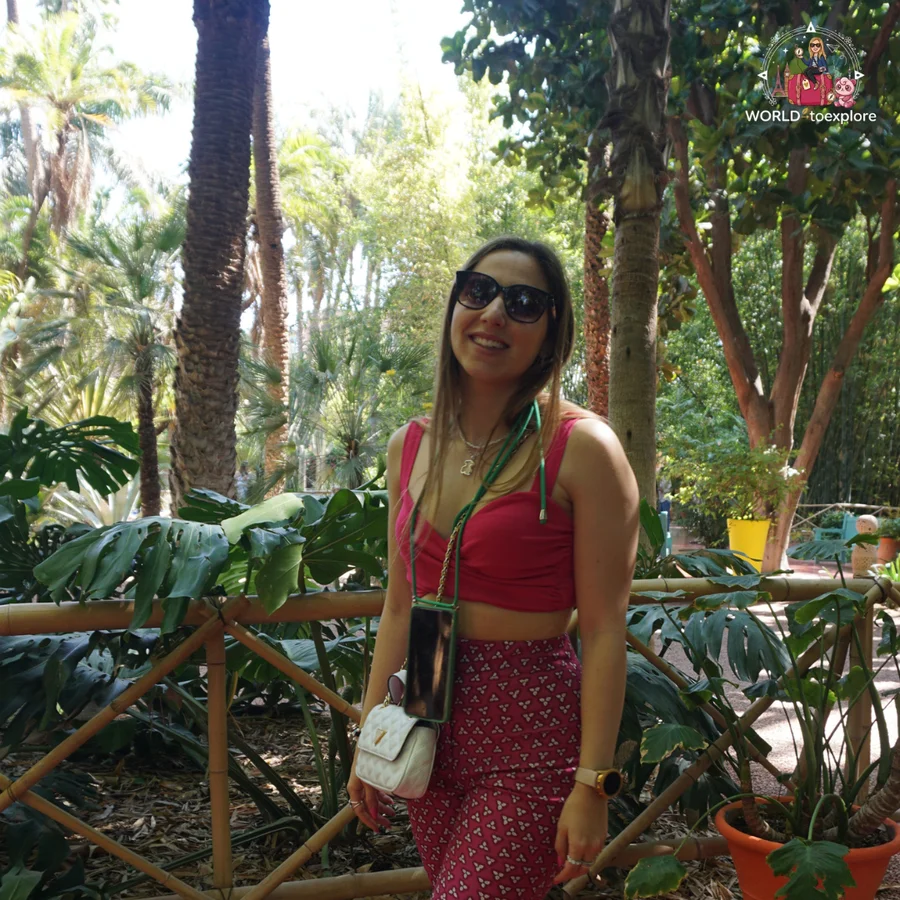
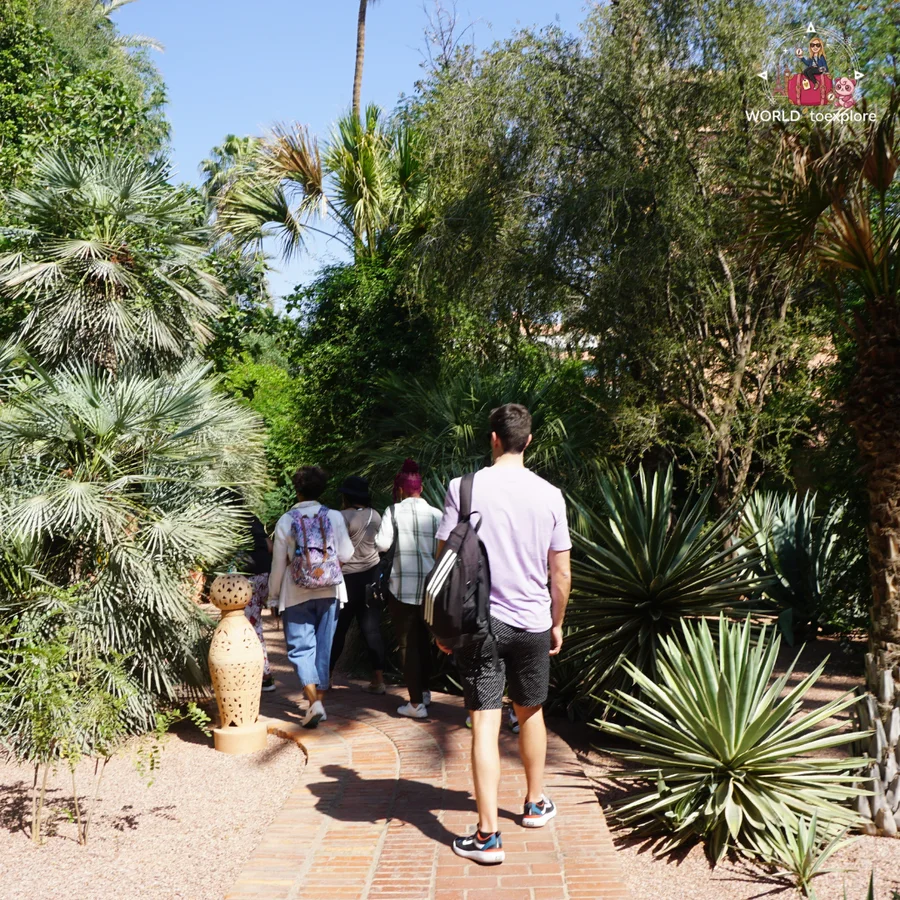
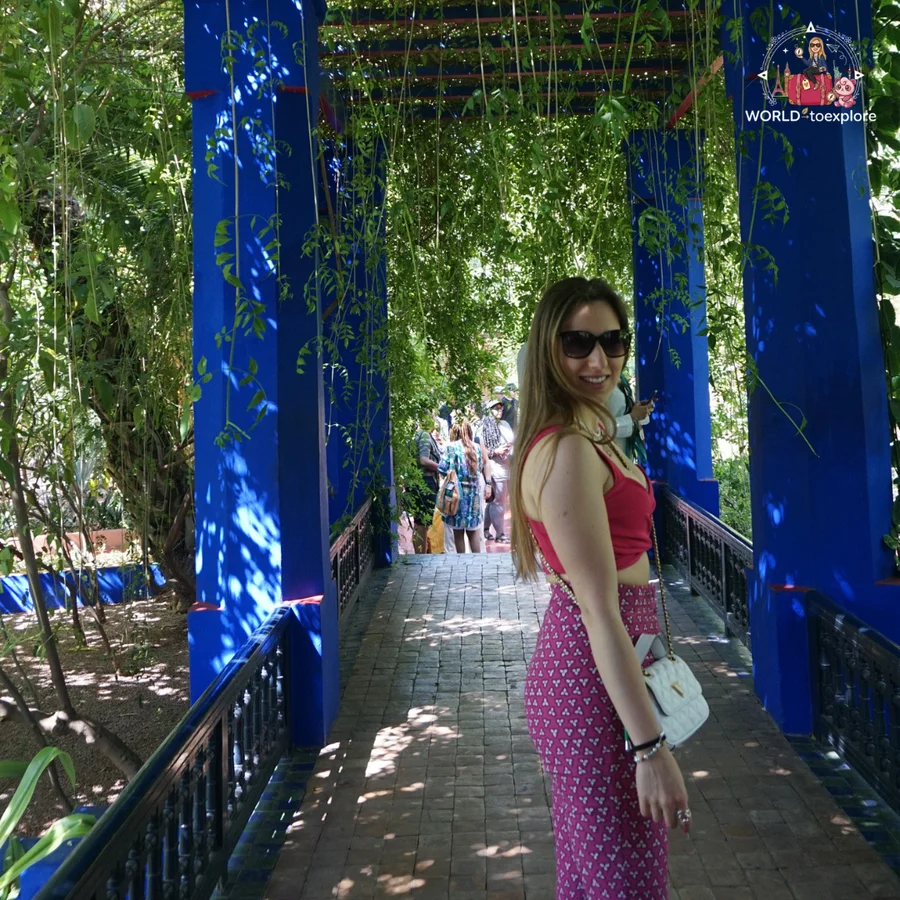
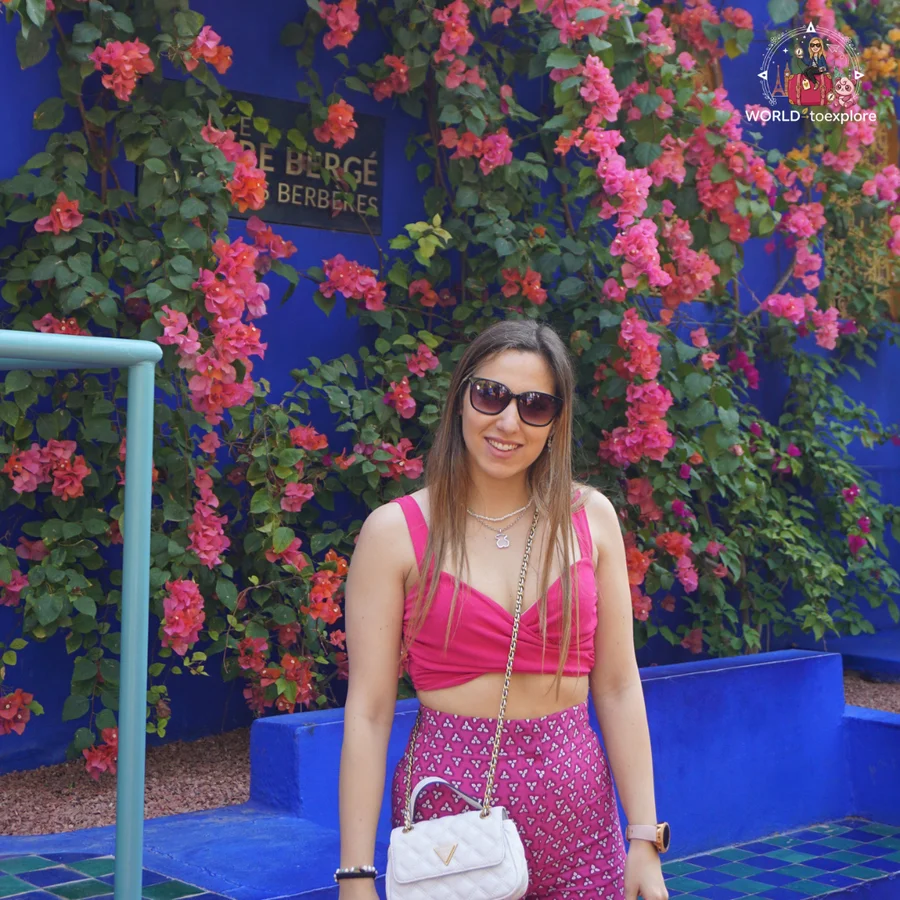
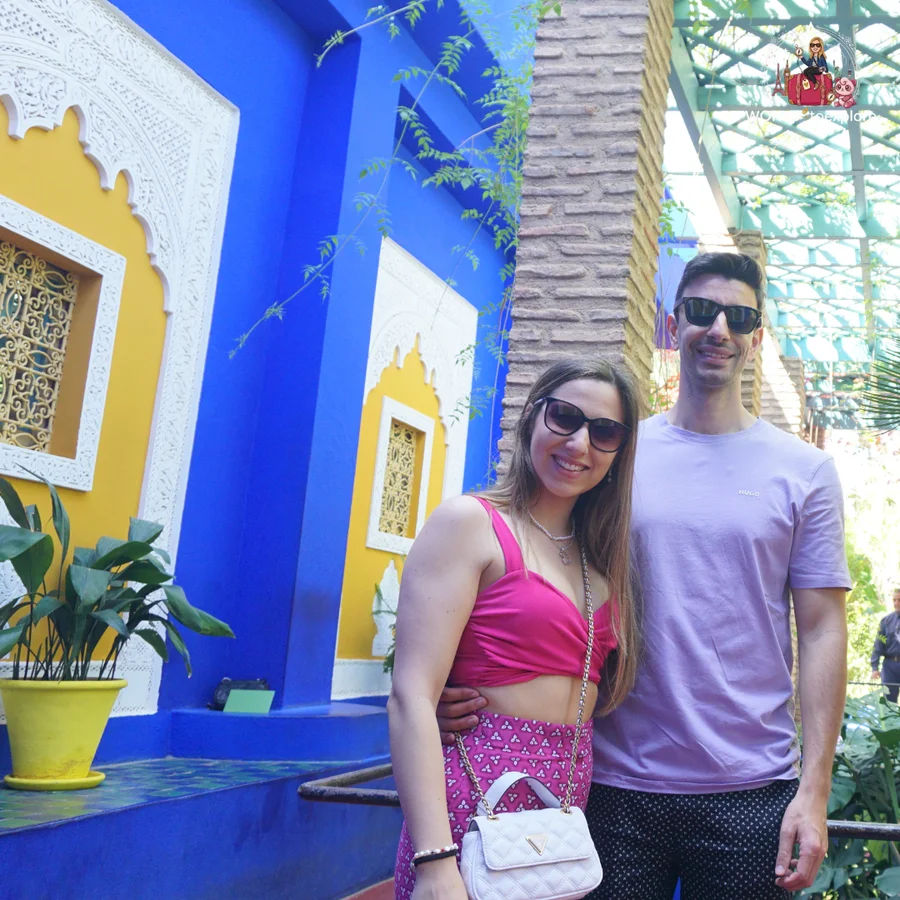
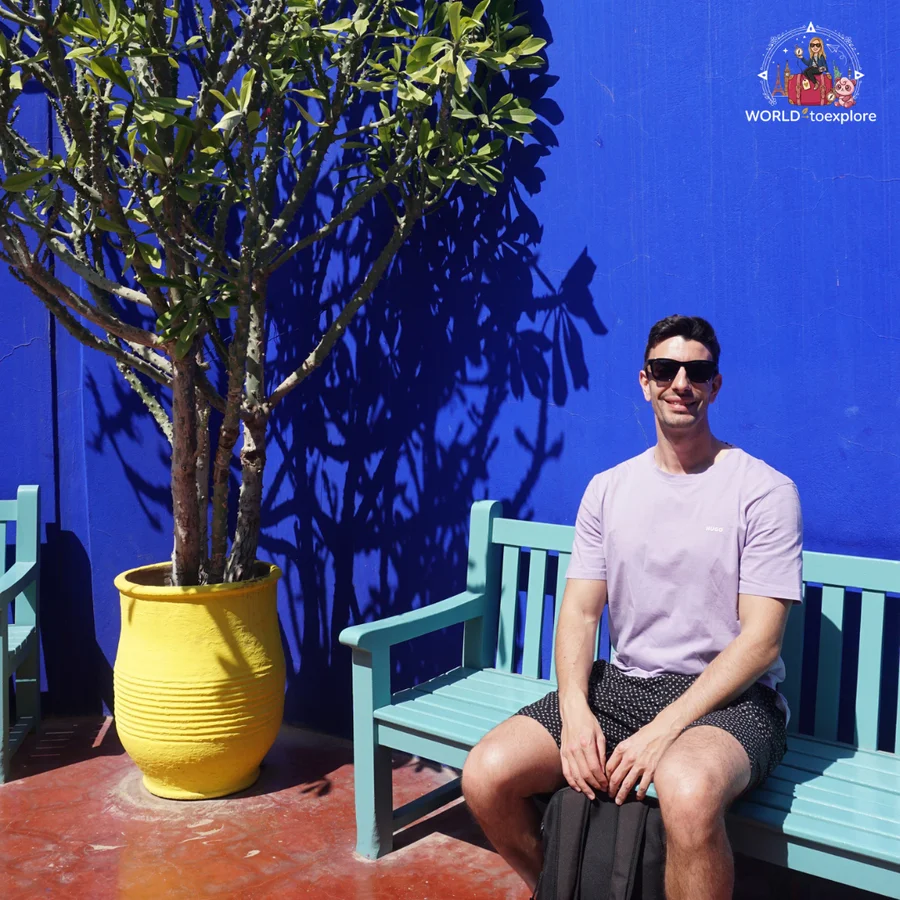
We really enjoyed visiting the Majorelle Garden and I think it is worth including in an itinerary for Marrakech. Even so, I have visited other equally beautiful gardens, such as the City Botanic Gardens in Brisbane or Queenstown Gardens, so it wasn't really the size or the vegetation that surprised me most. What I really liked was the contrast with the rest of Marrakech, because it is a completely different place from everything we had seen in the city until then. And, for me, the combination of that intense blue with the green of the vegetation is exactly what makes the Majorelle Garden so striking and gives it such a distinctive identity. It is no coincidence that, in 2023, it received more than 1.2 million visitors, a number that helps show how popular this garden has become over the years.
Since it is better to be safe than sorry, don’t forget to get travel insurance with Heymondo before setting off to discover Marrakech! World to Explore readers get 5% off their policy! 🩷