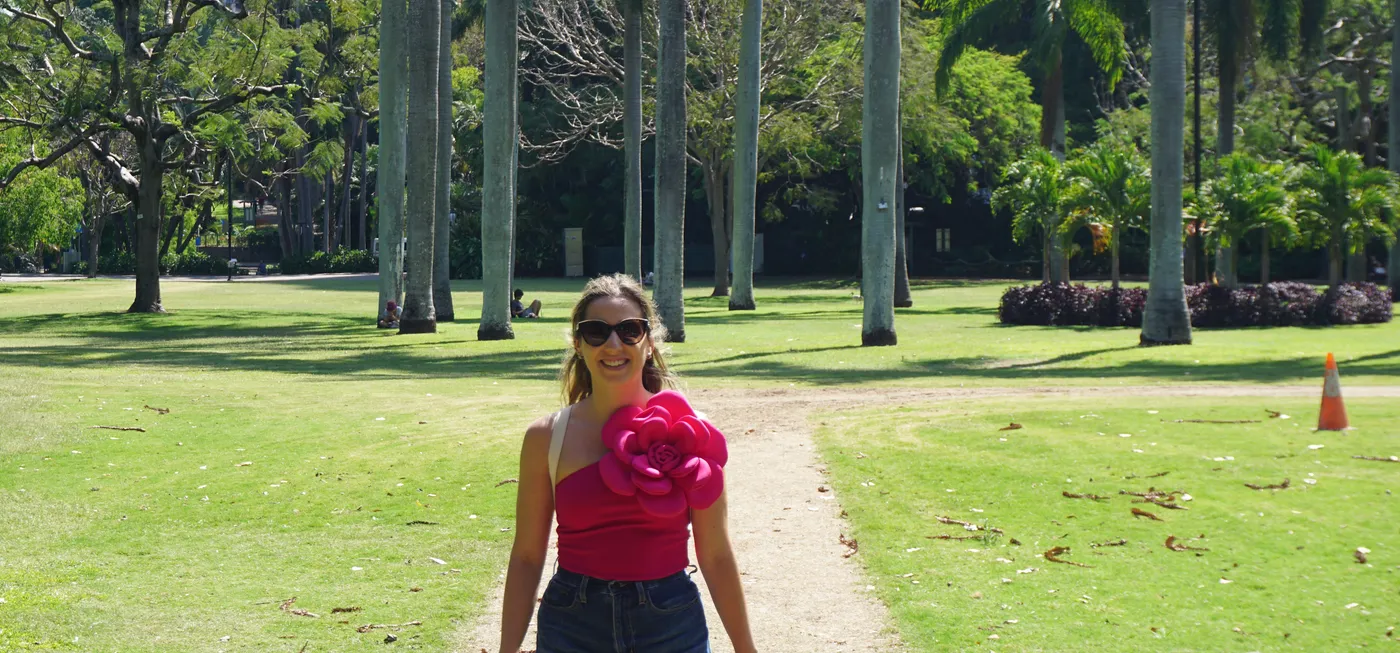
Brisbane's oldest garden
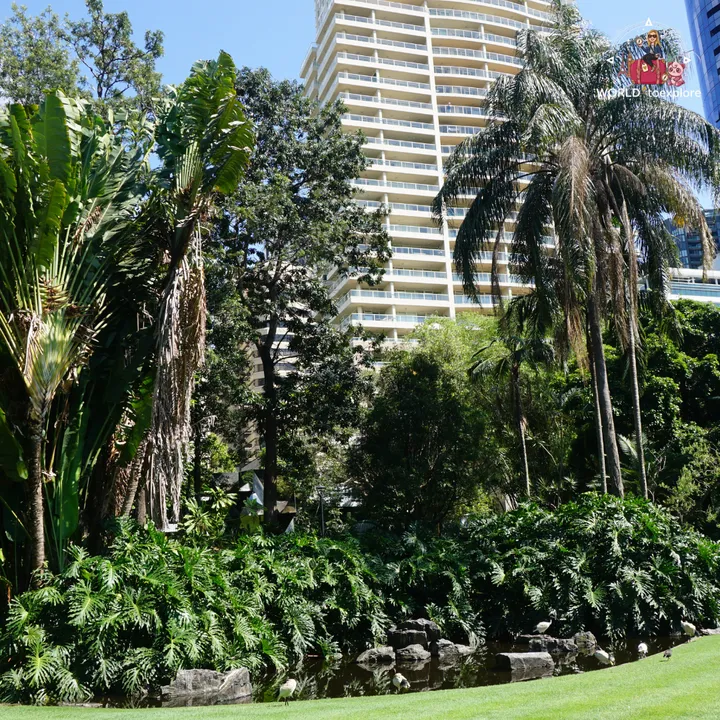
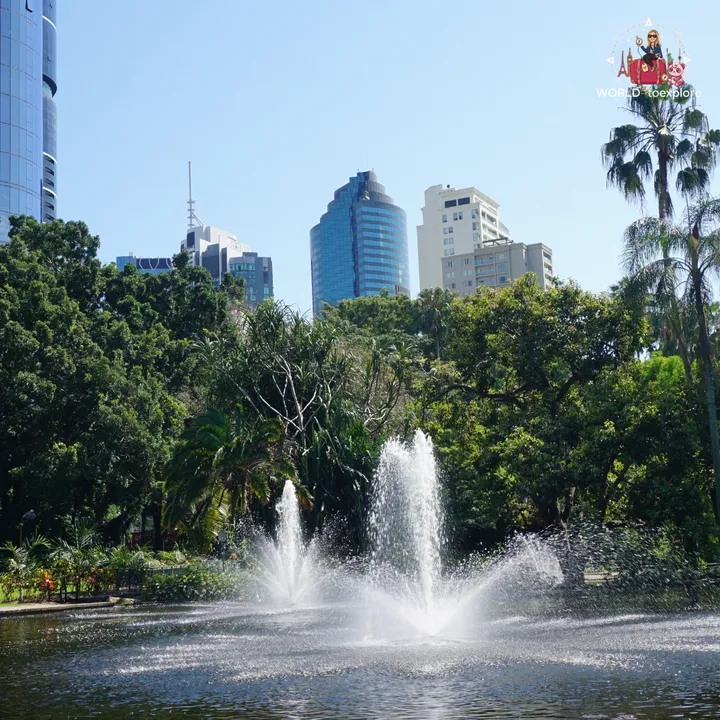
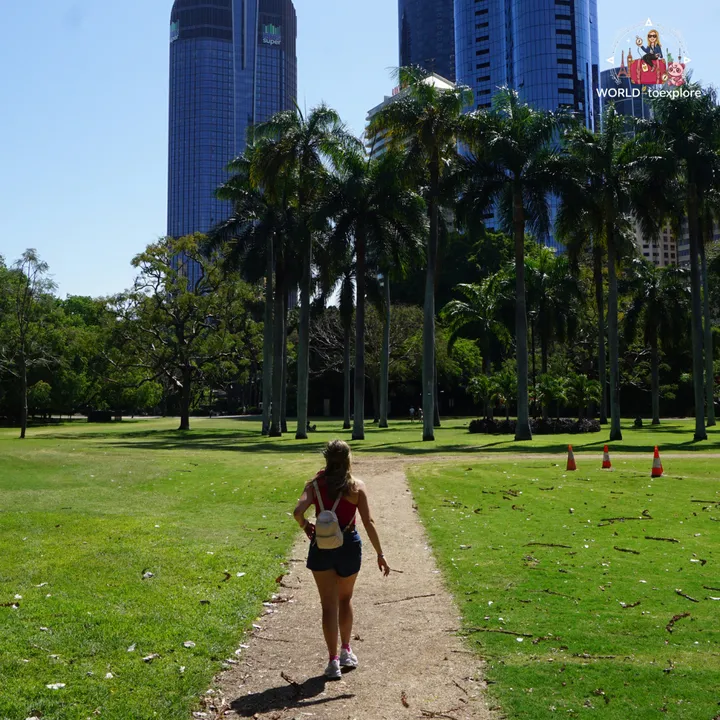
The City Botanic Gardens sit right in the heart of Brisbane and are the city's oldest garden. Over the years, they have become one of the most beloved green spaces, both for locals and for those visiting the capital of Queensland. With sweeping lawns, century-old trees and several trails along the Brisbane River, it's a great place to take a walk, rest for a few hours and escape the bustle of the city. Their prime location, next to the river and the historic centre, makes them an easy stop to fit into any Brisbane itinerary.
I had the chance to visit the City Botanic Gardens on two different trips to Brisbane, in 2024 and then in 2026. The two experiences were quite different. On the first visit, the good weather let us wander through the gardens at a leisurely pace. On the second, we were greeted by one of those typical Queensland downpours, which stayed with us for much of the walk and forced us to cut the visit short.
The garden's history
The City Botanic Gardens are much more than a simple public park. As the oldest green space in Brisbane, they closely followed the birth and growth of the city over nearly two centuries, becoming an integral part of the history of the Queensland state capital.
It all began shortly after the founding of the Moreton Bay penal colony in 1824. Set on Moreton Bay, in what is now the city of Brisbane, it was one of the first penal colonies established by the British in Queensland, intended for convicts sentenced in the United Kingdom. Back then, Brisbane was just a small settlement surrounded by forest. It was right beside the Brisbane River that the first settlers began growing vegetable gardens and orchards to supply the colony, making the most of the fertile soil, the proximity to water and the ease of transport the river provided. As Brisbane grew, so did the need for a space dedicated to the study and acclimatisation of plants. As was happening in other colonies of the British Empire, the idea arose to establish a botanic garden that would serve not only scientific purposes but also introduce and test species from different parts of the world. In the 19th century, these gardens played a key role in agricultural research and in the exchange of knowledge between the various British colonies, helping to identify which species best adapted to local conditions. It was with this purpose that, in 1855, the Brisbane Botanic Gardens - known today as the City Botanic Gardens - were officially born.
The gardens' mission was clear: to introduce and test plants from Europe, Asia, Africa and the Americas to see which adapted best to Queensland's conditions. Over the years, crops such as sugar cane, cotton, coffee, tea and tobacco passed through here, along with various tropical trees, before being introduced to other parts of the state and contributing to the development of local agriculture. Much of this work was down to Walter Hill, the gardens' first curator. A botanist passionate about acclimatising exotic species, he devoted more than twenty years to developing this space, introducing hundreds of plants. Many of the fig trees, palms and tropical trees that still define the City Botanic Gardens today were planted during the time he was in charge.
Over time, the gardens changed in purpose. What started out as a space dedicated to scientific research gradually became a place for strolling and picnics. Being close to the river did, however, bring some challenges. Throughout their history, the gardens were hit by several floods, most notably the one in 1893, which destroyed much of the botanical collections, and later those of 1974 and 2011. In each of these episodes, the water damaged trees, lawns and paths, calling for extensive restoration work. Over the course of the 20th century, it became clear that the City Botanic Gardens no longer had the space needed to continue the scientific work that had given rise to them. The solution came in 1970, with the founding of the Brisbane Botanic Gardens Mount Coot-tha, a much larger botanic garden on the outskirts of the city, to which most of the research and botanical collections were transferred. From then on, the old gardens took on a mainly scenic and recreational role, remaining one of Brisbane's most emblematic green spaces.
Today, the City Botanic Gardens cover an area of around 20 hectares (200,000 m²) and welcome thousands of visitors every year. Much of that past is still visible in their many corners. Most of the paths follow the original 19th-century layout, many trees are over a hundred years old and, throughout the garden, there are monuments and historic buildings that bear witness to Brisbane's evolution since colonial times. Today, they remain one of the city's calling cards.
What to see
The City Botanic Gardens are easy to explore on foot in about one to two hours, which makes them a simple visit to fit into a day around the city. Despite their relatively small size, there are several corners and points of interest worth discovering.
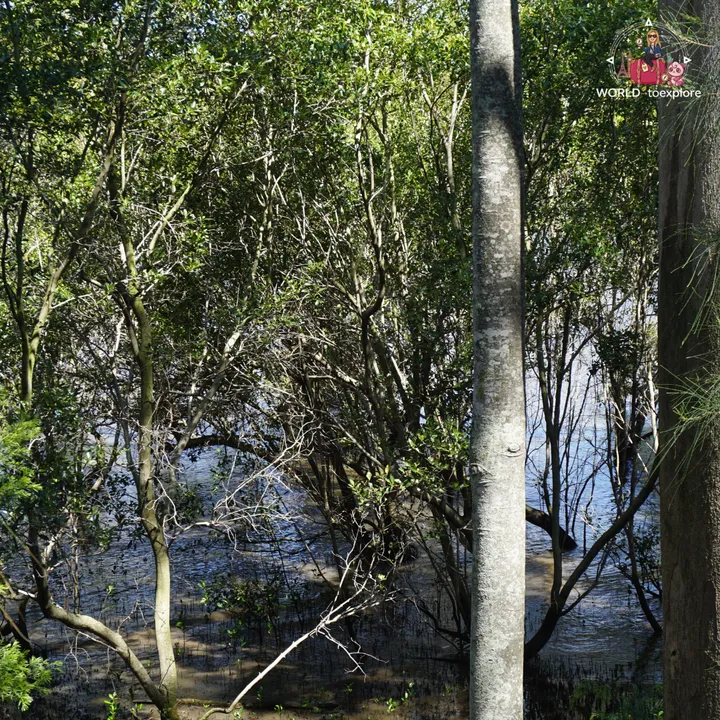
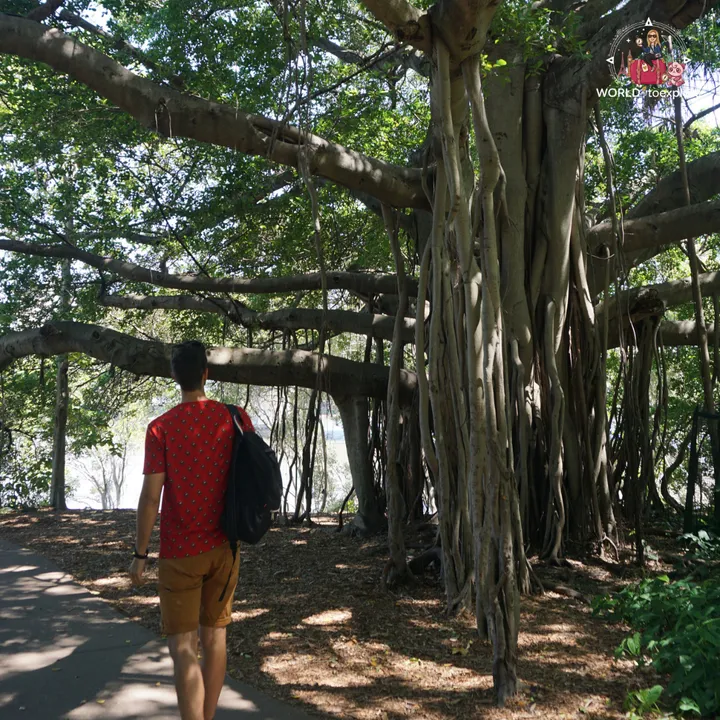
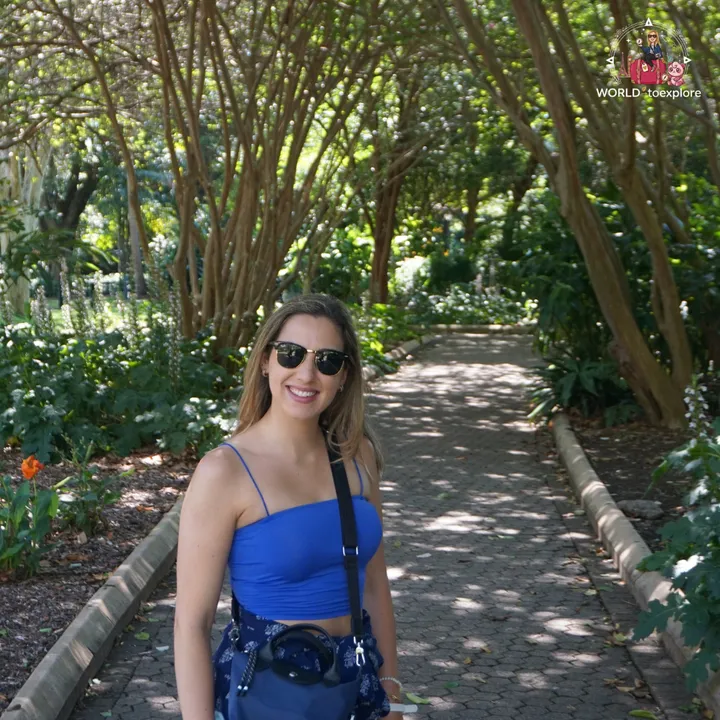
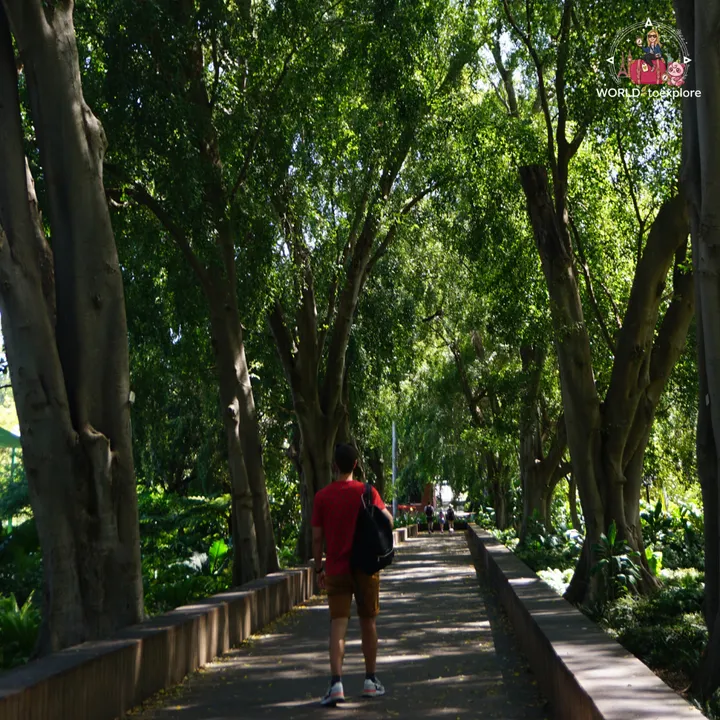
The great highlight of the City Botanic Gardens are the impressive Moreton Bay figs, huge century-old trees whose branches spread out in every direction, forming veritable tunnels of shade. Some were planted back in the 19th century and still amaze with their size. Another of the most photographed spots is the bamboo grove, a small stand of very tall bamboo through which the light filters, creating a wonderfully peaceful atmosphere. Down by the river is the mangrove boardwalk, a short wooden walkway that crosses a mangrove area and lets you see up close this ecosystem so characteristic of the Australian coast.
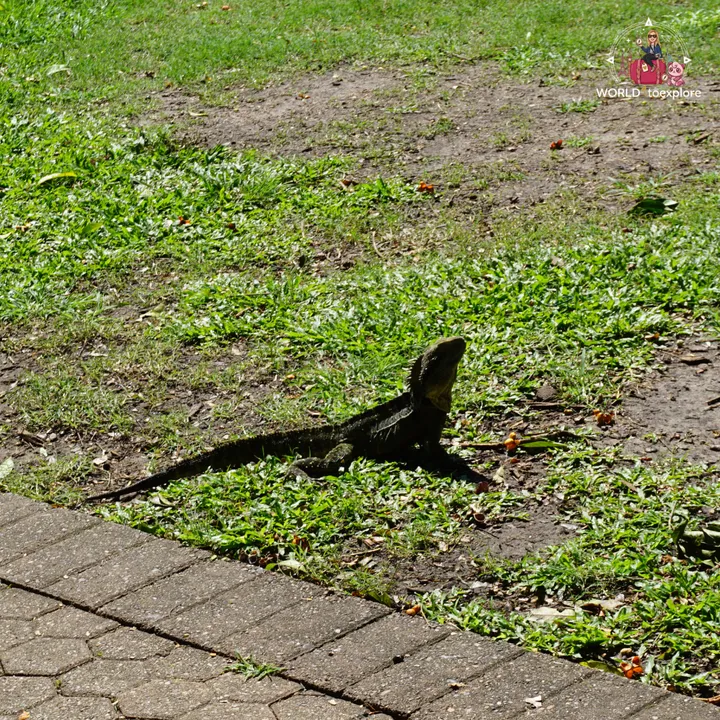
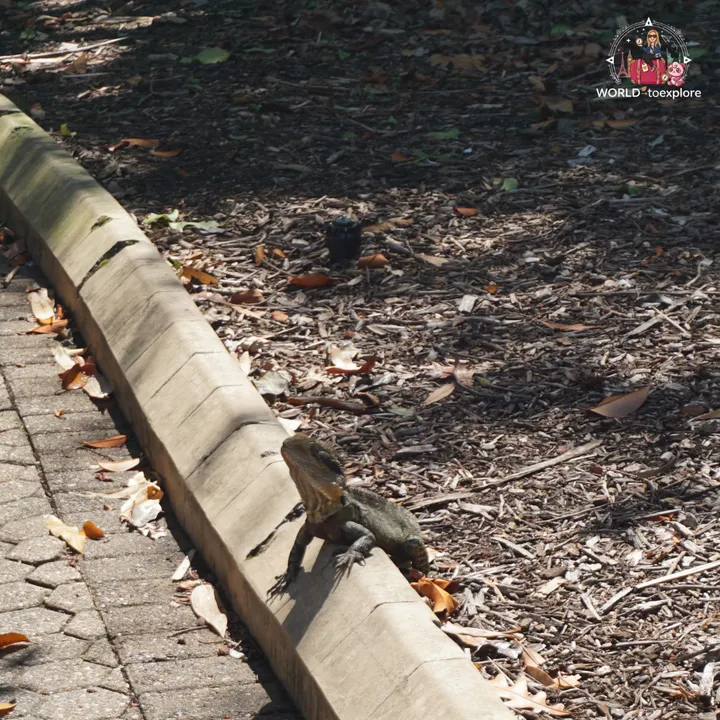
If there's one almost guaranteed companion during a visit to the gardens, it's the water dragons, medium-sized lizards very common in Brisbane. It's practically impossible to walk around without seeing them. They're easy to recognise by their greyish-brown colour and the crest of small spines running along their back and tail. Despite their almost prehistoric look, they're harmless and more than used to people. They're part of the "Australian package", where wildlife settles in right in the middle of the city!
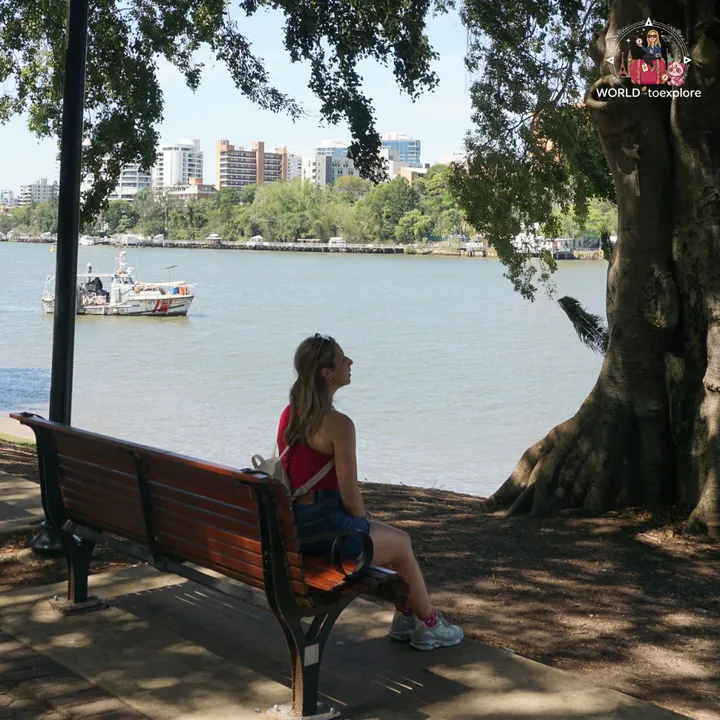
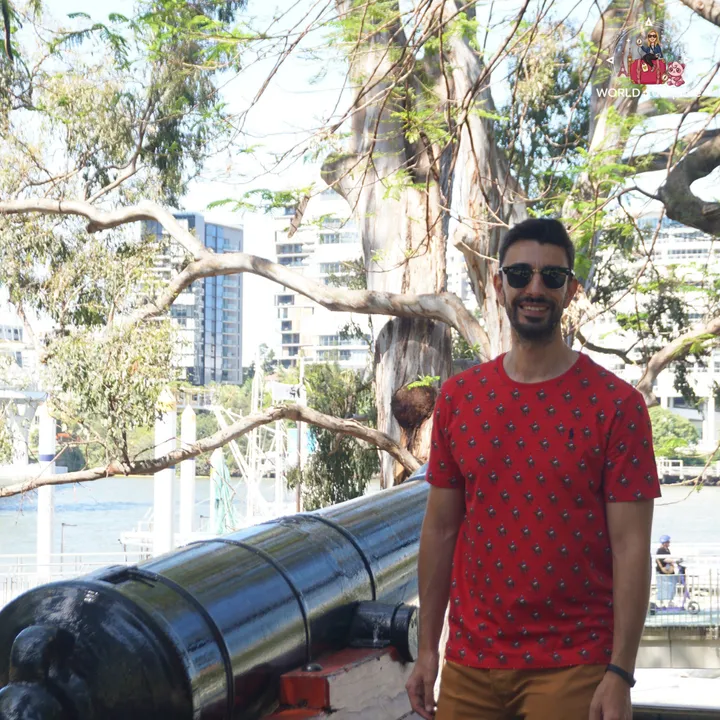
More than any specific spot, the real charm of the City Botanic Gardens lies in wandering without any rush. The paths follow the riverbank, with views over the water and across to Kangaroo Point, right opposite.
- Where it is: Alice Street, in central Brisbane, beside the Brisbane River (near Parliament House and QUT)
- Opening hours: Open 24 hours
- How long it takes: around one to two hours to explore the garden at a relaxed pace
- Admission: free

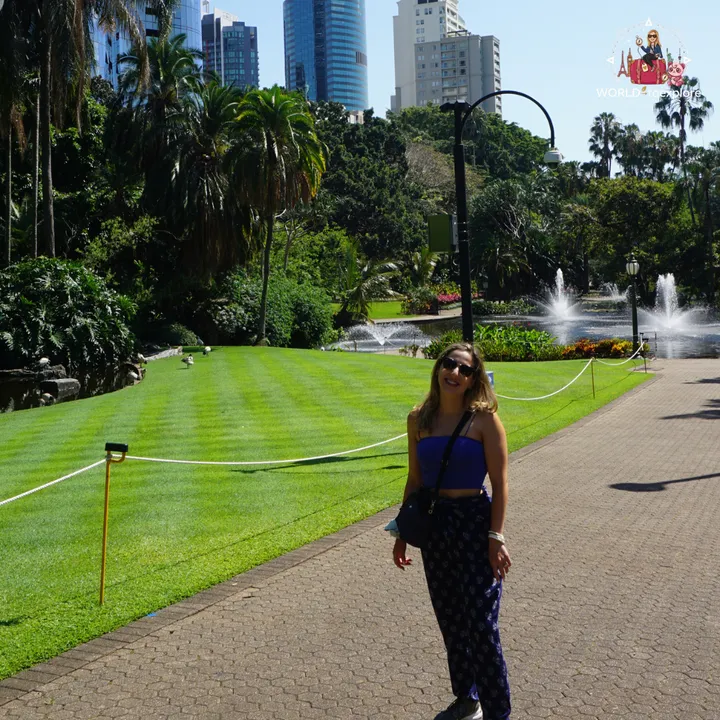
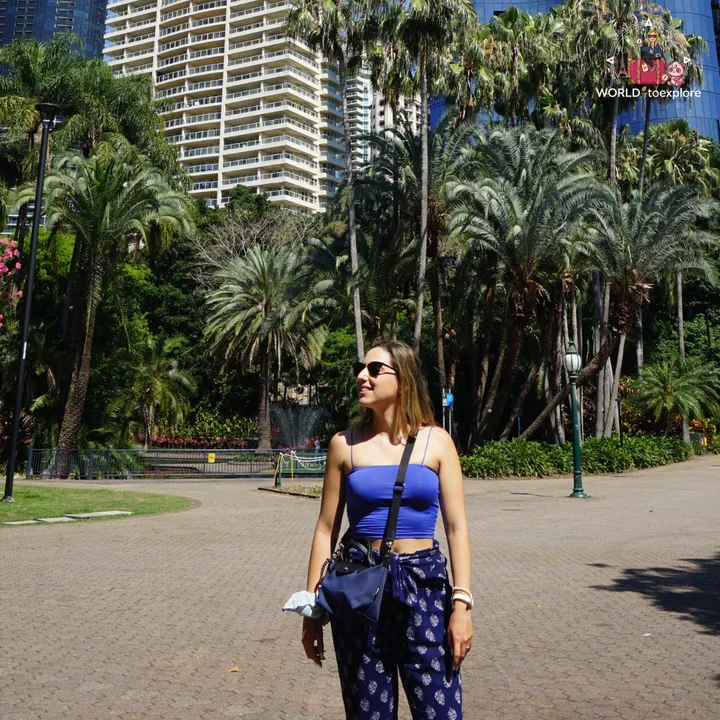
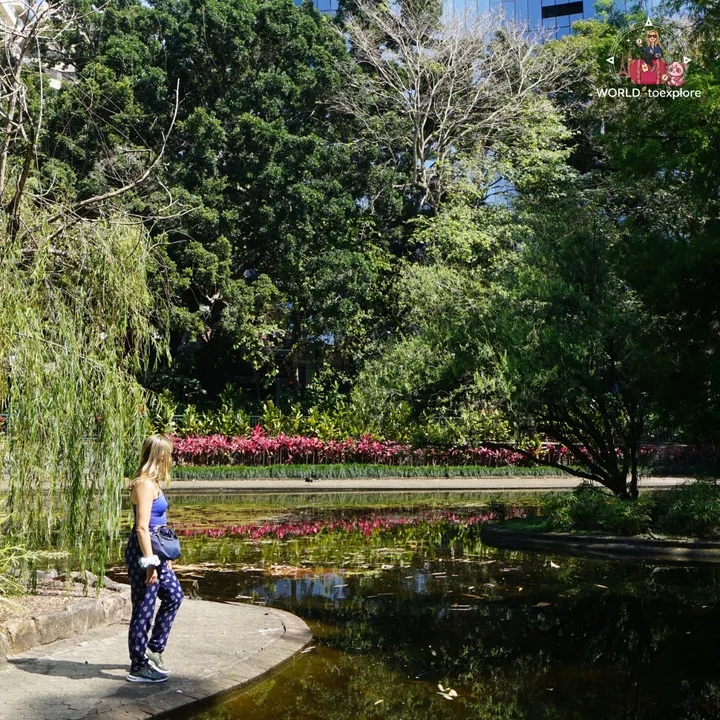
Amid the skyscrapers and the bustle of Brisbane, the City Botanic Gardens appear full of history and life. Easy to visit, free and with so much to discover, they're a must-stop on any Brisbane itinerary, even for those short on time. 🩷
You Might Also Like
Cairns: The Gateway to the Great Barrier Reef and the Daintree
Cairns is the perfect base for exploring tropical north Queensland - from the Great Barrier Reef to the Daintree. What to see and do in the city.

Daintree Rainforest: The Oldest Tropical Rainforest in the World
The oldest rainforest in the world isn't in Brazil, but in the far north of Australia - what it was like to visit the Daintree Rainforest.

Gold Coast: Where Australia Goes to the Beach
Endless golden beaches, surf, theme parks and beachfront skyscrapers - what to see and do on Australia's Gold Coast, one of the sunniest stops on our honeymoon.