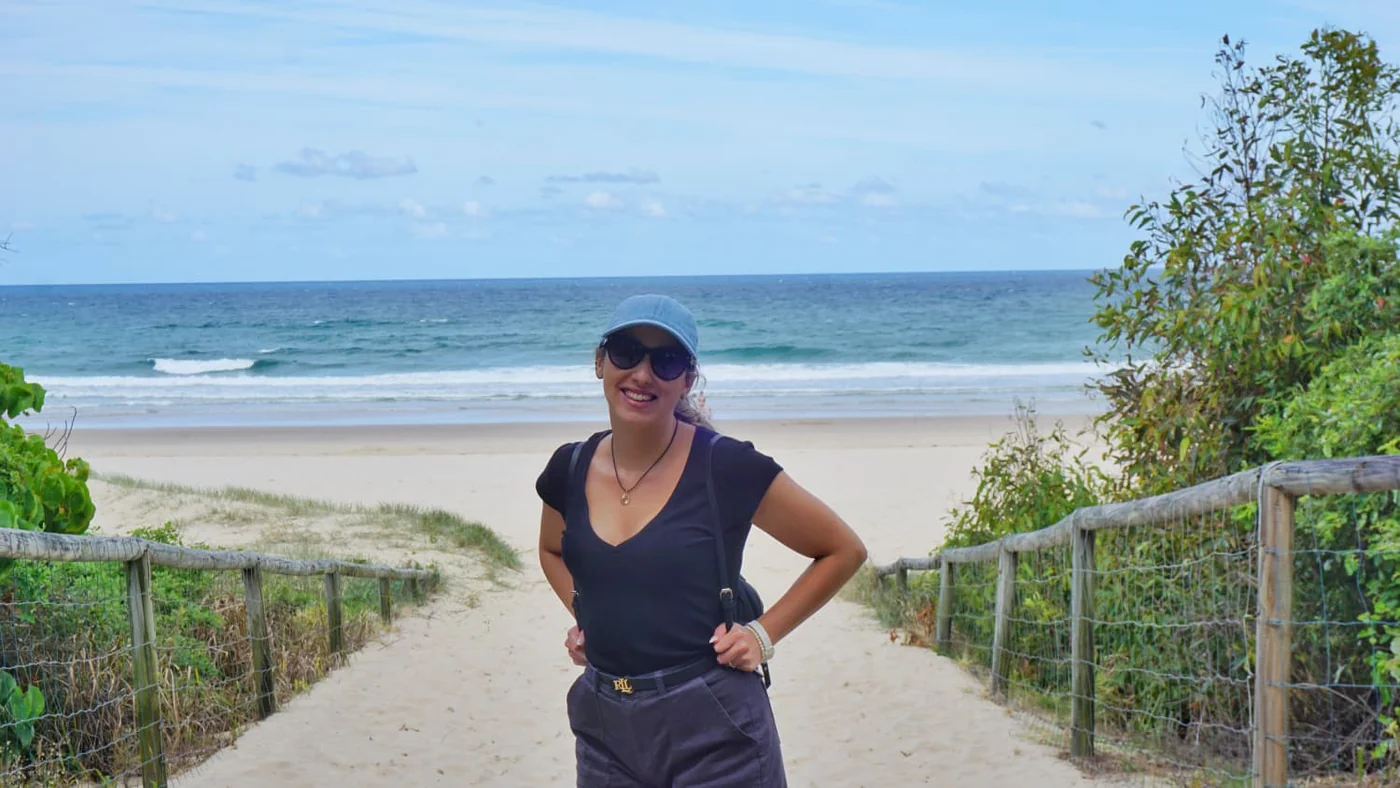
Gold Coast: Where Australia Goes to the Beach
If Cairns is the gateway to the wild nature of northern Queensland, the Gold Coast shows a completely different side of this Australian state. Here, endless beaches, beachfront skyscrapers, surf and theme parks dominate the landscape. It was one of the stops on our honeymoon around Australia and, as soon as we arrived, it was easy to see why this is one of the country's most popular regions. Although it wasn't one of the places that left the deepest mark on us, we could easily understand its appeal, especially for anyone after beach days, plenty of buzz and a lively nightlife.
Located in southeast Queensland, about an hour from Brisbane, the Gold Coast is known as Australia's "Golden Coast", thanks to its more than 50 kilometres of golden-sand beaches. Today it's one of the country's most popular tourist destinations, combining beaches, surf, theme parks and nature. But the region wasn't always like this. Before discovering what there is to see and do, it's worth getting to know a little of its history.
The origin of the "Gold Coast"
Southern Queensland owes much of its history to the fertile inland and the goldmines. Around 1840, the first European explorers made the region known, followed soon after by settlers and landowners who recognised the potential of those soils. In 1869, sugar production began in Bundaberg, a town on the east coast of Queensland. A decade later, the sugar industry was already thriving, but it rested on one of the darkest chapters in Australia's history.
At the time, it was assumed that Europeans couldn't cope with working in the tropics, so the plantation owners turned to cheap labour from the South Pacific islands. These workers, known as kanakas, were paid miserable wages and subjected to extremely harsh working conditions, and some were even kidnapped from their homelands. This practice only ended in 1901, with the creation of the Australian Federation (the union of the six British colonies that gave rise to modern Australia), but by then around 60,000 kanakas had already arrived in Queensland.
In the second half of the 19th century, the discovery of gold gave fresh impetus to the development of southern Queensland, drawing thousands of miners and adventurers. Even today, towns like Charters Towers preserve their 19th-century architecture, a legacy of the golden days of the gold rush.
The "Gold Coast" we know today only emerged much later. During the first half of the 20th century, this stretch of coastline was little more than a string of almost deserted beaches and small seaside settlements. From the 1950s, the price of beachfront land soared so much that the area started to be known, at first as a joke, as "the gold coast". The name eventually became official, in 1958, and quickly came to identify one of Australia's most famous tourist destinations.
From then on, the Gold Coast entered a phase of rapid development. The small holiday homes gave way to hotels, apartment blocks and the skyscrapers that characterise the city today. It was also during this period that Surfers Paradise established itself as the best-known area in the region, associated with sun, beaches and entertainment.
Today, the Gold Coast stretches along around 75 kilometres of coast, south of Brisbane, and brings together nearly 50 kilometres of golden-sand beaches, hotels, shopping centres, restaurants, nightlife, a casino and theme parks. In little more than half a century, it has become one of Australia's leading tourist destinations.
What to see on the Gold Coast
Although it's known mainly for its beaches, the Gold Coast is a much larger region than it seems, with the main attractions spread out over dozens of kilometres of coast. That's why the best way to explore it is by car. Only that way can you hop from beach to beach, stop at the lookouts and discover the different areas at your own pace. For anyone wanting to see more than the area around their hotel, it's without a doubt the most practical option - and it was the one we chose too.
To make the visit easier, this guide is divided by the Gold Coast's main areas, from north to south. This makes it easier to plan your itinerary and organise your visit.
The Spit (north)
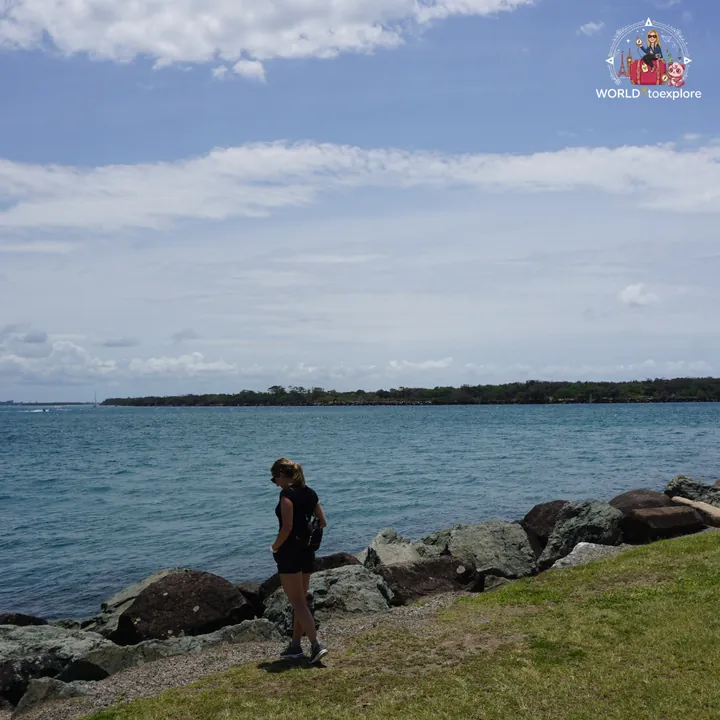
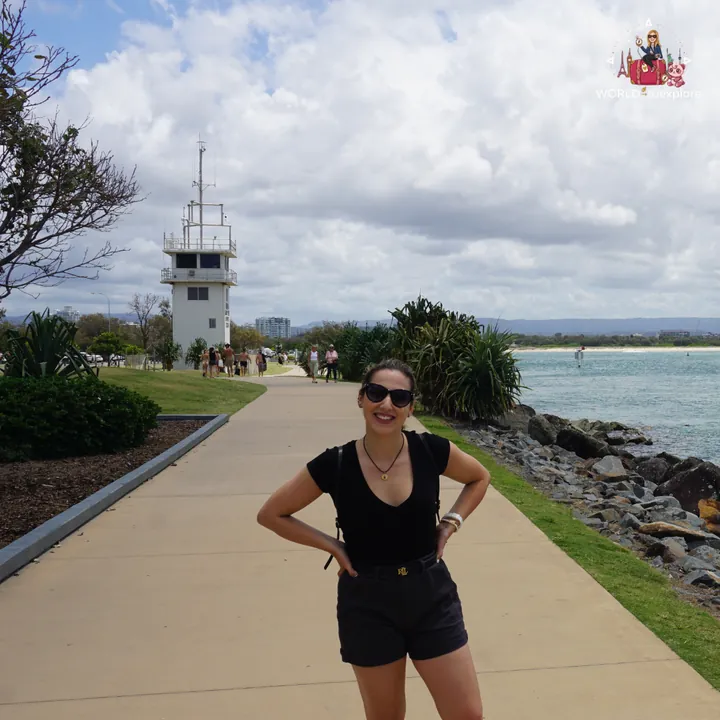
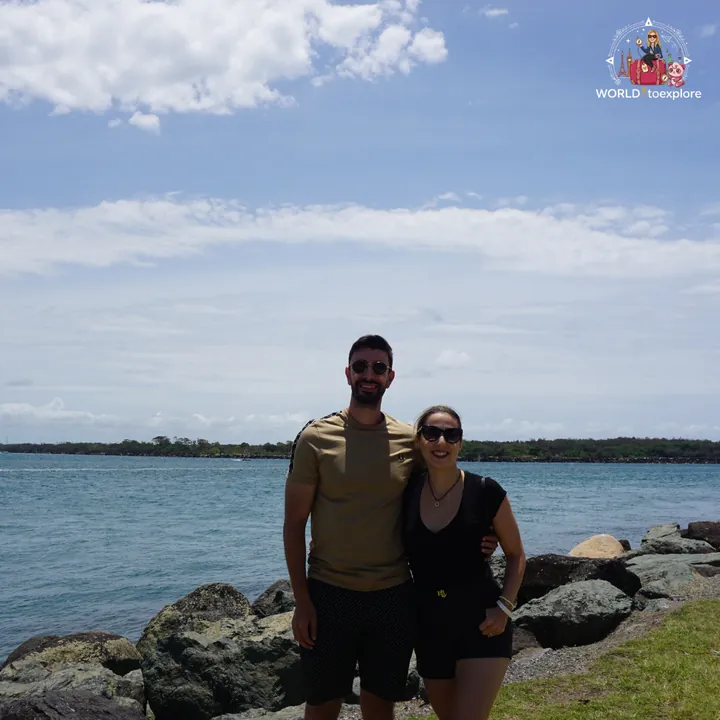
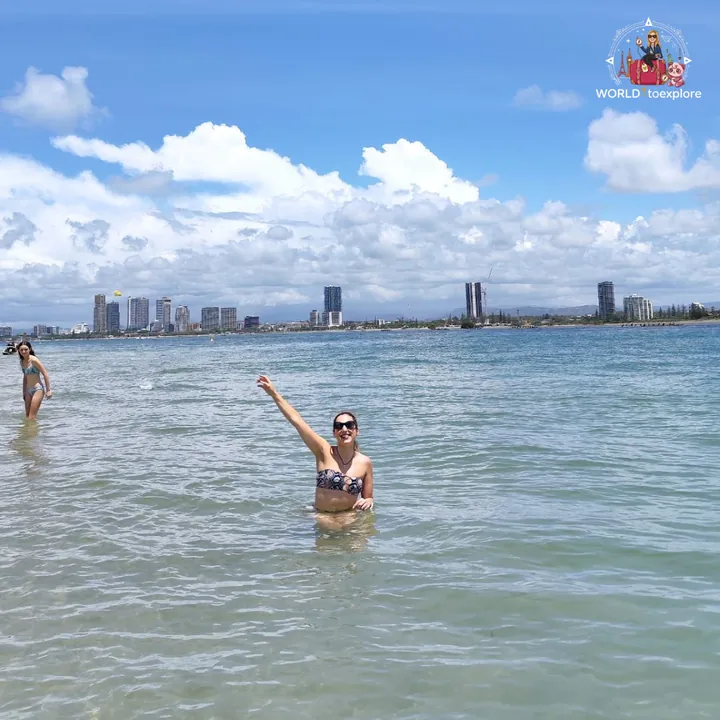
At the northern tip of the Gold Coast, The Spit is a narrow strip of land where the inland waterways meet the open sea. Calmer and less built-up than the rest of the city, it's a good option for a stroll before heading to the busier parts of the coast.
- Gold Coast Seaway - the channel that links the inland waters to the ocean, a great spot to watch boats, seabirds and, with a bit of luck, dolphins.
- Marine Stadium Jetty & Pontoon - an area of calm, sheltered water, popular for swimming, relaxing and water activities.
- Lifeguard Tower 46 (Seaway Jetty) - one of the Gold Coast's iconic lifeguard towers and one of the most photographed spots in this area.
Surfers Paradise
It's the tourist heart of the Gold Coast and probably the image that comes to mind when you think of this region: a long golden beach framed by a wall of skyscrapers. During the day, it's a perfect place to enjoy the beach and stroll along the seafront. At night, it turns into one of the liveliest spots in the city.
We stayed at the Meriton Suites Surfers Paradise, an excellent choice for anyone wanting to explore the Gold Coast, thanks to its central location.
- Surfers Paradise Beach - the most famous beach on the Gold Coast, with a vast stretch of sand and lifeguards on duty all year round.
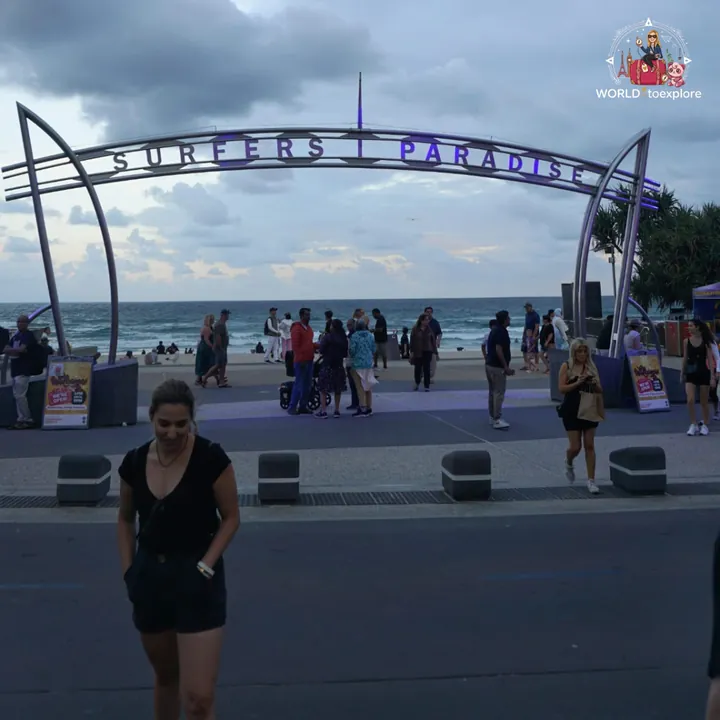
- Surfers Paradise Sign - the iconic Surfers Paradise sign, an almost obligatory stop for the classic photo.
- Lifeguard Tower 34 - one of the Gold Coast's emblematic lifeguard towers, right by the main beach.
- Queen Elizabeth Jubilee Walkway - a pleasant pedestrian promenade along the seafront, ideal for a late-afternoon walk.
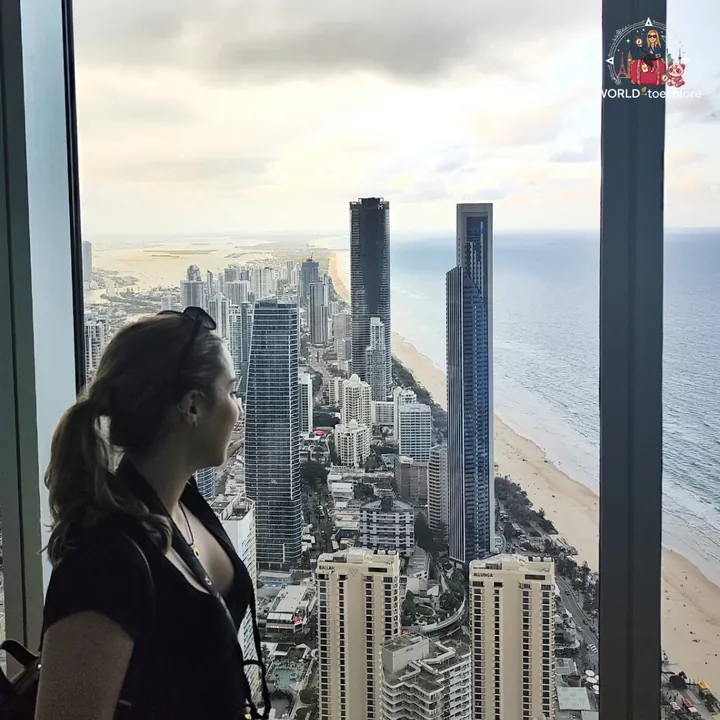
- SkyPoint Observation Deck - the observation deck at the top of Q1, the tallest building in Australia, opened in 2005. At 230 metres high, on floors 77 and 78, it offers a 360-degree panoramic view over the Gold Coast, the ocean and the Queensland hinterland.


Miami
The name might bring to mind the city in Florida, but this Miami is on the Gold Coast and has a very different feel. Quieter than Surfers Paradise, it stands out for its beach, its cafés and restaurants and its laid-back atmosphere.
- Miami Beach - a wide beach, quieter than Surfers Paradise, ideal for anyone looking for a less touristy vibe.
- Miami Fish Market - one of the best-known spots in the area to try fresh fish and seafood.
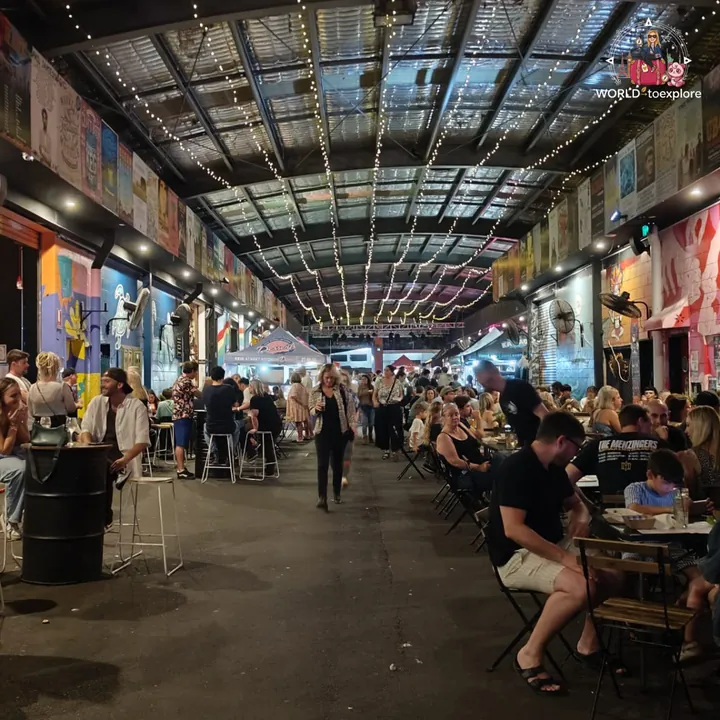
- Miami Marketta - a street food market with a very relaxed atmosphere, where you'll find food stalls from all over the world. This is where we had dinner, and we recommend the experience. There's also a live-music area, accessible with a ticket, which makes this a great place to spend a good evening.


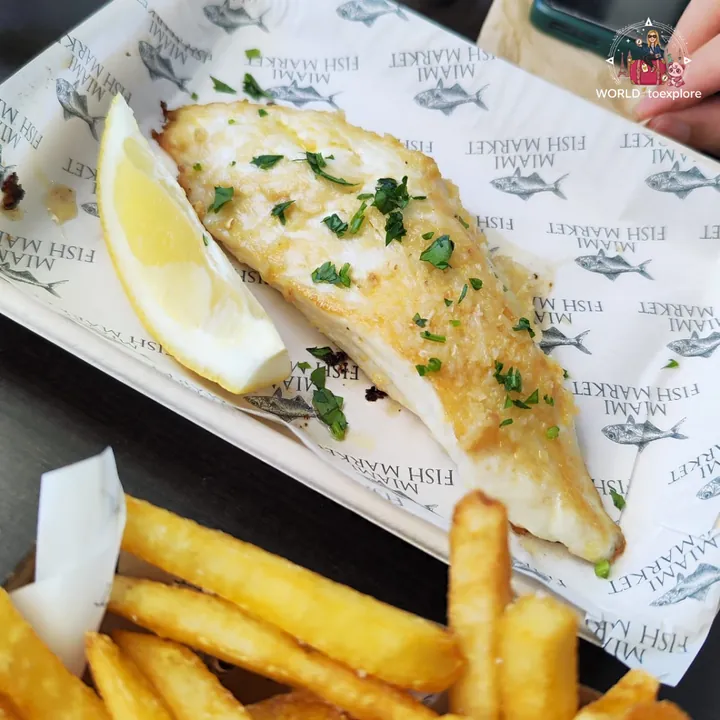
Burleigh Heads
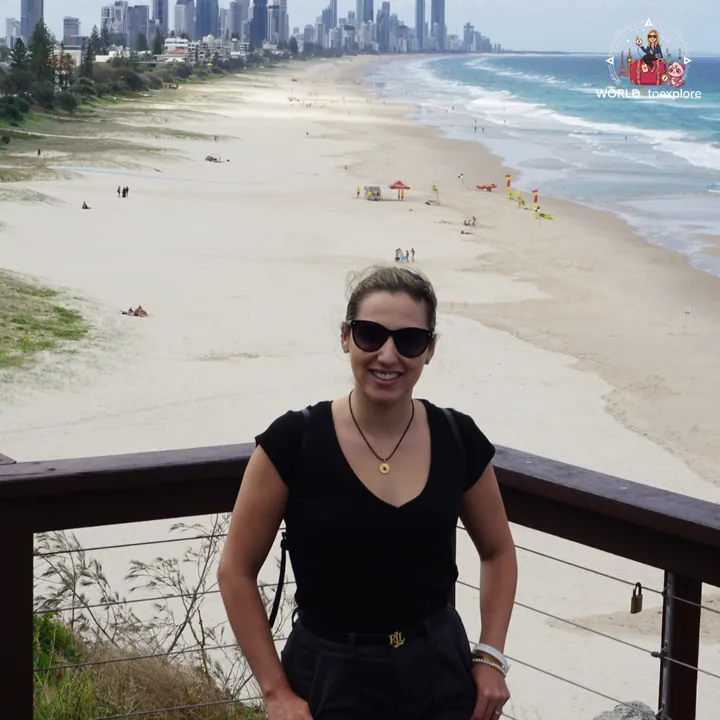
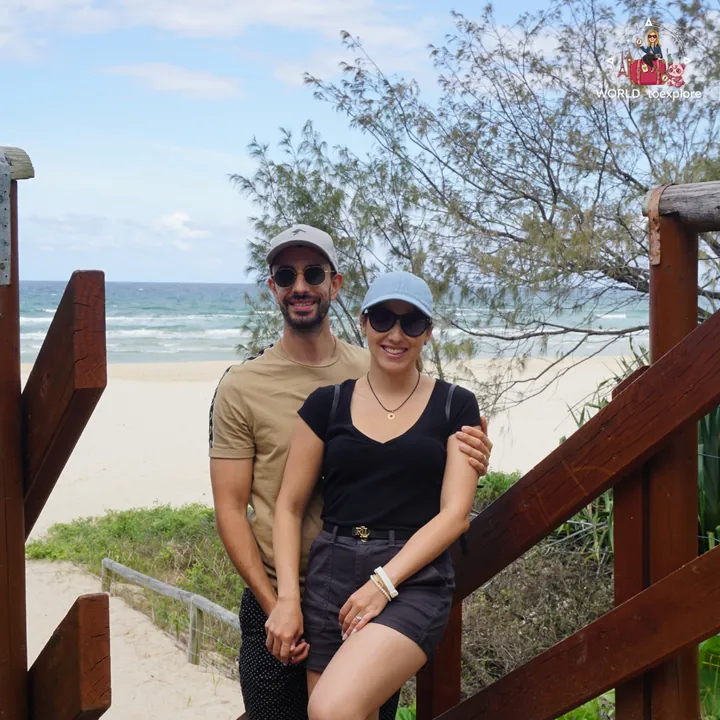
Burleigh Heads is one of the places where nature and the ocean meet best on the Gold Coast. The beach, the headland and the lookouts make it a must-see, especially at sunset.
- Burleigh Beach - one of the best places on the Gold Coast to enjoy the beach, whether to surf, swim or simply relax.
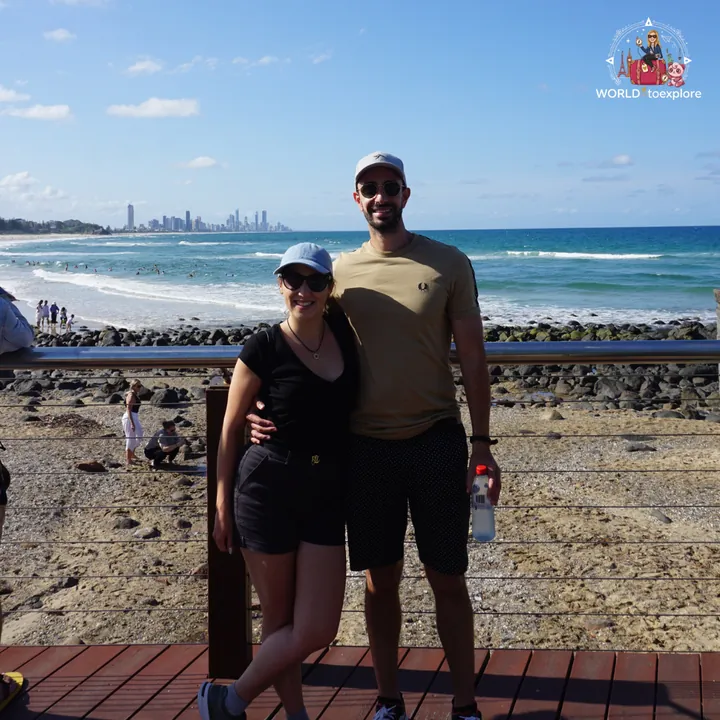
- North Burleigh Lookout (Little Burleigh) - offers a sweeping view over the coast, with Surfers Paradise in the background.
- Jebbribillum Lookout and Mick Schamburg Park Lookout - two great spots to take a break and gaze at the ocean, away from the busier areas.
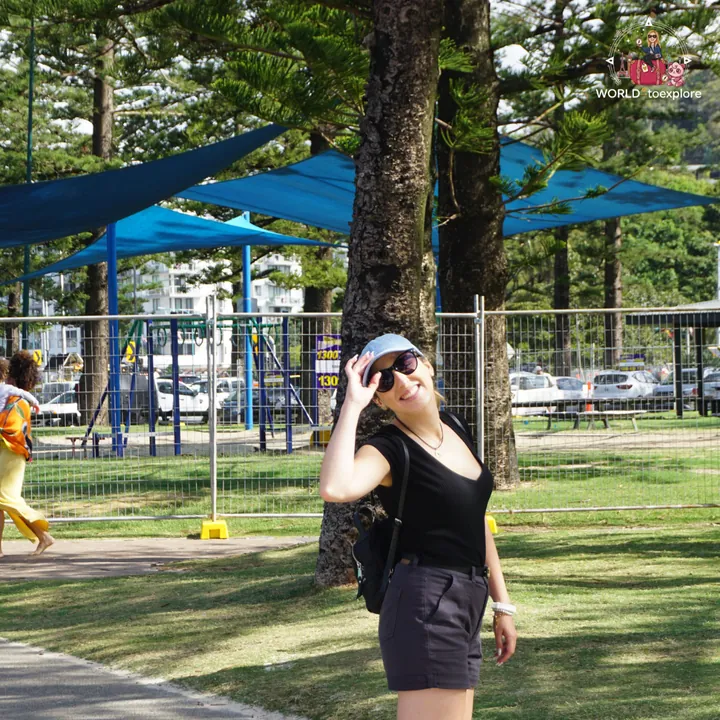
Coolangatta and Point Danger (south)
At the southern tip of the Gold Coast, right by the border with the state of New South Wales, Coolangatta is one of Australia's leading surf destinations. Despite its popularity, it keeps a very distinct identity of its own.
- Snapper Rocks - one of the most famous surf spots in Australia, known for its excellent waves and frequented by surfers from all over the world.
- Rainbow Bay Beach - a small bay of calm, crystal-clear water, ideal for swimming or resting.
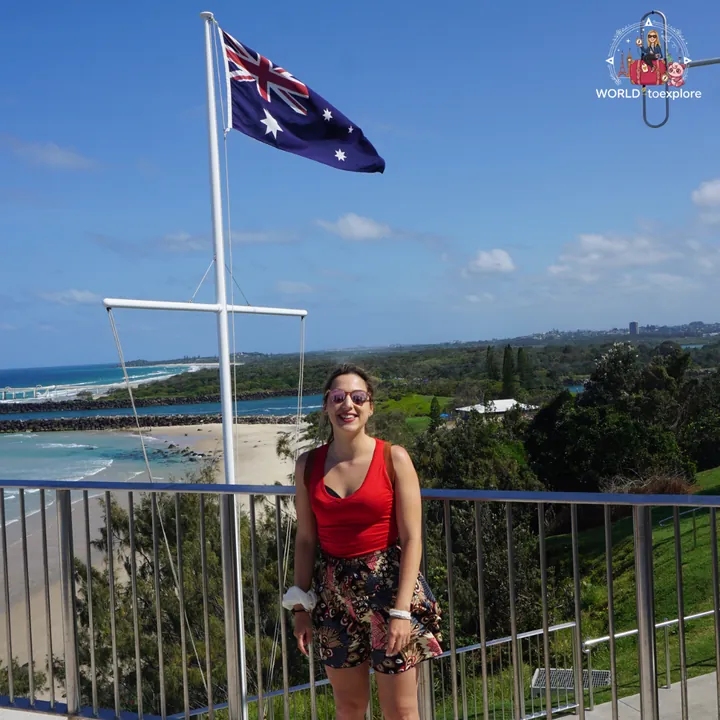
- Captain Cook Memorial and Lighthouse (Point Danger) - located at Point Danger, on the border between Queensland and New South Wales, the lighthouse and monument honour the British explorer James Cook, who charted Australia's east coast in 1770. From this point there are excellent views over the coastline of both states.

I'll admit the Gold Coast didn't make it to the top of our list of favourite places in Australia. It was a stop that was well worth it, and it's easy to see why it's one of the country's most popular destinations. Even so, over the course of our trip, we ended up falling more in love with places like Coffs Harbour, Port Macquarie or Nelson Bay, where the pace is calmer and nature is more present.
In the end, this is part of travelling too: discovering different places and realising that not all of them win us over in the same way. The Gold Coast showed us a very different side of Australia, more urban, more vibrant and clearly geared towards leisure. Maybe it wasn't the destination that left the biggest mark on us, but we have no doubt it was worth including in our itinerary. After all, there are places that deserve to be seen at least once - and the Gold Coast is, without a doubt, one of them. 🩷
You Might Also Like
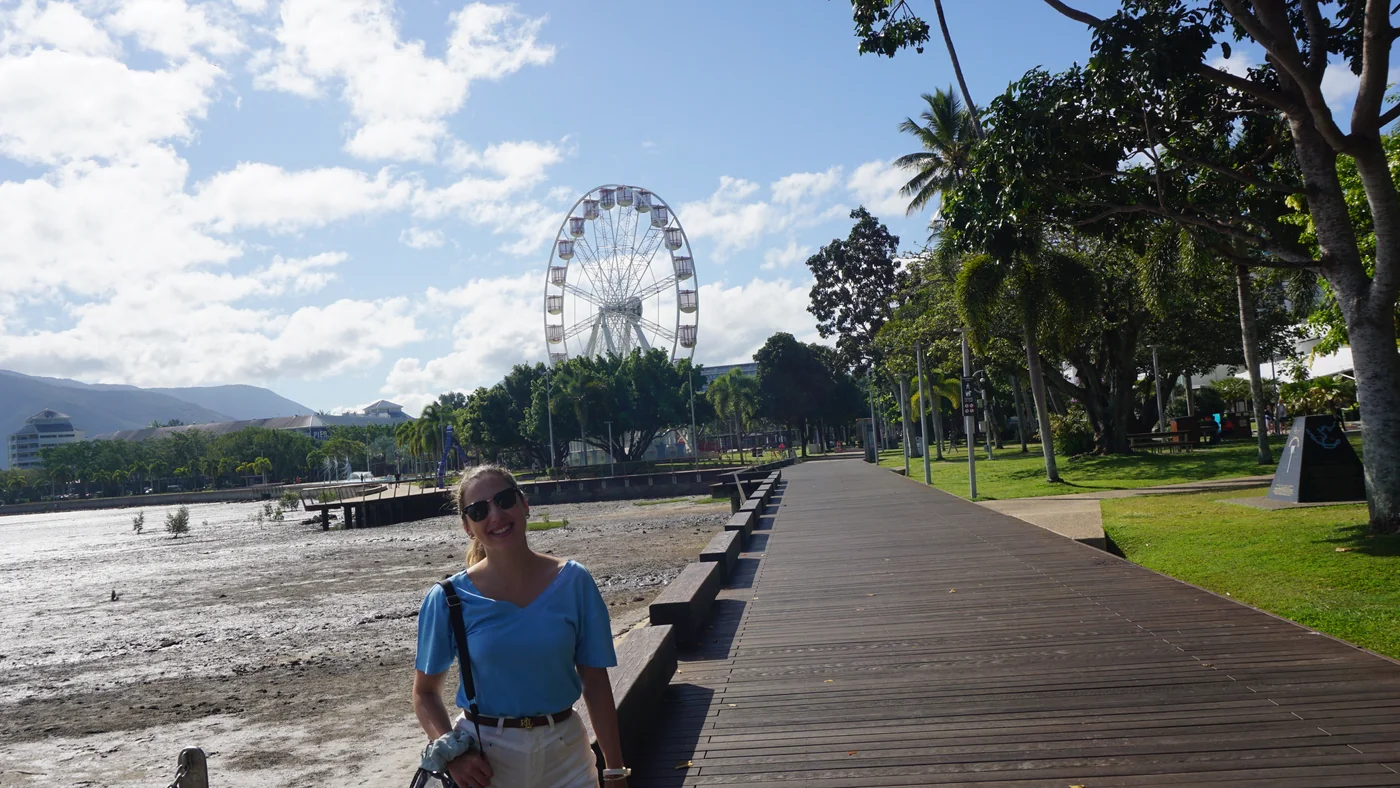
Cairns: The Gateway to the Great Barrier Reef and the Daintree
Cairns is the perfect base for exploring tropical north Queensland - from the Great Barrier Reef to the Daintree. What to see and do in the city.
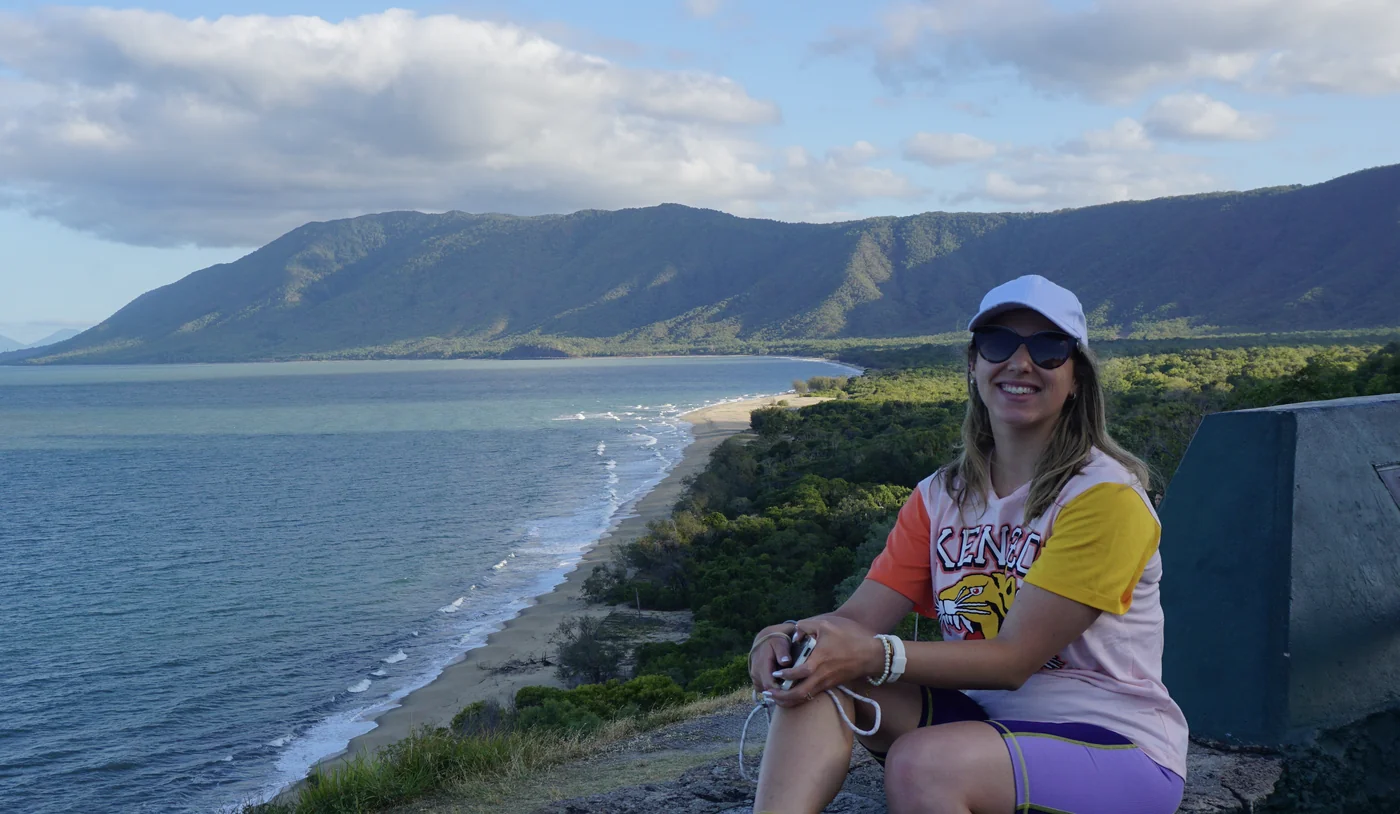
Daintree Rainforest: The Oldest Tropical Rainforest in the World
The oldest rainforest in the world isn't in Brazil, but in the far north of Australia - what it was like to visit the Daintree Rainforest.
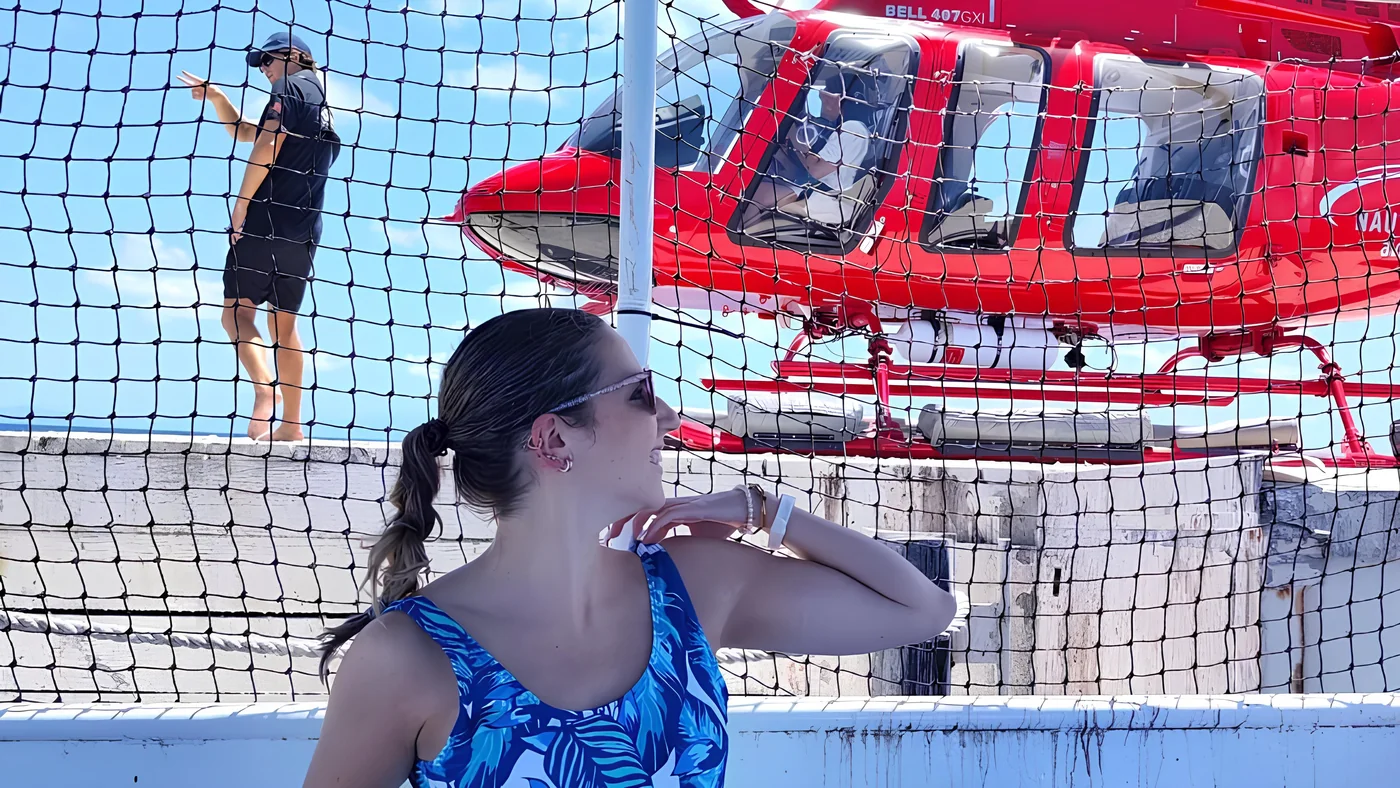
Great Barrier Reef: The Largest Coral Reef in the World
The largest living structure in the world, off the coast of Australia - what it was like to visit the Great Barrier Reef.