Cairns: The Gateway to the Great Barrier Reef and the Daintree
If there's one city that makes the perfect base for the best that northern Australia has to offer, it's Cairns. This is where we stayed during our time in Queensland, at the Novotel Cairns Oasis Resort, and it was from here that we set off for two of the most memorable experiences of the trip: the Great Barrier Reef and the Daintree Rainforest. But Cairns is more than just a starting point - it has a history, an atmosphere and an identity of its own that are well worth getting to know.
Set in the far north of Queensland, Cairns is a coastal city of around 150,000 people, known for its laid-back tropical vibe. Surrounded by rainforest and the Coral Sea, it blends nature, history and a multicultural atmosphere that make it very different from Australia's big cities. To understand what makes Cairns such a special destination, it's worth going back in time a little.
The origins of Cairns
Cairns is a relatively young city. It was founded in 1876 to serve as a seaport for the goldmines of inland Queensland, and was named after Sir William Cairns, the state's governor at the time. Back then, it was just a small settlement surrounded by mangroves and swampland, which had to be drained to make way for the city that exists today.
When the gold rush came to an end, Cairns had to reinvent itself. Agriculture took over that role, especially sugar cane, favoured by the tropical climate and the region's fertile soils. The city also cemented its importance as an export port, shipping agricultural produce to other parts of Australia and the world. For much of the 20th century, Cairns stayed that way: a small, quiet port town closely tied to farming.
The big change came in the final decades of the 20th century. Its proximity to the Great Barrier Reef and the Daintree Rainforest, together with the opening of the international airport in 1984, meant Cairns began to draw more and more visitors from around the world. Tourism grew quickly and, within a few years, the city had become the main gateway for exploring northern Queensland and one of Australia's most sought-after destinations.
The Indigenous heritage
Northern Queensland is one of the areas of Australia with the strongest presence of Indigenous communities, and Cairns is no exception. Long before the arrival of the Europeans, this land was inhabited by Aboriginal peoples and by the communities of the Torres Strait Islands, two distinct Indigenous peoples, each with their own culture, traditions and identity, recognised as the country's original inhabitants.
These peoples' connection to this land is ancient, and their heritage is still very much alive today. Around Cairns live several Indigenous communities that play an important role in conserving the region's natural and cultural heritage. Many of the conservation projects and cultural experiences on offer to visitors are developed in partnership with these communities, offering a closer look at their history, traditions and bond with the land, as well as the deep knowledge they hold of the forest and its resources, passed down from generation to generation. It's also a reminder that the story of this part of Australia began long before Cairns was founded, in 1876.
That heritage is also reflected in the region's art and craft. As you wander around Cairns, it's common to come across galleries and shops with hand-painted works, wood carvings and other pieces inspired by Aboriginal and Torres Strait Islander traditions. Among the most iconic objects are boomerangs, used for thousands of years by Aboriginal peoples for hunting and even in some ceremonies. Interestingly, not all of them came back: many were designed simply to fly straight ahead and hit their target.
The centre of Cairns in half a day
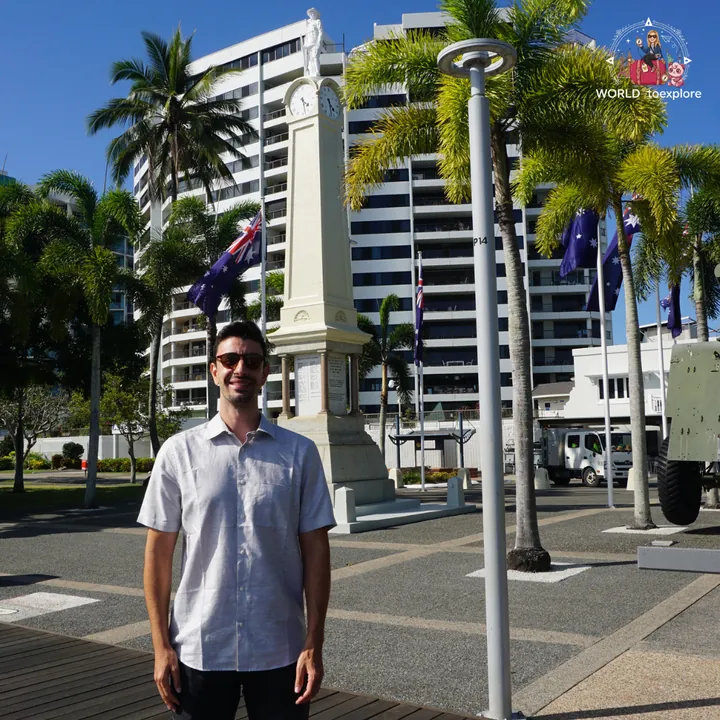
The centre of Cairns isn't very big, so it's easy to see the main points of interest on foot. Most of them are concentrated between the Esplanade and the marina area, a lovely part of town for a stroll, with gardens and views out to sea. If you're staying in the city centre, half a day is enough to take this area in at a relaxed pace.
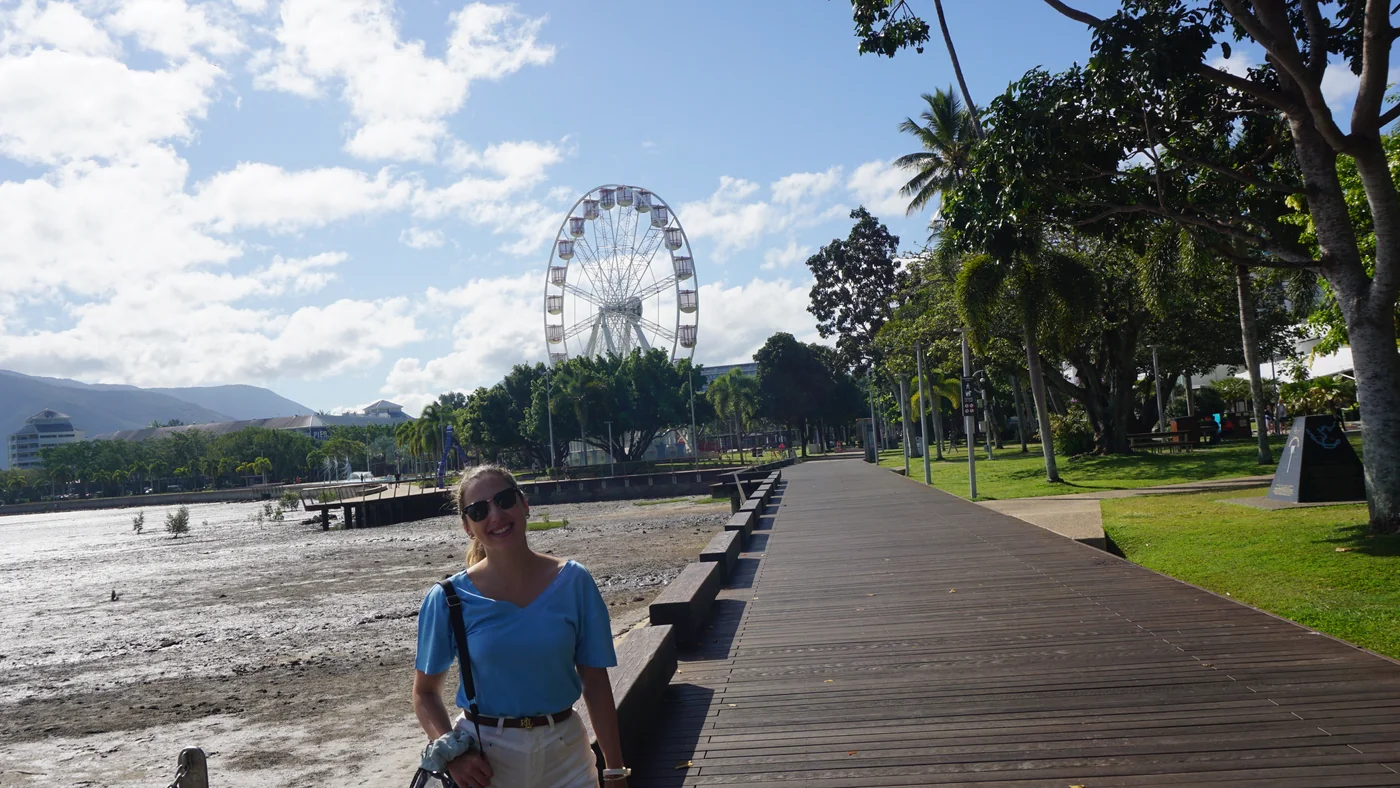
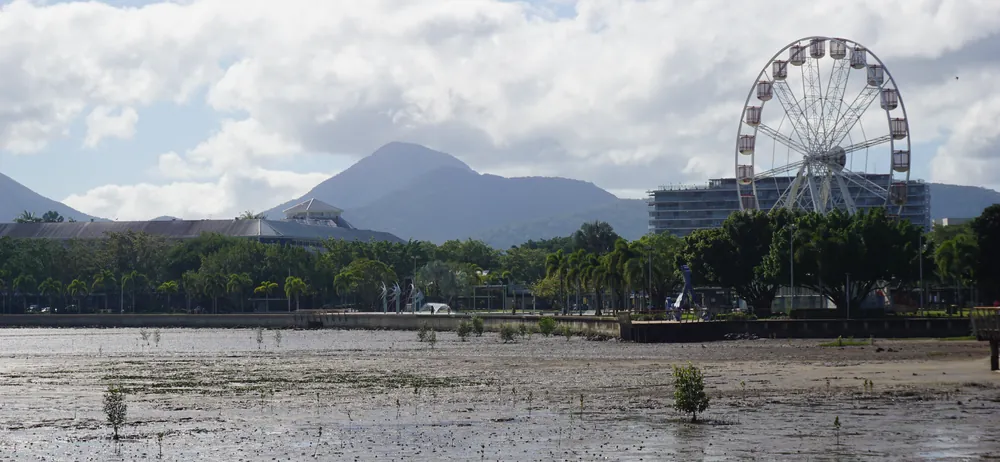
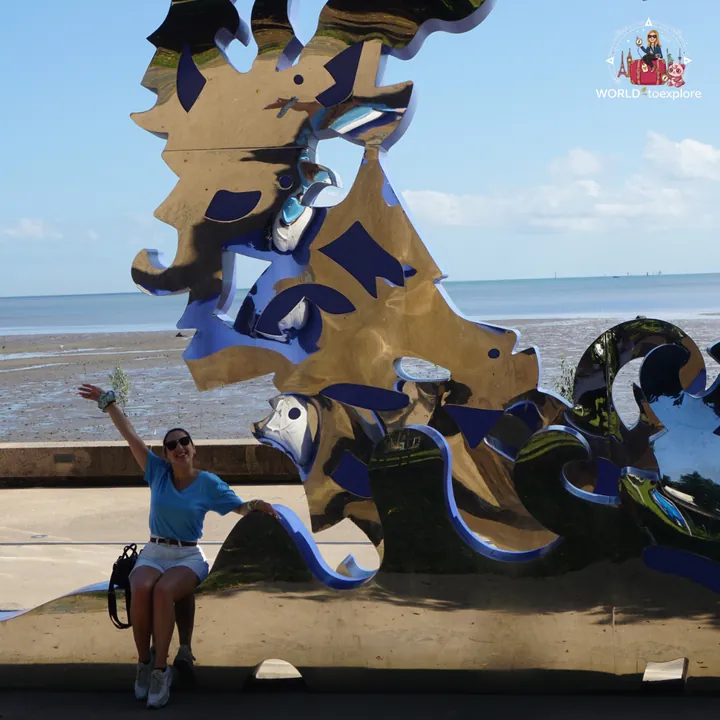
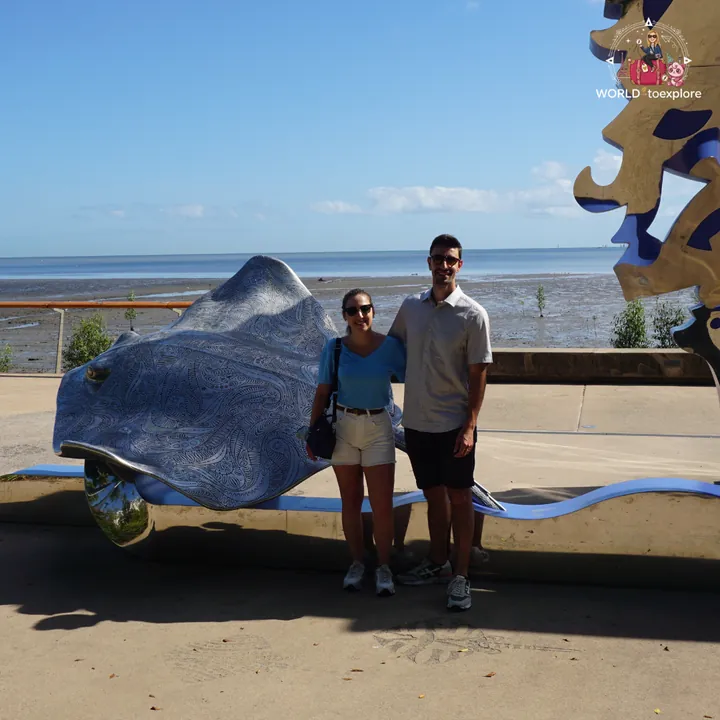
A good place to start exploring central Cairns is the Olympic Torch Monument, on the Esplanade. This monument marks the passage of the Olympic torch through the city ahead of the Sydney Olympic Games in 2000, and is a nice little stop for anyone who enjoys learning about snippets of local history. A few steps away is the Citizens Gateway to the Great Barrier Reef, an impressive stainless-steel sculpture created by artist Brian Robinson and unveiled in 2017. Around six metres tall, it depicts a great wave teeming with marine animals and birds, led by a stingray, symbolising the biodiversity of the Great Barrier Reef. Right next to it stands The Reef Eye, a ferris wheel about 35 metres high, opened in 2019, which offers a lovely view over the Esplanade, the marina and Cairns bay.
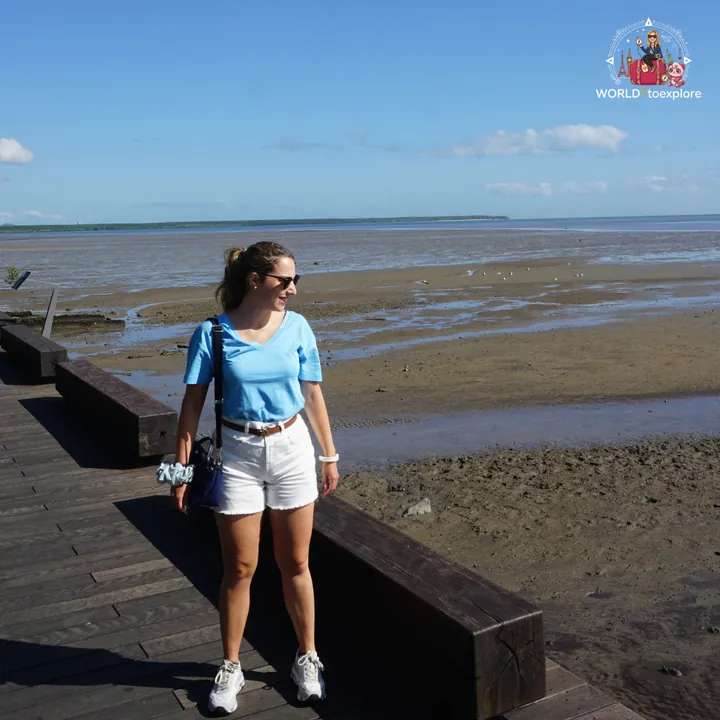
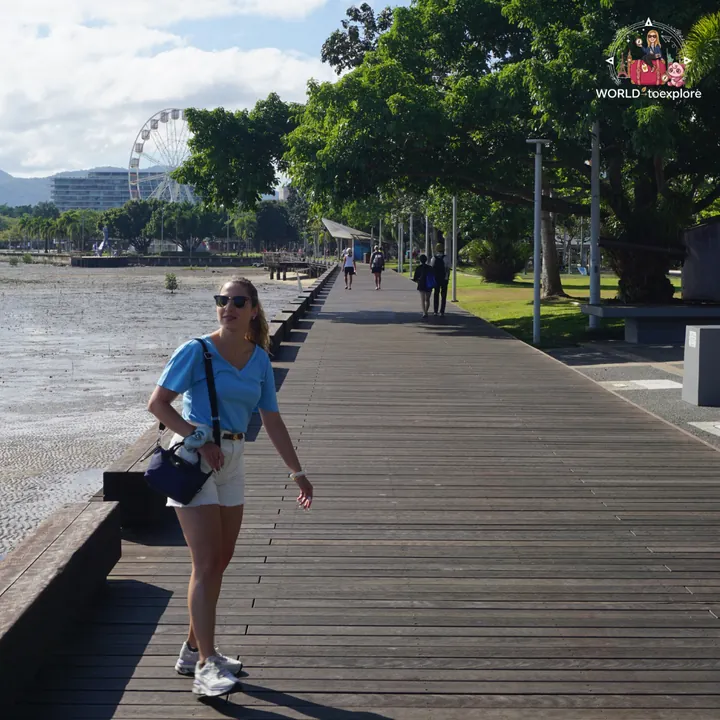
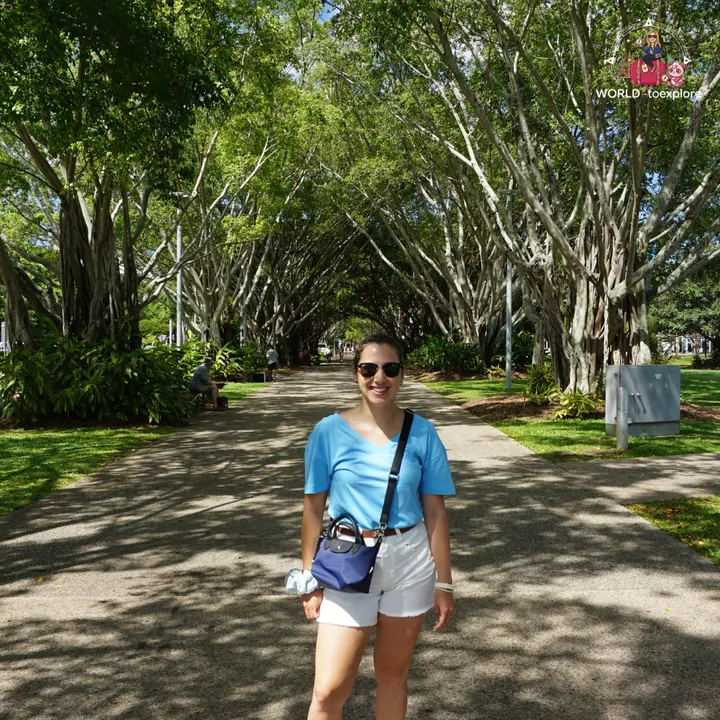
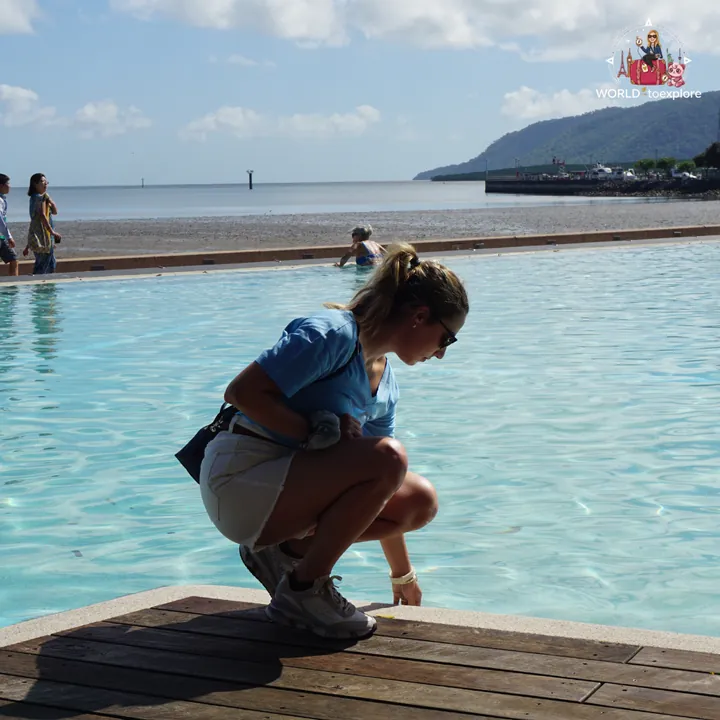
Continuing along the waterfront, you reach the Esplanade Lagoon, one of Cairns' most iconic spots. Despite being a seaside city, Cairns has no sandy beaches. Instead, the tide uncovers vast mudflats, home to countless birds and small crabs. That's precisely why the city built this large public saltwater pool, free to enter and patrolled by lifeguards, which today is one of the most popular spots for locals and visitors alike, especially to relax and escape the heat.
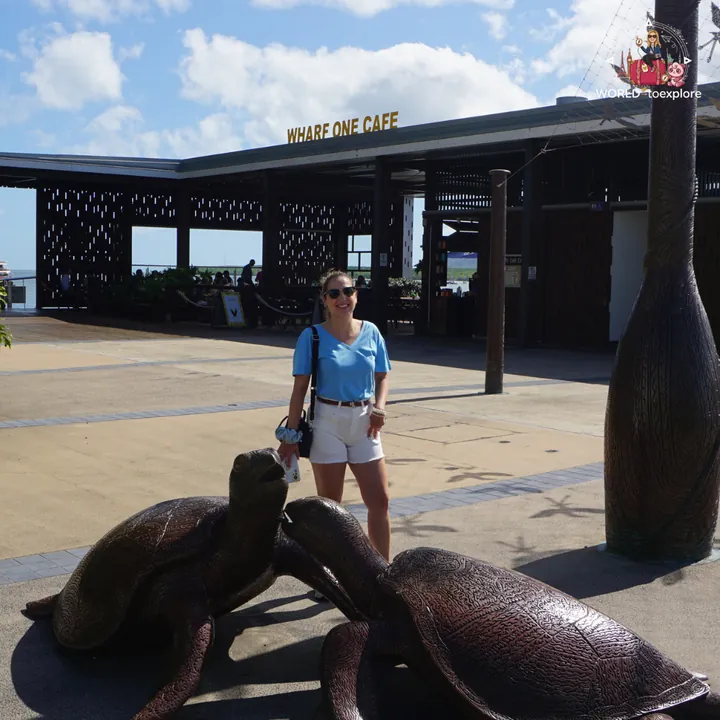
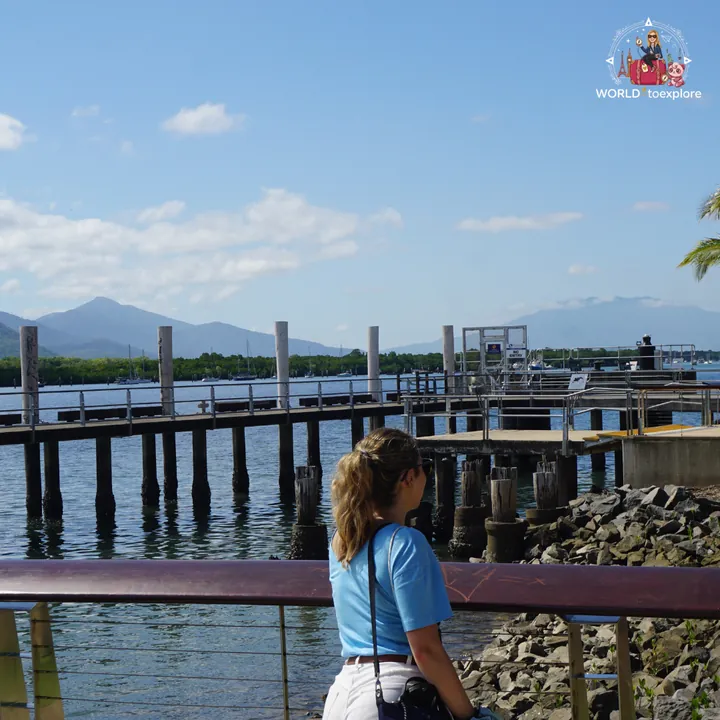
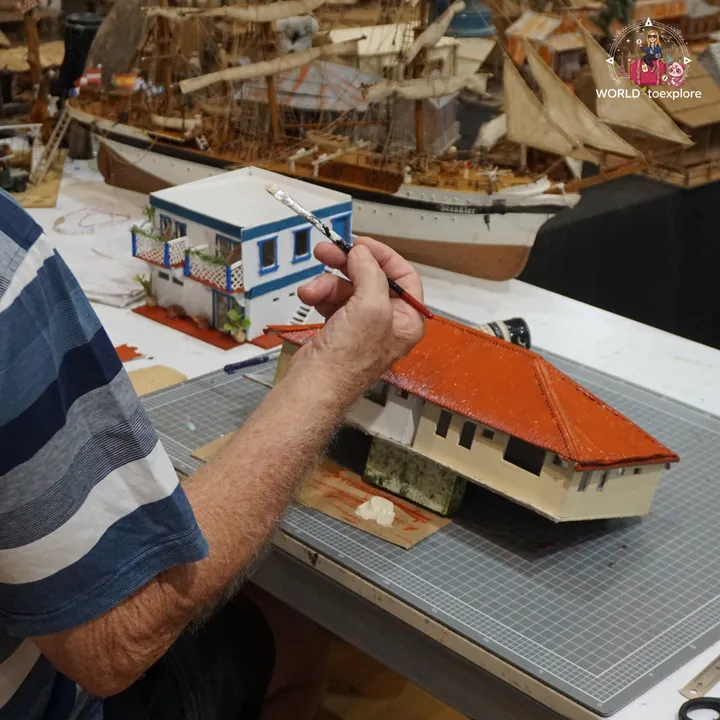
Heading towards the harbour, you come to the Fishing Pier, also known as the "Tip of Cairns", a jetty reaching out over the sea and a good spot to watch the moored boats and get some fresh air. Nearby, it's worth a quick stop at Col's Historical Miniatures, a curious exhibition that recreates in miniature the city of Cairns and Australian life of more than 150 years ago, with the typical "Queenslander" houses, the old pubs and other important buildings. Right beside it is the Cairns Marlin Marina, from which many of the boats that take visitors to the Great Barrier Reef set off every day, making this one of the busiest areas in the city. It's also here that you'll find The Reef Hotel Casino, one of the most iconic buildings in the centre. A few minutes' walk away is the Cairns Convention Centre, a modern venue that hosts conferences, shows and events throughout the year.

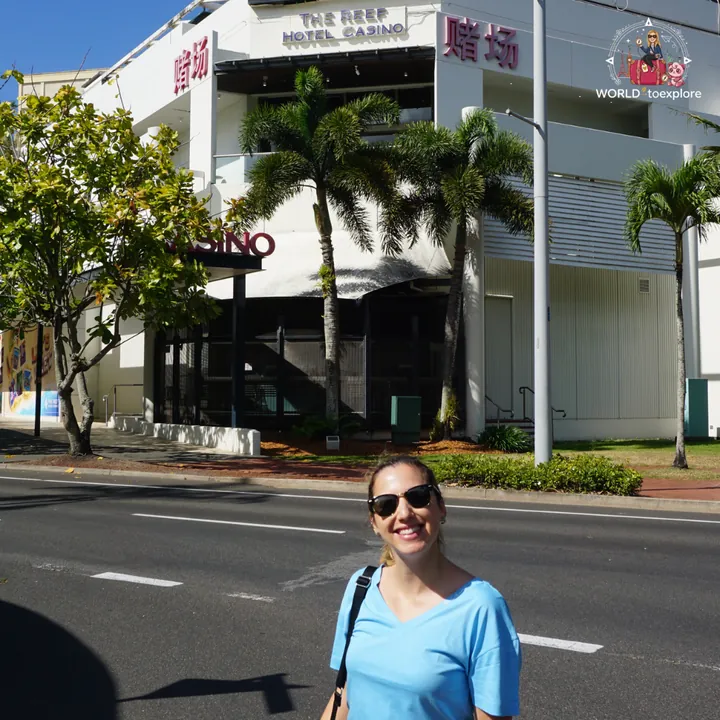
All in all, the centre of Cairns doesn't have a huge number of tourist attractions, but it's a great place for a leisurely wander. Between the waterfront, the marina and the Esplanade Lagoon, half a day is plenty to get to know the city, or even a whole day if you just feel like relaxing and taking a dip in the pool. After all, not every trip has to be done in a rush.
In the end, Cairns may not be the most impressive city in Australia, but it's hard to imagine a better gateway for exploring northern Queensland. It was from here that we set off for two of the most memorable experiences of our trip to Australia, and it was here that we came back to at the end of each day, tired, but with our hearts full and plenty of stories to tell. 🩷
You Might Also Like
Brisbane's oldest garden
The City Botanic Gardens are Brisbane's oldest garden: colonial history, century-old Moreton Bay figs, water dragons and riverside walks, just steps from the centre.

Daintree Rainforest: The Oldest Tropical Rainforest in the World
The oldest rainforest in the world isn't in Brazil, but in the far north of Australia - what it was like to visit the Daintree Rainforest.
Gold Coast: Where Australia Goes to the Beach
Endless golden beaches, surf, theme parks and beachfront skyscrapers - what to see and do on Australia's Gold Coast, one of the sunniest stops on our honeymoon.