Daintree Rainforest: The Oldest Tropical Rainforest in the World
When we think of a rainforest, the first thing that comes to mind is the Amazon. But, contrary to what you might think, the oldest rainforest in the world isn't in Brazil. It's in the far north of Australia and it's called the Daintree. It's a survivor that, while the world around it changed completely, has remained practically the same for around 180 million years, making it the oldest rainforest on the planet.
Just a few hours' drive from Cairns, the Daintree Rainforest offers a unique experience, where nature and biodiversity make the visit well worth it. Giant trees, ferns and shrubs everywhere, the constant sound of birds and insects, and a green so intense it looks almost unreal. It's also one of the few places on the planet where the rainforest meets the sea, creating truly breathtaking landscapes.
In this article I share everything you need to know to explore the Daintree Rainforest, including practical tips and a few details I only discovered after visiting.
What makes the Daintree so special
The Daintree's story began long before Australia as we know it today existed. Around 180 million years ago, the continents were all part of a single landmass called Gondwana. It was there that the first rainforests of this kind emerged. When Gondwana began to break apart, the ancient rainforest was spread across the continents that arose from it. Over millions of years, climate changes made almost all of them disappear, but the Daintree endured. That's why it's considered one of the oldest rainforests in the world and a true window into the past.
Long before the arrival of the Europeans, the Daintree was already home to the Kuku Yalanji people, the original inhabitants of this region. For tens of thousands of years, they lived in perfect harmony with the forest, learning to understand its cycles, its plants and its animals. That connection remains alive today, and it's possible to join guided tours led by members of the community, who share stories, traditions and knowledge preserved over generations.
The name "Daintree" came about much later. It was given in honour of Richard Daintree, a 19th-century Australian geologist and photographer. It first named the river that runs through the region and, later, ended up identifying the whole forest area. For a long time, this was a remote and hard-to-reach area, which helped keep it practically intact. Only in recent decades has it become one of Australia's attractions and started to welcome visitors from all over the world.
Today, Daintree National Park stretches over more than 760 km² (76,000 hectares) and is recognised not only for its age but also for the richness of its fauna and flora. Thousands of species of plants and animals live in this forest, many of them found only in this region. It's also one of the rare places where two natural wonders meet: the rainforest extends all the way to the coast, meeting the Great Barrier Reef, both listed as UNESCO World Heritage Sites. The area the Daintree belongs to received that classification in 1988, helping to protect and conserve this natural heritage.
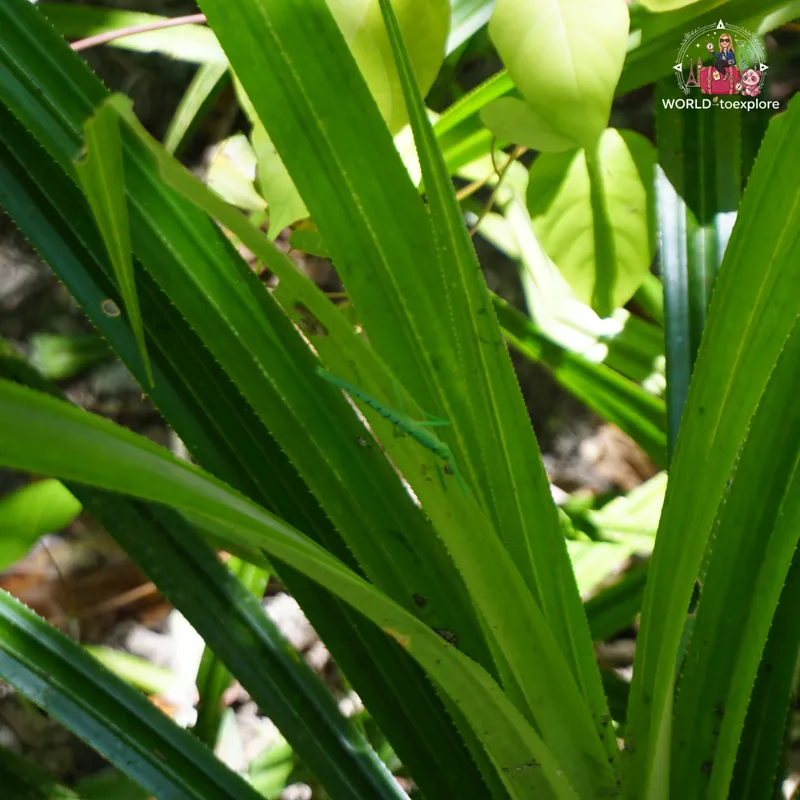
Where it is and how to get there
The Daintree Rainforest is located in the far north of Queensland, about 100 kilometres north of Cairns, in one of the most beautiful and wild regions of Australia. The journey to the forest is, in itself, part of the experience. As you head north, the landscape transforms: vast fields of sugar cane stretch out on either side of the road and, in the distance, rises the Great Dividing Range, the imposing mountain chain that runs along much of Australia's east coast. The road becomes more winding and the vegetation increasingly lush, announcing the entrance to this ancient forest.
Along this area there are a few towns and villages that serve as a gateway to the region:
- Cairns: the largest city in northern Queensland and the main starting point for exploring the Daintree Rainforest. With an international airport and a huge range of accommodation, restaurants and tours, it ends up being the most practical option for most travellers. In our case, it was also the starting point for this adventure.
- Port Douglas: about an hour north of Cairns, this small coastal town is a quieter alternative for a stay, with the advantage of being much closer to the Daintree Rainforest.
- Mossman and Daintree: two small towns located even further north, right by the forest. Mossman is known for the famous Mossman Gorge, while the village of Daintree marks the entrance to the forest region and gives access to the river of the same name.
We stayed in Cairns, more specifically at the Novotel Cairns Oasis, and chose to visit the Daintree Rainforest on an organised day tour. For us, it was without a doubt the best option. Besides not having to worry about driving or logistics, we were accompanied by an experienced guide who shared his knowledge about the history, fauna and flora of the region throughout the whole journey. The itinerary included the forest's most iconic spots, which allowed us to make the most of the day.
Best time to visit
As with the Great Barrier Reef, northern Queensland essentially has two seasons, and the time of year you visit the Daintree Rainforest completely changes the experience.
The dry season, between May and October, is the most popular time and, for many, the best time to explore the Daintree Rainforest. The days tend to have clear skies, humidity is lower, temperatures are pleasant and rain is infrequent, making walks much more comfortable. The trails are generally in good condition, there are fewer mosquitoes and access to the different areas of the forest is easy. On the other hand, this is also the high season, so it's normal to find more visitors and higher prices.
The green (or wet) season, between November and April, reveals a completely different Daintree. The rains raise the level of the rivers, the waterfalls gain strength and the forest becomes even more lush. For many, it's when the Daintree is at its finest. On the other hand, temperatures are higher, humidity is intense and the downpours, especially in the late afternoon, can affect some activities and leave the trails muddy.
There's also an important detail to keep in mind during the wet season: this is when you need to take extra care near rivers and other bodies of water, due to the presence of saltwater crocodiles, which inhabit the Daintree and tend to be more active in the heat. If you visit on an organised tour, there's no real cause for concern. The guides know the region well, know where it's safe to stop and follow all safety recommendations. Even so, it's essential to always respect the signage and never enter the water outside the authorised areas.
We visited the Daintree in early November, right at the transition between the dry and green seasons. The forest was incredibly green and lush, with that humid, tropical atmosphere that makes it so special, and we were lucky enough to visit on a day of intense blue sky, without any sign of rain. It was, in short, the best of both worlds.
The Daintree through our eyes
As I've mentioned in other articles I've published here on the blog, I got married in 2024 and we always knew that, when the time came to choose the honeymoon destination, Australia would be at the top of the list. It was a long-held dream that finally came true. The visit to the Daintree Rainforest was part of that same trip. While we were planning the itinerary, the Daintree Rainforest naturally made its way into our plans. It was a unique opportunity to get to know one of the oldest rainforests on the planet, and we knew that, with so many destinations we still want to explore, we would be unlikely to return to this area any time soon.
We chose an organised day tour bought on the Sightseeing Tours Australia website, with pick-up at the hotel first thing in the morning. They came to get us around 7:00 a.m., in a van with capacity for about a dozen people. When we got in, most of the group was already on board. There was just one more couple to pick up and, after that, we headed north, towards the Daintree Rainforest.
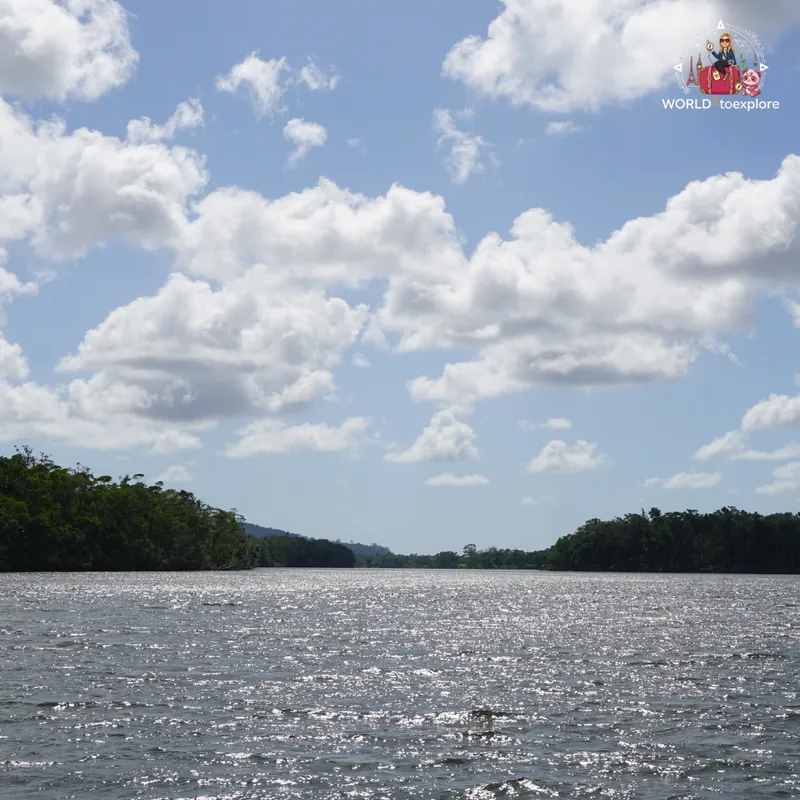
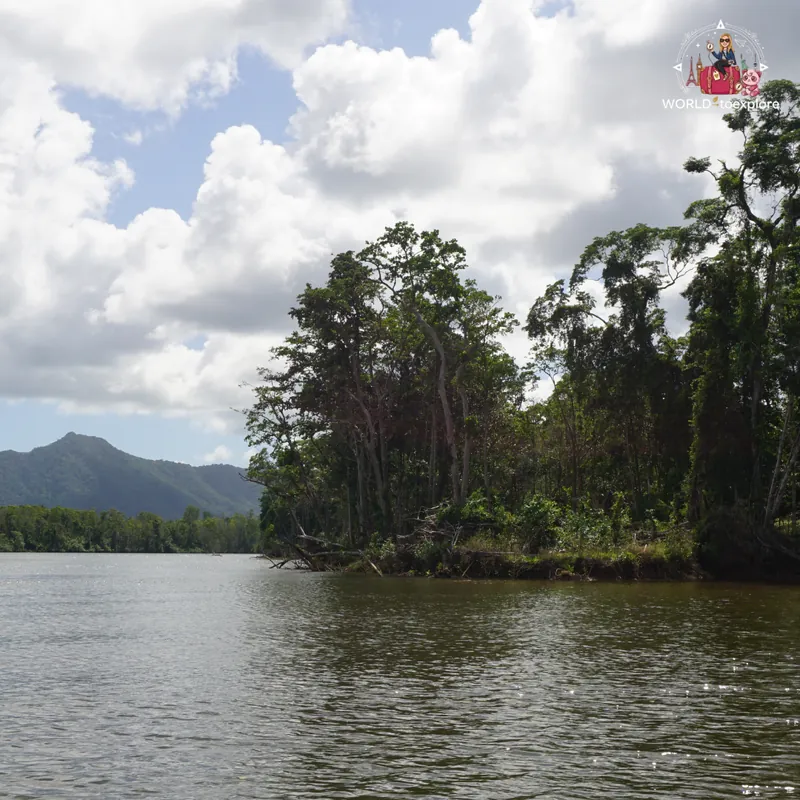
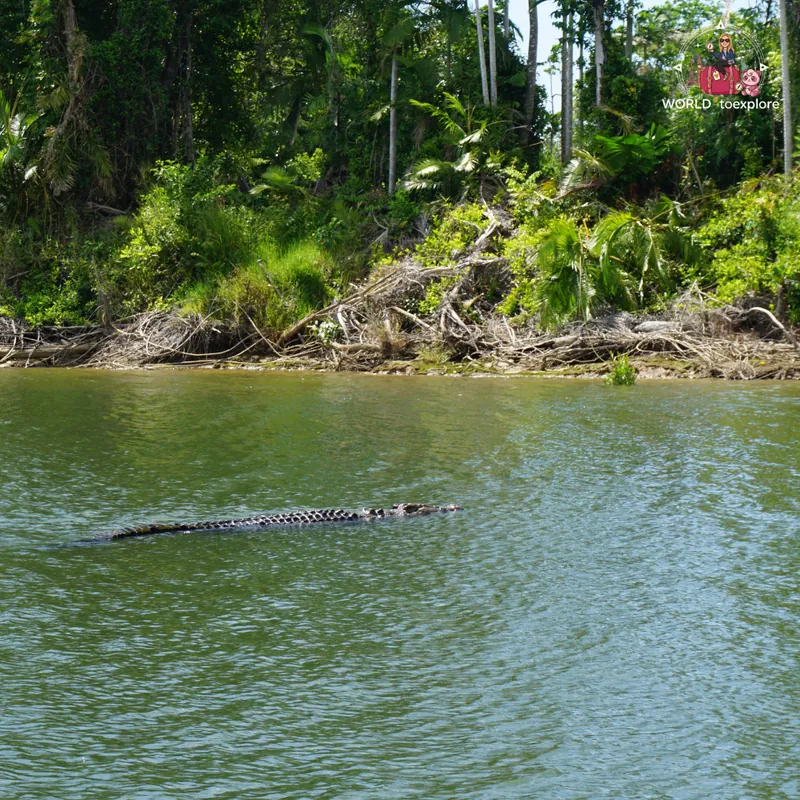
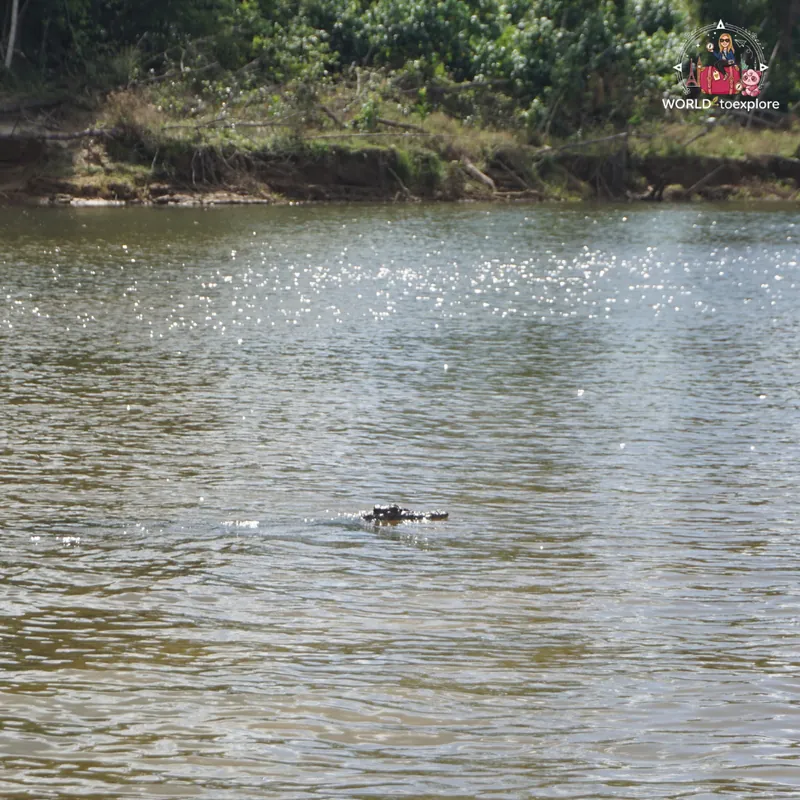
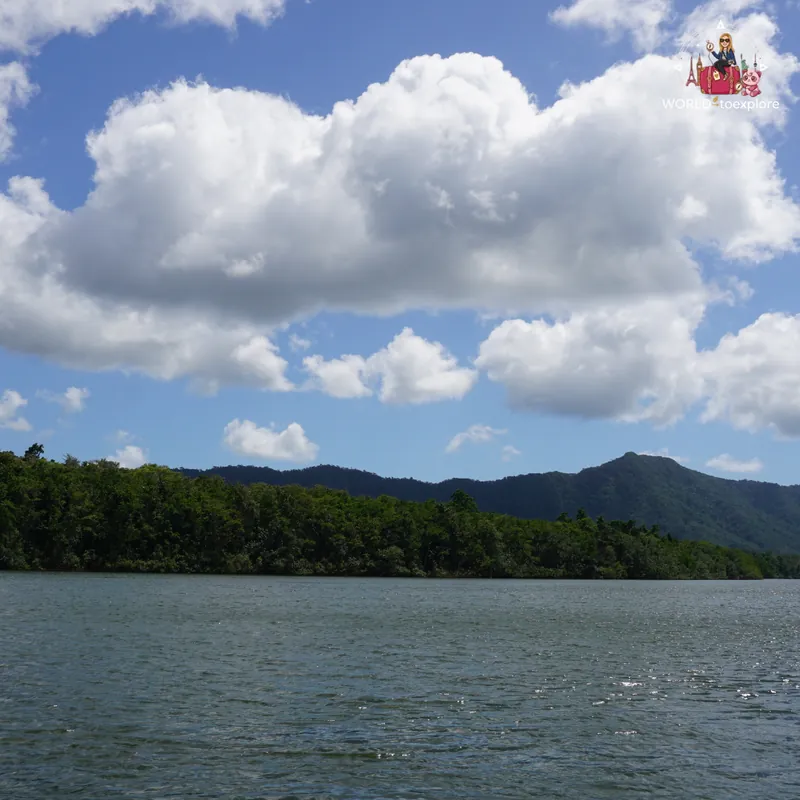
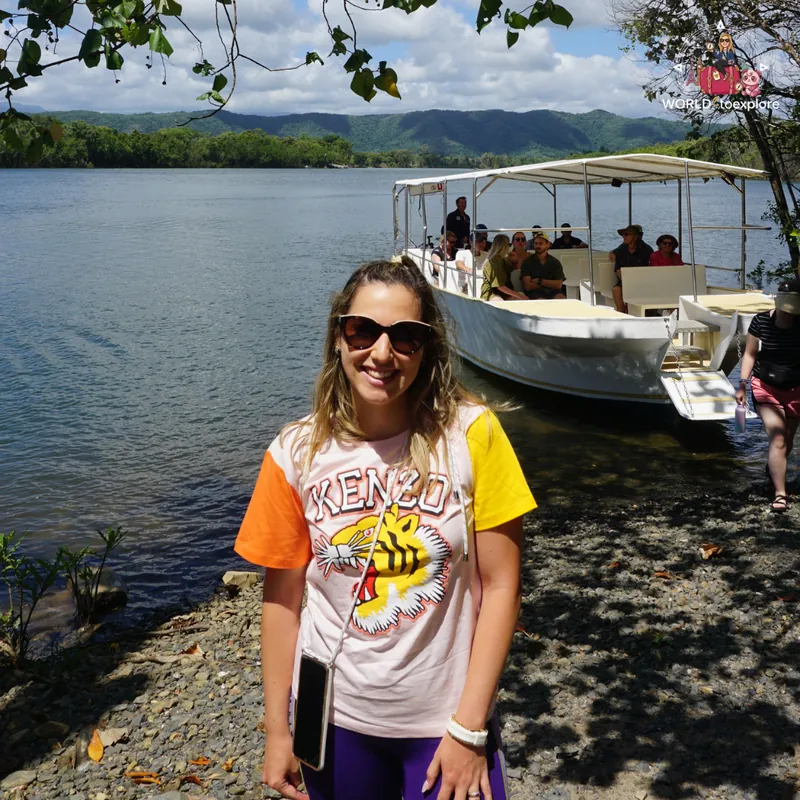
The first big moment of the day was a cruise of about an hour along the Daintree River, accompanied by a local biologist, with the aim of observing crocodiles in their natural habitat. The river is a true wildlife sanctuary: besides the crocodiles, you can also spot snakes, some birds and butterflies of various colours. We went along with our eyes wide open, alert to any movement on the banks, and the truth is that luck was on our side: we managed to spot three crocodiles along the way.
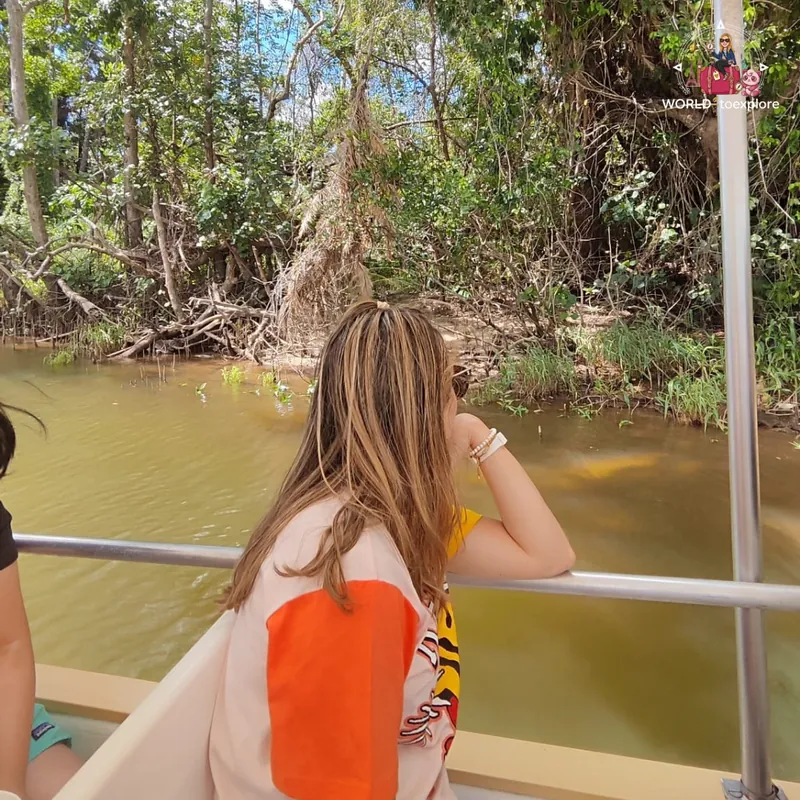
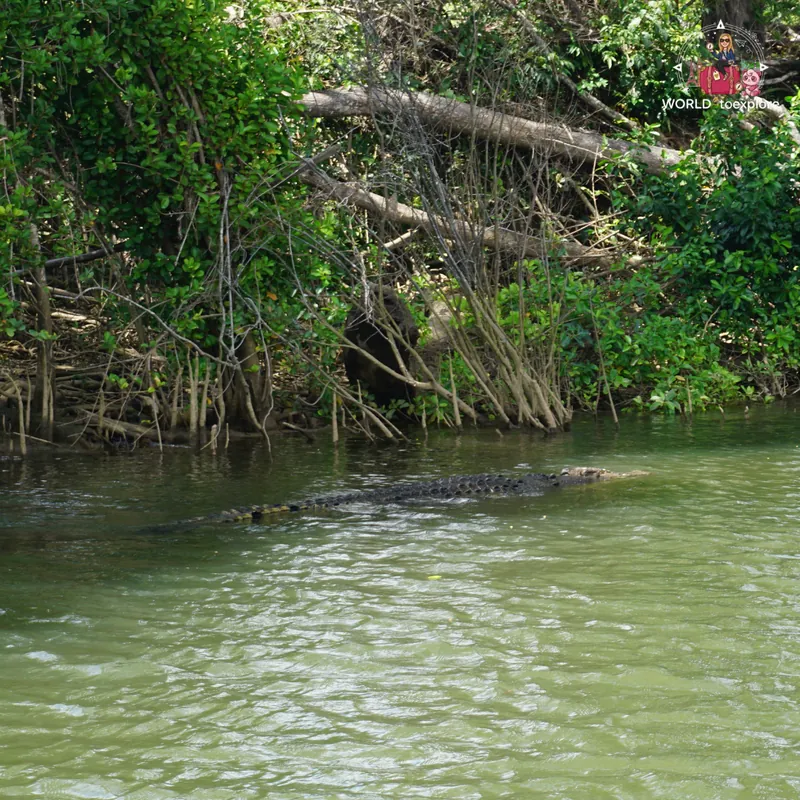
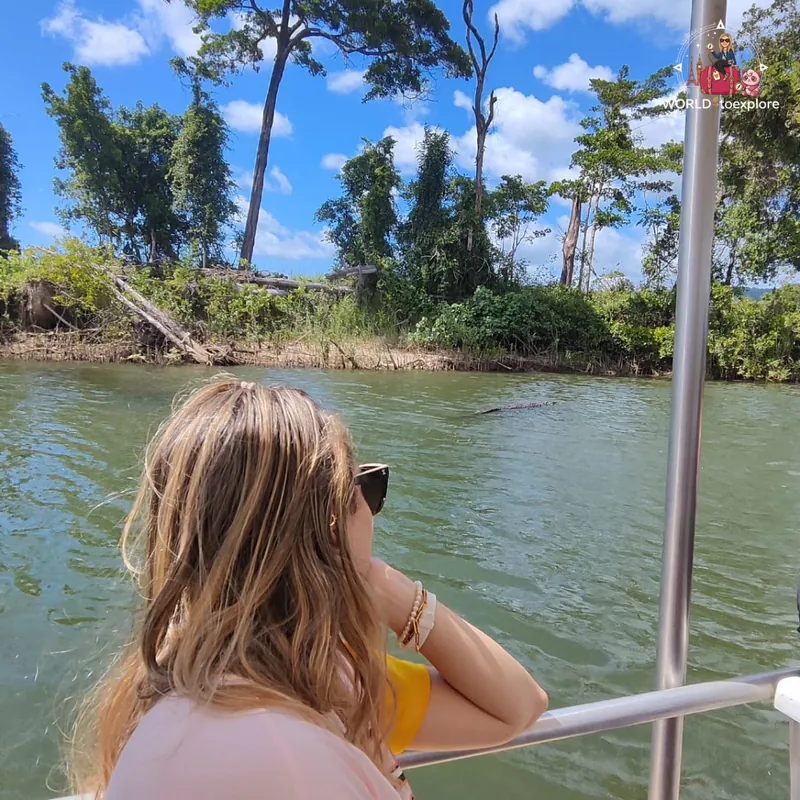
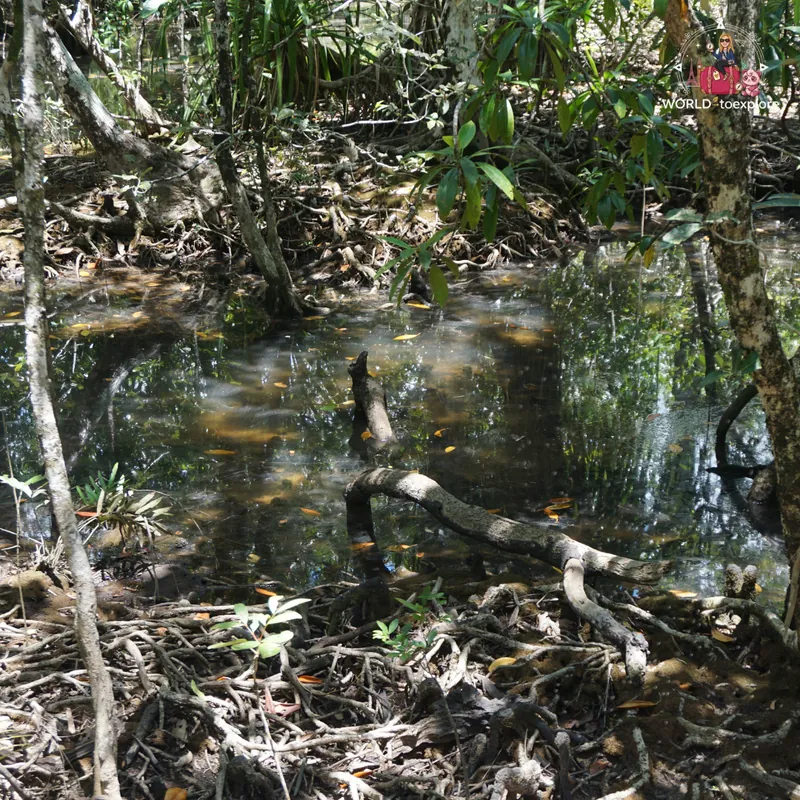
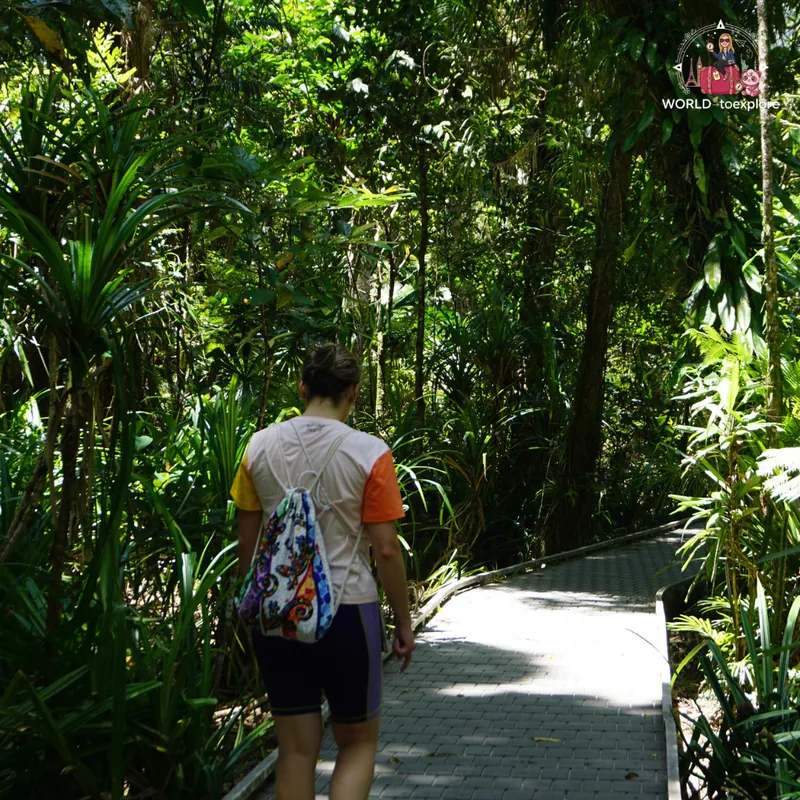
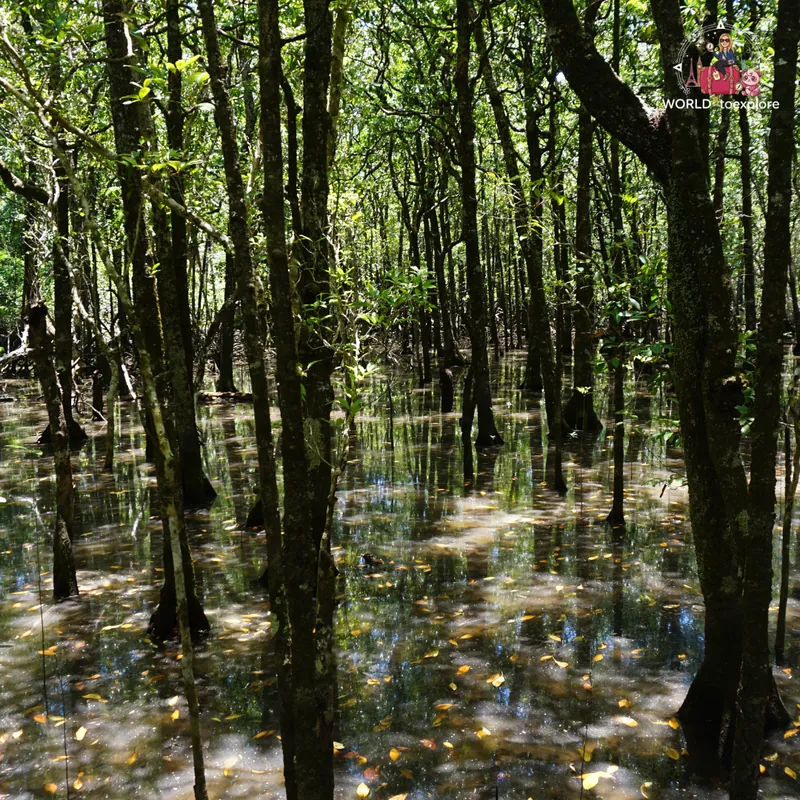
After the cruise along the Daintree River, we returned to dry land to explore the forest on foot, on the Marrdja Boardwalk, one of the best-known trails in the Daintree Rainforest. We did about an hour's walk along wooden boardwalks that cross the rainforest, letting us observe the vegetation up close without interfering with the surrounding ecosystem.
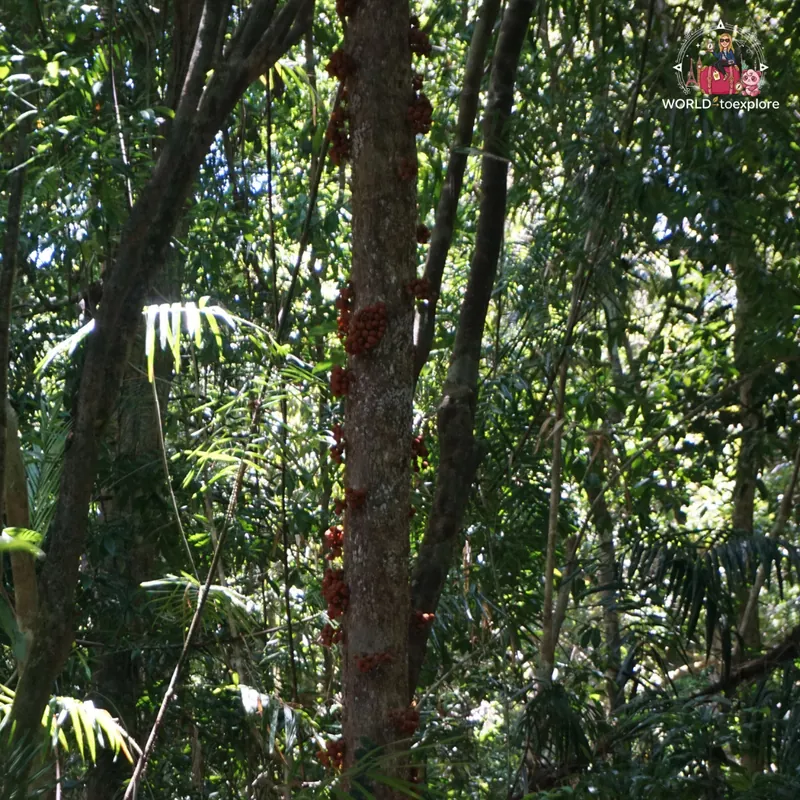
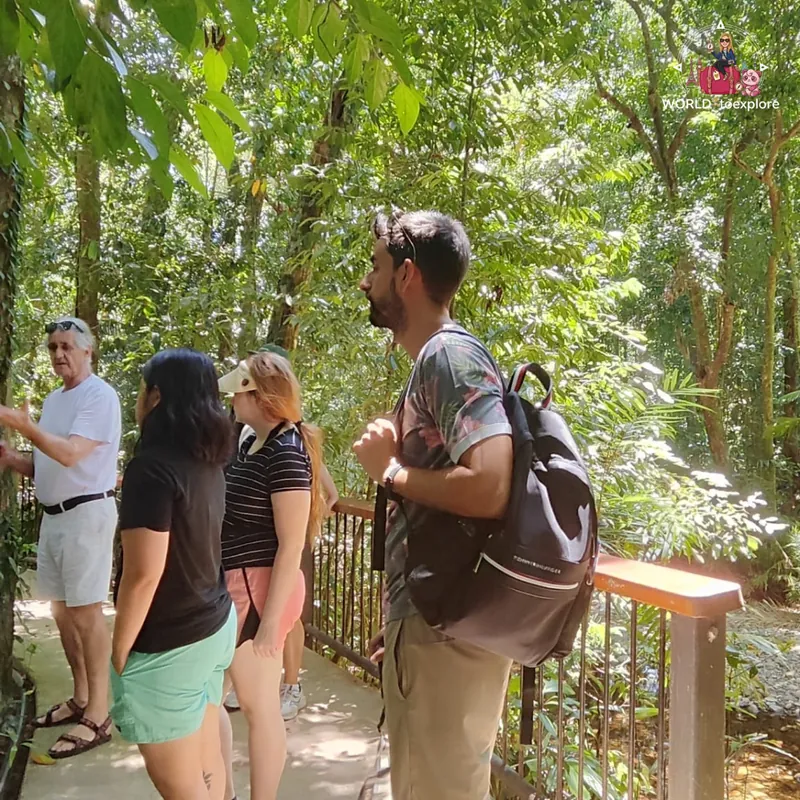
The guide kept stopping at different points along the way to show us plants, trees and small details that, without his explanation, would have gone completely unnoticed. It was quite hot and there was that humidity so characteristic of the rainforest, but all of that was part of the experience: the warm air, the intense smell of wet earth and vegetation, the constant buzzing of insects and the sound of birds somewhere above us. The mosquitoes, fortunately, didn't put up much of a fight, although I, just in case, was covered in repellent from head to toe.
The guide gave everyone the freedom to choose: since it was a circular trail, anyone who wanted could go with him and hear the explanations, while those who preferred could do the route at their own pace. In the end, only we and another couple chose to go with him, while the rest of the group ended up spreading out along the way. We all met up again at the end of the trail, by the van.
Along the way, we kept a constant eye out for a cassowary, one of the most iconic species of the Daintree Rainforest, but we had no luck. Even so, walking along the Marrdja Boardwalk, surrounded by the ancient forest, was one of those experiences where the landscape itself ends up being the main character.
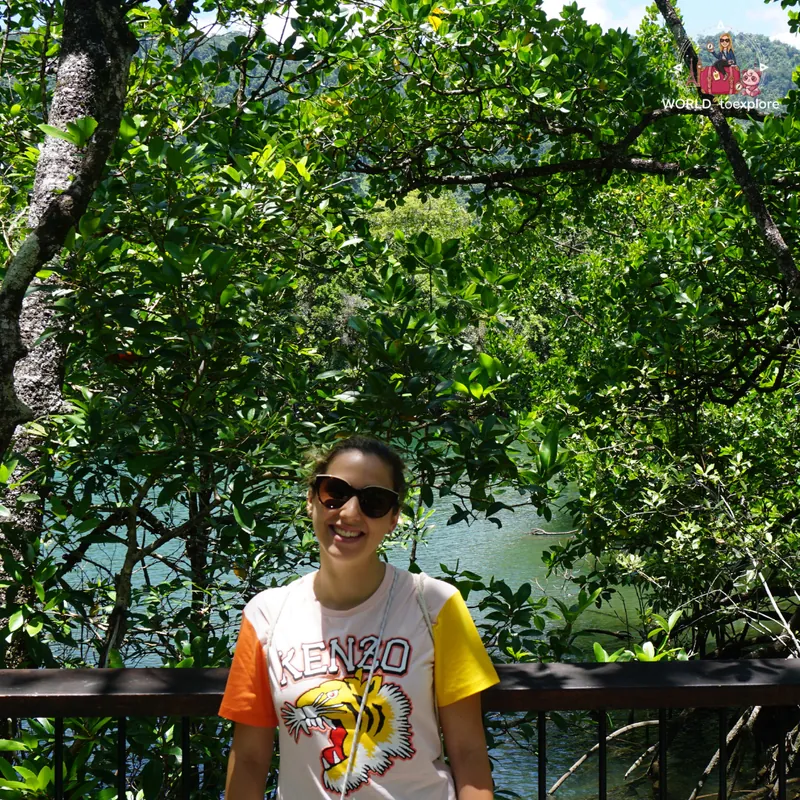
After the walk, we continued on to Cape Tribulation, one of the great moments of the day. This is where we stopped to rest for a bit and to have lunch. The tour offered the option of adding a picnic, but we chose to bring our own lunch, which we had bought at the supermarket the day before.
After lunch, we had about half an hour free to explore the beach. And what a beach! It was impossible not to be impressed by the scenery: the rainforest ended practically on the sand, while the sea stretched out in front of us. Cape Tribulation is one of those rare places where you can be between two such different worlds, the jungle on one side and the ocean on the other.
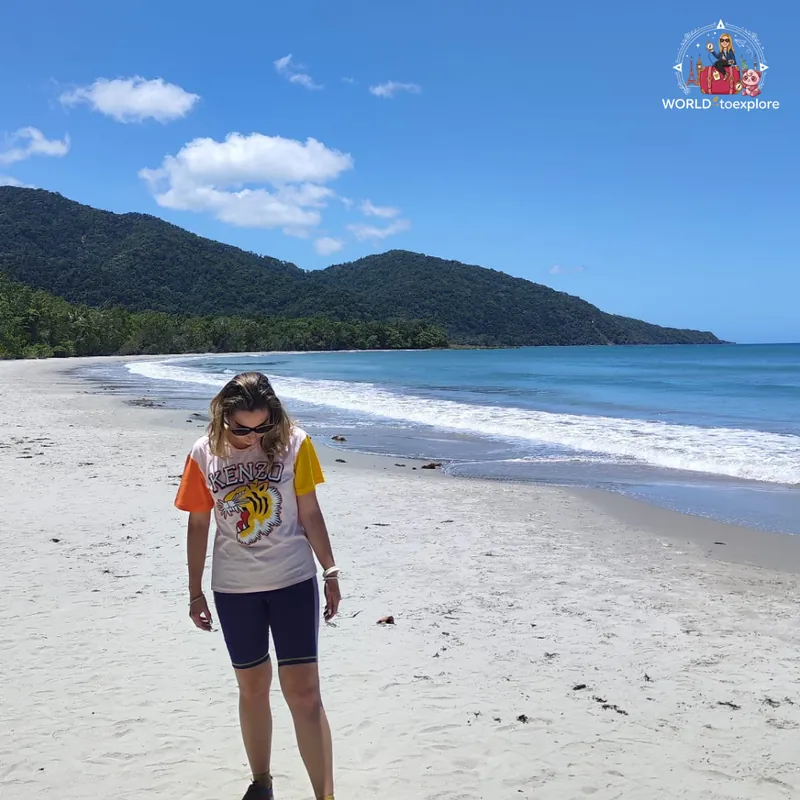
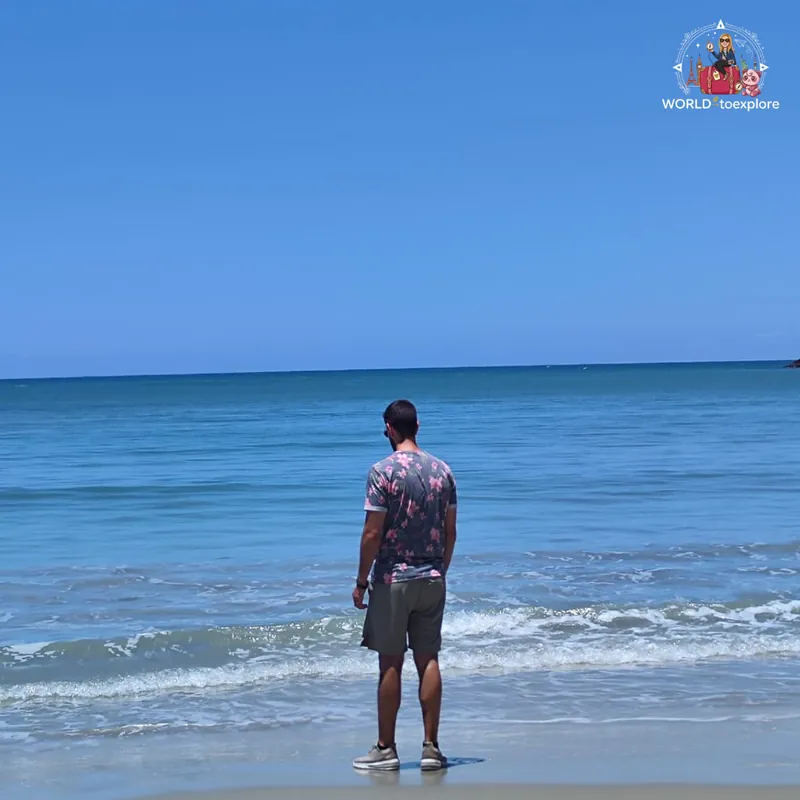
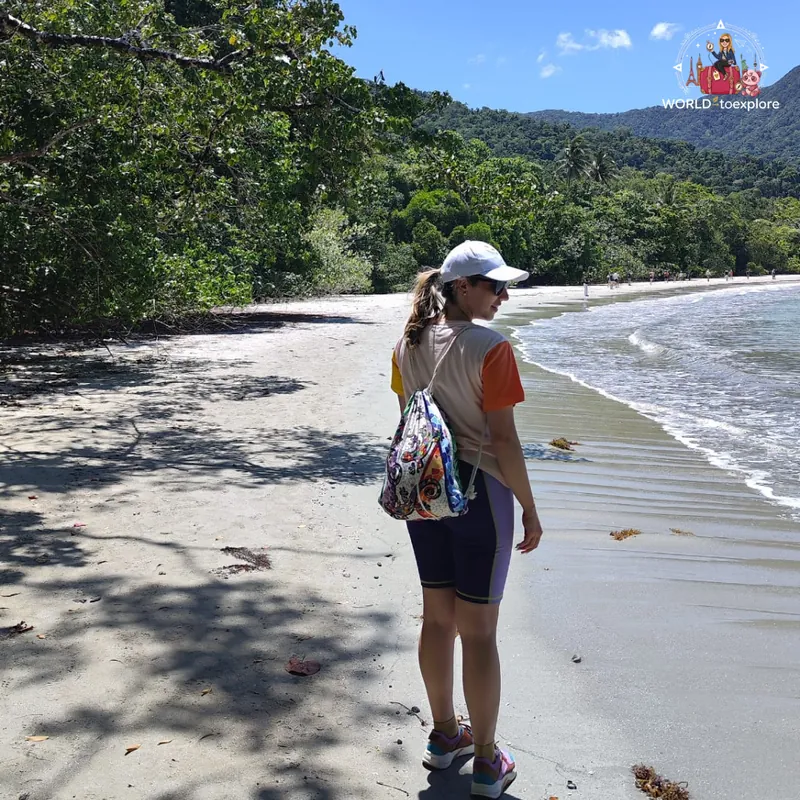
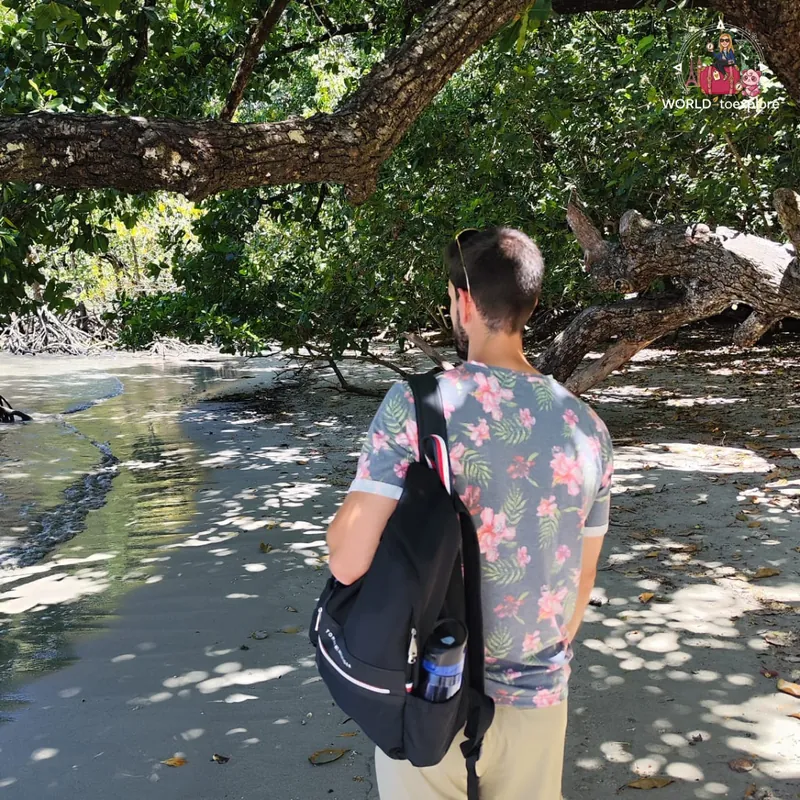
Halfway through the return journey, the guide told us he'd received word that a crocodile had been spotted, shortly after we left Cape Tribulation, right in the area where we had stopped for lunch. No one in the group minded having missed that encounter by a few minutes! 😅
The journey back to central Cairns still had a few special stops in store. The first was at the Alexandra Range lookout, with a stunning view over the forest, the coastal area and the Daintree River crossing the landscape. We also passed through Mossman Gorge, one of the best-known areas in the region, part of Daintree National Park. This gorge is famous for its crystal-clear waters, its huge granite boulders and the lush rainforest that surrounds it, and it's also a place of great cultural importance to the Kuku Yalanji people.
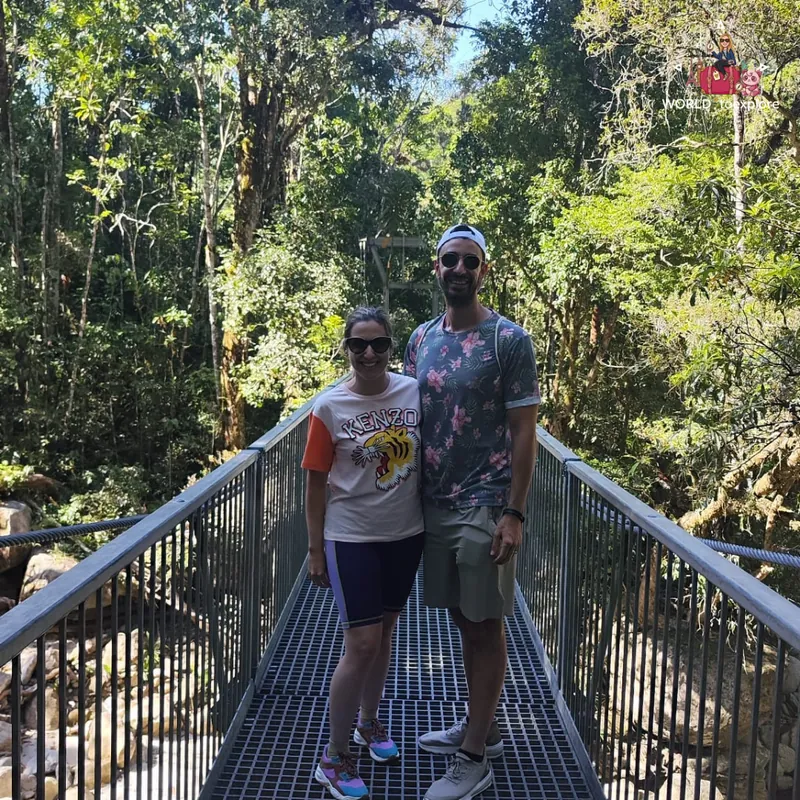
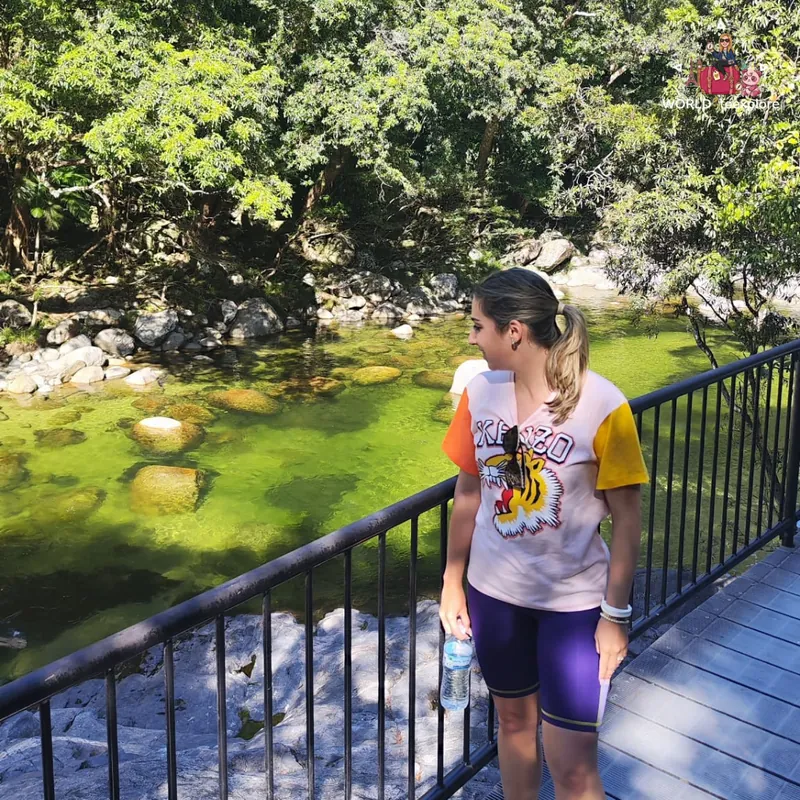
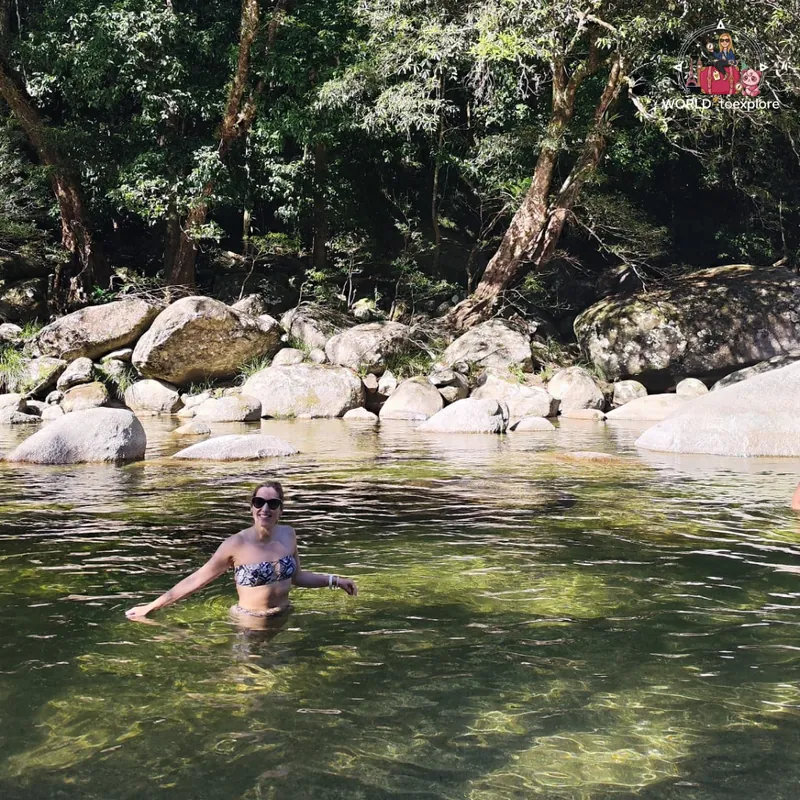
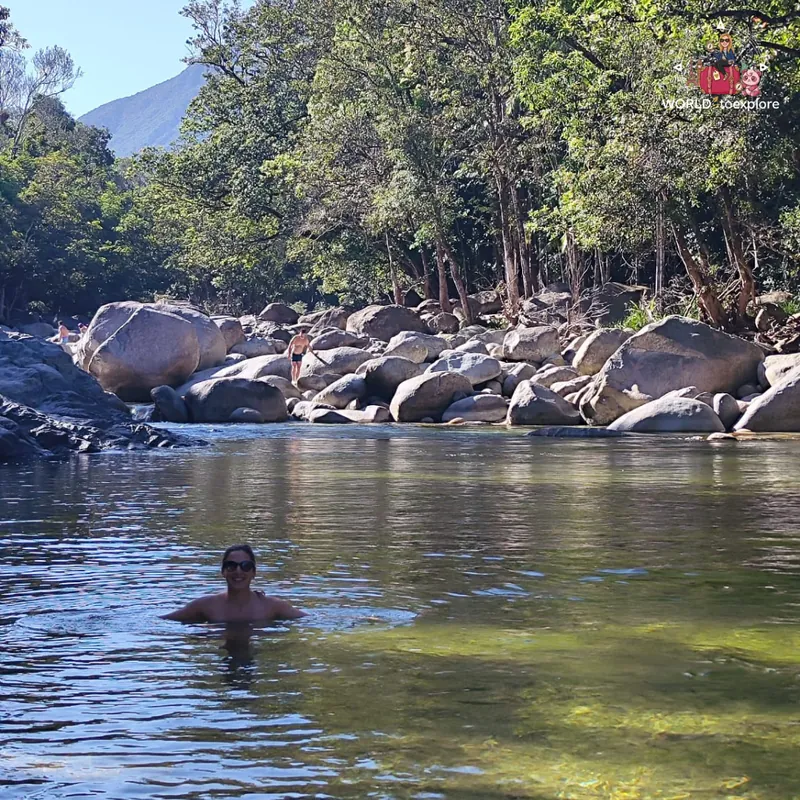
We had about an hour free to enjoy the Mossman Gorge area and, as the heat was already building, almost the whole group decided to take the plunge and have a quick dip. The guide assured us that the area was safe and that there were no crocodiles nearby. The biggest challenge turned out to be the water temperature, which was quite cold and made us work up the courage before getting in. In the end, it felt really good!
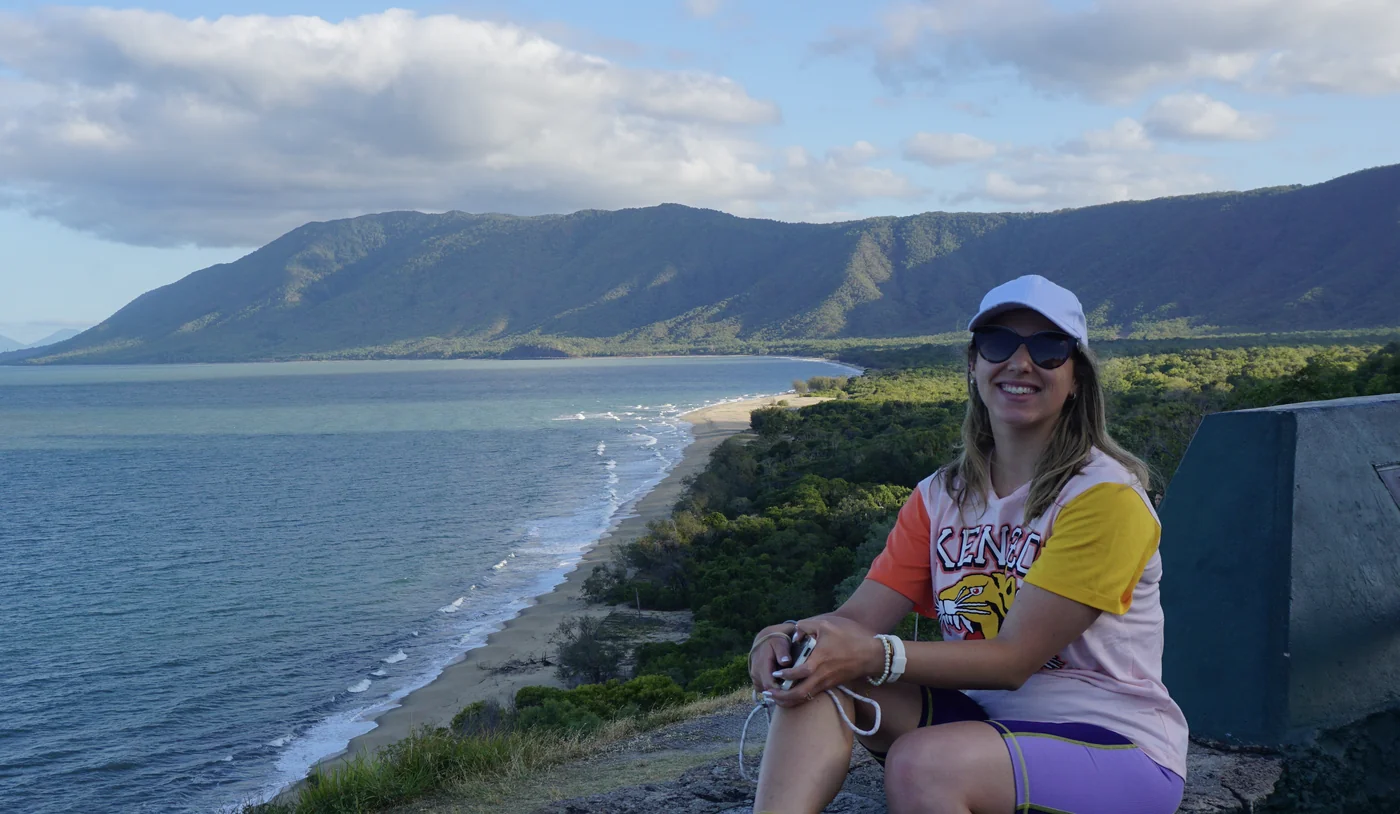
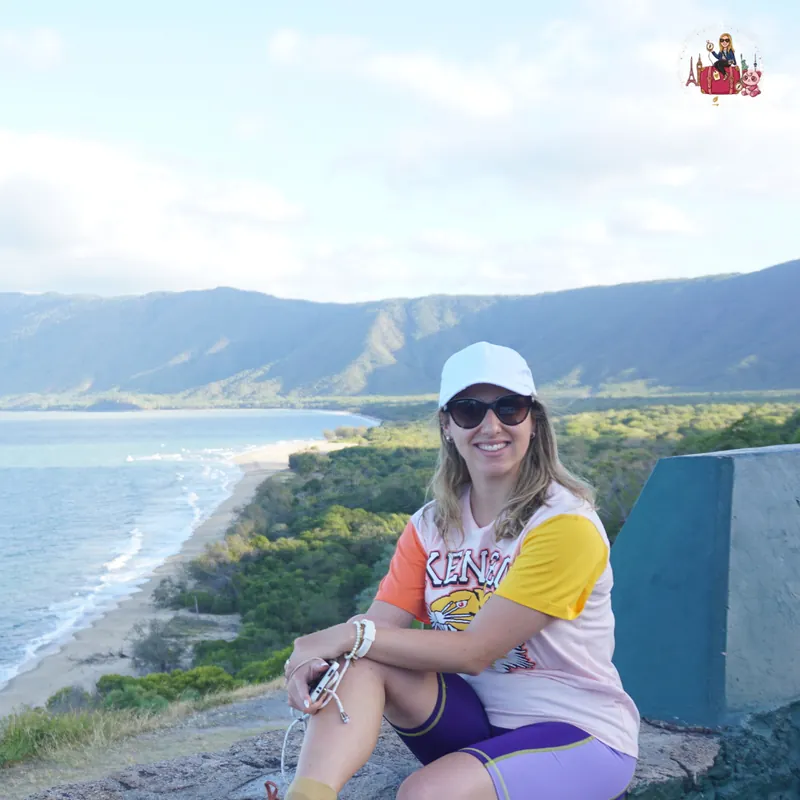
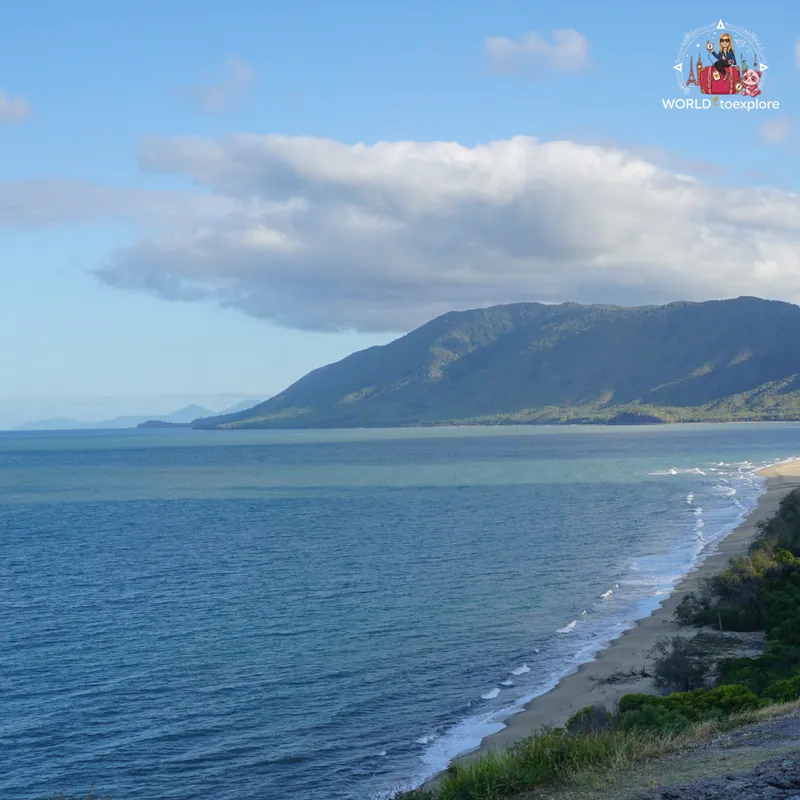
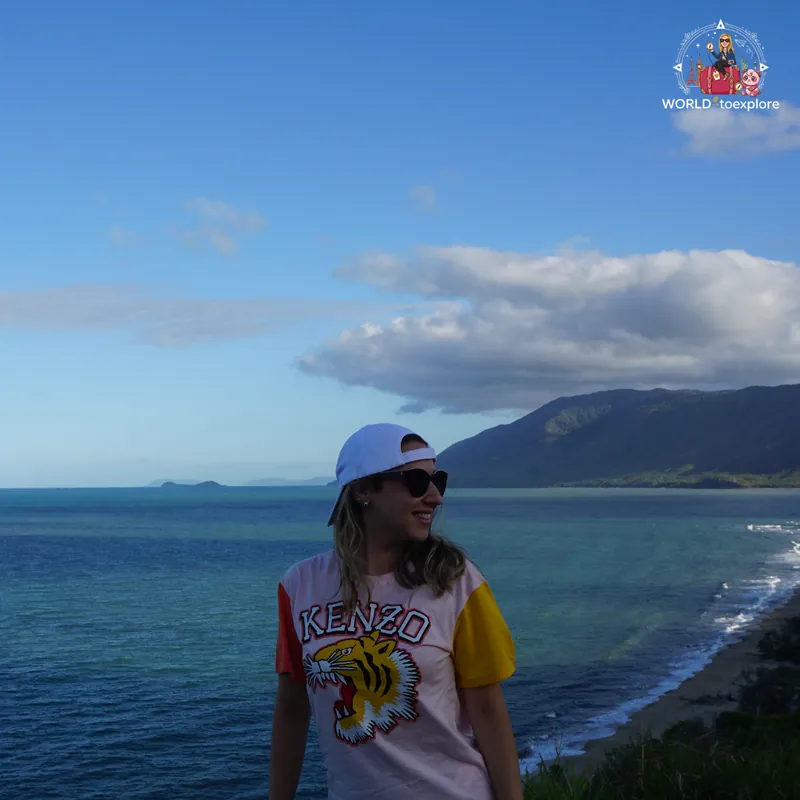
We then continued the journey back to Cairns and, closer to the city, we still had time for one last stop at Rex Lookout. This lookout offers an incredible view over the bay and ended up being the cherry on top. We got back to the hotel around 7:00 p.m., tired after so many hours on the road and exploring the Daintree Rainforest, but with the feeling of having lived another very special day in Australia.
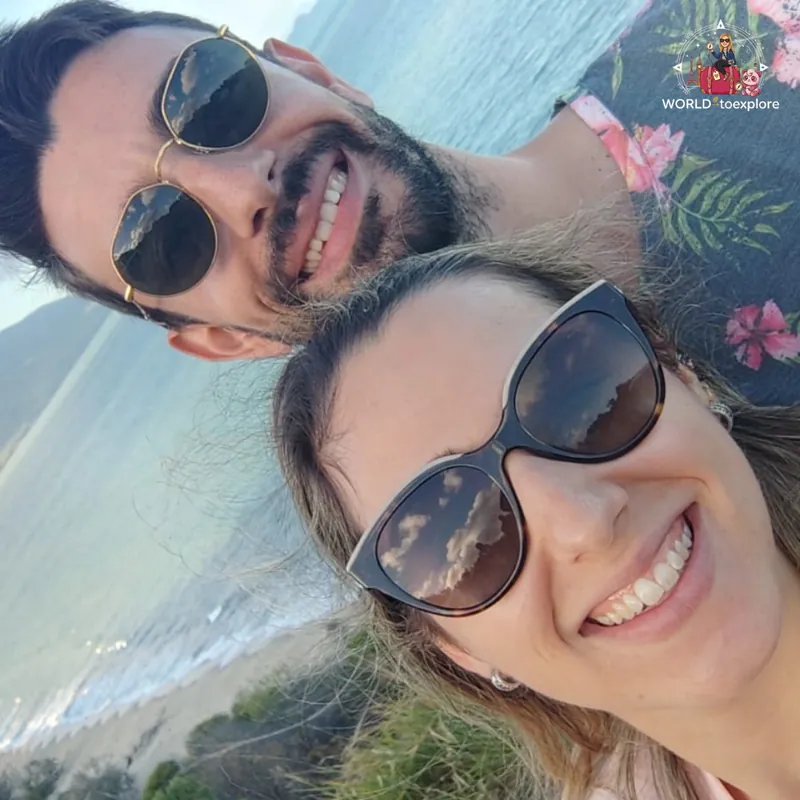
- Tour: 1 Day Daintree Rainforest & Cape Tribulation Tour
- Operator: Sightseeing Tours Australia
- Price: around 175 AUD per person
- Pick-up: at the hotel, in Cairns, around 7:00 a.m.
- Return: at the end of the day, around 7:00 p.m.
- Includes: Daintree River cruise, all park entry fees, wildlife spotting, hotel pick-up and drop-off, all with a guide
- Optional extra: picnic lunch
- What to bring: hat, sunscreen, water bottle, comfortable shoes, swimsuit, towel and weather-appropriate clothing
The Daintree Rainforest was one of those places that left a mark on us and that we'll keep in the memory of our trip through Australia. There's something very special about walking through a forest with millions of years of history, hearing the sounds of nature all around us and realising that we're in a place that existed long before us.
What makes this region of northern Queensland even more extraordinary is the way two completely different worlds meet in the same place. At Cape Tribulation, the rainforest descends to the ocean and sits side by side with the Great Barrier Reef, two UNESCO World Heritage Sites that come together in one of the most unique landscapes on the planet.
But the Daintree is much more than a pretty landscape. It's one of the oldest ecosystems on Earth and a place that continues to be protected through important conservation measures, with a fundamental role played by the Kuku Yalanji people, who have maintained a deep connection with this land for thousands of years. All this effort has been essential to preserve this true natural treasure and ensure it continues to exist for future generations. The Daintree Rainforest is, without a doubt, one of those places worth crossing the world to see. 🩷
If you're planning to visit this region, take the chance to also discover the Great Barrier Reef and read about our experience flying over it by helicopter. 🩷
You Might Also Like
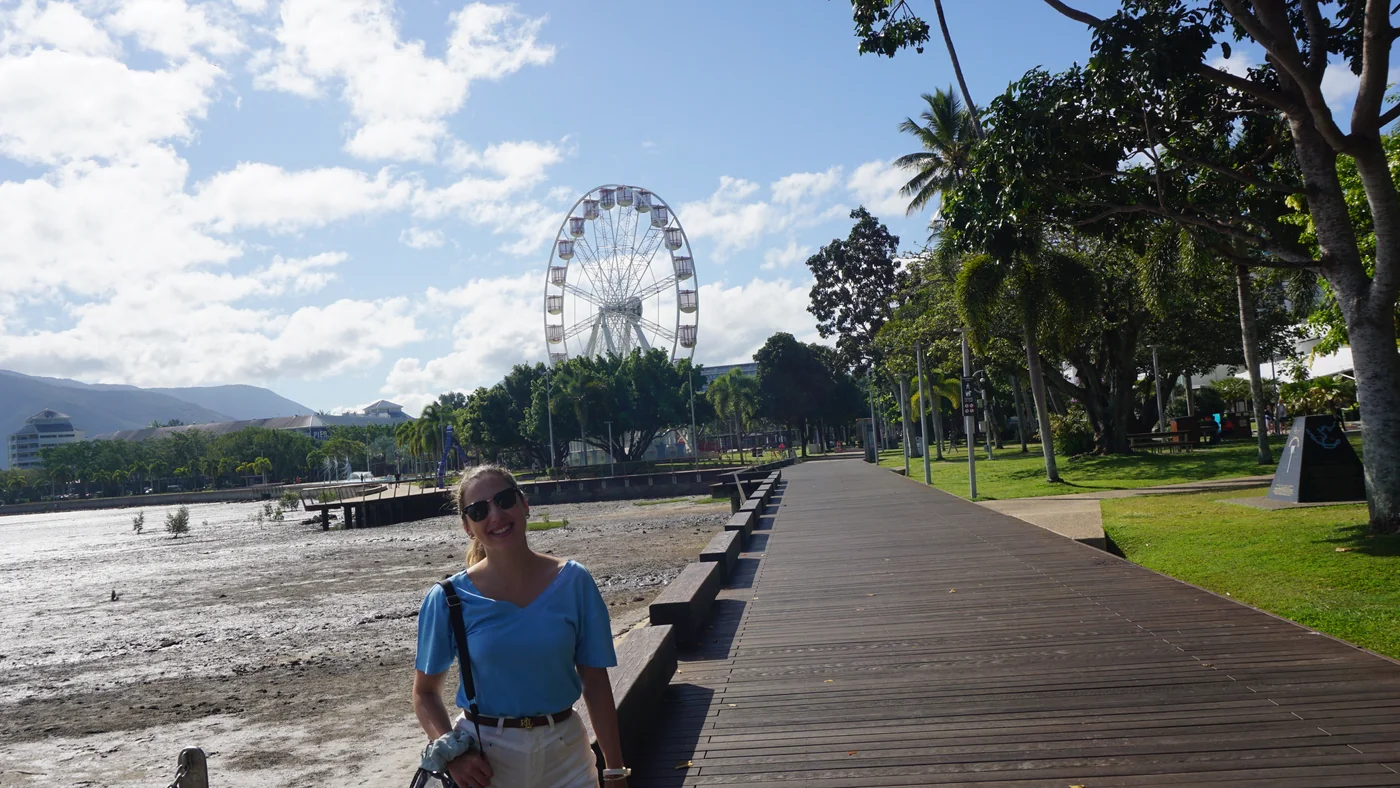
Cairns: The Gateway to the Great Barrier Reef and the Daintree
Cairns is the perfect base for exploring tropical north Queensland - from the Great Barrier Reef to the Daintree. What to see and do in the city.
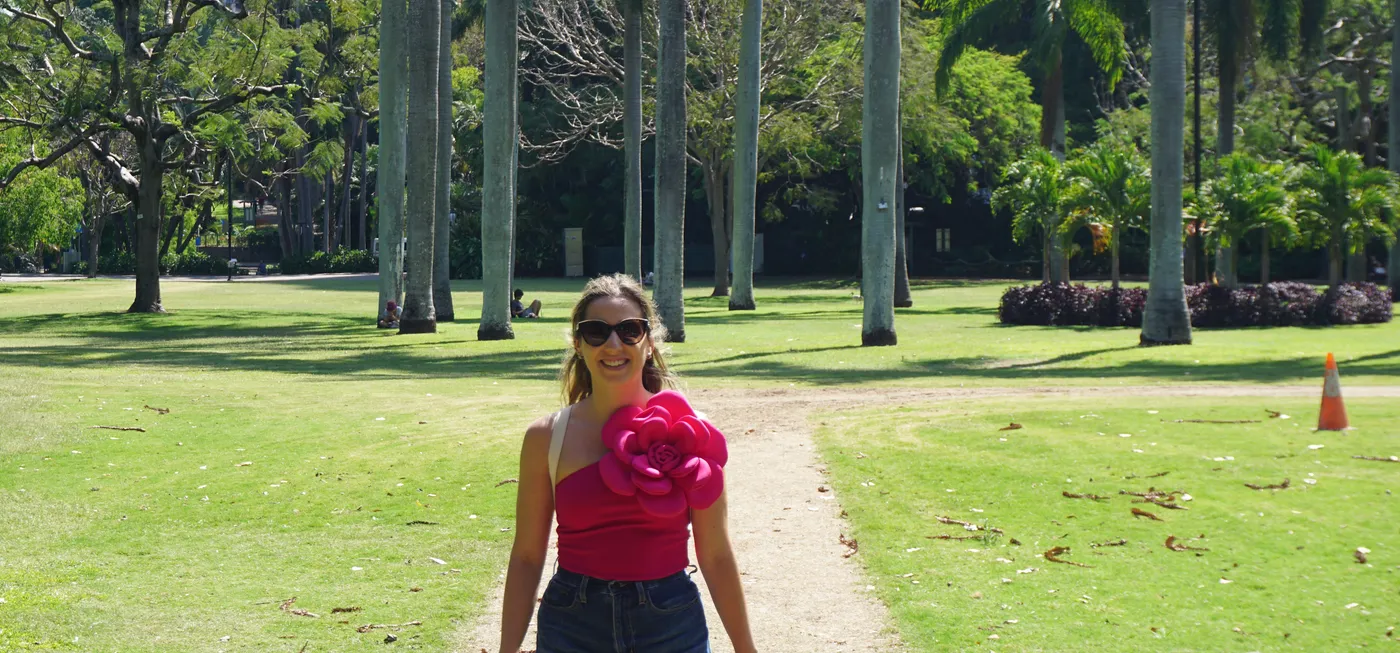
Brisbane's oldest garden
The City Botanic Gardens are Brisbane's oldest garden: colonial history, century-old Moreton Bay figs, water dragons and riverside walks, just steps from the centre.
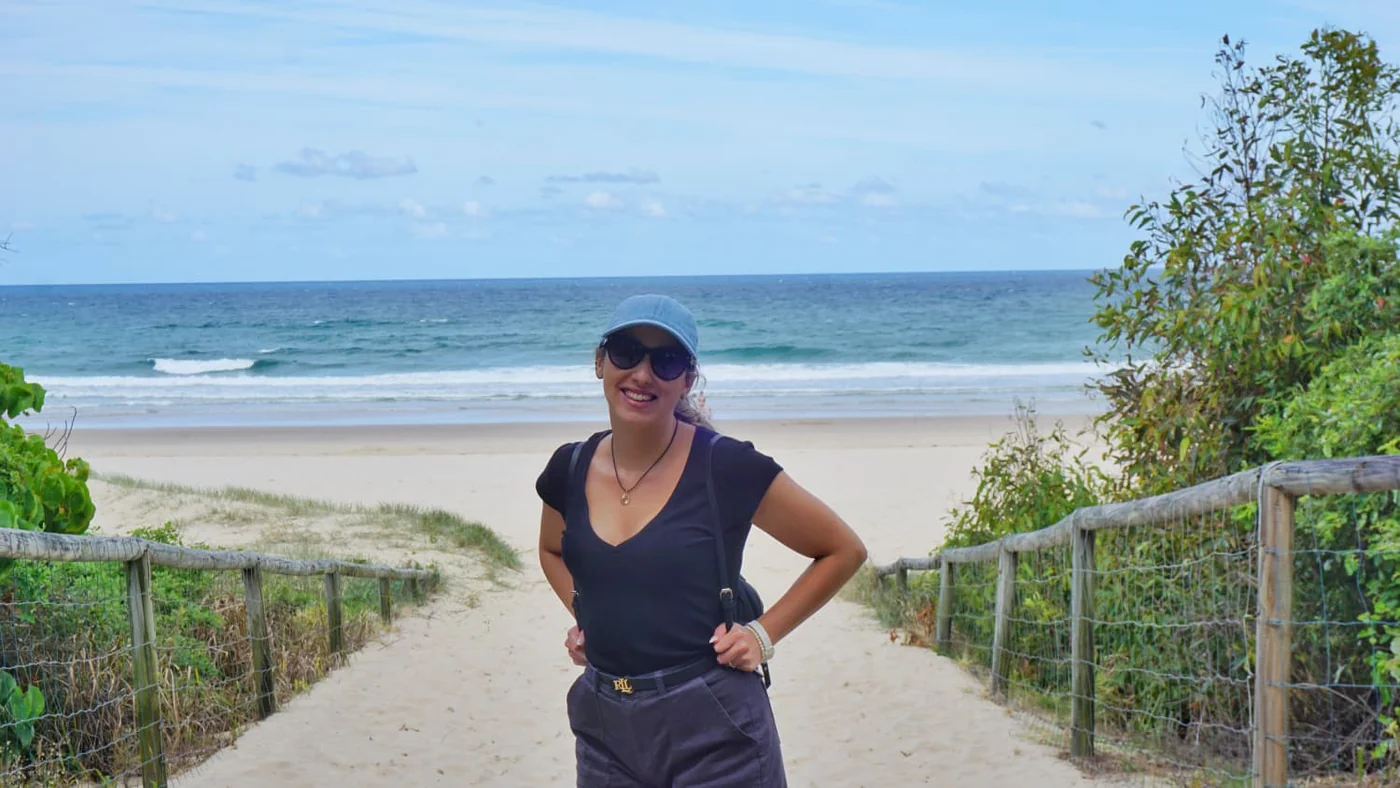
Gold Coast: Where Australia Goes to the Beach
Endless golden beaches, surf, theme parks and beachfront skyscrapers - what to see and do on Australia's Gold Coast, one of the sunniest stops on our honeymoon.