NZeTA, IVL and biosecurity: how to enter New Zealand
This article was not sponsored and all opinions are genuine. It contains affiliate links, which means I may receive a small commission if you book through them, at no extra cost to you.
Before travelling to New Zealand, there are a few entry requirements worth sorting out in advance, so you don’t run into any surprises along the way. Besides your passport, you need to apply for the NZeTA and pay the IVL, two separate requirements that are part of the country’s entry process. When we started planning our trip, we also had to figure out exactly what was needed and when each one had to be sorted. Luckily, once we understood the process, it all turned out to be pretty simple.
There are also New Zealand’s biosecurity rules, which are pretty strict and mean you need to be careful about what you pack. In this post, I’ll share everything we learned while preparing for our trip, from the required documents to what you should keep in mind before entering New Zealand, so you can sort everything out calmly and travel worry-free.
A 28-hour layover in Australia
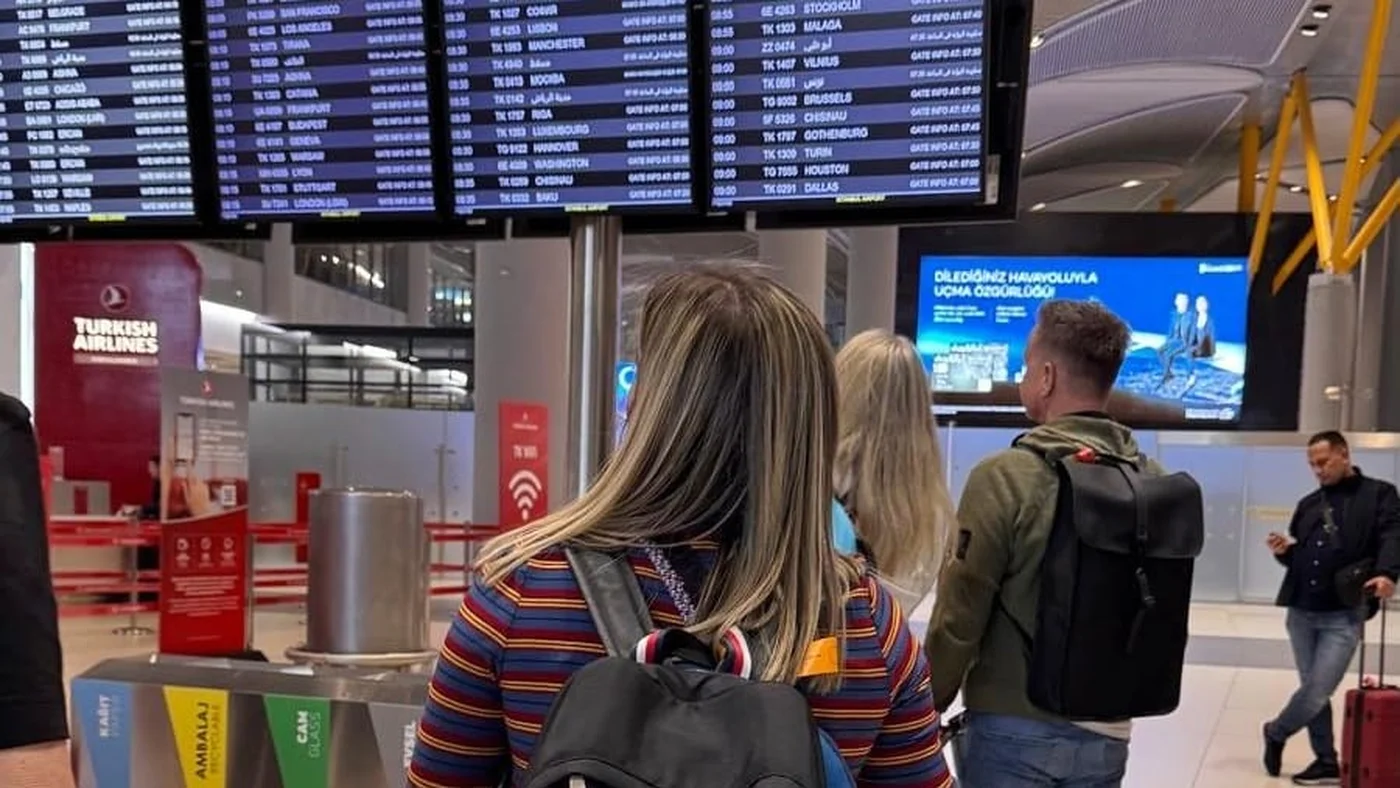
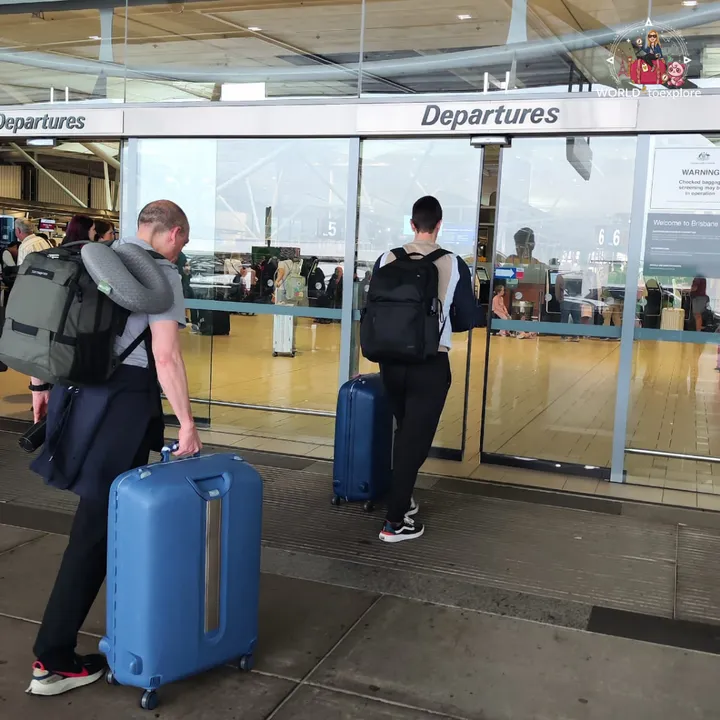
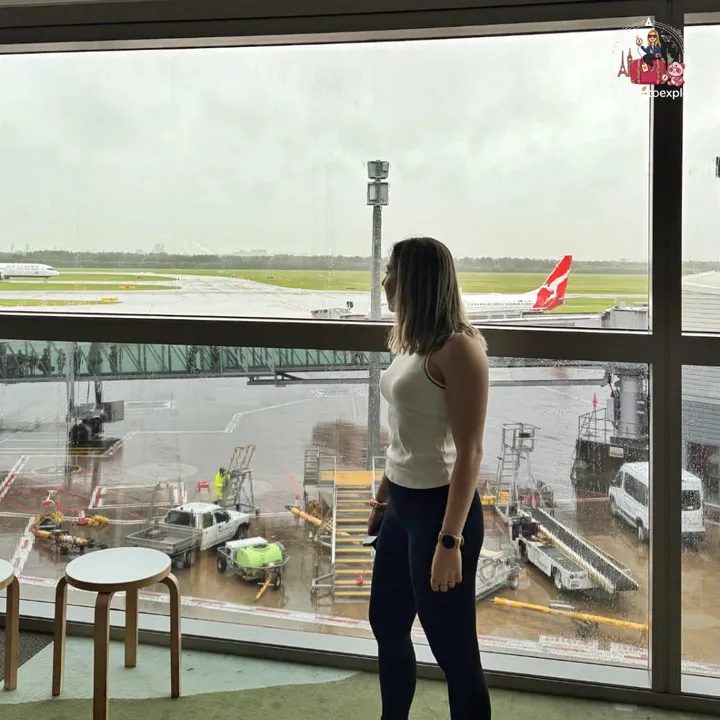
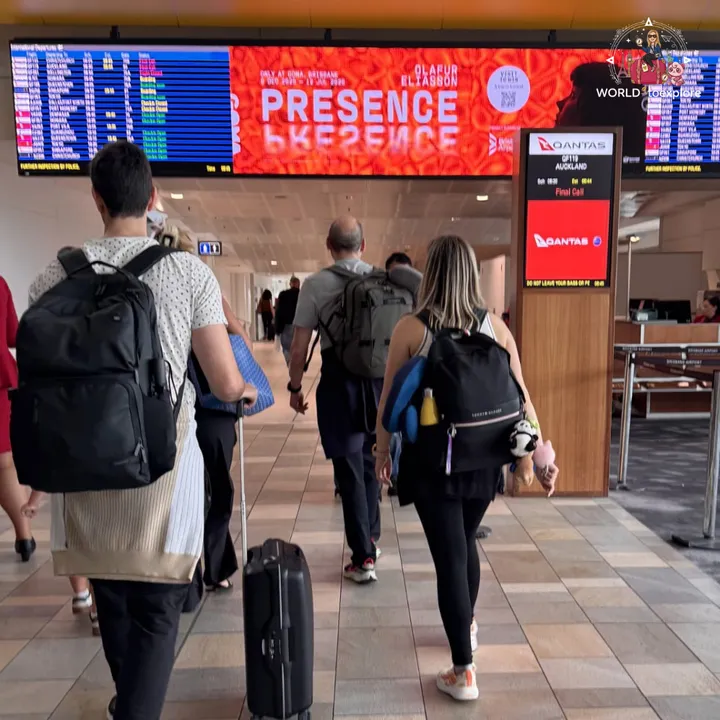
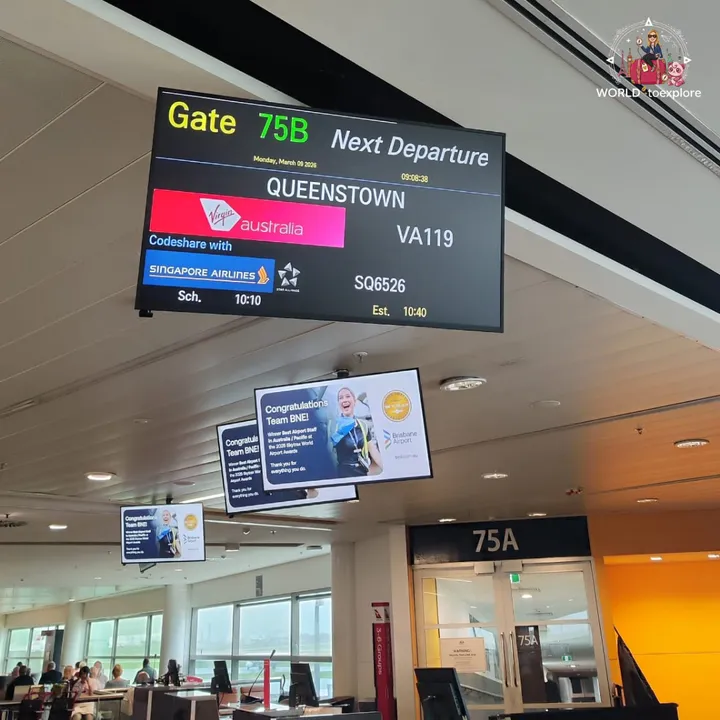
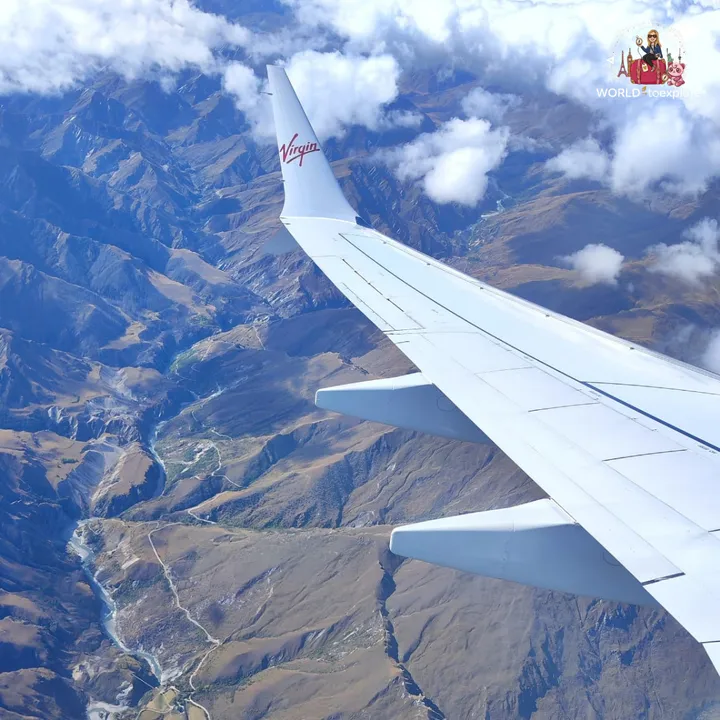
In our case, entering New Zealand came at the end of a trip that started in Portugal and passed through Istanbul, Kuala Lumpur and Brisbane, in Australia. Since we had a fairly long layover in Brisbane, of around 28 hours, we needed a Transit Visa (Subclass 771). It’s a free temporary visa that allows travellers to enter Australia for a short period, up to a maximum of 72 hours, while in transit to another country. That’s the visa we used to enter Australia, and we took the chance to see a bit of Brisbane before continuing on to Queenstown.
- More information: immi.homeaffairs.gov.au

What you need to enter New Zealand
For those travelling on a Portuguese passport, entering New Zealand is relatively straightforward, but there are a few requirements to sort out before the trip. Portugal is on the list of visa-waiver countries, which means that for a short tourist visit (up to 3 months) you don’t need to apply for a visitor visa. However, it’s mandatory to have an approved NZeTA before boarding and to pay the IVL, the international visitor conservation and tourism levy. Both of these are sorted before departure, and the NZeTA has to be linked to the exact passport you’ll be travelling with. It’s worth sorting everything out with some time to spare, to allow for the approval process and to make sure all your details are validated correctly.
NZeTA and IVL
NZeTA stands for “New Zealand Electronic Travel Authority”, an electronic travel authorisation required for citizens of visa-waiver countries, including Portugal. Whether you’re travelling to New Zealand for tourism, business, or just passing through, you need an approved NZeTA before boarding. It’s valid for two years and allows multiple entries into the country during that time, as long as you travel on the same passport used in the application.
When you apply for the NZeTA, the IVL (International Visitor Conservation and Tourism Levy) is automatically paid at the same time. It’s a fee that goes towards conserving New Zealand’s natural spaces and maintaining its tourism infrastructure. The IVL amount is added on top of the NZeTA fee, so everything gets sorted in one go and you don’t have to make two separate payments. In our case, we chose to handle everything through the official app, since applying that way works out slightly cheaper than through the website. It’s not a huge difference, but it’s an easy way to save a little without any extra effort.
On the official website or app, you simply fill in your personal and passport details, answer a few questions about your trip, and take a photo to confirm your identity. At the end, you pay for the NZeTA and the IVL and it’s all submitted. In our case, we applied at night and, by the next morning, we’d already received the approval email with all our details, so we could double-check everything was correct. Even though it’s a quick process, I’d recommend not leaving it until the last few days, so you have time to fix anything if needed.
- Official website: apply through the Immigration New Zealand website or the official app (Google Play and App Store)
- NZeTA: NZD 23 via the website or NZD 17 via the app
- IVL: NZD 100 per person
- Approval time: usually up to 72 hours - in our case, it took just a few hours
- Validity: 2 years
Do pay close attention to the details you enter on the application, especially your first and last names. I actually ran into a small issue with this myself. In the surname field, I only entered “Lopes”, when I should have included all my surnames exactly as they appear on my passport. At the time, I didn’t think much of it, but the problem showed up later, when we got to the airport and tried to check in with Virgin Australia for our flight to Queenstown. The name I’d entered didn’t match 100% with what was on the authorisation, and the system couldn’t match our details against the passport. We ended up having a bit of a stressful moment at the airport, which was thankfully sorted out. So do double-check everything carefully before submitting your application.
Biosecurity
Another thing to keep in mind is New Zealand’s biosecurity rules, which are quite strict and meant we had to be careful about what we packed. The goal is to protect the country’s environment and agriculture by keeping out pests and diseases. Because of this, certain foods, plants, animal products and other items may need to be declared on arrival. Since we already knew this, we were especially careful about what we packed, and preferred not to risk bringing certain things along, just to be on the safe side.
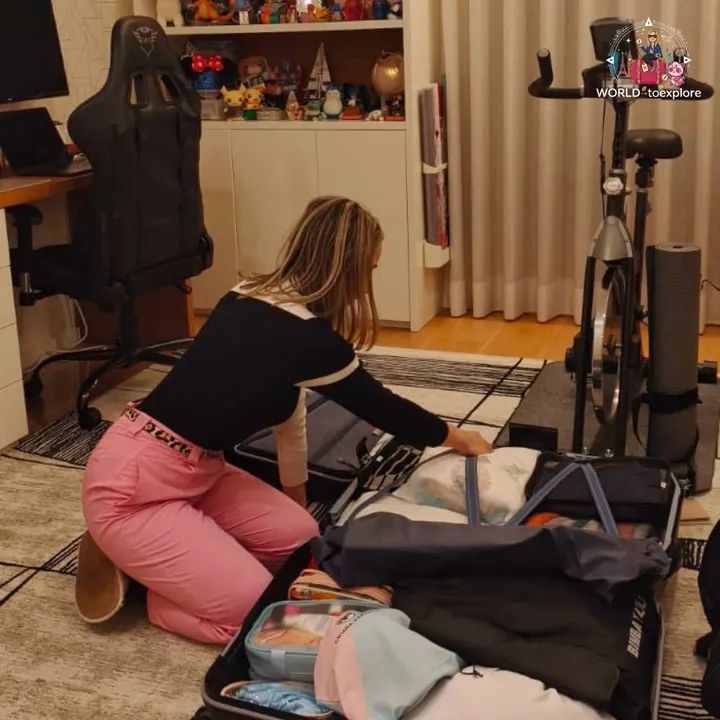
We normally always bring some snacks on our trips, mostly nuts and crackers, which come in handy between meals or for a mid-morning or mid-afternoon bite. This time, knowing New Zealand’s rules were stricter, we decided not to take any chances. We packed a small amount and worked our way through the snacks during the flights and while we were in Australia, so by the time we landed in New Zealand, we’d already eaten everything.
Entering New Zealand isn’t complicated, but these little details make all the difference. The NZeTA and the IVL are simple to sort out, and the biosecurity rules aren’t anything to worry about either, as long as you know beforehand what you can and can’t bring, and pay attention when filling in your details. That’s exactly what we did, and despite the small hiccup at the airport, everything worked out fine in the end.
With all of that sorted, we were finally ready to start the trip that took us to the other side of the world. It was 15 days on the road, across both the South and North Islands, with plenty of miles, incredible scenery and a few adventures along the way. If you’d like to know how those days went and what we visited along the route, you can follow it all in our 15-day road trip around New Zealand. And that’s how we set off to discover one of the most incredible places we’ve ever been. 🩷 To rent the car, I recommend DiscoverCars, where it's easy to compare prices and pick the best option for the trip.
Planning your next trip? Book your accommodation through Booking.com and get your travel insurance with Heymondo, where you get 5% off through my link. By using these links, you are also supporting World to Explore, at no extra cost to you.
You Might Also Like
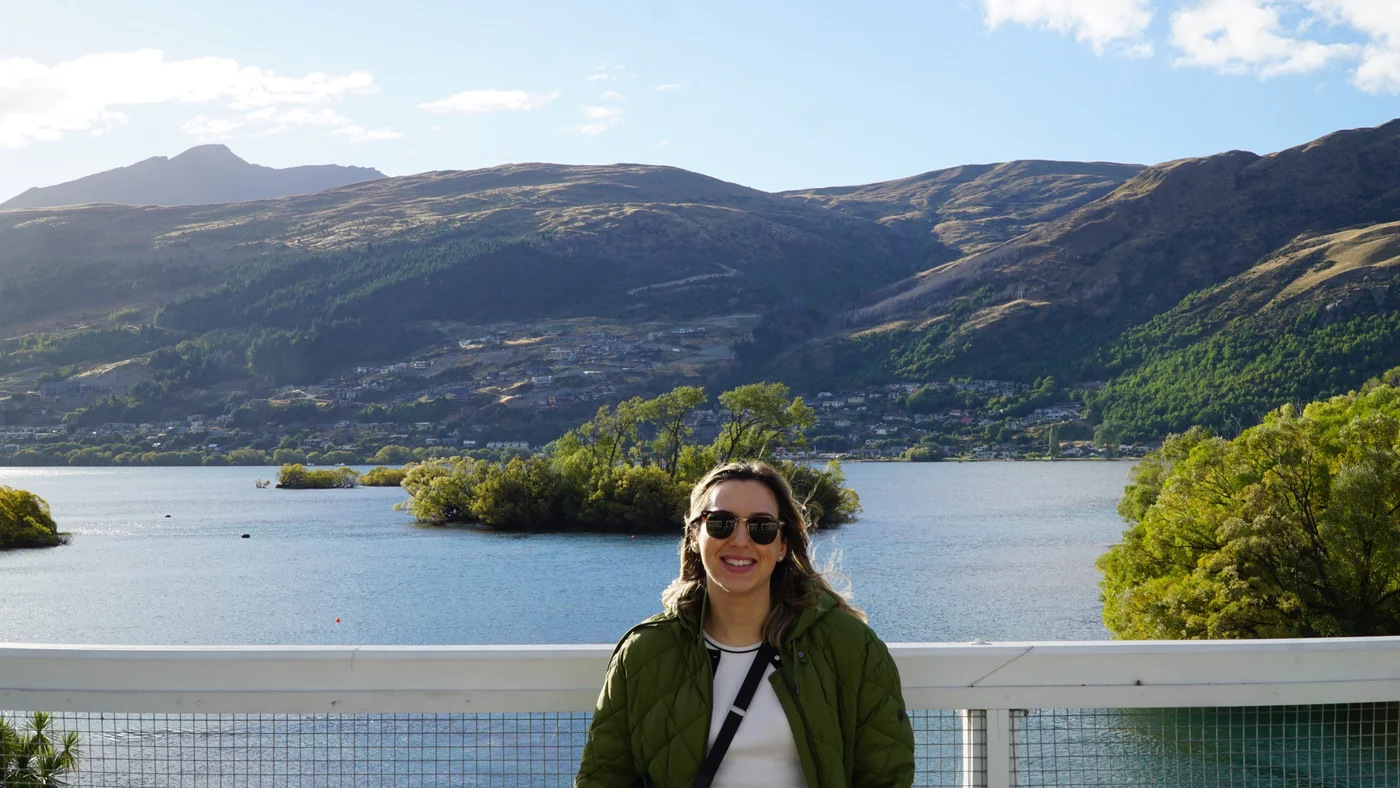
Kawarau Falls Dam: the last attempt to take gold from the river
A gold rush, a dam and an experiment that went wrong in 1926: the history of the Kawarau Falls Dam, and the peaceful late afternoon we spent by Lake Wakatipu, in Frankton, Queenstown.
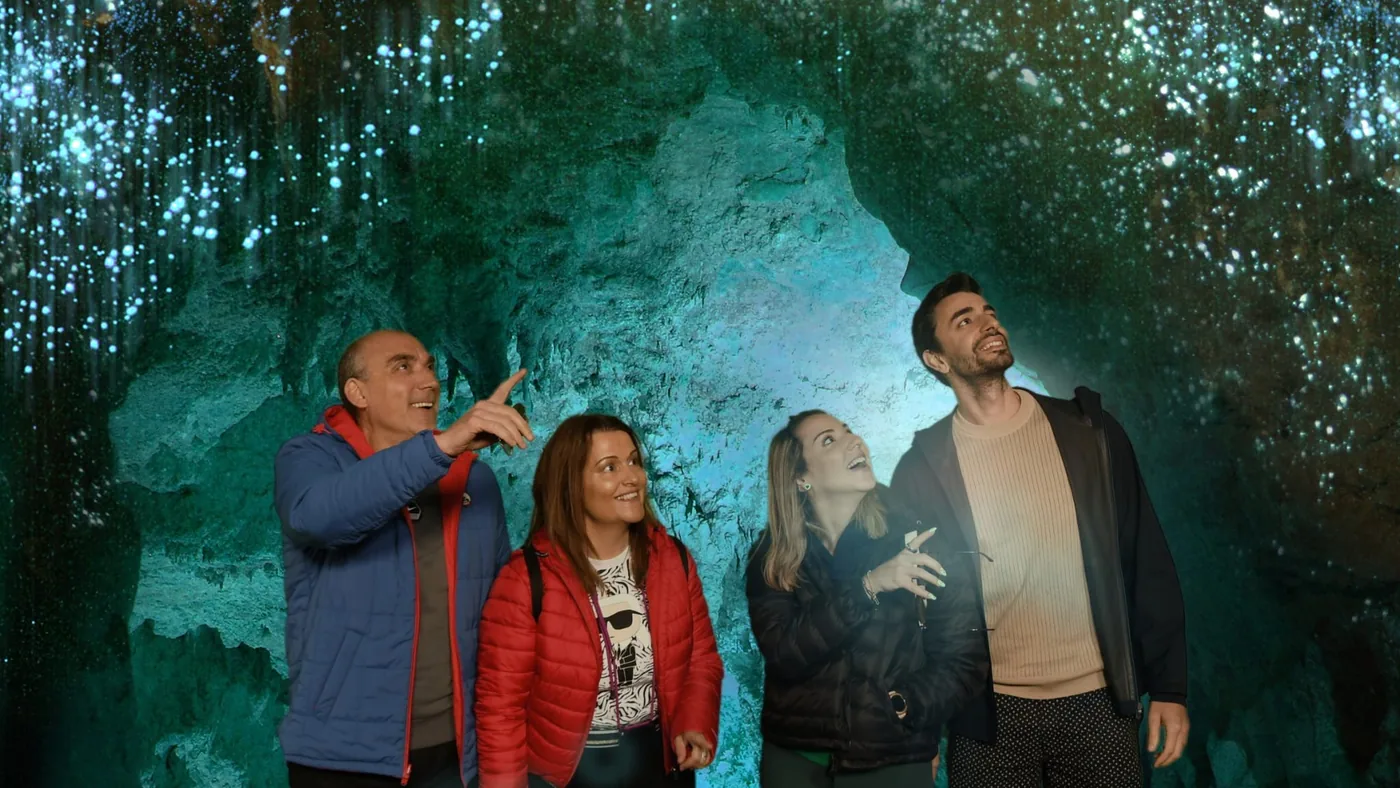
New Zealand: 15 days at the end of the world
Fifteen days road-tripping across New Zealand, on the other side of the world — the longest trip I've ever taken and one of the most unforgettable.
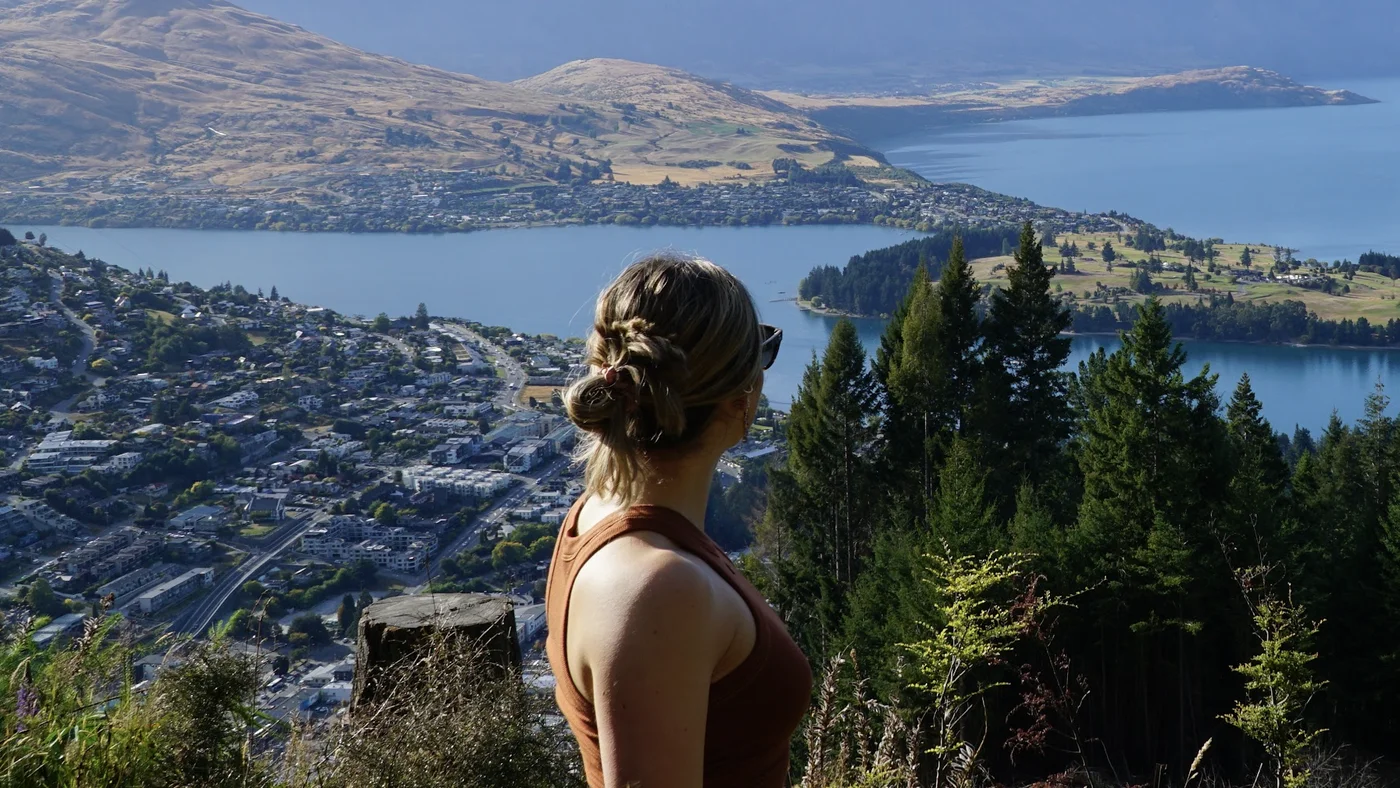
Skyline Gondola vs Tiki Trail in Queenstown
Gondola or the Tiki Trail on foot: how we chose to reach Bob's Peak in Queenstown, sore calves, incredible views and a well-earned burger at Fergburger included.