Why Are There So Many Chevrolets in Uzbekistan?
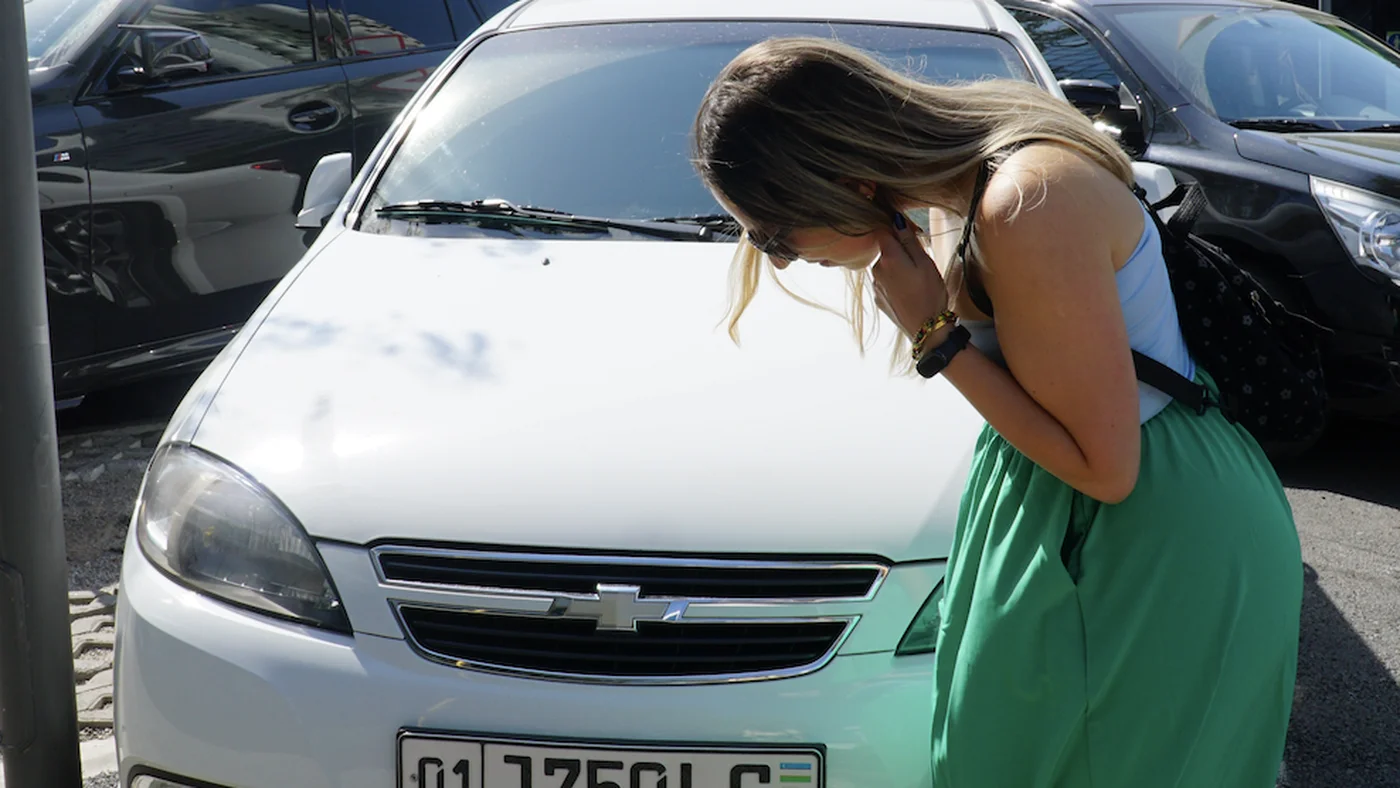
If there is one thing you pick up on quickly after just a few hours on Uzbek soil, it's that Chevrolets are everywhere. At the start of the trip we played it down a bit, until we began to notice that, actually, almost every car was a Chevrolet. After two days, curiosity got the better of us and we started trying to work out why there were so many Chevrolets in Uzbekistan.
The answer takes us through the history of car manufacturing in the country, the decisions made after independence and a market where, for many years, the choice wasn't all that wide. And although Chevrolets are still everywhere, especially outside Tashkent, things are starting to change, with other brands taking up more and more space on the country's roads.
How It All Began
It all began shortly after Uzbekistan's independence, in 1991. Until then, the country had been part of the Soviet Union, which dissolved that same year, giving rise to several independent republics, Uzbekistan among them. With independence, the country began looking for ways to develop its own economy and industry, and set up a partnership with the South Korean manufacturer Daewoo. In 1996, a car factory opened in the city of Asaka, in the east of the country, about 335 km from Tashkent, where models such as the Daewoo Nexia, the Tico and the Damas began to be produced. A few years later, after Daewoo ran into financial difficulties and part of its car business was acquired by General Motors, the American group behind Chevrolet, the Uzbek car industry entered a new phase.
In 2008, GM Uzbekistan was created, a partnership between General Motors and the Uzbek car industry. From then on, Chevrolets began to take up more and more space, with models such as the Spark, the Cobalt and the Lacetti becoming quite common. In 2018, the Uzbek government, through the state-owned company Uzavtosanoat, took control of the whole company and, the following year, it was renamed UzAuto Motors, continuing to produce Chevrolet vehicles. But local production is not the only reason there are so many cars of this brand. For many years, imported foreign cars were subject to very high taxes and duties, making them much more expensive than cars made in the country. These measures aimed to protect the national industry but also ended up limiting the supply of affordable foreign cars, making Chevrolets one of the cheapest options for Uzbeks.
And the numbers help explain the scale of this phenomenon. In June 2025, UzAuto Motors reached the milestone of 5 million cars produced since it began operating. But the most interesting part is how many of those cars end up being sold in the country itself. In 2024, around 88% of new cars sold in Uzbekistan were Chevrolets, which means that, out of every 10 cars sold, roughly 9 belonged to the same brand. The Cobalt was the best-selling model, followed by the Damas and the Tracker. These are numbers that help explain why, during our trip, we had the feeling of constantly seeing the same cars, whichever city we were in.
The End of Chevrolet's Dominance
Although Chevrolets still dominate Uzbekistan's roads, in recent years more and more cars from other brands have started to appear, above all from Chinese manufacturers such as BYD, Chery and Haval. Electric and hybrid cars are also gaining ground and, in 2024, BYD opened a factory in the city of Jizzakh, near Samarkand, with an initial capacity of 50,000 cars a year. This change is already starting to show up in sales. In 2025, Chevrolets accounted for around 83% of new cars sold in the country, a percentage that is still very high but slightly lower than the 88% recorded the year before.
During our trip, this difference was quite clear. In cities such as Bukhara, Khiva and Samarkand, we still found Chevrolets on practically every street. In Tashkent, though, the reality was a bit different, with many more cars from other brands, especially electric BYDs. And it's no coincidence that this change is more noticeable in the capital. In 2025, around 71% of new electric cars sold in Uzbekistan were sold in Tashkent. Even so, you only have to leave the capital to realise that Chevrolets are still part of everyday life for Uzbeks and are unlikely to stop dominating the roads overnight. It's going to take time.
The Adventure of Getting Around by Car in Uzbekistan
One of the things we used most during our trip was Yandex, an app similar to Uber that works in Uzbekistan. In fact, we ended up making practically all our journeys by car, because the prices were so low that it often wasn't even worth the hassle of using public transport. And on our very first ride we had a rather funny experience. When we arrived at Tashkent airport, we ordered a regular car and, to our surprise, a Chevrolet Spark turned up! Now, we had two suitcases, one small and one large. The small one just about fit in the boot, but the large one was out of the question... So there I was with the suitcase on my lap, squashed in, for the whole journey. I think it would only have been worse if we'd got a Smart car!
But the size of the cars turned out to be the least of our problems. Driving in Uzbekistan seems to follow rules of its own and, compared with what we're used to in Portugal, we were “lucky” enough to get some very interesting rides. Phones in hand, loud music and a few creative manoeuvres were all part of the experience. In Bukhara we even had a small scare, when our driver almost ran someone over. He was distracted, fiddling with his phone, and didn't see a woman calmly crossing at the zebra crossing. He even clipped her and, for a few seconds, we weren't sure what had just happened.
And it wasn't a one-off. Over the course of the trip we came to realise that this style of driving was pretty normal there. Even so, we kept using Yandex almost every day, because it was cheap, simple and worked really well for getting around within the cities. Outside the cities, we also ended up relying heavily on cars. High-speed trains in Uzbekistan have limited seats and, when we tried to book the Bukhara to Khiva connection, everything was already sold out. We ended up doing the trip by private transfer and, to the surprise of absolutely no one, the car that turned up was also a Chevrolet.
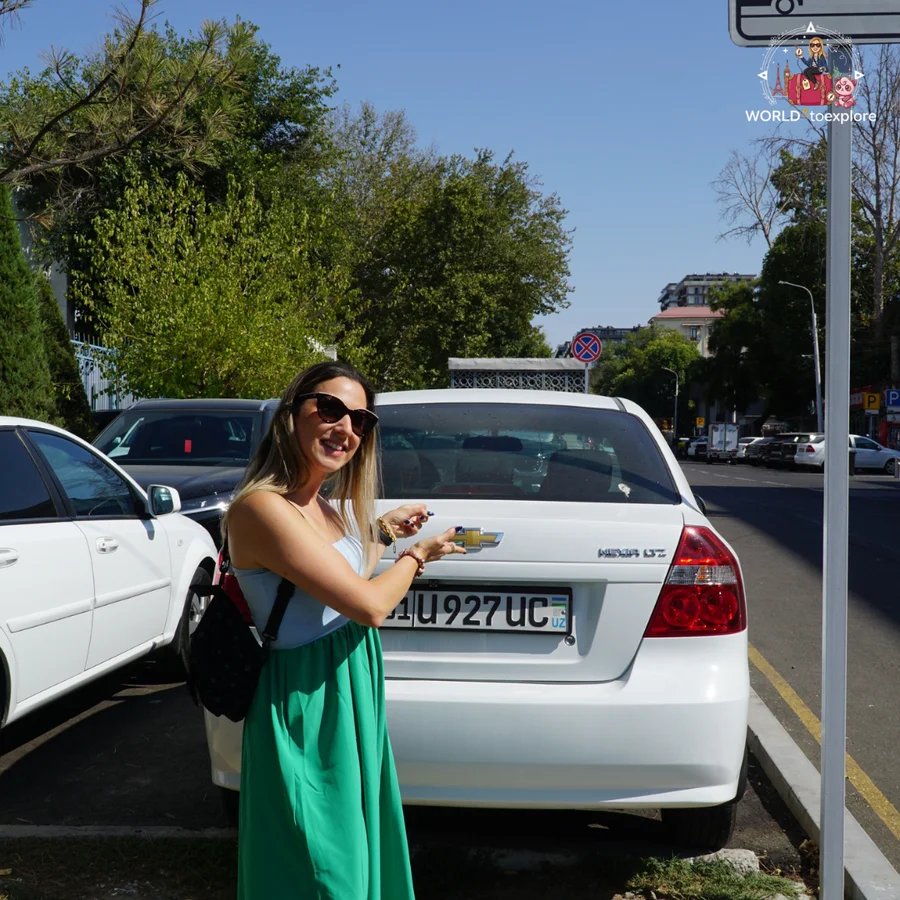
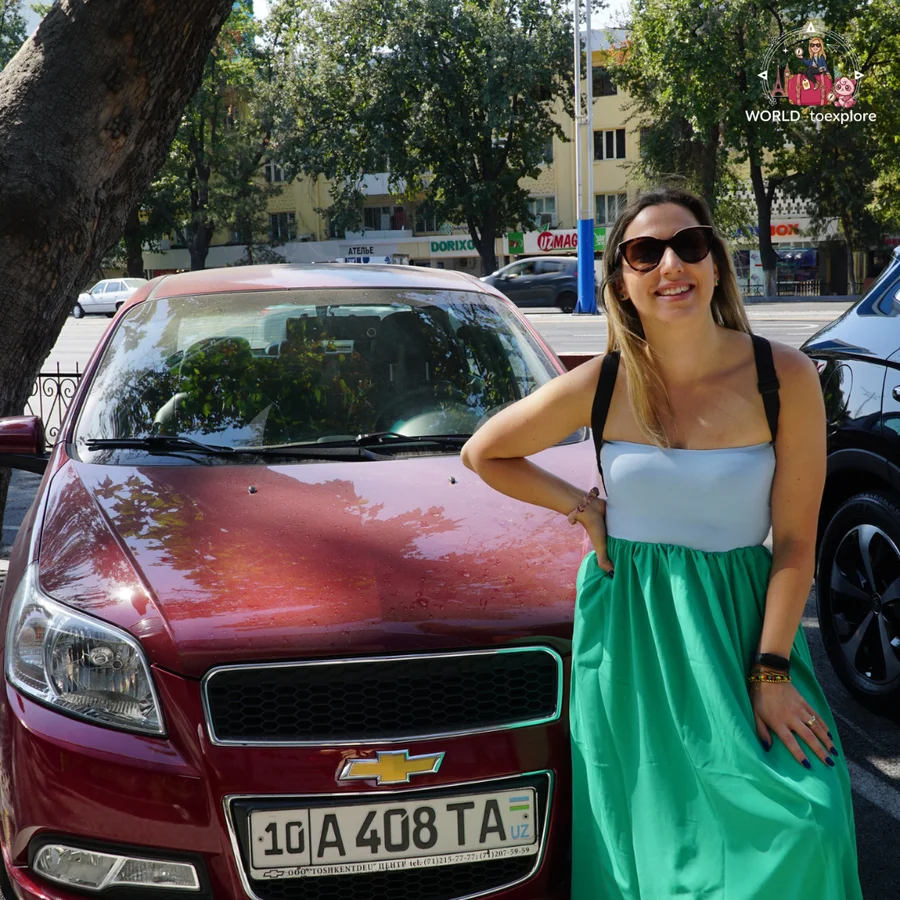
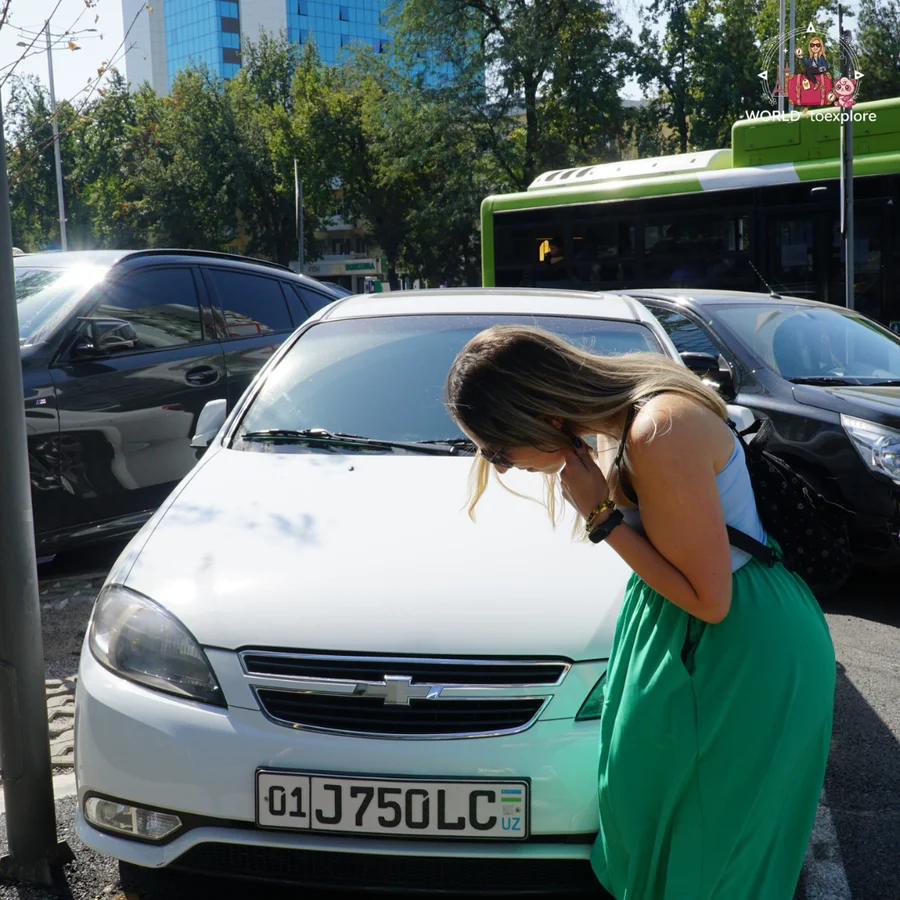

After 10 days in the country, it was impossible not to associate Uzbekistan with Chevrolets. What began as a mere curiosity in the first few days led us to discover a whole story of local production and of a market that, for quite some time, had practically no competition. Things are now starting to change, especially in Tashkent, where you see more and more cars from other brands. But you only have to leave the capital to see that Chevrolets still completely dominate the roads. And, once we knew the whole story, all those identical cars finally started to make sense. 🩷
If you're planning a trip around the country, take a look here at the other articles about Uzbekistan to find everything you can include in your itinerary.