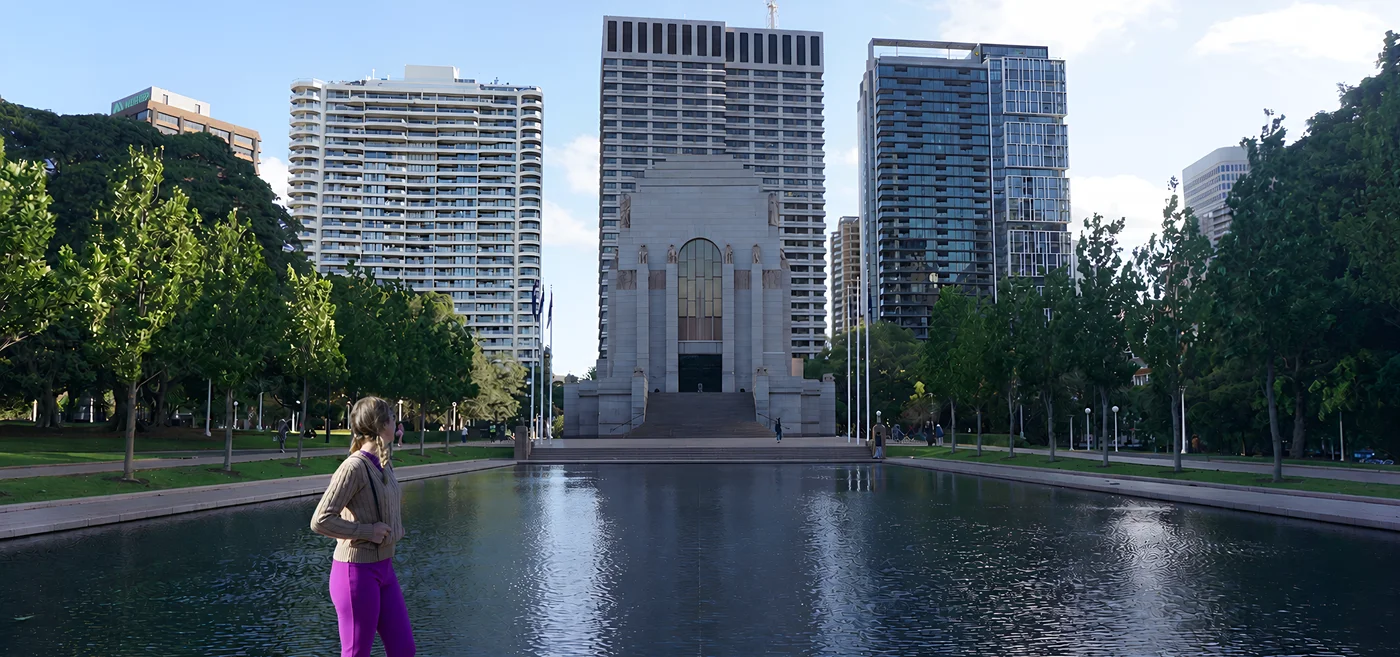
How World War II changed Australia
This article was not sponsored and all opinions are genuine. It contains affiliate links, which means I may receive a small commission if you book through them, at no extra cost to you.
World War II is deeply associated with Europe. It was there that Nazi Germany invaded Poland, in 1939, starting the largest conflict in human history. In the years that followed, Europe was the stage for some of the war's most defining moments, such as D-Day, the Holocaust and, finally, the fall of Berlin, which marked the defeat of Nazi Germany. Yet, thousands of kilometres away, there was a country whose history would be deeply shaped by this conflict: Australia.
Despite the distance, Australia did not stay on the sidelines of the war. The conflict changed the way the country viewed its own security and marked the beginning of one of the largest waves of immigration in its history, during which thousands of refugees and Holocaust survivors arrived. It was this transformation that laid the foundations of the multicultural society we know today. In this article, we go back in time to understand how a world war ended up transforming an entire country.
The start of the war for Australia (1939-1941)
When Nazi Germany invaded Poland, on 1 September 1939, Australia was still a dominion of the British Empire and, although it had its own government, its foreign policy remained deeply tied to the United Kingdom. Two days later, faced with Hitler's refusal to withdraw his troops from Poland, the United Kingdom and France declared war on Germany, turning the conflict into a European-scale war. As a result, Australia also officially entered the conflict.
In the early years of the conflict, Australia focused its efforts on supporting the United Kingdom. Thousands of men volunteered for the armed forces and were sent to fight on several fronts, especially in North Africa and Greece. The country believed that the best way to ensure its own security was to wage the war as far as possible from its territory. At the time, few believed the war could reach Australia. The fighting was taking place far away, and everything seemed to indicate that the country was safe. However, that sense of security would change completely at the end of 1941, when Japan entered the war.
When the war reached Australia (1941-1945)
Japan's entry into World War II, after the attack on Pearl Harbor in December 1941, completely changed the situation in the Pacific. Until then, Australia had seen the war as a mainly European conflict, but within a few months the Japanese expansion brought the conflict closer to its borders. From that moment on, the country realised it was no longer protected by distance.
The first major shock came a few months later, with the fall of Singapore, in February 1942. Located in a strategic position in Southeast Asia, next to the Strait of Malacca, Singapore was one of the British Empire's main military bases in the region. For years, the British had invested heavily in the city's defence, believing it would be a key piece in protecting their territories in Asia and halting the Japanese expansion. Yet what seemed to be an almost impregnable fortress ended up falling in just 70 days of fighting, in one of the greatest British defeats of World War II. The fall of Singapore completely changed the way Australia saw the war. Until then, many Australians believed that their ties to the United Kingdom would be enough to guarantee the country's security. But the British defeat showed that the Japanese threat was much closer than imagined, with thousands of Australian soldiers being captured and sent to prisoner-of-war camps.
A few days later, still in February 1942, what had seemed a distant threat finally reached Australian soil. Darwin, a city in northern Australia, was the target of the first and largest air raid in the country's history, when dozens of Japanese aircraft bombed the city for several hours. The attack caused hundreds of dead and wounded, leaving deep scars on Darwin and destroying much of the city's military installations. In the following months, northern Australia remained under Japanese threat. In late May 1942, three Japanese submarines managed to enter Sydney Harbour and launch an attack against Allied ships, in one of the most striking episodes of the war on Australian territory.
Although Japan never managed to land and occupy the Australian mainland, World War II ended up being a turning point in the country's modern history. In the years that followed, thousands of Australian soldiers remained involved in the fighting in the Pacific, especially in New Guinea and the neighbouring islands. When the war ended, in 1945, Australia had lost thousands of lives and now faced a new reality.
Australia after the war (1945-1970)
The Australia that emerged from World War II was different from the one that had entered the conflict in 1939. During the war years, the country had transformed its economy to meet the demands of the conflict, with Australian industry gaining an importance it had never had before, especially in the production of weapons and military equipment. At the same time, the war brought Australia closer to the United States, which came to play a key role in the region's defence.
Beyond the changes in the economy and in international relations, the war also brought major transformations to Australian society itself. After 1945, the need to grow the population and address the labour shortage led the Australian government to encourage the arrival of immigrants, beginning one of the largest waves of immigration in its history.
This change also marked the beginning of the end of the White Australia Policy, a policy that for decades restricted the entry of non-European immigrants and that was gradually abandoned over the following decades. With this new phase of immigration, thousands of refugees and displaced people arrived in Australia, mostly from Europe. Many were seeking to rebuild their lives after losing their homes, their families and everything they owned. Among them were also many Holocaust survivors, who found in Australia a chance to start over.
Between 1945 and 1970, more than 2 million people arrived in Australia through the post-war immigration programmes. The arrival of these new inhabitants gradually changed the country, bringing different cultures, languages, religions and ways of life to a society that, for a long time, had been strongly tied to British tradition. As the decades passed, these communities became part of the Australian identity, helping to build a more diverse and multicultural society.
The legacy of World War II
World War II remained etched in Australians' memory as one of the most difficult periods in the country's history. The involvement in the fighting, especially against Japan in the Pacific, had a profound impact, with thousands of Australian soldiers losing their lives or living through traumatic experiences. After the war, the memories of those events remained present in Australian society, through the stories of veterans and the tributes paid to those who fought.
One of the main symbols of that memory is ANZAC Day, celebrated every year on 25 April. The date originated to honour the Australian and New Zealand soldiers who took part in the Gallipoli Campaign, during World War I, but over the years it also came to commemorate all Australian service members involved in conflicts such as World War II. More than a tribute to the soldiers, ANZAC Day has become a moment to remember the effort of those who took part in the war and the impact it had on their lives.
This memory of the war remains present throughout the country in monuments and memorials dedicated to Australian service members. These sites are spread across several cities and serve as a way to honour and remember those who served.
World War II was, therefore, one of the greatest turning points in Australia's history. The conflict contributed to a gradual distancing from its ties to the British Empire, brought the country closer to new international partners and profoundly transformed Australian society through immigration. Decades later, the marks of that conflict are still present and are part of what modern Australia is today. 🩷
Planning your next trip? Book your accommodation through Booking.com and get your travel insurance with Heymondo, where you get 5% off through my link. By using these links, you are also supporting World to Explore, at no extra cost to you.
You Might Also Like
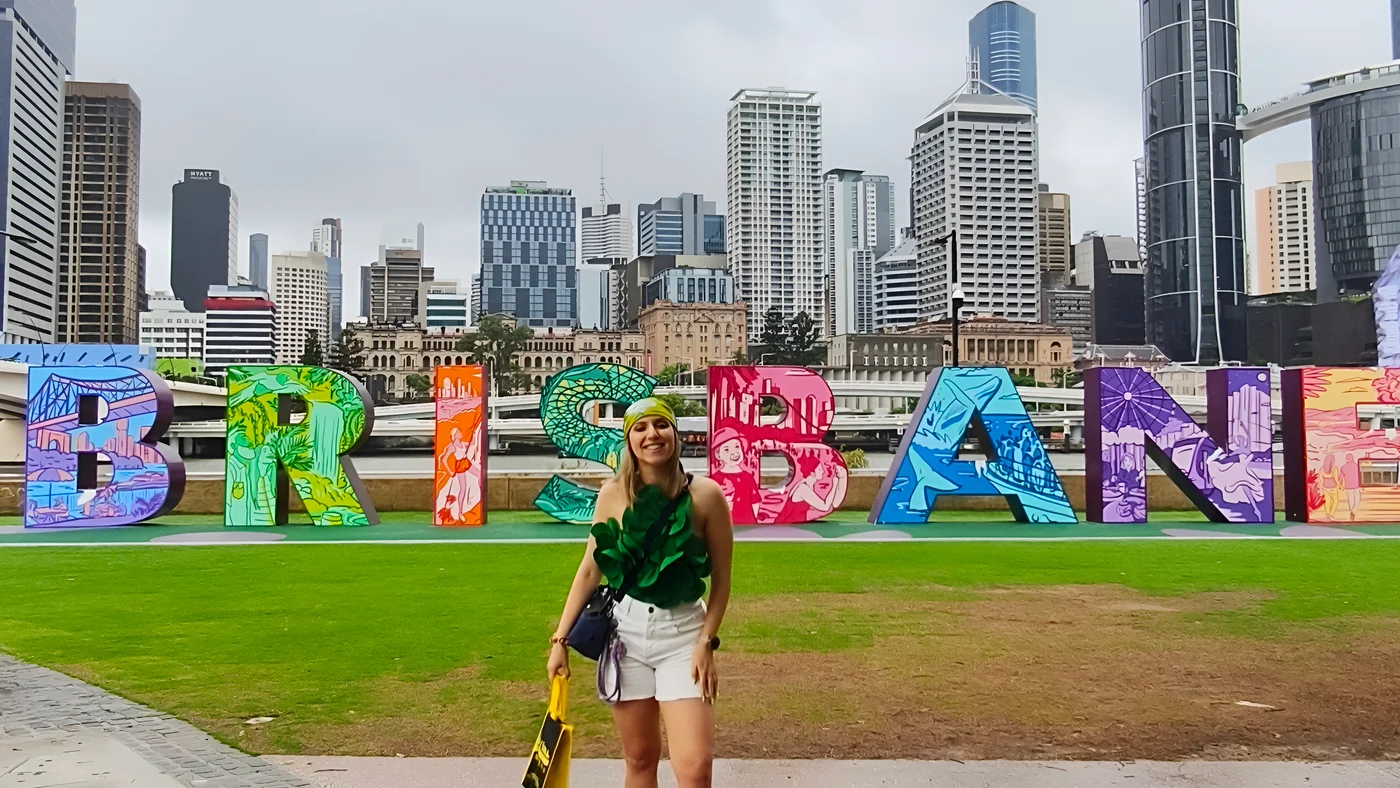
Brisbane travel guide: what to see
From Expo 88 to the riverfront, five areas to explore on foot and a 2-day itinerary to get to know Queensland's capital at an easy pace.
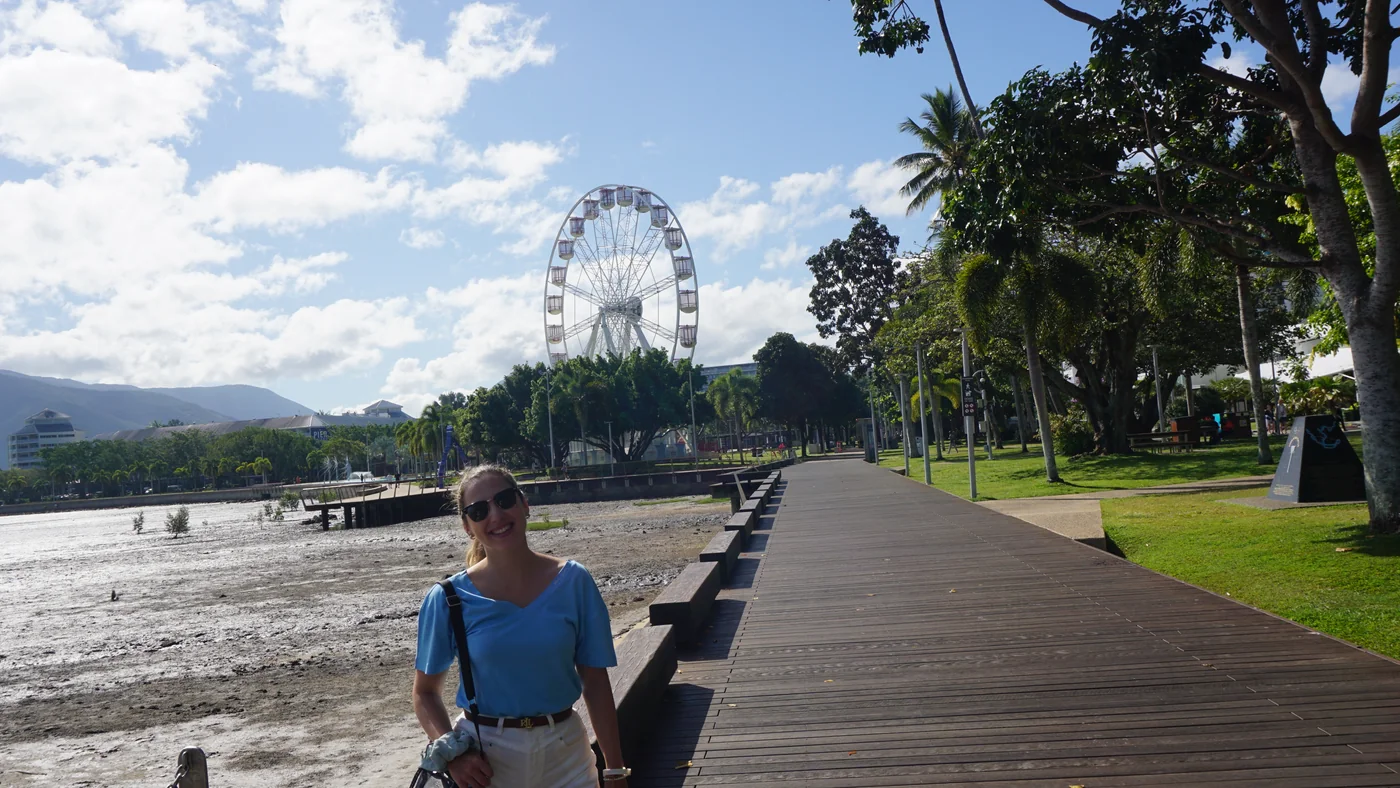
Cairns: The Gateway to the Great Barrier Reef and the Daintree
Cairns is the perfect base for exploring tropical north Queensland - from the Great Barrier Reef to the Daintree. What to see and do in the city.
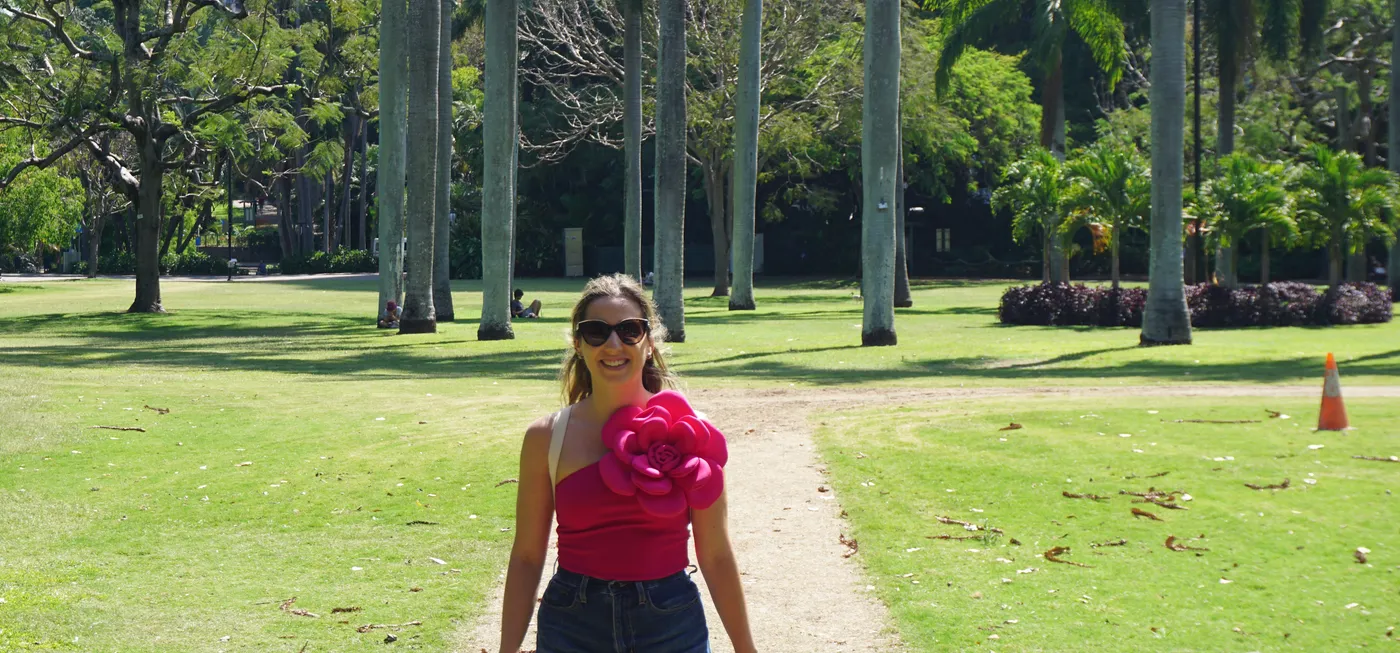
Brisbane's oldest garden
Century-old Moreton Bay figs, water dragons and riverside walks, just steps from the centre, in the city's oldest garden.