Brisbane Travel Guide: What to See
This article was not sponsored and all opinions are genuine. It contains affiliate links, which means I may receive a small commission if you book through them, at no extra cost to you.
Brisbane is the capital of the state of Queensland and Australia's third-largest city. Built along the Brisbane River, it combines a laid-back atmosphere with modern neighbourhoods, a growing cultural scene and plenty of green spaces. The city has changed profoundly since Expo 88, which marked a turning point in its urban development. With a subtropical climate, Brisbane is often seen merely as a starting point for destinations such as the Gold Coast and Cairns, one of the main gateways for exploring the Great Barrier Reef. However, the city has enough to offer to be worth a visit in its own right.
This guide brings together all the essential information for planning a visit to Brisbane, including a brief historical overview, a guide to the city's main areas and a suggested two-day itinerary.
A brief history of Brisbane
The origins of the city of Brisbane date back to 1823, when Queensland was still part of the British colony of New South Wales, whose capital was Sydney. At the time, Governor Sir Thomas Brisbane was looking for a more isolated location to set up a penal colony for the convicts considered most dangerous in the colony. To that end, he tasked the explorer John Oxley with surveying the Moreton Bay region, where the present-day city of Brisbane would later be founded. This region had been charted by James Cook around fifty years earlier, during his first voyage along Australia's east coast.
John Oxley first landed at Redcliffe and was impressed by the region. However, he eventually concluded that an area further up the Brisbane River offered better conditions for the penal colony. The availability of fresh water and the river's bends, which made it harder for prisoners to escape, were decisive factors in choosing the site. And so, in 1824, the Moreton Bay penal colony was founded, which would give rise to the present-day city of Brisbane.
The penal colony was closed in 1839 and, shortly afterwards, the region was opened up to so-called free settlers - people who emigrated to Australia voluntarily rather than as convicts. The arrival of these new inhabitants marked the beginning of Brisbane's growth, as it gradually shifted from a penal colony to a city. Over the following decades, several communities developed along the river's banks, a trait still reflected today in the distinct identity of its neighbourhoods.
One of the most important moments in the city's history came in 1859, when Queensland separated from New South Wales and became a self-governing colony of the British Empire. Brisbane was chosen as the capital of the new territory, a decision that boosted its growth and strengthened its political and economic importance. Throughout the second half of the 19th century, the city benefited from the development of agriculture and, above all, from the exploitation of natural resources such as coal, silver, lead and zinc. The prosperity generated by these activities attracted new inhabitants, spurred the construction of infrastructure and established Brisbane as the state's main city.
Despite this growth, for much of the 20th century Brisbane kept the reputation of a quiet, conservative city, quite different from Sydney and Melbourne. Its transformation began to gather pace in the 1980s, with the Commonwealth Games in 1982 and, above all, Expo 88. This event marked a true turning point in the city's urban development, driving the regeneration of the Brisbane River's banks, the creation of new public spaces and the revitalisation of areas that are now among the most visited, such as South Bank. Today, its metropolitan area is home to around 2.6 million people and the city continues to stand out for its laid-back atmosphere, its abundant green spaces and its strong connection to the Brisbane River - features that contribute to its residents' high quality of life and to growing tourist interest.
Exploring Brisbane on foot
Central Brisbane wraps around a large bend in the river, which means many of the main attractions are relatively close to one another and can be visited on foot. The city-centre streets follow a curious pattern: those running north to south are named after queens and princesses of the British royal family, while those running east to west honour kings and princes. As you move away from the centre, neighbourhoods with very distinct identities emerge, from riverside areas full of green spaces to areas known for their nightlife, food and cosmopolitan feel.
To make the city easier to explore, this Brisbane guide has been divided into five distinct areas, bringing together the main points of interest and attractions.
South Bank
The South Bank area, on the south bank of the Brisbane River, right opposite the city centre, was born out of the redevelopment carried out after Expo 88. Today it is one of Brisbane's most iconic areas and one of the best examples of the urban transformation the city has undergone in recent decades.
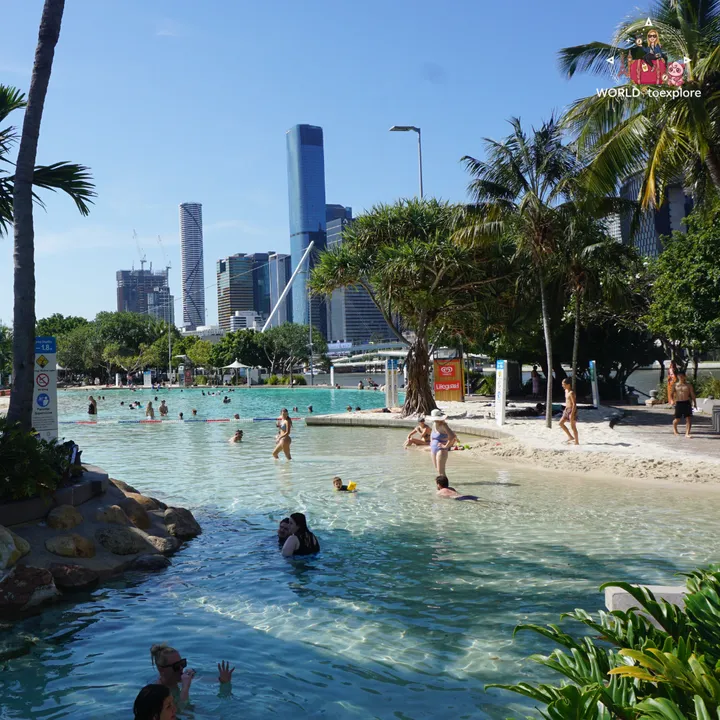
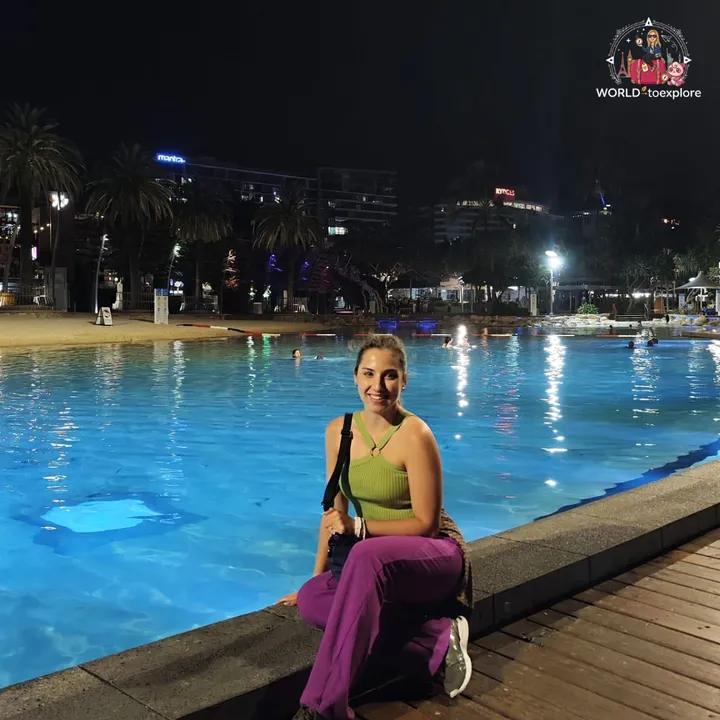
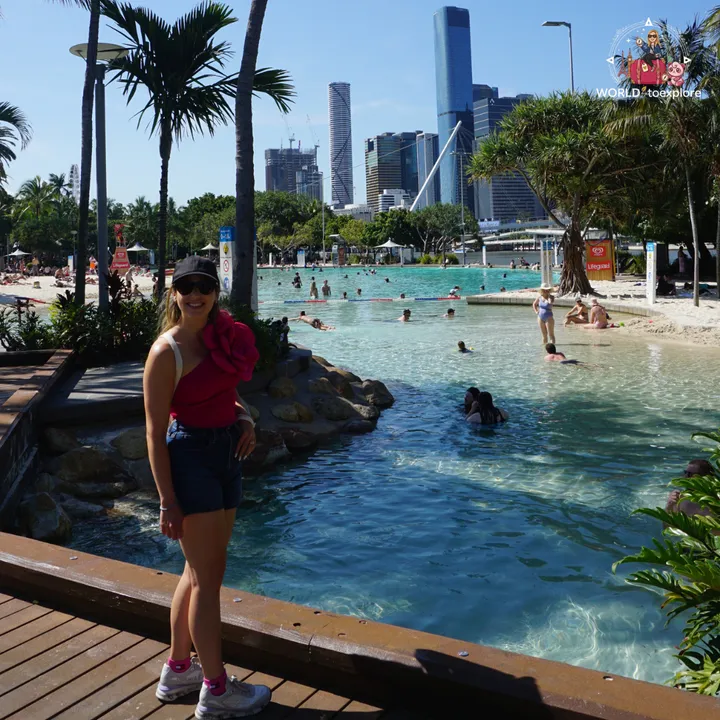
- Streets Beach: A free, man-made beach surrounded by sand and palm trees, with views of the Brisbane skyline.
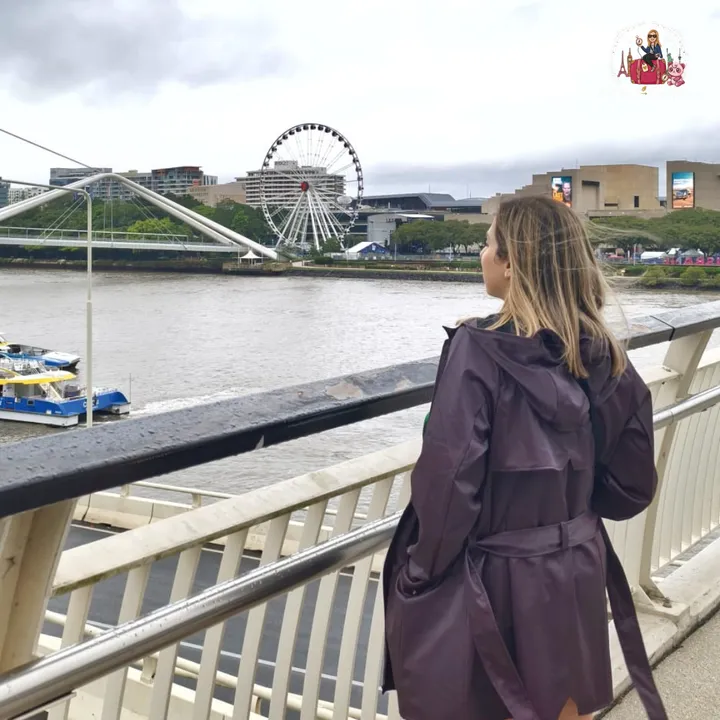
- Wheel of Brisbane: A Ferris wheel around 60 metres tall offering panoramic views over the river and towards the city centre.
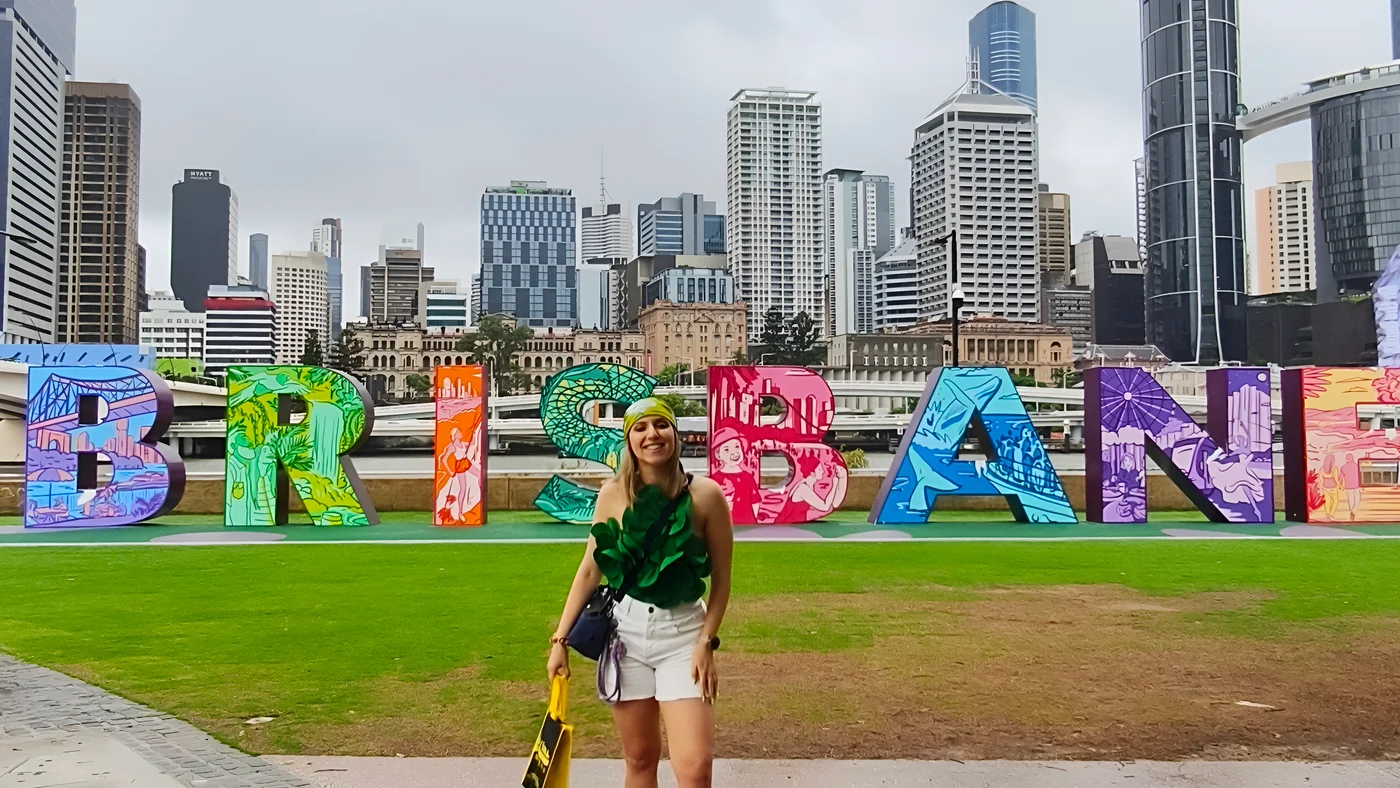
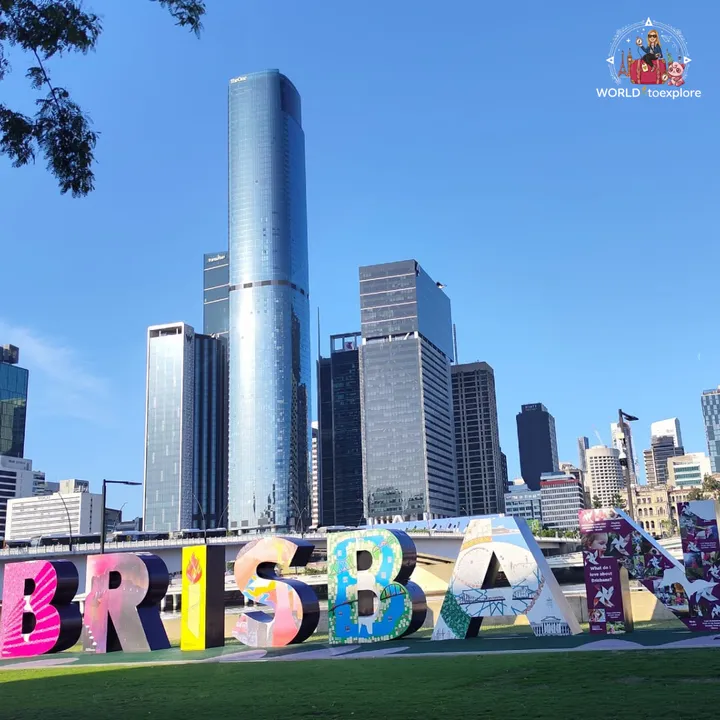
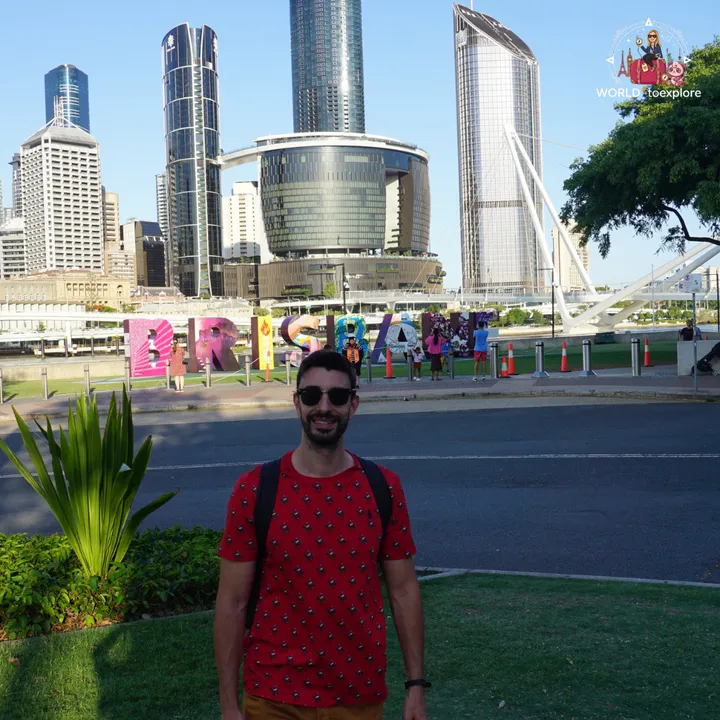
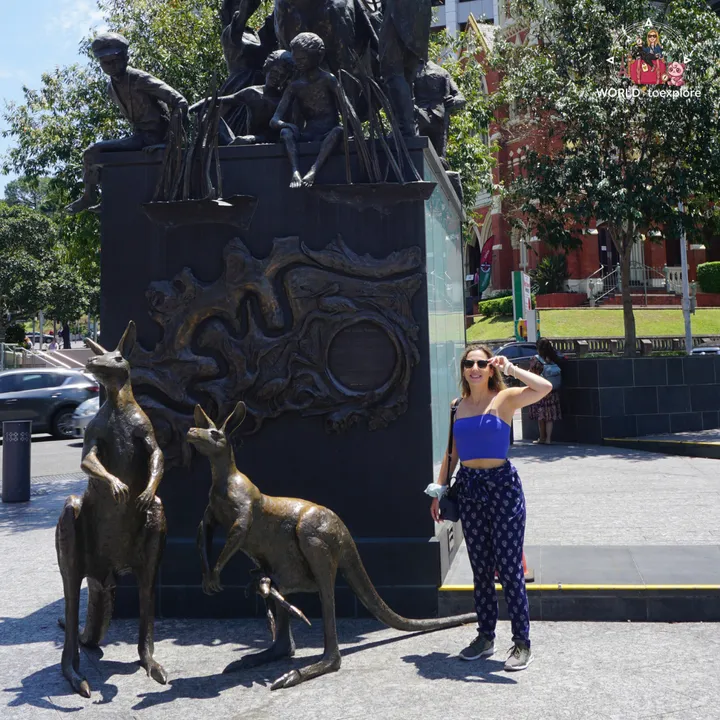
- 'BRISBANE' sign: One of the city's most photographed spots, next to Victoria Bridge.
- Nepal Peace Pagoda: A wooden pagoda built for Expo 88 and gifted to the city after the event.
- Epicurious Garden: An edible garden with herbs, vegetables and plants, dedicated to urban agriculture and sustainability.
- Queensland Maritime Museum: A museum devoted to Queensland's maritime history and the state's connection to the river and the sea.
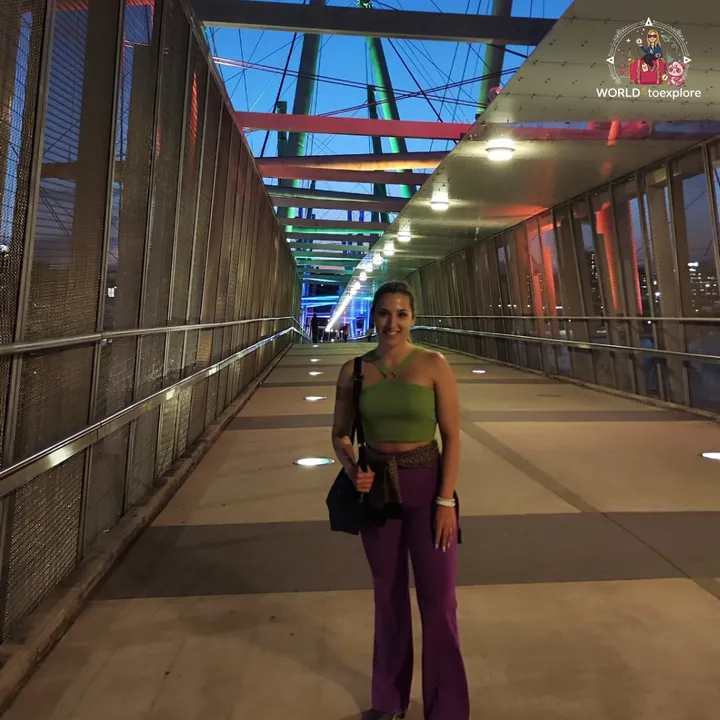
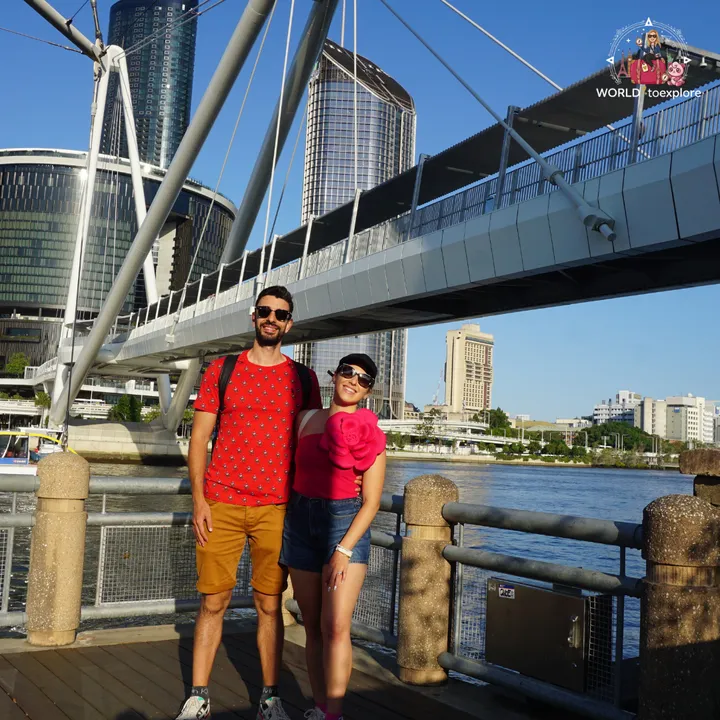
- Goodwill Bridge: A pedestrian and cycling bridge linking South Bank to the City Botanic Gardens. As you cross it, you can see some of the Maritime Museum's vessels by the river.
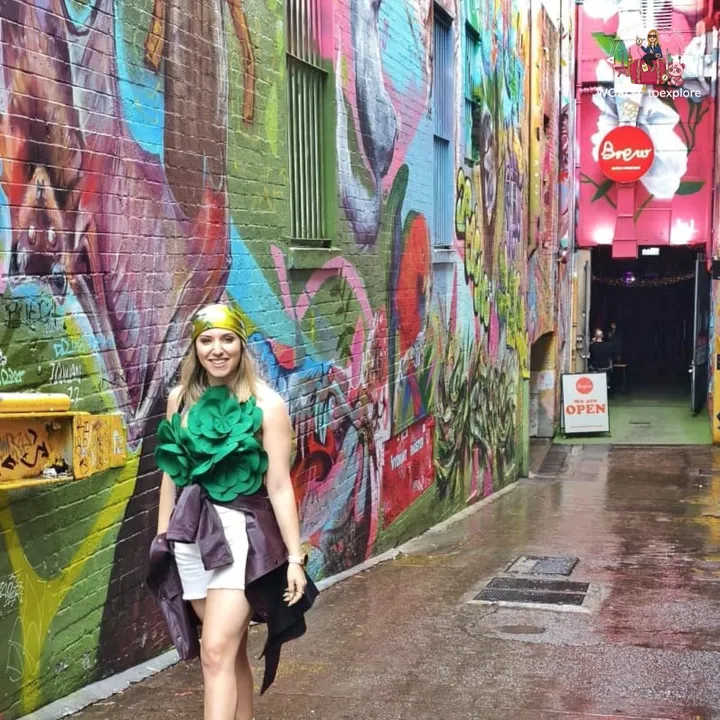
- Fish Lane: A small street with street art, cafés, bars and restaurants, known for its laid-back vibe and its food scene.
- Victoria Bridge: One of Brisbane's main bridges, connecting South Bank directly to the city centre.
Want to explore the South Bank area to the full? In the complete guide you'll find the history, all the must-see attractions and practical tips to plan your visit.
The historic centre (CBD)
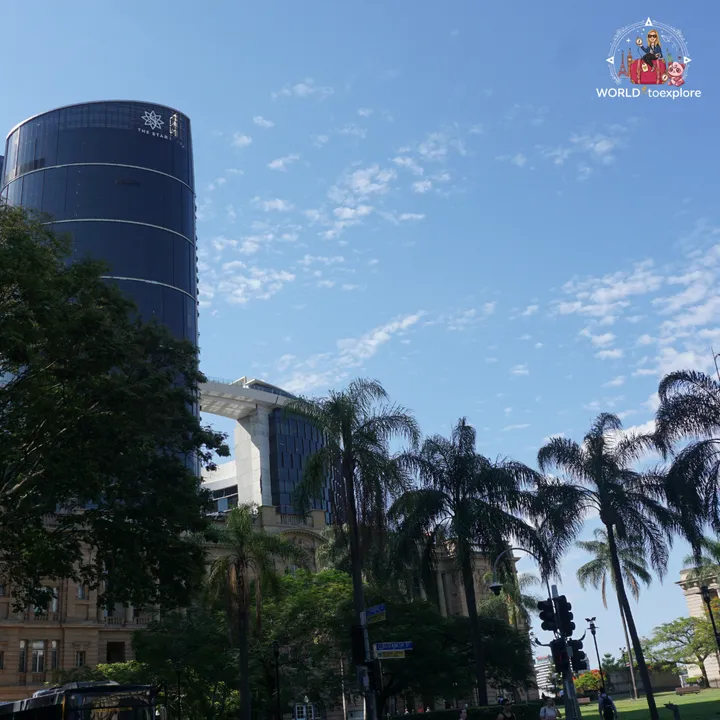
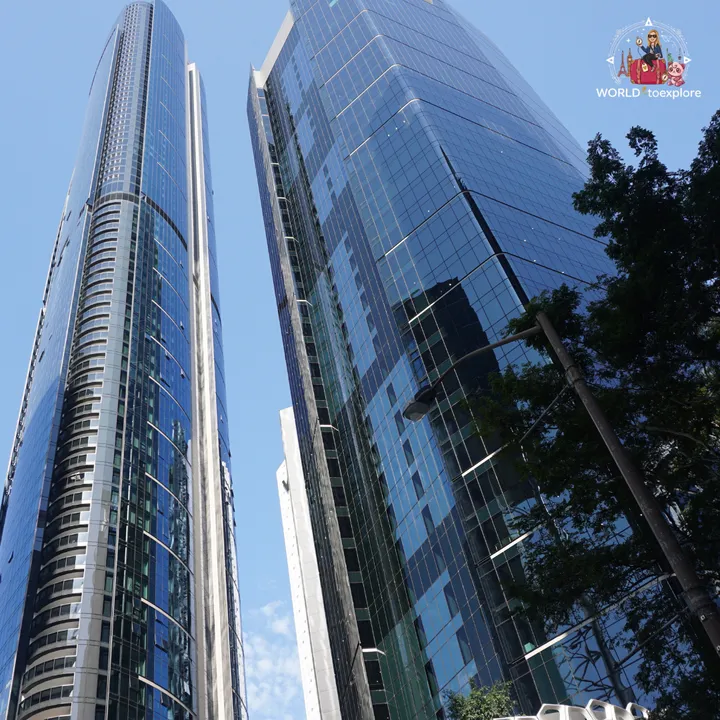
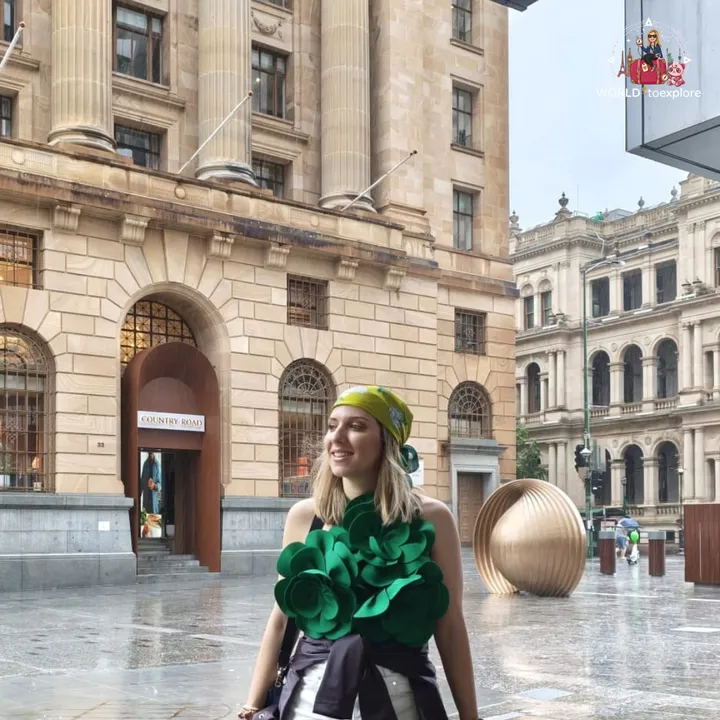
Brisbane's historic centre (CBD - Central Business District) is the heart of the city, where past and present sit side by side. Among old buildings, busy streets, cafés and cultural venues, this area reveals how Brisbane has evolved over the years. It's a perfect area to explore on foot, discover the city's architecture and get a real feel for the urban atmosphere of the Queensland capital.
- Queen Street Mall: Brisbane's main shopping area, an elegant pedestrian street lined with shops, cafés and restaurants. It's one of the busiest spots in the city and the true heart of the urban centre.
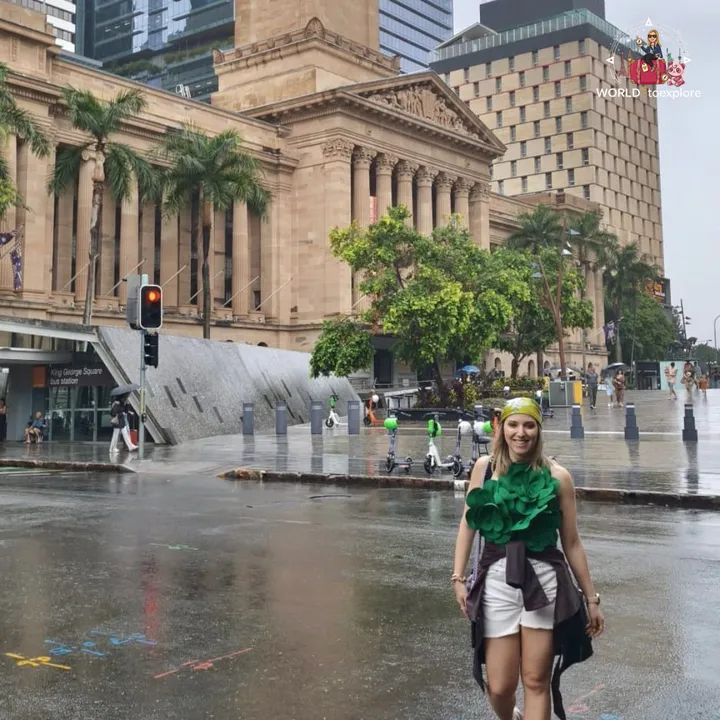
- Brisbane City Hall: Built between 1920 and 1930, this heritage building stands out for its striking clock tower. You can go up the tower for free and visit the Museum of Brisbane inside.
- King George Square: Brisbane's main square, in front of City Hall, known for its statues, fountains and the kangaroo mosaics that celebrate Australian identity.
- Anzac Square & Memorial: A landscaped square in the heart of the CBD, created in honour of the Australian soldiers who served in military conflicts. The space is notable for its central memorial and eternal flame.
- Saint Stephen's Cathedral: Brisbane's main Catholic cathedral, built in the 19th century in the neo-Gothic style. It stands out for its stone façade and colourful stained-glass windows.
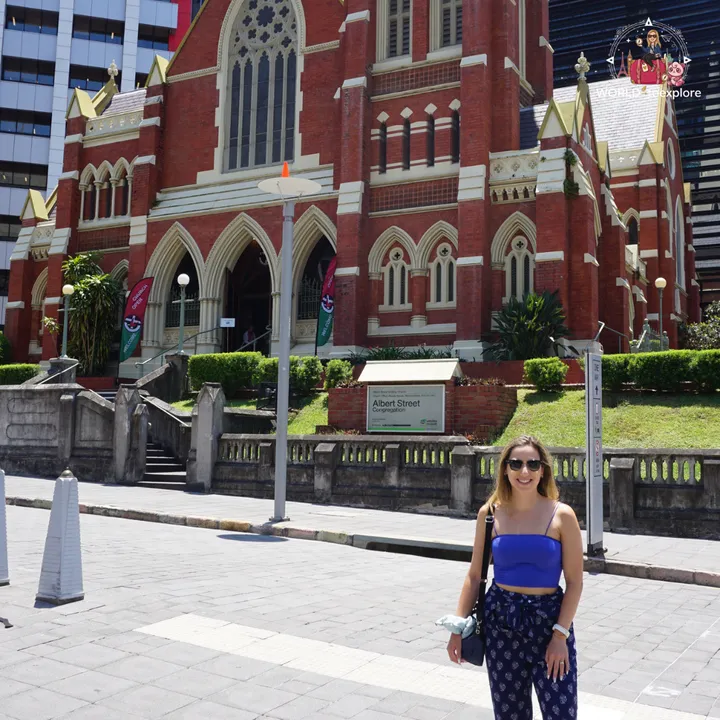
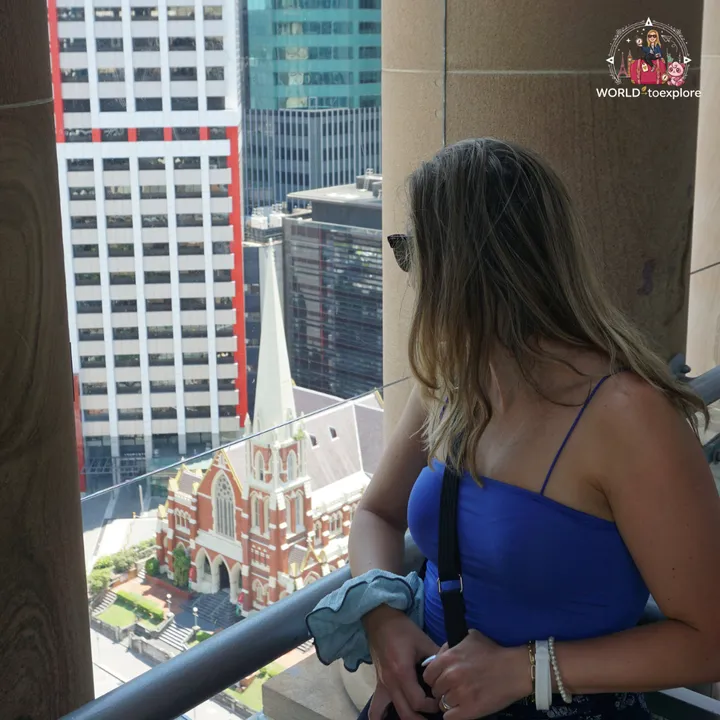
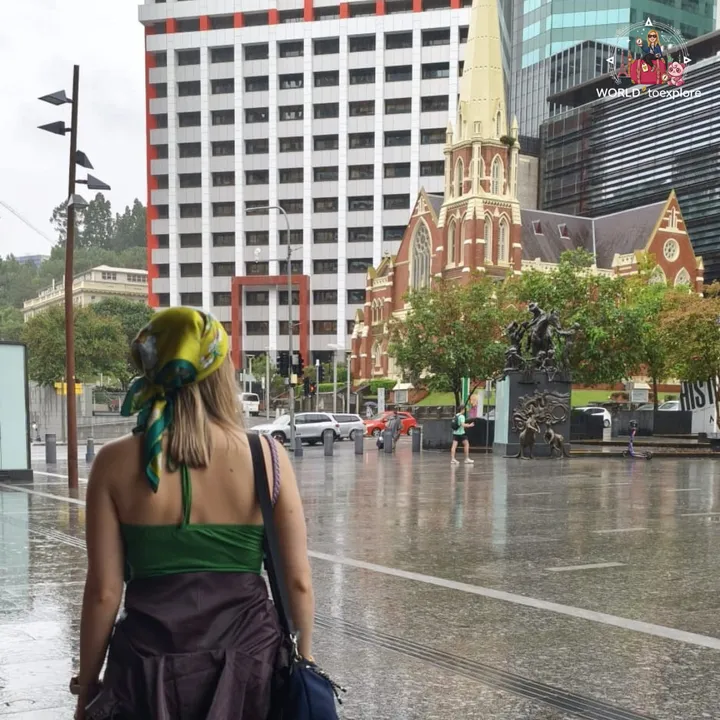
- Albert Street Uniting Church: A historic brick church, built in the late 19th century, which keeps its original architecture and contrasts with the modern skyscrapers of central Brisbane.
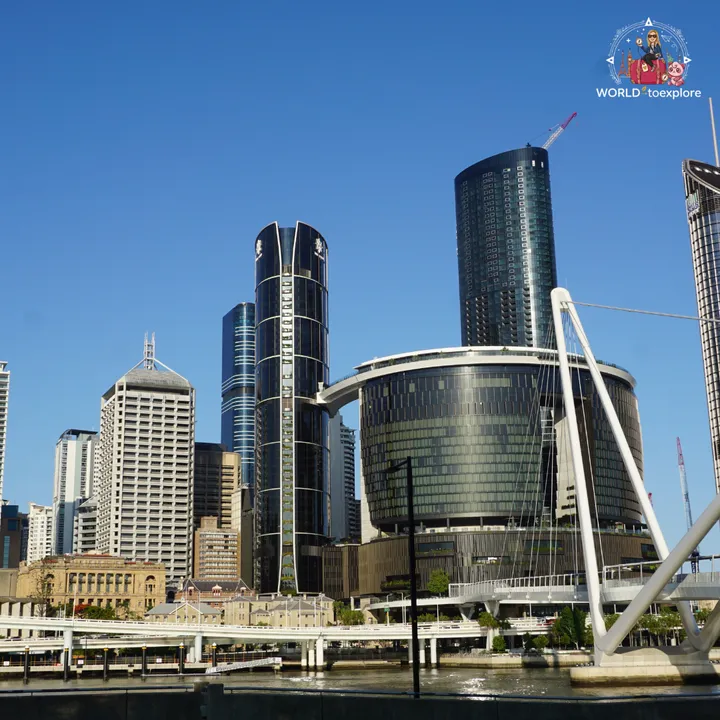
- Sky Deck: A free lookout at the top of the casino building, by the Brisbane River, with panoramic views over the city's skyline.
City Botanic Gardens and Parliament
At the southern tip of the historic centre, by the bend in the Brisbane River, lies one of the city's oldest areas. It's just a few minutes' walk from Queen Street Mall and brings together green spaces, government buildings and riverside trails.
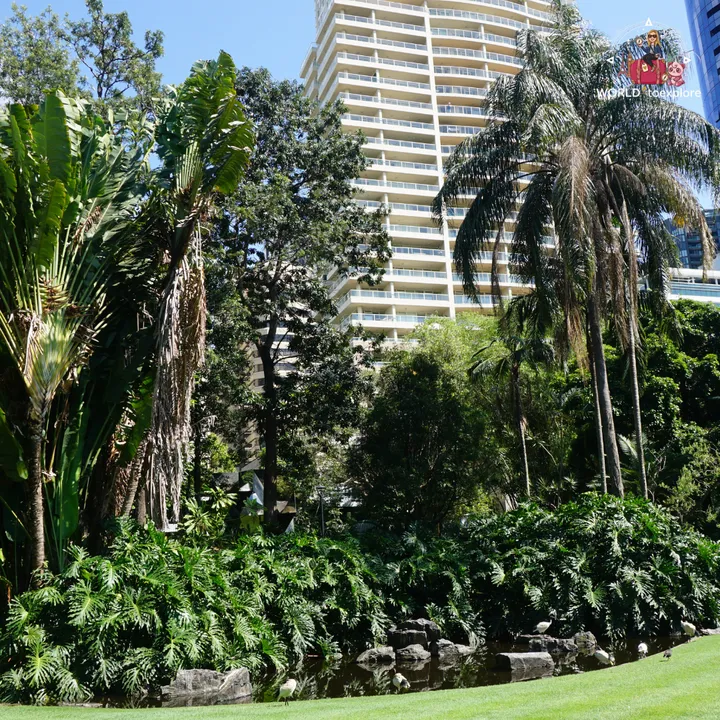
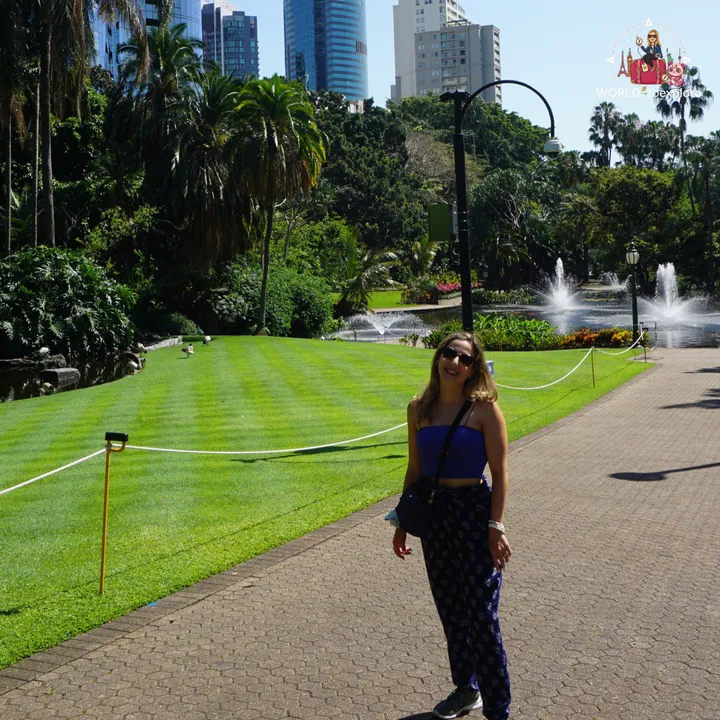
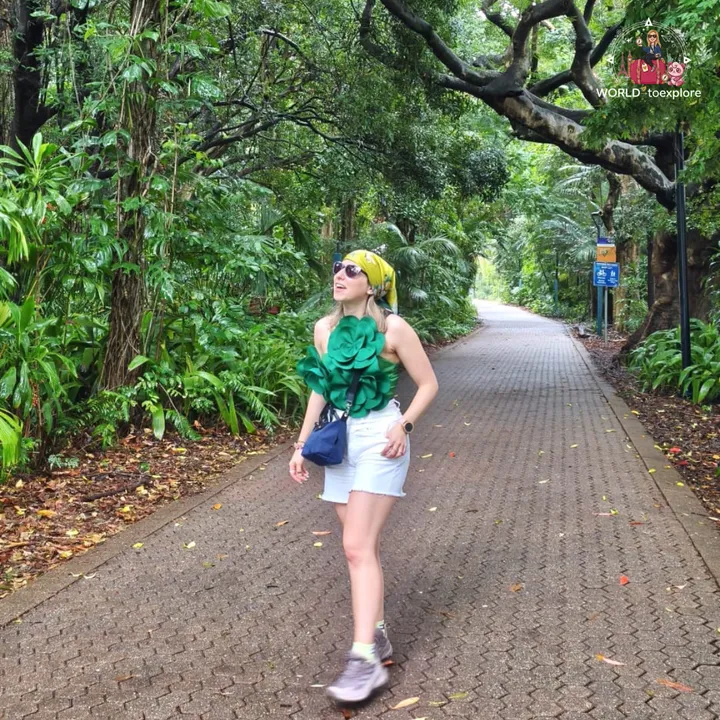
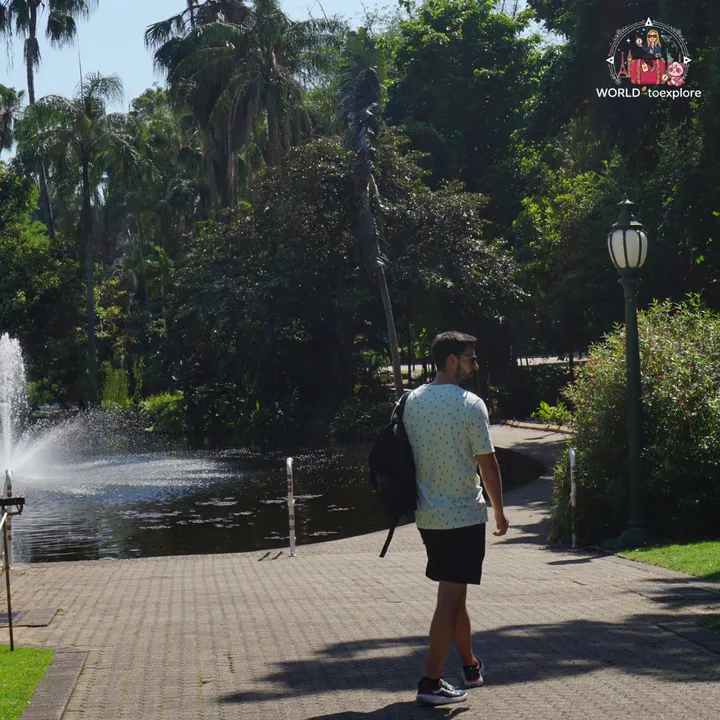
- City Botanic Gardens: Brisbane's oldest public garden, created in 1855, with century-old trees, bamboo groves, ponds and riverside paths. Find out more in the article dedicated to the City Botanic Gardens.
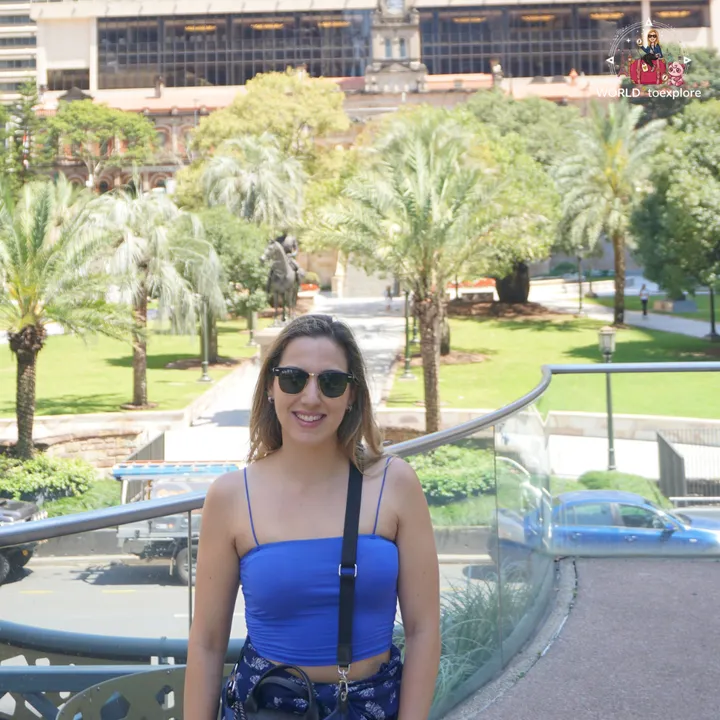
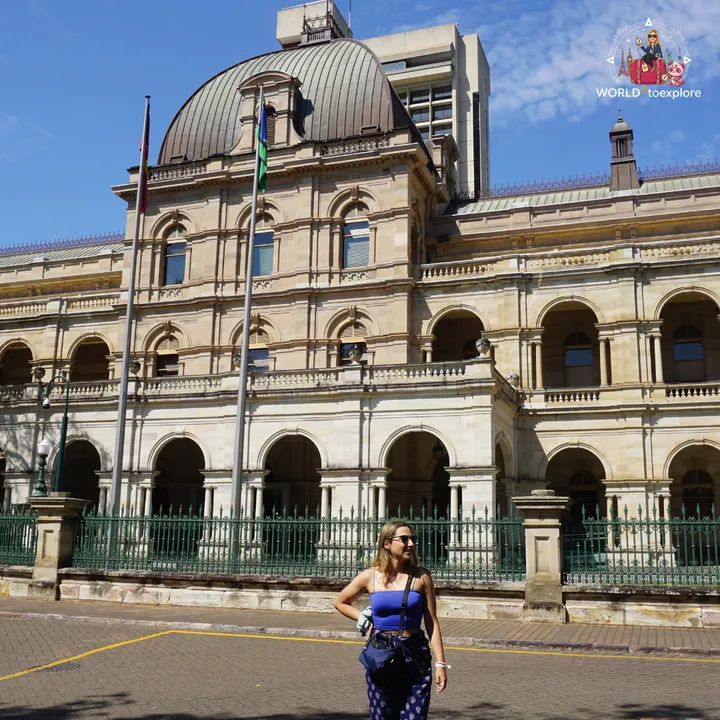
- Parliament House: The seat of the Queensland state Parliament, opened in 1868, with elegant French Renaissance-style architecture. The building keeps many original details and sits right next to the City Botanic Gardens. Free guided tours run on some days of the week.
Kangaroo Point and the riverside
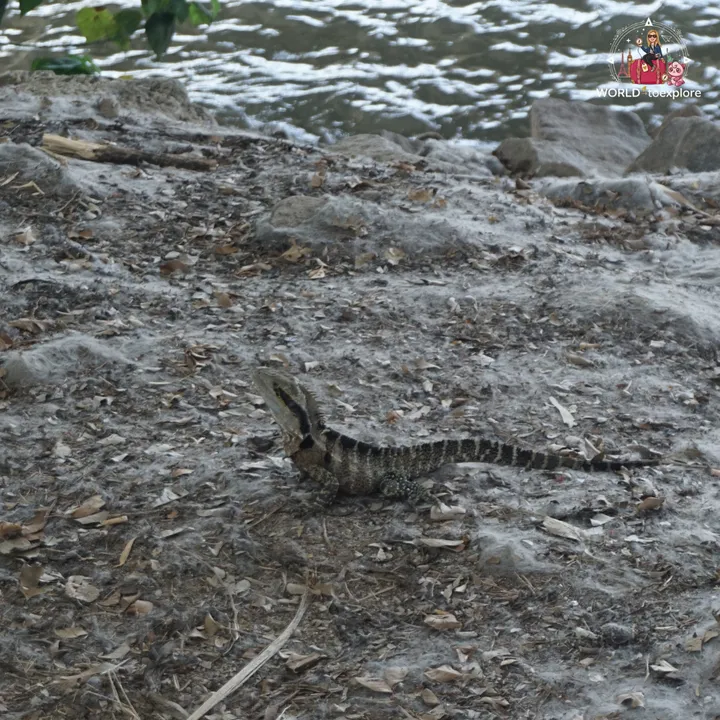
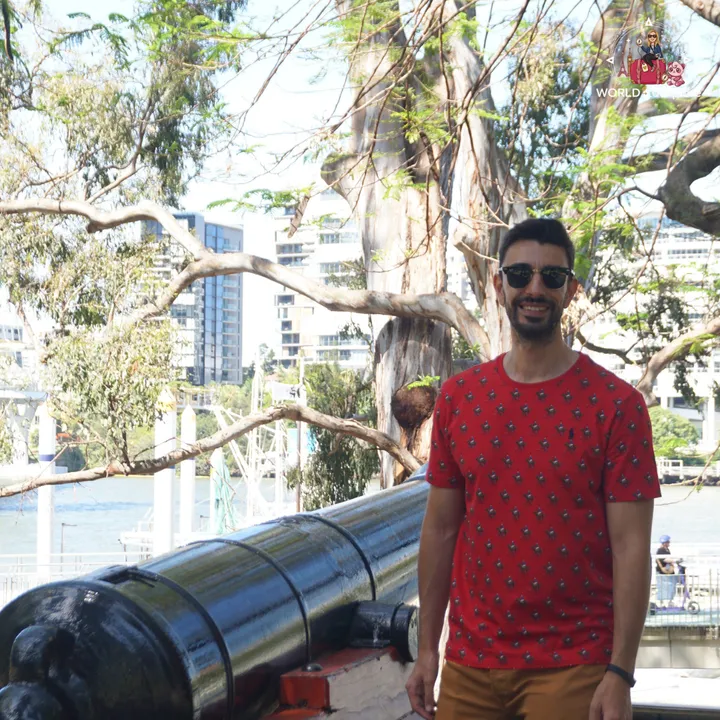
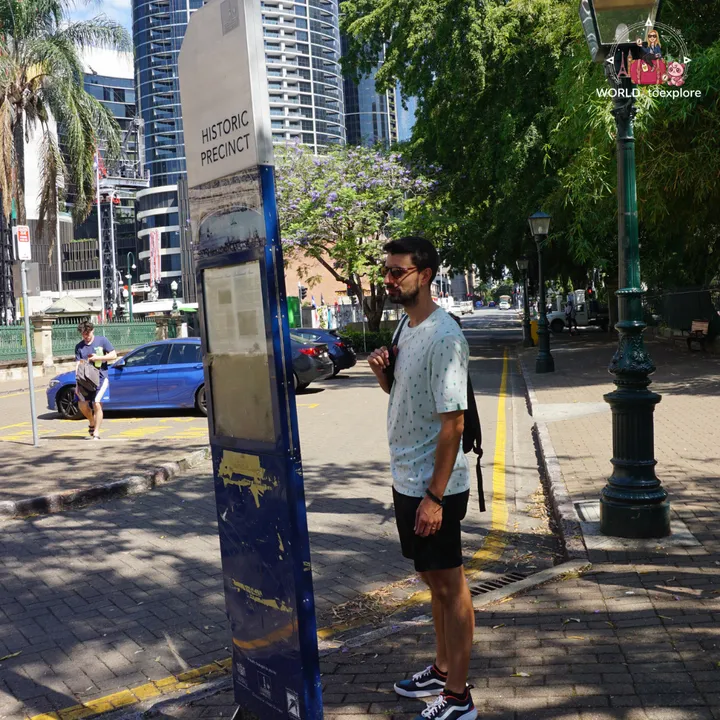
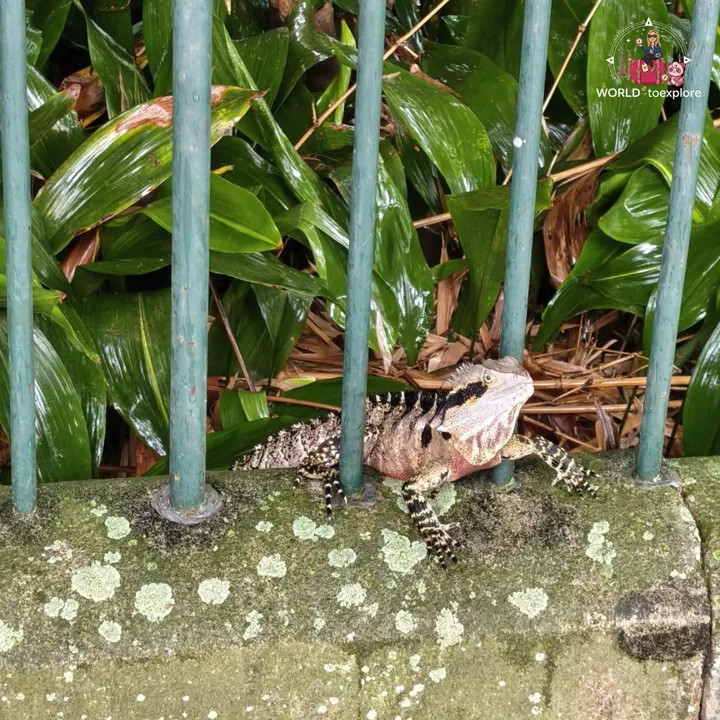
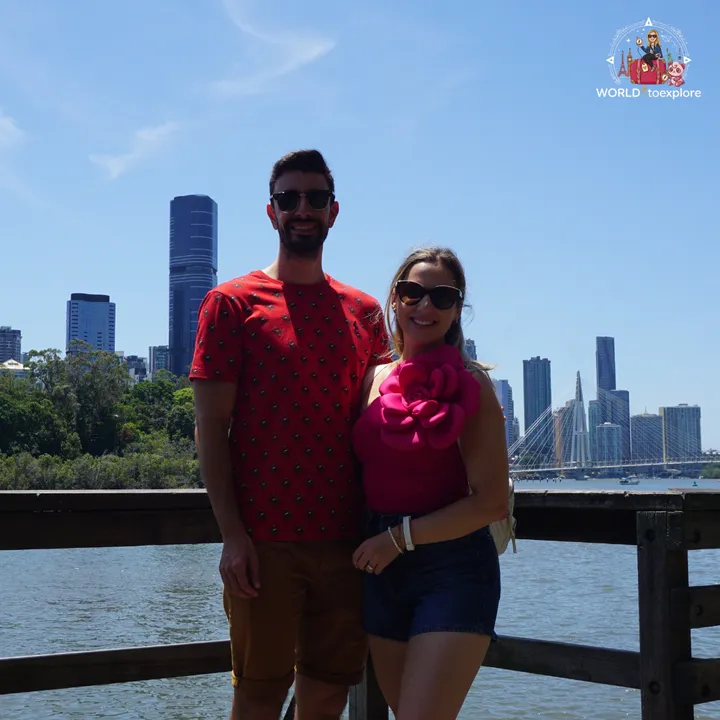
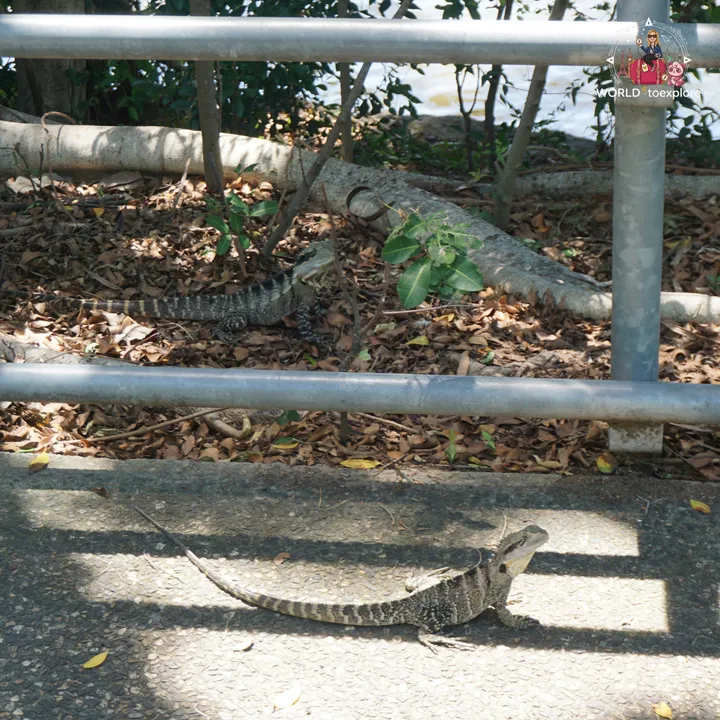
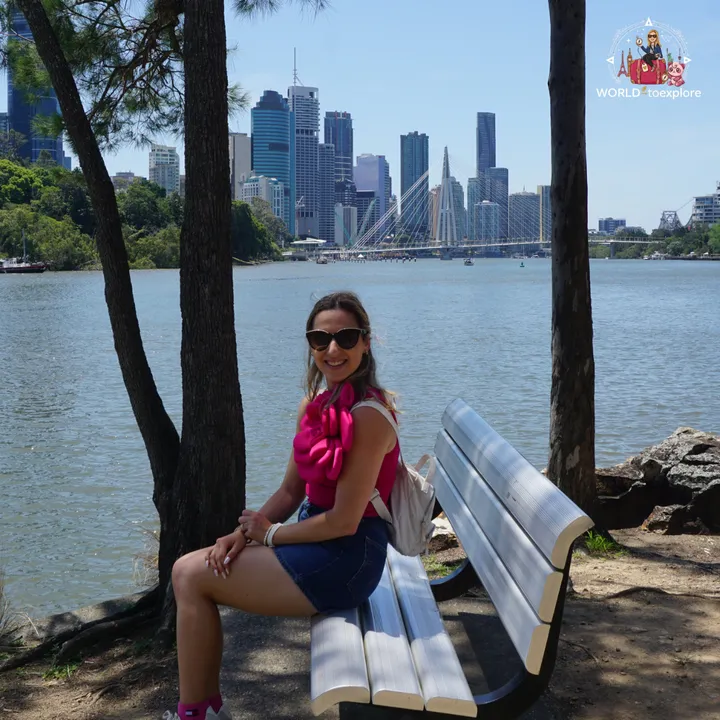
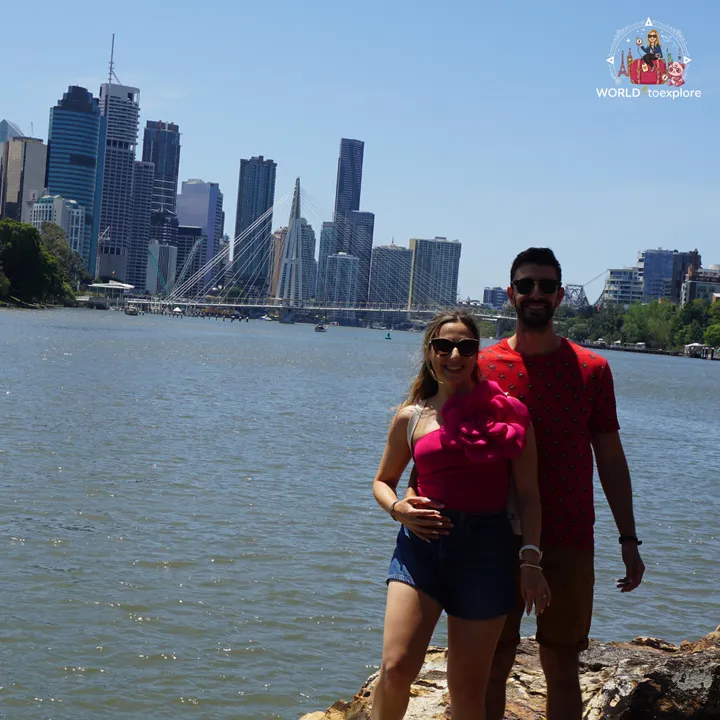
Kangaroo Point is one of the areas with the best views over Brisbane. Located right opposite the centre, on the other side of the river, it's known for its riverside cliffs and its lookouts with views of the city skyline. The area also has several trails along the bank, where you'll often come across plenty of lizards.
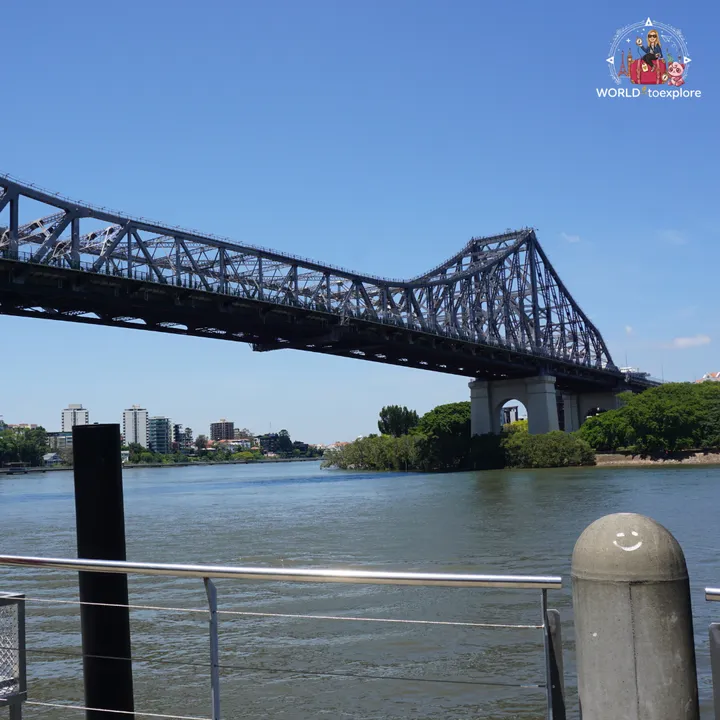
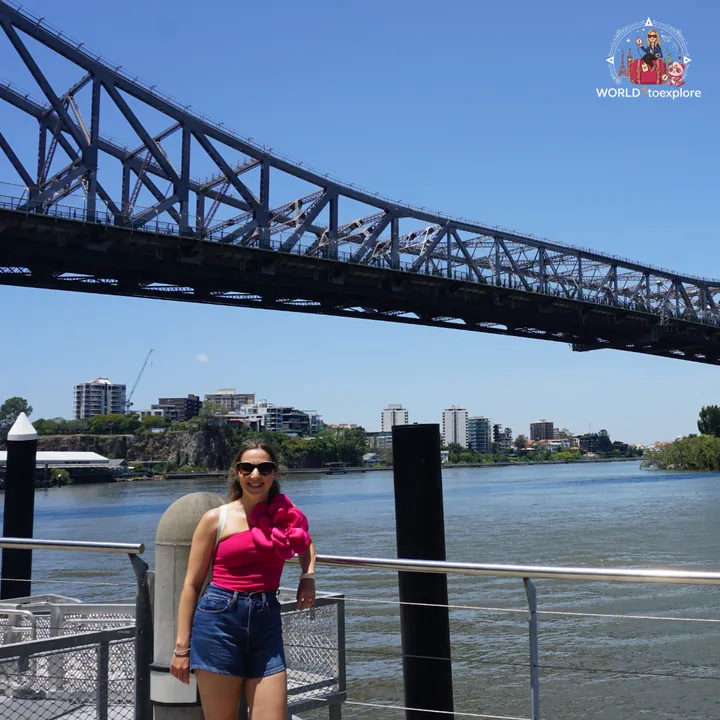
- Story Bridge: Opened in 1940, it's Brisbane's most iconic bridge and one of the city's landmarks. You can climb the structure with the Story Bridge Adventure Climb, an experience with panoramic views over the river and the city skyline.
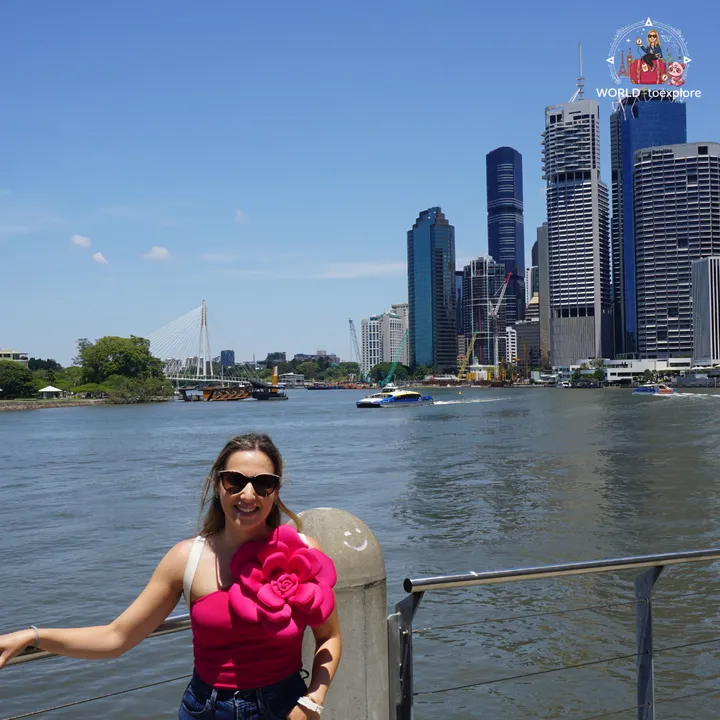
- Kangaroo Point Cliffs Lookout: A lookout at the top of the rock cliffs by the river, with one of the best views over Brisbane's skyscrapers. It's especially popular at sunset, when the city lights up.
- Brisbane Riverwalk: A pedestrian and cycling path along the river, with a floating section over the water and privileged views.
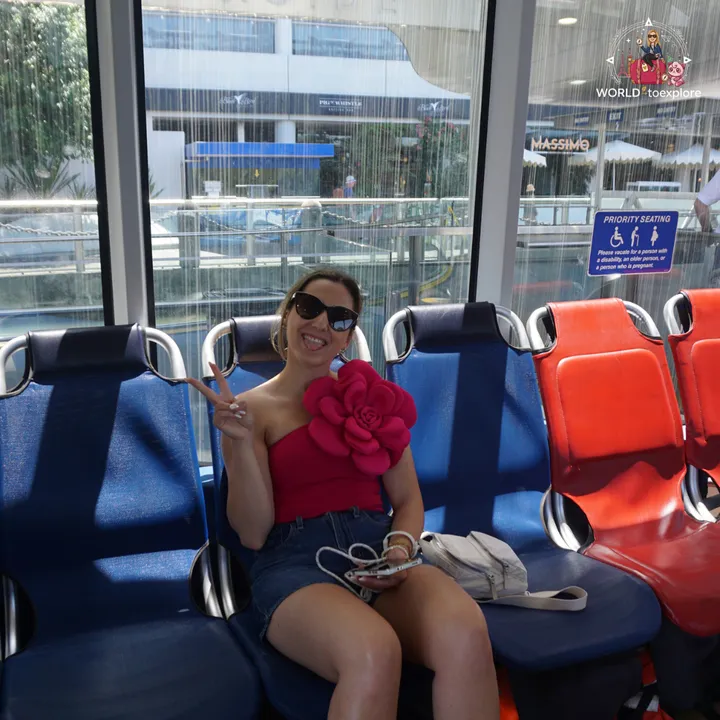
- Riverside Ferry Terminal: One of the CityCat terminals - the boats that travel the river and connect various points across the city. It's one of the most enjoyable ways to explore Brisbane. For some years the service was even free, but it now runs on a paid ticket (check the price on the official website).
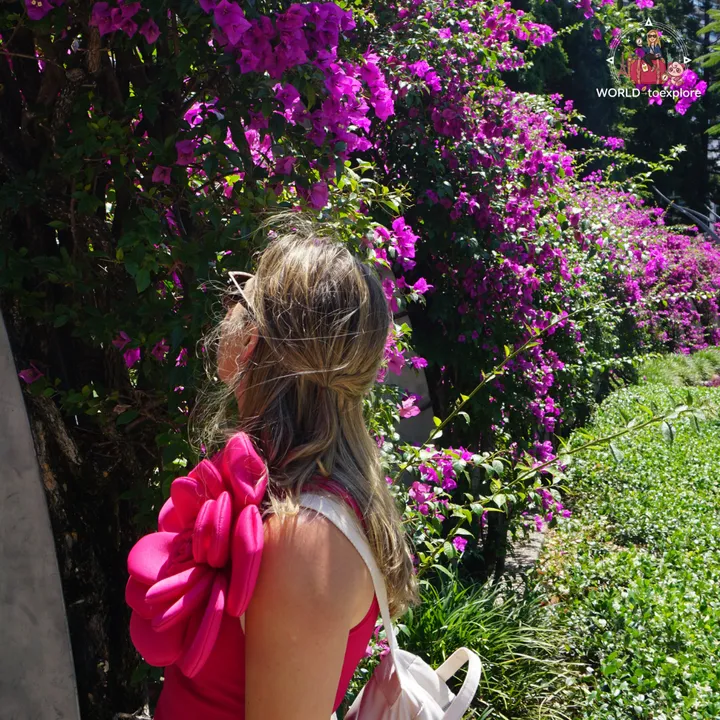
Fortitude Valley
Northeast of central Brisbane lies Fortitude Valley - known to locals simply as the Valley. This is one of the city's most bohemian and multicultural neighbourhoods, with a strong connection to music, art and food. It's also the main hub of Brisbane's nightlife, with plenty of bars and clubs.
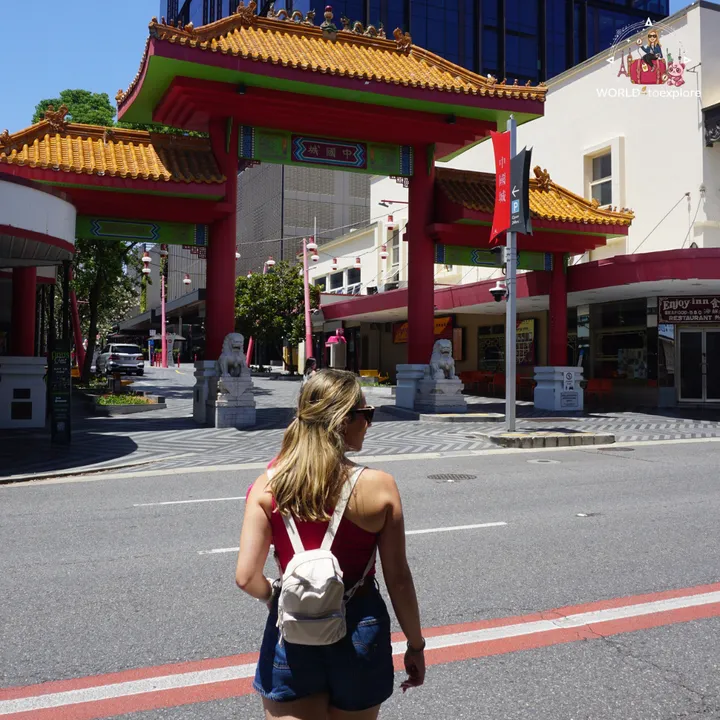
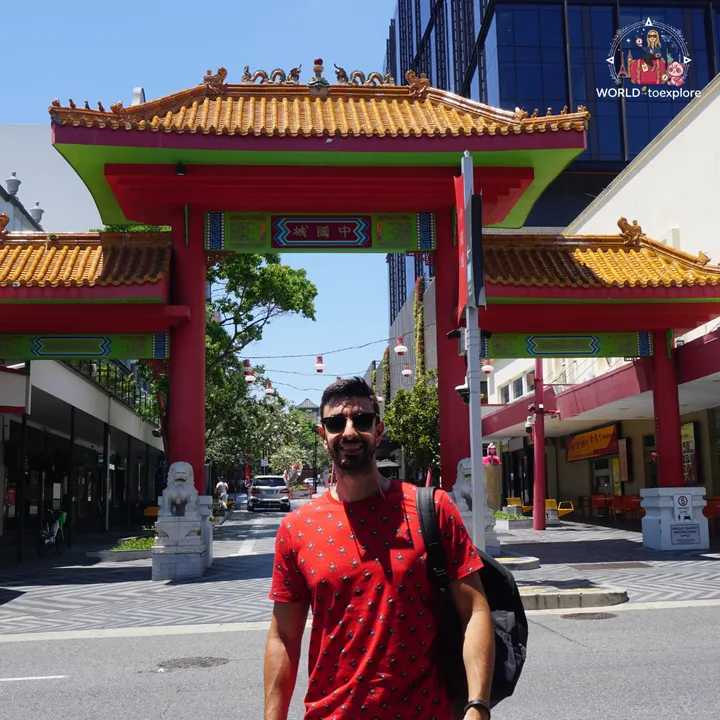
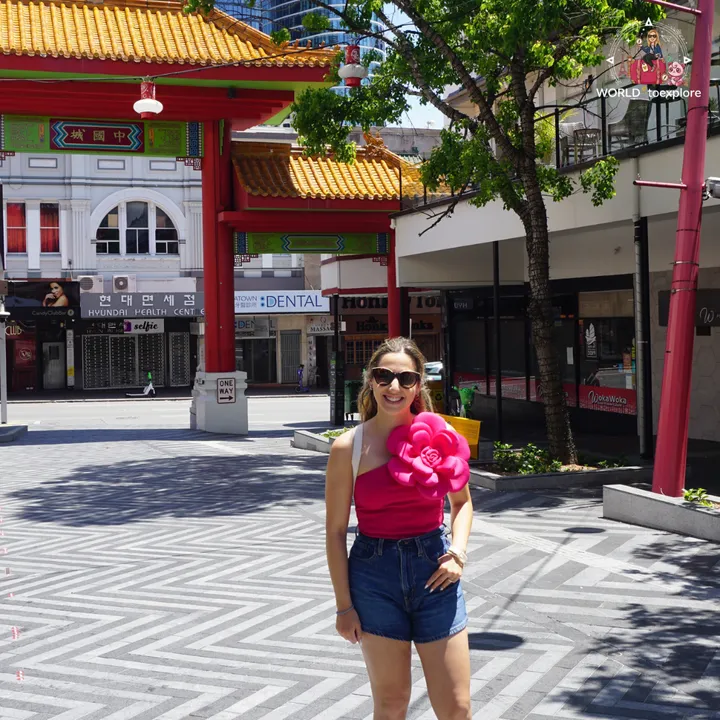
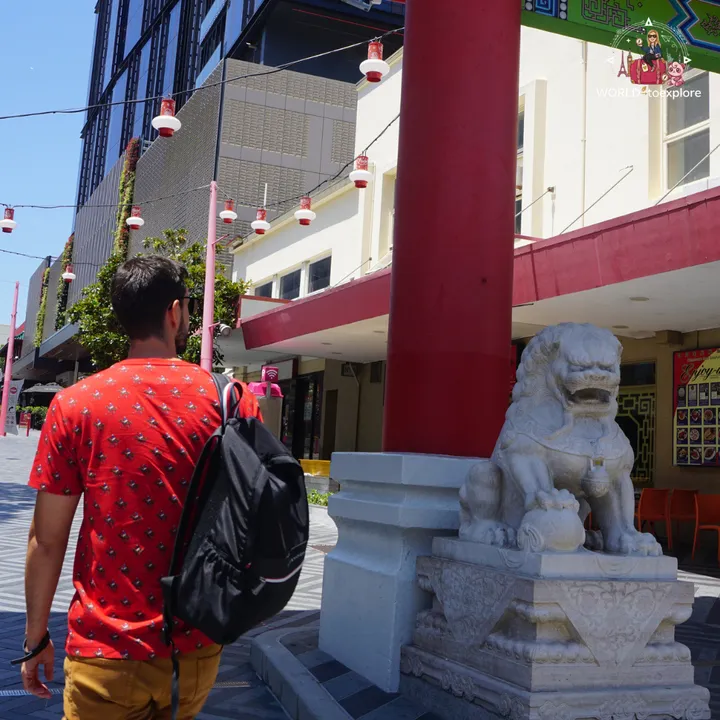
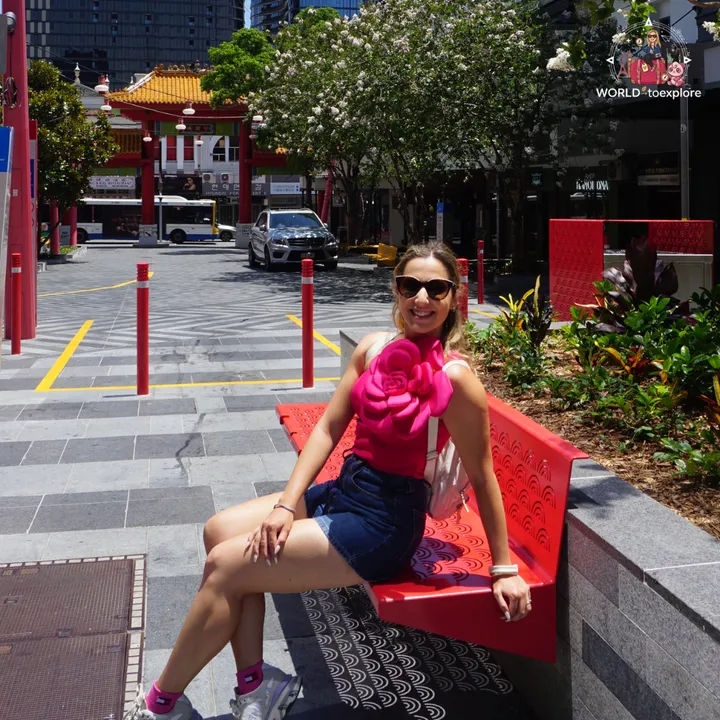
- Chinatown Mall: The heart of Brisbane's Asian community, a pedestrian street with restaurants, supermarkets and Asian grocery shops. It's especially lively during Chinese New Year celebrations and other cultural festivals.
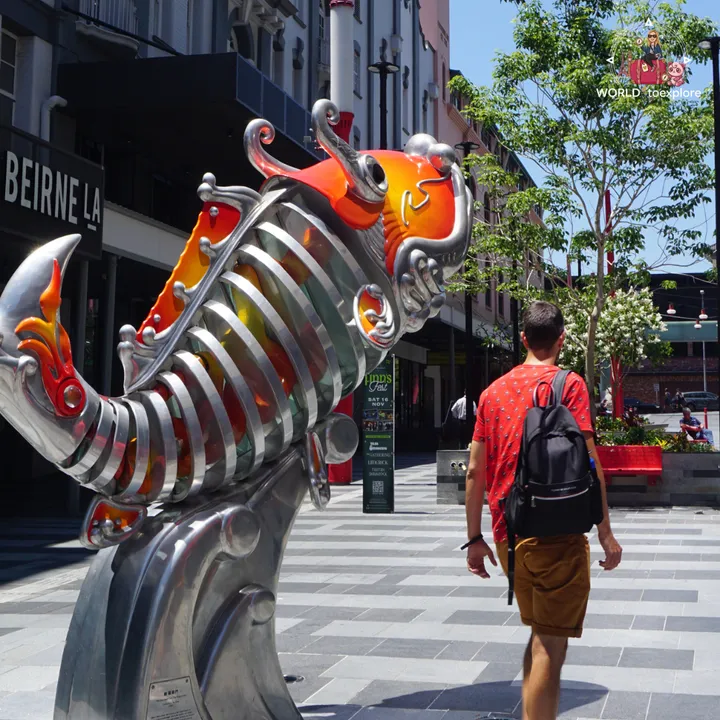
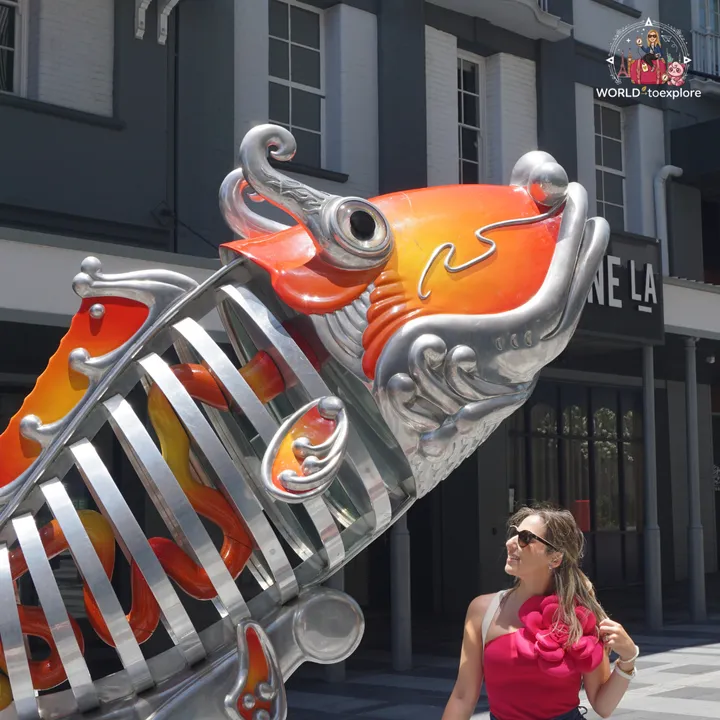
- Street art and galleries: The streets of Fortitude Valley are full of street-art murals, independent galleries and creative spaces that reflect Brisbane's more artistic side.
Suggested 2-day itinerary in Brisbane
In most cases, two days are enough to see Brisbane's main points of interest. Although it all depends on where you're staying and the pace of your visit, the city is easy to explore and many of the attractions are relatively close together. This itinerary is designed to visit Brisbane's most iconic spots without rushing, making the most of the time available.
Day 1 - From the Valley to South Bank, along the river
- A walk around the Fortitude Valley area to discover its main attractions.
- A relaxed walk to the Story Bridge and then along part of the Brisbane Riverwalk to the Riverside Ferry Terminal.
- A CityCat (ferry) ride to the Queensland Maritime Museum terminal.
- Heading up to the Kangaroo Point Cliffs Lookout and admiring the lizards.
- A stop at the Queensland Maritime Museum to see the historic vessels on display outside (free).
- A visit to the Epicurious Garden right at the tip of South Bank.
- Time to relax at Streets Beach in South Bank and take a dip.
Day 2 - Historic centre, gardens and South Bank
- A visit to Saint Stephen's Cathedral, Anzac Square & Memorial, Albert Street Uniting Church, King George Square and Brisbane City Hall, including the free trip up the clock tower.
- A stroll along Queen Street Mall and up to the Sky Deck to enjoy the views over the city.
- A walk to the Queensland Parliament and a visit to the City Botanic Gardens.
- Crossing the Goodwill Bridge towards South Bank.
- A stroll around the South Bank area, passing quickly by the Epicurious Garden and Streets Beach (already visited the day before), before seeing the Nepal Peace Pagoda, the Wheel of Brisbane (optional) and the 'BRISBANE' sign.
- A walk along Fish Lane, one of Brisbane's best-known streets for street art, cafés and restaurants.
- Back to the centre across Victoria Bridge.
There are a thousand ways to visit Brisbane and, in the end, every traveller ends up adapting the itinerary to their own interests. Even so, in my experience, these two days are enough to see almost the best of what the city has to offer without rushing from one place to the next. I'll admit I like to squeeze every trip to the max and fit in everything I can, but I've also learnt that it's worth keeping some time to slow down and enjoy where you are. It's that balance that, for me, makes this itinerary a great way to get to know Brisbane for the first time.
And if you only have 1 day? In that case, I'd leave out Fortitude Valley and Kangaroo Point and focus the visit on the CBD, the City Botanic Gardens, Parliament and South Bank, where you'll find a large share of the city's most iconic attractions.
Brisbane may not have the fame of Sydney or Melbourne, but it was one of the Australian cities that surprised me most. It's a destination that deserves far more than just a stopover! I hope this guide helps you plan your visit and, above all, discover a city that has much more to offer than many imagine. 🩷
See all the Australia articles here.
Planning your next trip? Book your accommodation through Booking.com and get your travel insurance with Heymondo, where you get 5% off through my link. By using these links, you are also supporting World to Explore, at no extra cost to you.
You Might Also Like
Cairns: The Gateway to the Great Barrier Reef and the Daintree
Cairns is the perfect base for exploring tropical north Queensland - from the Great Barrier Reef to the Daintree. What to see and do in the city.
Brisbane's oldest garden
The City Botanic Gardens are Brisbane's oldest garden: colonial history, century-old Moreton Bay figs, water dragons and riverside walks, just steps from the centre.
Daintree Rainforest: The Oldest Tropical Rainforest in the World
The oldest rainforest in the world isn't in Brazil, but in the far north of Australia - what it was like to visit the Daintree Rainforest.