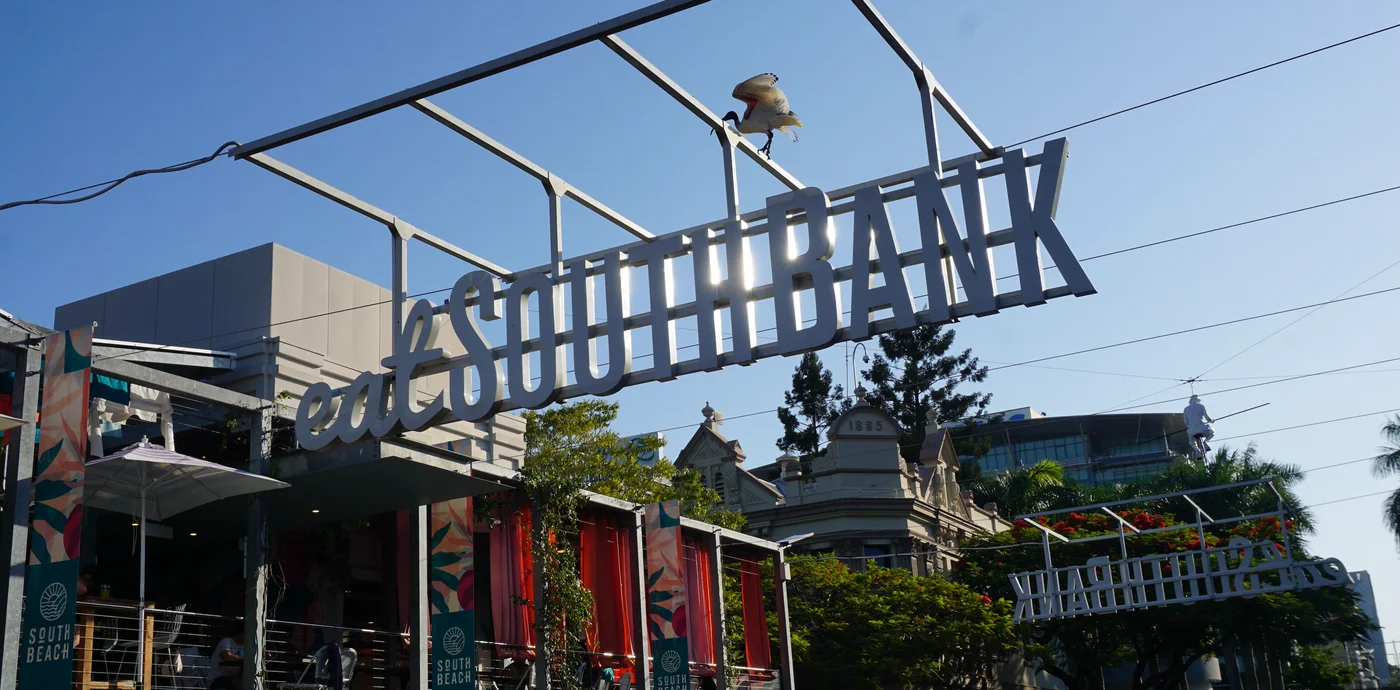
The beach in the middle of Brisbane
At first, it might seem odd to find a beach in the centre of a big city. Yet in some Australian cities, such as Brisbane, you don't even need to head to the coast to enjoy a day at the beach. At the South Bank Parklands, right in the heart of the city, you'll find an artificial beach of golden sand, surrounded by palm trees and looking out over the skyscrapers - without a doubt one of the best-known and most popular spots in Brisbane on a fine day.
But the South Bank Parklands is much more than its artificial beach. Beyond the swimming area, this riverside space has gardens, restaurants, cafés, walking paths and several other points of interest. From the observation wheel to the iconic "BRISBANE" sign, by way of a Nepalese pagoda, there's plenty to discover.
The history of South Bank
Although it's hard to imagine today, the South Bank Parklands wasn't always one of Brisbane's most pleasant spots. For much of the 19th and 20th centuries, this stretch of the river's south bank was closely tied to the city's port and industrial activity. Its proximity to the Brisbane River led to the building of wharves, warehouses, workshops and factories, making the area an important hub for trade and the transport of goods. Despite its importance to Brisbane's economic development, it was far from a place designed for leisure.
The transformation began in the 1980s, when Brisbane was chosen to host World Expo 88. The international exposition was held right in this area, prompting a thorough redevelopment of the riverfront. Over six months, millions of visitors came through to see the pavilions of dozens of countries, in an event that helped raise the city's international profile and marked the start of South Bank's renewal.
After the Expo closed, the original plan for the site where it had taken place was to build private developments. Public opinion, however, argued that this space should remain accessible to everyone. In response, the Queensland Government created the South Bank Corporation, tasked with leading an ambitious redevelopment of the area. It was this project that turned the former port and industrial zone into today's South Bank Parklands.
Opened in 1992, the South Bank Parklands quickly became one of Brisbane's most emblematic public spaces. Today it combines gardens, leisure areas, restaurants, cultural attractions and the famous artificial beach, welcoming millions of visitors every year and standing out as one of the best examples of urban regeneration in Australia.
What to see and do at South Bank
The best way to explore the South Bank Parklands is on foot. Although it's a large space, all the main attractions are relatively close to one another, along the riverbank. Here are the spots you shouldn't miss during your visit to the park. And if you're thinking of taking a dip in the famous artificial beach, don't forget to pack your swimwear. 👙
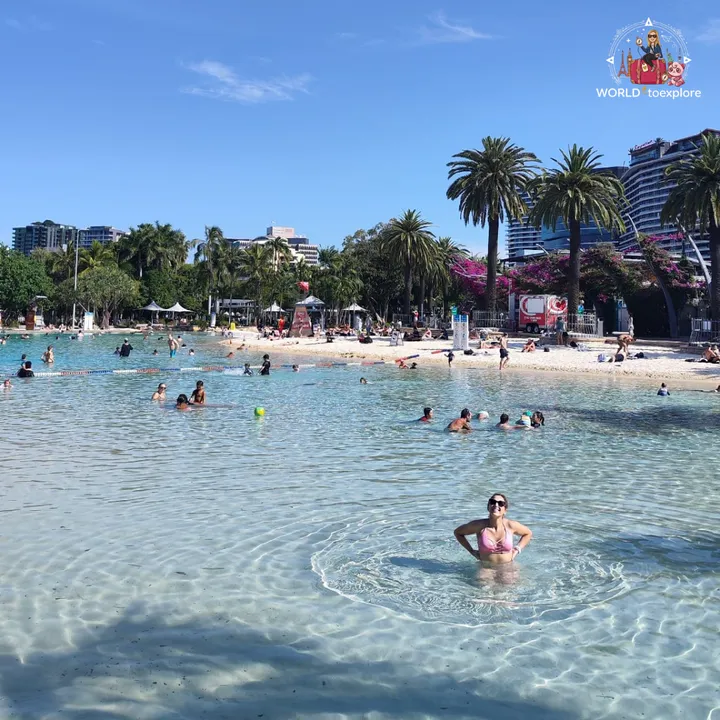
Streets Beach
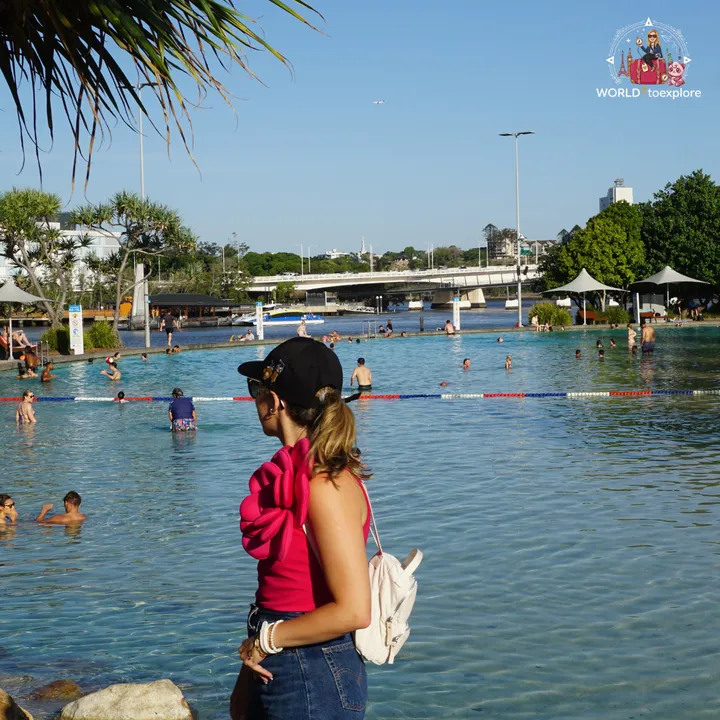
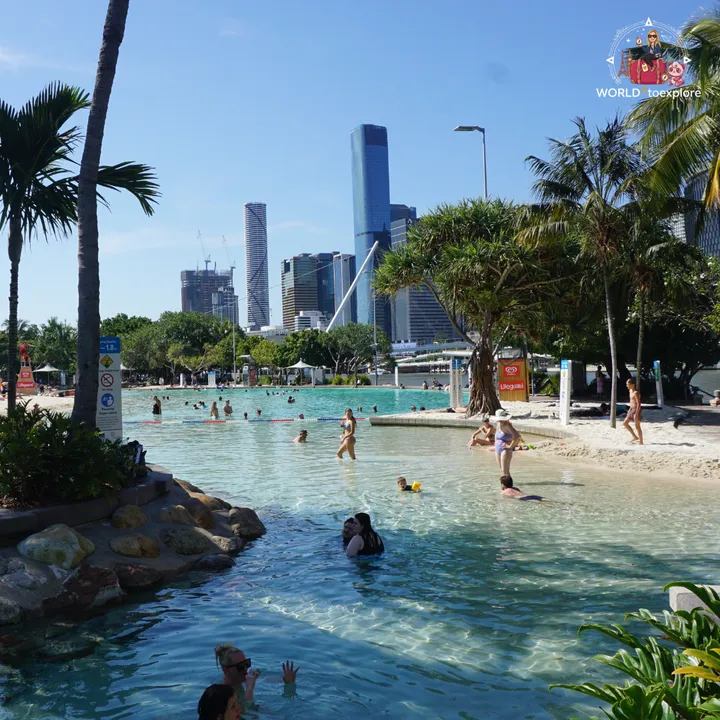
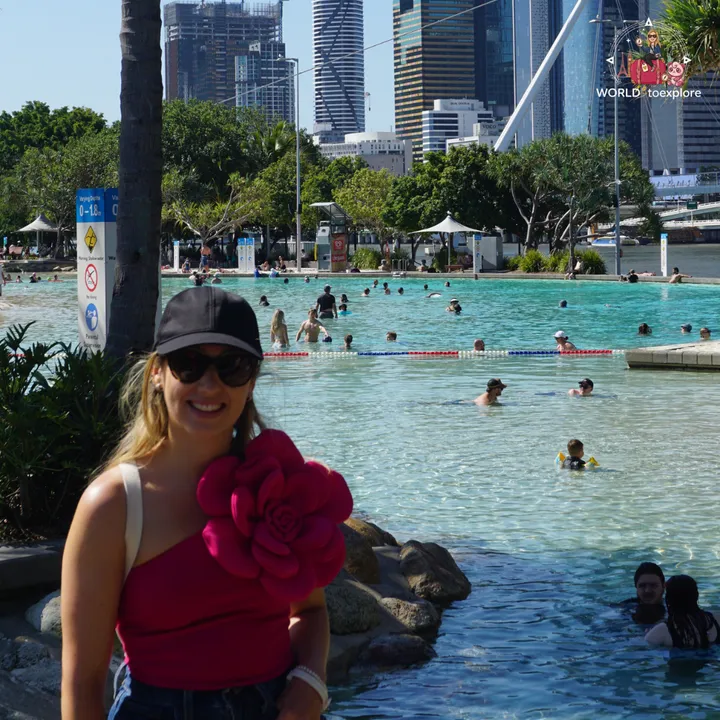
Streets Beach is the big star of the South Bank Parklands and the main reason many people visit the area. It's an artificial beach of golden sand, with several freshwater pools, surrounded by palm trees and with the Brisbane skyscrapers as a backdrop. While it isn't the only artificial beach of its kind in Australia - Cairns also has the famous Esplanade Lagoon - Streets Beach is considered one of Brisbane's symbols and one of the city's most popular attractions. On hot days, Streets Beach fills with locals and tourists who come to swim and relax.
When we were in Brisbane for the first time, in late October, the weather was very hot and humid, so we didn't think twice and went for a swim at Streets Beach. The water was at a lovely temperature and the facilities surprised us, with changing rooms, showers and toilets that were always very clean. Entry is free, there are lifeguards and shallower areas for children, making it a great spot for the whole family.
- Opening hours: every day, 5.00am to midnight (lifeguards on duty 9.00am to 5.00pm)
- Price: free
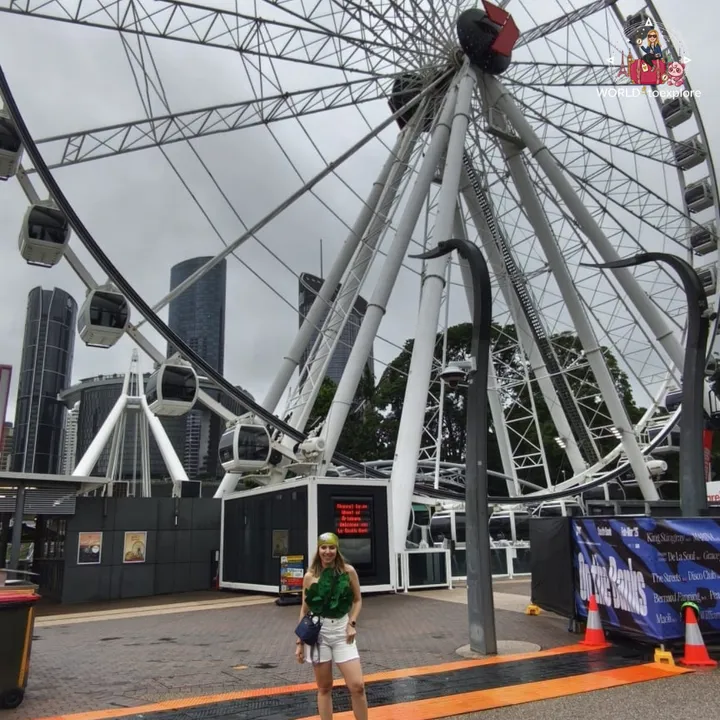
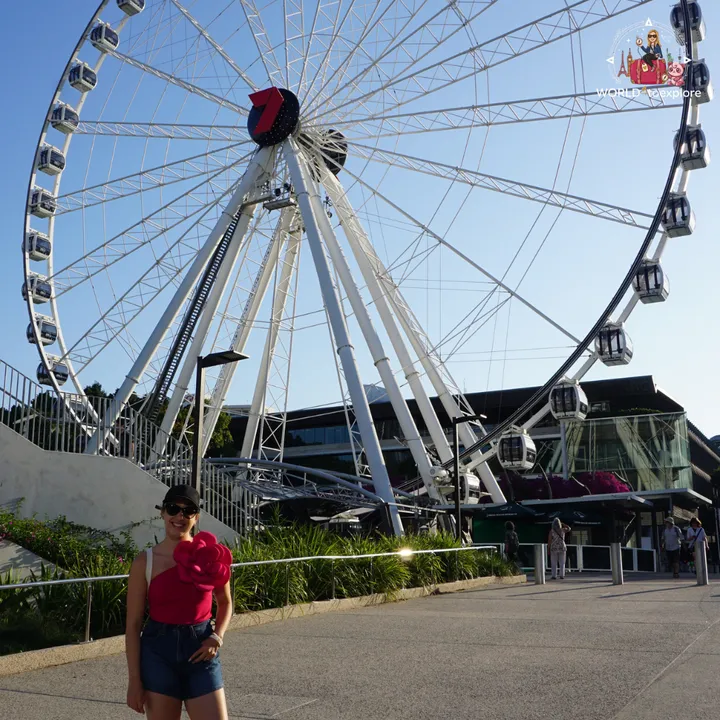
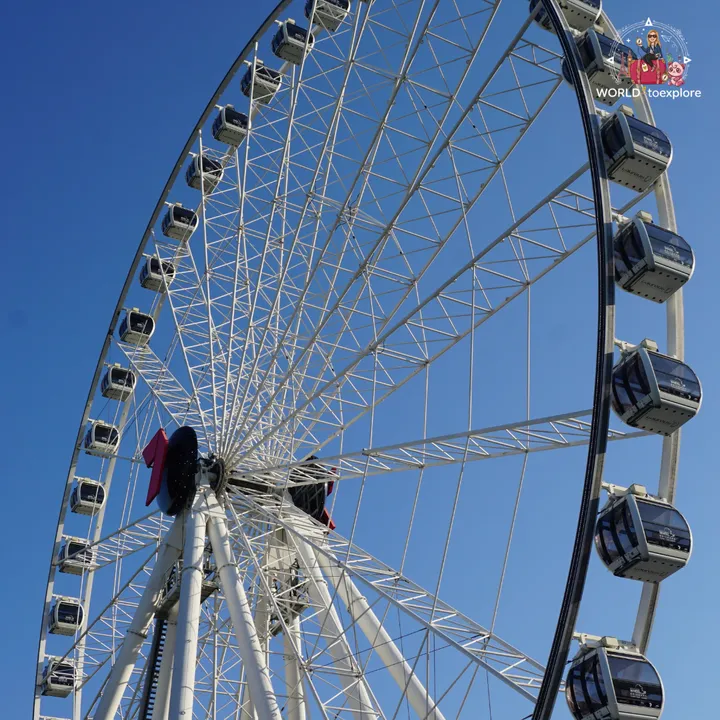
Wheel of Brisbane
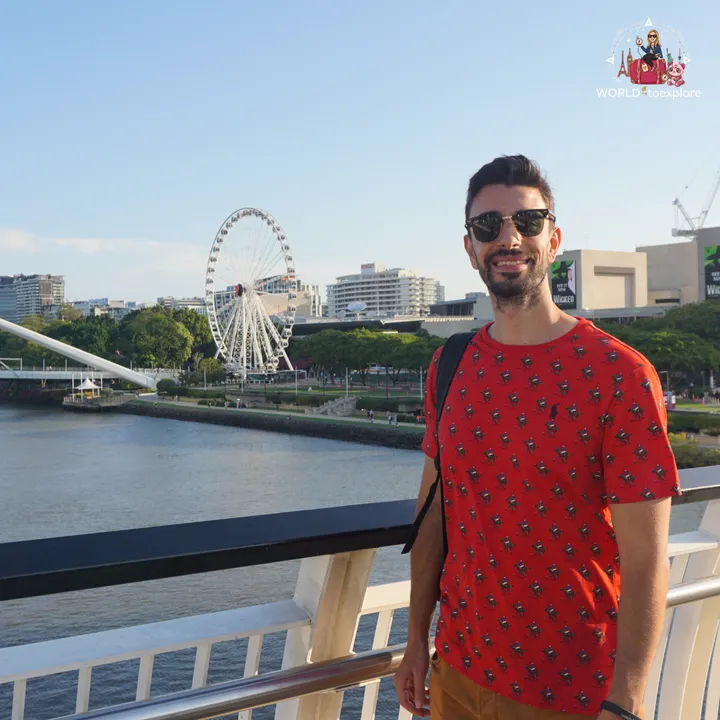
Opened in 2008 to mark the 20th anniversary of World Expo 88, the Wheel of Brisbane is an observation wheel about 60 metres tall. Each ride lasts around 12 minutes, in enclosed, air-conditioned cabins that hold several people. From the top, you can enjoy views over the Brisbane River, South Bank and the city-centre skyscrapers. At night, the wheel is lit up, becoming one of the most striking features of the riverside landscape.
On both of our visits to Brisbane we ended up not riding the wheel, stopping by only to take a few photos. It all depends on the time you have and the priorities of each trip. Maybe we'll save it for a future visit to the city.
- Opening hours: open every day, 10.00am to 10.00pm (or 11.00pm on Fridays and Saturdays)
- Price: from 19 AUD (children) and 23.75 AUD (adults), with family tickets available
The "BRISBANE" sign
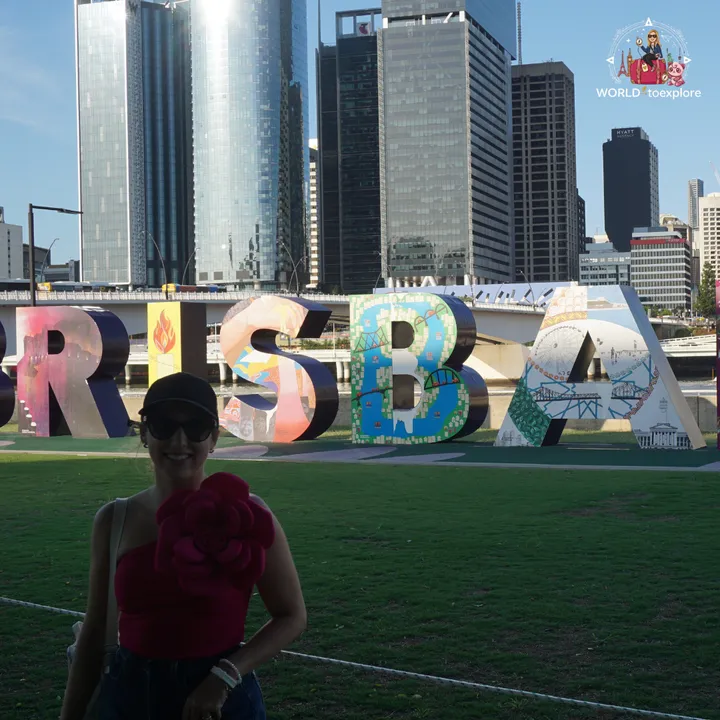
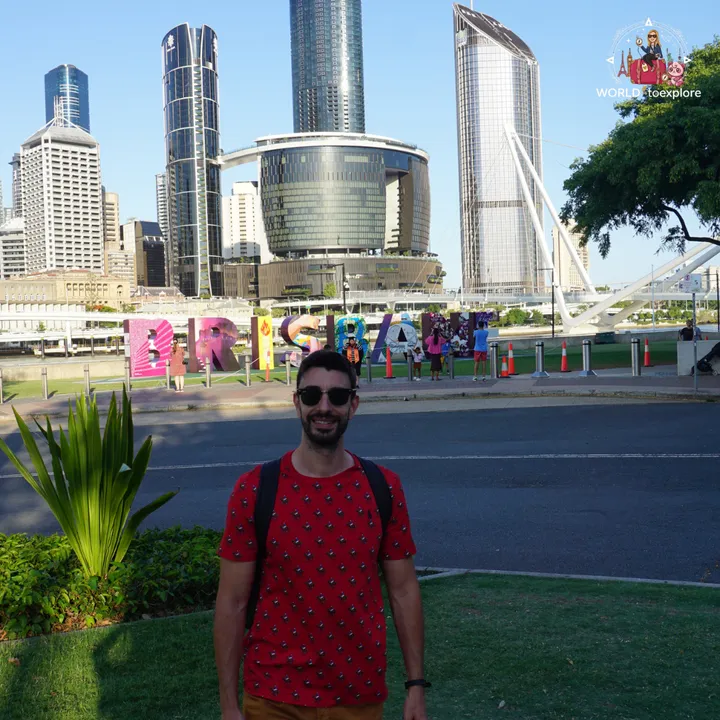
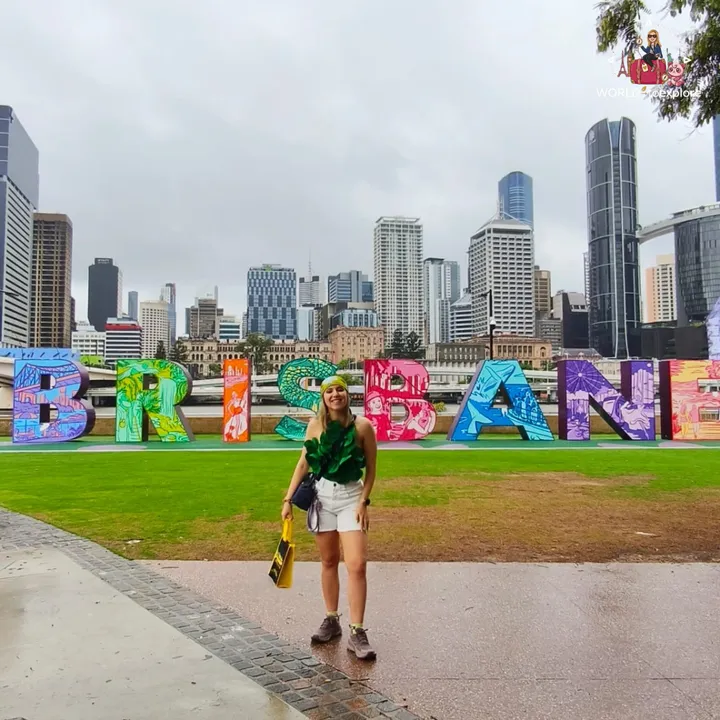
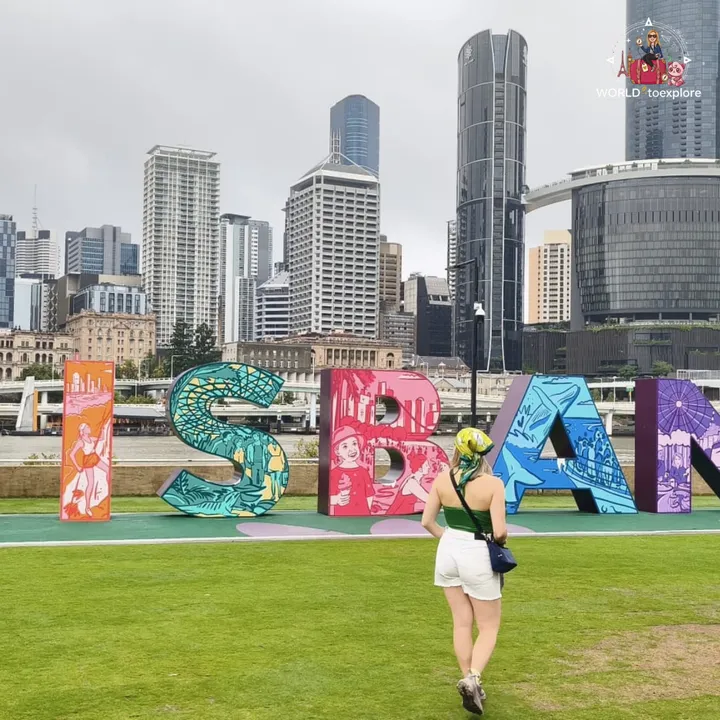
The iconic "BRISBANE" sign stands next to Victoria Bridge, at the northern entrance to the South Bank Parklands. Installed in 2014 to promote Brisbane as a tourist destination, the sign is made up of large, colourful letters about 2 metres tall, weighing more than 12 tonnes in total. Its location, by the river and with the skyscrapers as a backdrop, makes it one of the most popular photo spots in Brisbane.
It's not always easy to frame the whole sign, especially without catching other people in the shot. It takes some patience and, often, trying different angles until you get the photo you're after.
- Opening hours: accessible at any time
- Price: free
Nepal Peace Pagoda
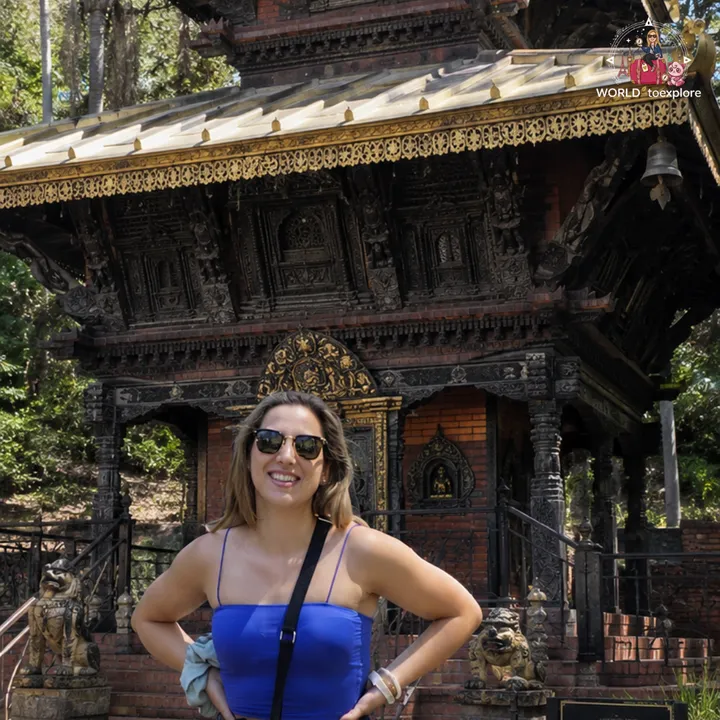
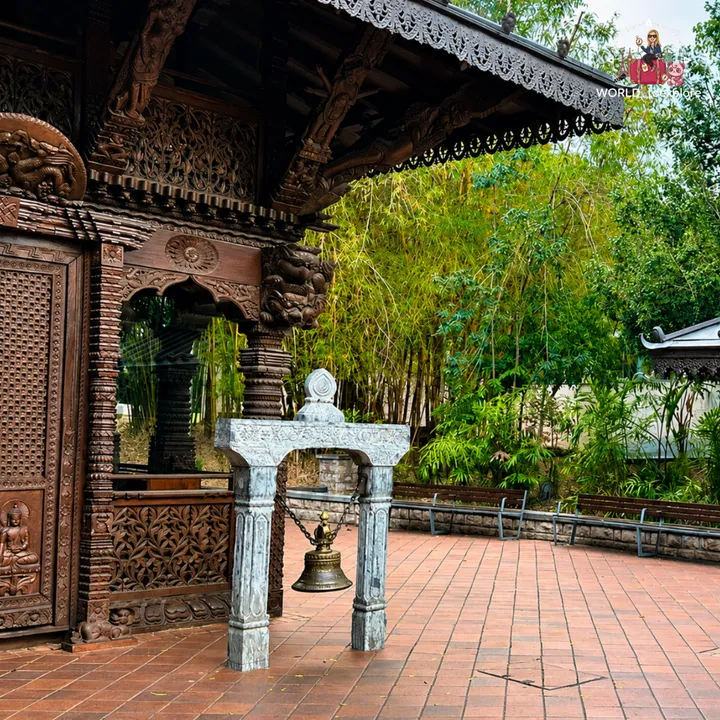
The Nepal Peace Pagoda is one of the few structures from World Expo 88 that still remain on site. Built in Nepal by local craftsmen and assembled in Brisbane for the exposition, it stands out for its hand-carved woodwork. At the end of the Expo, it was gifted to the city of Brisbane and remains one of the main keepsakes of this important event.
I'll admit that, on both our visits to South Bank, we passed by the Nepal Peace Pagoda without lingering. Now, having learned more about its history, I realise it deserved more attention.
- Opening hours: accessible at any time
- Price: free
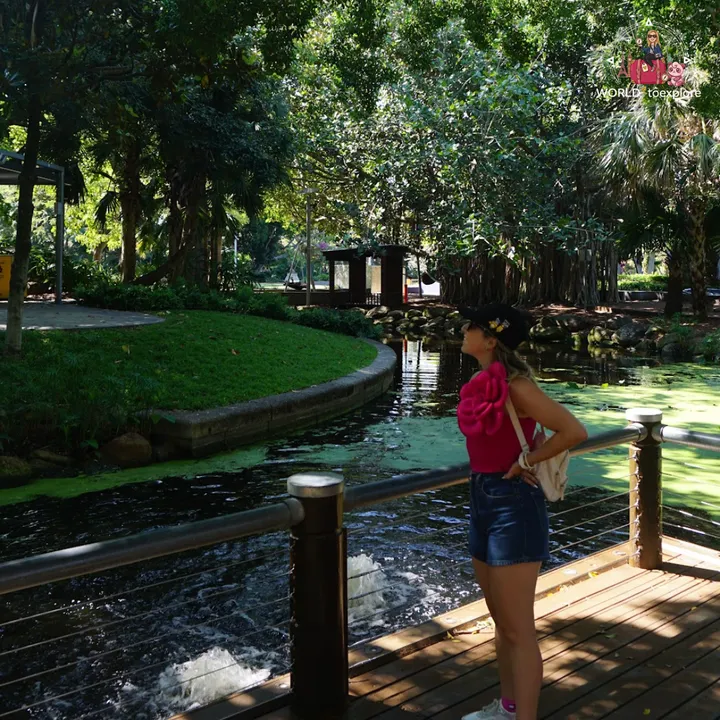
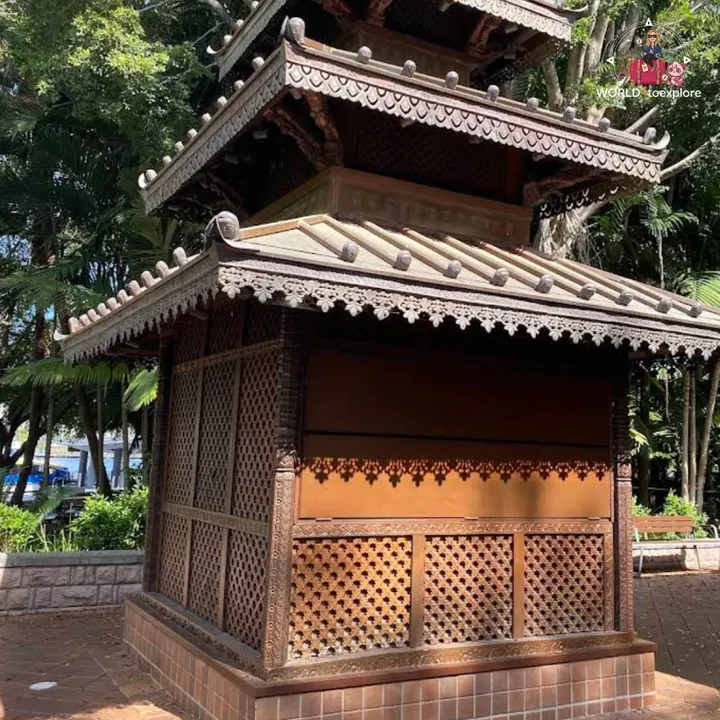
After visiting the main points of interest, set aside some time just to wander around South Bank. It's that relaxed, riverside atmosphere that makes this place so special. It's worth browsing the little souvenir shops, taking a break at an outdoor café or grabbing an ice cream.
The South Bank Parklands is a great example of turning a former industrial zone into one of the city's most enjoyable public spaces. Whether to relax at Streets Beach, take in the river views, see some of the main points of interest or simply soak up the atmosphere, this is clearly one of the places to include on a visit to Brisbane, even if only for a few hours.
Any Brisbane itinerary is more complete with a stop at the City Botanic Gardens, the city's oldest garden, just minutes from South Bank. 🩷
You Might Also Like
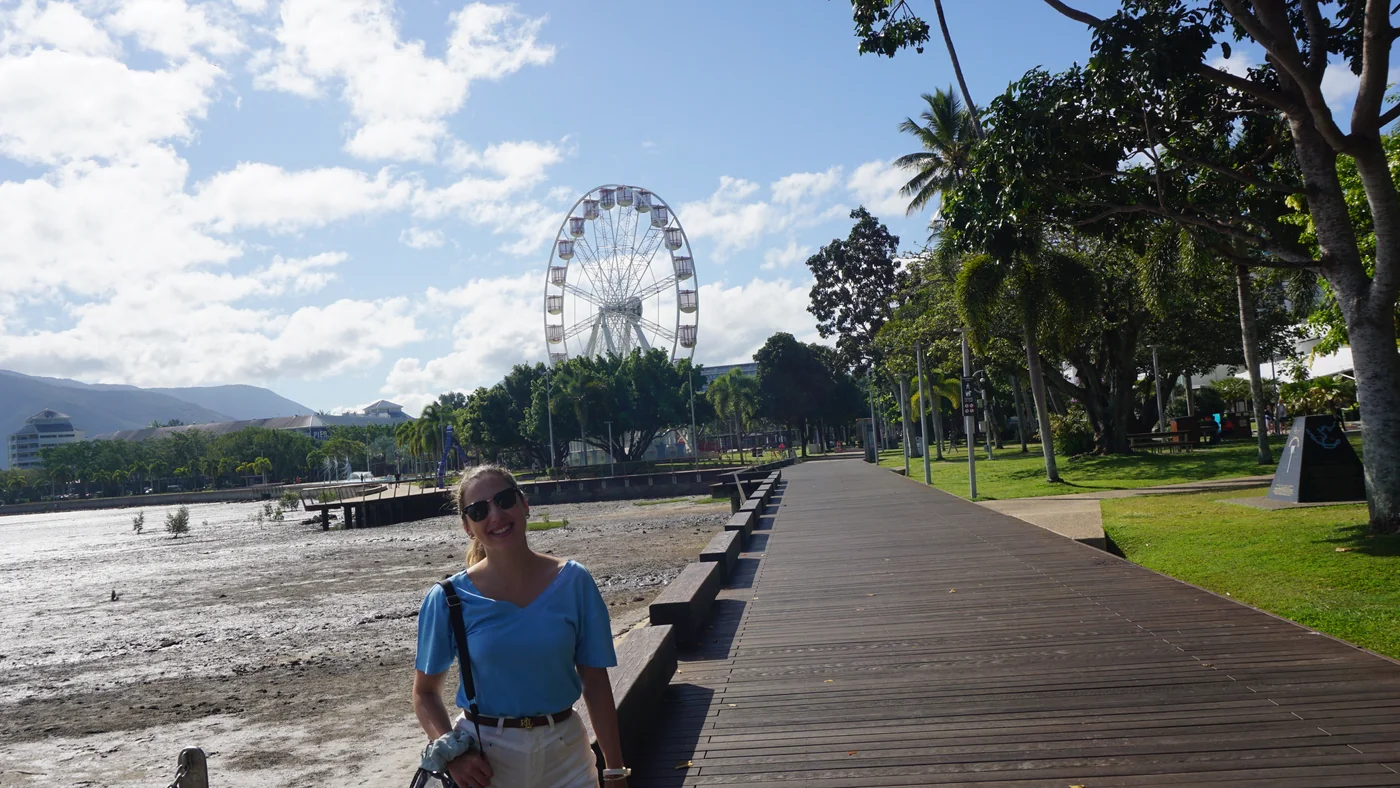
Cairns: The Gateway to the Great Barrier Reef and the Daintree
Cairns is the perfect base for exploring tropical north Queensland - from the Great Barrier Reef to the Daintree. What to see and do in the city.
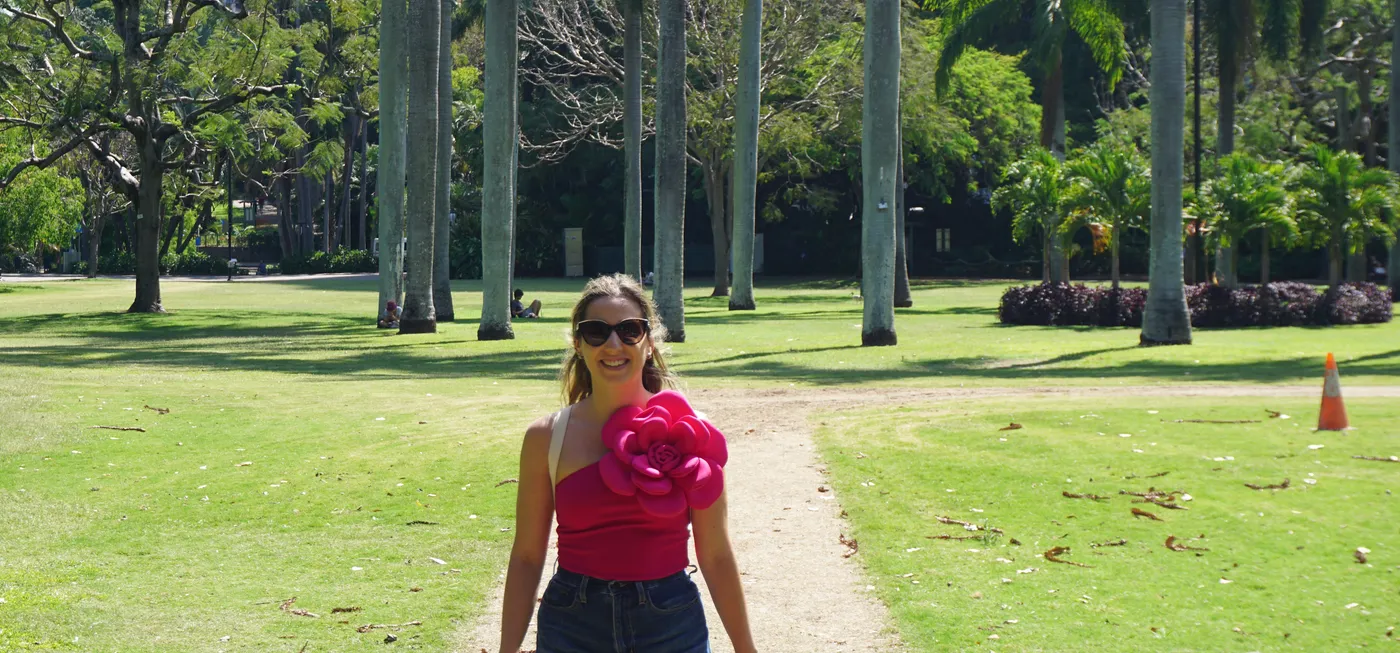
Brisbane's oldest garden
The City Botanic Gardens are Brisbane's oldest garden: colonial history, century-old Moreton Bay figs, water dragons and riverside walks, just steps from the centre.
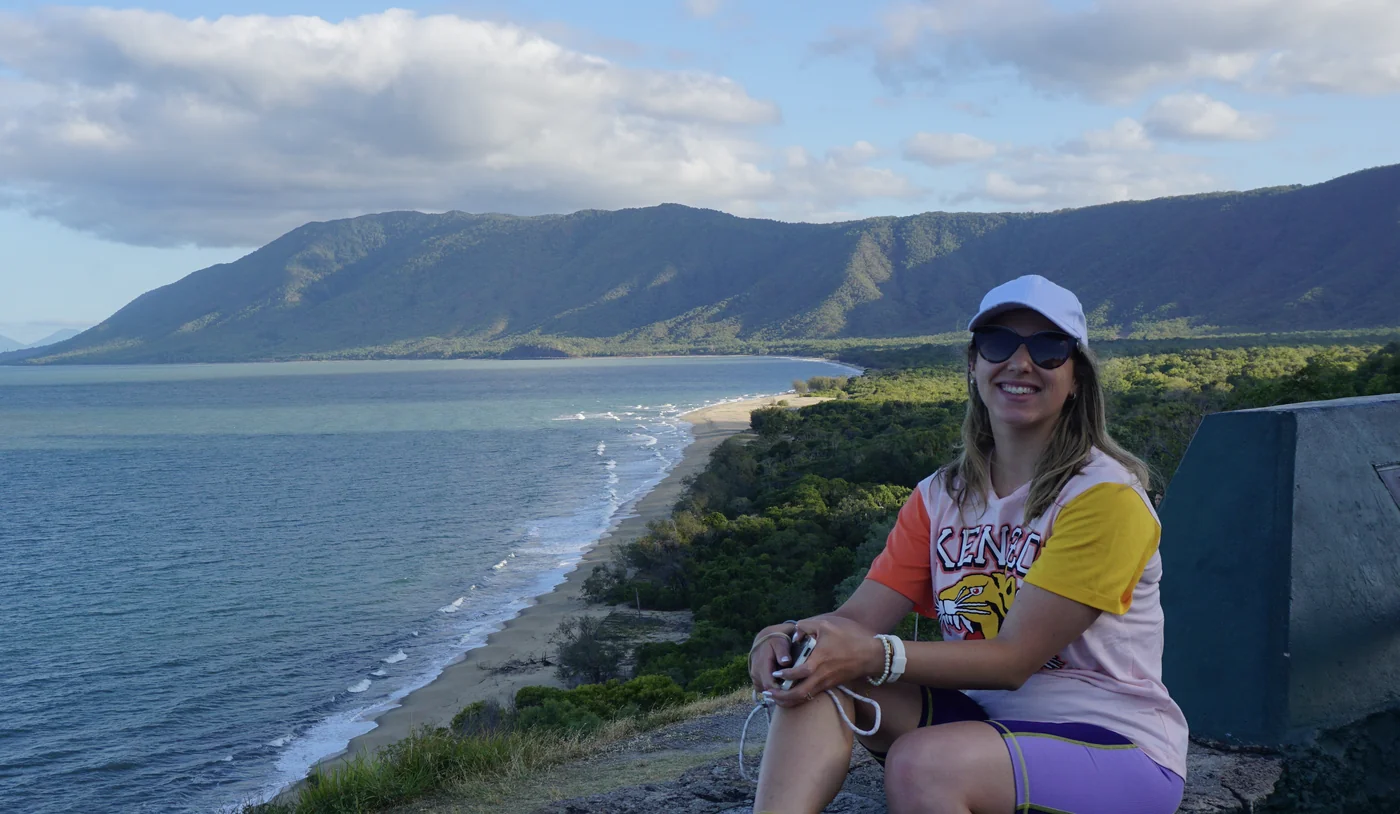
Daintree Rainforest: The Oldest Tropical Rainforest in the World
The oldest rainforest in the world isn't in Brazil, but in the far north of Australia - what it was like to visit the Daintree Rainforest.