
From airport to public park in the heart of Berlin
This article was not sponsored and all opinions are genuine. It contains affiliate links, which means I may receive a small commission if you book through them, at no extra cost to you.
For much of the 20th century, Tempelhof Airport played a defining role in Berlin's history. It was expanded under the Nazi regime, lived through the Second World War and was also tied to the Berlin Airlift, at a time when the city was divided and a way had to be found to supply the western half. Over the years, the airport lost importance until it finally closed for good.
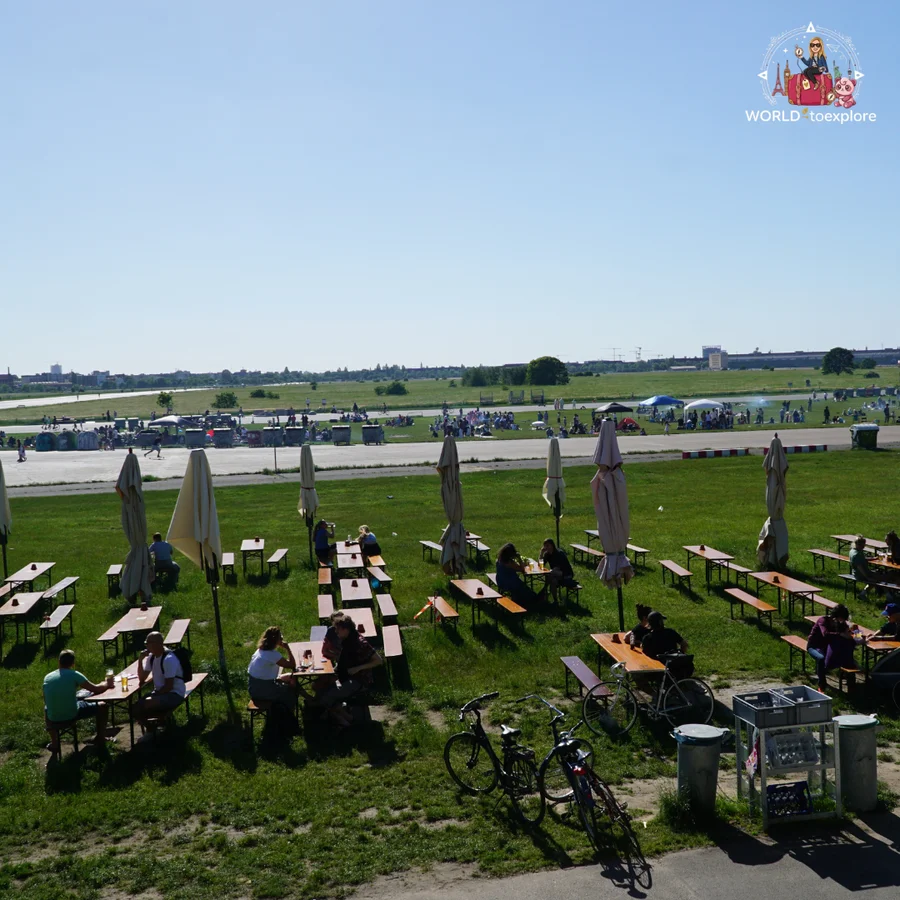
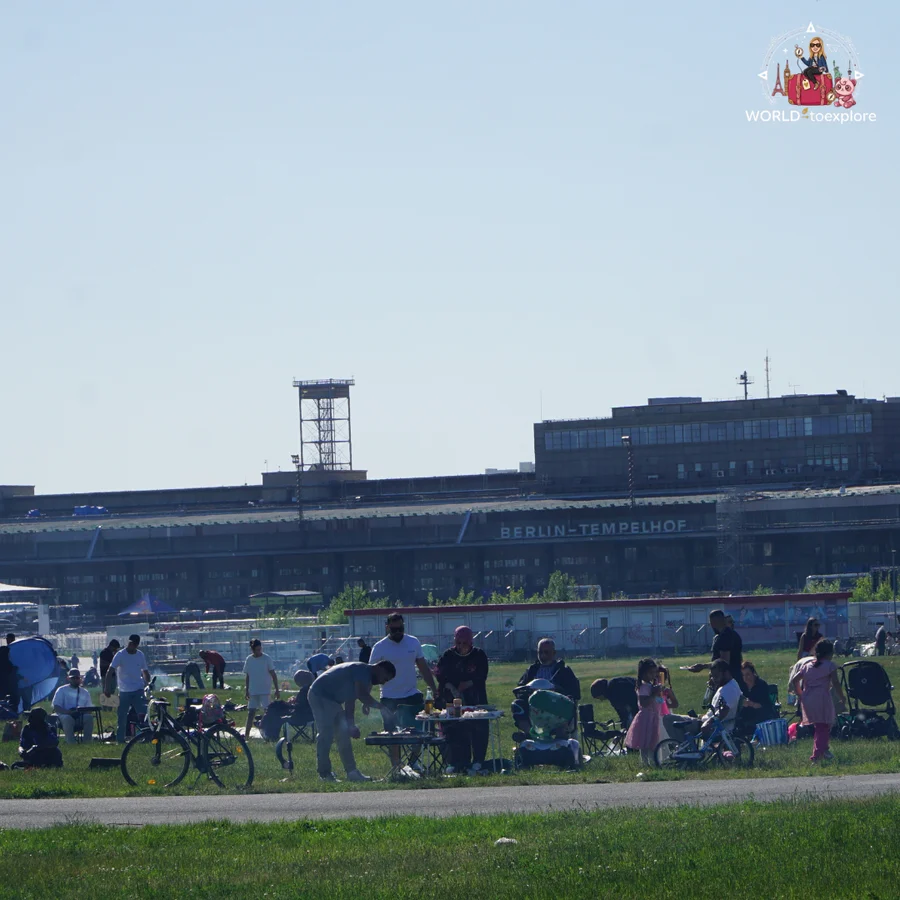
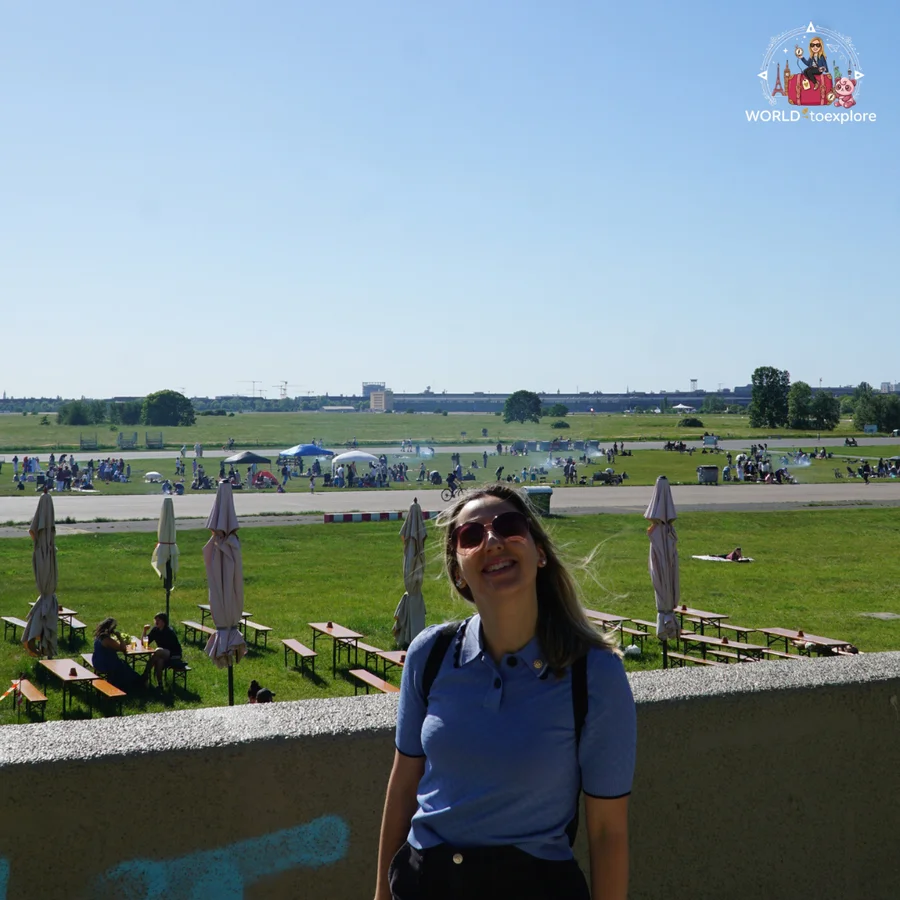
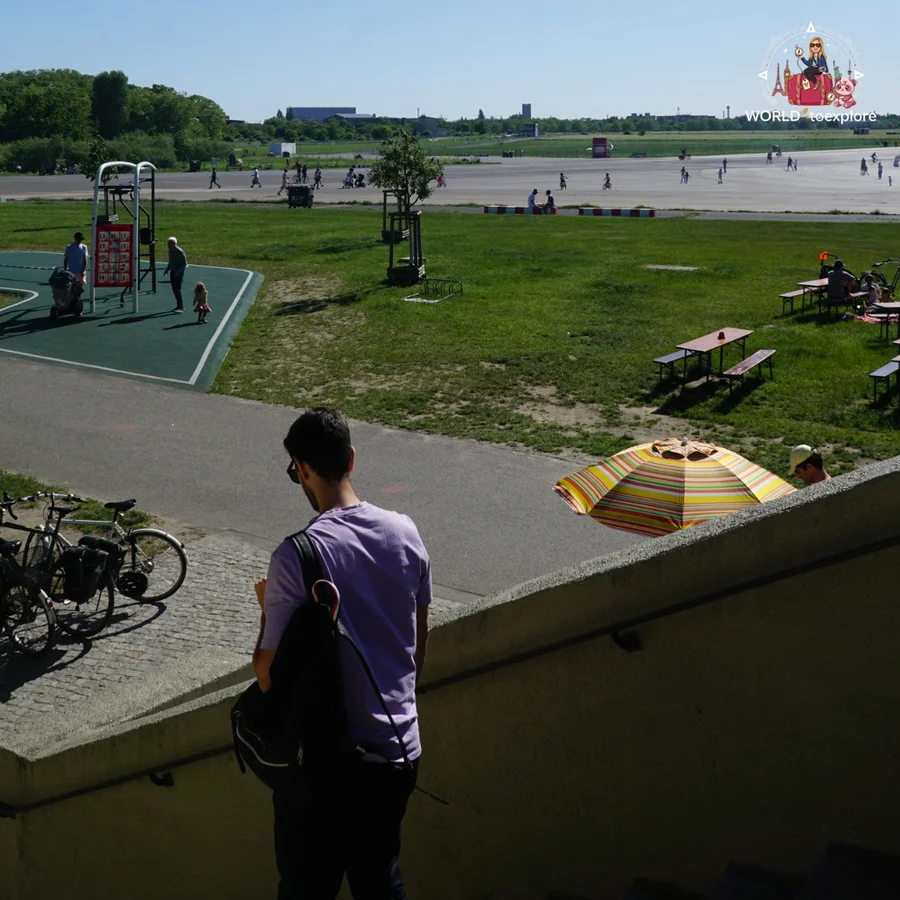
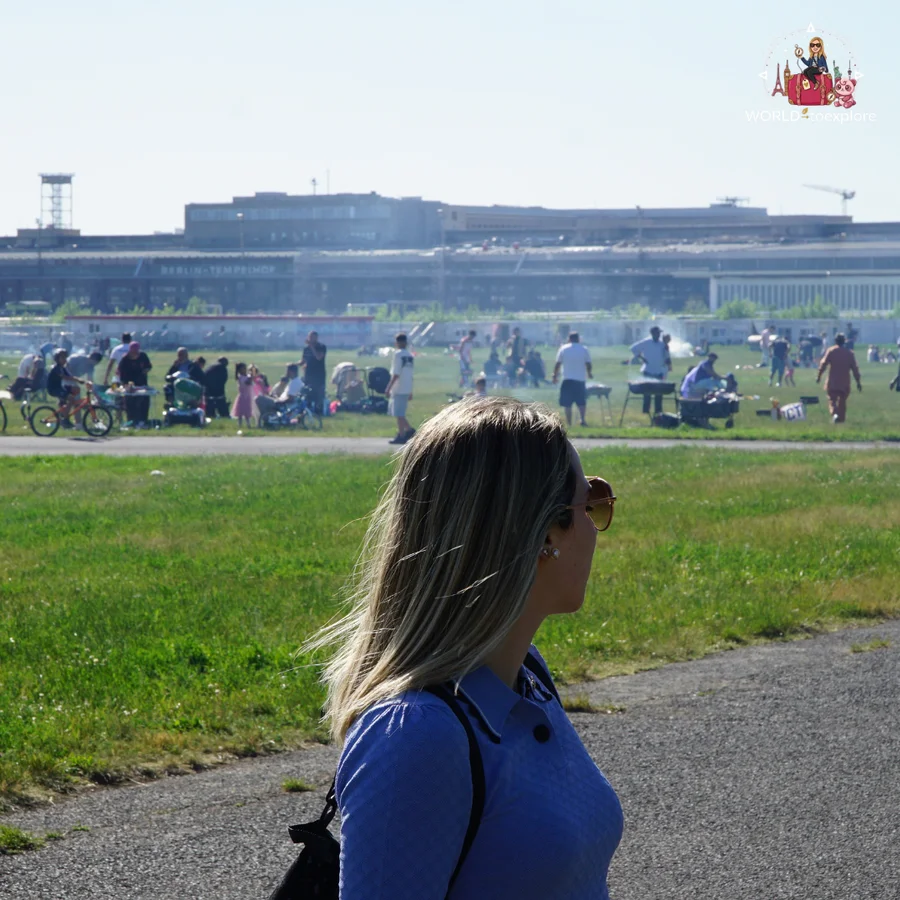
After closing its doors, the former airport was given a new lease of life. Today the site is known as Tempelhofer Feld and works as a huge public park, where the old runways remain practically intact. Instead of planes, you see people running and cycling, families having barbecues and groups of friends spread out on the grass. I confess I was quite surprised by how many people were there on a Wednesday afternoon and, above all, by how Berlin managed to make use of such a large area without completely erasing the history of the place.
The history of Tempelhof Airport
The place where people now stroll, run and cycle has had several lives over the years. It was a civil airport, a symbol of the Nazi regime, a military base, a key part of the Airlift and, finally, a space that kept reinventing itself until it became what it is today.
The early years of the airport
Tempelhof's story as an airport began in 1923, when one of Berlin's first major airports opened on that site. At the time, commercial aviation was still in its early stages, but growth was very fast and, just a few years later, the facilities were already becoming too small for the traffic they handled. The airport gained more and more connections and importance and, by 1930, Tempelhof was already one of the largest airports in Europe by passenger numbers, with flights to several cities inside and outside Germany.
Tempelhof under the Nazi regime
The big change came in the 1930s. In 1933, the Nazis came to power in Germany and their influence quickly began to be felt at Tempelhof too, which came to be used for large events and propaganda rallies. Shortly afterwards, in 1935, the German architect Ernst Sagebiel was put in charge of designing a new airport, much larger and more imposing, and work began the following year. The idea was to create a space on the scale of the Berlin the regime wanted to show the world, with an enormous terminal and capacity for ever more passengers. Construction went on for a few years, but it was never completed as originally planned. When the Second World War began, everything changed and the airport came to be used for other purposes.
The Second World War
During the Second World War, Tempelhof stopped working only as an airport and also began to be used for military purposes. Part of the facilities was adapted to build and assemble aircraft, including models intended for the Luftwaffe, and the complex came to play a significant role in German war industry. To keep this production going, thousands of forced labourers were used, many of them foreigners brought to Berlin during the conflict. At the same time, the airport remained strategically important because of the size of its runways and its location within the city. In the final months of the war, with the bombing of Berlin and the advance of Soviet troops, several areas were damaged and activity was gradually brought to a halt. Even so, much of the main structure survived, which would prove decisive for the role Tempelhof would take on in the years that followed.
The Berlin Airlift
After the war, Tempelhof quickly regained a central role in the city. In 1948, the Soviet Union blocked land access to West Berlin and the Allies began supplying the population by air. That is how the famous Berlin Airlift was born. Tempelhof became one of the main airports of this operation, receiving constant flights carrying food, coal, machinery and other essential goods. Between June 1948 and September 1949, almost 278,000 flights were made, carrying more than 2.3 million tonnes of cargo for about 2.1 million people in West Berlin.
The scale of the operation was enormous! At certain times, a plane landed in Berlin every two or three minutes, which also meant the runways and the airport's support systems had to be improved quickly. It was during this period that one of the best-known stories of the Airlift emerged. The American pilot Gail Halvorsen began dropping small parachutes with sweets for the children waiting near Tempelhof. Other pilots followed his idea and these planes became known as “Candy Bombers”. Over the course of the operation, around 22 tonnes of sweets were dropped for the children of Berlin.
A divided Berlin
The Berlin blockade ended in May 1949, but the Airlift flights continued for a few more months, until September of that year. Soon afterwards, Tempelhof began to recover its role as a civil airport and, in 1951, commercial flights were officially resumed. In the following years, it once again handled more and more passengers and became one of the main gateways into West Berlin. Its proximity to the centre of Berlin was one of Tempelhof's great advantages and made the airport especially convenient for people arriving in the city. At the same time, it kept operating in a very particular context, as Berlin remained divided between East and West. That separation became even more evident in 1961, with the construction of the Berlin Wall, which would mark the city for almost three decades.
Decline and closure of the airport
Years later, most commercial traffic was moved to Tegel Airport, which was better equipped to handle larger aircraft and more passengers. In 1975, Tempelhof stopped receiving regular civilian flights and went on to be used far less, mainly for private and military flights. Tegel became one of Berlin's main airports and kept that role for several decades, until it closed in 2020. Today, the city's main airport is Berlin Brandenburg Airport.
This halt in civilian flights was not, however, permanent. In 1985, Tempelhof began receiving commercial traffic again, this time mostly business flights and smaller aircraft. After German reunification in 1990, traffic picked up again, although the airport never regained the importance it had had decades earlier. In 1996, the decision was made to concentrate Berlin's air traffic in a single large airport in future, which also ended up sealing Tempelhof's fate. The airport stayed in operation for a few more years, until it closed for good on 30 October 2008.
Over these years, Tempelhof also came to be recognised for its historical value. In 1993, the American forces officially left the airport and, two years later, much of the complex was listed as a historic monument. This protection helped preserve many of the original buildings and features even after the closure.
From airport to public park
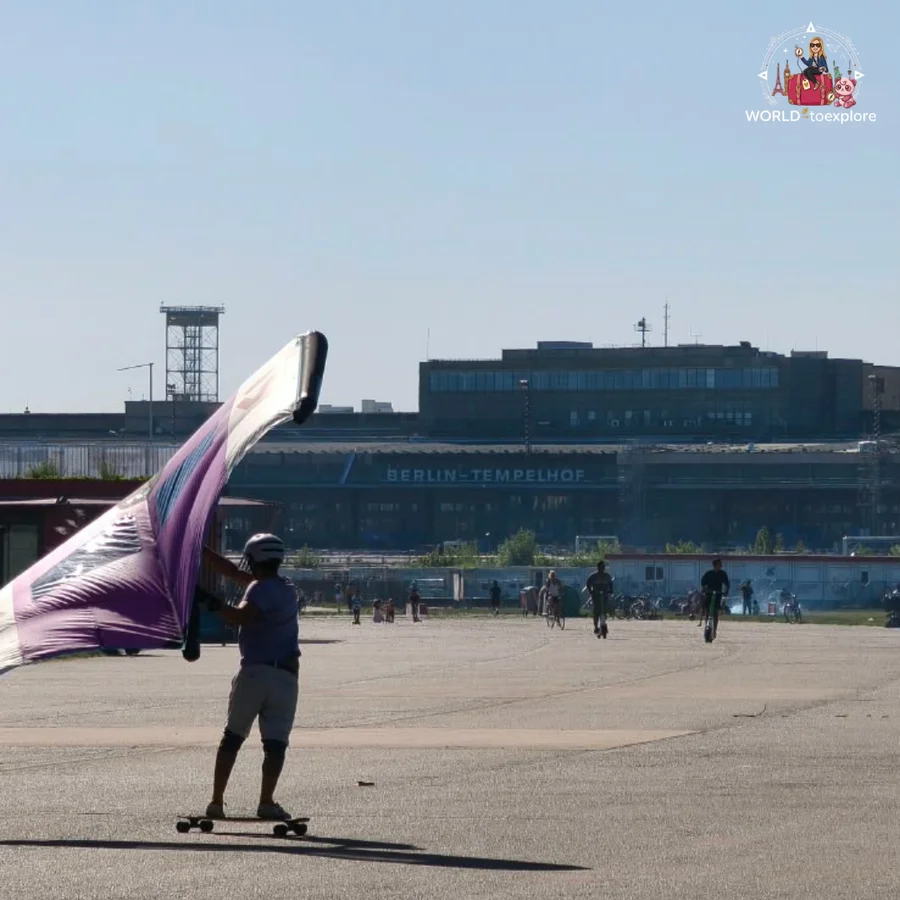
After the airport closed in 2008, what to do with the whole area was left undecided. Instead of rushing into new construction, the site ended up opening to the public in 2010 and Tempelhofer Feld was born. The old runways were kept, as were most of the paths used by the planes, and that went on to define much of what the park is today. In total, it covers around 300 hectares of open space, which gives an idea of the scale of the place and of the many different uses that have grown up there. There are large areas of grass, runways more than a kilometre long and several spaces that have gradually been adapted for different activities.
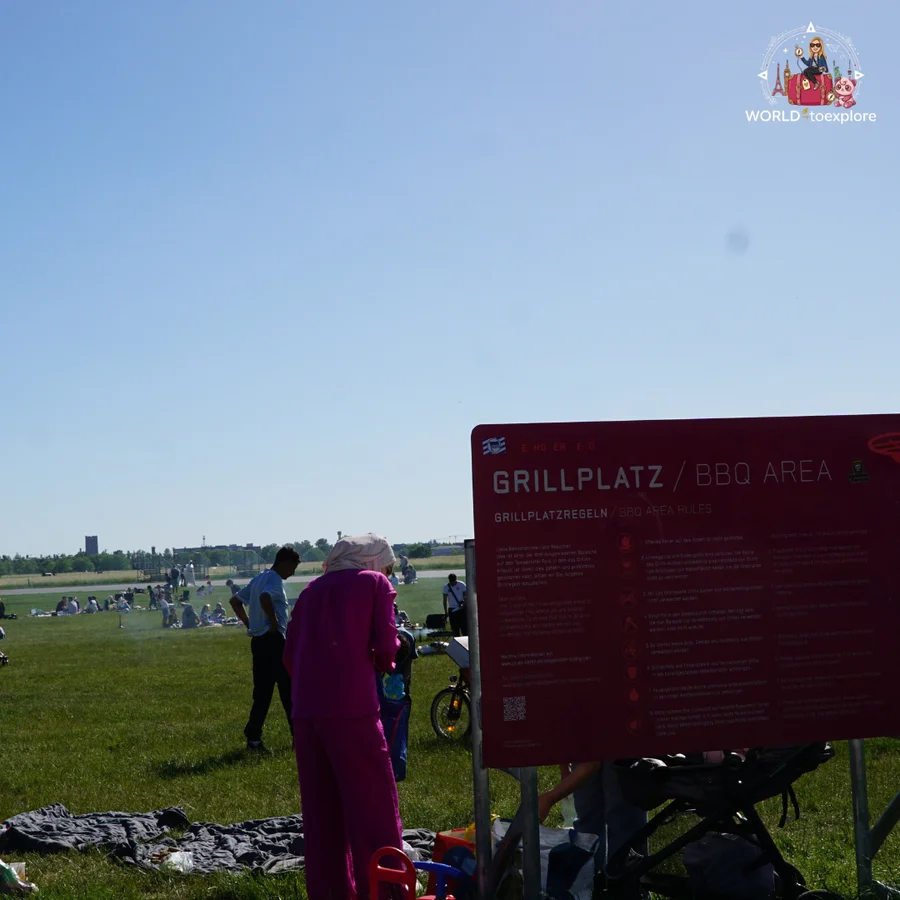
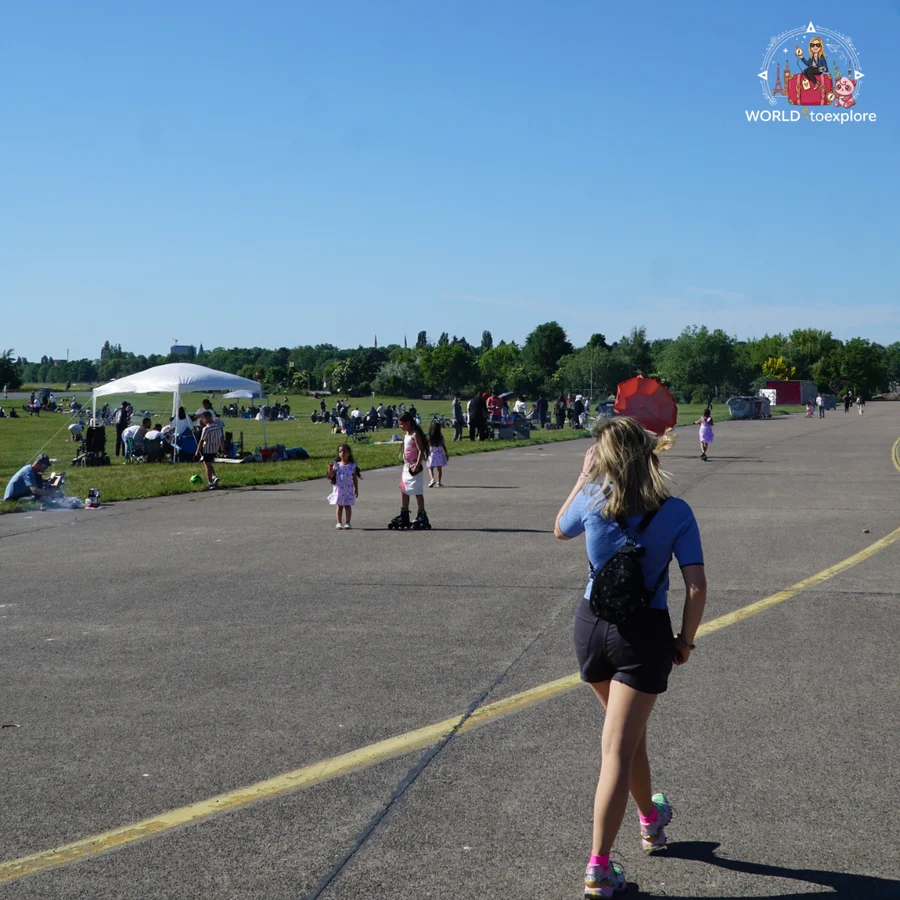
One of the most curious things is precisely that they did not try to hide what used to be there. The two runways remain practically intact and are now used by people running, cycling, skateboarding, rollerblading or windskating. All around there are large grassy areas, spaces for picnics and barbecues and even small community gardens. Instead of feeling like a park built from scratch, Tempelhofer Feld keeps much of the structure of the former airport, but with a completely different use that is much more tied to the everyday life of the people who live in the city.
The future of the site even sparked quite a lot of debate in Berlin. The government had plans to build on one of the areas of the former airport but, in 2014, the city's residents voted in a referendum to preserve Tempelhofer Feld. The majority chose to keep the area open to the public, which ended up stopping most of the planned construction. That decision also helps explain why the park remains so well preserved today and keeps many of the elements that recall the different phases of its history.
We visited Tempelhofer Feld on a Wednesday afternoon and I can tell you I was genuinely surprised by how many people there were. I was completely caught off guard! There were loads of families sitting on the grass, groups of friends having barbecues and plenty of people running, cycling or simply enjoying the park. It is not just a former airport turned into a public park, but a space that is genuinely used in the everyday life of Berliners.
- Opening hours: usually opens between 6.00am and 7.30am and closes between 5.00pm and 11.00pm, depending on the time of year. As opening times vary with the season and daylight, it is always worth checking the official website before your visit
- Price: free entry
- Time needed: about 1 to 2 hours
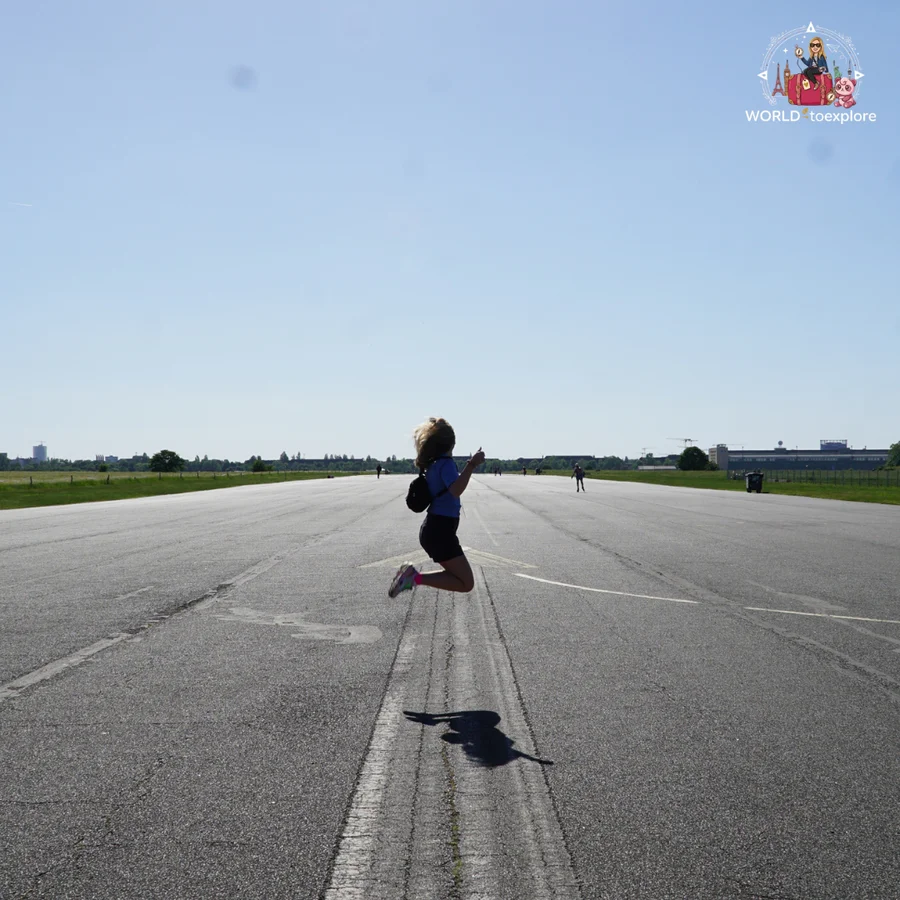
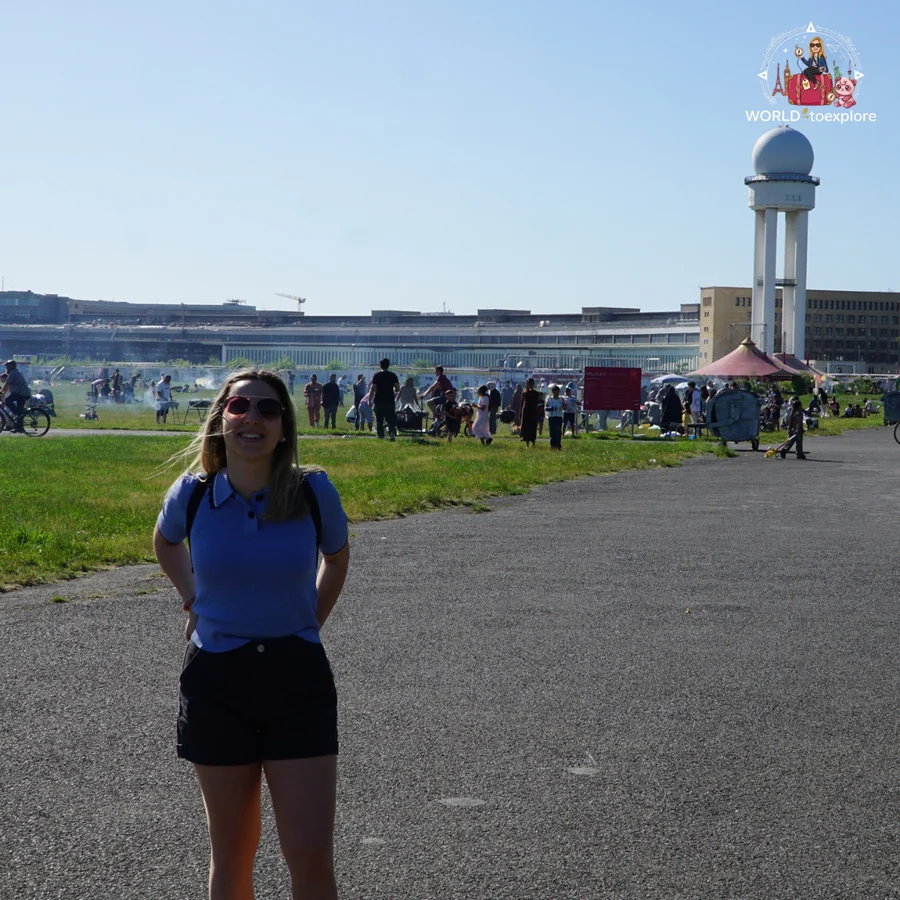

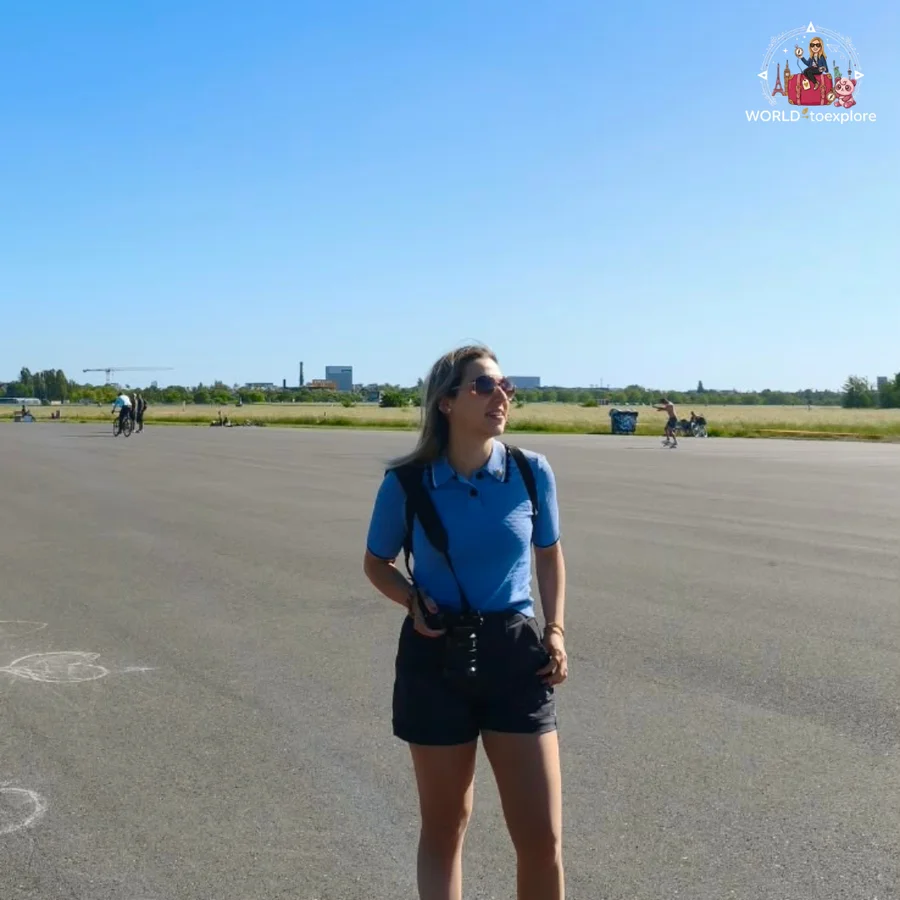
Tempelhofer Feld is a little way out of the centre and, if you are short on time in Berlin, I would not put it at the top of the list. In my case, this was already my second time in the city and I stayed for almost a week because of UXDX EMEA 2026. That meant I could use the evenings, after the conference ended, to get to know a few places I would probably have left out on a first trip.
I ended up enjoying Tempelhof a lot and I recommend the visit, as I said, if you have some extra time. The runways are still there, many of the elements of the former airport have been preserved and, at the same time, you can see that the space is now part of the city's daily routine. For me, it was a very interesting visit and a good way to discover a less obvious side of Berlin. 🩷
However much we might wish otherwise, much of Berlin's history ends up tied to the Second World War and to the city's division by the Berlin Wall. If you want to learn more about these and other episodes in the city's history and plan your itinerary, you can read all our articles about Berlin here. If you are exploring the city centre, take a look at our visit to the Berliner Dom too.
Planning your next trip? Book your accommodation through Booking.com and get your travel insurance with Heymondo, where you get 5% off through my link. By using these links, you are also supporting World to Explore, at no extra cost to you.
You Might Also Like

Berliner Dom, One of Berlin's Most Beautiful Churches
A green dome, a crypt and a privileged view over Berlin. The Berliner Dom's wartime history and what our visit was like.

Charlottenburg Palace: A Visit to Berlin's Largest Palace
Between the New Wing, the Golden Gallery and 55 hectares of gardens, Berlin's grander side, with opening hours, prices and our experience.
Oberbaumbrücke, a bridge between two sides of Berlin
Brick towers, the metro on the upper level and a past as the border between East and West Berlin, near the East Side Gallery.