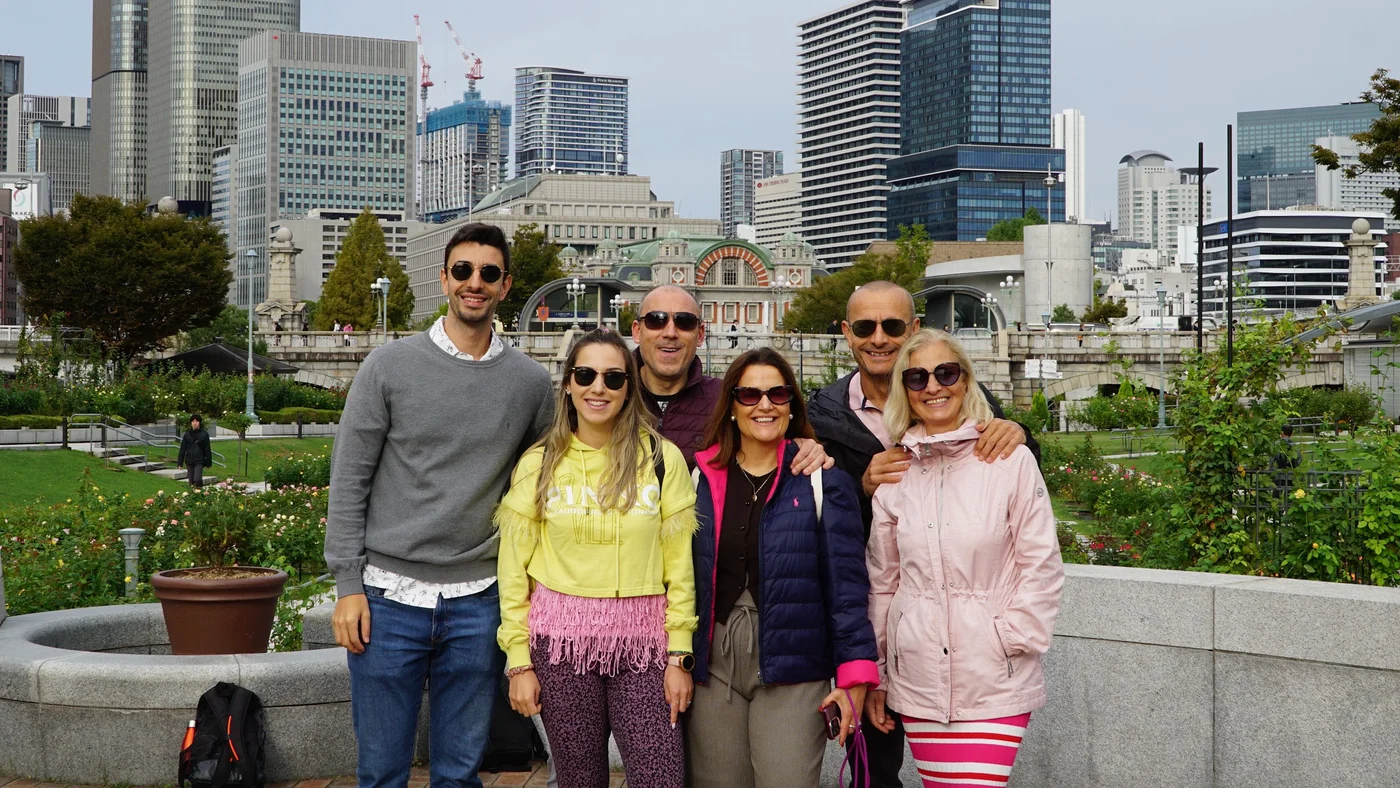
Nakanoshima Island in Osaka
Osaka is an intense city, the kind where everything seems to be happening at once. And yet, right in the centre, there's a place where you can escape that energy for a while. Nakanoshima is still fairly unknown among tourists, but it turned out to be a really pleasant surprise during our time in Osaka. The island sits between the Dojima and Tosabori rivers and has a completely different atmosphere from the city's better-known areas.
Although it's a pleasant spot for a walk today, Nakanoshima played an important role in Osaka's development for a long time. Its location helped make it a key area for the city's economic activity and, later, for its administrative and cultural life too. In this article, we'll get to know a little more about the history of Nakanoshima Island and some of the main places worth a stop on a visit to this part of the city.
The History of Nakanoshima Island
To understand Nakanoshima's importance, we need to go back several centuries and picture Osaka at a time when the city grew up largely around its rivers. For a long time, Osaka was even known as the “city of water”, thanks to the sheer number of rivers and canals running through it, which played a key role in everyday life. This natural strip of land sat between two of the city's main rivers, and during the Edo period, that position became a huge advantage. At a time when overland transport was far more limited, the rivers made it much easier to move both people and goods, and Osaka made the most of that location. That's precisely why Nakanoshima started to gain more and more importance within the city.
From the 17th century onwards, several Japanese feudal domains began setting up what were known as kurayashiki in Nakanoshima, large warehouses where goods arriving in Osaka from different regions of Japan were received and stored before being sold in the city. Rice carried enormous weight in this system, not only as one of the main goods traded at the time, but also because it was deeply tied to the Edo period economy itself. Over the years, these warehouses multiplied, and Nakanoshima became an essential hub for all this trading activity. It was also thanks to this constant flow of goods that Osaka established itself as one of the country's great trading centres and became known as the “nation's kitchen”.
Rice was so important that a market selling it sprang up right next to Nakanoshima. The Dojima Rice Market was officially recognised by the shogunate in 1730 and quickly gained importance across Japan. The prices set there became a benchmark for other regions, and over time, traders also began making deals to buy or sell rice at a future date, for a price agreed in advance, what we'd now call futures contracts. It was precisely this system that made Dojima one of the first organised markets of its kind in the world. It's funny to imagine how an area that feels so calm today was once the stage for so much activity, sitting for a long time at the centre of one of the country's most important economic activities.
Everything began to change with the start of the Meiji era in 1868. Japan entered a period of major transformation, and the old feudal domain system came to an end, leaving many of the kurayashiki without a purpose. Nakanoshima then began to take on a new role within the city. Part of the old land was gradually repurposed, and little by little, the island moved away from trade towards a more administrative and cultural role. This shift happened just as Osaka itself was modernising and growing in new ways, so Nakanoshima kept pace with that change and started receiving new buildings and spaces tied to the city. One example is today's Nakanoshima Library, opened in 1904, which is still part of the island's landscape. Over the years, Nakanoshima changed a great deal, but it never lost its importance within Osaka, it simply took on a different role in the city's life.
Throughout the 20th century, Nakanoshima continued to grow in importance within Osaka, establishing itself more and more as one of the city's institutional hubs. New buildings went up over this period, many of them linked to public and cultural institutions, completely transforming the island's image. Nakanoshima looked very different from the warehouse district it had been during the Edo period, but it never stopped keeping pace with Osaka's growth or adapting to the new roles the city gave it. It's precisely that evolution that you can still sense today when walking around the island, where different eras of Osaka's history end up crossing paths in the same space.
Main points of interest
Without a doubt, the best way to explore Nakanoshima is on foot. The island is about 3 km long and, even though some areas do have car traffic, most of the route past the main points of interest is easy to cover on foot. Along the way there are several places worth a quick stop, so I'll introduce you to some of the ones that stand out most.
The Phoenix Hall | ザ・フェニックスホール
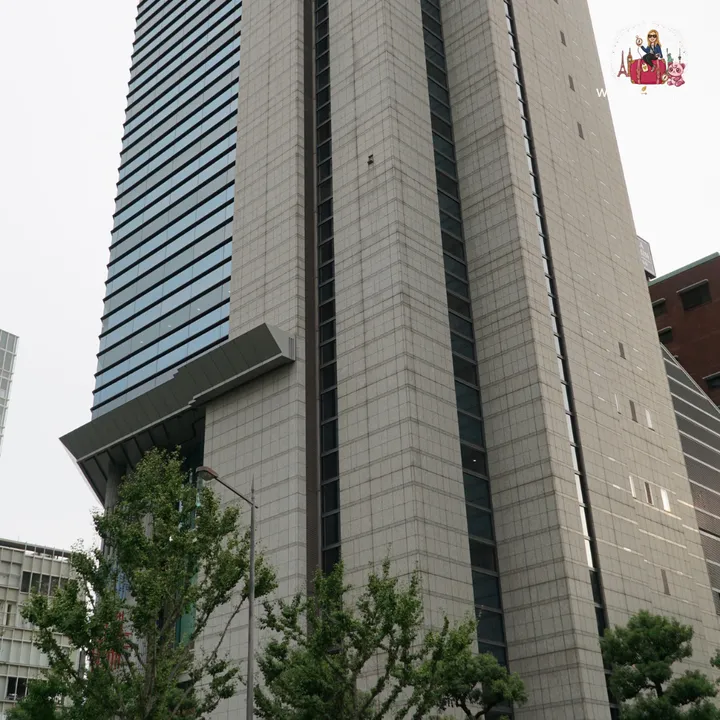
Although it's technically not on Nakanoshima Island itself, The Phoenix Hall sits right next to one of the main entrances to the area, by Suishobashi Bridge. It's a concert hall that opened in 1995 inside the Phoenix Tower, designed mainly for classical music concerts in a more intimate setting. Since then, it's been used for concerts and other cultural events, becoming a landmark of this part of Osaka. Given its location, it makes for a good first stop before heading onto the island.
Suishobashi Bridge | 水晶橋
Suishobashi Bridge crosses the Dojima River and leads straight onto Nakanoshima Island. It was built in 1929, though it didn't originally function as a bridge, it was actually part of a structure designed to help improve the river's water quality. It was only later, after renovation works in 1982, that it took on the shape we see today, with its distinctive arched design, and became a pedestrian-only bridge.
Osaka Prefectural Nakanoshima Library | 大阪府立中之島図書館
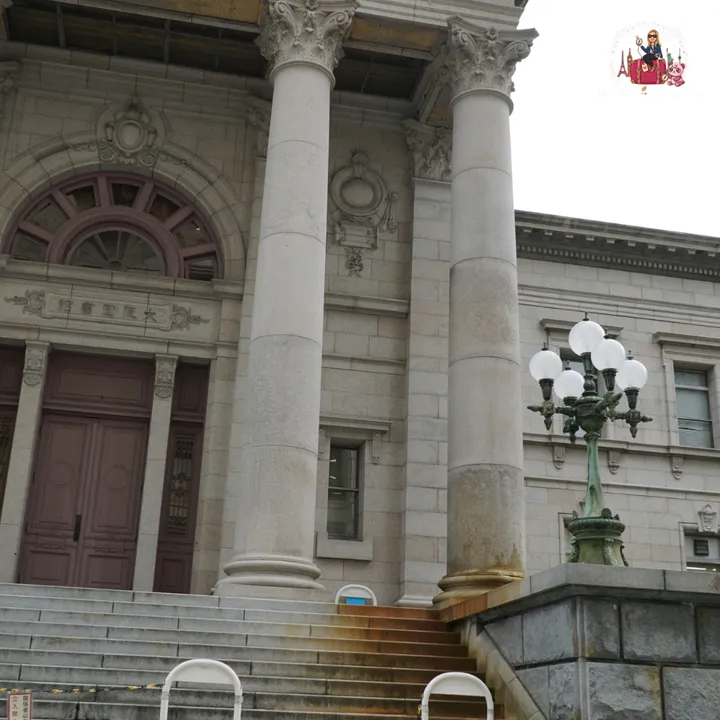
The Osaka Prefectural Nakanoshima Library opened in 1904 and is one of the oldest and most beautiful buildings in this part of the island, and it's still in use as a library today. Its construction was made possible by a donation from the Sumitomo family, one of Osaka's most important business families, and the building was designed in a neoclassical style, quite different from traditional Japanese architecture. The two side wings were added in 1922, and a few decades later, the complex was designated an Important Cultural Property of Japan.
Osaka City Central Public Hall | 大阪市中央公会堂
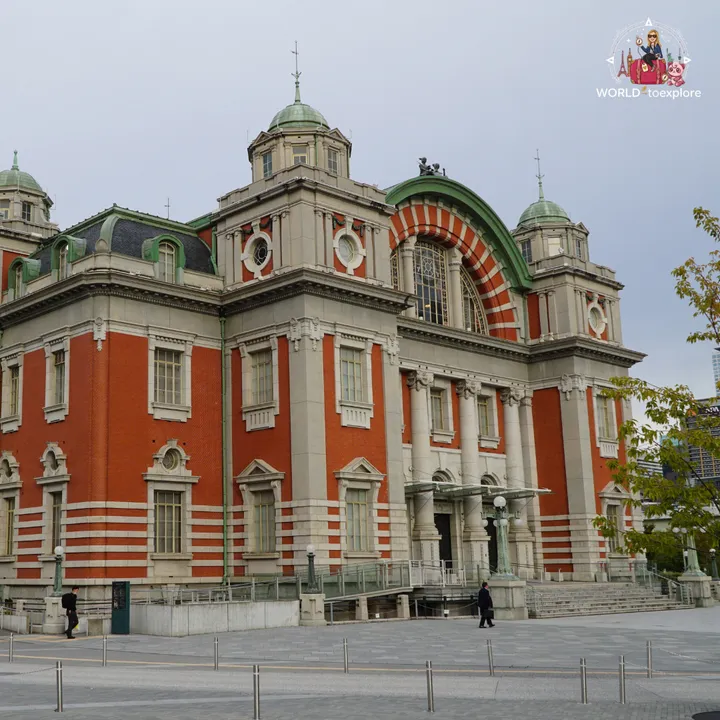
Osaka City Central Public Hall opened in 1918 and is one of the island's main buildings. Its construction was only possible after Einosuke Iwamoto, an Osaka businessman, donated a large sum of money to create a public space in the city. The red-brick exterior and Neo-Renaissance style make it easy to recognise. Today, the building hosts various cultural events, including concerts and conferences.
Nakanoshima Park | 中之島公園
Opened in 1891, Nakanoshima Park was Osaka's first urban public park. It stretches for about 1.5 km and covers a large part of the island's eastern side, making it one of the main green spaces in this part of the city today. Over the years it's been expanded and updated, and it remains one of the most pleasant spots for a walk in Nakanoshima.
Nakanoshima Rose Garden | 中之島バラ園
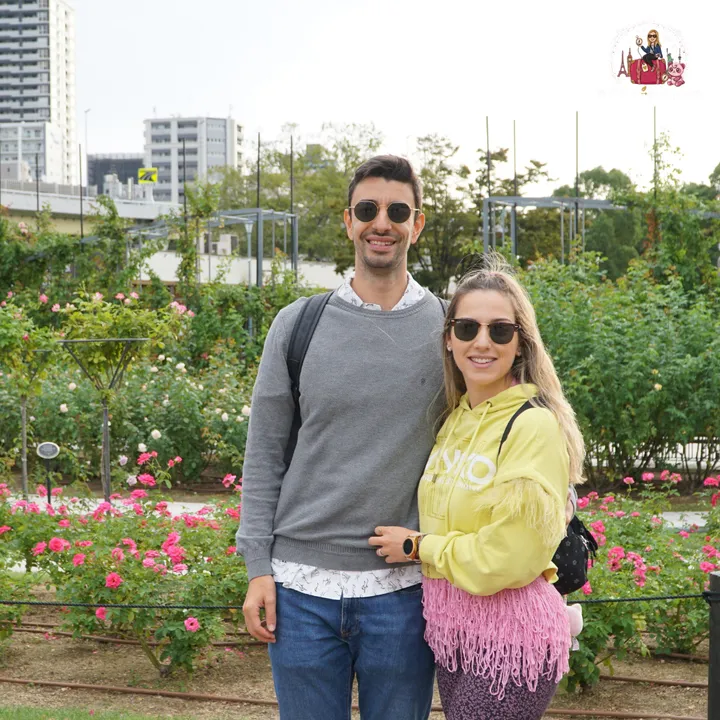
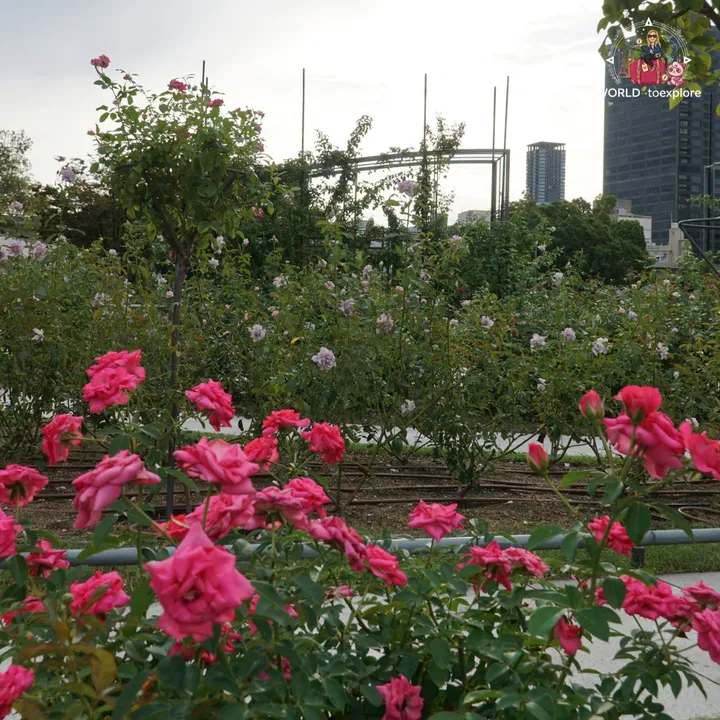
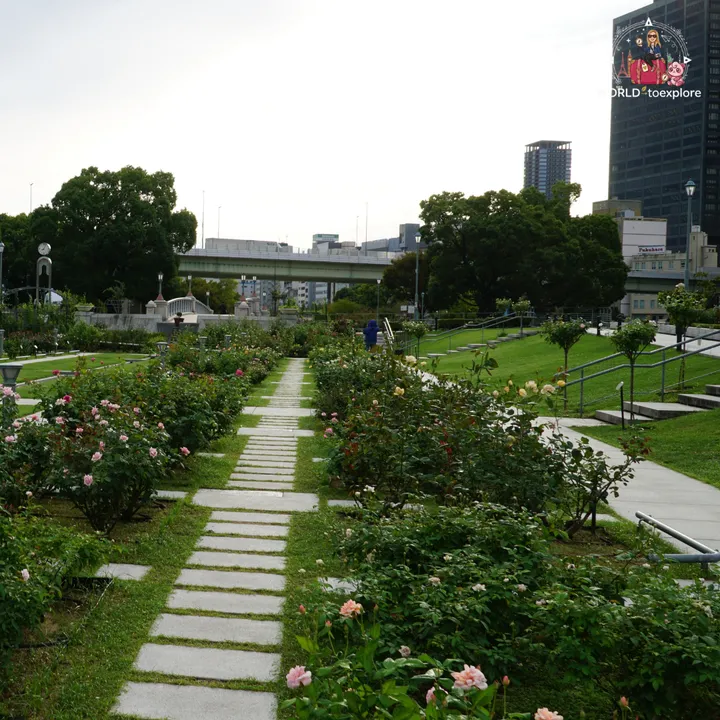
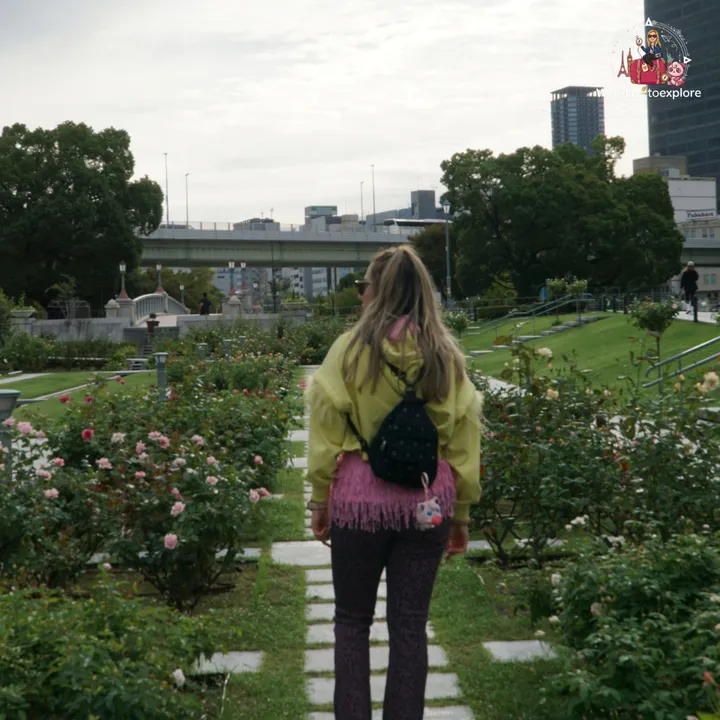
The Nakanoshima Rose Garden is part of Nakanoshima Park and is one of its best-known areas. It was created in 1990 and holds around 3,700 rose bushes of roughly 310 different varieties, spread across an area beside the river. The best times to visit are usually Spring and Autumn, when most of the roses are in bloom.
Tenjinbashi Bridge | 天神橋
At around 210 metres long, Tenjinbashi Bridge stands on the island's eastern side and is thought to have first been built in the late 16th century. Along with Tenmabashi and Naniwabashi, it was one of the so-called “Three Great Bridges of Naniwa”. The structure we see today is much more recent, rebuilt in 1934 after the previous bridge was destroyed by a major flood that hit the city.
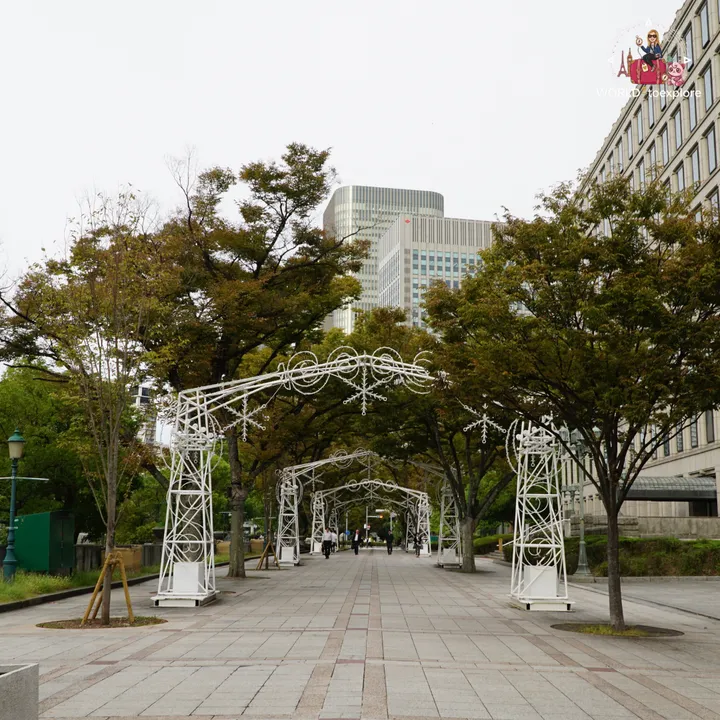
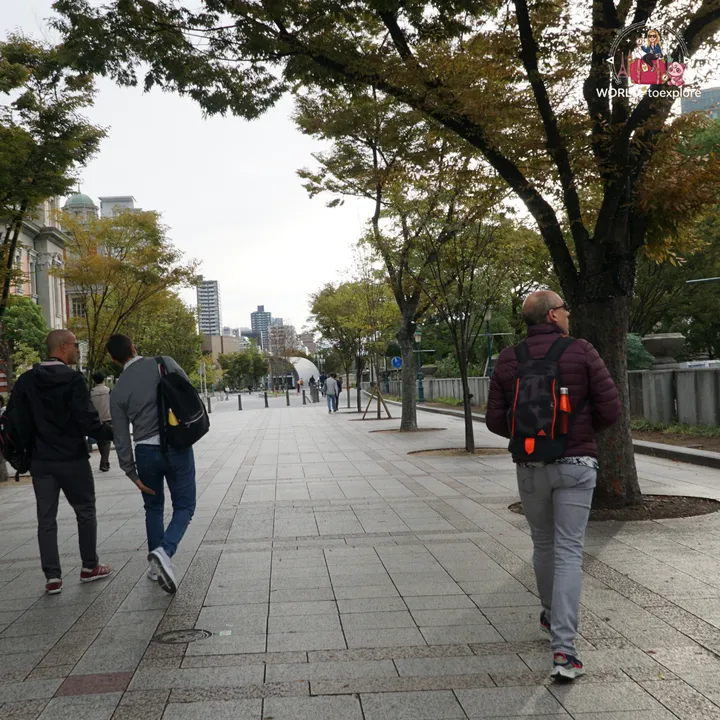
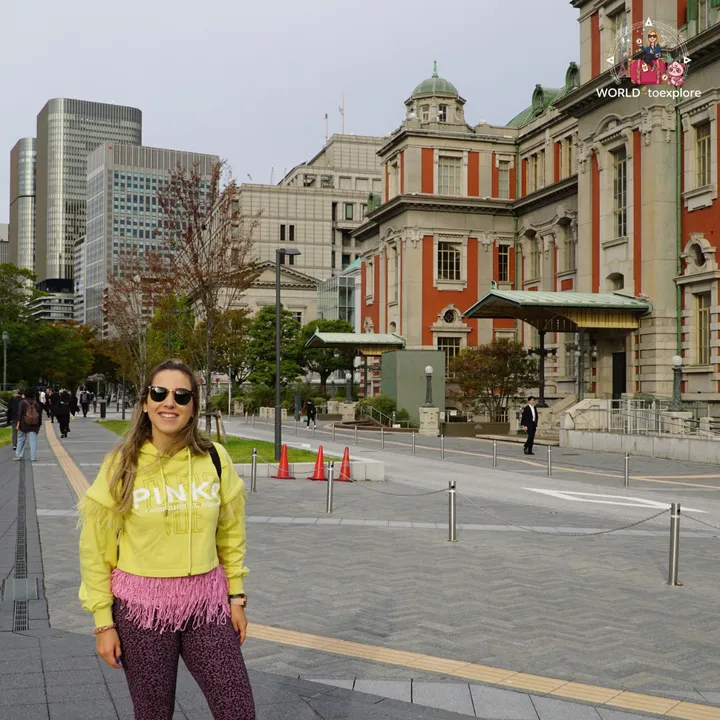
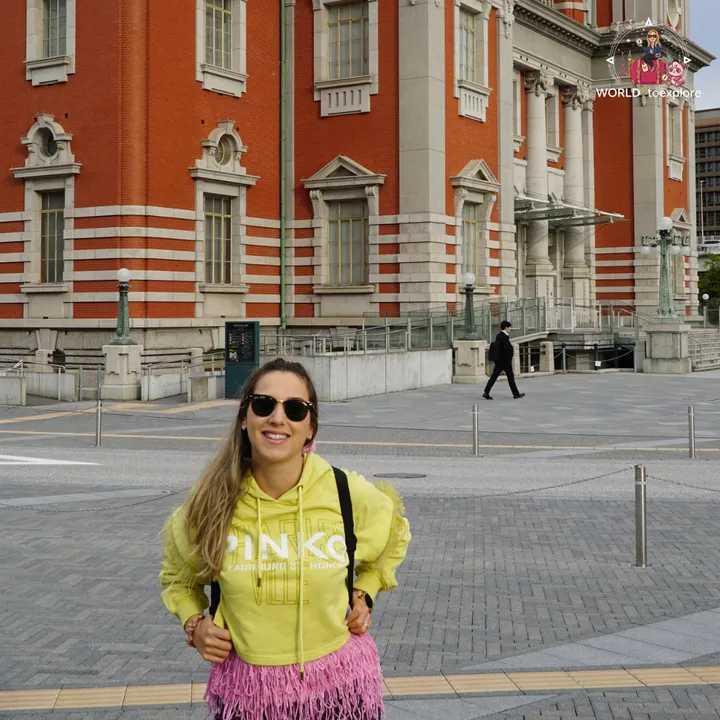


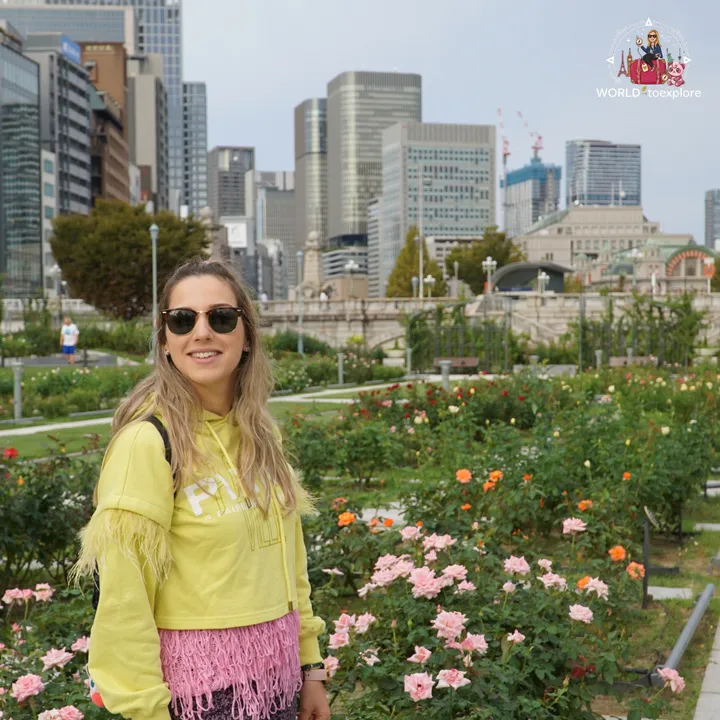
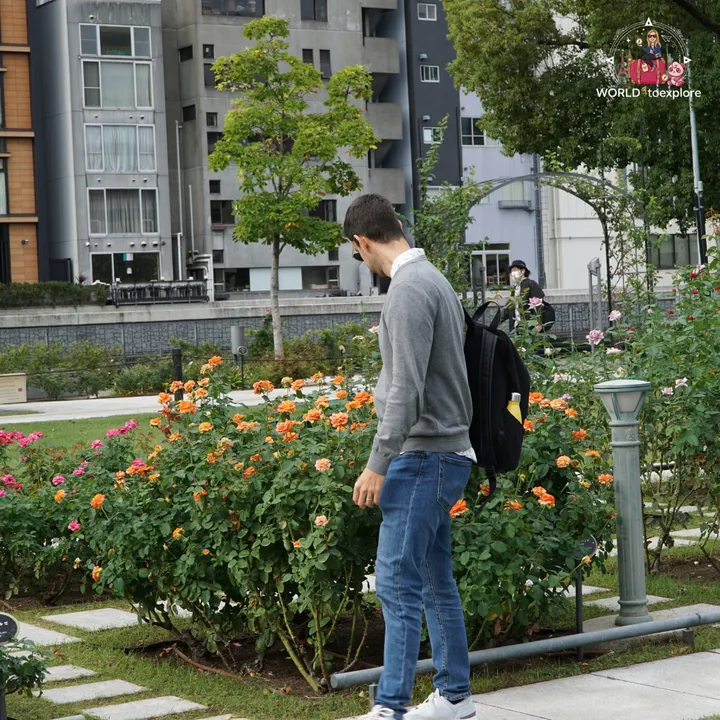
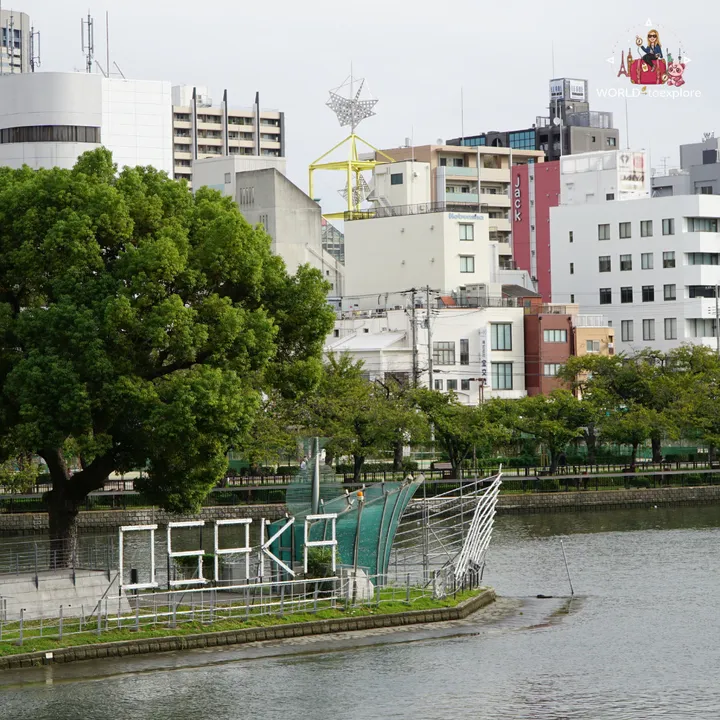
How much time you spend on Nakanoshima Island will really depend on how long you have to explore Osaka. It's not exactly a spot that shows up in every travel itinerary, and I wouldn't call it a must-see if you only have a day or two in the city. Even so, because it's in such a central location, it's very easy to fit in without much of a detour. To take in this part of the island at a relaxed pace, I'd say around an hour to an hour and a half is enough. If you have that time to spare, it can be a great way to see a different side of the city and enjoy a quieter walk, away from all the bustle.
In our case, Nakanoshima fitted really well into our itinerary and worked as a natural link between other visits we already had planned for that day. Once we finished walking around the island, we headed straight to Osaka Castle, one of the city's main symbols and one of the places we most wanted to see. Nakanoshima Island was one of those stops that hadn't been a priority for us, but it ended up fitting perfectly into our day in Osaka. 🩷
If you're planning a trip to Japan, check out all our articles here to help plan your trip.
You Might Also Like
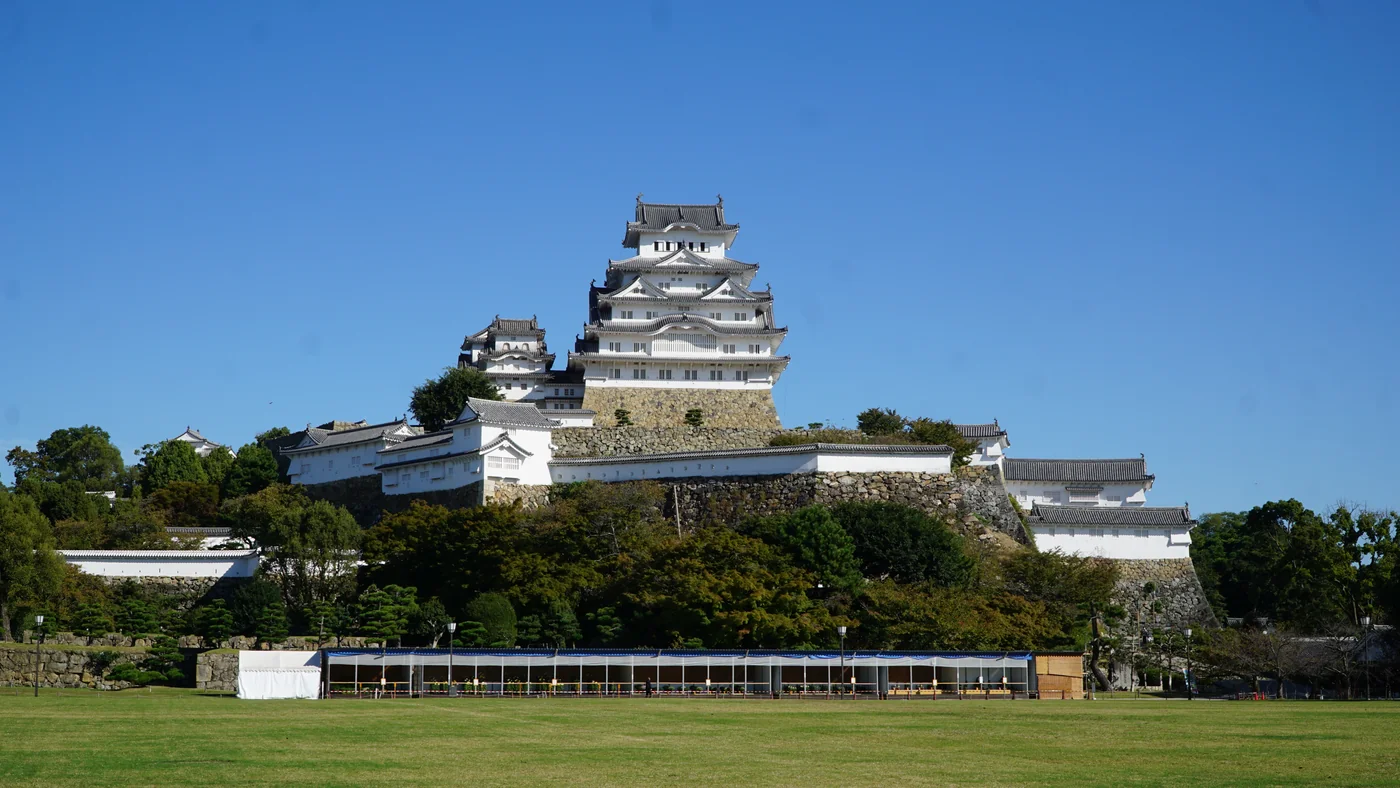
What Feudal Japan Was and Who the Samurai Were
Discover what Feudal Japan was and who the samurai really were. A simple guide to the shoguns, daimyo and 700 years of Japanese history.
Exploring the Hiroshima Castle Complex
Long before the atomic bomb, Hiroshima Castle was the city’s feudal power centre. Discover its history and what to see across the whole complex.
Hiroshima Peace Memorial Museum: a visit that leaves no one indifferent
Personal belongings, photographs and the testimonies of the hibakusha tell what happened in the city on 6 August 1945. A heavy visit, the kind that stays with you long after you leave.